Disclaimer: This is my original work with details sourced from reading the comic book and doing personal research. Anyone who wants to use this article, in part or in whole, needs to secure first my permission and agree to cite me as the source and author. Let it be known that any unauthorized use of this article will constrain the author to pursue the remedies under R.A. No. 8293, the Revised Penal Code, and/or all applicable legal actions under the laws of the Philippines.
Welcome back, superhero fans, 1990s arts and culture enthusiasts, Ultraverse fans and comic book collectors! Today we go back to the mid-1990s to examine one of the many tales of the Ultraverse through the Elven mini-series.
Having read the first two issues (click here and here), I can say that there is indeed progressive development of the personality of Elvia and her fantasy inspired identity as Elven. At the same time, the fantasy elements of the Ultraverse itself were portrayed in lively fashion. Clearly, Elven’s own corner of the Ultraverse has been established and there is some excitement to find out what would happen next and how it could affect others within the UV.
With those details laid down, here is a look back at Elven #3, published by Malibu Comics in 1995 with a story written by Len Strazewski and illustrated by Aaron Lopresti (Sludge).
The cover.
Early story
The story begins on top of the building with Elven and Prime meeting again. Tensions are high as Elven accuses him of lying. By this time, she learned a lot of details about her origin from the demon she fought with which convinced her that Prime lied to her about their genetic connections with each other (note: Doctor Vincent Gross was involved as he wanted to create ultras).
Elven rejects the science as she is strong convinced she is of magical origin from a mystical world and happens to be trapped on Earth. As Prime tries to put sense into her, Elven strikes him with a blast of energy to push him back. The blast turned to be of biological energy instead of magic.
As Elven reveals that she learned crucial information from the demon she fought with, Prime realizes it is none other than the one enemy he fought with some time ago…
Quality
Once again, Elven impulsively uses violence on individuals to help Bruno.
Following the events of issue #2, Elven here remains confused and even lost as she has a lot of trouble figuring out the facts. Of course, being a fanatic of fantasy and Elfquest, Elven clings on to the belief that the fantasy realm is real and that she is of magical origin (which conflicts with the biology and science of her abilities and physical transformation). This is evident in the early part of the comic book when she has a tense reunion with Prime who did his best to explain details and help her understand.
When it comes to the very conflict of the story itself, the stakes were raised when Strazewski has Prime-Evil and elements of unethical science present during the later stage. Apart from abducting Elven, Prime-Evil has his own agenda pursuing Mantra (who in turn has an evil version called Necro Mantra) and a lot of arrogance within. Literally, Prime-Evil’s presence added intrigue to the plot and only made Elven’s struggle to realize the truth of her origin – both the scientific and fantasy aspects – even more complicated.
Bruno, who was a significant and surprising factor behind the conflict in issue #2, gets his nice share of the spotlight. Without spoiling the plot, I can say that he is a lot more than what he seems and has more to add to the conflict.
Considering the intensity of the conflict in issue #2, I find it very weird that Bruno and Elvia were not even reported to the local authorities for questioning and accountability. Perhaps the psychiatrist did not bother to do what is right since he was so fascinated with the fantastic conflict and unexplained moments that happened in his office (note: his own office assistant even became naked suddenly), and he has ambitions to become America’s next big name with his knowledge.
Conclusion
Elvia with Bruno and their psychiatrist.
At this particular stage of the mini-series, Elven #3 (1995) had an even more intriguing story to tell while gradually moving forward with Elven’s quest for the truth of her origin and her own purpose. The Strazewski-Lopresti duo did fine work in this comic book for the most part and ultimately the story convinced me to look forward to the next issue. I can say that the ending of this comic book is more suspenseful than that of issue #2.
Disclaimer: This is my original work with details sourced from reading the comic book and doing personal research. Anyone who wants to use this article, in part or in whole, needs to secure first my permission and agree to cite me as the source and author. Let it be known that any unauthorized use of this article will constrain the author to pursue the remedies under R.A. No. 8293, the Revised Penal Code, and/or all applicable legal actions under the laws of the Philippines.
Welcome back, superhero fans, 1990s arts and culture enthusiasts, Ultraverse fans and comic book collectors! Today we go back to the mid-1990s to examine one of the many tales of the Ultraverse through the Elven mini-series.
When I grabbed a copy of Elven #1, I did not expect much entertainment and surprise. But as I started reading it and witnessed Elven’s interactions with Prime, the narrative became even more engaging to read. In addition, Len Strazewski’s writing clearly defined the personality of fantasy fanatic and confused girl Elvia Swanson and established Elven as a twisted female parallel to Prime. Along the way, Aaron Lopresti’s art showed a lot of details, emotions and dynamism (on the action).
With those details laid down, here is a look back at Elven #2, published by Malibu Comics in 1995 with a story written by Len Strazewski and illustrated by Aaron Lopresti (Sludge).
The cover.
Early story
The story begins inside the office of a psychiatrist where Elven encounters a demon which just came out of the teenage boy Bruno. As the two fight each other violently, the psychiatrist watches them obsessively and writes down the notable details for a potential advancement in his career. Bruno, who carried the demon in him some time prior, watches the fight from a distance marveling at Elven while also observing how chaotic the demon is.
Elven fights the demon hard while maintaining a mindset of pride and even being superior. The demon reveals his link with Boneyard (for reference, click here) confirming he came from a distant world.
After getting hit by Elven’s elf-fire, the demon begins to laugh at her. Elven gets triggered and starts hitting the demon more…
Quality
By giving in to her impulses, Elven commits a very violent move on a man. This also shows her inability to restrain herself.
While issue #1 established Elvia Swenson personality and her super-powered, fantasy inspired Elven identity who has a genetic connection with Prime, this comic book emphasizes the deeper fantasy aspects of the Ultraverse while expanding the lore within Elven’s part of the shared comic book universe.
Similar to Prime (Kevin Green in disguise), Elven gets triggered emotionally which is the result of the youth and obvious lack of maturity of Elvia. That being said, the moments of Elven getting more violent and shedding a few tears after getting laughed at by the demon deserve any reader’s attention.
Len Strazewski’s writing is pretty rich here and he pulled of some clever moves with the narrative. As the battle between Elven and the demon intensified, there were signs that the conflict would turn into an even bigger and more destructive battle. Instead, there were these deep revelations that happened (note: for relevance, you will have to read Prime #5 which I reviewed some time ago) and even the arrogant boy Bruno has his own share of what has been going on. Even the psychiatrist turned out to be a pretty significant bystander during the battle which suggests a build-up for a sub-plot.
As such, Strazewski wrote the story to be very intriguing and the plot threads are not limited to Elven and the demon. The way I see it, something is being built up and to grasp the relevance, you will have to read some issues of the Prime and Mantra comic book series.
If there is any weakness in the storytelling, it is the fact that the psychiatrist and his office assistant very easily forgot the moments of Bruno turning evil during the late part of issue #1. The way they reacted in this comic book after the end of the battle between Elven and the demon, they did not make any moves to hold Bruno accountable nor did they question Elven’s way of handling matters (which includes the eventual ruining of the office).
Conclusion
After getting triggered (being laughed at by the demon), Elven acted move violently and impulsively.
While there were a few weak spots in certain parts of the story, Elven #2 (1995) is another solid read from the Strazewski-Lopresti duo. Elven got developed even more through conflict with the demon, and her own search for the truth about her origin. Aside from that, the fantasy elements implemented in the story expanded the lore of the Ultraverse in a very unique way. Ultimately, I am looking forward to reading the next chapter of this mini-series.
Welcome back my readers, YouTube viewers and all others who followed this series of articles focused on YouTube videos worth watching. Have you been searching for something fun or interesting to watch on YouTube? Do you feel bored right now and you crave for something to see on the world’s most popular online video destination?
I recommend you check out the following videos I found.
#1 Discover Shiriyaki Onsen In Japan’s Kanto Region – Japan has a lot of wonderful sites and special places of nature that are worth visiting. Within the Kanto region (which contains Tokyo) is the wonderful place called Shiriyaki Onsen which stands out nicely among the hot springs there. Nippon TV recently produced a feature of the place and you can find out more by watching the video below.
#2 Disasters That Hit Cruise Ships And Troubled The Passengers –Spending days at sea on a cruise ship can be a nice way of having a vacation with momentum. However, bad weather conditions can ruin such vacations. Worse, the cruise could turn into bouts of danger and already there have been cruise ships that got hit hard with bad weather at sea which in turn placed the passengers in deep danger. Even as they are inside the cruise ship during powerful storms and big waves at sea, passengers and the crew have to deal with interior damage, falling debris and furniture that moved a lot. You can learn about what happened to the unfortunate ones at sea by watching the video below.
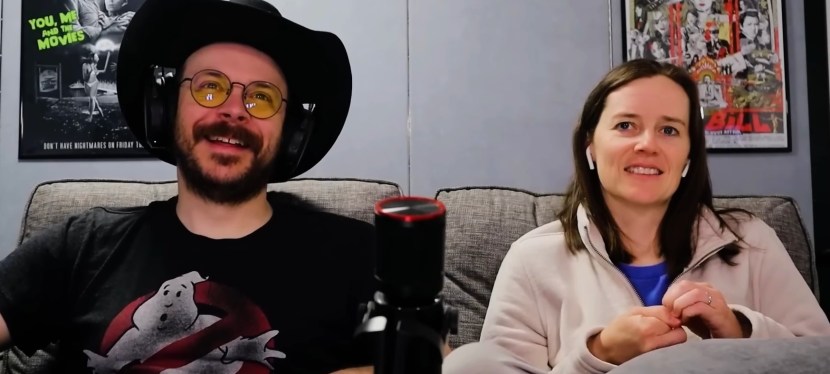
#3 You, Me and the Movies React To Orca: The Killer Whale – When Steven Spielberg and Universal Pictures struck box office gold with Jaws in 1975, it was not surprising that many filmmakers and producers scrambled to cash in on the “creature feature” trend of movies at that time. Indeed, there were imitations or “monster movies” that were inspired by Jaws released during the late 1970s. One of those films was Orca: The Killer Whale (AKA Orca) which had a lot of similarities with Spielberg’s massive blockbuster due to it featuring an aquatic monster and having the sea as the main environment. Still, Orca has certain creative elements that made it stand out in a very disturbing way and its cast has Richard Harris, Charlotte Rampling and Bo Derek. To find out about Orca, watch the movie reaction video below.
#4 The Monster Squad Revisited – What can be said about The Monster Squad? The 1987 movie directed by Fred Dekker was a failure in the American box office and yet it still has a dedicated fan base. A lot of people who support the movie point to its monster lineup composed of horror movie icons like Dracula, Frankenstein’s monster, the mummy, the wolfman and the creature from the black lagoon. As such, it is not surprising to see YouTubers make retrospective features and reaction/review videos about The Monster Squad which have been posted below for your viewing.
#5 The Many Ports Of Final Fantasy IV – Since it was first released in Japan on the Super Famicom, Final Fantasy IV became a critical and commercial success. It was released on the Super Nintendo Entertainment System (SNES) in America titled as “Final Fantasy II” which further expanded the game’s reach with many gamers who don’t understand Japanese. Furthermore, the classic Japanese role-playing game (JRPG) was ported to multiple systems through the decades and it even had a 3D polygonal remake on the Nintendo DS. To find out the many ports of Final Fantasy IV and which ones stood out technically and visually, watch and learn from the video below.
#6 Ranting For Vengeance Hits Woke Hijackers On Resident Evil – Let us be very clear here. The woke/socialist/LGBTQ/commie/SJW mob cannot help but be very loud with their twisted ideology and they simply cannot stop themselves from literally hijacking pop culture as we know it. In this case, the Leftists are trying to claim the Resident Evil games franchise for themselves and they are only getting worse as the release of Resident Evil Requiem moves closer. In response to this, Ranting For Vengeance posted three RE-related videos, slammed the woke mob and exposed who the fake fans are. You can find out more by watching his videos below.
Welcome back readers, fellow geeks and electronic gaming fans!
In this edition of the Retro Gaming Ads Blast (RGAB) series, we will take a look at another batch of retro gaming print ads from the 1980s to the 1990s, particularly on role-playing games (RPGs) from the East and the West. This is the RPG Special!
For the newcomers reading this, Retro Gaming Ads Blast (RGAB) looks back at the many print ads of games (console, arcade, computer and handheld) that were published in comic books, magazines, flyers, posters and newspapers long before smartphones, social media, the worldwide web and streaming became popular. To put things in perspective, people back in the 1980s to the 1990s were more trusting of print media for information and images about electronic games and related products.
With those details laid down, here is the newest batch of retro gaming print ads for you to see and enjoy…
1. Phantasie North American and Japanese Print Ads
The North American print ad.
The Japanese print ad.
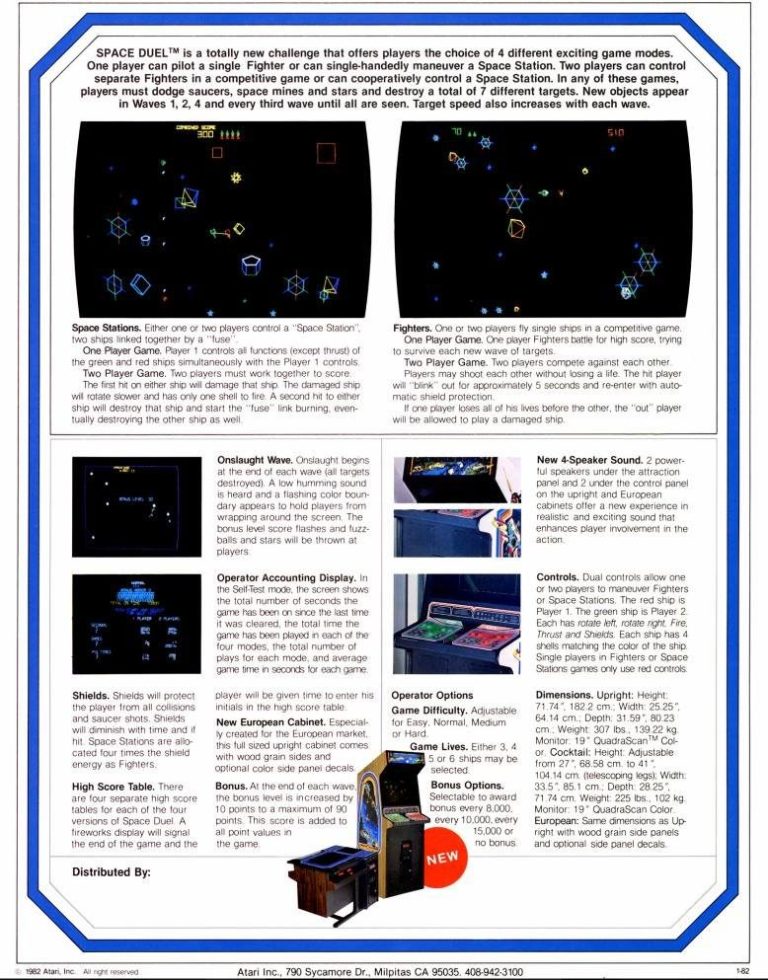
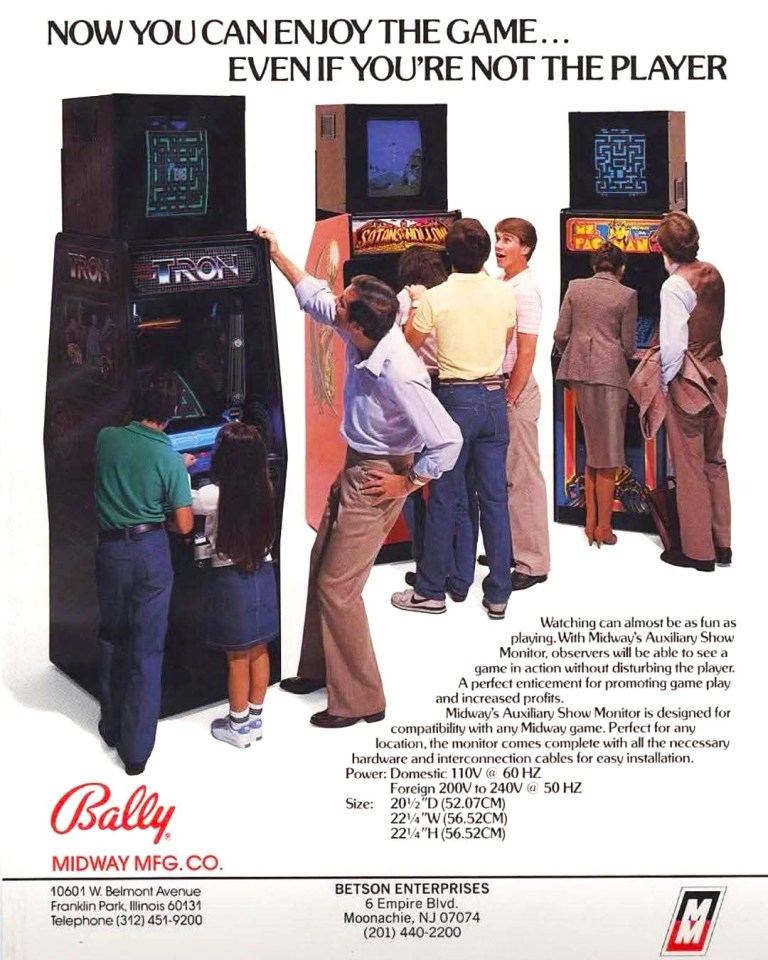
Released by Strategic Simulations in the mid-1980s, Phantasie was a fantasy role-playing game that became a huge commercial success paving the way for not only ports on other computer systems of the time but also sequels later. The ad they came up with for the North American market had strong fantasy vibes and the screenshots gave readers the impression that it looked playable or user friendly. For the Japanese market, Phantasie was ported to the MSX system and they came up with an ad using radically different art work that had a horror vibe.
2. Phantasy Star Japanese Print Ad
Phantasy Star in the Japanese print ad sharing the spotlight with After Burner.
In the 1980s, role-playing games started gaining popularity with Japanese console gamers and there were game developers who were inspired by established RPGs from the West. Enix released two Dragon Quest games and each of them sold a lot of copies on Nintendo’s Family Computer (Famicom). At the time, Sega already had the Master System (called the SG-1000 and its variants with revisions) in the console market and they were way behind Nintendo on hardware sales. Knowing there is a market for console RPGs, Sega went on to make their exclusive RPG Phantasy Star. In 1987, a print ad was released showing Phantasy Star sharing the spotlight with Sega’s blockbuster game After Burner in the background. While the ad felt a bit disorienting to see, the game achieved much-needed success for Sega which in turn brought the game to the Master System in America in 1988. The game sold more and eventually led to sequels in the years that followed.
3. Ultima III Japanese Print Ad
Remember the old days when anime or comic book-style artwork was used to promote games in the Japanese print media?
Released in Japan under the title Ultima: Kyoufu no Exodus, Ultima III: Exodus was a breakthrough for the series as the Famicom version marked the first console release for Japanese gamers (note: the game was also offered for MSX and other computer systems in the country). The anime-style artwork used for the print ad is the same virtually the same with the front cover of Famicom version. Very notably, the art on the covers of the PC-88 and PC-98 versions were different.
4. Lunar: The Silver Star Japanese Print Ad
Game Arts’ Lunar: The Silver Star as advertized in Japanese magazines.
By the 1990s, console RPGs were very popular as franchises like Dragon Quest and Final Fantasy each released sequels that sold a lot of copies. The company Game Arts decided to make a role-playing game which can tell stories better using animation with voiceovers and music while being very playable and enjoyable. They came up with Lunar: The Silver Star and released it on the Mega-CD add-on (connected with the Mega Drive console of Sega) in 1992. As such, it was not surprising to see the print ad having anime-style artwork as the game itself had several minutes of anime cutscenes complete with audio. As most Japanese role-playing games (JRPGs) did not have playable anime cutscenes for storytelling, Lunar: The Silver Star really stood out. Sometime later, the small American company Working Designs would handle the game’s English version and start a healthy business relationship with Game Arts.
5. Dungeons & Dragons: Warriors of the Eternal Sun North American Print Ad
A print ad that strongly appealed to both Sega Genesis gamers as well as fans of Dungeons & Dragons.
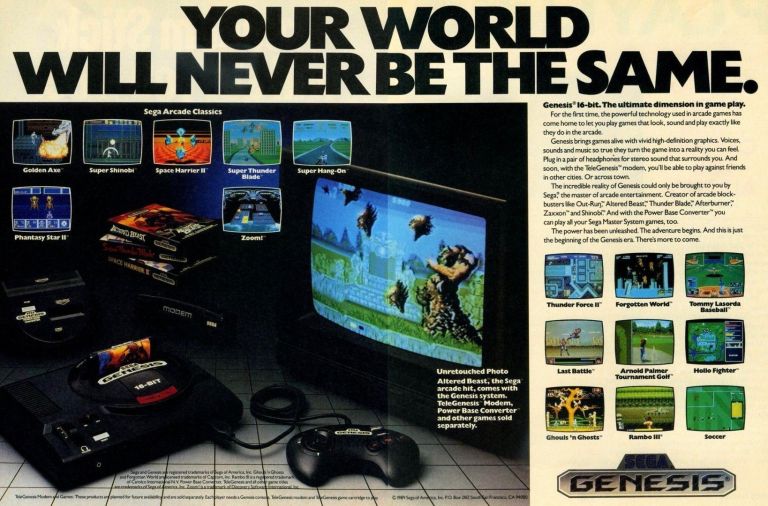
By the year 1992, the fantasy games franchise Dungeons & Dragons was wildly popular as players around the world kept enjoying the tabletop RPG modules (using dice, pen paper) as well as many computer and video games already available. Sega acquired a D&D license and eventually released Dungeons & Dragons: Warriors of the Eternal Sun exclusively on their Genesis console in 1992. To promote it, Sega produced a 2-page print ad that had one half showing the game’s box placed with jewelry while using the other half to show the screenshots, descriptive text and other details. The way it was presented, the print ad was cleverly structured to attract the attention of Sega Genesis gamers as well as Dungeons & Dragons fans. The game ended up as the first and only official D&D product for the console.
6. Shadow Sorcerer North American Print Ad
This is one of many Dungeons & Dragons computer games released. The use of painted art for marketing was done many times.
In the history of the Dungeons & Dragons franchise and electronic gaming, it was on computers where the more ambitious and more intricate licensed games were played by many fans. In 1991, the Advanced Dungeons & Dragons (AD&D) electronic game Shadow Sorcerer was released on MS-DOS PC, Amiga and the Atari ST. The painted artwork used on the print ad was virtually the same as that on the box covers of the MS-DOS and Amiga versions. I can only guess that the ad markers must have paid a lot of money on the painted art and decided to use it for both marketing and packaging since it looked so detailed.
7. Estopolis Denki Japanese Print Ad
The 2-page Japanese print ad of Estopolis Denki.
In 1993, a brand-new Japanese developer called Neverland was established and its first project was the fantasy role-playing game Estopolis Denki for the Super Family Computer (Super Famicom). That same year, publisher Taito released the game and they promoted it with a 2-page print ad that featured a whimsical looking hand-drawn art work on one half and utilized the other half with details, screenshots and part of the art that was used on the game’s Super Famicom box cover. While Japanese game sales are not available, it seems Estopolis Denki sold enough to convince the publisher to release the game in North America as Lufia & The Fortress of Doom.
8. Lufia & The Fortress of Doom North American Print Ad
If you were able to play Lufia & The Fortress of Doom on the SNES, were you able to see this ad in a comic book or in a magazine?
Upon release in America in late 1993, Taito scored gold as Lufia & The Fortress of Doom on the Super Nintendo Entertainment System (SNES or Super NES) became a critical and commercial success. In fact, it literally gained steam during the early months of availability and ended up as the top-selling SNES game in America for the month of February of 1994. Take note that at this particular point of time, RPGs on game consoles in America were not yet in high demand as gamers’ tastes were different. When it comes to the marketing, Taito came up with a single-page print ad showing fantasy artwork, the game’s box cover and the published quotes from game critics who gave the game positive reviews. This is smart marketing on the part of Taito.
9. Record of Lodoss War Japanese Print Ad
The Japanese print ad of Record of Lodoss War for Super Famicom.
Have you ever heard of the Record of Lodoss War fantasy franchise? That one started as a series of fantasy novels by Ryo Mizuno who previously worked on an RPG project. Record of Lodoss War was eventually adapted into comics, anime and video games. One of those games was released on the Super Famicom in December 1995 published by Kadokawa Shoten which in turn made the one-page print ad for the Japanese market. Using established art from the anime OVA (original video animation) series was a strategic move by the publisher as millions of Japanese people viewed it. Unsurprisingly, the art on the ad is almost the same as the one displayed on the game box cover.
10. Fallout North American Print Ad
A gritty looking print ad of the original Fallout PC game.
In my gaming life, I played Fallout 3, Fallout 4 and Fallout: New Vegas on Xbox consoles. When the first-ever Fallout game was released in 1997, I did not notice it as I was more into console gaming than PC gaming. The above print ad appeared is several PC gaming magazines and it clearly shows what it offered which gamers eventually ended up enjoying a lot. The mechanical helmet – protection for the user during battles and from radiation in the nuclear wasteland – on the left side of the ad became a key symbol of the Fallout franchise as further games also featured mechanical helmets. Fallout was highly acclaimed for featuring open-ended gameplay and its immersive post-apocalyptic setting. It sold enough copies to convince publisher Interplay to proceed with a sequel and the rest was history.
11. Xenogears Japanese and North American Print Ad
Japanese advertisement of Xenogears.
This North American print ad of Xenogears clearly showed the main character, a robot, the sci-fi setting and the visual style of the game.
Xenogears was a sci-fi JRPG I played on the PlayStation in 1998 but I was unable to finish it. Before it was released in America, there was speculation that Squaresoft would not be able to produce an English version for international release due to its religious content. The game was highly challenging to translate into English due to religious themes and psychological elements. Regardless, the game achieved successes commercially and critically in both Japan and America. Xenogears has since been considered by many as a classic JRPG and to play it today is pretty challenging as an existing PlayStation One, PlayStation 3 or PlayStation Vita is required as well as the physical PlayStation disc itself (note: digital copy of Xenogears for PS Vita). Square Enix – which previously remastered Chrono Cross and several Final Fantasy games for modern gaming platforms – has yet to remaster Xenogears for those with modern game consoles, mobile devices and the PC.
12. Final Fantasy Anthology Print Ad
I remember seeing this 2-page print ad in many gaming magazines I read.
By the year 1999, Squaresoft established itself as the best role-playing game company as they achieved critical and commercial success with Final Fantasy VII in 1997, Brave Fencer Musashi, Parasite Eve and Xenogears in 1998. For 1999, Squaresoft decided to bring ports Final Fantasy V and Final Fantasy VI – both games were released in cartridge format on Super Famicom/Super NES some years prior – to their fans who owned PlayStation consoles by releasing the collection called Final Fantasy Anthology. For the North American market, Squaresoft aggressively promoted the 2-game collection with the above 2-page print ad on several video game publications. One half featured exquisite artwork by Yoshitaka Amano and the other half showed the screenshots, descriptions and details. Clearly the ad was made with Final Fantasy fans in mind and it was also clever with the use of nostalgia.
13. Final Fantasy VII North American Print Ad
While it did not show any of the characters, this 2-page print ad of Final Fantasy VII appeared in many gaming magazines and ultimately made the public aware of the game which went on to sell millions.
There is no denying that Final Fantasy VII is the most defining Japanese RPG of the 1990s. Given its huge pre-release promotions, the critical acclaim and the tremendous sales achieved in North America and Europe, the game arguably made the JRPG sub-genre more popular among gamers and game publishers while also making the original PlayStation console the must-have machine for video gaming. The above print ad is one of several released through print media and even though it did not show any characters, the image of a futuristic looking city caught the attention of not just gamers but also others who loved entertainment.
Welcome back Xbox fans, Japanese role-playing game (JRPG) enthusiasts, Final Fantasy fans and fellow geeks!
Over a week ago, Square Enix officially releasedFinal Fantasy VII Remake Intergrade for Xbox Series X, Xbox Series S plus Windows PC and Xbox Cloud Gaming. For Xbox gamers who love JRPGs and the Final Fantasy games franchise, this development marked the end of a years-long wait for the big budget remake of Final Fantasy VII to be released on their consoles.
This is Aerith Gainsborough in the big-budget remake?
There are multiple reasons why FF7 Remake will have sold well on Xbox, even beyond the fact that it’s one of the most requested Xbox releases of the past few years. For one, it’s available at the pretty low launch price of just £39.99 / $39.99, and as a “limited early” bonus, it even comes with the original version of Final Fantasy 7 as well. Don’t forget it’s an Xbox Play Anywhere title too, which means you get a free PC version when buying it on console.
Meanwhile, Final Fantasy VII Remake Intergrade co-director Naoki Hamaguchi expressed his happiness that Xbox gamers are enjoying the game and he already confirmed that the remaining chapters of the Final Fantasy VII Remake trilogy will be released on Xbox. Read his Twitter post below.
Final Fantasy VII Legacy and Cultural Significance
Historically, the original Final Fantasy VII was released on PlayStation in 1997 and it became a massive commercial juggernaut which arguably made the JRPG more popular among Western gamers. Characters like Cloud Strife, Barret Wallace, Tifa Lockhart, Aerith Gainsborough, and Yuffie Kisaragi became wildly popular not only among Final Fantasy fans but with JRPG enthusiasts. Sephiroth meanwhile became one of the most defining villains of video gaming.
Battles in the game are often fast, intense and filled with visual spectacle.
The road to the big budget remake was a long one and it eventually Final Fantasy VII Remake was released as an exclusive game on PlayStation 4 in 2020. A year later, the upgraded version called Final Fantasy VII Remake Intergrade was released on PlayStation 5.
Xbox gamers who purchase Final Fantasy VII Remake Intergrade can expect the following: Quests, mini-games, and missions set in expanded areas of Midgar. There are also some new characters and content that adds even more depth to the story.
The main cast in Final Fantasy VII Remake Intergrade.
Disclaimer: This is my original work with details sourced from reading the comic book and doing personal research. Anyone who wants to use this article, in part or in whole, needs to secure first my permission and agree to cite me as the source and author. Let it be known that any unauthorized use of this article will constrain the author to pursue the remedies under R.A. No. 8293, the Revised Penal Code, and/or all applicable legal actions under the laws of the Philippines.
Welcome back, superhero fans, 1990s arts and culture enthusiasts, Ultraverse fans and comic book collectors! Today we go back to the mid-1990s to examine one of the many tales of the Ultraverse.
For the newcomers to the Ultraverse, Prime is one of its most definitive heroes and his true identity is the teenager Kevin Green who can transform into an overly muscular caped adult superhero. The Prime monthly series of comic books ran for two years and the title character appeared in many other Ultraverse comic books.
Considering the prominence of Prime, it is not surprising that Malibu Comics proceeded to create comic books featuring a female counterpart to Prime. That counterpart is called Elven who appeared in a few early issues of the Ultraverse Premiere series and eventually Prime interacted with her.
With those details laid down, here is a look back at Elven #1, published by Malibu Comics in 1995 with a story written by Len Strazewski and illustrated by Aaron Lopresti (Sludge).
The cover.
Early story
The story begins deep within a city when a beautiful blonde woman got hurt by a very angry man named Billy. With the lady down on the floor, the man raises his metallic weapon intending to strike her not realizing that someone is emerging from behind. He turns and sees a scantily clad caped woman who immediately hits him hard. The caped woman is Elven who believes she is helping the blonde woman.
To Elven’s surprise, the blonde woman tells her to stop and not hurt the man who was violent towards her. The man hits Elven on the face with his weapon but ended up getting hit hard again in retaliation. Elven then uses an optic blast at the wall as she tells the blonde woman to leave.
With the violent man down and hurt, Elven decides to kill him but is prevented by Prime from behind. After telling Prime that she told him not to interfere with her, she hits him with an energy blast…
Quality
Elvia with her hard-working mother. The lack of a loving father affected Elvia deeply.
Being written by Prime co-creator and series co-author Len Strazewski, this Ultraverse tale about Elven is very good and there is a lot of depth in the plot. You will meet Elven and the true human behind her named Elvia Swenson, a teenage girl who has a painful past, has an obsession with fantasy tales, and was created through the very same secret government fertility research program as Kevin Green/Prime. Elven’s disturbing look (with elvish features) reflects Elvia’s fantasy obsession and personally belief of using violence against men. She and Prime are genetically related due to the top secret project.
This comic book examines Elvia whose life lacks direction and her abusive father really impacted her negatively. With her mother’s love and guidance remaining in her life, Elvia is literally in a quest to find purpose, happiness and friendship. Unfortunately, the young guy Bruno is in the neighborhood and he is actually a demon. Bruno’s presence literally raised the stakes of the story which justifies Elvia’s transformation into Elven for the eventually good-versus-evil conflict. All throughout, there is tension and drama which got balanced with superhero spectacle. The way Elven is portrayed here makes her comparable with the arrogant, man-bashing, rabid feminists of modern society.
When it comes to Prime himself, this comic book features a really mature portrayal of him. I am talking about the early part of the story when Prime did his best to calm Elven down, restrain her and convince her to think first as a way to prevent her recklessness. Long-time Ultraverse readers should now that Prime is actually teenager Kevin Green inside all that muscle and he often has an awkward or a tense way of communicating with others (note: imagine the teenager pretending to think and act like an adult). That said, Prime here really interacts maturely and his attempt to put a lot of sense into the impulsive Elven is very believable. This is clever writing by Strazewski and it is one of the more notable portrayals of Prime.
When it comes to the visual side, artist Aaron Lopresti’s style worked smoothly in this comic book. I have seen his works in the Sludge series and he really excels with facial expressions, spectacle and the monsters looking very creepy. Strangely enough, Lopresti’s take on Elven is noticeable smaller and less muscular when compared to how the character appeared in Elven #0 and Ultraverse Premiere drawn by Greg Luzniak.
Conclusion
Prime struggles to calm the impulsive and reckless Elven down. Without Prime’s intervention, Elven definitely would have committed murder against a man who harmed a woman moments earlier.
Elven #1 (1995) is clearly a very solid read and easily one of the best spin-off comic books of the Ultraverse. Strazewski and Lopresti crafted a tale that was intense and dramatic while successfully defining Elven and her true identity as the teenage Elvia. Considering her painful background and current situation, Elvia is sympathetic although things got twisted when she becomes Elven which brings out her violent side, her recklessness and distorted view about helping women by using violence. That being said, Elven at this stage in the Ultraverse is not really a likable lead character and that only makes her more unique when compared to Prime. Will Elven become as terrible as the evil ones? There is more to discover as this comic book is part of the limited series.
The specific portrayals of Elvia and Elven is very tricky to write down and Strazewski succeeded in making it work. Ultimately, this comic book added strong fantasy elements within the Ultraverse.
Welcome back my readers, YouTube viewers and all others who followed this series of articles focused on YouTube videos worth watching. Have you been searching for something fun or interesting to watch on YouTube? Do you feel bored right now and you crave for something to see on the world’s most popular online video destination?
I recommend you check out the following videos I found.
#1 Wagyu Beef In Japan – Have you ever heard of Wagyu? Wagyu collectively refers to four main Japanese breeds of beef cattle. All the Wagyu cattle today are the result of the cross-breeding between Japanese cattle and cattle from overseas (particularly from Europe) that happened centuries ago. When it comes to food, Wagyu beef is a premium type of meat that features marbling (referring to the streaks of fat existing within the red meat). It is of great quality and taste, it is not surprising that a lot of people enjoy it in Japan. Watch and learn from the Nippon TV video below.
#2 2001: A Space Odyssey Reaction Videos –When it comes to the science fiction genre of films, 2001: A Space Odyssey is a landmark achievement and it is one of the most defining movies that Stanley Kubrick ever directed. The sci-fi epic was released long before the first Star Wars movie even came out and it influenced at lot of filmmakers. That said, it is not surprising that a lot of YouTubers made lots of reaction videos, retro reviews and analysis about it. Watch the videos posted below.
#3 Lufia Games Revisited – When it comes to Japanese role-playing games (JRPGs) in the 1990s, the Super Nintendo Entertainment System (SNES) had a lot of them. Among the many RPGs from Japan were a few specific games that made waves among gamers but never achieved massive commercial success. I am talking about the games Lufia & the Fortress of Doom and Lufia II: Rise of the Sinistrals. To this day, there is a dedicated fanbase of those two Lufia titles which were overall enjoyable and immersive in different ways. It is a tragedy that the Lufia series (including handheld titles) has been dormant for a long time and Square Enix (which acquired original Lufia publisher Taito) has not shown any interested to revive it which makes it hard for gamers to play the old games. Lufia game developer Neverland went out of business more than a decade ago. To find out why the two Lufia RPGs were fun and still significant, watch the videos below.
#4 Are Open-World Games Getting Worse? – Open-world games are collectively popular as gamers always enjoy in-depth exploration, quests or activities they can participate it when they decide to, following the main story and sub-plots, and more. As many open-world games have been released over the past two decades, some people observed that game developers are making production short-cuts that reduce the depth of the gameplay experience. And there are games that have bad open-world maps. I understand that video game production today keeps getting more expensive and more stressful to do but there is something to learn from the video posted below. If you’ve been playing open-world games since before 2010, you will realize something.
#5 Scary Crosswind Landings – When traveling far away by airplane, it is only natural for travelers to be safe all the time. Still, nature has its own ways of changing randomly which means varying wind speed which in turn makes it challenging for airplane pilots to land. Some of you might have experienced the rough landing before but what you will see in the video below could scare you.
#6 Influencers Who Died On Mount Everest – When it comes to climbing Mount Everest, it is truly very daunting to do not only because of the sheer height but also because of the weather conditions, the cold, the need to be equipped and the need to work closely with other climbers. Given the significance of Mount Everest, it is not surprising that social media influencers want to make a spectacle online by climbing it and showing images or videos of themselves to their followers around the world. However, to climb the great mountain is very risky and doing something for the sake of social media mileage should be the LAST thing to do. Watch and learn from the video below.
Welcome back my readers, YouTube viewers and all others who followed this series of articles focused on YouTube videos worth watching. Have you been searching for something fun or interesting to watch on YouTube? Do you feel bored right now and you crave for something to see on the world’s most popular online video destination?
I recommend you check out the following videos I found.
#1 Supergirl 1984 Revisited – As some of you might know by now, there is a new standalone Supergirl movie from James Gunn’s DCU coming out this year. The first trailer attracted many millions of views on YouTube and yet people are divided over it as they noticed many elements of James Gunn’s cinematic style (note: Gunn is NOT the director of the upcoming movie) in it. Some long-time Supergirl fans and comic readers don’t like the modern portrayal of the character since she appeared in James Gunn’s Superman. Times like these, it is nice to revisit the 1984 Supergirl movie that starred Helen Slater. Watch the retrospective video below.
#2 The Katsu Phenomenon – When was the last time you had a fried pork cutlet for a meal? In Japanese cuisine, katsu is a popular dish of crispy, deep fried cutlets typically made with pork (tonkatsu) or chicken (chicken katsu) served with rice, cabbage and a tangy sauce. Tonkatsu itself is very common in Japan and Japanese restaurants here in my native Philippines offer it to customers. When it comes to pork-related meals I ate in my life, the tonkatsu is a standout meal. Katsu itself gained popularity around the world and it has become a food phenomenon influencing how deep fried cutlets are prepared and served to customers in different forms. Watch and learn from the Nippon TV feature video below.
#3 Ulysses 31 Revisited – Have you ever seen the early 1980s Japanese-French anime series Ulysses 31? I saw some episodes of it on local TV here in the Philippines in the early 1990s and it was a very unique type of anime with science fiction concepts and spectacle. Anyone who is familiar with The Odyssey will be able to related with it. Apart from being a joint production between Japanese and French entities, Ulysses 31 was ahead of its time and it never made an impact with American viewers not because of its quality but because of a costly mistake with the music and wrongful distribution in America. To learn more about Ulysses 31, watch the retrospective videos below.
#4 Rhetorical Thrill Replays The Lord of the Rings: The Two Towers – Did you ever watch The Lord of the Rings: The Two Towers in the cinema and somehow never replayed it? If you did, how much of the 2002 film do you still remember? YouTuber Rhetorical Thrill confirmed she saw it in the cinema once and has not seen the film in a very long time. That said, watch her reaction video below.
#5 American Woman Who Was Trapped In Iran – Iran is in the news lately. Many Iranians are protesting on the streets and they are strong defying the Islamic terrorist regime. Iran turned evil and twisted since 1979 and their loss to Israel during the 12-Day War of 2025 left their regime crippled. Speaking of Iran, have you learned about the true story of an American woman who was trapped in Iran (because of her abusive Iranian husband’s deception) and could not leave the country without her daughter? The true story that led to the production of the 1991 movie Not Without My Daughter (starring Sally Field) is revealed in detail in the video below. I encourage you to watch it.
#6 Ashleigh Burton Reacts To Avengers Movies – There was a time when Marvel Studios released great superhero movies and the Marvel Cinematic Universe (MCU) had really entertaining flicks released from 2008 to 2019. After the release of Avengers: Endgame, the MCU went downhill as Marvel Studios and Disney proceeded with a very woke direction which turned away a lot of the fans who enjoyed the superhero movies of 2008-2019. That being said, now is a good time to look back at The Avengers, Avengers: Age of Ultron, Avengers: Infinity War and Avengers: Endgame through the reaction videos of Ashleigh Burton posted below. These are from the days of glory of the MCU.
#7 You, Me and The Movies React To Rocky III – Starring and directed by Sylvester Stallone, Rocky III was a crucial turning point of its film franchise. The first two movies were dramas with boxing matches as the payoffs and conclusion. In Rocky III, the tone shifted more towards action with a strong focus on changing Rocky himself as he faces his toughest opponent yet. YouTuber You, Me and the Movies posted its reaction video of the 1982 movie and you can see for yourselves how it impacts them.
#8 Wild Arms Retrospective – In 1997, I played Wild Arms on the PlayStation. It was Japanese role-playing game (JRPG) developed by Media.Vision and published by Sony which turned out to be fun and adventurous while maintaining strong focus on three main characters (note: they are the only characters you get to play). Two years later, I played Wild Arms 2 but never managed to finish it. The Wild Arms game franchise is turning thirty this year although it has been many years since the last game was released. To discover more about the PlayStation-exclusive JRPG series, watch the retrospective video below.
#9 Trump In 2025 – A lot has happened since Donald Trump returned as President of the United States on January 20, 2025. Apart from implementing changes to reshape America in ways that the Democrats and the Satanic Left do not like, Trump made his nation’s presence felt strongly in the international community. Not only did Trump’s tariffs compel nations to negotiate, America helped Israel with the 12-Day War by dropping massive bunker-busting bombs on Iran’s nuclear sites. This was followed by Trump’s military operations against Islamic terrorists and narco-terrorists. To find out more, watch and learn from the in-depth video below.
Welcome back fellow geeks, Blu-ray collectors and movie buffs!
After more than two years of waiting (refer to my 2023 blog post by clicking here), I finally saw Godzilla Minus One (Japanese title: Gojira Mainasu Wan) for the first time ever and it was on 4K Blu-ray format! The movie turned out to be great in terms of storytelling and spectacle, and the immense fun factor justified the long wait I endured.
To put things in perspective, my anticipation for Godzilla Minus One started as soon as it was first announced by Toho and I patiently waited for the opportunity to watch it preferably inside the cinema or on 4K Blu-ray. The Takeshi Yamazaki-directed film only had very limited screenings in a Japanese film festival held here in the Philippines this year. As I was unable to watch it during the said film festival, I patiently waited for its 4K Blu-ray version to come out. Along the way, I avoided its Netflix availability here in the Philippines (because I prefer 4K Blu-ray over streaming). I also avoided watching the spoiler-filled movie reaction videos of Godzilla Minus One on YouTube.
Recently, I received my 4K Blu-ray copy of Godzilla Minus One which I ordered through Amazon. I waited a little over one year to order it as I anticipated price cuts would happen and I got a good bargain. Check out my Godzilla Minus One 4K Blu-ray blog post of 2024 by clicking here.
Godzilla Minus One 4K Blu-ray came with two discs – the 4K Blu-ray disc which has the feature film only, and the other is a Blu-ray disc that also has the film plus bonus features such as the commemorative special feature, an in-depth look at the visual effects, the event video collection and related content about the Tokyo International Film Festival.
The Blu-ray disc on the left and the 4K Blu-ray disc on the right.
The rear of my Godzilla Minus One 4K Blu-ray case.
Shortly after receiving my 4K Blu-ray of Godzilla Minus One, I had the living room all to myself in the evening and played the movie’s 4K Blu-ray disc on my Xbox One Series X and had my smartphone turned off to avoid distractions. For two solid hours, I had a very immersive home viewing experience and indeed, Godzilla Minus One looks absolutely stunning in uncompromised 4K visuals. The visual experience is absolutely grand and it is clear that the movie was carefully made by the production team to be so much better than streaming (catering to those who love the theatrical experience and the 4K Blu-ray experience at home).
The storytelling itself is very solid in terms of execution, the balance between build-ups and pay-offs, and the high-quality performances of the actors added depth to the narrative. Of course, the film took its time to show a very visceral Godzilla which is ultimately the biggest danger and the true threat to humanity at a time when Japan is still struggling to recover from all the damage it endured during World War II.
By the time the movie ended, I was more than just satisfied…I was overwhelmed by Godzilla Minus One’s top-notch quality, powerful engagement and high-level entertainment. I will replay it soon! While this is not a movie review, I can say Godzilla Minus Oneis indeed the as great and as compelling as the 1954 classic film. That clearly means I prefer this movie over all the Hollywood-produce Godzilla movies. As such, I can say that Godzilla Minus One 4K Blu-ray is a must-buy and must-see! I encourage you all reading this to go for it and add it to your collection of movies on physical media!
Godzilla Minus One 4K Blu-ray is a great addition to my movie collection!
If you have decided already to order a copy of Godzilla Minus One 4K Blu-ray, click here.
If you wish to join a group of movie enthusiasts and talk about cinema, cinematic trends, Blu-ray releases and more relevant stuff, visit the Movie Fans Worldwide Facebook group at https://www.facebook.com/groups/322857711779576
Welcome back my readers, YouTube viewers and all others who followed this series of articles focused on YouTube videos worth watching. Have you been searching for something fun or interesting to watch on YouTube? Do you feel bored right now and you crave for something to see on the world’s most popular online video destination?
I recommend you check out the following videos I found.
#1 GoodBadFlicks Examines Cheersploitation Movies – Recently YouTuber GoodBadFlicks posted a video examining a certain sub-genre of film involving cheerleaders…Cheersploitation. Before the explosion of raunchy comedy movies in the 1980s, there were sex comedy films involving cheerleaders released in the 1970s. GoodBadFlicks’ video features five movies of the Cheersploitation sub-genre which you should see.
#2 The Odd City In Skyrim – Like many gamers, I bought and played Skyrim (Xbox 360 version specifically) on launch day in 2011, and it was easily the most immersive role-playing game of the 7th console generation. There is one particular city that always felt odd to me which is Markarth. Recently I saw this particular video on YouTube that explains in detail why Markarth stood out so differently from all other cities and towns of Skyrim, and there definitely is something dark behind its legacy which makes exploring it a very intriguing experience for gamers. This is a reminder about Todd Howard’s team taking creative risks that worked and it is an experience you won’t get in Starfield. Watch the video below.
#3 Japanese Food In Ibaraki Prefecture – Ibaraki Prefecture is located in the Kanto region of Honshu in Japan. Even as Ibaraki Prefecture is part of the Greater Tokyo Area, its local food joints offer certain meals that are not available in Tokyo itself. Recently, Nippon TV visited the place and examined why locals travel there to try out the standout food. Watch and learn from the video below.
#4 You, Me And The Movies React To Spawn (1997) – 1997 was not exactly a fun year for superhero enthusiasts when it comes to movies. The movie star-heavy Batman & Robin was terrible and it remains as one of the worst superhero movies ever. Also in 1997, a live-action movie of Spawn was released and even though it took itself seriously (note: creator Todd McFarlane had creative input on the film and his own company was part of the production), it gathered mixed reaction from the fans and very negative feedback from film critics. Recently, You, Me and the Movies posted a reaction video about Spawn which strangely was more entertaining than the movie itself.
#5 Butch Cassidy And The Sundance Kid Reaction Videos – If you have seen a lot of buddy cop movies from Hollywood, have you seen a Western buddy film? Once such film was 1969’s Butch Cassidy and the Sundance Kid which starred the late Robert Redford and the late Paul Newman. The movie was critically acclaimed and it was for preservation in the United States National Film Registry by the Library of Congress as being “culturally, historically, or aesthetically significant” 34 years after its release. As such, it is not surprising that the film became a subject of many YouTube reaction videos and posted below are a few I selected for your enjoyment.
#6 Jennifer Lopez And The Scammers In Music – A few decades ago, Milli Vanilli was exposed as a scam and the public backlash was so intense, the fans destroyed the music records they previously bought. For the newcomers reading this, Milli Vanilli was a duo of Fab Morvan and Rob Pilatus who danced and NEVER used their voices in their songs (note: it was all done by others in secret under German music producer Frank Farian). Back in those times, it was normal for music fans and consumers to expect genuine vocal performances from musical artists. As time passed, standards have changed and the musical scam of Milli Vanilli suddenly became the new normal in modern entertainment as more singers today were exposed to be frauds and pretenders (lip-syncing behind vocals produced by others). Watch and learn from the video below.