Recently in Davao City, a 21-year-old Chinese national got arrested by elements of the National Bureau of Investigation (NBI) for using falsified documents when he applied for a Philippine passport at the Department of Foreign Affairs (DFA), according to a Manila Bulletin news report. As it turns out, the suspect has been using a fake identity for some time here in the Philippines and has already admitting to possessing a Chinese passport.
To put things in perspective, posted below is an excerpt from Manila Bulletin report. Some parts in boldface…
The National Bureau of Investigation (NBI)-Davao arrested a 21-year-old Chinese national on Tuesday afternoon, July 9, for applying for a Philippine passport at the Department of Foreign Affairs (DFA)-Davao here using falsified documents.
NBI-Davao Region Director Arcelito Albao said in a press conference on Wednesday, July 10, that the DFA-Davao alerted the NBI-Davao that a Chinese national using the Filipino name Hengson Jabilles Limosnero attempted to apply for a passport. Albao said the suspect was accompanied by the family driver.
Albao, however, declined to disclose the suspect’s Chinese name, pending verification of his real identity from the Bureau of Immigration.
In a brief interview with the media, the suspect, who was presented during the press conference, admitted to possessing a Chinese passport.
Albao said that the Chinese used a birth certificate, driver’s license, and national identification (ID) card from the Philippine Statistics Authority to apply for a passport.
He said that the Chinese used his fake identity to study high school at Philippine Academy of Sakya Davao and college at the Ateneo de Davao University (ADDU). Albao said the Chinese is a first-year accountancy student at ADDU.
The suspect will face charges for violating the New Philippine Passport Act and Revised Penal Code penalizing falsification of public documents, perjury, and using fictitious name and concealing true name, Albao said.
He said the suspect was issued original documents and IDs by various government agencies but were considered falsified as the information was false.
Albao said that the suspect and his family have been residing in Davao City for 10 years. He said they own a hardware business in this city’s Chinatown District on Ramon Magsaysay Ave., called by residents Uyanguren.
The NBI-Davao head added that an employee from DFA-Davao doubted the suspect’s nationality and authenticity of the documents as he could not speak Cebuano, not fluent in Tagalog, and could only talk in English during interview.
He said the Chinese gave inconsistent answers during the interview.
Albao said the suspect applied for a passport as he wanted to become a Philippine citizen and plans to travel to the US.
Let me end this piece by asking you readers: What is your reaction to this recent development? Do you think there could be even more Chinese nationals who have been living here in the Philippines using fake identities?
Welcome back readers, fellow geeks and electronic gaming fans!
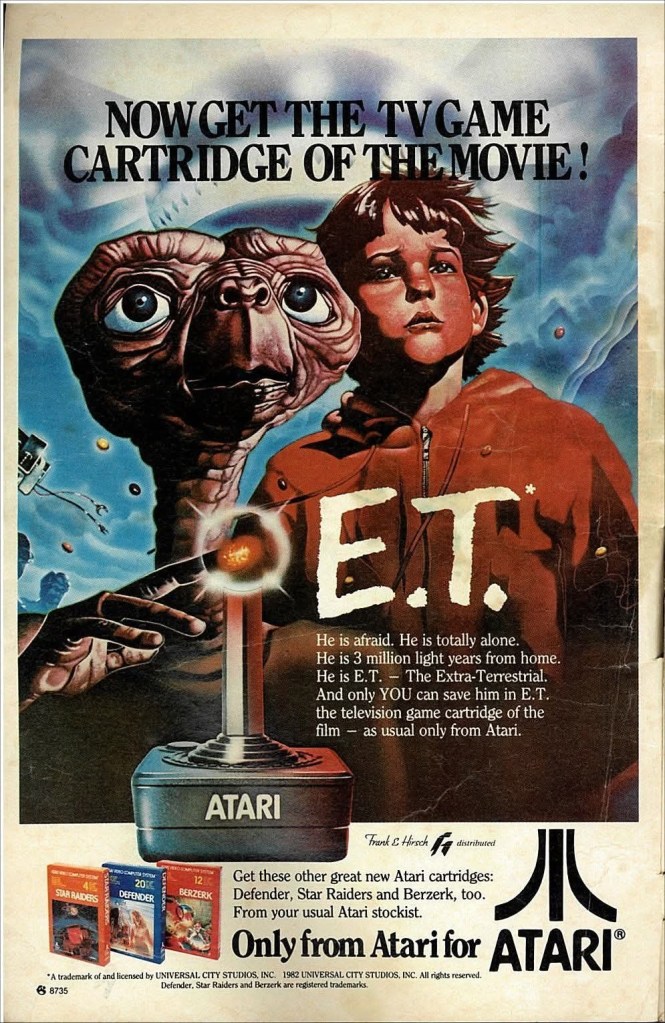
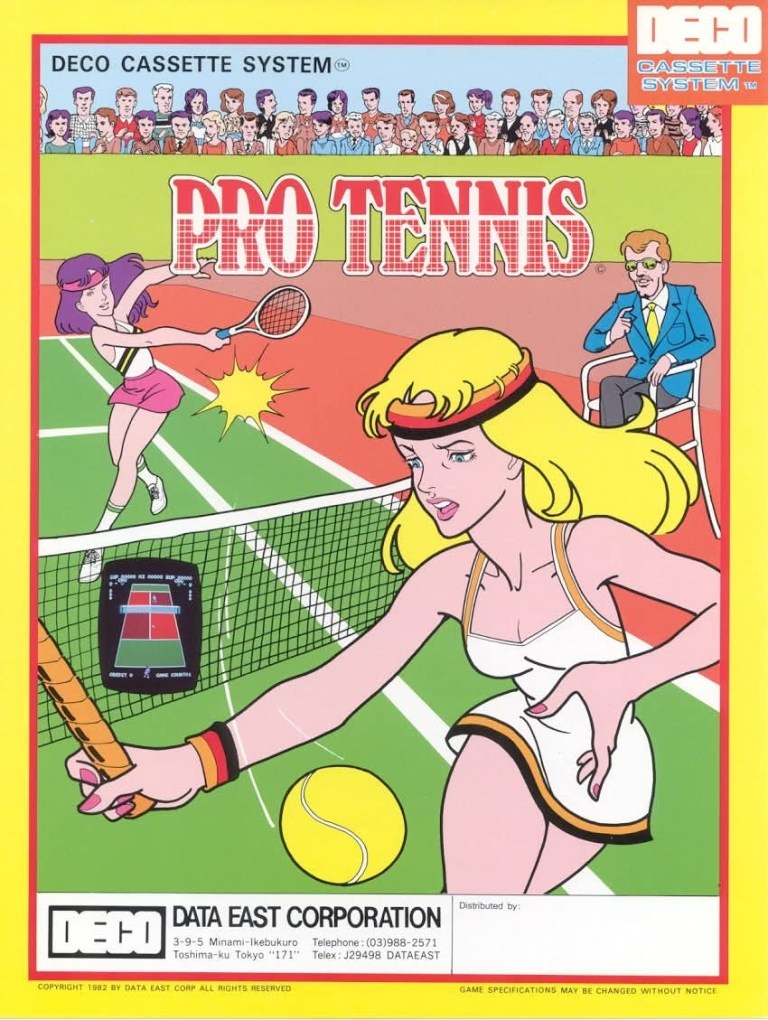
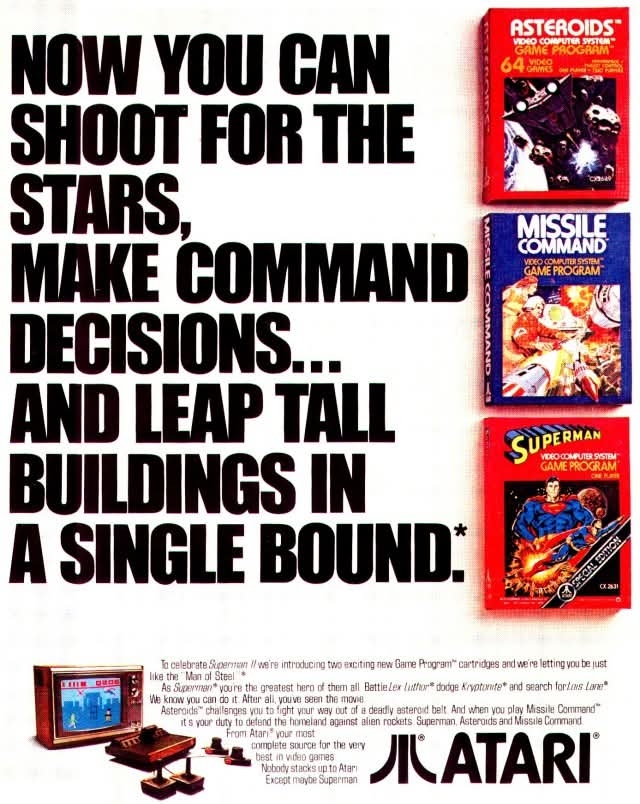
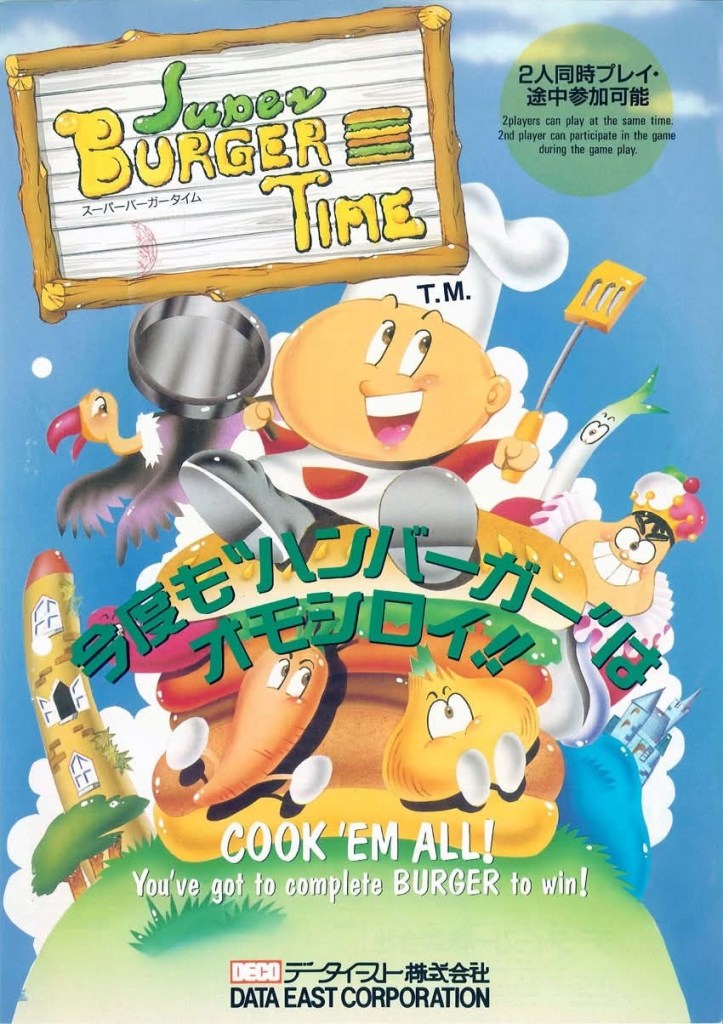
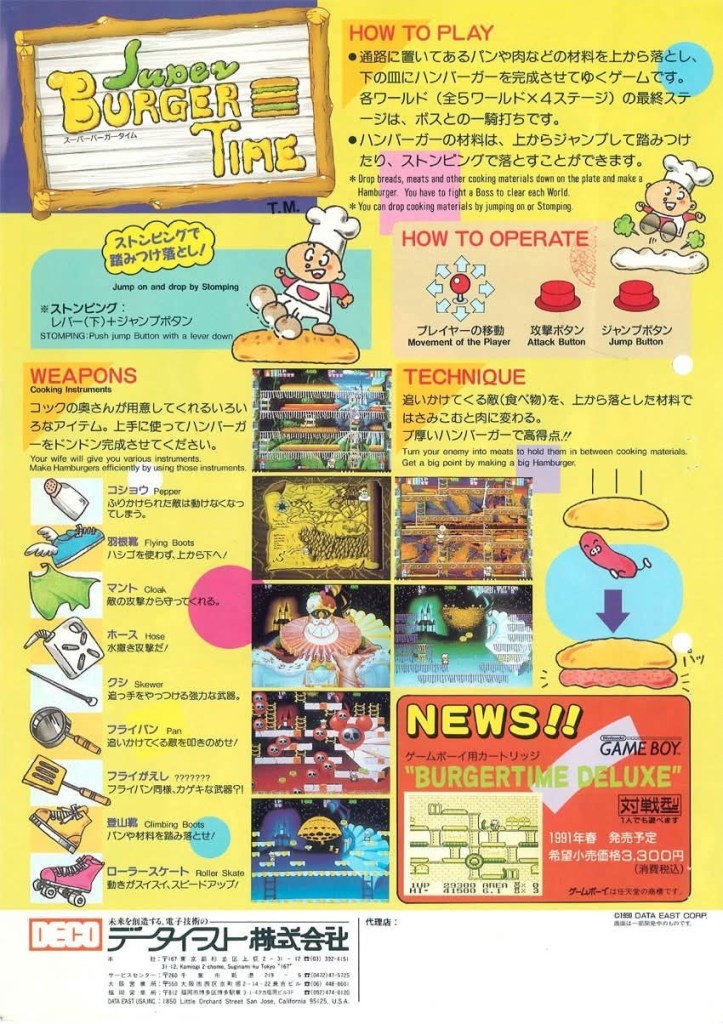
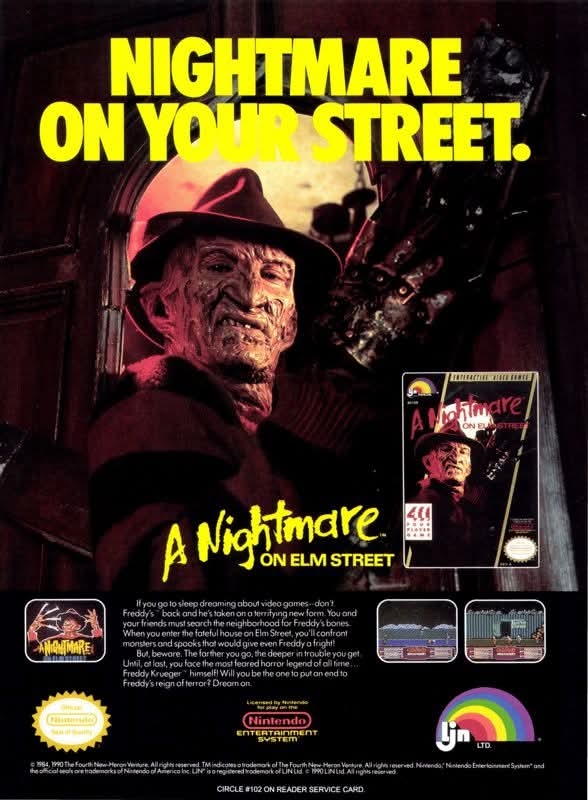
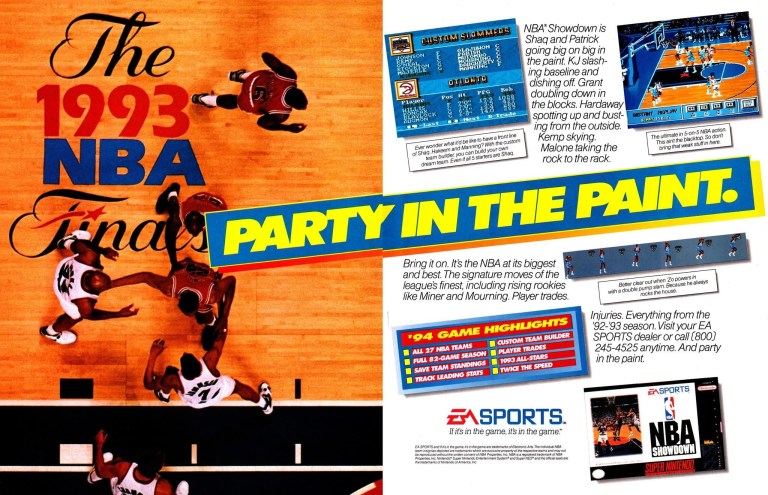
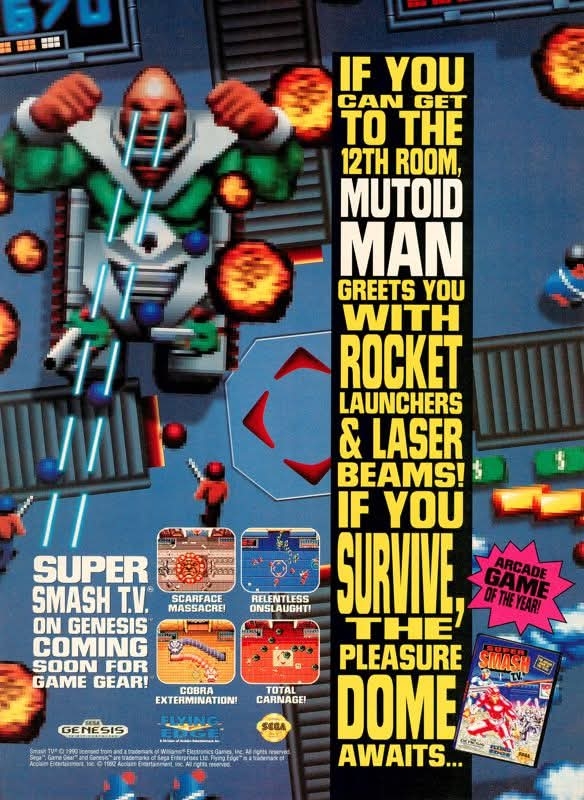
In this edition of the Retro Gaming Ads Blast (RGAB) series, we will take a look at another batch of retro gaming print ads from the 1980s and 1990s. In addition, there will be a few flyers of arcade games.
For the newcomers reading this, Retro Gaming Ads Blast (RGAB) looks back at the many print ads of games (console, arcade, computer and handheld) that were published in comic books, magazines, flyers and newspapers long before smartphones, social media, the worldwide web and streaming became popular. To put things in perspective, people back in the 1980s and 1990s were more trusting of print media for information and images about electronic games and related products.
With those details laid down, here is the newest batch of retro gaming print ads for you to see and enjoy…
1. Japanese Contra arcade flyer
The front of the Japanese arcade flyer of Contra.
The other side of the flyer.
As mentioned before, Konami’s long-running Contra games franchise first started in the arcades in Japan. As seen in the Japanese arcade flyer, it was clear that the company not only had a clear vision of Contra’s visual concepts but also was pretty organized with explaining lots of details (examples: the 8-direction controls, types of weapons or ammunition available, level design differences) that both players and arcade operators can learn from. If you look closely at the rear of the flyer, you will see the two characters already identified as Lance and Bill which clearly showed the Japanese creators had the creative details really organized.
2. Virtual Bart print ad
Anyone who loved The Simpsons would easily recognize the characters of this print ad.
Decades ago, The Simpsons made big waves on television and quickly emerged as a fine addition to American pop culture. That being said, it was not surprising at all that video games based on the show got made and Virtual Bart was one of them. This Virtual Bart print ad appeared in some comic books I read in 1994 and the ad makers made efficient use of the single-page layout showing that the game was not a mere 2D side-scroller as its concept emphasized Bart Simpson’s virtual reality escapades. This game, which had mini-games and different gameplay styles, received review scores ranging from negative to positive.
3. Wild Arms 2 print ad
This is NOT an effective way to promote a video game.
Now this is one of the most weird and the most uninteresting game print ads of the 1990s. For the newcomers reading this, Wild Arms 2 was a sequel to the 1997 hit game Wild Arms released on the original PlayStation console. Due to the 1997 game’s success, a fan base of Wild Arms was established and the 1999 sequel was anticipated by the fans. In a very odd and illogical move, Sony Computer Entertainment came up with the Times Square setting for Wild Arms 2’s North American print ad and because they allowed so much other text and images (appearing as billboard ads) on the buildings in the background, details about the game itself got overshadowed. By simply looking at this print ad, it is simply too easy to overlook Wild Arms 2 as the featured game. Can you see the references to Wild Arms 2 here?
4. RollerGames arcade flyer
Pretty ladies posing on the front of the flyer.
Clearly the details were prepared with arcade operators in mind.
Based on the competition-oriented TV show, the RollerGames arcade game from Konami was both unique and fun to play. As with their other arcade flyers, Konami hired models to emphasize RollerGames’ core concept by appearing in full costume (as roller-skating participants), and then inserted screenshots of the game. The rear of the flyer had the technical details in simplistic fashion and they were clearly written with arcade operators in mind. The 3-paragraph text descriptions emphasized what players could expect, what options are available and how the game connects with the TV program it was based on.
5. The Jetsons: Invasion of the Planet Pirates print ad
Anyone among you is a Jetsons fan?
Based on the animated series, The Jetsons: Invasion of the Planet Pirates was released on the Super Nintendo Entertainment System (SNES) in America as well as on the Super Famicom in Japan in the mid-1990s. This game’s print ad had eye-catching artwork, carefully laid down key details (including the promise of cartoon quality graphics) and showed a few screenshots. The game attracted mixed reviews from critics and I don’t know any fellow gamer who played it.
6. Sega Saturn games print ad
An aggressive single-page ad promoting the exclusive games on Sega Saturn.
If you are a game console manufacturer that also owns several game development teams, you really have to promote your hardware and software aggressively. This is exactly what Sega did in the North American market sometime after the embarrassing launch of the Saturn console there. As seen in this print ad, Sega aggressively promoted their Saturn-exclusive games – including their juggernaut Virtua Fighter 2 – to make it clear to their fans (and Saturn console owners) that they are focused to entertain them. The ad also served as Sega’s effort to lure in new gamers and potential Saturn owners given the fact that Virtua Fighter 2, Virtua Cop and Sega Rally Championship were already big arcade hits. As history turned out, the Saturn ended up a commercial disappointment in America but still succeeded in Japan.
7. Galaxian arcade flyer
Have you ever played Galaxian in the arcades?
In September 1979, Namco released Galaxian in the arcades in Japan and it became a big hit there eventually finishing as the nation’s 2nd highest-earning arcade game of the year. Before the year even ended, Namco approached Midway of releasing Galaxian outside of Japan and this led to the game appearing in American arcades in November. Unsurprisingly, Galaxian drew lots of American players and their money which really helped Midway selling 50,000 arcade units in a few years’ time. This arcade flyer from Midway clearly showed what the Galaxian arcade unit looked like and how the controls were physically set up. I like the way the details and images were organized and how the limited page space was put to good use.
8. Heavy Barrel print ad
A really eye-catching and amusing print ad to look at.
Originally released in the arcades by Data East, Heavy Barrel was released on the Nintendo Entertainment System (NES) in 1990. Similar with Contra and Jackal, this game had a strong military theme and shooting-oriented gameplay complete with missions that instantly reminded players about war. The military aesthetic and the showing of guns are easily the most eye-catching part of this print ad geared towards the NES userbase which had lots of young children among the players. To say the least, Heavy Barrel’s print ad was entertaining to look at.
Disclaimer: This is my original work with details sourced from reading the comic book and doing personal research. Anyone who wants to use this article, in part or in whole, needs to secure first my permission and agree to cite me as the source and author. Let it be known that any unauthorized use of this article will constrain the author to pursue the remedies under R.A. No. 8293, the Revised Penal Code, and/or all applicable legal actions under the laws of the Philippines.
Welcome back superhero enthusiasts, 1980s arts and culture enthusiasts, Marvel Comics fans and comic book collectors! Today we go back to the year 1984 to examine a small part of the Marvel Comics universe through a tale of the Amazing Spider-Man monthly series.
In my previous retro review, additional stress in Peter Parker’s life was realized when Mary Jane revealed to him that she knows he and Spider-Man are one and the same. Some time later when things calmed down, Spider-Man went to the headquarters of the Fantastic Four eventually finding out the shocking truth about the alien costume he has been wearing since the events of Secret Wars.
With those details laid down, here is a look back at Amazing Spider-Man #259, published in 1984 by Marvel Comics with a story written by Tom DeFalco, and drawn by Ron Frenz.
The cover.
Early story
The story begins in New York City where Peter Parker and Mary Jane casually spend time walking within a large park. Knowing that Peter is already feeling uneasy about her knowing his secret identity as Spider-Man, Mary Jane reveals to him stories of her past and the domestic challenges that she, her sister and their parents went through.
Elsewhere in the city, the Hobgoblin makes his moves expressing his intention to engage with the business side of crime…
Quality
Mary Jane Watson and Peter Parker spending a lot of quality time together at the park.
When it comes to developing a supporting character with sheer depth, this comic book really stands out as Spider-Man literally got pushed to the side. The main story here focuses closely on Mary Jane whose experiences with her family from the past got dramatized big time. You will see flashbacks of her youth, her closeness with her sister and mother, and tension she went through when her father became stressed and resentful. The DeFalco-Frenz duo really set up the blocks of past developments that built up Mary Jane’s personality and her portrayal here is clearly a major character turning point in Spider-Man’s corner of the Marvel Comics shared universe of the time.
As for her relationship with Peter Parker/Spider-Man, Mary Jane here is less of a romantic partner and more of a friend looking for a shoulder to cry on. While it is a fact that several comic books in the 1970s showed Mary Jane and Peter romantically linked, her portrayal in this comic book marked a major turning point of her personal development and her destiny with the webslinger. The writing by DeFalco here is very rich with drama and believability.
Conclusion
Flashbacks from Mary Jane’s past with her family.
Amazing Spider-Man #259 (1984) is still significant to read after all these decades. Mary Jane, who eventually got married to Peter Parker, has been redefined very heavily in this tale and she eventually became one of the most essential Spider-Man-related characters in the years that followed. Looking back at this old story (which happened shortly after Spider-Man separated from the alien costume), it was clear that Marvel Comics decided Mary Jane would be the definitive leading lady of Spider-Man.
Disclaimer: This is my original work with details sourced from reading the comic book and doing personal research. Anyone who wants to use this article, in part or in whole, needs to secure first my permission and agree to cite me as the source and author. Let it be known that any unauthorized use of this article will constrain the author to pursue the remedies under R.A. No. 8293, the Revised Penal Code, and/or all applicable legal actions under the laws of the Philippines.
Welcome back superhero enthusiasts, 1980s arts and culture enthusiasts, Marvel Comics fans and comic book collectors! Today we go back to the year 1984 to examine a small part of the Marvel Comics universe through a tale of the Amazing Spider-Man monthly series.
In my previous retro review, Puma had encountered Spider-Man not once but twice. During the first encounter, Black Cat got in the way to defend her beloved webslinger. A short time later, Mary Jane Watson gets involved unexpectedly and the story ended with something that struck Peter Parker very deep inside.
With those details laid down, here is a look back at Amazing Spider-Man #258, published in 1984 by Marvel Comics with a story written by Tom DeFalco and drawn by Ron Frenz.
The cover.
Early story
The story begins inside Peter Parker’s apartment in New York City. He is struggling deep inside as he is shocked by Mary Jane’s revelation that she knows he and Spider-Man are one and the same person. She tells him that she knew his secret for years. Peter then begins to think that this is all Puma’s fault.
As Mary Jane begins to leave, Peter tries to talk with her. She tells him that he will deny everything and that she cares about him. She added that knowing his secret identity is why she originally left New York. She had to get away from him (and Spider-Man).
Suddenly, Black Cat arrives through the window. Her presence causes Mary Jane to realize something about them…
Quality
Very clearly the alien costume has its own intelligence and is the main reason why Peter Parker remained exhausted and sleeping too long.
I really like the writing of this comic book. Tom DeFalco showed strong consistency with developing the newcomer (and a formidable foe) Puma and his rivalry with Spider-Man, while also leaving sufficient room to develop Peter Parker who is now in deeper stress dealing with the complexities of his connections with Mary Jane and Black Cat.
What is most notable about the plot is the finally crafted resolution to Peter Parker’s use of the alien costume (the symbiote from Secret Wars that would later bond with Eddie Brock to form the murderous Venom) by having the Reed Richards and Johnny Storm of the Fantastic Four involved in a captivating manner. I won’t reveal what happened but I can assure you readers that this particular plot element alone makes this comic book very worthy of your time and attention. That being said, Spider-Man’s saga took a serious turn from here.
As with the previous issues, Ron Frenz’s fine art really brought DeFalco’s script into life here and this includes Spider-Man’s crossover with the mentioned Fantastic Four members, dynamic shots of the webslinger and fine dramatic expressions on characters’ faces.
Conclusion
With Black Cat and Mary Jane both present with Peter Parker, the tension and uncertainty grew only stronger.
Amazing Spider-Man #258 (1984) is yet another great read from the DeFalco-Frenz duo. The stakes were raised higher and the pay-offs were really solid in this comic book. As mentioned earlier, this story marked the resolution of Spider-Man’s bond with the alien costume, and also paved a new path for future tales of the webslinger. Spider-Man’s crossover with Reed Richards and the Human Torch (which lasted several pages) is easily one of most crucial scenes of entire Marvel Comics stories of the year 1984 and its significance would be realized in relation to the origin and further tales of Venom.
Welcome back readers, fellow geeks and electronic gaming fans!
In this edition of the Retro Gaming Ads Blast (RGAB) series, we will take a look at another batch of retro gaming print ads from the 1980s and 1990s. In addition, there will be a few flyers of arcade games.
For the newcomers reading this, Retro Gaming Ads Blast (RGAB) looks back at the many print ads of games (console, arcade, computer and handheld) that were published in comic books, magazines, flyers and newspapers long before smartphones, social media, the worldwide web and streaming became popular. To put things in perspective, people back in the 1980s and 1990s were more trusting of print media for information and images about electronic games and related products.
With those details laid down, here is the newest batch of retro gaming print ads for you to see and enjoy…
1. Contra arcade flyer
A clever visual concept by Konami towards gamers and arcade operators.
Details on the other side of the flyer.
Before it established itself as a popular gaming franchise with console gamers, Contra truly started in the arcades in 1987. First released in Japan on February 1987, Konami went on to release the game in arcades in the United States a month later and the flyer you see here was the Americanized promotion they came up with. Instead of hiring male actors or models to play soldiers, they hired a slim lady to appear with a female Rambo look standing in front of a Contra arcade machine. On the other side of the flyer are details that players and arcade operators can learn from. By today’s standards, this arcade flyer of Contra is still eye-catching and even amusing to look at.
2. College Football’s National Championship print ad
This ad has a strong visual appeal to gamers who like football.
This is another one of those video game ads I saw while reading comic books in the 1990s. College Football’s National Championship was a Sega Genesis-exclusive American football video game published by Sega (with the Sega Sports brand) to capitalize on gamers who want college football to play with at home. This print ad has a nice visual presentation of the college teams’ logos, screenshots and details of what gamers could expect when they buy and play the game. College Football’s National Championship received mostly positive reviews and it must have sold well because Sega went on to release a sequel to this game.
3. Robotron X print ad
This Robotron game was made at a time when 3D polygons became common for making video games.
Having played the classic game Robotron: 2084 on PC back in the 1980s, I was very surprised to see this print ad in 1996 promoting a brand new Robotron game for PlayStation as well as Windows PC. For the newcomers reading this, Robotron: 2084 was a classic which heavily influenced game designers who went on make other fan-favorite games like Smash TV and Llamatron. What makes Robotron X notable apart from being an official follow-up to the classic game was the fact that it was made at a time when game developers did their stuff to modernize gaming with 3D polygons for visuals while trying to come up with gameplay inspired by the classics. While Robotron X did not make a major impact on gaming, the classic Robotron: 2084 went on to be released in several multi-platform compilations such as Williams Arcade’s Greatest Hits, Midway’s Greatest Arcade Hits, and Midway Arcade Treasures.
4. Space Jam game print ad
If you saw the movie in 1996, were you able to play this video game adaptation?
What makes 1996 a memorable year for basketball fans was the Michael Jordan’s return to prominence (having previously retired for less than two years before returning to the NBA in 1995) and leading a very powerful Chicago Bulls team to what was their 4th NBA championship title. In that same year, Jordan starred in the live-action/animated movie Space Jam which grossed an impressive $250 million worldwide. On the same month the movie came out, the Space Jam video game adaptation was also released on PlayStation and Sega Saturn. This print ad was part of the multimedia hype of the movie and the game itself had a very similar design and visuals concept with NBA Jam but ultimately it failed to become a hit with critics and gamers. Not even the combined visual might of Jordan and Warner Bros. characters could achieve success.
5. Magic Johnson’s Fast Break print ad
Still on basketball video gaming, the side-scrolling Magic Johnson’s Fast Break game was released on the Nintendo Entertainment System (NES) for console gamers to enjoy. Unsurprisingly, this ad had nice black-and-white art work of Magic Johnson as the dominant figure while leaving little space left to show the game box and only one screenshot. The real meat of this print ad are the details laid down in text description.
6. Virtua Fighter 2 for Sega Genesis print ad
Clearly a late effort by Sega to sell something to its many Genesis owners/fans in America at a time when PlayStation and Nintendo 64 started dominating 5th console generation sales.
In the history of arcade gaming and fighting games, Virtua Fighter 2 was a worthy follow-up to its groundbreaking predecessor. VF2 also made its way on the Sega Saturn which essentially maintained the great gameplay and 60 frames-per-second animation even though the 3D polygonal graphics were noticeably lower in quality compared to its arcade version. With VF2 in the arcades and on Saturn selling well, I was surprised to see this print ad of Sega releasing a totally different version of the game on the aging Sega Genesis console. Virtua Fighter 2 on Genesis had 2D graphics, sprites for the characters and a side-scrolling visual design. In fairness, the game developers exerted effort to recapture some of the gameplay elements within the Genesis limitations and 2D graphics. This print ad is a reminder of Sega’s American division selling a product to the remaining active Genesis owners.
7. Ring King print ad
Ring King itself clearly lacked promotional space in this ad.
In 1987, Data East released their arcade hit game Ring King on the Nintendo Entertainment System (NES) and prepared this print ad involving Ray Leonard, Jr. (on the foreground in boxing gear) and conveniently with the famous Sugar Ray Leonard and Thomas Hearns (with the promo of their first fight together in the background). Also conveniently, the company inserted their other games on the lowest part of the ad. Ultimately, the presence of Ring King itself was minimized only showing the game cover and two screenshots. This is clearly an eye-catching ad but there was not enough emphasis on the game itself.
8. Super Spacefortress Macross arcade flyer
The arcade flyer released only in Japan.
Have you ever seen the classic anime movie Macross: Do You Remember Love? I really love watching that movie and I played and finished the video game adaptation on PlayStation in 1999. What I never got to play was the arcade game adaptation of it which was released by Banpresto in Japan in 1992. This flyer promoting the game has a strong visual presentation thanks to the artwork made for it. Only one screenshot was shown as well as a clip from 1984 the animated movie (note: the arcade game itself has some images directly from the film plus some newly created ones added) but this ad still had what it takes to capture the attention of the many Macross fans in Japan. This arcade game was eventually released with an English translation in America and Australia.
9. 2-in-1 print ad featuring Super C and Snake’s Revenge
A memorable and intriguing print ad from Konami promoting sequels.
This is one of the ads that Konami came up with to promote at least two games using a single-page ad format. I saw this ad in many comic books I read decades ago and its visual concept always caught my attention especially since I played the console game Contra a lot. At the high end of the ad were two fictional newspaper headlines highlighting the respective conflicts of Snake’s Revenge (with a nuclear danger concept) and Super C (with emphasis on alien invaders). These two games were sequels to the classics Metal Gear and Contra, and Konami clearly knew how to take advantage of the older games’ success and do their best to sell the sequels to gamers who love action-packed gaming as well as fantasized armed conflicts. Like the 2-in-1 ad showcasing Contra and Jackal, this was Konami’s aggressive move to sell war-inspired games to the NES userbase which was mostly composed of children and teenagers.
10. True Lies game print ad
There is nothing like taking advantage of the imagery of a Hollywood superstar to promote a video game based on the related movie.
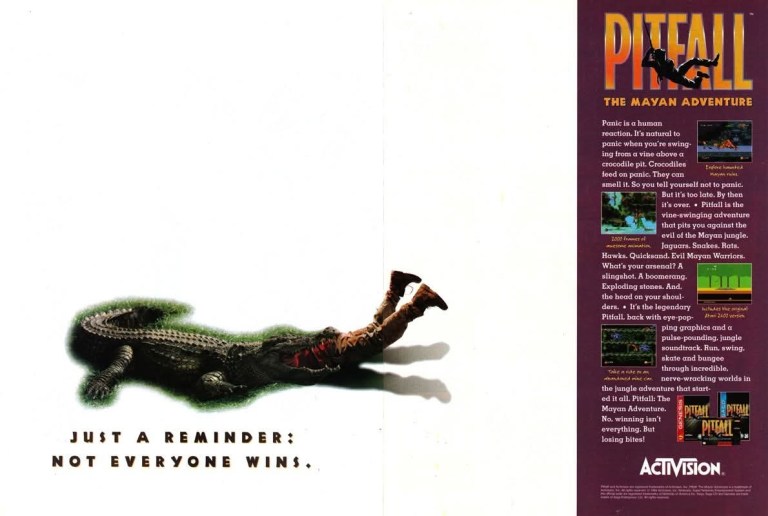
Here is a video game ad I saw in many comic books I read in 1994-1995. True Lies (starring Arnold Schwarzenegger) was one of the big summer season movie hits of 1994 and the video game was part of the business tie-ins with the film. The people who made this print ad made the smart moves of showing not just one but three images of Schwarzenegger to promote the game while leaving some space to show what the game looked like. The True Lies game even had stills from the movie to emphasize the flow of the plot.
Welcome back, fellow geeks, Blu-ray collectors and movie buffs!
Decades ago, I saw on home video Cloak & Dagger (1984) which turned out to be an entertaining film to watch as I was already playing games on Atari 2600 and the arcades. After replaying by chance on cable TV years later, I finally bought myself the 4K Blu-ray and it sure was fun to watch it all over again. Check out my retro movie review of it by clicking here.
The front of my copy of Cloak & Dagger (1984) 4K Blu-ray.
The rear with the details that can be read.
For the newcomers reading this, Cloak & Dagger (1984) is a movie that involved then video game giant Atari in the creative process. The movie’s plot is not based on Atari’s arcade game of the same name (previously titled as Agent X).
Cloak & Dagger (1984) its own original plot of espionage about a young boy Davey (played by Henry Thomas, the star of Steven Spielberg’s E.T.: The Extra-Terrestrial) who witnesses a murder and receives an Atari 5200 cartridge of the game Cloak & Dagger that contains something very important. This in turn makes him a target of armed henchmen who won’t stop until they get him. Due to his reputation of being too playful and living with his wild imagination as a spy, people don’t believe Davey’s claim of witnessing a murder. This film happens to be inspired by the short story “The Boy Cried Murder” written by Cornell Woolrich.
Cloak & Dagger in arcade form. Atari released it in the form of an arcade conversion kit aimed at arcade machines of certain games of its competitors.
The Cloak & Dagger arcade game can be played on your game console with the Atari 50 collection software (over 100 games). This screenshot I captured while playing it on my Xbox Series X console running Atari 50.
A few weeks ago, my copy of the Cloak & Dagger 4K Blu-ray arrived and it came with two discs: One 4K Blu-ray disc which contained the movie in native 4K (scanned in UHD from the 35mm film) resolution of 3840 x 2160p. The other disc has the same movie in HD (1920 x 1080p) plus the extra stuff which can provide viewers and Cloak & Dagger fans a good amount of important content which will help them learn what the video game elements in the film are, what inspired its creative process and why the film is very unique by today’s standards. There is also an informative new interview with Henry Thomas.
Since then, I saw Cloak & Dagger in 4K twice on my Xbox Series X and its 1080p version on a standalone Blu-ray disc player. Cloak & Dagger in 4K looks better than ever as the picture quality is better, images look sharper and clearer, the colors are vibrant, the small visual details (which were not visible in lower resolution before) are more noticeable now, and film grain structure has been preserved intact!
The two discs. The one on the right is Cloak & Dagger in 4K.
As for the story itself, I still find it engaging and enjoyable to watch from start to finish. Cloak & Dagger is clearly a production of its time as it carries clear Cold War references – the Soviet Union and Iran are the evil forces told in very subtle fashion – as well as video game elements and brands (note: ColecoVision even appeared in this Atari-influenced movie) that dominated America’s console gaming market long before PlayStation, Nintendo and Xbox arrived. For a movie aimed at parents and children, this one has really intense violence as it involves shooting and even some elements of terrorism.
Ultimately, I got a lot of enjoyment from my Cloak & Dagger (1984) 4K Blu-ray and I highly recommend it to Cloak & Dagger fans, gamers, physical media collectors and anyone who loves watching movies in the comfort of home. Cloak & Dagger (1984) is a very unique and fun movie that Hollywood does not make anymore. You really should see it.
In case you are interested or if you have made up your mind, you can order a copy of Cloak & Dagger (1984) 4K Blu-ray by clicking here.
Disclaimer: This is my original work with details sourced from reading the comic book and doing personal research. Anyone who wants to use this article, in part or in whole, needs to secure first my permission and agree to cite me as the source and author. Let it be known that any unauthorized use of this article will constrain the author to pursue the remedies under R.A. No. 8293, the Revised Penal Code, and/or all applicable legal actions under the laws of the Philippines.
Welcome back superhero enthusiasts, 1980s arts and culture enthusiasts, Marvel Comics fans and comic book collectors! Today we go back to the year 1984 to examine a small part of the Marvel Comics universe through a tale of the Amazing Spider-Man monthly series.
In my previous retro review, Puma was introduced and quickly made an impact on the plot that connects the Rose with Spider-Man (who foiled the Rose’s criminal operation with the help of Black Cat). Puma is not a one-dimensional villain as he is quite principled. Ultimately, issue #256 served as an entertaining build-up of the conflict between Spider-Man and Puma.
With those details laid down, here is a look back at Amazing Spider-Man #257, published in 1984 by Marvel Comics with a story written by Tom DeFalco and drawn by Ron Frenz.
The cover.
Early story
The story begins on top of a building in New York City. Puma grabs the head of the helpless Spider-Man (who just suffered the dislocation of his arm and endured the pain of shoving it back into place before eventually succumbing to the intense pain). He does not strike immediately as he finds the act of eliminating the webslinger almost too easy and he remembers the Rose promised him of a worthy foe.
Just as Puma starts his move to kill Spidey, Black Cat suddenly strikes him out of nowhere. Puma quickly recovers his balance and tells Black Cat to go away. Suddenly, Puma notices something in her. Using his heightened senses, he sees Black Cat’s aura then jumps at her. He quickly realizes he miscalculated with his movement and finds himself overshooting her. In a desperate attempt, Puma grabs a pipe but it quickly broke and causes him to slide on the rooftop and hit the edge.
As Puma picks himself up, the roof beneath him gives in and he falls down…
Quality
Spider-Man’s 2nd encounter with Puma is action-packed and fun to read. Pay close attention to the details.
There is no doubt that the story of this comic book is pretty much a big pay-off to the build-up of the previous issue. Not only that, the creative team continued to gradually develop Puma not only as a formidable foe of Spider-Man but also as a sensible and believable new addition to the Marvel Comics universe of the time.
Here, you will see Spider-Man in a truly vulnerable state which symbolically shows that wearing the alien costume has its limits when it comes to protecting and enhancing him. As seen in the final pages of issue #256, Spider-Man struggles a lot physically and, for the first time ever, struggles to command the symbiote (not realizing it is organic and has its own intelligence). With Spidey in a serious physical disadvantage, you will see Black Cat getting a nice share of the spotlight. Not only does she bravely face off with Puma, her concern for Spidey (note: she knows he is Peter Parker) intensifies in a very believable way. She still loves him but could not figure out why Peter prefers to live like a normal person when he could dedicate himself on being a hero every day as Spider-Man.
As for Puma, the creative team developed him even further both in his animalistic form and in his civilian identity as the head of Fireheart Enterprises. As the man Thomas Fireheart, he is a really intelligent man who analyzes a lot of details before making his next move. You will see more of his intellectual side as he deals with both his corporate affairs as well as his contracted service for the Rose (who in turn is serving the Kingpin).
The plot in this comic book is deeper and more elaborate. Without spoiling much, you will get to see the Puma-Rose-Kingpin connection and, more notably, you will see how complex and intense the situation becomes for Peter Parker when he encounters Puma for the 2nd time. The story is very good, you just have to read it.
Conclusion
Spider-Man, Black Cat and the alien costume.
Like the previous issue, Amazing Spider-Man #257 (1984) is a great read but in the form of a great pay-off to the build-up that preceded it. The DeFalco-Frenz duo succeeded in developing the newcomer Puma into a significant Marvel Comics universe addition and their portrayal of an injured Spider-Man is very captivating. That being said, I encourage you all to pay close attention to the literary details revealed during the banter between Spidey and Puma which will resonate with you when you read the next issue.
Disclaimer: This is my original work with details sourced from reading the comic book and doing personal research. Anyone who wants to use this article, in part or in whole, needs to secure first my permission and agree to cite me as the source and author. Let it be known that any unauthorized use of this article will constrain the author to pursue the remedies under R.A. No. 8293, the Revised Penal Code, and/or all applicable legal actions under the laws of the Philippines.
Welcome back superhero enthusiasts, 1980s arts and culture enthusiasts, Marvel Comics fans and comic book collectors! Today we go back to the year 1984 to examine a small part of the Marvel Comics universe through a tale of the Amazing Spider-Man monthly series.
The era when Spider-Man came back from deep space (refer to Secret Wars) with a new black costume (the symbiote that would later help form Venom) that itself had special abilities was indeed a very notable time in superhero comics history. As if Spidey’s troubled personal life was not enough, he had to deal with new villains that were formidable and tough to deal with.
With those details laid down, here is a look back at Amazing Spider-Man #256, published in 1984 by Marvel Comics with a story written by Tom DeFalco and drawn by Ron Frenz.
The cover.
Early story
The story begins inside a warehouse when Spider-Man suddenly catches a lot of men by surprise. The men turned out to be doing something illegal with lots of stolen good contained in boxes. Quite fearlessly, the webslinger knocks out many of them while Black Cat takes pictures (assistance for Peter Parker) from a distance above. Black Cat eventually gets involved in the physical struggle and the bad guys all got defeated afterwards.
After the struggle, Spider-Man and Black Cat (who know each other personally) have a short sentimental talk before parting ways. As soon as he arrives home, Peter Parker starts developing the pictures in preparation for much-needed income from the Daily Bugle.
Elsewhere in New York (the next morning), the warehouse raid caused by Spider-Man and Black Cat makes immediate impact on the secret operations of the Rose who in turn wants the hero dead. The Rose (who reports to the Kingpin) then sends a message to New Mexico to contact the one person capable of killing Spider-Man…the Puma.
Quality
Puma in his animalistic form deep within the harsh wilderness of New Mexico.
I can state that within the age of Spider-Man wearing the alien costume, this particular tale has a strong debut of a new foe and the plot itself is quite intriguing. Tom DeFalco cleverly paced the introduction of Puma whose civilian personality is that of a very focused business executive. The creative team took the inspired approach of defining Puma with the harshness of the New Mexico wilderness contrasted with that of his civilian identity spending time in the bustling urban environment of New York City.
Not only is Puma very powerful and focused, he also has a high standard when it comes to accomplishing tasks showing no fear nor hesitation with regards to potential obstacles ahead of him. Clearly, Puma is not your typical super villain but a very principled and very capable figure. When compared to Wolverine, Puma shares some common animalistic elements with him but he consistently maintains control of himself. This makes him a dangerous force of opposition towards Spider-Man.
Spider-Man here is usual self. His personal problems and lack of a stable life are taking their toll on him just as he continues to keep doing good (example: fighting crime). It should be said that when Puma first strikes at him, the creative monotony with the webslinger suddenly got snapped causing a new series of unfortunate developments that test him. It is also revealed here that using the alien costume does not spare him from serious physical injury.
Conclusion
These panels show how vulnerable Peter Parker really is as the alien costume comes to him willingly.
Amazing Spider-Man #256 (1984) is a great read. The build-up with Puma is very powerful and his presence really made a huge impact on the reading experience. By the time the story ended, I was very convinced to read the next issue.
Disclaimer: This is my original work with details sourced from reading the comic book and doing personal research. Anyone who wants to use this article, in part or in whole, needs to secure first my permission and agree to cite me as the source and author. Let it be known that any unauthorized use of this article will constrain the author to pursue the remedies under R.A. No. 8293, the Revised Penal Code, and/or all applicable legal actions under the laws of the Philippines.
Welcome back superhero enthusiasts, 1980s arts and culture enthusiasts, Marvel Comics fans and comic book collectors! Today we go back to the year 1984 to examine a small part of the Marvel Comics universe through a tale of the Amazing Spider-Man monthly series.
Between the developments of 1980s Secret Wars limited series and the debut of Venom was the time when Peter Parker wore a black new costume as Spider-Man which happens to be the alien costume he gained while spending time with other superheroes in deep space (refer to Secret Wars #8). There was this gradual approach done by the creators to tell new tales of Spider-Man who has the symbiote attached to him most of the time.
With those details laid down, here is a look back at Amazing Spider-Man #255, published in 1984 by Marvel Comics with a story written by Tom DeFalco and drawn by Ron Frenz.
The cover.
Early story
The story begins when a black costumed figure arrives at the balcony of a tall building during night time in New York City. He carefully makes an unlawful entry into the place to steal something. The figure was the Black Fox who intends to take valuables not to feed his greed but to properly subsidize his retirement. When he touches an exquisite-looking vase, it disappears and suddenly a monstrous ape appears from nowhere surprising him. Soon enough, he finds himself surrounded by more apes and faces their human leader (one who referred to the apes as pets).
Meanwhile at his apartment, a very tired Peter Parker washes his black costume (the symbiote), reflects on recent events he went through and then goes to bed. During the night, the black costume comes to life and slowly slithers its way into the bedroom wrapping itself on the sleeping Peter…
Quality
The sneaky Black Fox has no chance of escaping Spider-Man (wearing the alien costume that would later lead to the start of Venom).
I want to start with the force of opposition the creative team came up with. This is about the powerful villain the Red Ghost who has super-apes under his control and vast wealth and resources to organize criminal activities. Red Ghost here is not your typical villain as he is actually strategic, smart and even philosophical clearly knowing what he is doing and what he needs to keep on doing crime. The retiring old thief Black Fox happens to be the very criminal that Red Ghost needs for a special task involving the machine called the Cosmicizer which is essential to his need of vastly increasing his cosmic-ray induced powers.
The Red Ghost is struggling with certain limits which are related to his need of the Black Fox to accomplish something for him with the assistance of the super apes. That being said, the presentation of evil awaiting Spider-Man in this tale is a clever move by DeFalco and Frenz.
As for the iconic webslinger, you will see more of Peter Parker’s personal struggles balancing his life between real-world living and performing as Spider-Man to help people and solve problems. In this tale, his personal life is at a low point and it does not help that his has a strained link with his Aunt May. Even though he has the alien costume that is capable of aiding him a lot, there are still problems that the superhero simply cannot solve. The dramatization here is pretty good and the way the final conflict with the main villain turned out was a pretty nice pay-off.
Conclusion
Peter Parker’s sleep has been disorderly since he brought home with him the symbiote.
Amazing Spider-Man #255 (1984) is an entertaining and intriguing read. The creative team’s decision to have the established Fantastic Four foe Red Ghost as the definitive villain for Spider-Man turned out to be a smart move and what they did was fun to read. The presence of Black Fox (note: this comic book is his debut) added a layer of depth to the plot and his declared desire to retire from the life of crime made him an intriguing addition to the Spider-Man list of villains.
Welcome back, my readers, YouTube viewers and all others who followed this series of articles focused on YouTube videos worth watching. Have you been searching for something fun or interesting to watch on YouTube? Do you feel bored right now and you crave for something to see on the world’s most popular online video destination?
I recommend you check out the following topics and the related videos I found.
#1The fall of Humza Yousaf and vindication of author J.K. Rowling – In case you missed the news, Humza Yousaf (born in Scotland to Pakistani immigrants) stepped down as First Minister of Scotland as he faced imminent votes of no confidence in himself and in his government. This vindicated Harry Potter author J.K. Rowling who opposed Scotland’s new hate crime laws (which extends to people who identified as transgendered and yet ignored biological women) and pointed out Humza Yousaf’s contempt for women. For more details, watch the video below.
#2 PatmanQC’s video documentary of P.O.W.: Prisoners of War – P.O.W.: Prisoners of Wars was one of those classic arcade games that I never got to play. It was made by SNK which is the same company behind the popular fighting game franchises King of Fighters, Fatal Fury and Art of Fighting. P.O.W.: Prisoners of War was a Cold War-inspired side-scrolling beat-them-up game that achieved big success in Japan. In PatmanQC’s video, you will learn a lot about SNK’s arcade game, what elements of real life inspired it, what other arcade games influenced the game designers to create it, and more.
#3 The significance of Rik Smits in the NBA – When it comes to the NBA, one has to take a look at the contributions of retired player Rik Smits (the Dunking Dutchman). Smits’ name may not have the big attraction of other centers of his era such as Hakeem Olajuwon, Shaquille O’Neal, Patrick Ewing and Robert Parish, but still he was a really solid center as well as a huge factor behind the rise of the Indiana Pacers in the 1990s. By the time he retired, the Pacers made it to the NBA Finals of 2000. Watch these selected videos of Rik Smits. You will learn a lot and be entertained with Smits’ basketball action!
#4 X-Men: The Last Stand movie reaction videos – For a movie declared as an inferior or disappointing follow-up to 2003’s X2: X-Men United, X-Men: The Last Stand still became a popular film subject in several movie reaction videos on YouTube. Just type the keywords on YouTube’ search engine and you will find a lot of movie reaction videos of the Brett Ratner-directed superhero movie. For your entertainment, the most enjoyable movie reaction videos have been posted below.
#5 You, Me and the Movies’ reaction video of Clash of the Titans (1981) – As a young boy, I saw Clash of the Titans (1981) and it was an entertaining ride of its time. This was one of those many fantasy movies that were released in the 1980s and it was the final work of stop-motion visual effects legend Ray Harryhausen. Recently, You, Men and the Movies published their reaction video of it which is entertaining and you can watch it below.
#6 PatmanQC’s Super Pac-Man retrospective video – I first learned about Super Pac-Man way back in the 1980s by seeing it on TV but I never got to play it in the arcades. In recent times, I downloaded Pac-Man Museum+ through Xbox Game Pass (XGP) and finally got to play Super Pac-Man on my Xbox Series X. I had fun playing it as I adjusted with the gameplay which had notable differences compared to the original Pac-Man arcade game. To learn more about Super Pac-Man, watch PatmanQC’s retrospective video below.
#7 Extensive look back at Sega Saturn games – YouTuber Sega Lord X recently published this extensive video looking back at the Sega Saturn and its games. This is a must-see video because the Sega Saturn had numerous games and many of them were actually fun to play. Ignore those articles that called the Saturn a bad console and just focus on the games by watching the video below.
#8 FilmComicsExplained’s video about how to survive Deep Impact – In relation to my previous post highlighting the movie reaction video of Deep Impact (by YouTuber Popcorn in Bed), posted below is FilmComicsExplained’s video is focused on survival within the context of the 1998 film. There are some sensible and notable points of discussion made which should encourage people to replay Deep Impact and even question the way governments deal with disaster management on a massive scale. You will possibly think twice about depending on the government for your survival. Watch the video below now.