Long before the birth of the Make America Great Again (MAGA) movement and his incredible 2016 US Presidential Election victory, Donald Trump made his presence felt in video games.
I am talking about Trump’s participation in a short video that was presented during the Xbox conference of the 2004 Electronic Entertainment Expo (E3). The video was a parody of Trump’s popular show The Apprentice in which he appeared in a business meeting with the executives of Team Xbox (the real-life Robbie Bach, J Allard and Peter Moore) and Team PlayStation (with actors playing the PlayStation executives).
Back in 2004, as I was anticipating online media coverage of that year’s E3, I visited one particular Xbox website which streamed the said Trump-Xbox-PlayStation video and even offered a downloadable version for Windows media. I downloaded the video, watched it and was delighted ultimately. For your viewing pleasure, posted is a direct-feed video of from the This Week In Gaming YouTube channel.
Next, I posted below for you all another video that is slightly longer, was recorded off-screen at the Xbox conference, and has the live audience reactions that you should listen to. Watch the video below.
Is the 2004 video (titled “The Novice”) entertaining? For me it still is fun to watch again and it is one of the more memorable moves Xbox executed at the E3 (which today no longer exists). It is intriguing and entertaining to see Trump at the center of the video about the console war between Microsoft and Sony at the time.
As an entertainment piece of history, The Novice video is a reminder about how exciting console gaming was back in 2004 (note: intense competition between console makers was the standard of the time) when compared to what happened in recent times. Xbox gaming this year has been disappointing considering the following developments that happened: 50% price hike on the Xbox Game Pass Ultimate subscription service, Xbox Series consoles price hikes, thousands of game developers laid off, the sudden cancellation of unreleased Xbox games, and Team Xbox directed by Microsoft to go full multiplatform with their own games (examples: Gears of War: Reloaded and Forza Horizon 5 got released on PlayStation 5).
Over at the side of PlayStation, Sony itself was embarrassed with its over-budgeted and poorly made game Concord. Concord is easily one of the most expensive flops in the history of video games.
Indeed, a lot has changed since 2004. Trump is now on his 2nd term as President of the United States solving the nation’s many problems while tackling several matters happening overseas. Sony and Microsoft are still active in the video games industry in different ways and they are still having their respective consoles manufactured outside of America. Console gaming nowadays is getting too expensive.
Let me end this piece by asking you readers: Do you find Donald Trump’s participation in the 2004 video with Xbox and PlayStation entertaining to watch? Were you a constant viewer of The Apprentice? Do you own a PlayStation 5 or an Xbox Series X or Xbox Series S console?
Disclaimer: This is my original work with details sourced from reading the comic book and doing personal research. Anyone who wants to use this article, in part or in whole, needs to secure first my permission and agree to cite me as the source and author. Let it be known that any unauthorized use of this article will constrain the author to pursue the remedies under R.A. No. 8293, the Revised Penal Code, and/or all applicable legal actions under the laws of the Philippines.
Welcome back movie fans, 1990s arts and culture enthusiasts, and comic book collectors! Today we go back to the year 1993 to examine the first issue of a comic book mini-series that served as the official adaptation of the movie Demolition Man.
Believe it or not, I completely missed out on Demolition Man’s theatrical run here in the Philippines. I only heard about the movie from feedback from my friends who saw it and they often mentioned the virtual reality sex scene. Strangely, they did not talk much about the match-up between Sylvester Stallone and Wesley Snipes.
The first time I saw the movie was on a rented laserdisc in 1995. As it was a Joel Silver production, the movie really had very high production values and it also had that subtle balance between hard action, science fiction and comedy. I enjoyed watching Demolition Man and its unique presentation about the future was memorable to me. Recently, I finally read the first issue of the comic book mini-series based on the movie.
With those details laid down, here is a look back at Demolition Man #1, published in 1993 by DC Comics with a story written by Gary Cohn (based on the screenplay by Daniel Waters, Robert Reneau and Peter M. Lenkov) and drawn by Rod Whigham. This is the first of a 4-issue mini-series.
The cover.
Early story
The story begins in 1996. Los Angeles has turned into a city of violent crime with a lot of areas left in ruin. A police department helicopter flies over the Hollywood sign bringing John Spartan (Demolition Man) to a wide, old building filled with some armed criminals. Spartan suspects that Simon Phoenix is responsible for hijacking a bus of thirty people and they all could be inside the building. The thermogram scan on the building only shows seven people and no signs of the passengers.
Determined to find the passengers, Spartan does a bungee jump to safely land on the rooftop of the building. He takes down a few thugs as he gradually infiltrates the place.
Elsewhere, Simon Phoenix sees Spartan via security camera. As Spartan eventually breaks into a large room, Phoenix releases a large amount of gasoline on the floor. Spartan and Phoenix encounter each other and an intense talk about missing passengers begins. As the Demolition Man presses for answers with guns aimed, Phoenix prepares to spark a sudden fire…
Quality
This scene never appeared in the movie. If it made it the final cut, it definitely would have slowed the film’s pace down a lot.
Having seen the movie a number of times, this comic book covers the opening and closes with a notable scene that took place after the shocking revelation about the passengers. The good news here is that the comic book creators did a really fine adaptation of the scenes from the movie. Certain moments looked and felt like they were adapted from an older version of the script (note: Spartan bidding goodbye to his wife and little daughter is the obvious scene) while some moments seem to be creative additions or expansion by the creators.
The pacing of the story is pretty good and even the slowest scenes never felt boring. This is because the writing by Gary Cohn is quite engaging and there is always some interesting or something important to read as the story goes on. That said, when the spectacle happens, the pay-off to the build-up is truly worth it.
Still on the writing, Cohn inserted a good amount of details into the dialogue as well as the moments revealing what John Spartan is thinking. This ultimately gives readers a clearer look into Spartan’s personality as well as what were the elements from his past defined him as the Demolition Man to many.
Rod Whigham is very good with visualizing the script. For one thing, he does a good job capturing the likeness of Stallone and Snipes in specific pages of the comic book. When it comes to spectacle (action, explosions and stunts), Whigham’s work ranges from efficiency to dynamic depending on what happens. This is a good looking comic book!
Conclusion
Like in the movie, John Spartan and Simon Phoenix fight surrounded by flames.
Demolition Man #1 (1993) is a very solid adaptation and it is also a great way to start its mini-series. The comic book essentially captured the elements of several scenes from the movie and whenever the spotlight is focused on John Spartan or Simon Phoenix, I could senses Stallone and Snipes in them. The narrative flows smoothly and I had a very good reading experience. I am looking forward to the next issue.
Welcome back my readers, YouTube viewers and all others who followed this series of articles focused on YouTube videos worth watching. Have you been searching for something fun or interesting to watch on YouTube? Do you feel bored right now and you crave for something to see on the world’s most popular online video destination?
I recommend you check out the following videos I found.
#1 Demolition Man Revisited – Way back in 1993, I completely missed out on Demolition Man in the local cinemas. The first time I saw it was on a rented laserdisc in 1995 and the film (starring Sylvester Stallone and Wesley Snipes) turned out to be entertaining in a unique way. By today’s standards, Demolition Man is considered by many as a film ahead of its time as it accidentally predicted self-driving cars, video conferencing, heavy dependence on computers for solutions and more. As such, it is not surprising that a lot of retrospective and reaction videos of Demolition Man have filled YouTube. Posted below are the more entertaining videos to watch about the 1993 movie.
#2 Soy Milk Becomes More Popular In Japan – Soy milk is a dairy-free, plant-based drink made from water and ground soybeans. In recent times, soy milk has gotten tremendously more popular in Japan. Not only is it being consumed by the Japanese in its beverage form, soy milk also made its way into food items and snacks. There is a lot to learn about soy milk’s popularity in Japan in the video below.
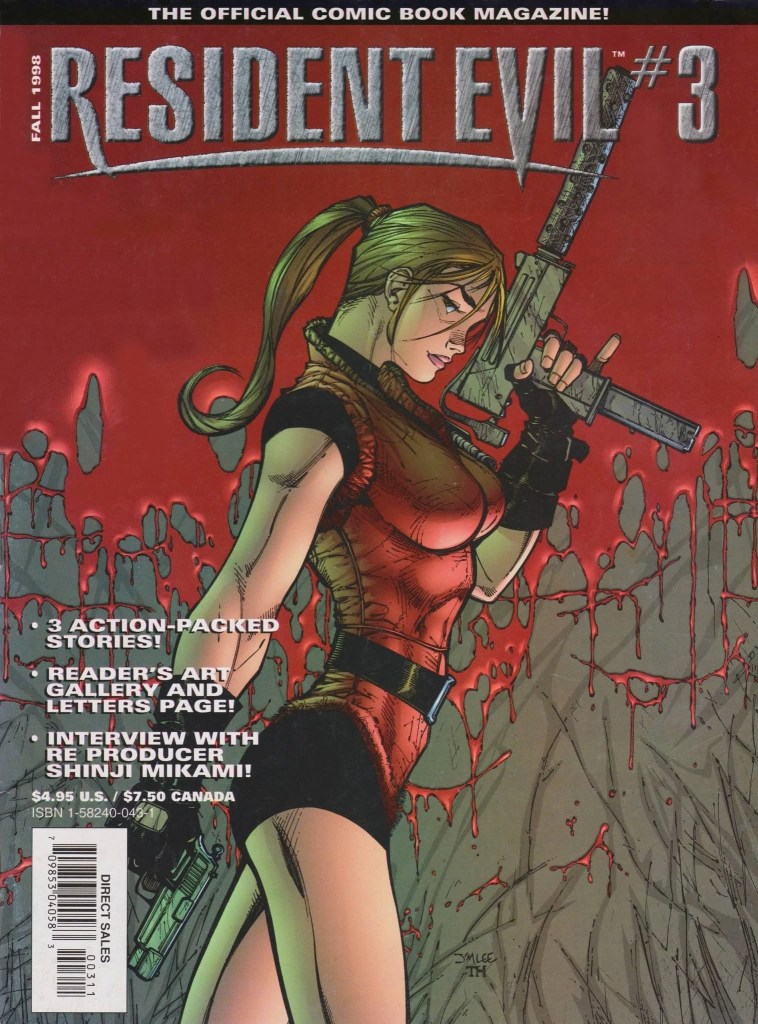
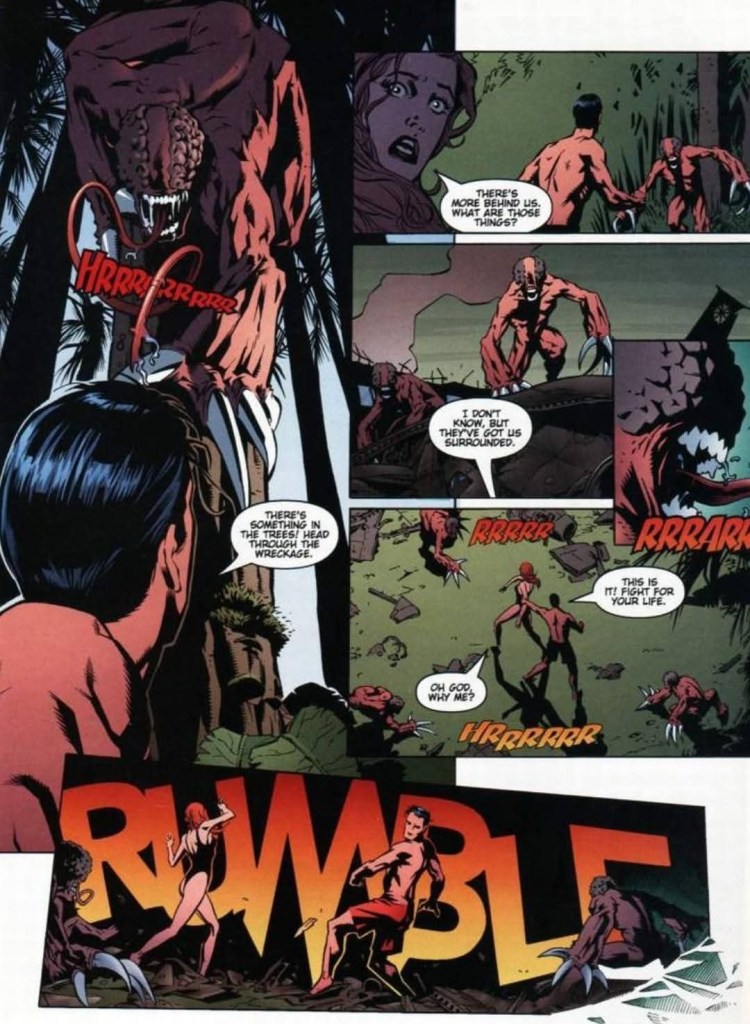
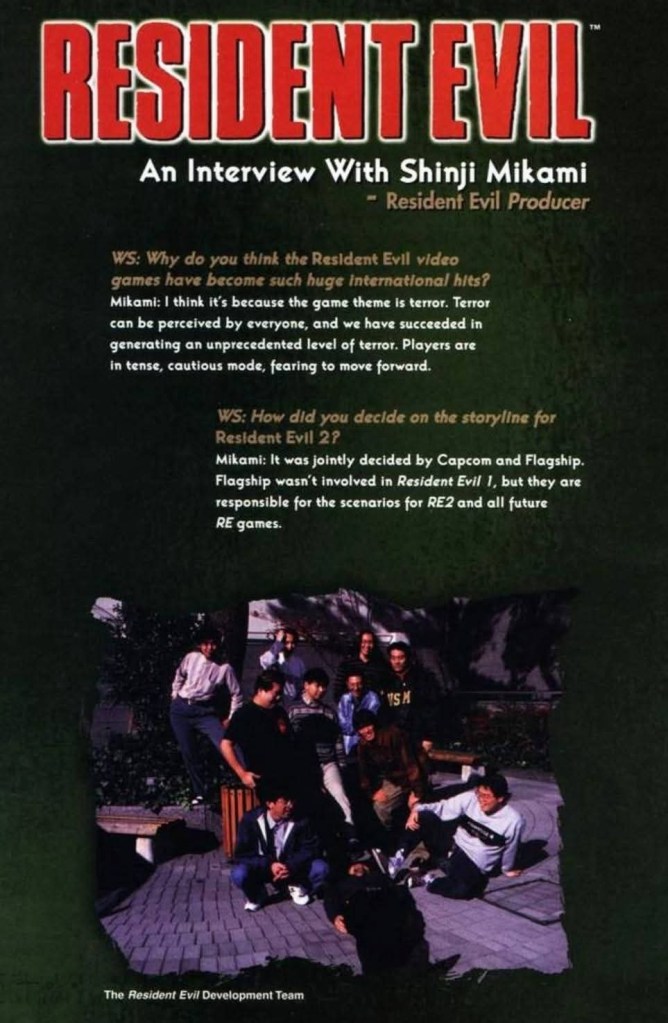
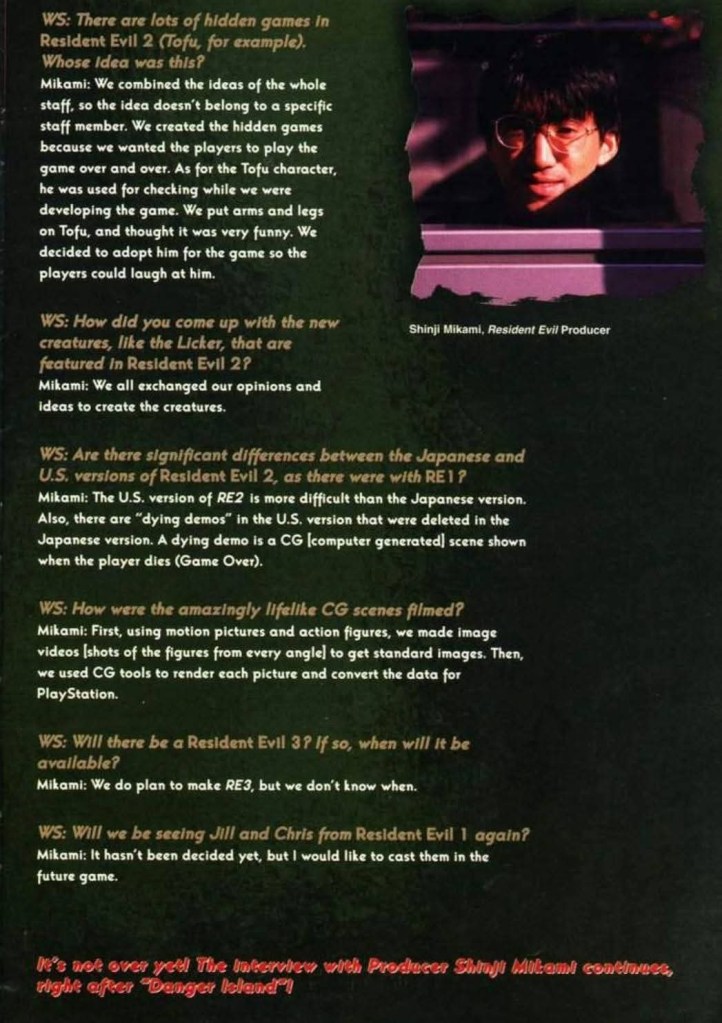
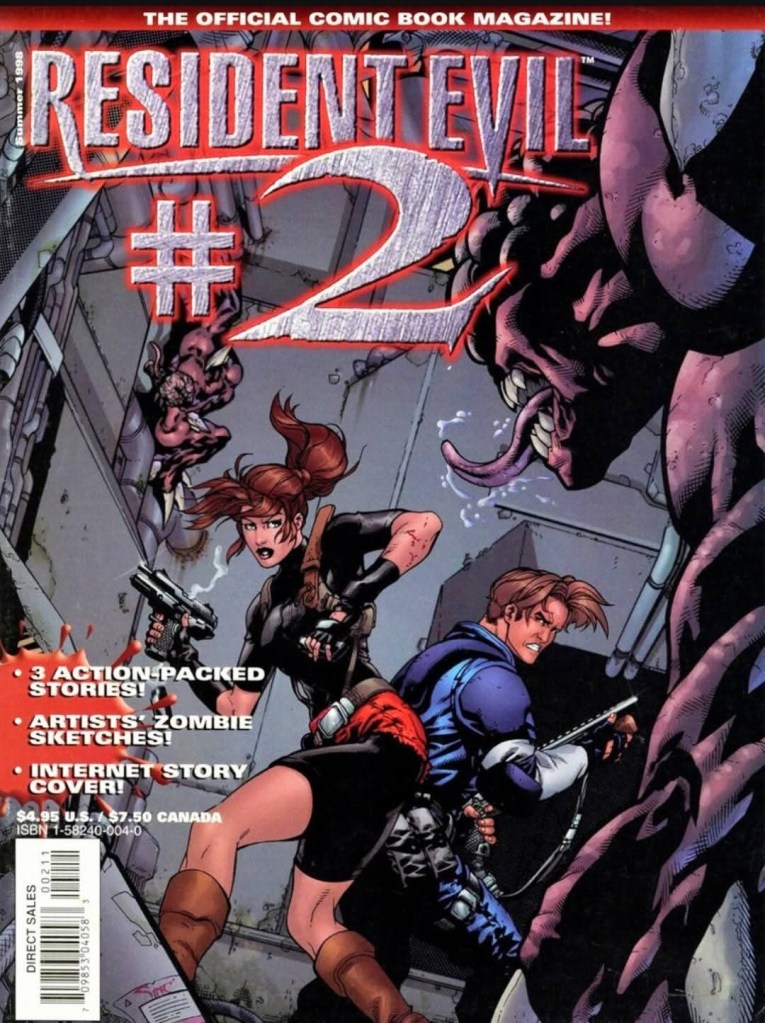
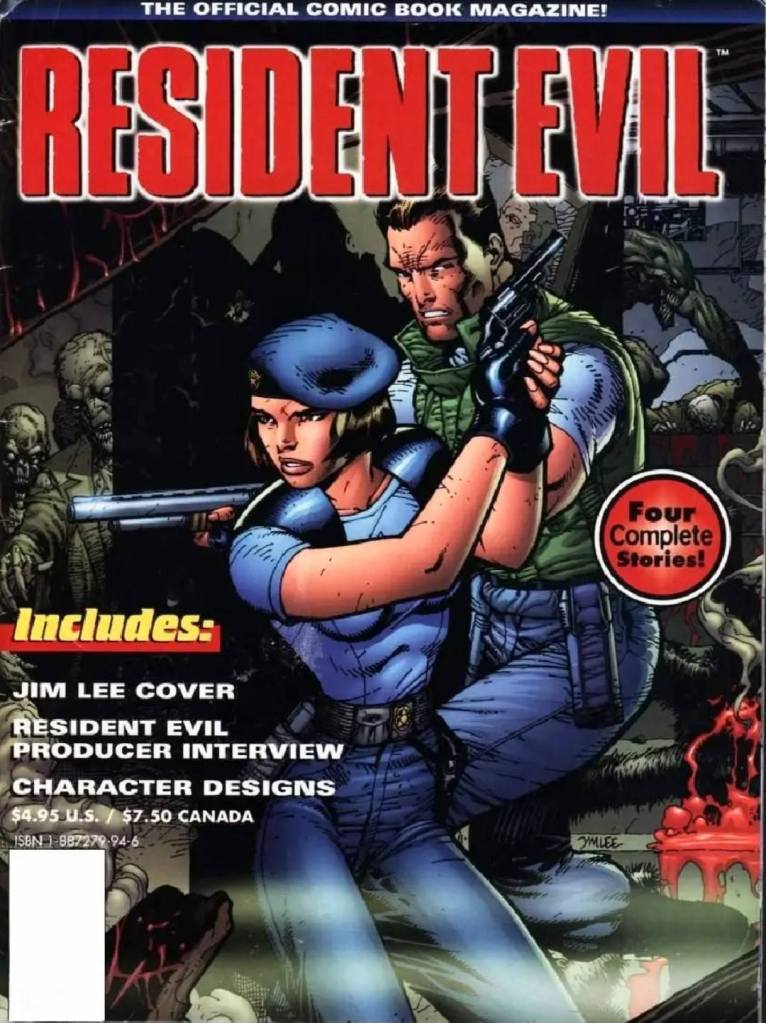
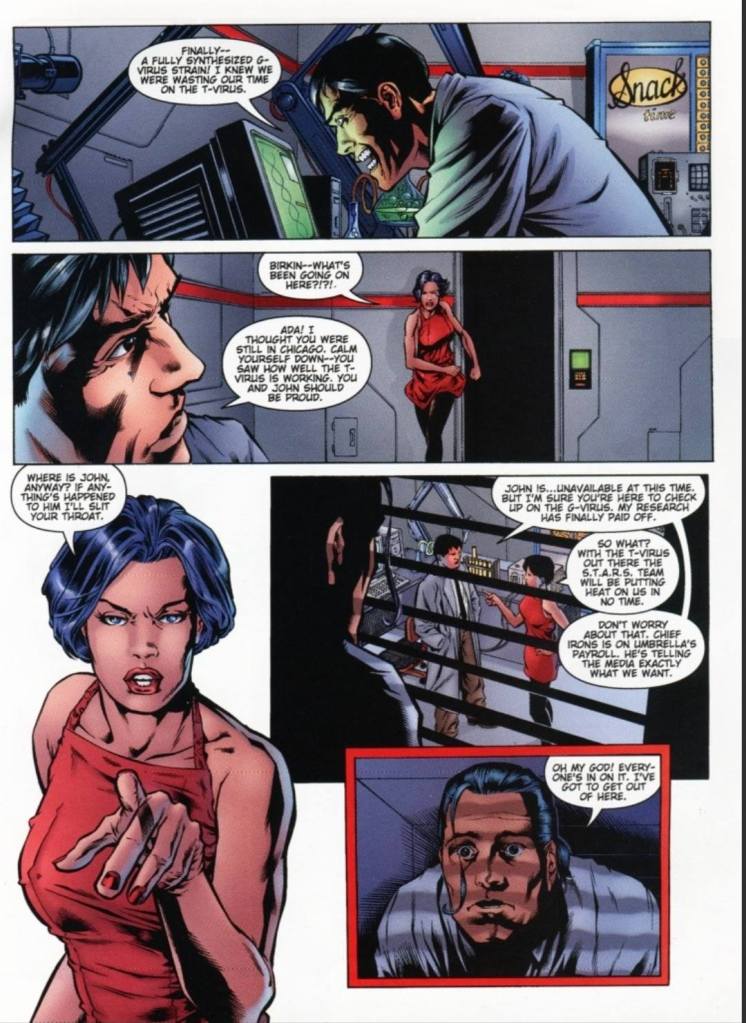
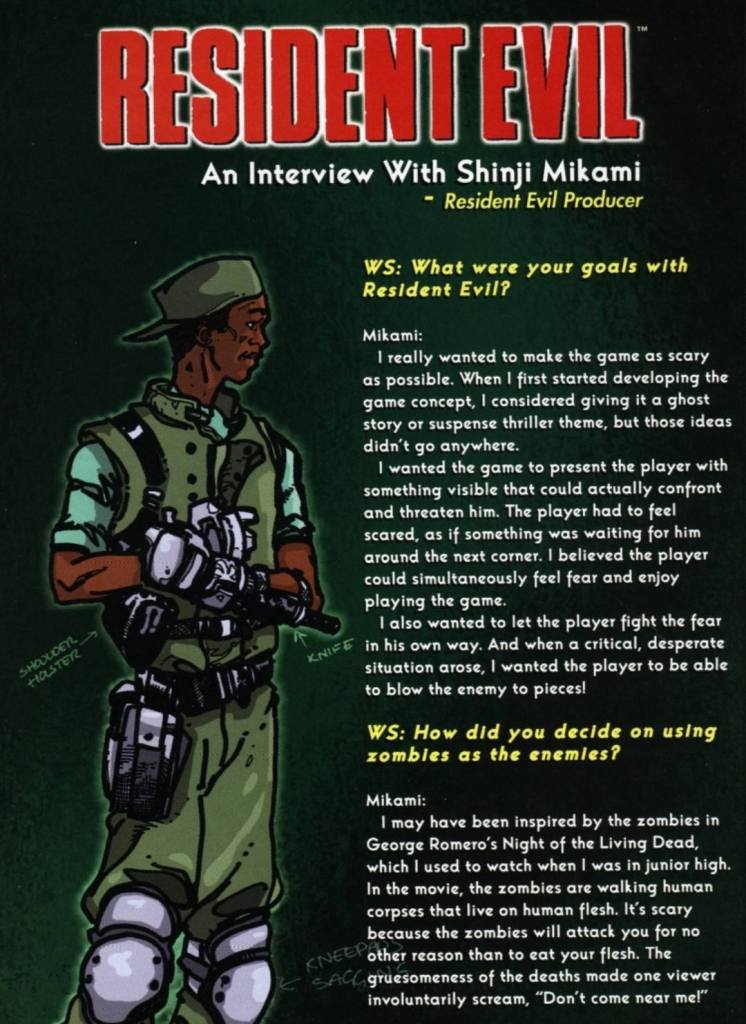
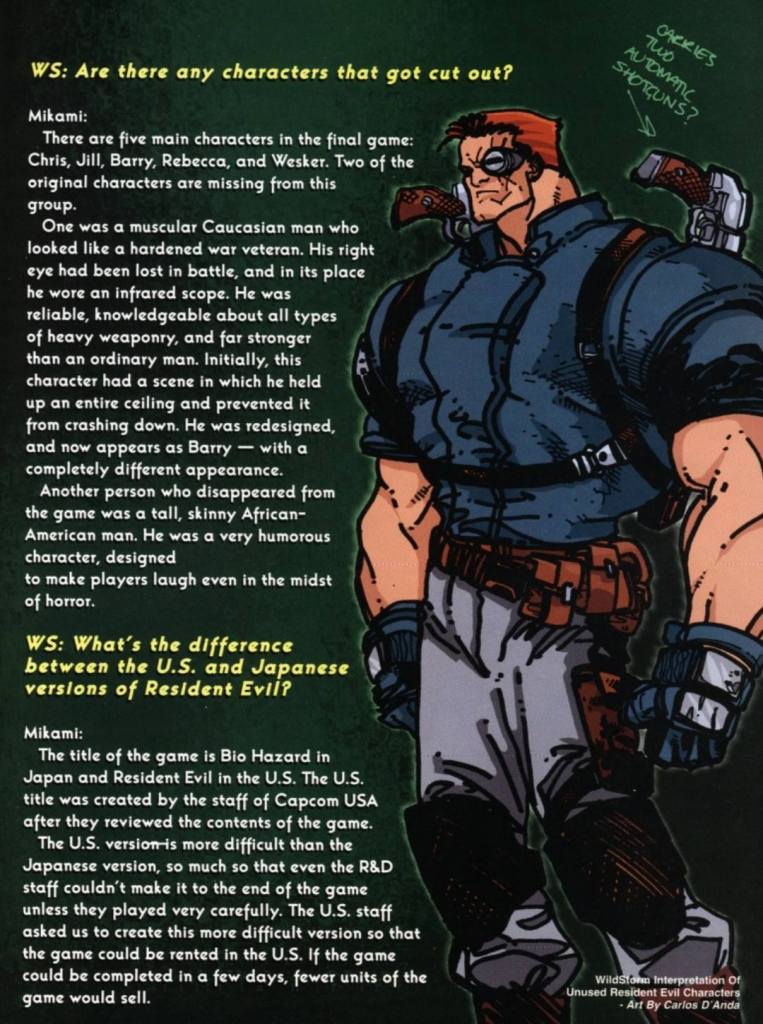
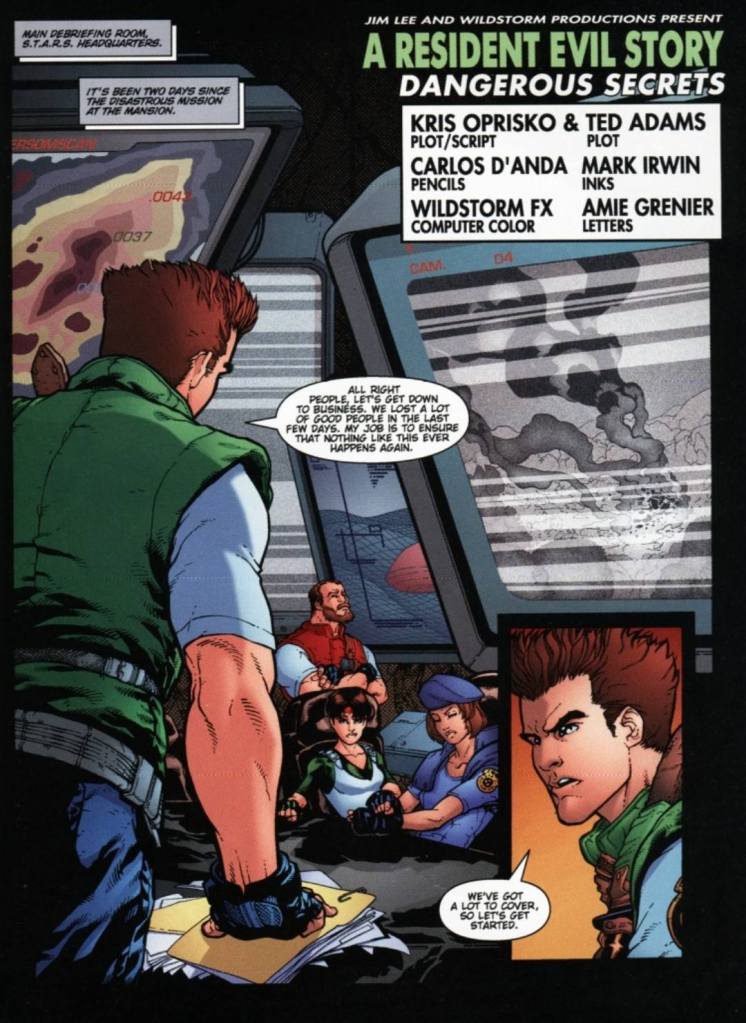
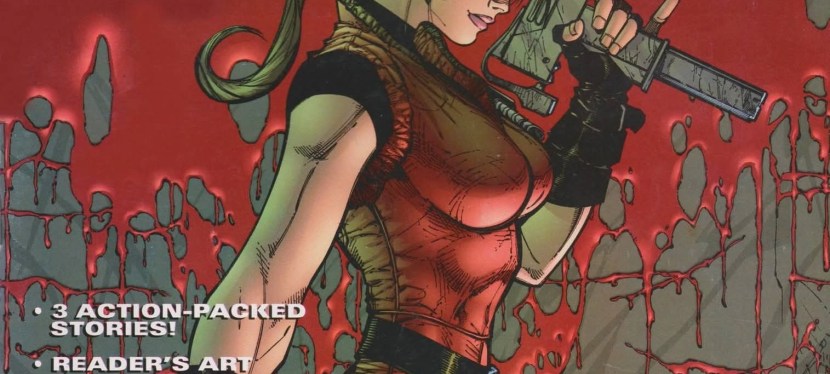
#3 Resident Evil Illustrated Tales – Believe it or not, there was a time when comic books and illustrated tales about the Resident Evil games were published from the late 1990s to the early 2000s. Back then, WildStorm (WildCATs, StormWatch, Wetworks) was licensed to make comic adaptations of Resident Evil starting with the Resident Evil: The Official Comic Magazine (published through Image Comics, 1998-1999) which featured varied short stories that expanded the lore but not necessarily counted as canon with the games. YouTube ScorePN posted a video showcasing the Resident Evil illustrated tales so you don’t have to go to all the trouble of finding the comic books and magazines. Watch and enjoy the video below.
#4 Zaxxon Revisited – In the early 1980s, Sega made a huge splash in the arcades and game consoles with Zaxxon which is now considered a classic by many gamers. I only played it on the personal computer back in the 1980s. While my enjoyment of the game was very limited because of the not-so-friendly keyboard controls, I found Zaxxon an intriguing experience due to its isometric visual design and the illusion of 3D space that came with it. Sometimes I wished that Zaxxon would get remastered for the current console generation. That said, it’s now a good time to look back at the game in the two retrospective videos below.
#5 Ashleigh Burton Reacts To Lethal Weapon – Among all the Lethal Weapon movies released by Hollywood, the first film from 1987 is still the best in my view. Apart from having a strong script, the directing by Richard Donner got fine performances from Mel Gibson and Danny Glover, and the spectacle was executed with a lot of power while never feeling outlandish. That said, it is fun to replay the movie from time to time. To see how it impacts YouTuber Ashleigh Burton, watch her reaction video below.
Disclaimer: This is my original work with details sourced from reading the comic book and doing personal research. Anyone who wants to use this article, in part or in whole, needs to secure first my permission and agree to cite me as the source and author. Let it be known that any unauthorized use of this article will constrain the author to pursue the remedies under R.A. No. 8293, the Revised Penal Code, and/or all applicable legal actions under the laws of the Philippines.
Welcome back superhero enthusiasts, 1990s arts and culture enthusiasts, Marvel Comics fans and comic book collectors! Today we go back to the 1990s to examine a small part of the Marvel Comics shared universe through a tale of the Amazing Spider-Man monthly series.
In my previous retro review, Spider-Man had a match-up with his arch-enemy the Vulture who returned with a strong obsession within. The rematch is significant not only because it the two have a rivalry that lasted decades in reality, but also because the story was structured to function as a light reintroduction of Adrian Toomes (Vulture) for new Spider-Man fans of the 1990s.
With those details laid down, here is a look back at Amazing Spider-Man #387, published in 1994 by Marvel Comics with a story written by David Michelinie and drawn by Mark Bagley.
The cover.
Early story
The story begins with the Vulture absorbing energy and the youth of Spider-Man using the Juvenator in front of Dr. Sanchez. As a result, Adrian Toomes/Vulture physically turned much younger with rejuvenated skin, cancer getting health, a stronger body and his hair grown back. He declares himself as the new vital Vulture. Spider-Man is down on the floor clearly weakened and with a change of his body’s shape.
Instead of taking the opportunity to kill Spider-Man, the Vulture decides to fly away knowing that his long-time rival will have to deal with brittle bones of old age. As Dr. Sanchez tries to help him, Spider-Man feels exhausted, his lungs feeling gummy and his ears ringing. Knowing that police officers are coming, the webslinger decides to get away and leave Dr. Sanchez behind.
Moments later at the top of the building, the weakened Spider-Man takes his mask and glove off realizing that he has turned into an elderly man…
Quality
Can you recognize Peter Parker?
To get straight to the point, this continued rematch between Spider-Man and the Vulture is so outlandish (backed with the science fiction approach to life energy and the so-called fountain of youth), it almost felt like it was a story crafted for the What If series of comic books. In fact, the sudden aging of Peter Parker into an actually elderly man getting into close calls with two notable family members made this tale even more suitable for the What If series (note: What If #4 of 1989 had a severely aged Peter Parker in it).
Still on the storytelling aspect of this comic book, the creators used the fountain of youth concept to pull off a significant twist on the enduring Spider-Man/Vulture rivalry. As Spider-Man grew so old, the Vulture became much younger which in turn convinced him he could reinvent himself and put his genius of electro-magnetism to great use.
To make things clear, this tale is not purely a Spider-Man/Vulture rivalry with sci-fi twists. In fact, there is more to the plot than meets the eye here as the Juvenator machine becomes an important element of the story (leading to something intriguing in the next issue), and a sinister revelation concluded this comic book.
Conclusion
The Vulture rejuvenated into a young man at the expense of Spider-Man.
Amazing Spider-Man #387 (1994) is a solid follow-up to the previous issue and it also was a radical attempt to twist the Spider-Man/Vulture rivalry a lot reaching to the point of making it look and feel like a What If story. There is a good amount of suspense, character development and enough superhero spectacle that paid-off the build-up nicely. Ultimately, this tale is actually a part of a short storyline leading to the intriguing events of issue #388.
Welcome back my readers, YouTube viewers and all others who followed this series of articles focused on YouTube videos worth watching. Have you been searching for something fun or interesting to watch on YouTube? Do you feel bored right now and you crave for something to see on the world’s most popular online video destination?
I recommend you check out the following videos I found.
#1 Setting The Record Straight About Cleveland’s 1986 Balloonfest – If there is anything unfortunate about the Internet and 21st century culture, it would be falsehoods and distorted information overwhelming the truth about past events. When it comes to Cleveland’s Balloonfest ’86, the event was a spectacle in which the organizers, its volunteers and strategic partners overcame lots of challenges along the way. The vibe and turnout overall in 1986 was generally positive. Today, there are simply too many liars and peddlers of misinformation (note: climate change activists, woke minds and people pretending to be experts) who posted online dishonest retrospective videos and opinions about Balloonfest ’86. That said, key members of the organizing committee and participants of the event got together to set the record straight in a YouTube video of Cleveland.com, and they have the facts to refute the accusations and falsehoods. Watch and learn from the video below.
#2 Tourists Causing Trouble In Japan – As I said some time ago, if you are entering Japan as a tourist, you better behave yourself and follow the rules. Massive tourism has been happening in Japan for some time now which is clearly adding to their economy and to discovering what the Japanese have to offer to the world. Unfortunately, there are foreign tourists who misbehaved and violated local laws to do gimmicks for social media (note: a selfish motive), disturbing the peace, adding to the pollution and even flying drones in restricted areas. Watch and learn from the video below.
#3 Remembering John McCain’s Bad Legacy – It has been years since former US presidential candidate and US Senator John McCain passed away. During his decades-long service in the US Senate, he was called by the corrupted mainstream news media a maverick for his willingness to work with Democrats on pieces of legislation. What many people do not know is the truth (backed with facts) that McCain’s legacy has been pretty bad as he not only betrayed the Republican Party but also the voters. When McCain was the Republican nominee for US President in 2008, his campaign was really doomed and Republicans got embarrassed. There is a lot more to discover about McCain in the MAGAmark video below.
#4 Congo Video Game – In 1995, the adventure movie Congo was released in cinemas and it managed to achieve better-than-expected commercial success despite being hit with negative reviews. The movie was based on a novel by the late Michael Crichton. As part of the film’s business strategy, a video game of it was released on Sega Saturn titled Congo The Movie: The Lost City of Zinj. I never played the game and there is a lot to learn about it in Sega Lord X’s video below.
#5 The Running Man Revisited – Remember the 1987 sci-fi action movie The Running Man starring Arnold Schwarzenegger? That film was not a faithful adaptation of the novel written by Stephen King (who used a different name) but it delivered bouts of fun for moviegoers. That said, there are lots of interesting details about the film, its source material, the process of adapting the story for film, and how it entertained people. Enjoy the selected retrospective and reaction videos below.
#6 You, Me and the Movies React To Frankenstein (1931) – Several decades ago, Universal Pictures released its cinematic adaptation of a 1927 play which itself is an adaptation of Mary Shelley’s Frankenstein novel. Simply titled Frankenstein, the 1931 movie went on to become a long-lasting part of American pop culture and is often regarded as a Hollywood. You, Me and the Movies’ Frankenstein reaction video is a must-see.
#7 Ashleigh Burton Reacts To Young Frankenstein – If you want to see good old comedy that is effectively funny, you can’t go wrong with Mel Brooks. When it comes to making fun out of a particular horror icon or property, Brooks’ Young Frankenstein is a parody worth considering. Ashleigh Burton’s reaction video is fun to watch.
Welcome back fellow geeks, Blu-ray collectors and movie buffs!
After more than two years of waiting (refer to my 2023 blog post by clicking here), I finally saw Godzilla Minus One (Japanese title: Gojira Mainasu Wan) for the first time ever and it was on 4K Blu-ray format! The movie turned out to be great in terms of storytelling and spectacle, and the immense fun factor justified the long wait I endured.
To put things in perspective, my anticipation for Godzilla Minus One started as soon as it was first announced by Toho and I patiently waited for the opportunity to watch it preferably inside the cinema or on 4K Blu-ray. The Takeshi Yamazaki-directed film only had very limited screenings in a Japanese film festival held here in the Philippines this year. As I was unable to watch it during the said film festival, I patiently waited for its 4K Blu-ray version to come out. Along the way, I avoided its Netflix availability here in the Philippines (because I prefer 4K Blu-ray over streaming). I also avoided watching the spoiler-filled movie reaction videos of Godzilla Minus One on YouTube.
Recently, I received my 4K Blu-ray copy of Godzilla Minus One which I ordered through Amazon. I waited a little over one year to order it as I anticipated price cuts would happen and I got a good bargain. Check out my Godzilla Minus One 4K Blu-ray blog post of 2024 by clicking here.
Godzilla Minus One 4K Blu-ray came with two discs – the 4K Blu-ray disc which has the feature film only, and the other is a Blu-ray disc that also has the film plus bonus features such as the commemorative special feature, an in-depth look at the visual effects, the event video collection and related content about the Tokyo International Film Festival.
The Blu-ray disc on the left and the 4K Blu-ray disc on the right.
The rear of my Godzilla Minus One 4K Blu-ray case.
Shortly after receiving my 4K Blu-ray of Godzilla Minus One, I had the living room all to myself in the evening and played the movie’s 4K Blu-ray disc on my Xbox One Series X and had my smartphone turned off to avoid distractions. For two solid hours, I had a very immersive home viewing experience and indeed, Godzilla Minus One looks absolutely stunning in uncompromised 4K visuals. The visual experience is absolutely grand and it is clear that the movie was carefully made by the production team to be so much better than streaming (catering to those who love the theatrical experience and the 4K Blu-ray experience at home).
The storytelling itself is very solid in terms of execution, the balance between build-ups and pay-offs, and the high-quality performances of the actors added depth to the narrative. Of course, the film took its time to show a very visceral Godzilla which is ultimately the biggest danger and the true threat to humanity at a time when Japan is still struggling to recover from all the damage it endured during World War II.
By the time the movie ended, I was more than just satisfied…I was overwhelmed by Godzilla Minus One’s top-notch quality, powerful engagement and high-level entertainment. I will replay it soon! While this is not a movie review, I can say Godzilla Minus Oneis indeed the as great and as compelling as the 1954 classic film. That clearly means I prefer this movie over all the Hollywood-produce Godzilla movies. As such, I can say that Godzilla Minus One 4K Blu-ray is a must-buy and must-see! I encourage you all reading this to go for it and add it to your collection of movies on physical media!
Godzilla Minus One 4K Blu-ray is a great addition to my movie collection!
If you have decided already to order a copy of Godzilla Minus One 4K Blu-ray, click here.
If you wish to join a group of movie enthusiasts and talk about cinema, cinematic trends, Blu-ray releases and more relevant stuff, visit the Movie Fans Worldwide Facebook group at https://www.facebook.com/groups/322857711779576
Disclaimer: This is my original work with details sourced from reading the comic book and doing personal research. Anyone who wants to use this article, in part or in whole, needs to secure first my permission and agree to cite me as the source and author. Let it be known that any unauthorized use of this article will constrain the author to pursue the remedies under R.A. No. 8293, the Revised Penal Code, and/or all applicable legal actions under the laws of the Philippines.
Welcome back superhero enthusiasts, 1990s culture enthusiasts and comic book collectors! Today we go back to the early 1990s and explore a part of the Marvel Comics shared universe through a tale of the Spider-Man monthly series.
Having reviewed the first three issues of the Spider-Man monthly series written and drawn by Todd McFarlane (click here, here and here), I can say that the 5-part Torment storyline has a daring concept, adulterated imagery and clunky storytelling. Issues #2 and #3 saw Spider-Man in violent battles with the Lizard who is clearly not himself but under the control of the Haitian witch Calypso. It is inevitable Spider-Man, who has been in a long-lasting disadvantage so far, will somehow meet Calypso face to face.
With those details laid down, here is a look back at Spider-Man #4, published in 1990 by Marvel Comics with a story written and drawn by Todd McFarlane. This is the 4th chapter of the Torment storyline.
The cover.
Early story
The story begins in a dirty alley deep within New York City. An exhausted and disoriented Spider-Man is shocked to see a grotesque looking Kraven with the vicious Lizard beside him. The moment made him remember what happened as a result of his previous with Kraven (note: refer to the Kraven’s Last Hunt storyline) which includes him getting buried temporarily with a grave designated to him.
Eventually Spider-Man sees through the illusion and realizes that Kraven is not in front of him but Calypso with the Lizard still under her full control. With an unspoken command from Calypso, the Lizard moves towards the weakened Spidey and carries him bodily…
Quality
This portrayal of Mary Jane having a good time again in the city without her husband is clearly filler and it did not add anything to the plot.
As anticipated, the webslinger finally met the Haitian witch who had been controlling the Lizard all along. With a mostly slow pace, the story has Spider-Man being helpless in the presence of two powerful enemies and McFarlane stylishly dramatizes moments from Calypso’s past showing her acceptance of evil ways (witchcraft), her personal connection with Kraven and her desire to have a new sacrifice done.
With Spider-Man restrained a lot for most of the story, it was not surprising to see Calypso have a good share of the spotlight to herself and the Lizard is clearly portrayed as her enforcer and assistant contrasting what was presented in the first 3 issues.
Unsurprisingly, the storytelling feels choppy although the slow pace allows readers to grasp Calypso’s intentions and her main purpose in the entire storyline. The lack of spectacle allowed McFarlane to implement long segments of suspense mixed with horror. With Spider-Man doing not so much, he’s technically a supporting character symbolizing the reader’s curiosity.
Conclusion
There is nothing like waking up in the presence of two evil figures while being restrained.
Compared with the previous, Spider-Man #4 (1990) does not have much to show and has even less entertainment value. Unless you are a die-hard fan of Calypso (so twisted and demonic under McFarlane’s handling), this particular story won’t mean much to Spider-Man faithful. The webslinger is still helpless but this is all part of the build-up for the fifth and final chapter.
In fairness, what was shown here might inspire fans to revisit Kraven’s Last Hunt and read past Spider-Man comic books showing Calypso’s connection with Kraven (note: Spider-Man and Calypso were present in Amazing Spider-Man #209). In my view, this comic book is not terrible but it does not have much entertainment value nor does it have anything engaging to show. I don’t feel so motivated to proceed with issue #5.
Welcome back my readers, YouTube viewers and all others who followed this series of articles focused on YouTube videos worth watching. Have you been searching for something fun or interesting to watch on YouTube? Do you feel bored right now and you crave for something to see on the world’s most popular online video destination?
I recommend you check out the following videos I found.
#1 GoodBadFlicks Examines Cheersploitation Movies – Recently YouTuber GoodBadFlicks posted a video examining a certain sub-genre of film involving cheerleaders…Cheersploitation. Before the explosion of raunchy comedy movies in the 1980s, there were sex comedy films involving cheerleaders released in the 1970s. GoodBadFlicks’ video features five movies of the Cheersploitation sub-genre which you should see.
#2 The Odd City In Skyrim – Like many gamers, I bought and played Skyrim (Xbox 360 version specifically) on launch day in 2011, and it was easily the most immersive role-playing game of the 7th console generation. There is one particular city that always felt odd to me which is Markarth. Recently I saw this particular video on YouTube that explains in detail why Markarth stood out so differently from all other cities and towns of Skyrim, and there definitely is something dark behind its legacy which makes exploring it a very intriguing experience for gamers. This is a reminder about Todd Howard’s team taking creative risks that worked and it is an experience you won’t get in Starfield. Watch the video below.
#3 Japanese Food In Ibaraki Prefecture – Ibaraki Prefecture is located in the Kanto region of Honshu in Japan. Even as Ibaraki Prefecture is part of the Greater Tokyo Area, its local food joints offer certain meals that are not available in Tokyo itself. Recently, Nippon TV visited the place and examined why locals travel there to try out the standout food. Watch and learn from the video below.
#4 You, Me And The Movies React To Spawn (1997) – 1997 was not exactly a fun year for superhero enthusiasts when it comes to movies. The movie star-heavy Batman & Robin was terrible and it remains as one of the worst superhero movies ever. Also in 1997, a live-action movie of Spawn was released and even though it took itself seriously (note: creator Todd McFarlane had creative input on the film and his own company was part of the production), it gathered mixed reaction from the fans and very negative feedback from film critics. Recently, You, Me and the Movies posted a reaction video about Spawn which strangely was more entertaining than the movie itself.
#5 Butch Cassidy And The Sundance Kid Reaction Videos – If you have seen a lot of buddy cop movies from Hollywood, have you seen a Western buddy film? Once such film was 1969’s Butch Cassidy and the Sundance Kid which starred the late Robert Redford and the late Paul Newman. The movie was critically acclaimed and it was for preservation in the United States National Film Registry by the Library of Congress as being “culturally, historically, or aesthetically significant” 34 years after its release. As such, it is not surprising that the film became a subject of many YouTube reaction videos and posted below are a few I selected for your enjoyment.
#6 Jennifer Lopez And The Scammers In Music – A few decades ago, Milli Vanilli was exposed as a scam and the public backlash was so intense, the fans destroyed the music records they previously bought. For the newcomers reading this, Milli Vanilli was a duo of Fab Morvan and Rob Pilatus who danced and NEVER used their voices in their songs (note: it was all done by others in secret under German music producer Frank Farian). Back in those times, it was normal for music fans and consumers to expect genuine vocal performances from musical artists. As time passed, standards have changed and the musical scam of Milli Vanilli suddenly became the new normal in modern entertainment as more singers today were exposed to be frauds and pretenders (lip-syncing behind vocals produced by others). Watch and learn from the video below.
Welcome back readers, fellow geeks and electronic gaming fans!
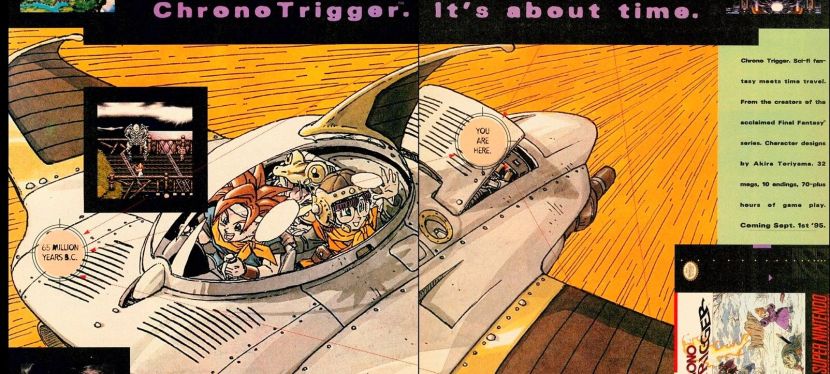
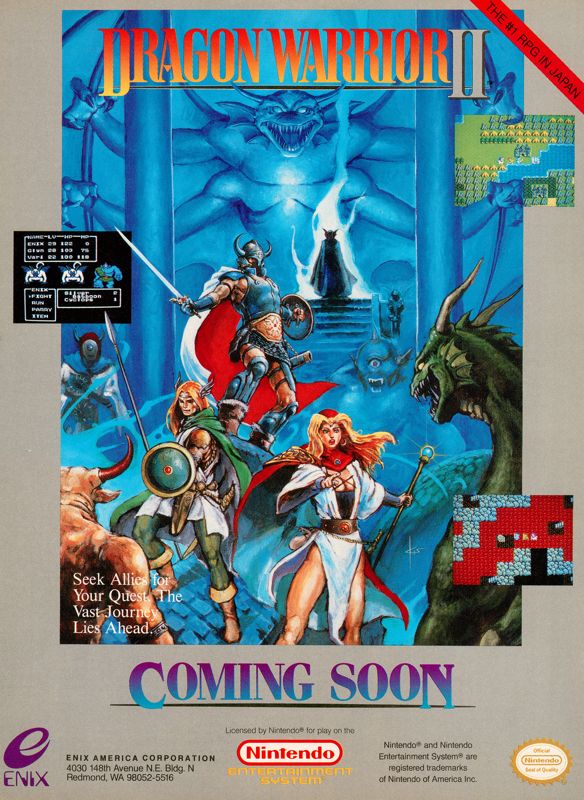
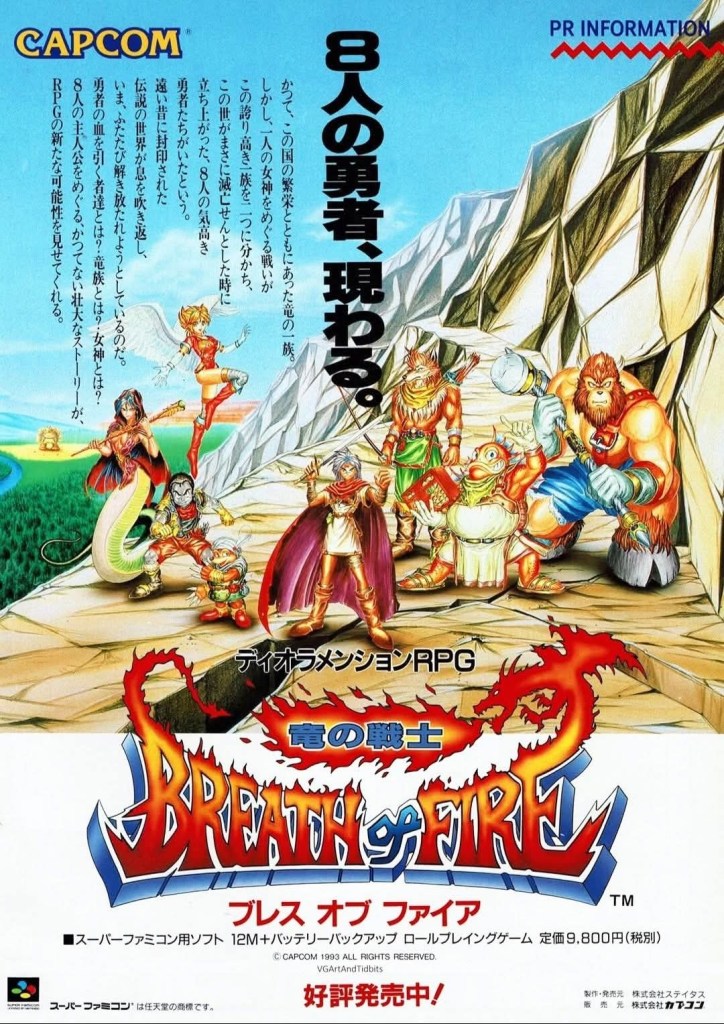
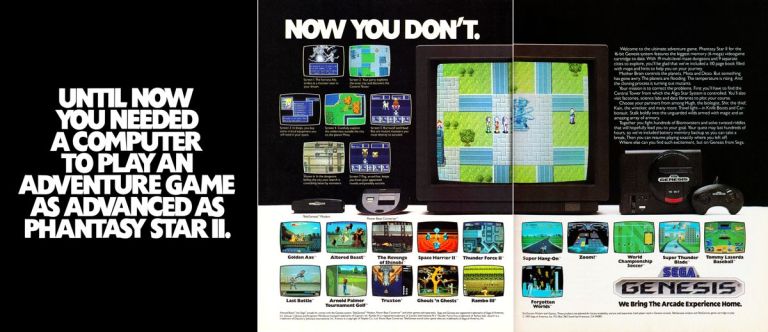
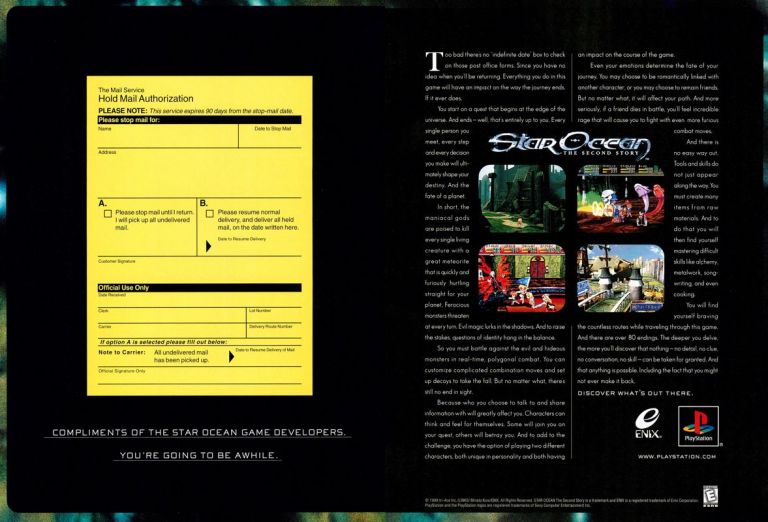
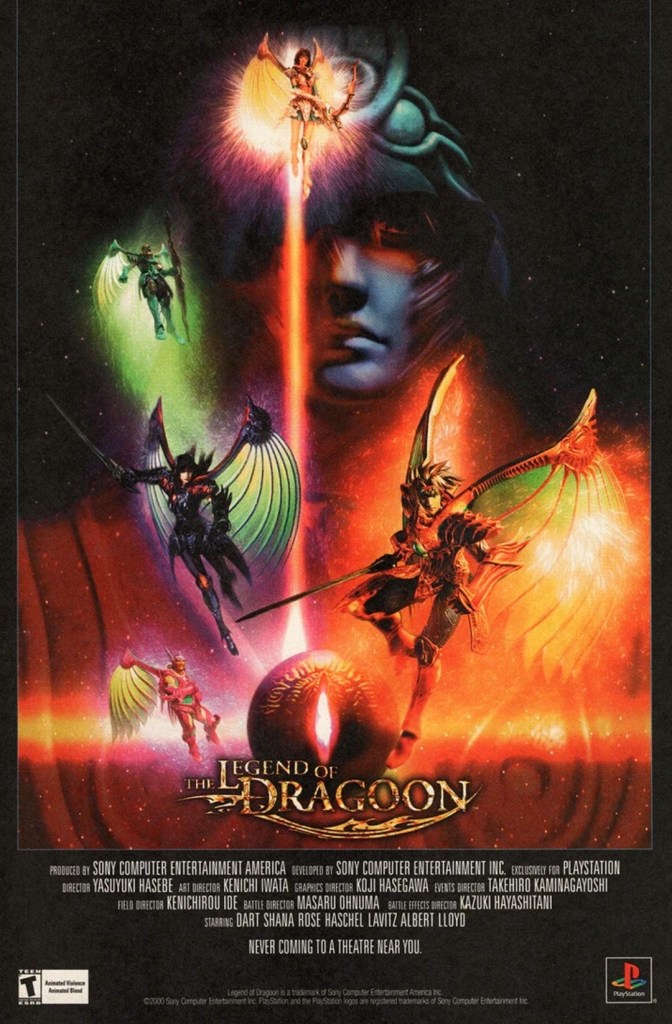
In this edition of the Retro Gaming Ads Blast (RGAB) series, we will take a look at another batch of retro gaming print ads – including arcade flyers – from the 1970s to the 1990s.
For the newcomers reading this, Retro Gaming Ads Blast (RGAB) looks back at the many print ads of games (console, arcade, computer and handheld) that were published in comic books, magazines, flyers, posters and newspapers long before smartphones, social media, the worldwide web and streaming became popular. To put things in perspective, people back in the 1980s and 1990s were more trusting of print media for information and images about electronic games and related products.
With those details laid down, here is the newest batch of retro gaming print ads for you to see and enjoy…
1. Cabal Japanese arcade flyer/poster
Can you feel the action and intensity here?
When it was first released in video arcades in Japan in late 1988, Cabal was another game inspired by military action movies of Hollywood which explains the art work done for the arcade flyer and poster shown above. The Vietnam War was still fresh in people’s minds and the concept of having one or two players firing their weapons against enemy soldiers resonated with gamers who saw Hollywood’s military action flicks. That said, it is not surprising that Cabal became a huge hit in Japan before getting released in arcades around the world.
2. Willows Japanese arcade flyer
The front.
The rear.
Remember the 1988 high fantasy adventure film Willow? That film was produced by George Lucas and was a bold new production of Lucasfilm shifting away from Star Wars. Believe it or not, an official arcade game adaptation of Willow was made by Capcom and they promoted it by having images of Val Kilmer and Warwick Davis on the front of the arcade flyer (opposite the illustrated versions of their characters). The game, which was a side-scrolling platform game with run-and-gun elements, went on to be an arcade hit in Japan and eventually pleased gamers worldwide.
3. Super Punch-Out!! North American print ad
This is funny to look at.
Historically, Nintendo’s Punch-Out!! series started in the arcade in 1984 and the first game was the result of the company’s effort to make a new game using arcade cabinets with two screens. The 2nd game – Mike Tyson’s Punch-Out!! – became a huge critical and commercial hit (over 2 million copies sold in 1988) on console and it made great business sense for Nintendo for release another Punch-Out!! for its console gamers to enjoy in the comfort of home. In 1994, Super Punch-Out!! was released on the Super Nintendo Entertainment System (SNES) in America and to promote it, the company came up with a hilarious 2-page ad that showed fictional high school graduates with boxing-related injuries. The imagery creatively connected with the words “biggest Punch-Out ever” and “Graduating Class of ‘94”.
4. EA Sports 3-in-1 SNES games print ad
EA Sports games on the SNES.
In 1994, Electronic Arts (EA) released their sports games NBA Live 95, NHL 95 and Madden NFL 95 for consoles at the time. Even though the Sega Genesis sold better than Super Nintendo Entertainment System (SNES) in America at the time, EA went on to aggressively market their 3 sports video games on Nintendo’s console using a 3-in-1 games print ad. In retrospect, the SNES for the most part had better graphics and sounds than the Genesis which is reflected clearly on EA Sports games of the time. This print ad still looks fun and exciting.
5. Atari Jaguar CD print ad
Were you able to play any game on the Atari Jaguar with the CD add-on included?
Apart from the obvious advances of technology that impacted video games, the 1990s is also known for the rise of CD-ROM as a medium for gaming. In an effort to boost sales of the Atari Jaguar console (launched in America in 1993 for around $250) and capitalize on the trust of the fans and console owners, Atari launched a CD-ROM add-on device for about $150 in 1995. To promote it, the company went aggressive with the 2-page ad showing the add-on fully connected on top of the main console, showing off some games and posting a text description emphasizing hardware power and the advantages that come with the CD technology. Even in the captured image, the Atari Jaguar CD still resembled a toilet. This is an aggressive ad campaign that failed as less than 20,000 Atari Jaguar CD units were sold by the time it was discontinued in 1996.
6. 3DO print ad
While it lacks intensity, this 3DO ad emphasized the games.
Without showing any hardware, the 3DO Company came up with this 2-page print ad that had a slightly adulterated tone (look at the left page) and aggressively marketed the 3DO console games available at the time. Games like Demolition Man, Shock Wave, Road Rash and Super Street Fighter II Turbo were the standout titles which clearly showed the company made the effort to emphasize gaming more than multimedia features. This 1990s ad tackled the generations with a touch of humor.
7. Lethal Enforcers II: Gun Fighters Sega Genesis print ad
This is a fun ad to look at.
When Lethal Enforcers II: Gun Fighters was released in the arcades in 1994, it became a commercial success for Konami which went on to announce it would port the game to consoles of Nintendo and Sega at the time. While the port for the Super Nintendo Entertainment System (SNES) was never released, Lethal Enforcers II: Gun Fighters made its way to the Sega Genesis and Sega CD. The print ad of the Sega Genesis version (Sega CD mentioned in small text) had an inspired design emphasizing the Old West, shooting and the conflict between cowboys and Indians. The screenshots gave people the clear idea that Old West was the setting (versus modern day in the previous game). This is still fun to look at.
8. Syphon Filter
Syphon Filter went on to become a surprise hit game in 1999.
In 1999, Sony’s 989 Studios released Syphon Filter exclusively on the PlayStation console. This single-page print ad showed a few screenshots on the bottom and several action snippets with a night vision touch ultimately emphasizing the stealth aspect within the gameplay. The marketing proved to be effective as the game sold a lot at retail and went on to establish a new game franchise exclusive to PlayStation consoles.
9. Parasite Eve II Japanese print ad
Were you a big fan of Aya Brea and the Parasite Eve franchise in the late 1990s?
Following the critical and commercial success of Parasite Eve in 1998, SquareSoft proceeded with Parasite Eve II and the production (note: initially for a spin-off game before becoming a sequel) did not even involve the main creators of the first game. Instead the company had a different team of developers – including those who previously worked on Resident Evil games for Capcom – in Osaka to make the sequel. This explains why Parasite Eve II had stronger survival horror gameplay resembling a Resident Evil game. As major changes were made during the production, it was decided that Aya Brea would become the main protagonist and already the character was already popular with gamers. That being said, the marketing of Parasite Eve II for the Japanese market heavily featured Aya Brea with subtle sexiness, beauty and action in mind. The marketing intensified leading to its eventual December 16, 1999 release in Japan.
Disclaimer: This is my original work with details sourced from reading the comic book and doing personal research. Anyone who wants to use this article, in part or in whole, needs to secure first my permission and agree to cite me as the source and author. Let it be known that any unauthorized use of this article will constrain the author to pursue the remedies under R.A. No. 8293, the Revised Penal Code, and/or all applicable legal actions under the laws of the Philippines.
Welcome back movie enthusiasts, 1990s arts and culture enthusiasts, and comic book collectors! Today we go back to the year 1994 to examine the first issue of a comic book mini-series that served as the official adaptation of the movie Mary Shelley’s Frankenstein.
The 1994 film – starring and directed by Kenneth Branagh and produced by Francis Ford Coppola – had a huge marketing push through the local media and in the cinemas here in the Philippines. Robert De Niro’s name alone attracted a lot of moviegoers’ attention and there were some literature enthusiasts who had the impression (or were hopeful) that the film would be faithful to the 1818 Gothic novel by Mary Shelley.
Like many others here in the Philippines, I went to the local cinema (which was half-full) to watch Mary Shelley’s Frankenstein and ended up having a mixed opinion. The production values looked grand and the cinematography (specifically the location shots and vistas) was very impressive but I felt something was off with regards to the direction which brought the storytelling down.
As with some other Hollywood movies of the time, there was a comic book adaptation of Mary Shelley’s Frankenstein in the form of a mini-series from Topps Comics. I remember seeing issue #1 displayed at the local comic book specialty store shortly after seeing the movie but I was not interested on buying it. Recently, I finally secured a copy of the comic book and read it for the first time ever.
With those details laid down, here is a look back at Mary Shelley’s Frankenstein #1, published in 1994 by Topps Comics with a story written by Roy Thomas (based on the screenplay by Steph Lady and Frank Darabont) and drawn by Rafael Kayanan. This is the first of a 4-issue mini-series.
The cover.
Early story
The story begins at sea in 1794 in the middle of very cold weather. The ship carrying Captain Walton and his crew crashed on to pack ice and became trapped. The captain refuses to give up on his quest to reach the north pole and he has the crew chopping the ice. Suddenly they hear a frightening noise as something approaches.
A cloaked man emerges from the mist and it turns out he was not the source of the frightening noise. Without hesitation and right in front of the captain, the cloaked man tells the crew to bring their weapons and follow him. The captain tells the newcomer that only he gives the orders. The crew’s dogs ran away moving towards the source of the noise in the mist.
The dogs reached the source of the noise and attack it. The dogs were no match for it as they each got hit and eliminated. As the crew heard the dogs die, the captain tells everyone to move back to the ship.
Moments later, the captain and the cloaked man are inside the ship. A tall human figure slowly approaches the ship. After an exchange of words about what has been going on, the captain asked the cloaked man who he is. The man reveals he is Victor Frankenstein…
Quality
This particular scene looked great in the movie itself. There was nothing the comic book creators could do to translate it into illustrated literature.
To make things clear, this comic book covers the film’s beginning until the scene in which Frankenstein attempts to give his creature life. As there were no printed advertisements, the comic book creators tried hard to cram several scenes into it complete with lots of details regarding the setting, the scientific thoughts of Frankenstein, experiment details and more. Indeed, a lot of the exposition in the film made it here and there were also cinematic sequences that simply could not be replicated in print format.
The illustrated opening scene replicated enough of the essence of the cinematic opening. Like the movie, the narrative moves back in time to explore Victor Frankenstein’s youth, his family, how Elizabeth became his adopted sister and how family tragedy started his path to becoming obsessed with overcoming death through science, medicine, chemistry and biology.
As it is clear that this illustrated version could never replicate the grand visuals of the film, such scenes were trimmed a lot with the readers in mind. The narrative moved between slow and medium pace similar to the film but for readers, it is a must to pay close attention to the details to truly understand the story and how Frankenstein develops.
Frankenstein here is portrayed not only as an obsessed scientist (who wants to conquer death by creating life with his own efforts) but also as a hurting man whose destiny has been altered with pain, struggle and darkness ahead. No matter what the odds were, Frankenstein believes he can achieve what is impossible while also believing he is not a mad man. Of course, Frankenstein’s own obsession blinded him so much, he fails to realize the truth that he has turned into a truly mad scientist who does not care at all about ethics, nature and morality. As such, Frankenstein is truly unlikable as the protagonist.
While a lot of effort was done to translate the film’s plot into comic book storytelling, Rafael Kayanan did a decent job with the visuals showing ranging quality throughout. Given the historical setting and European locations of the movie reflecting the novel, it is indeed difficult for any artist to replicate the looks, the environments and the many material objects of the period. Some illustrated scenes looked detailed while others showed some signs of rush. If you are hoping to see the characters looking like the actors in the movie, you won’t find much of that here. Ironically, there were a few shots that reflected that gore and violent movements of the film.
Apart from the story, there are two pages in this comic book that provided details about the history of Mary Shelley’s novel and how her creation impacted entertainment and pop culture in America (including the famous 1931 movie). Selected images were also included.
Conclusion
The dogs are powerless towards the unseen creature of Frankenstein.
The way I look at Mary Shelley’s Frankenstein #1 (1994), it clearly follows the movie’s scenes visually rather than following closely the screenplay and that means translating Kenneth Branagh’s vision into comic book form here. As such, there definitely is something off with regards to pacing and storytelling. There really is not much enjoyment in this 1st issue of the comic book adaptation mini-series. In fact, this is more of a humanized portrayal of unethical science driven by one character’s obsession with conquering death.
Overall, Mary Shelley’s Frankenstein #1 (1994) should be avoided.