


Welcome back my readers, YouTube viewers and all others who followed this series of articles focused on YouTube videos worth watching. Have you been searching for something fun or interesting to watch on YouTube? Do you feel bored right now and you crave for something to see on the world’s most popular online video destination?
I recommend you check out the following videos I found.
#1 Resident Evil Bonanza (1996 Original and 2002 Remake) – Thirty years ago this month, the original Resident Evil video game was released on PlayStation and it impacted console gaming by moving towards an adulterated direction with zombie horror and mad science as core elements. The 1996 game led Capcom to making Resident Evil sequels and spin-offs in the years that followed. Then in 2002, an ambitious remake of Resident Evil was released on the Nintendo GameCube and it became the definitive version RE creator Shinji Mikami and his team came up with. To explore Resident Evil in its original version and the remake, watch the videos below.
#2 Living In Las Vegas –For decades, Las Vegas in Nevada has always been known as a major tourist destination with lots of hotels, casinos and other entertainment joints clustered together. There is also the perception that a lively city like it means there are lots of job opportunities and business or investment options to pursue there. What most people do not realize is that Las Vegas is not exactly the ideal city to move into and live in due to many factors that can be challenging and stressful to deal with. To discover why, watch the videos below.
#3 Popcorn In Bed Reacts To Logan’s Run – It has always been argued that science fiction movies released before Star Wars were not too exciting to watch. One of them was Logan’s Run which continues to have a divisive reception among movie buffs both young and old. There are some who liked its concept and execution, while others dismissed it for being corny or even being symbolic about the sexual revolution of the 1960s and 1970s. If you want to discover the film without spending money on it, watch Popcorn in Bed’s reaction video below. Observe how the movie impacts her.
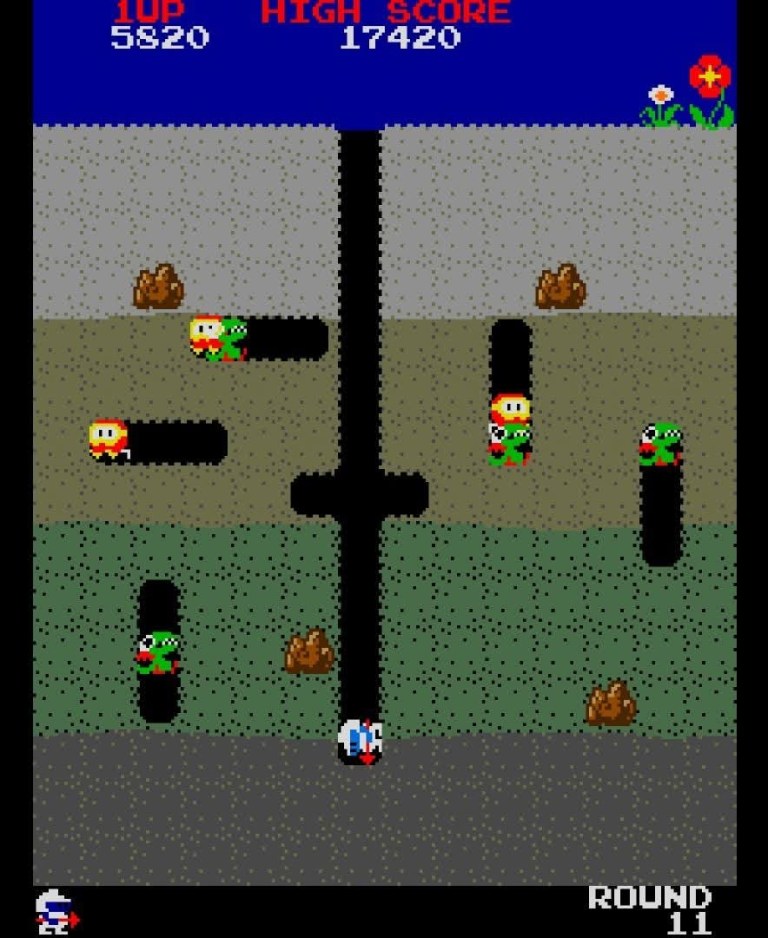
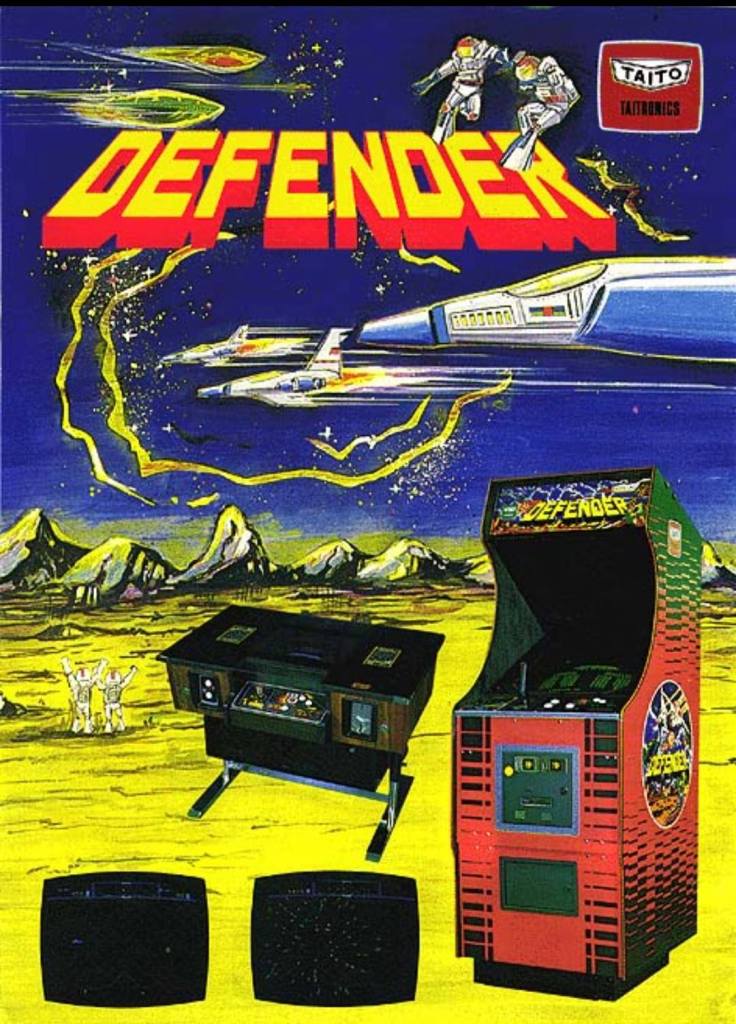
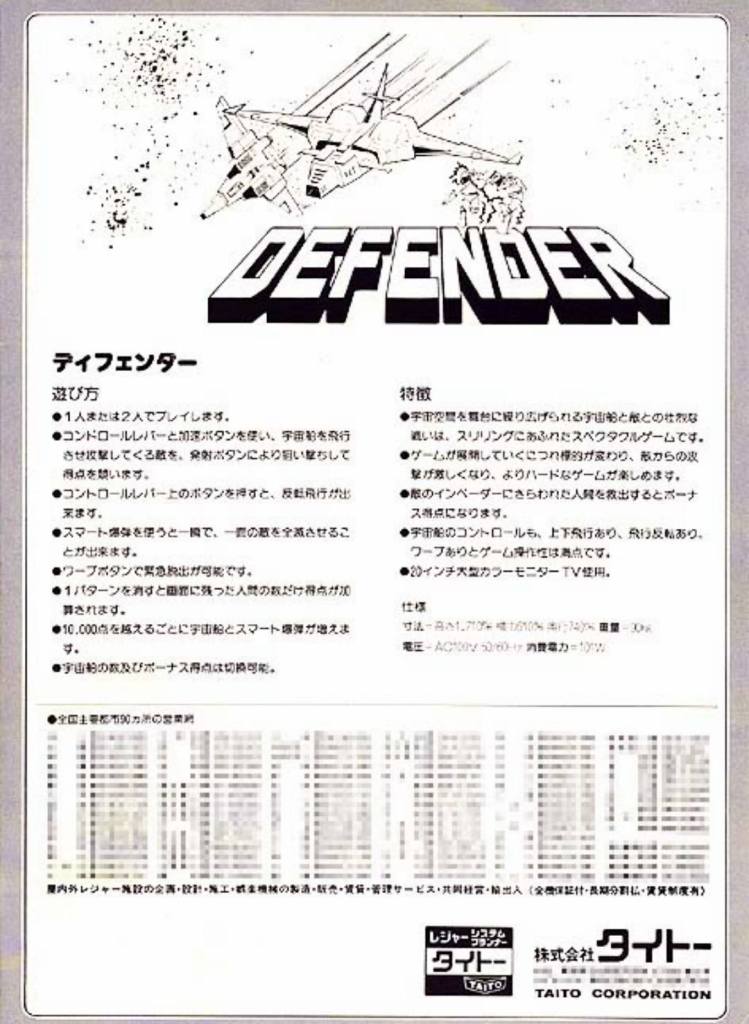
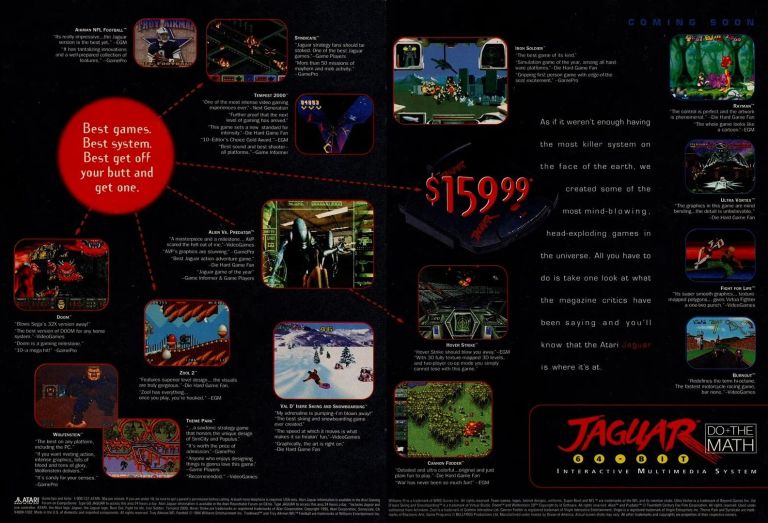
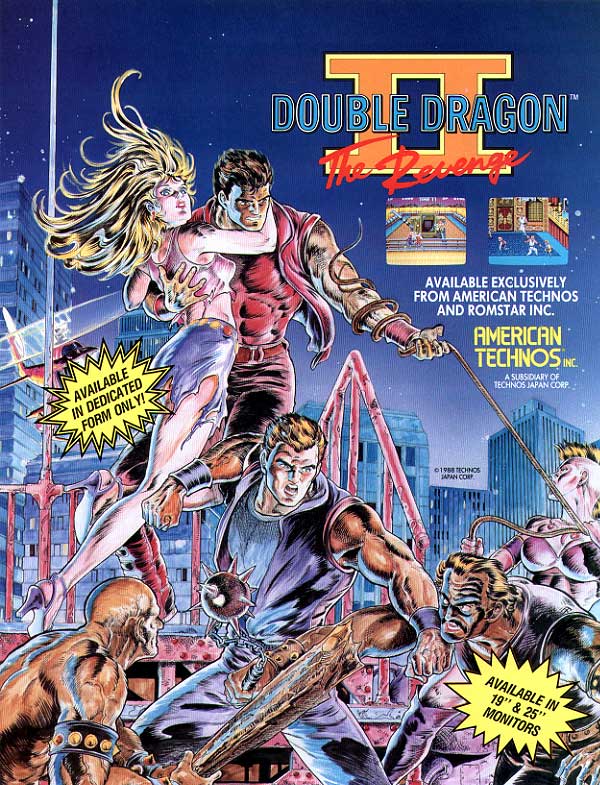
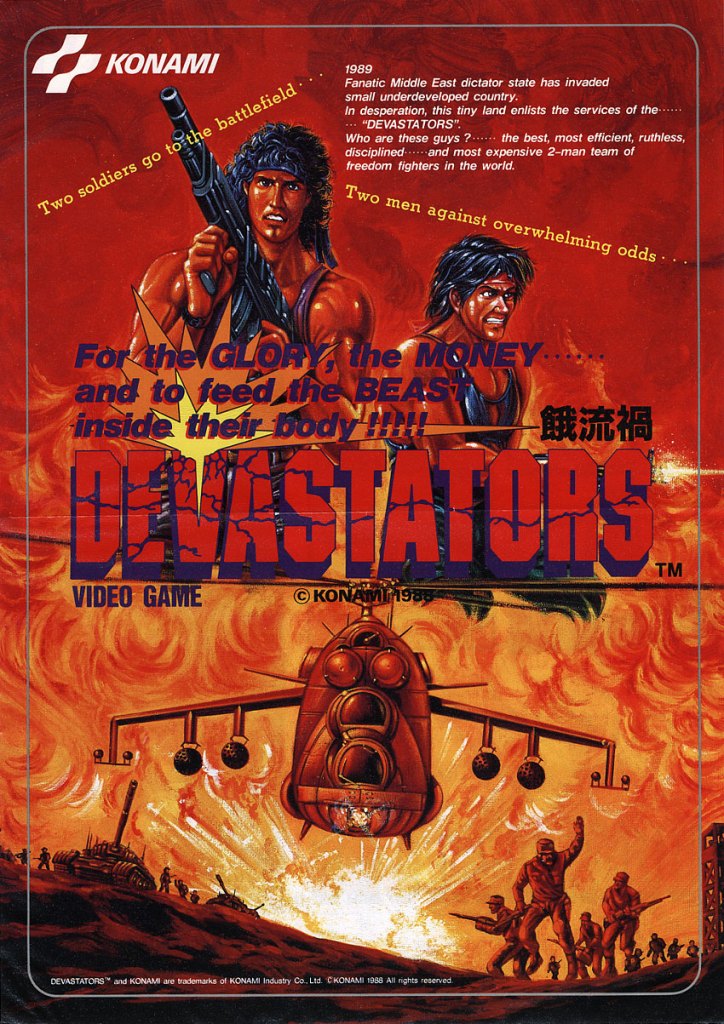
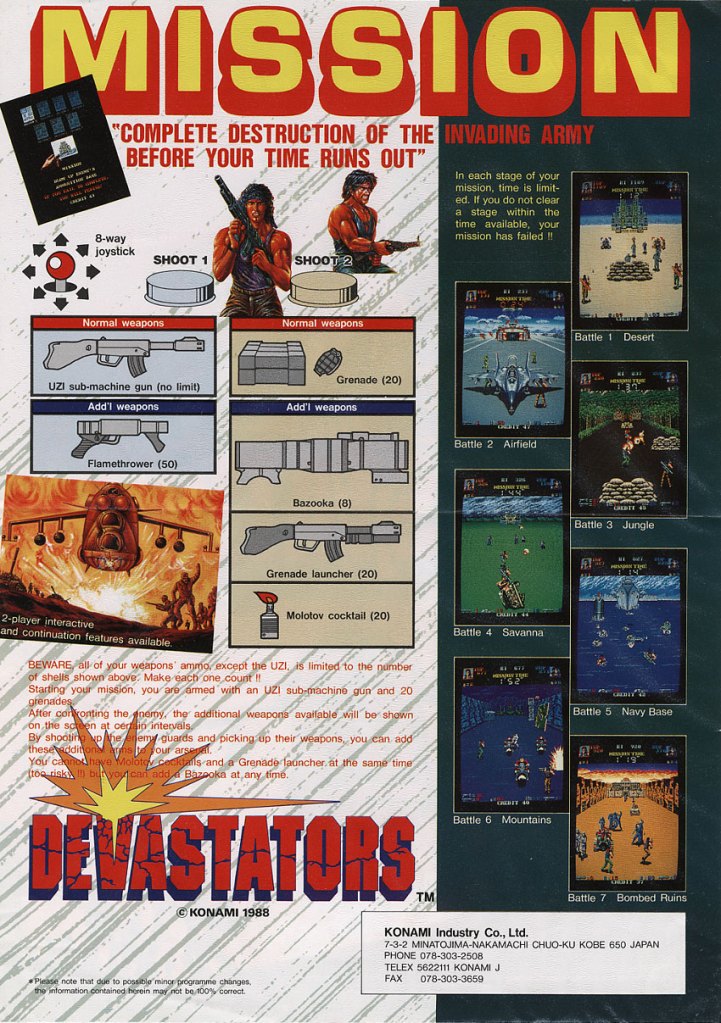
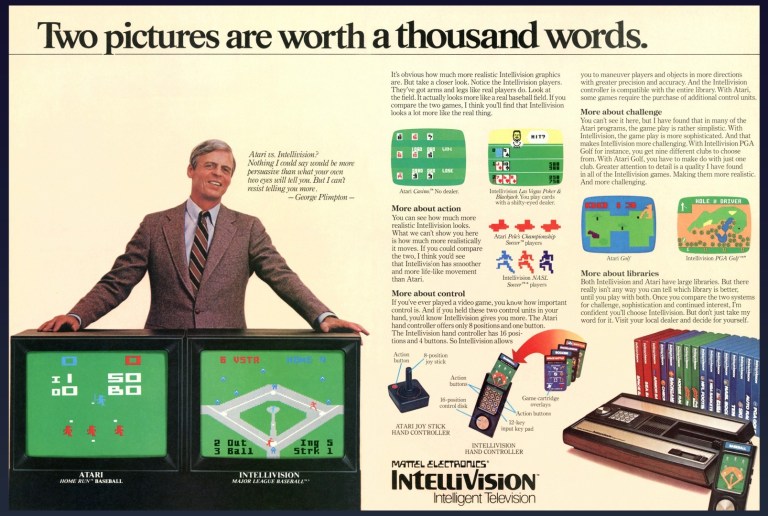
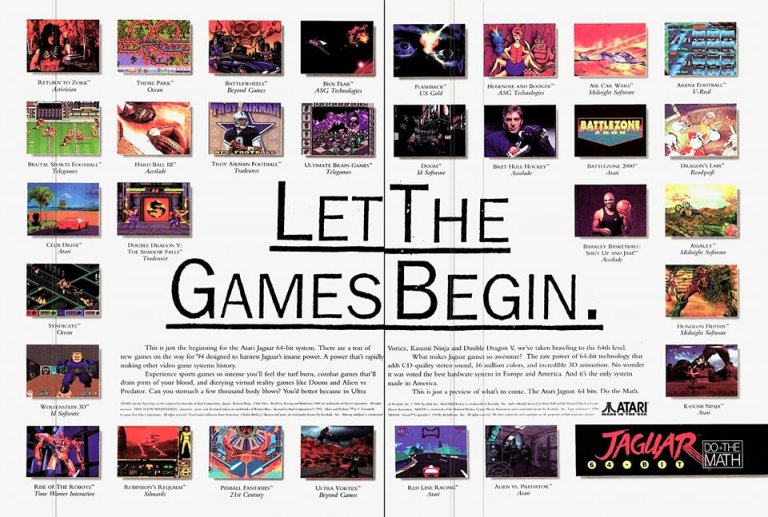
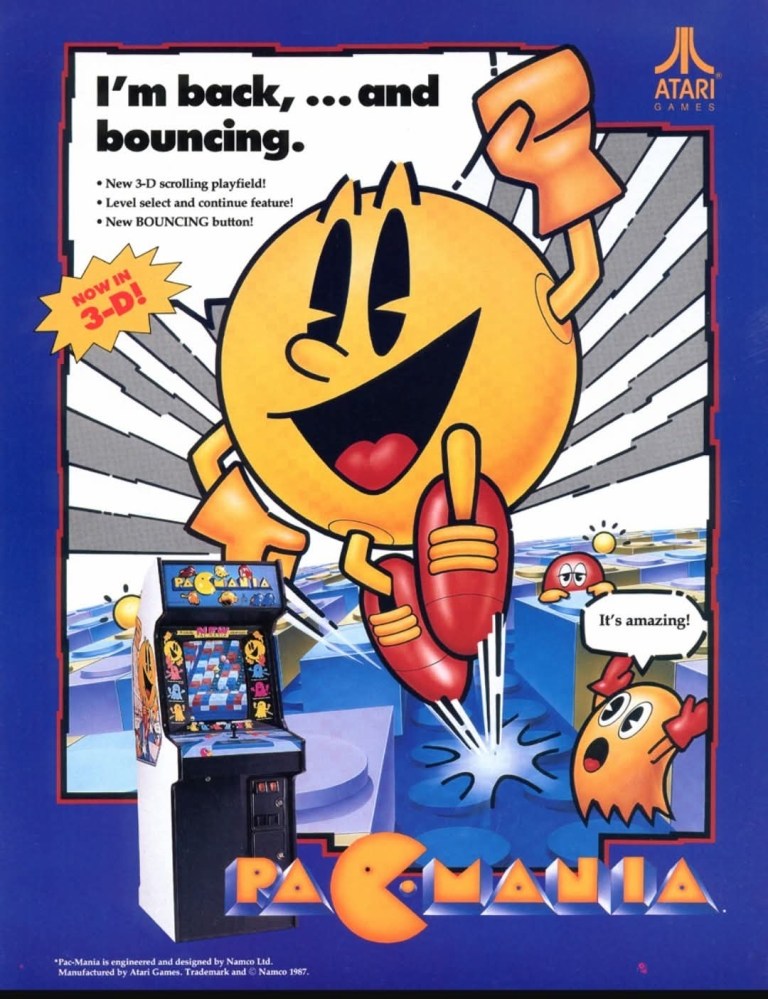
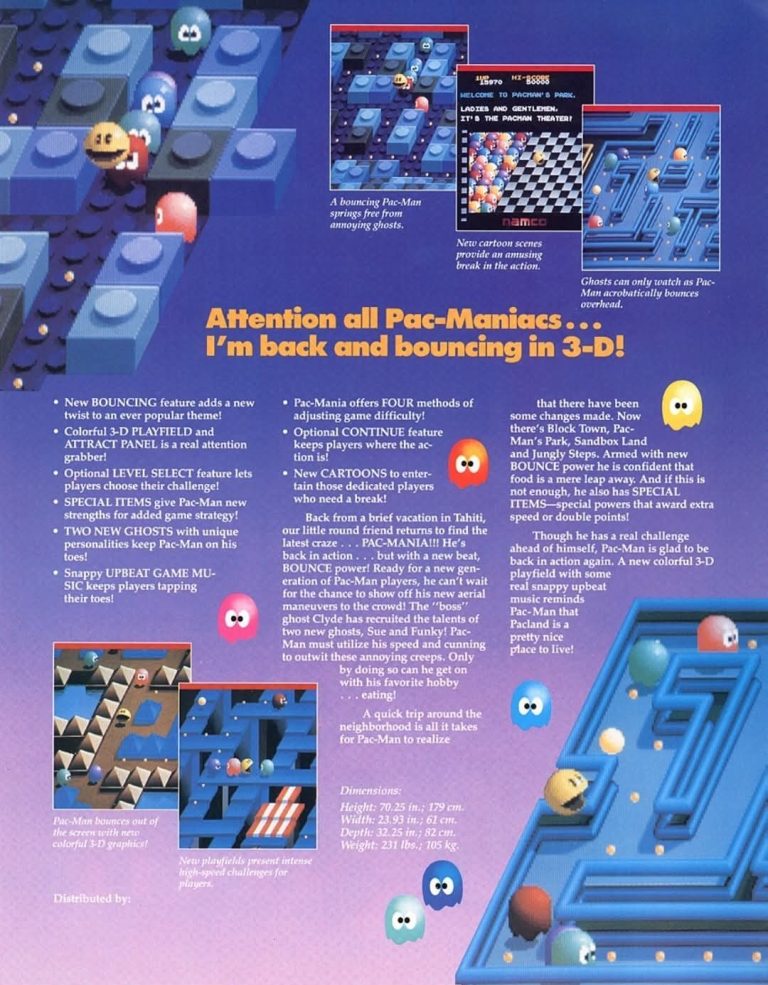
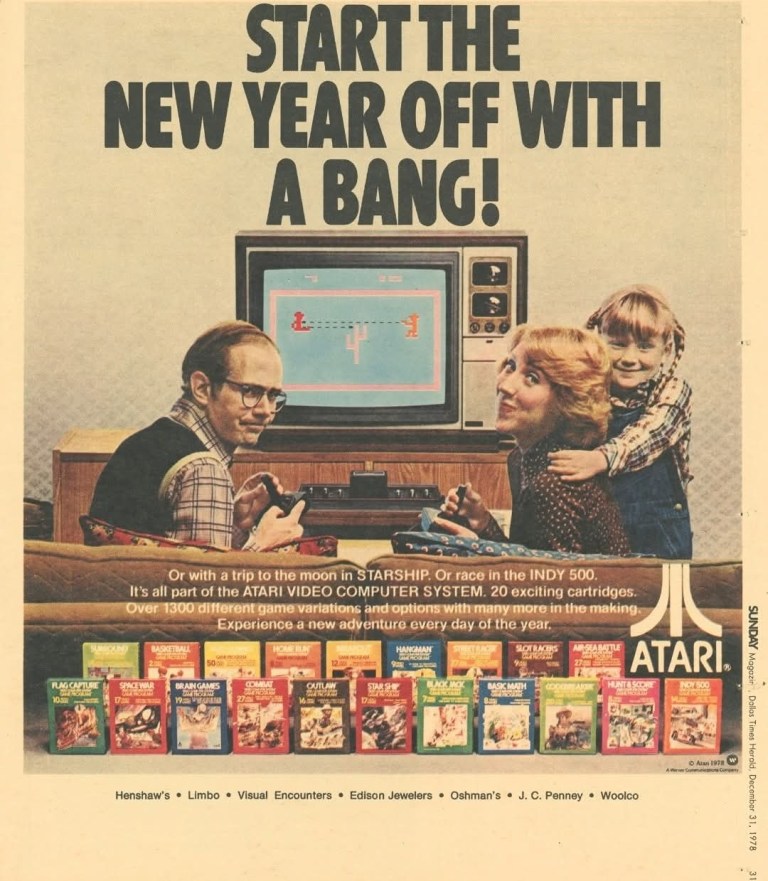
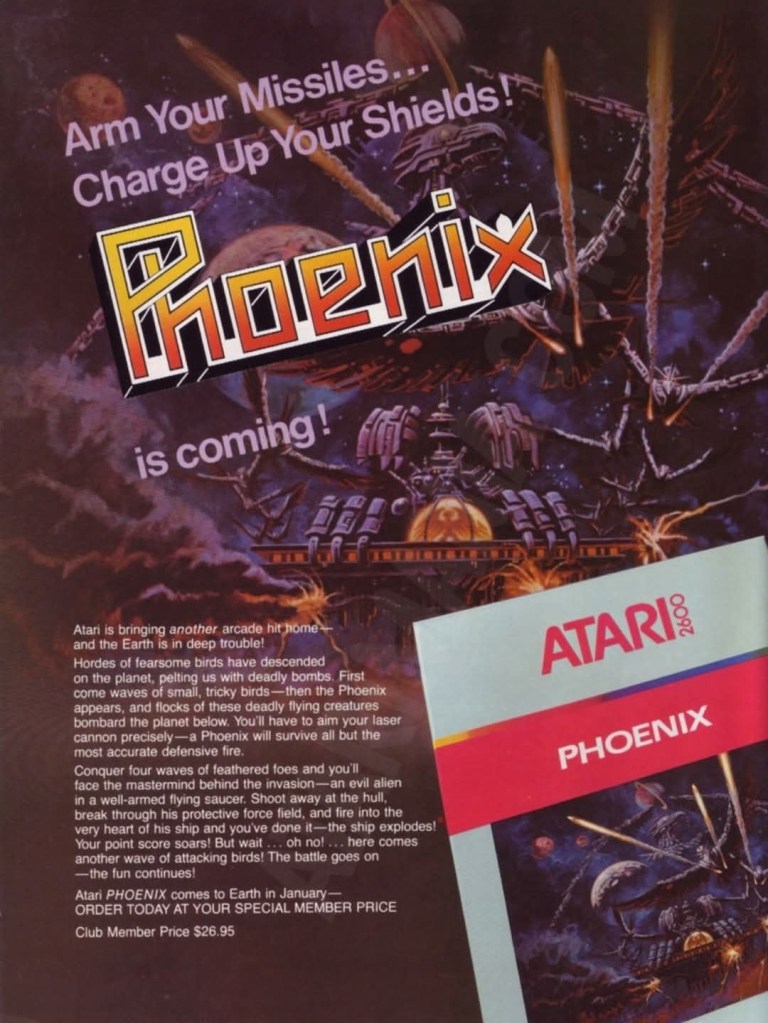
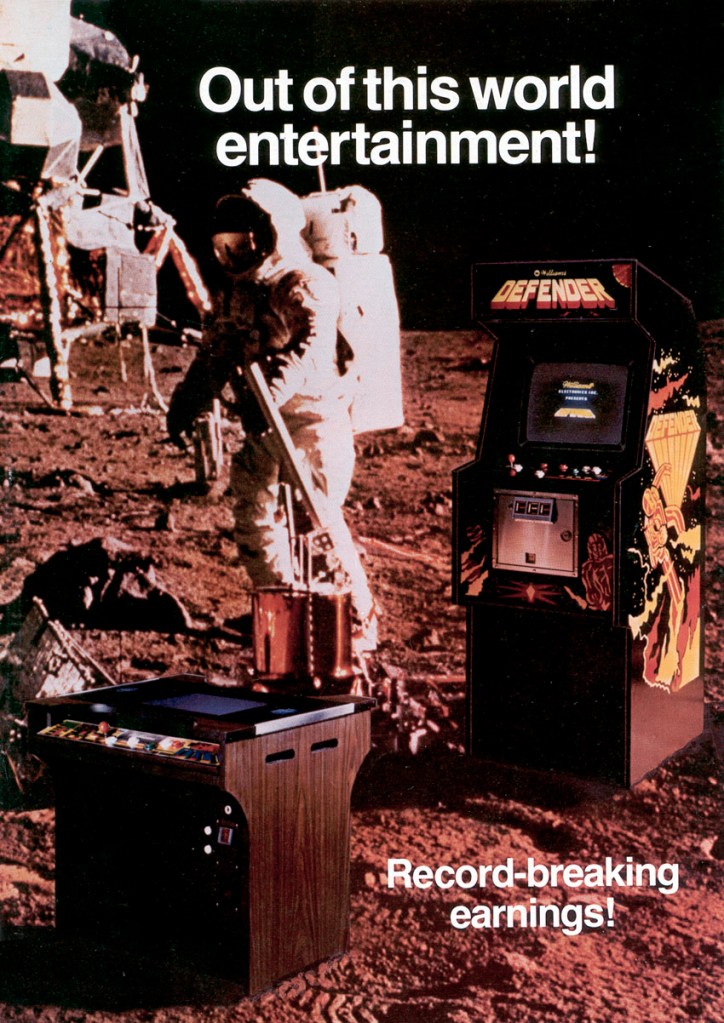
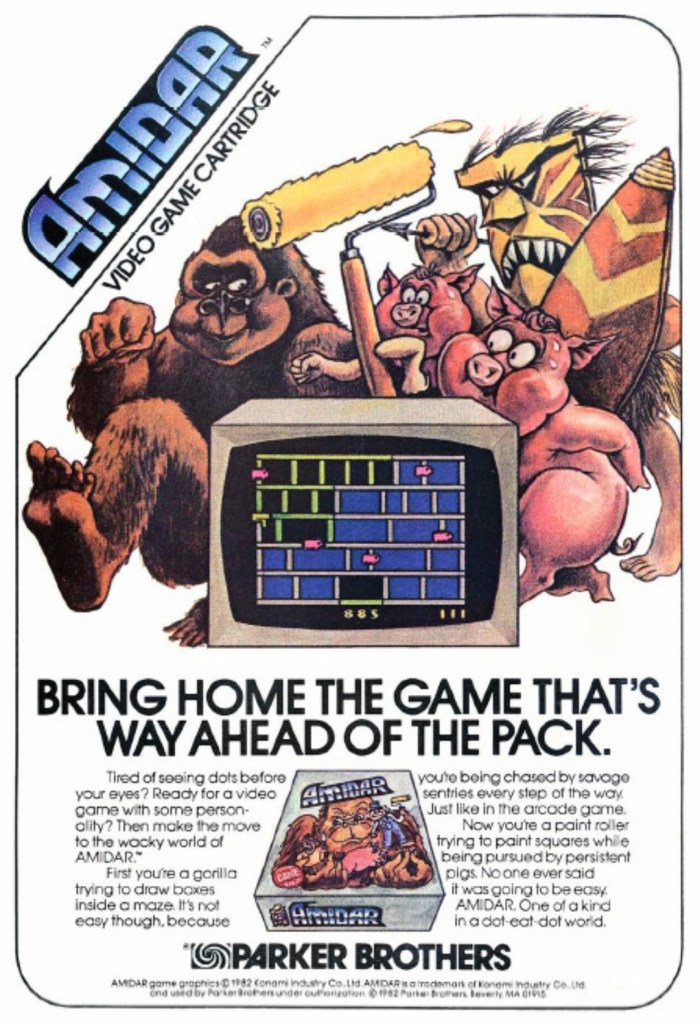
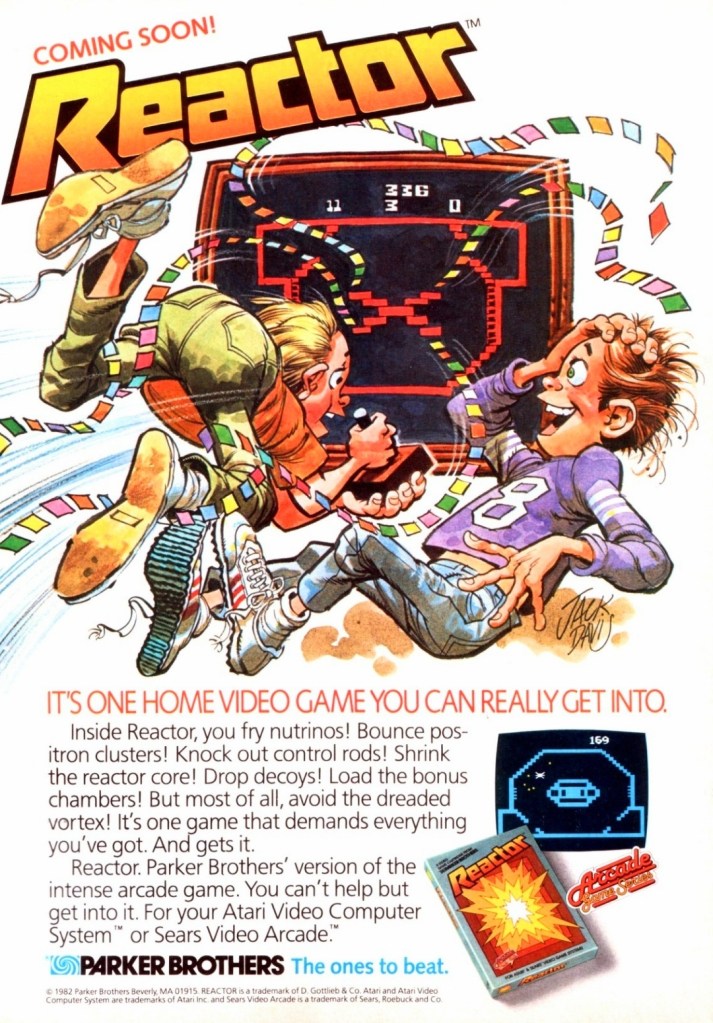
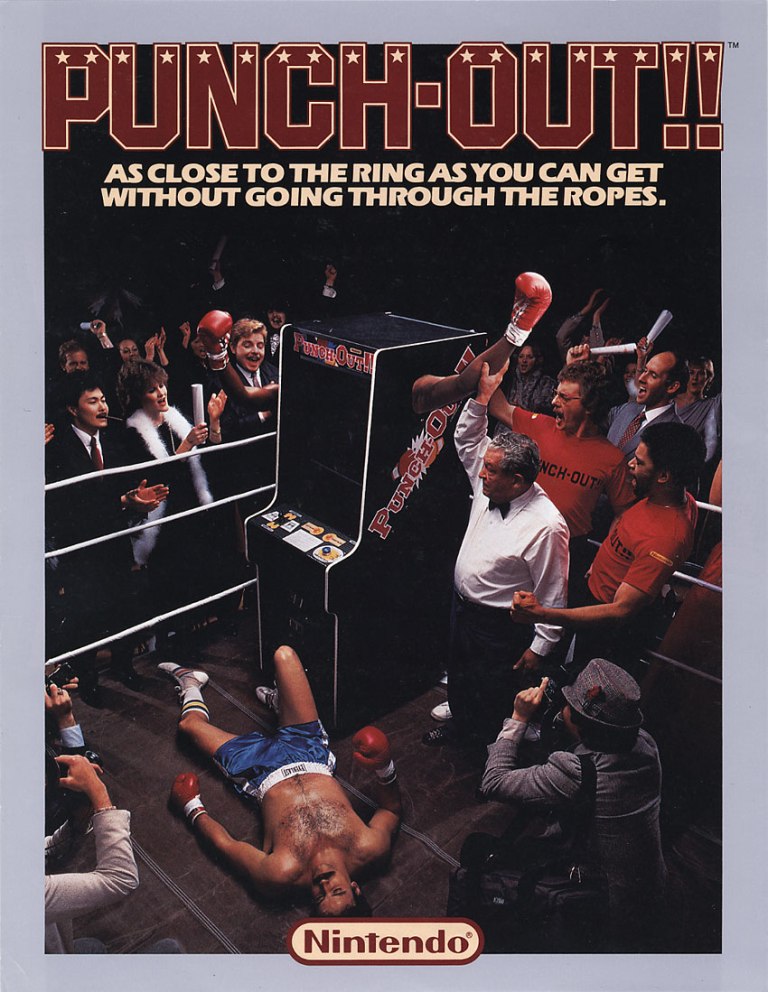
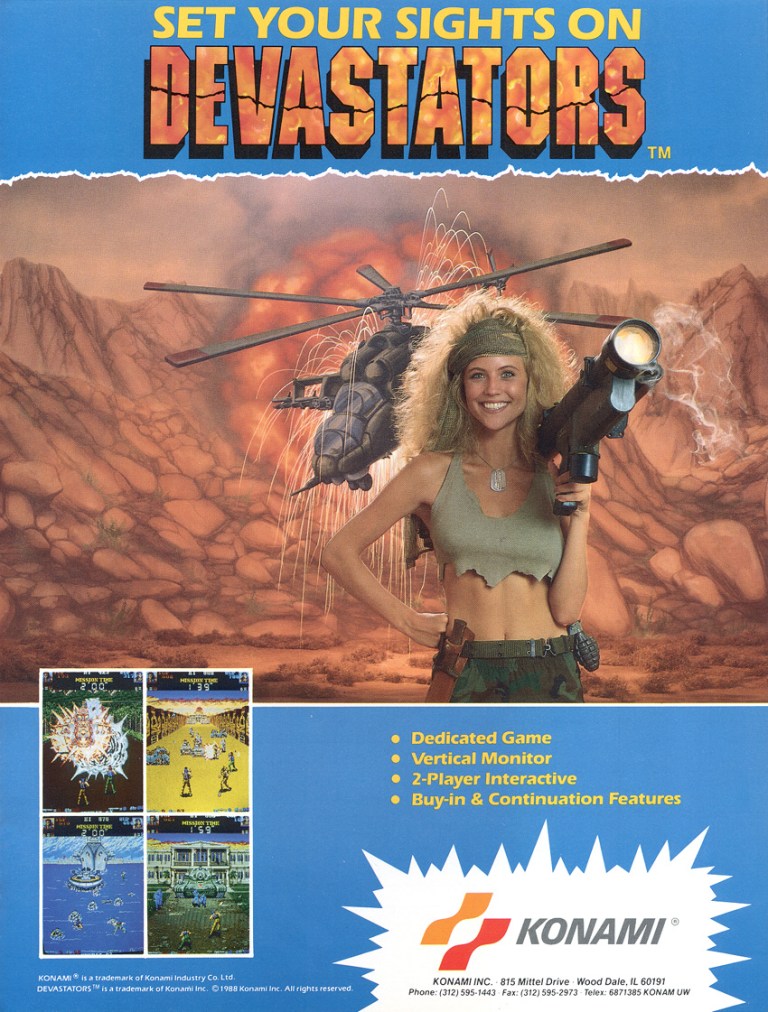
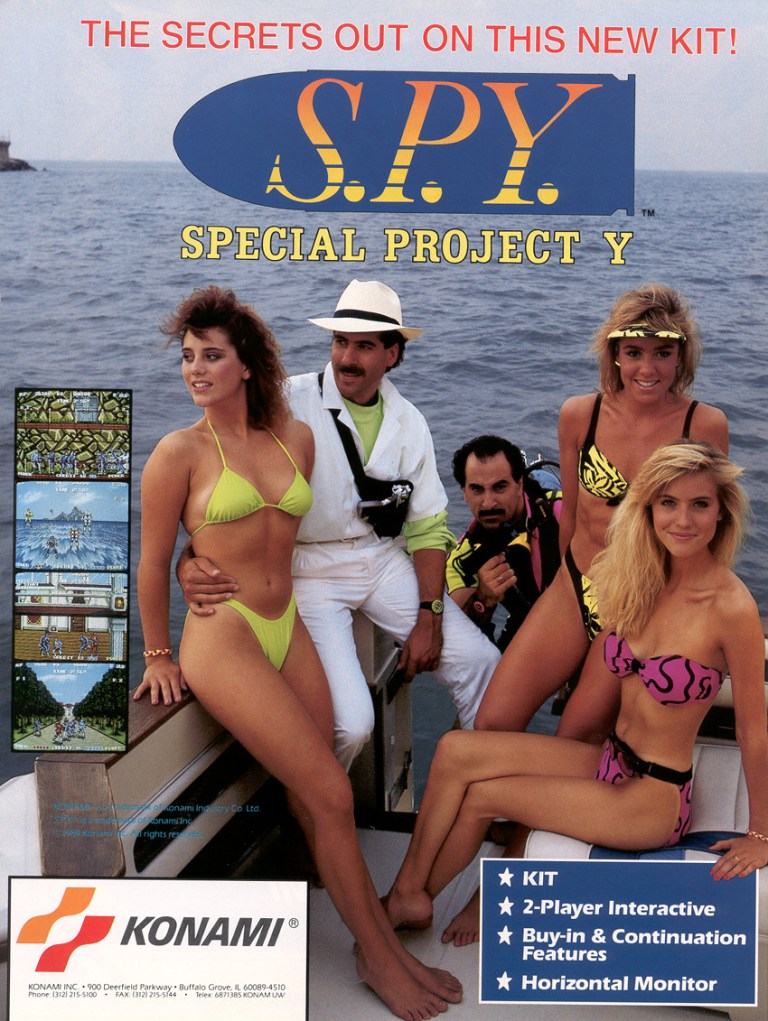
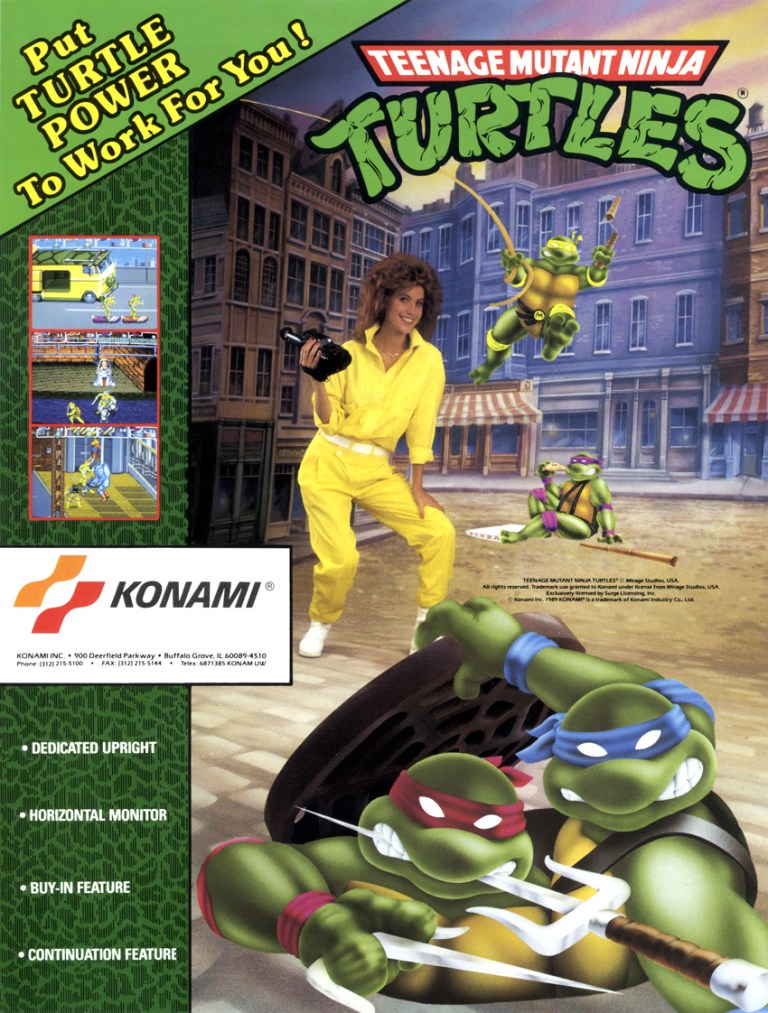
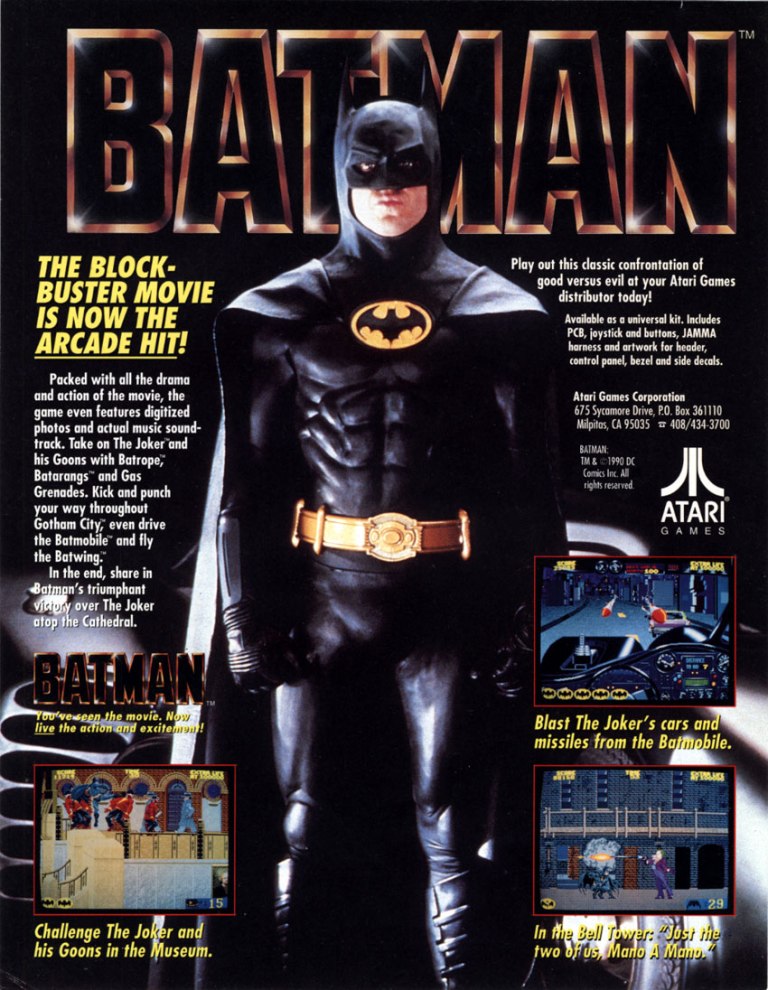
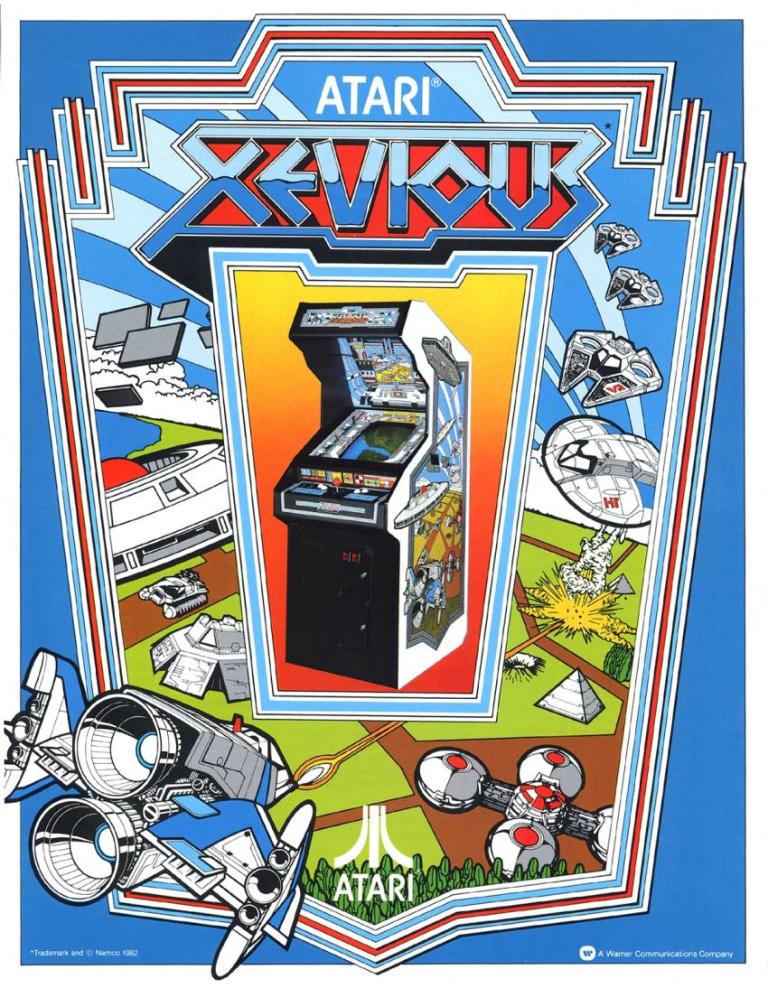
#4 The History Of Atari Arcade Games – I was fortunate enough to have played games in video arcades in the 1980s. In the old days, Atari was a major arcade industry player apart from being big on console gaming. Atari was also responsible in bringing its arcade games to Japan (with Namco as its partner) and also brought some of Namco’s games into American arcades. If you love Atari, arcade games and retro gaming in general, watch the video documentaries below.
#5 Ranting For Vengeance Demolishes Woke Nuts’ Take On Resident Evil’s Chris Redfield – Going back to Resident Evil, it is not surprising that the mob of woke zealots, LGBTQ activists and other Leftists keep on creeping in on existing entertainment franchises to deform them and make it fit their wicked ideology. Recently there were woke nuts online who targeted the Resident Evil icon Chris Redfield and perceive him as gay. Ranting For Vengeance posted a video to demolish the woke mob’s take on Redfield and he explains in detail why the iconic hero has always been straight since the very beginning. Watch the video below and share it with all Resident Evil fans out there.
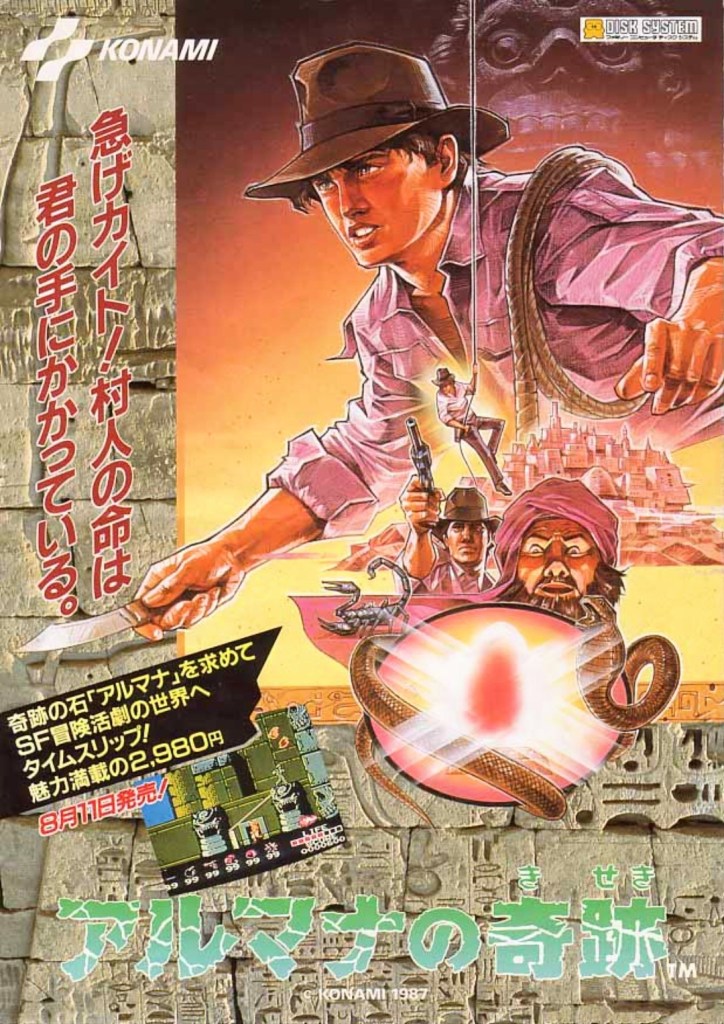
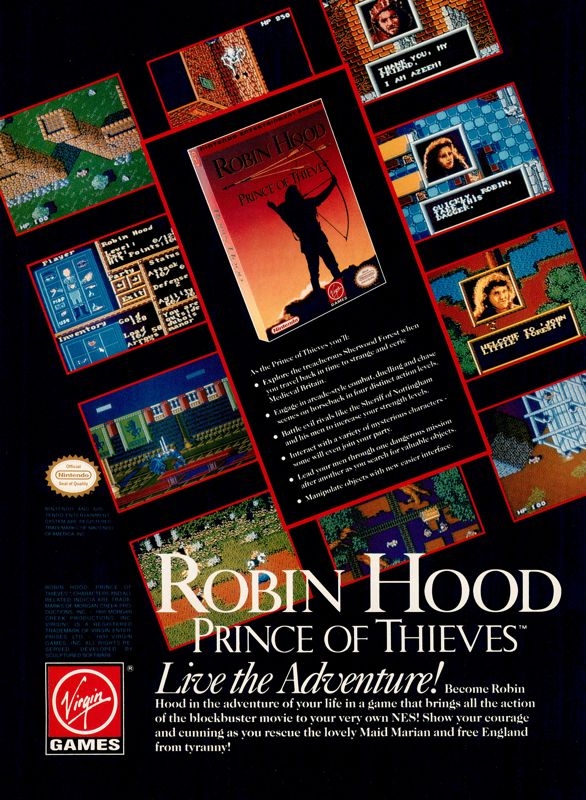
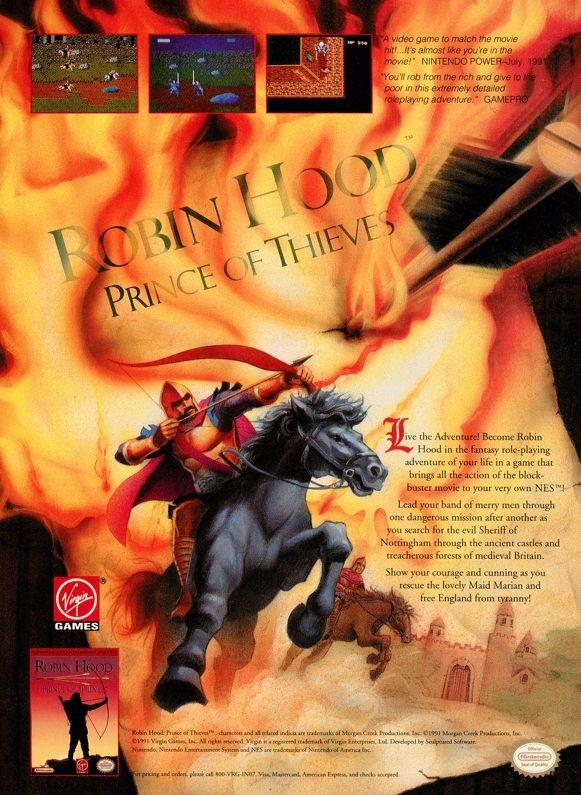
#6 Forgotten Video Games Based On Movies – Remember back in the old days when there were a lot of video games based on movies released? Back then, there was money to be made on licensing and merchandising. As a gamer and movie buff since youth, there definitely was excitement whenever I learned a game about a film I enjoyed was made available. Of course, there were games that turned out fun and others ended up being disappointing or even very poor in quality. Check out the video below about the forgotten movie-based games.
#7 How Hollywood Killed The Oscars – Avoiding the Academy Awards (AKA Oscars) is absolutely fine. It no longer celebrates the best of filmmaking and it has been overwhelmed by woke activists, Satanic Leftists, modern day Commies and the like. Communist Hollywood (Commiewood) has been using the Academy Awards to amplify its wicked agenda for a long time now. The old glory and the celebration of the best of filmmaking are truly gone. Watch the video below.
#8 National Security Council Secretary Ali Larijani And Basij Commander Of Iran Eliminated By Israel – I recently blogged about the eliminations of two high-ranking officials of the Islamic terrorist regime of Iran as the conflict in the Middle East went on. It was Israel which successfully killed Ali Larijani and a Basij commander and it was the most significant achievement since the elimination of the demon Ali Khamenei. Right now, it is not clear who is really leading the remaining wicked regime and Iran’s military has been decimated by America and Israel. Keep in mind that the military operations against Iran is all about bringing down the Islamic terrorist regime and liberating the oppressed Iranians so they can take their country back after 47 years. For insight about what happened, watch the videos below.
#9 The Revival Of A Japanese Sake Brewery – It is always depressing to see your own business get destroyed because of a natural disaster. In Japan, a certain brewery that produced sake got ruined when a huge earthquake struck. Since then, the owner started hard efforts to revive the business. To discover what happened, watch the Nippon TV video below.
+++++
Thank you for reading. If you find this article engaging, please click the like button below, share this article to others and also please consider making a donation to support my publishing. If you are looking for a copywriter to create content for your special project or business, check out my services and my portfolio. Feel free to contact me with a private message. Also please feel free to visit my Facebook page Author Carlo Carrasco and follow me on Twitter at @HavenorFantasy as well as on Tumblr at https://carlocarrasco.tumblr.com/ and on Instagram athttps://www.instagram.com/authorcarlocarrasco

























 Author Carlo Carrasco