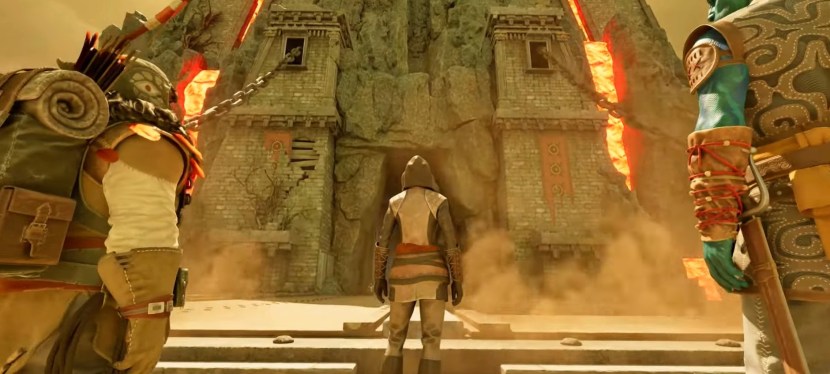
In case you missed the news – bad ones actually – be aware that the release of fantasy role-playing game Avowed has officially been delayed to February 18, 2025, according to a Windows Central news report. It was previously announced that Avowed was supposed to be released sometime in late-2024 on Xbox Series X, Xbox Series S, Windows PC and Xbox Game Pass (XGP).
To put things in perspective, posted below is an excerpt from the Windows Central news report. Some parts in boldface…
Obsidian Entertainment and Xbox Game Studios’ upcoming fantasy role-playing game Avowed is being delayed out of the year, as confirmed via the official Xbox X (Twitter) account.
“So many games coming! As such, we’re moving Avowed to Feb 18, 2025 to give players’ backlogs some breathing room,” the message reads. “Stay tuned for more from our games across Activision, Blizzard, Bethesda & Xbox Game Studios at gamescom, including our Aug 23 livestream for a look at Avowed.”
This comes hot on the heels of a report from The Verge indicating that Avowed would be delayed, which Windows Central was able to corroborate. By all accounts, this move is to allow Avowed more breathing room outside of what is shaping up to be an extremely busy fall and holiday period, with multiple Xbox first-party launches and third-party titles including Call of Duty: Black Ops 6, Indiana Jones and the Great Circle, and Dragon Age: The Veilguard.
While Avowed won’t be playable at Gamescom 2024, Xbox is hosting theater presentations revealing more of the game, alongside similar presentations for Indiana Jones and Starfield’s Shattered Space expansion.
When it arrives, Avowed will be launching across Xbox Series X|S consoles and Windows PC, as well as being included day one in Xbox Game Pass Ultimate and PC Game Pass.
As a long-time Xbox gamer, the delay of Avowed is disappointing and adding more to the disappointment is the fact that an Xbox Game Pass Ultimate subscription (note: the most expensive XGP option) is required to play it on launch day. This effectively locks out (temporarily) many Xbox Game Pass subscribers who could not afford to upgrade their current subscriptions and they have no choice but to wait first before the game becomes available to them.
Ever since it was first announced, I was looking forward to playing Avowed and it was one of the main reasons I bought the Xbox Series X console. I am also a fan of Obsidian Entertainment’s role-playing games such as Fallout: New Vegas and The Outer Worlds. In fairness, Team Xbox announced that they will do a livestream presentation of Avowed during Gamescom 2024 on August 23. Hopefully we will see the latest about the game. To ease the pain of waiting, check out the most recent video of Avowed below.
Welcome back readers, fellow geeks and electronic gaming fans!
In this edition of the Retro Gaming Ads Blast (RGAB) series, we will take a look at another batch of retro gaming print ads – including arcade flyers – from the 1980s and 1990s.
For the newcomers reading this, Retro Gaming Ads Blast (RGAB) looks back at the many print ads of games (console, arcade, computer and handheld) that were published in comic books, magazines, flyers and newspapers long before smartphones, social media, the worldwide web and streaming became popular. To put things in perspective, people back in the 1980s and 1990s were more trusting of print media for information and images about electronic games and related products.
With those details laid down, here is the newest batch of retro gaming print ads for you to see and enjoy…
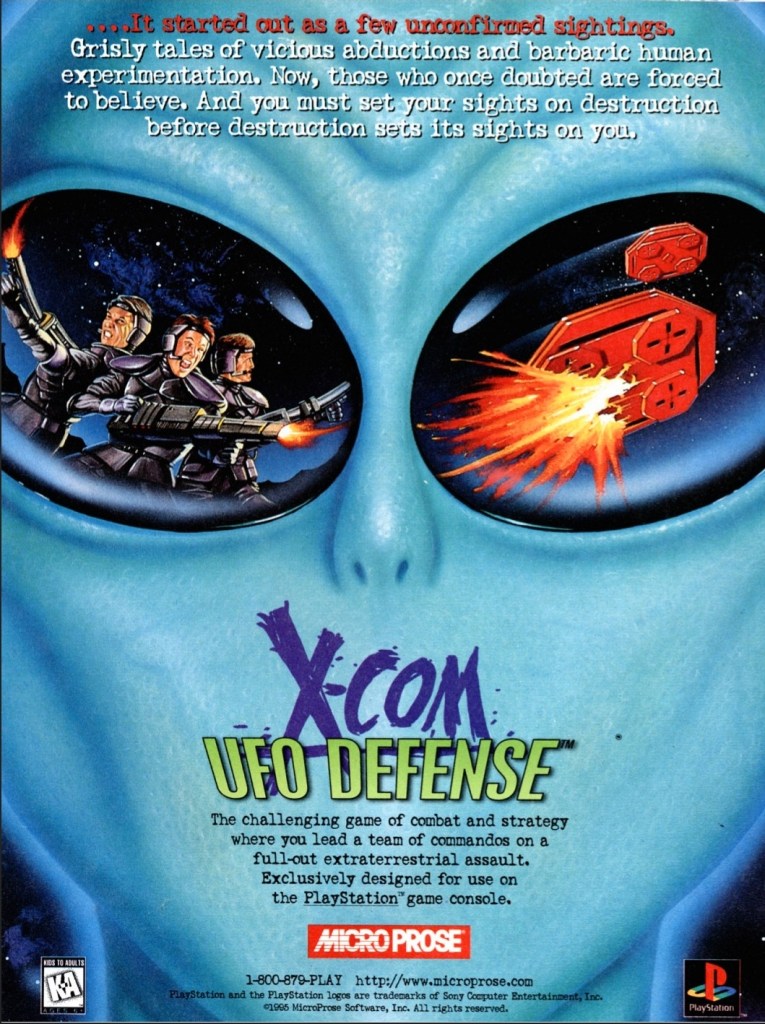
1. X-COM: UFO Defense print ad
While there were no screenshots of the game for PlayStation, the art here was enough to catch your attention.
Back in 1994, X-COM: UFO Defense (original European title: UFO: Enemy Unknown) became an unexpected hit with PC gamers as it gathered lots of positive reviews from the critics and sold a lot on the PC DOS (disk operating system) format. In an obvious attempt to continue the commercial success, a port of the game was released for the PlayStation console in 1995. Publisher MicroProse and its marketing partners came up with this eye-catching print ad to promote the PlayStation version. While no screenshots were shown, the artwork used turned out to be effective in catching attention while emphasizing the sci-fi concept of the game.
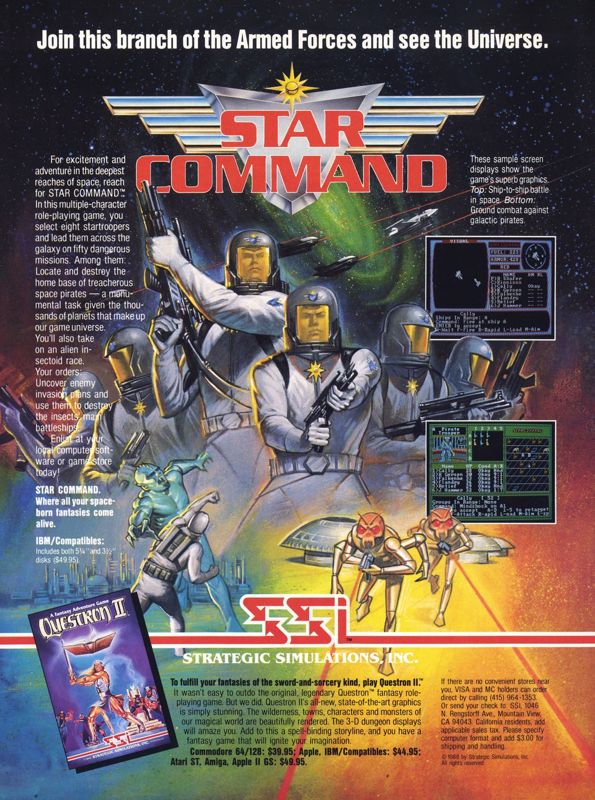
2. Star Command print ad
Long before Starfield, there was Star Command.
Way back in 1988, I first saw my friends play the sci-fi role-playing game (sci-fi RPG) Star Command on the PC DOS format. A short time later, I played the game on our home computer and finished the single-player campaign. This print ad, which has lots of descriptive text, has a strong visual presentation that entices players to play the game and discover the vast amount of content (space travel, missions, battles, encounters with aliens) that the game developers prepared. For its time, the Star Command print ad was captivating to look at.
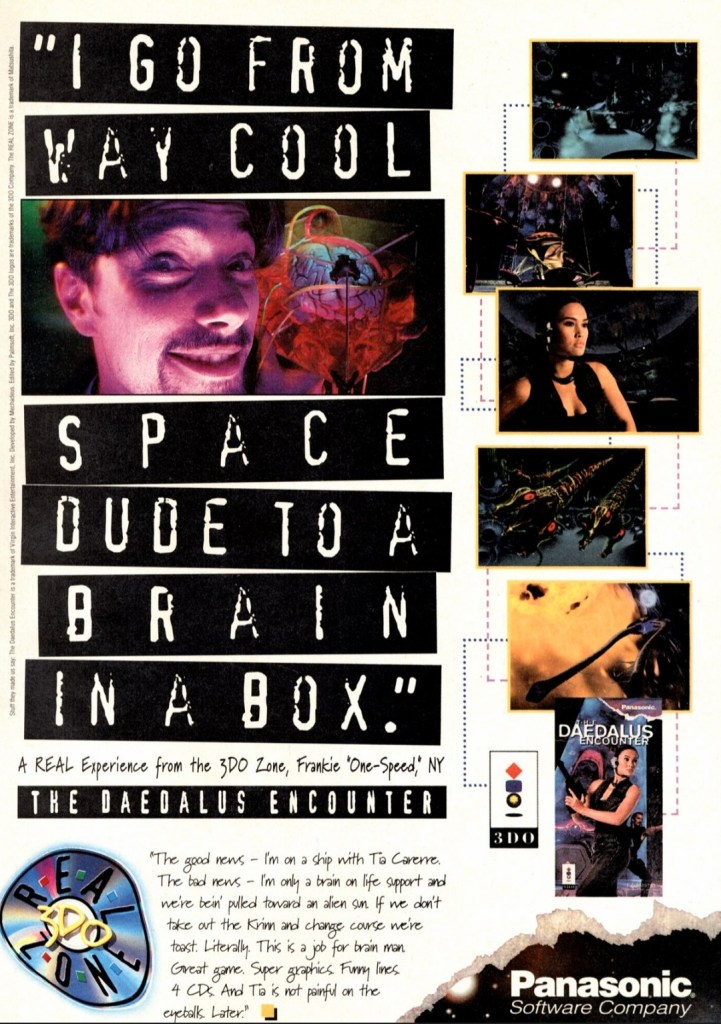
3. The Daedalus Encounter print ad
This print ad was an attempt to catch the attention of both gamers and people who want to watch live-action spectacle.
Released on PC, Macintosh and the 3DO game console in 1995, The Daedalus Encounter was a sci-fi video game that worked as an interactive movie (with puzzles) starring Tia Carrere. To promote the 3DO version, publisher Panasonic came up with an ad that emphasized the sci-fi concept and the cinematic experience (including a few stills of cutscenes) leaving little room about how the game plays. Take note that this game was released at a time when the CD-ROM format started gaining popularity as a reliable optic media format which opened opportunities for game companies to include full-motion videos.
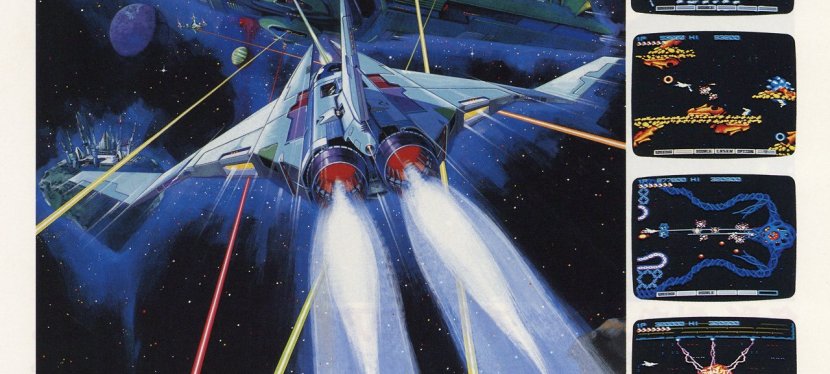
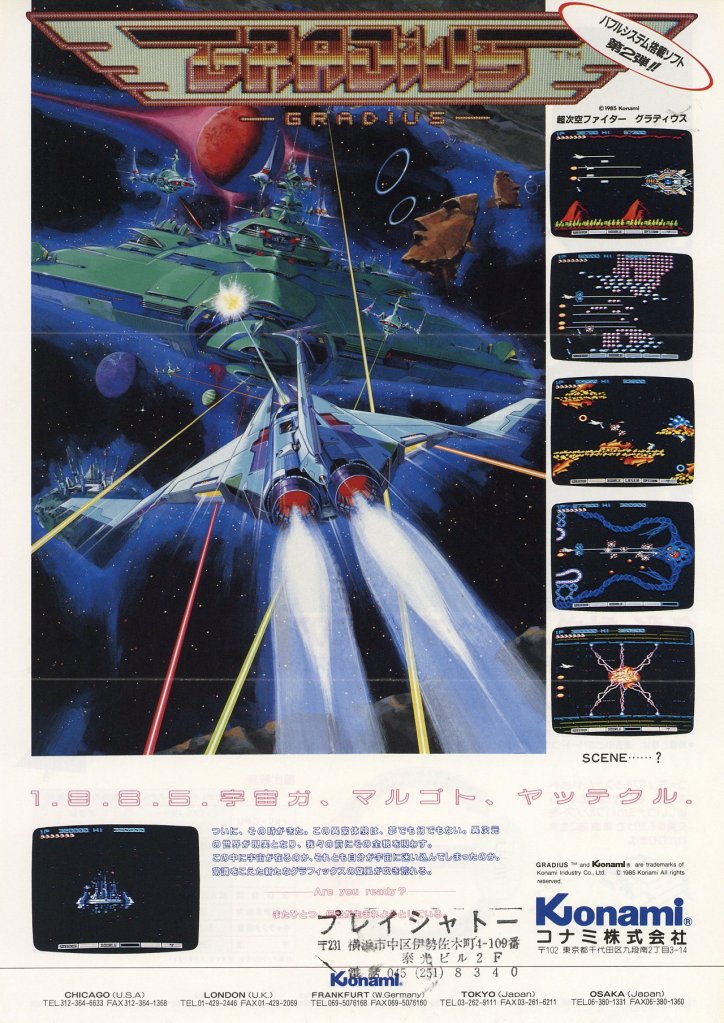
4. Gradius Japanese arcade flyer
The original Gradius has always been fun to play and the enjoyment also made it on game consoles as more games were released.
Still on the realm of sci-fi, Konami launched their 2D side-scrolling shooter Gradius in the arcades in Japan in 1985. The arcade flyer here used a huge amount of space for the game’s official artwork which is very captivating to look at as it clearly emphasized the sci-fi concept. On the side are five screenshots that tell gamers what to expect when playing. The promotions paid off nicely for Konami as Gradius became an instant hit in Japanese arcades and eventually found strong commercial success in the arcades in Europe and America. By today’s standards, this game is a classic and the Gradius game franchise has produced several sequels and spin-offs released on multiple platforms.
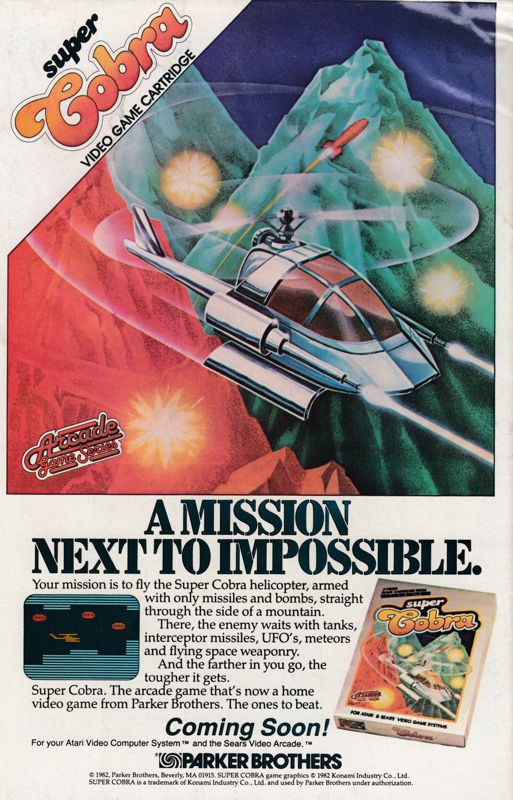
5. Super Cobra print ad
This ad I saw while reading comic books long ago. The game itself was fun.
Here is a game I played on the Atari 2600 over forty years ago. Super Cobra was a 2D side-scrolling game in which players control an armed helicopter that has to move from left to right, attacking enemies, and avoiding enemy projectiles while maintaining the fuel supply. This ad, which appeared on some comic books I read, utilized the game art that was used on the box cover although the single screenshot displayed looks exaggerated when compared to what I saw and played.
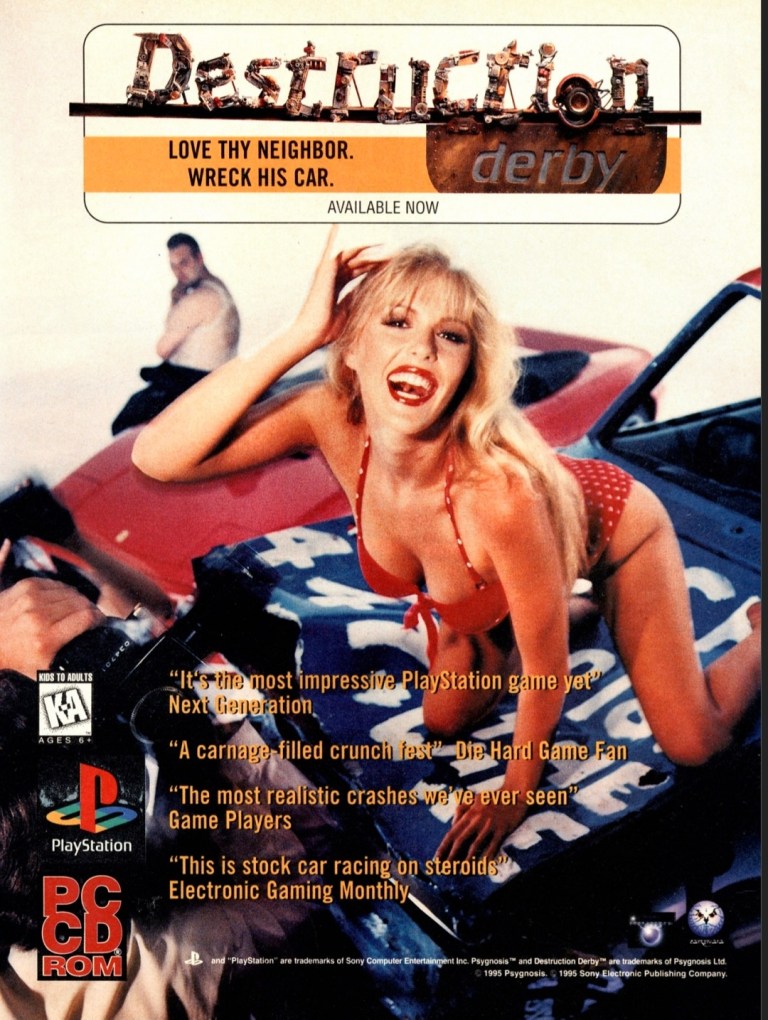
6. Destruction Derby print ad
The Destruction Derby print ad that had no screenshots of the game.
In 1995, Sony launched the PlayStation console in America and in Europe. In Europe, publisher Psygnosis promoted their ambitious game Destruction Derby (a 3D polygonal racing game that emphasized vehicular damage) for both PlayStation and the PC that same year. As this Destruction Derby print ad did not show any screenshots, Psygnosis and their marketing team or partner decided to pounce on positive gaming media quotes and the sexy model to promote their game. Their marketing move paid off nicely as over a million copies of Destruction Derby were sold by August 1996.
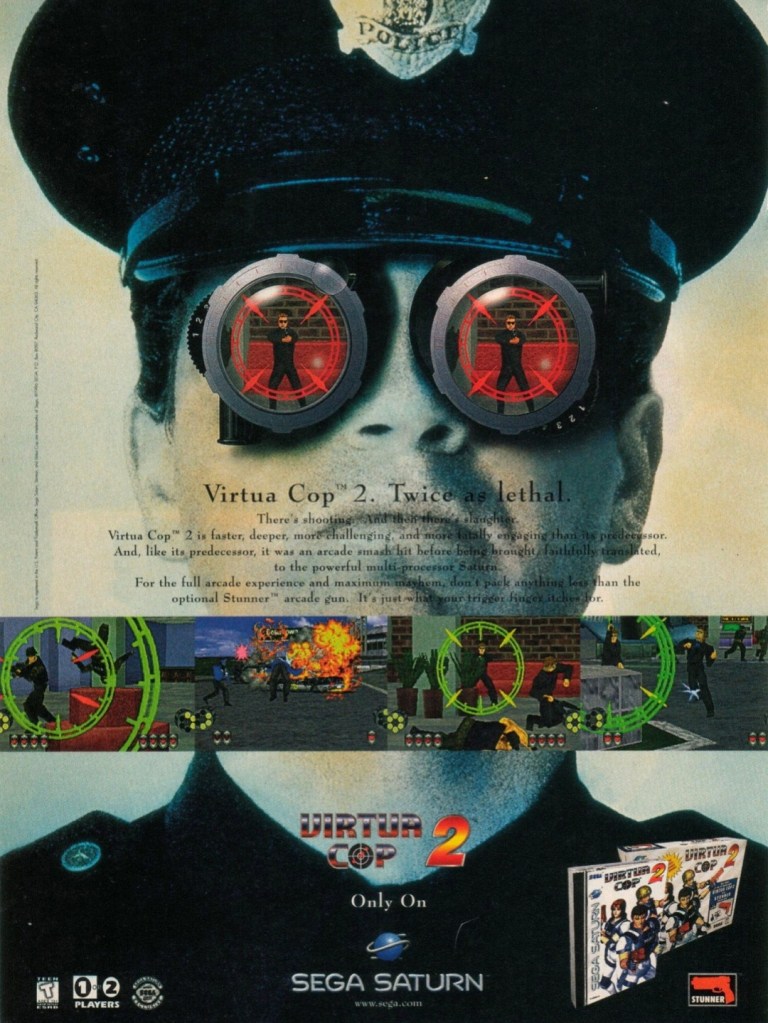
7. Virtua Cop 2 print ad
A lot of people found this Virtua Cop 2 print ad looking very weird.
When Sega of Japan forced its American division to launch the Sega Saturn console in the United States in 1995 without any pre-release marketing, it resulted in a series of disappointments that include low sales, too few games launched and strained ties with their business partners. In 1996, Sega started to become more aggressive to sell more Saturn units and more 1st party exclusive games such as Virtua Cop 2 (for the Saturn) which itself was a big hit arcade hit. As the company clearly aimed to make the console version of Virtua Cop 2 a hit, they approved this print ad which had a very intriguing visual concept showing video game images reflected on the glasses on the police man. As Virtua Cop 2 required a light-gun peripheral to be played accurately like in the arcade, this print ad utilized very little space for the Sega Saturn Stunner.
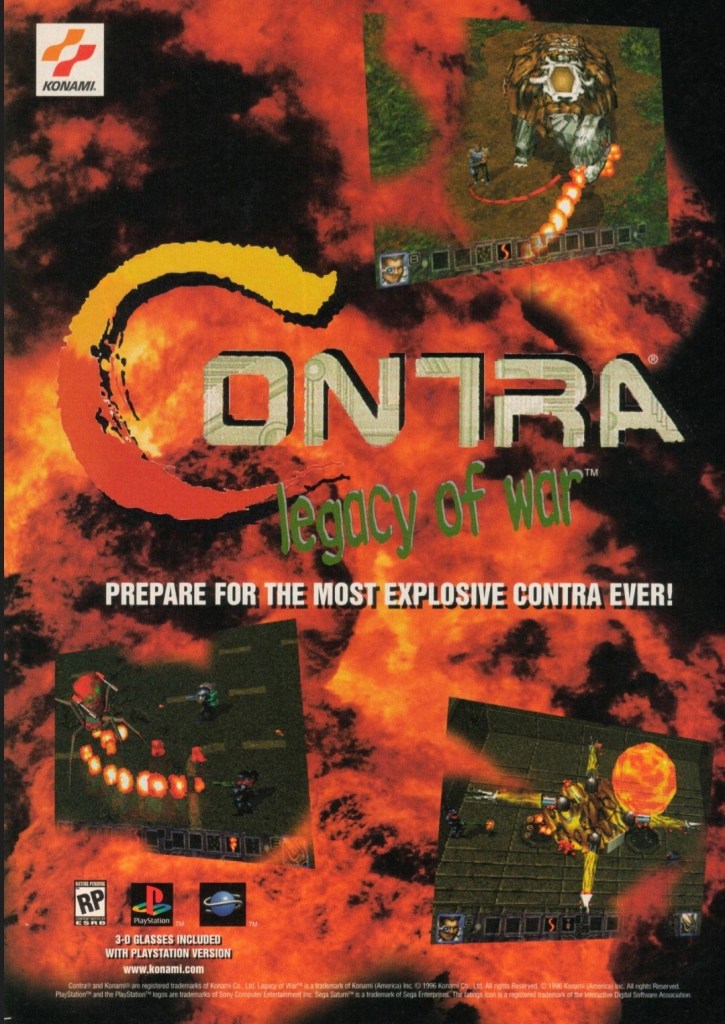
8. Contra: Legacy of War print ad
The print ad of Contra: Legacy of War.
When I first heard that a brand new game of Contra would be released on the still-new PlayStation and Sega Saturn in the mid-1990s, I was excited as I always enjoyed the original game I played on the Family Computer. This print ad of Contra: Legacy of War brought my excitement way down as it showed that the game no longer utilized the 2D side-scrolling design and came up with a design that emphasized 3-dimensional environments and polygons. The change in design was too alienating for me as all the previous Contra games had the 2D side-scrolling format as the main designs (leaving little room for the occasional sprite-scaling 3D sequences in some games). I finally played Contra: Legacy of War on PlayStation on November 1996 and it was a huge letdown!
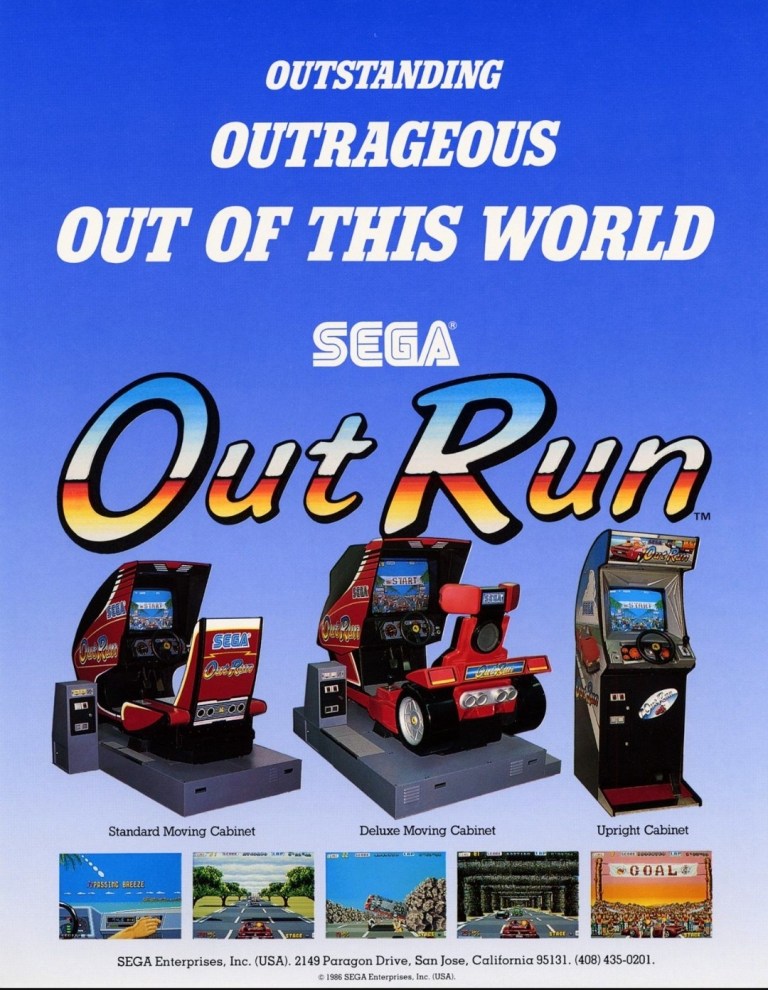
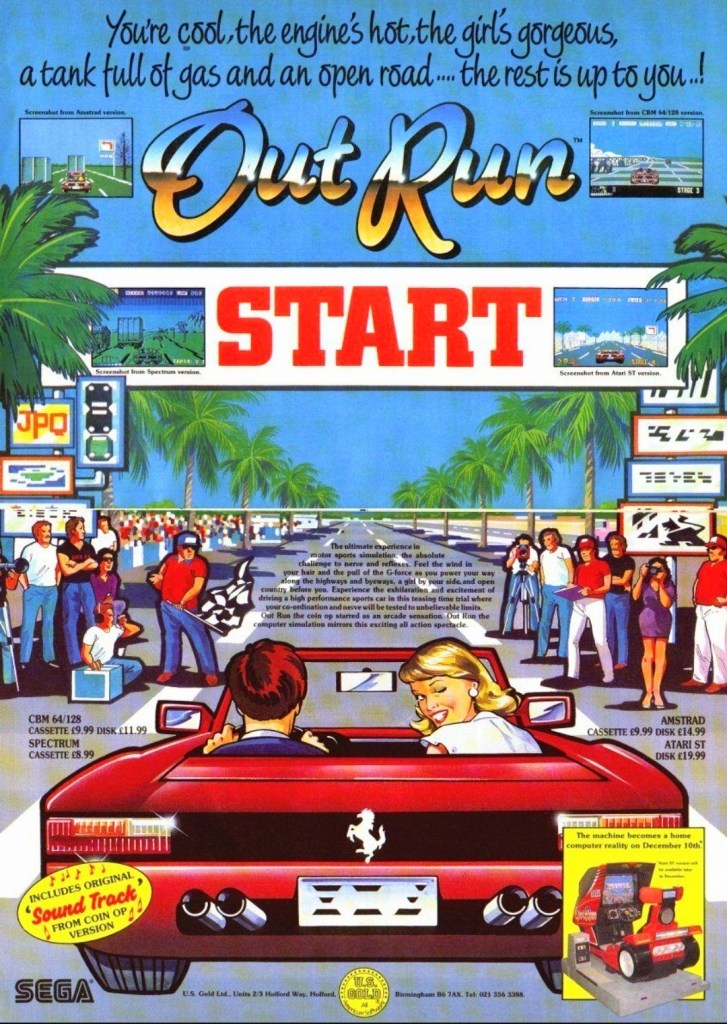
9. Out Run arcade flyers
Sega Out Run arcade machines in different forms.
This Out Run flyer really has nice art.
In the history of arcade games, Sega’s Out Run was a massive success not only in Japan but also in America and Europe. Designed by Yu Suzuki (Virtua Fighter, Shenmue), Out Run was a pseudo-3D driving game in which players get to drive a Ferrari Testarossa convertible (which is always visible to the player) from one scenic destination to the next avoiding traffic as much as possible. This was indeed a labor of love on the part of Yu Suzuki who himself spent time in Europe to gain inspiration on designing the game. As Out Run was a hit, Sega made different types of machines of the game that arcade operators can choose from depending on how much space their respective arcades have left and how the local players prefer to play it. It should be noted that in one of the flyers above, the original sound track was promoted as well.
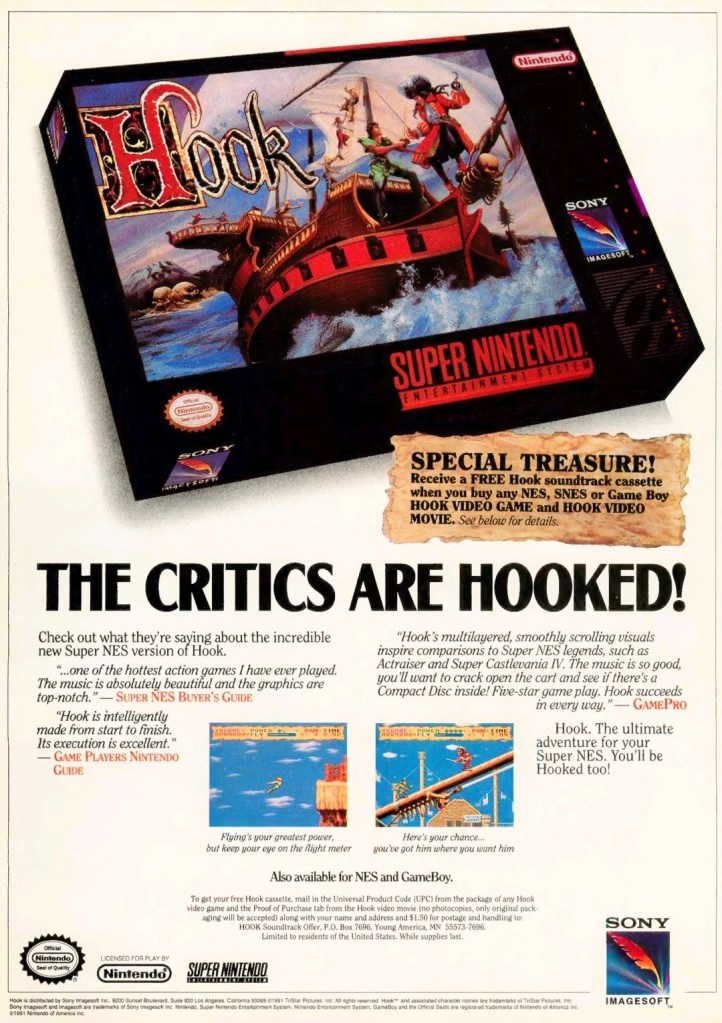
10. Hook SNES version print ad
If you look closely at the SNES box front cover art, you will notice that Peter Pan and Captain Hook looking nothing like the actors who portrayed them in Steven Spielberg’s movie.
In late-1991, Steven Spielberg’s movie Hook was released in cinemas and revived public interest in the fairy tale of Peter Pan. Typical of the entertainment business of the time, video games based on the movie were released on different platforms in 1992 and among them was a version on the Super Nintendo Entertainment System (SNES). Apart from showing the game’s box, the print ad of Hook on SNES cleverly included positive quotes from GamePro, Game Players Nintendo Guide and the Super NES Buyer’s Guide to convince readers that the game is worth their time.
Welcome back, my readers, YouTube viewers and all others who followed this series of articles focused on YouTube videos worth watching. Have you been searching for something fun or interesting to watch on YouTube? Do you feel bored right now and you crave for something to see on the world’s most popular online video destination?
I recommend you check out the following topics and the related videos I found.
#1Darlene Zschech’s newest worship music videos – In recent times, pastor Darlene Zschech released through her official YouTube channel the latest worship music videos of the songs Testament, Shout to the Lord and Cry of the Broken. For the newcomers reading this, Darlene Zschech is a Christian worship leader as well as an accomplished worship musician. She is based in Australia and she and her husband are with Hope Unlimited Church (HopeUC). She is a truly anointed woman of the Lord God and you can learn more about her by visiting her official website. Enjoy the worship music videos below.
#2 Grandia retrospective videos – I had a lot of fun playing and completing the Japanese role-playing game Grandia on PlayStation way back in 1999. I recently bought Grandia HD Collection which has Grandia and the sequel Grandia II (this I have yet to play) with enhanced visuals. That said, I have been replaying Grandia on my Xbox Series X and I can say that I am enjoying it. The gameplay features, the game design, the writing and visual presentation of Grandia have aged well. To get to know more about Grandia, watch the selected videos below.
#3 HolyLandSite’s newest Mount of Olives tour video – HolyLandSite published their latest video about their Mount of Olives tour in Israel. This time around, the video includes Mary Magdalene Church, Tomb of Prophets, the Chapel of Ascension and other sites. To truly grasp the relevance of this video of HolyLandSite, you must have strong faith in the Lord and in His Word. Be aware that as the world turns chaotic and more people turn to evil, Rapture could happen anytime and that means the return of Lord Jesus will follow. I encourage you to watch the video with faith and you will realize it is more than a tourism video. Pay close attention to the bible teachings.
#4 Popcorn in Bed’s sports-related movie reaction videos – Recently, YouTuber Popcorn in Bed published two movie reaction videos that happened to be sports-related. One was about ice hockey and the other was about running and the 1924 Olympic Games. While the films Miracle and Chariots of Fire are inspiring, be mindful that creative liberties were taken at the expense of historical accuracy which is often the case with movies. Still, Popcorn in Bed’s reactions are amusing to watch and II encourage you watch the videos below.
#5 Rocky (1976) movie reaction/review videos – Still on the topic of sports-related movies, Sylvester Stallone’s Rocky is arguably the most iconic of them all. Not only did it bring fame to Stallone, it also won the Academy Award for Best Picture and was selected by the Library Congress for preservation in the United States National Film Registry for being “culturally, historically, or aesthetically significant”. Naturally, Rocky has been featured in a lot of movie reaction/review videos and you can watch some of them below.
#6 Israel’s Prime Minister points to terrorist state Iran and its useful idiots – During his speech to the United States Congress (both lower and upper houses of Congress) in Washington, D.C., Israeli Prime Minister mentioned the truth about terrorist state Iran which has terrorist proxies around the Middle East as well as many brainwashed supportive protesters (the useful idiots) composed of Islamists, Communists, socialists, Marxists, liberals, the woke and other Islamo-Leftist elements. Netanyahu is correct that Iran’s axis of evil exists and there is a clash between civilization and barbarism (this points to Iran, the terrorists and woke extremists who support terrorism). It is also clear that all the people who hate Israel and sided with Islamic terrorists are on the wrong side and God is watching. Watch and learn from the video below.
Welcome back, my readers, YouTube viewers and all others who followed this series of articles focused on YouTube videos worth watching. Have you been searching for something fun or interesting to watch on YouTube? Do you feel bored right now and you crave for something to see on the world’s most popular online video destination?
I recommend you check out the following topics and the related videos I found.
#1Woke Disney’s discriminatory practices confirmed and caught on camera – Being woke means being foolish and wicked. What was discussed before about the woke Disney Company’s distorted approach on hiring workers as well as promoting their current workers was confirmed to be true as a Disney executive confirmed it openly on camera. A lot of footage has been recorded of him talking about Disney’s discrimination against white males as they empower people of minorities (colored people, the under-represented ethnic groups, etc.). You should watch the two videos I selected from Midnight’s Edge ad RK Outpost. Woke Disney should be brought to justice!
#2 Video documentary about Sega’s Streets of Rage franchise – YouTuber PatmanQC recently published another informative and entertaining look at the history of Sega’s popular Streets of Rage game franchise. This includes the behind-the-scenes development of the first game that hit the arcades, as well as the different versions that appeared on multiple platforms.
#3 Somewhere in Time videos – Somewhere in Time (1980) was a film that starred the late Christopher Reeve, Jane Seymour and Christopher Plummer. While it was never successful in movie theaters, it became a big hit on cable TV, public TV and home video. As its legacy lived on, it is not surprising that there are several movie reaction videos, video reviews and other features about it on YouTube. Posted below are some selected videos for those of you who wish to discover more of Somewhere in Time.
#4 A look at the rise and fall of the Orlando Magic – Back in the mid-1990s, a lot of my friends (who love basketball) became fans of the Orlando Magic which had Shaquille O’Neal, Penny Hardaway, Nick Anderson (the guy who missed 4 crucial free throws in specific NBA Finals game), Horace Grant and Dennis Scott. Their excitement really went overboard when the Magic of 1994-95 successfully won the Eastern Conference Finals and entered the NBA Finals to face off with the defending champion Houston Rockets. Of course, as recorded by history, the Magic got swept away by the Rockets even though they had the home court advantage. If you are nostalgic about 1990s NBA action or if you want to see how different the Orlando Magic was back in the 1990s, then you should watch the video below.
#5 Stockton to Malone (but still no NBA championship) – Still on the topic of basketball, do you remember the so-called golden age of the Utah Jazz when they had Karl Malone and John Stockton who together were among the very best players in the NBA back then? For the newcomers reading this, the Utah Jazz made it to the NBA Finals of 1997 and 1998 but lost each time to Michael Jordan and the Chicago Bulls. Long before those championship series happened, the Utah Jazz became a serious playoff contender in 1988 (pushing the LA Lakers to seven games in the Western Conference Semifinals) and went on to struggle in the years that followed. As for Stockton and Malone, they each had great basketball achievements but never won a championship. To learn more with a lot of details plus in-depth analysis, watch the video below.
#6 Heart of Darkness retrospective video – Way back in 1998, I played the video game Heart of Darkness on the PlayStation console but never got to finish it. While the cinematic cutscenes are not outstanding, the graphics used for gameplay was eye-catching thanks to the developers’ artistic and technical approach. This should not be surprising as the game was supervised by Eric Chahi who was best known for Another World. To learn more about Heart of Darkness’ production history, watch the video below.
#7 A look at Salamander (AKA Life Force) – Still on the topic of retro gaming, I had fun memories playing Salamander (titled Life Force in North America) on the Family Computer (Famicom) back in the late-1980s. It was a sci-fi 2D scrolling shooter that not only featured side-scrolling levels but also vertical levels. Developed and published by Konami, Salamander was a spin-off of Gradius (an acclaimed 2D side-scrolling shooter on its own) but it became successful in entertaining players with the two-player mode, unique challenges, fine gameplay features and outstanding visuals. To learn more about Salamander, watch the selected videos below.
#8 Friday The 13th Part 3 videos – If there is anything significant about Friday The 13th Part 3 (1982) other than being filmed in 3D, it is the fact that it marked a creative turning point for the franchise. It was in this movie that the film series really started to take shape with Jason Voorhees as its feature antagonist. That being said, it is not surprising that there are lots of retro reviews/reactions and feature videos about it. Watch the selected videos below.
Welcome back Xbox fans, geeks and gamers! As I posted before, I enjoyed playing Senua’s Saga: Hellblade II on my Xbox Series X and eventually I managed finish it. It was indeed a short game (less than ten hours was my play time) and to my surprise, the levels were really linear (which made exploration very limited) and the puzzle-oriented challenges were less challenging compared to Hellblade: Senua’s Sacrifice.
What really impressed the most about Senua’s Saga: Hellblade II were the visuals which had high levels of photo-realism, really detailed facial expressions and astounding cinematic look. Developer Ninja Theory proved itself to be great in using Unreal Engine 5 (UE5) technology and fusing their artistry and all motion-captured performances onto their work.
Apart from solid game designers, Ninja Theory has great digital artists, technicians and very talented performers.
It would be a big shame for Microsoft to close down Ninja Theory. Such a move will destroy the credibility of Xbox.
While I enjoyed Senua’s Saga: Hellblade II and I can say it was worth the long wait, I don’t find the game replay-worthy at all. I don’t feel like wanting to repeat an entire playthrough with it right now. Perhaps in the next six months, I just might consider playing it all over again.
That being said, I really want Ninja Theory to prosper and keep on making more great games that will keep gamers entertained. I think it is also time for the Xbox studio to pause from the Senua franchise of games and start making something new that is also enjoyable to play.
What I’d like to see Ninja Theory make under the Xbox banner is a new action-adventure game that is less cinematic but more focused on large environments, platforming, deep exploration and having a new approach to action.
To understand what I’m saying, check out Ninja Theory’s past works on Heavenly Sword and Enslaved: Odyssey to the West. Watch the videos below…
Of course, there are other genres that Ninja Theory could daringly work on such as role-playing games (RPGs) much in the style of BioWare’s works specifically like Star Wars: Knights of the Old Republic (Star Wars KOTOR) and Jade Empire. They can also add their cinematic approach when making RPGs.
When it comes to zombie-oriented video games, the team behind the Senua games could make a Dead Rising-like game featuring open-world environments, varied missions and objectives, and emphasis on shooting and explosions with regards to action.
Another genre that I think Ninja Theory can challenge themselves with is turn-based tactics gaming. I believe that the Xbox first-party lineup of games is sorely lacking in this type of game. While XCOM already cornered the sci-fi realm of turn-based tactics, perhaps Ninja Theory could do a fantasy oriented game that plays well and carry the team’s cinematic touch.
The way things are right now, it remains to be seen what Ninja Theory could make next under Team Xbox and Microsoft. There is that thing called Project: Mara but there are no details as to what kind of game will turn out from that. I really want Ninja Theory to keep on making more fun-oriented games which would also feature their artistic approach that would really stand out.
Whether you like it or not, the future looks uncertain for Ninja Theory when it comes to what kind of games they will make next, and what creative direction they will take under the banners of Xbox and Microsoft.
Here is hoping Microsoft would not commit the error of closing down the team behind Senua games. I am watching your moves, Team Xbox and Microsoft.
Disclaimer: This is my original work with details sourced from reading the comic book and doing personal research. Anyone who wants to use this article, in part or in whole, needs to secure first my permission and agree to cite me as the source and author. Let it be known that any unauthorized use of this article will constrain the author to pursue the remedies under R.A. No. 8293, the Revised Penal Code, and/or all applicable legal actions under the laws of the Philippines.
Welcome back superhero enthusiasts, 1980s arts and culture enthusiasts, Marvel Comics fans and comic book collectors! Today we go back to the year 1984 to examine a small part of the Marvel Comics universe through a tale of the Amazing Spider-Man monthly series.
Between the developments of 1980s Secret Wars limited series and the debut of Venom was the time when Peter Parker wore a black new costume as Spider-Man which happens to be the alien costume he gained while spending time with other superheroes in deep space (refer to Secret Wars #8). There was this gradual approach done by the creators to tell new tales of Spider-Man who has the symbiote attached to him most of the time.
With those details laid down, here is a look back at Amazing Spider-Man #255, published in 1984 by Marvel Comics with a story written by Tom DeFalco and drawn by Ron Frenz.
The cover.
Early story
The story begins when a black costumed figure arrives at the balcony of a tall building during night time in New York City. He carefully makes an unlawful entry into the place to steal something. The figure was the Black Fox who intends to take valuables not to feed his greed but to properly subsidize his retirement. When he touches an exquisite-looking vase, it disappears and suddenly a monstrous ape appears from nowhere surprising him. Soon enough, he finds himself surrounded by more apes and faces their human leader (one who referred to the apes as pets).
Meanwhile at his apartment, a very tired Peter Parker washes his black costume (the symbiote), reflects on recent events he went through and then goes to bed. During the night, the black costume comes to life and slowly slithers its way into the bedroom wrapping itself on the sleeping Peter…
Quality
The sneaky Black Fox has no chance of escaping Spider-Man (wearing the alien costume that would later lead to the start of Venom).
I want to start with the force of opposition the creative team came up with. This is about the powerful villain the Red Ghost who has super-apes under his control and vast wealth and resources to organize criminal activities. Red Ghost here is not your typical villain as he is actually strategic, smart and even philosophical clearly knowing what he is doing and what he needs to keep on doing crime. The retiring old thief Black Fox happens to be the very criminal that Red Ghost needs for a special task involving the machine called the Cosmicizer which is essential to his need of vastly increasing his cosmic-ray induced powers.
The Red Ghost is struggling with certain limits which are related to his need of the Black Fox to accomplish something for him with the assistance of the super apes. That being said, the presentation of evil awaiting Spider-Man in this tale is a clever move by DeFalco and Frenz.
As for the iconic webslinger, you will see more of Peter Parker’s personal struggles balancing his life between real-world living and performing as Spider-Man to help people and solve problems. In this tale, his personal life is at a low point and it does not help that his has a strained link with his Aunt May. Even though he has the alien costume that is capable of aiding him a lot, there are still problems that the superhero simply cannot solve. The dramatization here is pretty good and the way the final conflict with the main villain turned out was a pretty nice pay-off.
Conclusion
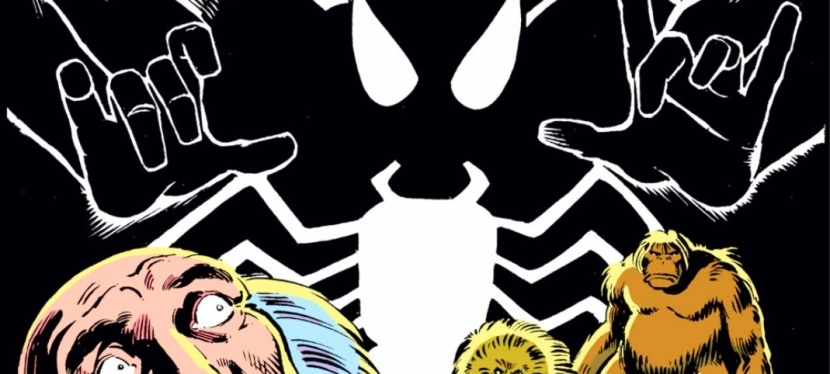
Peter Parker’s sleep has been disorderly since he brought home with him the symbiote.
Amazing Spider-Man #255 (1984) is an entertaining and intriguing read. The creative team’s decision to have the established Fantastic Four foe Red Ghost as the definitive villain for Spider-Man turned out to be a smart move and what they did was fun to read. The presence of Black Fox (note: this comic book is his debut) added a layer of depth to the plot and his declared desire to retire from the life of crime made him an intriguing addition to the Spider-Man list of villains.
Welcome back, my readers, YouTube viewers and all others who followed this series of articles focused on YouTube videos worth watching. Have you been searching for something fun or interesting to watch on YouTube? Do you feel bored right now and you crave for something to see on the world’s most popular online video destination?
I recommend you check out the following topics and the related videos I found.
#1The fall of Humza Yousaf and vindication of author J.K. Rowling – In case you missed the news, Humza Yousaf (born in Scotland to Pakistani immigrants) stepped down as First Minister of Scotland as he faced imminent votes of no confidence in himself and in his government. This vindicated Harry Potter author J.K. Rowling who opposed Scotland’s new hate crime laws (which extends to people who identified as transgendered and yet ignored biological women) and pointed out Humza Yousaf’s contempt for women. For more details, watch the video below.
#2 PatmanQC’s video documentary of P.O.W.: Prisoners of War – P.O.W.: Prisoners of Wars was one of those classic arcade games that I never got to play. It was made by SNK which is the same company behind the popular fighting game franchises King of Fighters, Fatal Fury and Art of Fighting. P.O.W.: Prisoners of War was a Cold War-inspired side-scrolling beat-them-up game that achieved big success in Japan. In PatmanQC’s video, you will learn a lot about SNK’s arcade game, what elements of real life inspired it, what other arcade games influenced the game designers to create it, and more.
#3 The significance of Rik Smits in the NBA – When it comes to the NBA, one has to take a look at the contributions of retired player Rik Smits (the Dunking Dutchman). Smits’ name may not have the big attraction of other centers of his era such as Hakeem Olajuwon, Shaquille O’Neal, Patrick Ewing and Robert Parish, but still he was a really solid center as well as a huge factor behind the rise of the Indiana Pacers in the 1990s. By the time he retired, the Pacers made it to the NBA Finals of 2000. Watch these selected videos of Rik Smits. You will learn a lot and be entertained with Smits’ basketball action!
#4 X-Men: The Last Stand movie reaction videos – For a movie declared as an inferior or disappointing follow-up to 2003’s X2: X-Men United, X-Men: The Last Stand still became a popular film subject in several movie reaction videos on YouTube. Just type the keywords on YouTube’ search engine and you will find a lot of movie reaction videos of the Brett Ratner-directed superhero movie. For your entertainment, the most enjoyable movie reaction videos have been posted below.
#5 You, Me and the Movies’ reaction video of Clash of the Titans (1981) – As a young boy, I saw Clash of the Titans (1981) and it was an entertaining ride of its time. This was one of those many fantasy movies that were released in the 1980s and it was the final work of stop-motion visual effects legend Ray Harryhausen. Recently, You, Men and the Movies published their reaction video of it which is entertaining and you can watch it below.
#6 PatmanQC’s Super Pac-Man retrospective video – I first learned about Super Pac-Man way back in the 1980s by seeing it on TV but I never got to play it in the arcades. In recent times, I downloaded Pac-Man Museum+ through Xbox Game Pass (XGP) and finally got to play Super Pac-Man on my Xbox Series X. I had fun playing it as I adjusted with the gameplay which had notable differences compared to the original Pac-Man arcade game. To learn more about Super Pac-Man, watch PatmanQC’s retrospective video below.
#7 Extensive look back at Sega Saturn games – YouTuber Sega Lord X recently published this extensive video looking back at the Sega Saturn and its games. This is a must-see video because the Sega Saturn had numerous games and many of them were actually fun to play. Ignore those articles that called the Saturn a bad console and just focus on the games by watching the video below.
#8 FilmComicsExplained’s video about how to survive Deep Impact – In relation to my previous post highlighting the movie reaction video of Deep Impact (by YouTuber Popcorn in Bed), posted below is FilmComicsExplained’s video is focused on survival within the context of the 1998 film. There are some sensible and notable points of discussion made which should encourage people to replay Deep Impact and even question the way governments deal with disaster management on a massive scale. You will possibly think twice about depending on the government for your survival. Watch the video below now.
Welcome back Xbox fans, geeks and gamers! It has been over a month since Eiyuden Chronicle: Hundred Heroes was launched on multiple platforms worldwide and like many other gamers who are currently subscribed to Xbox Game Pass (XGP), I downloaded it and played it a lot although there were a some technical setbacks that happened along the way.
For the newcomers reading this, Eiyuden Chronicle: Hundred Heroes is a brand new and stylized turn-based Japanese role-playing game (JRPG) developed by Rabbit & Bear studio which was led by the late Yoshitaka Murayama and involved the talents of notable creators who collectively worked on Konami’s Suikoden RPG series.
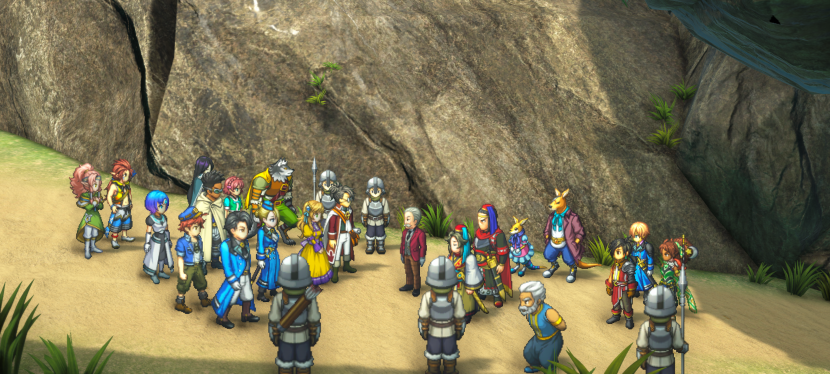
In-game world exploration is done with a 3D polygonal environment and your character is a 2D sprite.
A battle against a very large monster.
Eiyuden Chronicle: Hundred Heroes is a fantasy role-playing game that has a lot in common with the first two Suikoden RPGs in terms of fantasy concepts, gameplay, game design, mini-games, and the recruiting of many characters. Having finished Suikoden and Suikoden II on the PlayStation myself, I can clearly say that this new JRPG is technically a Suikoden game without the name.
As of this writing, I played Eiyuden Chronicle: Hundred Heroes for over 80 hours on my Xbox Series X console. While I am at the point of moving the story forward leading the army (led by the playable protagonist Nowa) in the struggle against the empire led by Dux Aldric (who reminds me a lot of Suikoden II’s Luca Blight), I have decided to focus first on side quests, resource collecting, the mini-games and recruiting more characters. This RPG was designed to allow players to have sufficient freedom to take on side activities on the side and explore the world for recruits and resources.
The cooking contest functions very much look those in Suikoden II.
Somehow General Elektra reminds me of Valeria in the first two Suikoden games.
While this is not a game review, I can say that I am enjoying Eiyuden Chronicle: Hundred Heroes with the way it was designed, how the story was written (lots of intrigue related to the in-game geopolitics which are balanced with fantasy quests), how the characters were presented and the assorted variety of gameplay content. It has been almost three years since this game (along with Rising) was first announced for Xbox Game Pass (click here and here) and considering the fun I had already, I can say the wait was worth it. The mini-games are, for the most part, fun to do and you can watch the short video clips from my progress in the game.
There were some technical setbacks along the way. Eiyuden Chronicle: Hundred Heroes did not run properly on my Xbox Series X resulting in the game crashing and even sudden console shutdowns. I got these console readings of “overheating” and “insufficient ventilation” with the game and these incidents happened only with it. As such, I had to open my Xbox, cleaned up the interior and removed as much dust as I could. Since then, the game developers patched the game but still it pushed my Xbox so hard, game crashing and sudden shutdowns still occurred from time to time. I also noticed there are certain locations within the game that resulted in the sudden acceleration of the Xbox Series X internal fan. Very clearly Rabbit & Bear’s technical support team still has a lot of work to do to meet customer satisfaction.
Each time you successfully recruit a new character, you will see this quick and flashy visual presentation.
Along the way, I observed that other games such as Resident Evil 4 remake, Shadow of the Tomb Raider, Assassin’s Creed: Valhalla, and the most recent release Senua’s Saga: Hellblade II respectively pushed my Xbox Series X to perform hard (with the internal fan run fast) but there were no game crashes and no sudden shutdowns at all. Only Eiyuden Chronicle: Hundred Heroes resulted in “overheating” and “insufficient ventilation” readings and disruptions.
Considering the hassles, I managed to get the fun and discoveries with Eiyuden Chronicle: Hundred Heroes on my Xbox. Here is hoping that the game developer will soon release another patch for Xbox Series X to make the game run well while consuming less power somehow. Given the fantastic presentation of the game, technical disruptions on Xbox Series X should not have happened at all.
There is so much to explore and discover in this game!
So what are you waiting for? If you are already a subscriber to Xbox Game Pass, you can download Eiyuden Chronicle: Hundred Heroes on your Xbox Series X, Xbox Series S, or the aging Xbox One. If you have extra money and want to support Rabbit & Bear studio, buying the digital copy of the game is the recommended option. For more information about the Suikoden-inspired JRPG, visit https://www.xbox.com/en-US/games/eiyuden-chronicle
Welcome back readers, fellow geeks and electronic gaming fans!
In this edition of the Retro Gaming Ads Blast (RGAB) series, we will take a look at another batch of retro gaming print ads from the 1980s and 1990s.
For the newcomers reading this, Retro Gaming Ads Blast (RGAB) looks back at the many print ads of games (console, arcade, computer and handheld) that were published in comic books, magazines, flyers and newspapers long before smartphones, social media, the worldwide web and streaming became popular. To put things in perspective, people back in the 1980s and 1990s were more trusting of print media for information and images about electronic games and related products.
With those details laid down, here is the newest batch of retro gaming print ads for you to see and enjoy…
1. Konami’s 3-in-1 sports games print ad
Long before the advent of major league sports video games, Konami was prolific with sports video games.
Back in the 1980s, Konami was a prominent gaming company as they released a lot of games that became hits in the arcades, on home computers and gaming consoles. Considering the limited amount of games publishers were allowed to release on the Nintendo Entertainment System in America, what Konami released were really fun games to play and their contributions of sports-based video games on the NES were significant. Possibly due to a lack of marketing budget at the time, they promoted Blades of Steel, Double Dribble and Track & Field II with this single-page ad showing the game box covers and screenshots. Ultimately, this print ad was sufficient in giving gamers a clear idea of what to expect with the three games.
2. The Adventures of Bayou Billy print ad
Bayou Billy looks inspired by the cinematic hero Crocodile Dundee. This video game even had a comic book adaptation published by Archie Comics.
Still with Konami, the Japanese publisher released in America the non-military adventure game The Adventures of Bayou Billy for the NES which was a revised version of their 1988 Family Computer game titled Mad City (see the differences by clicking here). This game really looked like it was influenced by Hollywood action/adventure movies of the era and it provided gamers gameplay styles of light gun shooting, beat-them-up action and racing. The titular hero looks very inspired by the cinematic hero Crocodile Dundee. This print ad is very stylish and also eye-catching. I think it has done a good job to make viewers interested in the video game.
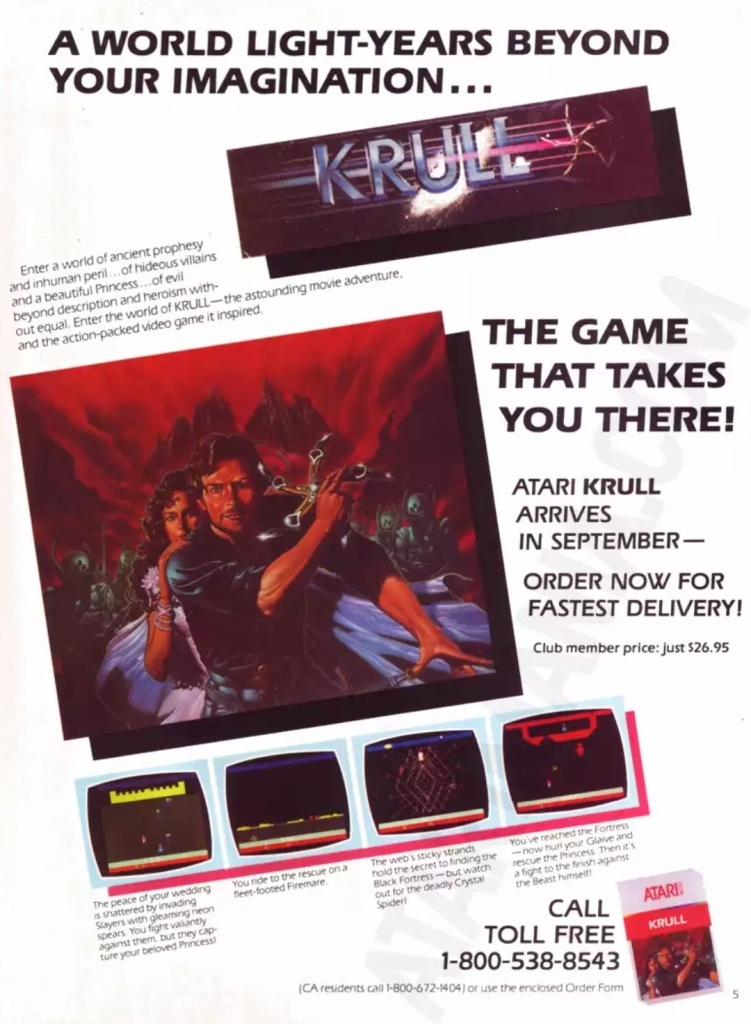
3. Krull Atari video game print ad
I never got to play this Krull video game on Atari 2600, nor its arcade game.
Way back in 1983, I was fortunate to see the science fantasy movie Krull inside the movie theater here in the Philippines. When I saw this print ad, I easily got excited for the Atari 2600 video game adaptation but never got to play it. This print ad does its job showing what Krull’s game looked like and the ad makers cleverly used painted art reflecting the movie’s characters and the armored enemies from space. I should add that between the time I saw the movie and the time I first saw this print ad, I became aware of the existence of the Krull arcade game by watching an episode of Starcade on TV.
4. Rocket Ranger NES print ad
Really great and detailed painted artwork in this print ad.
When Rocket Ranger on the Amiga in 1988, it had fancy visuals and a strong cinematic vibe that worked smoothly with the game design. This game was developed by Cinemaware which developed a reputation of releasing games based on classic film genres. In 1990, a version of Rocket Ranger for the NES was published by Kemco/Seika and print ads using painted art were made to promote the game. This particular print ad made heavy use of painted art which was captivating to look at while conveniently keeping people’s minds off the downgraded visuals of the NES version.
5. Michael Jordan: Chaos in the Windy City print ad with contest entry
Some gamers thought this was a basketball video game.
Yes, it was all true. There definitely was a video game that NBA legend Michael Jordan endorsed. First released on Super Nintendo Entertainment System (SNES) in America in 1994, Michael Jordan: Chaos in the Windy City was a side-scrolling action game in which gamers play a digital version of Jordan who has to save his friends, fight enemies and move from one location to the next in order to progress. The fact that an image of Michael Jordan holding two balls was used in this print ad (as well as on the game cover) in a dominating fashion made some gamers think this was a basketball game. The display of screenshots was so small, it did not help the situation. Lastly, the available of a contest entry form in this print ad was meant to promote not only the game but also GamePro magazine.
6. Gun.Smoke print ad
Gun.Smoke was indeed a fun game to play on NES. Therefore, the promotion is justified.
This print ad of the NES port of Gun.Smoke has strong imagery and literary descriptions the strongly emphasize the Old West concept and setting. The screenshots displayed are too small but the descriptions more than made up for it. Ultimately, what this print ad emphasized was realized as the NES version of Gun.Smoke itself captured the continuous action and excitement of the arcade version and the graphical limitations of the console did not matter much. I myself played this game and it was a lot of fun.
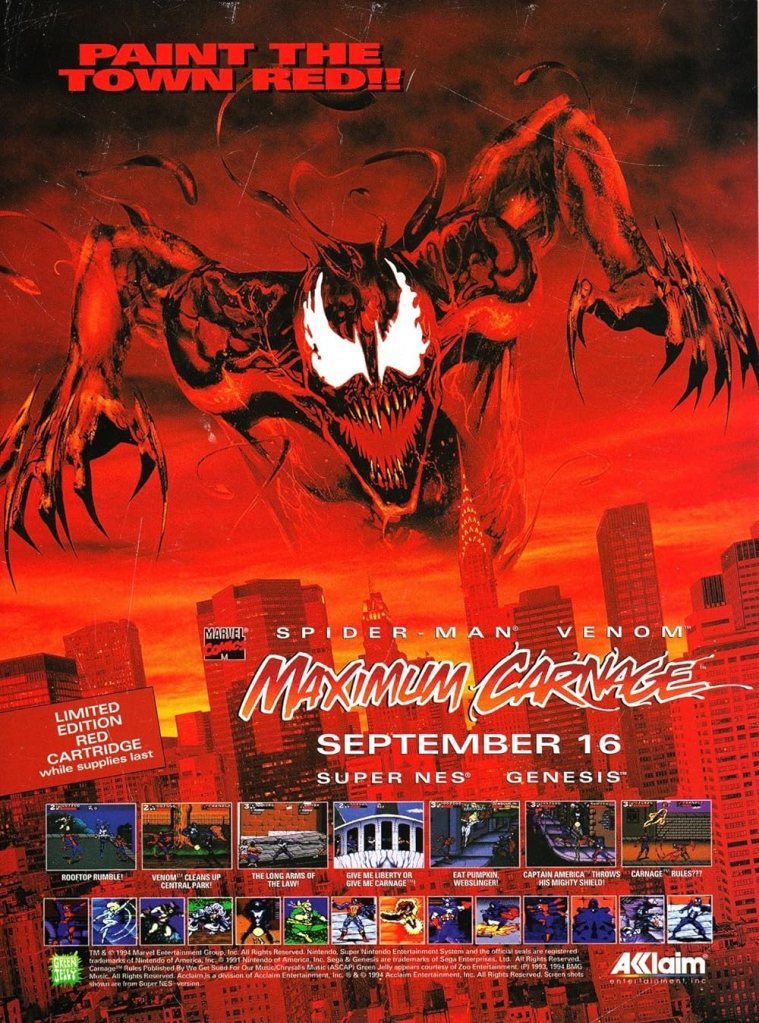
7. Spider-Man and Venom: Maximum Carnage print ad
This add appeared in my comic books and magazines I read in 1994.
Back in 1993, Marvel Comics published the huge Maximum Carnage crossover storyline which covered many issues of the four monthly Spider-Man comic books and two issues of the quarterly Spider-Man Unlimited series. Considering the high popularities of Venom and Carnage at the time, it was not surprising that Marvel took advantage by having Maximum Carnage licensed to Acclaim to create a video game adaptation in the form of a beat-them-up.
Spider-Man and Venom: Maximum Carnage was released for SNES and Sega Genesis in 1994, and game developer Software Creations really adapted story to fit with their side-scrolling game design. Between playable stages are cutscenes that actually were digitized versions of actual comic book panels. This red-colored print ad had a dominating image of Carnage and screenshots with text descriptions. The ad makers even went the extra mile by inserting screenshot cut-outs showing individual characters such as Firestar, Venom, Spider-Man, Carnage, Cloak and Dagger, Iron Fist, Captain America and more. Whatever your opinion is about the Maximum Carnage storyline or the video game adaptation, there is no denying that this was a very eye-catching print ad.
Disclaimer: This is my original work with details sourced from reading the comic book and doing personal research. Anyone who wants to use this article, in part or in whole, needs to secure first my permission and agree to cite me as the source and author. Let it be known that any unauthorized use of this article will constrain the author to pursue the remedies under R.A. No. 8293, the Revised Penal Code, and/or all applicable legal actions under the laws of the Philippines.
Welcome back superhero enthusiasts, 1990s arts and culture enthusiasts, Marvel Comics fans and comic book collectors! Today we go back to the year 1993 and examine a small part of the Marvel Comics universe through a tale of the Amazing Spider-Man monthly series.
In early 1993, the supervillain and murderer Venom was in very high demand among Marvel readers and comic collectors. The Venom: Lethal Protector mini-series launched with issue #1 selling a lot of copies and it portrayed Spider-Man’s greatest enemy as a very twisted and violent makeshift hero who dedicated himself to protecting what he (Eddie Brock specifically) to innocent people. As Venom was one of the few supervillains who knew Spider-Man’s true identity, the creative team behind the Amazing Spider-Man series decided to raise the stakes temporarily by having him encounter Peter Parker’s parents (the ones that appeared in Amazing Spider-Man #365).
With those details laid down, here is a look back at Amazing Spider-Man #374, published in 1993 by Marvel Comics with a story written by David Michelinie and drawn by Mark Bagley.
The cover.
Early story
The story begins inside the bunker beneath the grounds of the deserted Brooklyn amusement park. As Eddie Brock struggles to lift a very heavy piece of equipment, the symbiote forms over his body helping him lift it up above the head. Venom is obsessed with killing Spider-Man and Eddie Brock remains totally bitter over the webslinger’s responsibility on destroying his career. Eddie sees a page of the Daily Bugle on the wall and it contains a news photo of Peter Parker with his mother and father.
At New York’s famous Central Park, Peter, wife Mary Jane and his parents enjoy quality time skating on ice. Aunt May is standing on a wooden platform watching them…
Quality
Lots of intense action scenes in this comic book for fans and readers to be entertained with. The action scenes are not mindless as they serve as reflections of Venom’s powerful quest for revenge.
To begin with, I can say that this tale by David Michelinie is a very intense and dramatic read and it added a new layer of depth into the enduring rivalry between Spider-Man and Venom. At this point in Marvel Comics’ shared universe history, the two icons have encountered each other so many times, the time was right for Michelinie to raise the stakes and have the elderly Parkers (note: Aunt May excluded) as the new targets of Venom (already made obvious on the cover which in turn added tremendous stress on the part of Spider-Man and his wife.
For the newcomers reading this, Eddie Brock’s journalistic career was destroyed over the Sin-Eater story as a result of Spider-Man’s public revelation of Stanley Carter as the said figure (note: Brock’s Sin-Eater article series was based on interviews with Emil Gregg who actually turned out to be a delusional neighbor of Carter’s).
As Brock’s life went way downhill with his reputation destroyed, his hatred of Spider-Man grew and so did his quest for revenge. That being said, what happened in this particular comic book was a very reflective extension of what happened years prior. Anyone who has basic knowledge of the origin of Venom and early appearances of Brock in comics will be able to understand the intensified rivalry in this tale.
Apart from the great story, this comic book has lots of superhero spectacle for readers to enjoy. That being said, the smashing action of the fight between Spider-Man and Venom was clearly made to be more violent which suitably reflected the supervillain’s lust for revenge. Spidey, meanwhile, had no choice but to avoid causing any more damage or harm as Venom goes after him in public surrounded with lots of bystanders. Along the way, you will see a key moment of the insanity of Venom which served as a useful pause of the fight. Finally, when it comes to the art, this comic book has some of the finest artworks I have seen from Mark Bagley.
Conclusion
At the time of this comic book’s publication, Venom was one of the few supervillains who knew Spider-Man and Peter Parker are one and the same person. The inclusion of Peter’s parents only added to the raising of the stakes.
Amazing Spider-Man #374 (1993) is undeniably a great read complete with intense action scenes, lots of intrigue and, most notably, a rock solid development of the Spider-Man-Venom rivalry. This is the kind of story that will compel long-time Spider-Man fans to revisit Venom’s origin as well as Spider-Man’s involvement with the Sin-Eater. At the same time, this tale will help readers understand the insanity and murderous mind of Venom that took place not only in the Venom: Lethal Protector mini-series in also other mini-series about the symbiotic killer that Marvel published throughout the 1990s.















 Author Carlo Carrasco