Welcome back my readers, YouTube viewers and all others who followed this series of articles focused on YouTube videos worth watching. Have you been searching for something fun or interesting to watch on YouTube? Do you feel bored right now and you crave for something to see on the world’s most popular online video destination?
I recommend you check out the following videos I found.
#1 Popcorn in Bed reacts to Cold Mountain – Were you fortunate enough to watch Cold Mountain in 2003? It is an American Civil War movie that has a very notable cast that includes Jude Law, Nicole Kidman, Renée Zellweger, Philip Seymour Hoffman, Natalie Portman and Donald Sutherland. Not too many people in online movie-focused communities or social media groups talk about the movie. Strangely, there are very few movie reaction videos of Cold Mountain on YouTube. This past March, Popcorn in Bed posted a reaction video about the film and how it impacts her emotionally make it a must-see.
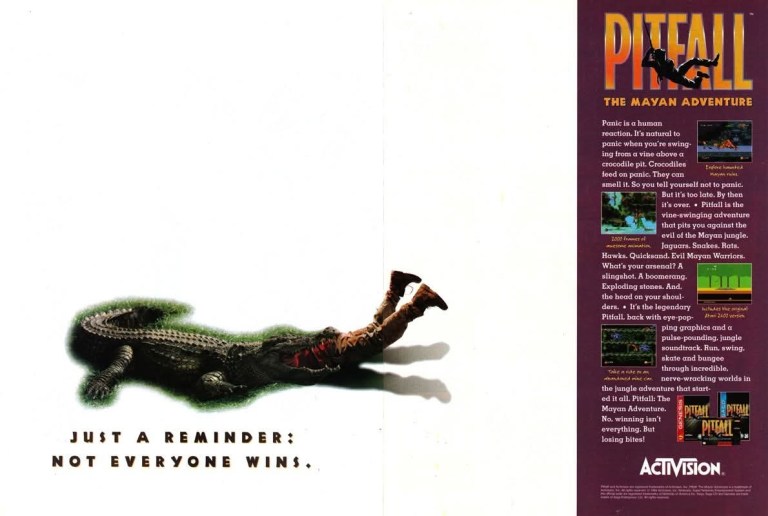
#2 PatmanQC examines the history of Pitfall! – While I was fortunate enough to play lots of video games on the Atari 2600 decades ago, I never played Pitfall! That game produced by Activision was a massive hit on the said console and how the game and its company started is fascinating to discover. In case you did not notice, Pitfall! grew into a game franchise and it was one of the early video games to have merchandising. Discover more about it in PatmanQC’s in-depth video below.
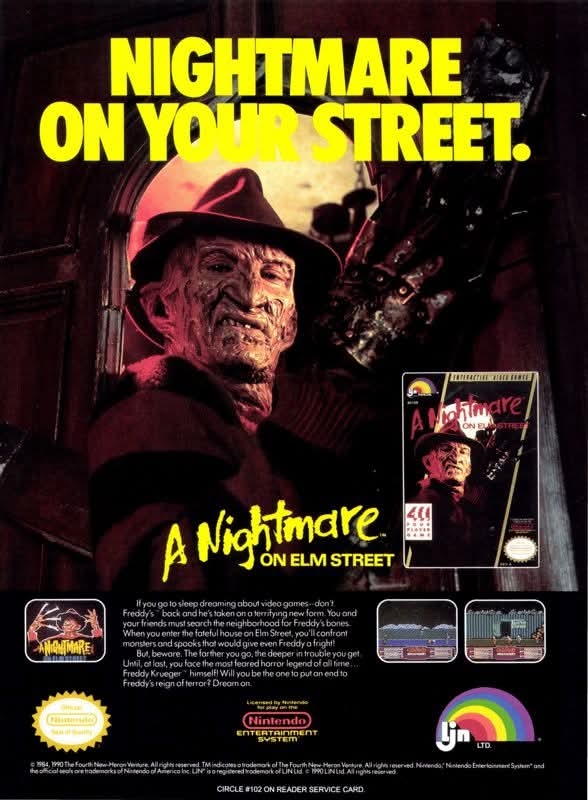
#3 You, Me and the Movies react to A Nightmare on Elm Street (1984) – The 1980s is the so-called golden age of slasher horror movies. One particular slasher horror flick of 1984 focused on the concepts of nightmares, the bogeyman and the fear of dying while sleeping. You can discover more by watching the reaction video of You, Me and the Movies below. Observe how it draws reactions from them.
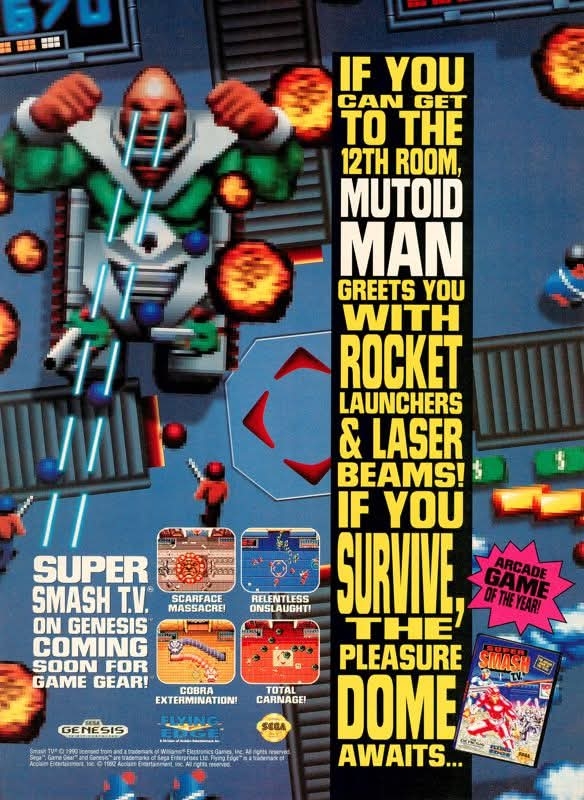
#4 Slope’s Game Room examines Smash T.V. – Here is more nostalgic fun for those of you who love retro gaming. Slope’s Game Room’s retrospective video of the arcade classic Smash T.V. is a lot of fun to watch and the YouTuber really paid close attention to the details for viewers to learn. When was the last time you played Smash T.V.?
#5 Ashleigh Burton reacts to Alien Resurrection – Way back in late-1997, I saw Alien Resurrection inside the movie theater here in the Philippines carrying some excitement in me. After the movie ended, I left the cinema feeling numb. That being said, you have to see how Alien Resurrection drew reactions from Ashleigh Burton and perhaps you could relate with her perception of the movie.
#6 Scottie Pippen, the Chicago Bulls and Jerry Krause – Remember back in the 1990s when the Michael Jordan, Scottie Pippen and the Chicago Bulls won six NBA championships? Behind the scenes, Scottie Pippen’s years with the Bulls (led by Jerry Krause) were actually filled with frustrations and his salary was tiny when compared to other NBA superstars of the era. To find out what happened and what were the factors behind it all, watch the two videos of Secret Base below.
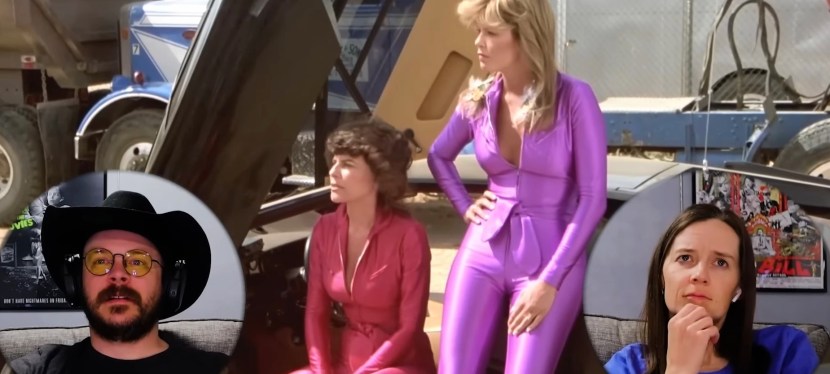
#7 Minty Comedic Arts presents Cool World trivia – Recently, YouTuber Minty Comedic Arts posted a new trivia video about the 1992 live-action/animated hybrid movie Cool World. Directed by Ralph Bakshi and starring Brad Pitt and Kim Basinger, Cool World had an original concept that was eventually altered into its final cinematic form. There are lots of intriguing details to discover and I urge you all to watch Minty Comedic Arts’ video below.
Welcome back readers, fellow geeks and electronic gaming fans!
In this edition of the Retro Gaming Ads Blast (RGAB) series, we will take a look at another batch of retro gaming print ads – including arcade flyers – from the 1980s and 1990s but with focus on Star Wars games that were released during the era of George Lucas. This is the Star Wars Special of RGAB.
For the newcomers reading this, Retro Gaming Ads Blast (RGAB) looks back at the many print ads of games (console, arcade, computer and handheld) that were published in comic books, magazines, flyers, posters and newspapers long before smartphones, social media, the worldwide web and streaming became popular. To put things in perspective, people back in the 1980s and 1990s were more trusting of print media for information and images about electronic games and related products.
With those details laid down, here is the newest batch of retro gaming print ads for you to see and enjoy…
1. 1983 Star Wars arcade game flyer
The front of the flyer.
The rear of the flyer.
Just weeks before the Star Wars movie Return of the Jedi was released in cinemas in 1983, Atari released the Star Wars arcade game which became a tremendous hit around the world. Both Star Wars fans and gamers of the time loved the game as it provided a very immersive and fun-filled arcade experience. The print ad Atari released has a nice artwork on the front (showing a portion of the Death Star, two TIE Fighters, a Rebel X-Wing Fighter and Darth Vader’s image) and the text description plus the pictures of two arcade machines on the back. While no screenshots were shown, the print ad still had strong visual impact to catch the attention of players and arcade operators. This arcade flyer still looks great!
2. Star Wars: Return of the Jedi – Death Star Battle Atari 2600 print ad
Parker Brothers really stood out among publishers of games on the Atari 2600 and they even had the Star Wars license.
Considering the massive success that Star Wars and The Empire Strikes Back had in cinemas, merchandising and other entertainment media, it was not surprising that games based on Return of the Jedi were produced. For the Atari 2600, Parker Brothers produced Star Wars: Return of the Jedi – Death Star Battle which my friends and I played a lot in 1983. The print ad Parker Brothers came up with has a very eye-catching design showing a Rebel pilot flying a space ship (supposedly the Millennium Falcon which is the only playable ship in the game) towards the Death Star. The visual design is a stroke of genius because it appeals strongly to Star Wars fans while highlighting a major battle in the film which influenced the core concept of the game. This is a classic Star Wars game ad.
3. Star Wars Arcade Japanese market flyer
This arcade game was one of the first fully polygonal Star Wars games released.
In the 1990s, Sega acquired the license to produce Star Wars games for the arcades and they had the hardware for polygonal graphics. In 1993, the released Star Wars Arcade which is a space shooter that offered gamers the freedom to fly their Rebel space ship in 3D space with environments and huge space ships rendered in polygons. As you can see in the arcade flyer for the Japanese market, Sega went hard with their presentation showing 3 carefully selected screenshots (amazing for the time) and a picture of the arcade machine which had an elaborate control set-up, seats and decorations. As Star Wars Arcade was released more than a year before the polygonal game consoles Sega Saturn and Sony PlayStation hit the market, this arcade flyer was mind-blowing to gamers who were on the verge of playing video games with polygonal visuals.
4. Super Star Wars print ad
Yes, JVC was involved with the Super Star Wars trilogy starting with this one.
In 1992, Star Wars fans who enjoyed playing 2D side-scrolling games saw their dream of the next great Star Wars console experience come true when Super Star Wars was released on the Super Nintendo Entertainment System (SNES). With the SNES technology, more detailed visuals and improved audio brought the Star Wars universe to life and the addition of 3D-like playable sequences (made possible by Mode 7 effects) made Super Star Wars a very unique console experience. The print ad only showed three screenshots and three paragraphs of descriptive text but the use of images from the 1977 movie poster added a lot of punch to the visual presentation. This ad is both eye-catching to gamers and long-time Star Wars fans.
5. Star Wars: TIE Fighter print ad
This game offered gamers the opportunities to be with the dark side.
In 1994, LucasArts released Star Wars: TIE Fighter which offered gamers the opportunity to play an Imperial pilot serving Darth Vader on missions set between The Empire Strikes Back and Return of the Jedi. This print ad has a sharp visual design enhanced by Darth Vader’s iconic look in the background. The selected screenshots shown were good to look at but the artwork used to present the TIE Fighters really stood out. This solid looking print ad does come with a bit of disturbance as the Galactic Empire in Star Wars lore are evil.
6. Super Star Wars: Return of the Jedi print ads
Nothing like seeing Harrison Ford, Carrie Fisher and Mark Hamill as the Star Wars icons on a video game ad.
I never played the portable editions of Super Star Wars: Return of the Jedi. Have you?
As far as gaming on the SNES was concerned, the Super Star Wars trilogy of games really kept fans and casual gamers busy. By the time Super Star Wars: Return of the Jedi was released in 1994 on the SNES, there was already immense speculation about the Star Wars prequel trilogy and George Lucas himself started writing them that same year. The 2-page print ad of the game on SNES had a creepy photo of Emperor Palpatine on one side, the other characters on the other side, and six selected screenshots displayed on the lower part. The way the print ad was design reflects that the game is the end of the trilogy like the 1983 film itself. Super Star Wars: Return of the Jedi was also released on Game Gear and Game Boy and the ad makers made the right decision to use the Death Star and space battle image as the background so that the portable games would stand out.
7. Star Wars: Masters of Teräs Käsi print ad
I wonder if George Lucas ever regretted approving this Star Wars fighting game. It was so rough and unpolished with its quality.
If there is any sub-par Star Wars game released in the 1990s, it is none other than Star Wars: Masters of Teräs Käsi on the PlayStation. The 1997 game was LucasArts’ attempt to cash in on the booming fighting games genre and they took a huge risk of making it entirely polygonal. Instead of using photographs or hand-drawn art, the ad makers used a fully rendered 3D polygonal models of Luke Skywalker and Boba Fett which was alienating to look at. In fact, those polygonal models looked very different from the in-game polygonal models of Skywalker and Boba Fett presented during gameplay. This print ad is a sad reminder about an ill-conceived concept for Star Wars that materialized into an actual product.
8. Star Wars: Shadows of the Empire print ad
If you have read the novel, were you able to play this video game?
LucasArts and Nintendo teamed up with something ambitious – a video game adaptation of Star Wars: Shadows of the Empire that was released exclusively to the Nintendo 64 (N64). Released in late 1996, Star Wars: Shadows of the Empire was part of the multimedia entertainment project of the same name and it is the result of LucasArts’ decision to be an early adopter of the N64 for business-related reasons. The 2-page print ad shown here has a dark, star-filled background which captivating screenshots on the left and the N64 controller standing out. This print ad strongly expresses that gamers would need the N64 in order to play Star Wars: Shadows of the Empire in the comfort of home.
9. Star Wars Trilogy arcade flyer
The front.
The other side.
Before the Star Wars Prequel trilogy started with The Phantom Menace, Sega came out strongly by releasing Star Wars Trilogy Arcade in arcades around the world. Released in 1998, the game was arguably Sega’s most ambitious Star Wars-licensed game ever as it was made with the powerful Model 3 hardware, it came with unique controls and the game was designed as a polygonal rail shooter focused on key segments from the original trilogy of films. Sega wisely used dynamic artwork for the front of the flyer giving viewers the impression that the X-Wing fighter was approaching them closely. At the rear, three screenshots only showed space battles which was a wise decision by Sega to keep the surprise intact for gamers until they play the game. Having played this in the arcade myself, I can assure you that Star Wars Trilogy Arcade has more varied types of gameplay and challenges. It’s a lot more than flying and shooting in space, and it has a lot of stuff that Star Wars fans will love.
Welcome back readers, fellow geeks and electronic gaming fans!
In this edition of the Retro Gaming Ads Blast (RGAB) series, we will take a look at another batch of retro gaming print ads – including arcade flyers – from the 1980s and 1990s.
For the newcomers reading this, Retro Gaming Ads Blast (RGAB) looks back at the many print ads of games (console, arcade, computer and handheld) that were published in comic books, magazines, flyers, posters and newspapers long before smartphones, social media, the worldwide web and streaming became popular. To put things in perspective, people back in the 1980s and 1990s were more trusting of print media for information and images about electronic games and related products.
With those details laid down, here is the newest batch of retro gaming print ads for you to see and enjoy…
1. G.I. Joe: A Real American Hero arcade flyers
G.I. Joe: A Real American Hero arcade flyer for the Japanese market.
The North American arcade flyer of G.I. Joe.
Back in the 1980s, my friends and I saw lots of episodes of G.I. Joe: A Real American Hero on TV and there were lets of toys of it available. I also read some comic books of G.I. Joe. While there were G.I. Joe video games, I never got to play its early 1990s arcade game from Konami. By comparing the two arcade flyers of G.I. Joe: A Real American Hero, the American flyer excels visually showing the characters with a powerful war-themed background. The Japanese flyer had smaller space for the same artwork and displayed the arcade cabinet (take note of the controls laid out to accommodate up to four players). Between the two, I prefer the American arcade flyer.
2. Alien 3 Japanese arcade flyer
With this arcade flyer, Sega clearly showed arcade operators what to expect when ordering machines of Alien 3: The Gun.
Watching Alien 3 inside the cinema in 1992 was one of the worst moviegoing experiences I ever had. By the time video games based on the movie were released, I was surprised to see how action-packed and entertaining they looked. The one Alien 3 game that captivated me was Sega’s Alien 3: The Gun in the arcades as its design and concept contradicted the essence of the film. The Japanese arcade flyer has this aggressive approach on laying down the details, displaying the arcade machine and displaying carefully selected screenshots to excite both gamers and arcade operators. This arcade flyer still looks good today.
3. Super Cobra arcade flyer
A great artwork emphasizing the concept of Super Cobra.
First released in Japanese and America arcades in 1981, Super Cobra is a 2D side-scrolling shooter in which players pilot an armed helicopter through tight caverns while facing enemies capable of firing. The American arcade flyer has great artwork that almost perfectly captures the essence of the game. This is another old arcade flyer that has aged well.
4. The Amazing Spider-Man vs. The Kingpin print ad
Back in 1993, animated sequences included in video games were still new and even exciting.
Moving forward to the year 1993, gamers in America who owned a Sega Genesis console were being motivated by Sega to upgrade their gaming experience with the Sega CD add-on. Along the way, Sega really ramped up efforts to have more games supporting the Sega CD and one of them was The Amazing Spider-Man vs. The Kingpin. The Amazing Spider-Man vs. The Kingpin on Sega CD was actually an updated version of the original 1991 game and Sega’s team included several improvements to take advantage of the CD-ROM technology of the add-on. This print ad showed Sega’s hard work on selling the game.
5. Soulstar print ad
The artwork of this print ad has very strong sci-fi vibes.
Released in 1994 for the Sega CD (Mega CD in other markets), Soulstar was sci-fi 3rd-person shooter that delivered amazing visuals, fun gameplay and an immersive experience of space travel to gamers. This European market print ad is a very effective way to promote the game using carefully selected screenshots, amazing artwork and a cleverly written text description. Still a fine print ad to look at.
6. Batman Returns print ad
This print ad effectively promoted both the game and the movie. In retrospect, the line “Our new Batman game is anything but tame” turned out to be true as lot of parents who brought their kids to the cinemas for Batman Returns were turned off by the adulterated elements.
In 1992, Batman Returns played in a lot of cinemas but its very dark tone and adulterated elements prevented it from matching the huge box office success of its 1989 predecessor. Regardless, a lot of licensed video games based on the movie were released and in early 1993, Konami released a Batman Returns video game on the aging Nintendo Entertainment System (NES). This print ad used a photograph from the filming of an scene that actually had Michelle Pfeiffer as Catwoman, dominating over the iconic Batman. Also displayed were screenshots, the game’s box cover (showing Pfeiffer, Michael Keaton and Danny DeVito as their respective characters) and the text description. Even if you did not like the movie, this old print ad is a solid way of promoting both the game and the movie. The line “Our new Batman game is anything but tame” strangely turned out very true.
7. The Terminator games print ads
The Terminator for Sega Genesis.
The Terminator for Sega CD.
Released in cinemas in 1984, The Terminator was a surprise hit as well as a career-booster for Arnold Schwarzenegger and James Cameron. What is very notable is the fact that several video game adaptations of The Terminator were released on consoles in the early 1990s. I can only guess this was done to capitalize on the resurgence of the Terminator franchise in connection with Terminator 2: Judgement Day’s much-anticipated release in cinemas. The Sega Genesis version print ad features a digitized close-up of Schwarzenegger’s Terminator while the 2-page Sega CD version print ad used a lot of the space for large text (with an incomplete shot of Schwarzenegger’s Terminator on the edge of the 2nd page) emphasizing “He’s Back” and “The Terminator” while leaving little space for text descriptions and screenshots. Between the two, I find the Sega Genesis ad more effective with its promotion of the game.
8. Defender arcade flyer
More choices of a very successful game for arcade operators also means more ways for players to play it.
Even though it had a soft start in the early 1980s, the classic game Defender went on to become a massive commercial success in the arcades. Being a major attraction in America’s video game industry, Williams unsurprisingly went on to release this particular arcade flyer to sell to operators different types of Defender arcade machines that could fit into their respective joints while providing gamers choices on how to play the game. Some players preferred to stand in-front of a tall arcade cabinet while others prefer to play the game looking down on the screen. This flyer is an example as to how a company can keep their biggest success moving on while offering business clients more choices.
Welcome back readers, fellow geeks and electronic gaming fans!
In this edition of the Retro Gaming Ads Blast (RGAB) series, we will take a look at another batch of retro gaming print ads – including arcade flyers – from the 1980s and 1990s.
For the newcomers reading this, Retro Gaming Ads Blast (RGAB) looks back at the many print ads of games (console, arcade, computer and handheld) that were published in comic books, magazines, flyers, posters and newspapers long before smartphones, social media, the worldwide web and streaming became popular. To put things in perspective, people back in the 1980s and 1990s were more trusting of print media for information and images about electronic games and related products.
With those details laid down, here is the newest batch of retro gaming print ads for you to see and enjoy…
1. Japanese Macross video games print ads
This 2-page ad had Minmay, Misa and Hikaru.
Computer-generated image of the Skull Leader Battroid was used here.
Looking at the history of Macross video games released only in Japan, there were these notable games that catered to the fans with different tastes during the period of 1997 to 1999. The two Japanese print ads here promoted the PlayStation version of The Super Dimension Fortress Macross: Do You Remember Love? (read my retro review by clicking here) and Macross: VF-X2 (only on PlayStation). 1997 marked the 15th anniversary of the entire Macross franchise and game publisher Bandai Visual kept the excitement for fans on high gear by aggressively promoting the two advertised games for their respective releases in 1999. These two print ads still resonate with long-time fans as each were clearly made to emphasize the games (with details, screenshots and original artworks) while using the right images of the Macross franchise for relevance.
2. Star Raiders print ad
This Star Raiders print ad made me interested enough to play the game on Atari 2600.
I remember the old days of play Star Raiders on the Atari 2600 back in the early 1980s. Strangely enough, I don’t remember seeing this old print ad. Regardless, I really like the way the ad makers used hand-drawn art work to dominate the space while leaving enough space for text description, a screenshot and the picture of the Atari console with the TV set. In my view, this old ad is both amusing and attention-grabbing.
3. The Empire Strikes Back arcade flyer
This is still a great looking arcade flyer.
Here is a Star Wars game I never played but managed to play it on a home computer. Released by Atari in 1985, The Empire Strikes Back (full title: Star Wars: The Empire Strikes Back) arcade game was the follow-up to the very popular Star Wars arcade game. Like its predecessor, it used vector graphics and certain sounds from the 1980 film for immersion. This arcade flyer is well designed showing three selected screenshots, a picture of the arcade cabinet and a portion of the AT-AT walker from the movie. The flyer truly showed gamers and arcade operators what they would get by selecting The Empire Strikes Back.
4. Steve Meretzky’s Spellcasting 301: Spring Break print ad
Clearly the promoted game is for adult players only.
In the realm of computer gaming, there were certain games that catered to the more mature players. One example is Steve Meretzky’s Spellcasting 301: Spring Break which was released on for personal computers running on DOS (Disk Operating System) in 1992. This print ad clearly shows the adulterated nature of the game emphasizing sexy women with a paradise setting. This is the kind of print ad that you only in computer gaming magazines which had predominantly adult readers.
5. Pitfall! print ad
Still a great looking print ad.
Back in 1982, 2D adventuring on the Atari 2600 reached new heights when Pitfall! was released. The game garnered wide praise for its gameplay and graphics, and because it was so enjoyable, it sold millions of copies and its success spread across other platforms. A key factor to its commercial success and strong identity with the Atari 2600 was this colorful print ad. The ad makers daringly used original artwork to emphasize the jungle, wilderness and adventure concept while leaving some space left to show a screenshot and the Atari 2600 game cover. Pitfall! is a video game classic.
6. Mario Bros. print ad
I saw this comic-style print ad while reading a comic book.
A few years before Nintendo skyrocketed with the massive success of Super Mario Bros., there was Mario Bros. on the Atari 2600 and Atari 5200. Published by Atari on their consoles, Mario Bros. was already a hit in the arcades. To capitalize on the popularity of the game, Atari came up with this comic-style print ad to capture people’s attention with the hope that the Atari 2600 and Atari 5200 ports will sell a lot. I first saw this ad while reading a comic book and it remains entertaining to see.
7. Ghoul Patrol print ad
Too bad the screenshots, the game box cover and white descriptive text were too small to look at.
Released in 1994 on the Super Nintendo Entertainment System (SNES), Ghoul Patrol is the accidental sequel to Zombies Ate My Neighbors. This was because the game did not start as a sequel but rather as an unrelated project that used the same gameplay engine of its predecessor. Since Zombies Ate My Neighbors already had a dedicated fanbase, a decision to turn the game into a sequel followed. Ghoul Patrol’s print ad took a different creative approach on its presentation by trying to look cool and catchy with a dominating pink background and slightly adulterated descriptions in green leaving little space left for screenshots and the white descriptive text. The print ad of Zombies Ate My Neighbors remains more engaging and more eye-catching than this one.
8. Silpheed print ad
This ad caught my attention and even made me interested on the Sega CD.
Released in 1993, Silpheed on Sega CD was a remake of the original game of 1986. Like its predecessor, the Sega CD had 3D effects but used pre-rendered computer animation for a background that actually was full motion video. The print ad of this game had this fantastic looking computer-generated artwork and displayed four screenshots that looked really exciting back in 1993. If you look closely at the captions, the ad emphasized the CD-quality look and the cinematic graphics the game had. This old ad has aged well.
For the newcomers reading this, Suikoden I & II HD Remaster: Gate Rune and Dunan Unification Wars was released on March 6 and it contains Suikoden and Suikoden II (Japanese title: Genso Suikoden II). This is a cause for a celebration not only for fans of the Suikoden game franchise (created by the late Yoshitaka Murayama during his time at Konami) and JRPG enthusiasts but also for people who love retro gaming.
With Suikoden I & II HD Remaster: Gate Rune and Dunan Unification Wars now available on multiple platforms, gamers – both the veterans as well as the younger players – now have the golden opportunities to play the first two Suikoden games.
Suikoden on Xbox
A lot of characters got their share of the spotlight in short scenes like this in Suikoden.
As mentioned earlier, Suikoden is my most played game on my Xbox Series X since March 6. The release of Suikoden games on Xbox platforms is highly significant given the fact that the franchise has often been identified with PlayStation for so long. What many gamers do not know is the fact that Suikoden was also released on the Sega Saturn and Windows PC in Japan in the late-1990s.
As history showed, most Suikoden RPGs released by Konami from 1995 to 2006 mainly on the original PlayStation console (the first two games) and PlayStation 2 (the third, fourth and fifth games). Spin-off games were released on PlayStation, PS2, Game Boy Advance and Nintendo DS. That being said, there were absolutely no Suikoden games on the original Xbox console and Xbox 360.
The release of Suikoden I & II HD Remaster: Gate Rune and Dunan Unification Wars on Xbox Series X, Xbox Series S and the aging Xbox One is indeed a game-changer. There are lots of Xbox gamers who are fond of Japanese RPGs and there are also Suikoden fans who happen to own Xbox consoles. The Xbox ecosystem itself now has lots of role-playing games (RPGs) released in this current console generation and there are lots of Xbox players who love RPGs. As such, Konami made the right move bringing the Suikoden franchise to Xbox consoles.
Playing the first Suikoden again but in shinier form
The group battle in the game. The remastered work includes presentation in high-definition and a variety of visual enhancements. The frame rate is also stable.
Since the launch of Suikoden I & II HD Remaster: Gate Rune and Dunan Unification Wars, I have been playing the first Suikoden game a lot on my Xbox Series X. It has been a fun-filled nostalgic gaming experience on my part and I can also say that Konami – for the most part – did a good job remastering the game with high-definition visuals in mind.
Visually, this is the best the first Suikoden RPG ever looked! The in-game character sprites and creatures/monsters sprites from before have been preserved and because everything is in high-definition, the said sprites look larger and you can see the detailed pixels within them. When it comes to the visual effects to emphasize in-game magic and other spectacles, the new effects implemented resulted in a lot of pleasing eye candy.
Mini-games like this one added fun and variety to the game. If you keep winning in this one, you can make a lot of in-game money.
The occasional close-ups during group battles like this added to the spectacle of playing. The enhanced visuals also made this look better.
When it comes to the character portraits, they have been redrawn from scratch by Junko Kawano and each artwork per character looked clearer and more detailed than before. Some long-time Suikoden fans might find the new character portraits looking too clean and might make them miss the older artworks.
Suikoden’s story is about the Scarlet Moon Empire, political developments, corruption that goes beyond politics, and how they all affect the people. The playable protagonist is the son of the imperial general Teo McDohl, and through him you will witness political intrigue and unexpected twists that will compel you to stick closer with your family friends to escape the empire and form a new army of rebels by recruiting members across the land.
Even in subtle forms, the enhanced visuals made dramatic scenes like this look more lively.
While the storytelling is satisfactory at best, there is a wide variety of characters who collectively added colors to the narrative. This is due to the many types of personalities that the important characters have. Take for example Matthiu who is the calm and calculating strategist, Viktor is the brave and brash rebel, and Gremio is very dedicated to protecting the protagonist no matter what happens. Along the way, character development is truly limited which is not surprising because a lot of characters shared the spotlight.
In terms of game design and gameplay features, Suikoden has aged well. The battle systems – solo battle, group battle, army battle – are still functional, efficient and fun to do. While some grinding (leveling-up) is needed, it is not stressful to do because the auto-battle options make the group battles flow smoothly, especially when your characters (up to six) are collectively strong enough to overwhelm the enemies.
This is the formation of the members of your party. Those with short-range attacks should be placed on the front row but they need strong defense values to keep on fighting. Characters with long-range attacks are ideally placed in the back row.
Meet Odessa.
The gameplay is just as fun to do as before. I really like the fact that up to six characters can be part of my party/group as I went adventuring and focused on story scenes. The solo and army battles are understandably few but the payoff (in return to the build-up leading to them) was worth it. I should state that the unite attacks (limited to specific characters who are present in the party) are fun to watch and the creators’ approach on presenting the battle animations and spectacle are great to see.
A great, long border wall in the game.
While the gameplay is clearly fun, Konami’s remaster team did not fix one old problem the game had since the start – limited spacing of items per character. Each character has his/her/its own pieces of clothing to wear, specifically for the body, head and two accessories. The game counts those clothing items as part of the overall item spacing per character. Once you have the four items for a character to wear, the remaining spaces for carrying other items (examples: medicine, ore, anti-toxin) become severely limited for the character.
Along the way, there is the constant need for you to purchase stronger pieces of clothing to increase the defense value of the newest character who joined your army. That being said, you must earn a lot of money, take time to out purchase items, and equip them on new characters while dealing with limited storage per character. The item management problem is the one thing that prevented the gameplay from achieving perfection.
My long-time experience with the Suikoden franchise
Viktor is the brash and brave fighter who becomes part of the Liberation Army. He is an important supporting character which you will easily realize.
In my personal gaming history, I played and finished the original game on PlayStation way back in 1996. While I really enjoyed the game and its unique gameplay features, I never replayed it as my taste on PlayStation gaming kept changing in 1997. When Wild ARMs and Final Fantasy VII landed on PlayStation, I forgot about Suikoden until its sequel was released in English in 1999.
Fortunately, Suikoden II was so much bigger and better than its predecessor and it remains the most defining game of the entire Suikoden franchise (read my retro review by clicking here). That being said, I will start playing the remastered Suikoden II on my Xbox Series X soon.
Having played the remastered first game on my Xbox console, I can say that it was a fun-filled trip on my end. At the same time, I remembered scenes and several small character moments in between that I have forgotten long ago. Although a lot of characters were presented, following the narrative was still easy to do since it was light compared to what Suikoden II told.
Conclusion
A shot of a feast within the army of rebels with their leader Tir McDohl. The young McDohl is the playable protagonist.
With the first Suikoden alone, I can say I got really good value and enjoyment with my purchase of the digital copy of Suikoden I & II HD Remaster: Gate Rune and Dunan Unification Wars for my Xbox Series X. This is a fine example about retro gaming literally saving the day when Team Xbox failed to deliver the promised great fun with their own games.
Disclaimer: This is my original work with details sourced from reading the comic book and doing personal research. Anyone who wants to use this article, in part or in whole, needs to secure first my permission and agree to cite me as the source and author. Let it be known that any unauthorized use of this article will constrain the author to pursue the remedies under R.A. No. 8293, the Revised Penal Code, and/or all applicable legal actions under the laws of the Philippines.
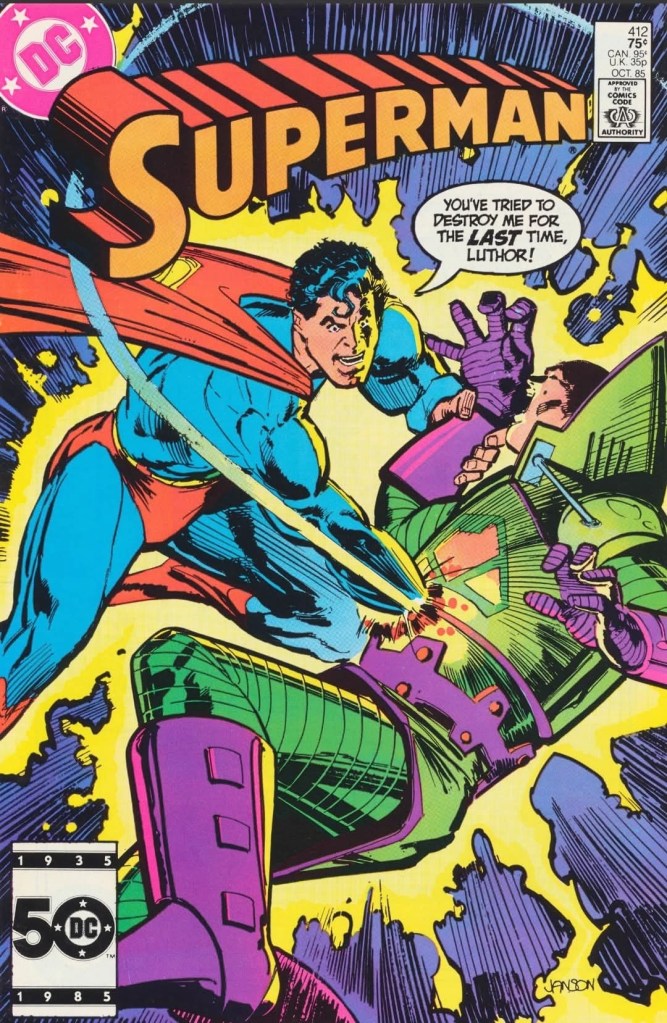
Welcome back superhero enthusiasts, 20th century pop culture enthusiasts and comic book collectors! Today we go back to the year 1975 to take a close look at one of the many tales published through the original Superman monthly series (first launched in 1939).
When I first read the literary rivalry between Superman and Lex Luthor, it was before Crisis on Infinite Earths happened. The pre-Crisis Luthor was a criminal mad scientist (as opposed to the tycoon Luthor of the post-Crisis age) who had to use technology and smart moves during his encounters with the Man of Steel. The pre-Crisis conflicts between the two were often dynamic and fantasy inspired. Of course, there is a lot more between Superman and Luthor starting with a shared past in Smallville.
With those details laid down, here is a look back at Superman #292, published in 1975 by DC Comics with a story written by Elliot S. Maggin and drawn by Curt Swan.
The cover.
Early story
The story begins at the ruined Metropolis International Airport with Superman helping with the huge repair efforts. It turns out, he and Lex Luthor just had an encounter there. When Mr. Hales of the airport authorities asked him why Luthor was always evil, Superman begins to remember the friendship he had with his rival when they were both teenagers in Smallville…
Quality
Yes, it is all true. Lex Luthor and Clark Kent were students in the same high school in Smallville when they were teenagers.
To make things clear, this comic book has two stories and the first one – titled “The Luthor Nobody Knows” – is clearly the main story.
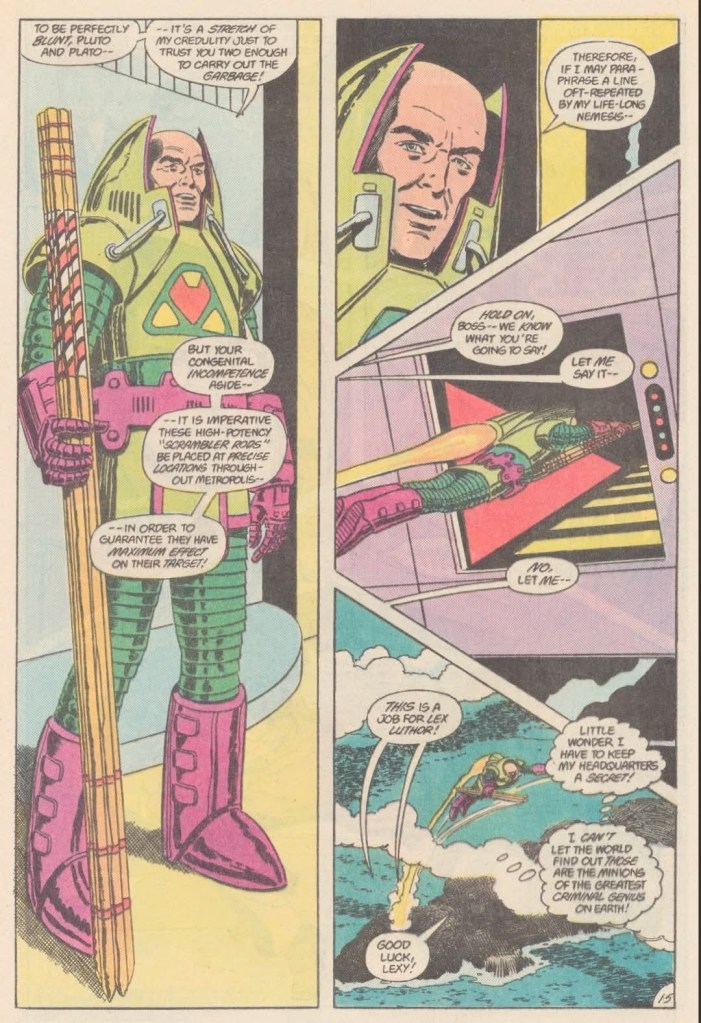
The main story has this unusual format of storytelling that resulted in an abundance of flashbacks dominating the present-day tale. In connection with the tale’s title, this is a dramatized look back at the time when Luthor and Clark Kent (then Superboy) were high school students in Smallville. The creators took their time portraying young Clark Kent as the mild and ethical student and the teenage Lex Luthor as the daring student who truly believes he can make great achievements through science.
For those who might have heard the fabled start of the rivalry between Luthor and Superboy, you will see that in this comic book as well as the negative impact the former made as time went on. Along the way, you will see the stark differences between them which were nicely dramatized by the creators. Notably, you will see a more human portrayal of Luthor in his younger self.
The 2nd story of this comic book – titled “The private life of Clark Kent” – is just a 5-page additive geared towards Superman fans wanting more of him in his civilian identity.
Conclusion
This battle between Superman and criminal mad scientist Luthor should resonate with comic book fans who love the pre-Crisis era of DC Comics.
Considering the way the main story was crafted, Superman #292 (1975) is technically an origin story of Luthor who went from an ambitious young student into a criminal mad scientist. This should surprise readers who remained unaware of the shared past between Luthor and Superman before Crisis on Infinite Earths happened. In relation to what was mentioned earlier in the review, the Superboy-Luthor conflicts here looked dynamic. There is a good amount of entertainment here to see and it should resonate with long-time comic book readers who miss the pre-Crisis era of DC Comics.
Disclaimer: This is my original work with details sourced from reading the comic book and doing personal research. Anyone who wants to use this article, in part or in whole, needs to secure first my permission and agree to cite me as the source and author. Let it be known that any unauthorized use of this article will constrain the author to pursue the remedies under R.A. No. 8293, the Revised Penal Code, and/or all applicable legal actions under the laws of the Philippines.
Welcome back superhero enthusiasts, 1980s culture enthusiasts and comic book collectors! Today we go back to the mid-1980s to explore a part of the DC Comics shared universe through a tale of the iconic Superman.
Shortly after the end of the original multiverse of DC Comics, the publisher organized a massive reboot of its superhero franchises and universe. To reboot and modernize the iconic Superman, DC hired John Byrne and backed him up with a solid creative team. The result was the 6-part comic book mini-series The Man of Steel. Previously, I reviewed The Man of Steel #1 and #2 which collectively established Superman and Lois Lane as the iconic superhero and the definitive supporting character of the post-Crisis age respectively. Of course, the super villain opposite the post-Crisis Superman had to be established.
With those details laid down, here is a look back at The Man of Steel #4, published in 1986 by DC Comics with a story written and illustrated by John Byrne.
The cover.
Early story
The story begins when a daringly dressed Lois Lane arrives at the apartment of Clark Kent who has not even fully prepared himself for their trip to an extravagant gathering. It turns out, Lois’ ride picked her up earlier than expected which explains her early arrival.
After entering Clark’s apartment, she slowly begins to discover what he looked like in school and who his parents are. By this time, it has been almost eighteen months since Clark beat her to the first-ever Superman news story at the Daily Planet.
Afterwards, Lois and Clark took a surprising helicopter ride going to the luxurious ship of the powerful tycoon Lex Luthor…
Quality
Superman intervenes to protect Lois Lane from one of the terrorists.
To make things clear, this issue is all about John Byrne presenting a new version of Superman’s definitive rival Lex Luthor with the 1980s in mind. Instead of a mad scientist, the post-Crisis Luthor is a billionaire whose corporation (Lexcorp) has an interest in virtually every business in Metropolis and his immense wealth makes him a very powerful figure. This new version of Luthor was clearly done to be more grounded with reality, specifically with regards to the rise of tycoons in America in the 1980s. In short, Luthor was the ruthless and powerful businessman before Michael Douglas even got to play Gordon Gekko in 1987’s Wall Street.
While the effort of making a really new version of Superman’s arch-rival is clear, Luthor here does not appear too menacing at first. The story and impact of Luthor’s evil really started to materialize as soon as the South American terrorists appeared, but not in a way that you might expect. As mentioned above, Luthor here is more grounded with reality and that means you won’t see him oppose Superman with science and technology. Instead, Luthor simply has wealth, the power and resources to go against the Man of Steel. The tycoon also knows that the American-born Kryptonian would not dare attack him as laws already exist.
Having read lots of Superman’s encounters with Luthor in the pre-Crisis era – particularly the 1970s up to the mid-1980s – it is clear to me that their first post-Crisis encounter turned out underwhelming and never dynamic. In fairness, I really enjoyed reading the 2nd encounter between Superman and Luthor as the words of the latter were filled with anger and tension. It should be noted that Byrne’s visual approach on showing the city and the people as Luthor’s dialogue went on was a great touch.
When it comes to the storytelling, it is quite simple which is not surprising because it was crafted to make way for post-Crisis Luthor to be introduced and dramatized. As for the character development, there is indeed progress with regards to the chemistry between Clark Kent and Lois Lane who are portrayed as friends living with a journalistic competition between them. It was also in this comic book where you will see Superman follow the law and the command of Metropolis’ highest official.
Speaking of law, you will notice what kind of impact Luthor has on others when he really does things his own way. This is something you should read in this comic book.
Conclusion
This is John Byrne’s version of Lex Luthor in the form of a powerful tycoon. A complete departure from the mad scientist Luthor of the pre-Crisis era of DC Comics.
While the first-ever conflict between Superman and Luthor in the post-Crisis age was indeed underwhelming, it was John Byrne’s in-depth writing and portrayal of events that made The Man of Steel #4 (1986) a worthy read. Don’t expect to see a lot of action here nor anything spectacular with Superman. Clearly, the tycoon Lex Luthor is the feature character of this tale and the start of his hatred towards Superman is really worth reading. In retrospect, Luthor’s ruthlessness and evil got stronger and clearer after the end of this comic book (for reference, click here).
Overall, The Man of Steel #4 (1986) is recommended.
Welcome back readers, fellow geeks and electronic gaming fans!
In this edition of the Retro Gaming Ads Blast (RGAB) series, we will take a look at another batch of retro gaming print ads – including arcade flyers – from the 1980s and to the year 2000.
For the newcomers reading this, Retro Gaming Ads Blast (RGAB) looks back at the many print ads of games (console, arcade, computer and handheld) that were published in comic books, magazines, flyers, posters and newspapers long before smartphones, social media, the worldwide web and streaming became popular. To put things in perspective, people back in the 1980s and 1990s were more trusting of print media for information and images about electronic games and related products.
With those details laid down, here is the newest batch of retro gaming print ads for you to see and enjoy…
1. Tutankham print ad
This print ad appeared in several comic books in 1983.
First released in the arcades in 1982, Tutankham is a 2D adventure game that had a mix of shooting, maze exploration and puzzle-solving with Egyptian settings and concepts. It made its way to the Atari 2600 published by Parker Brother, and it was this specific version I played. This game print ad appeared in comic books I read in 1983, and the people who made it implemented a hand-drawn art of the Egyptian pharaoh Tutankhamun dominating the space to emphasize the Egyptian setting. In fact, this ad made me think more of Egypt and left little to give me an idea of the game design.
2. Star Trek arcade flyer
The clever use of classic Star Trek imagery was used in this initial flyer by Sega.
Back in the 1980s, a futuristic design for an arcade machine like this one was mind-blowing.
I never played the Star Trek arcade game (full title: Star Trek: Strategic Operations Simulator) Sega released in 1983. I only saw its graphics and gameplay during an episode of Starcade. With its game design and visual presentation, Star Trek was a very ambitious arcade project for its time and Sega really went in to promote it. The initial arcade flyer (first one above) was meant to grab the attention of both gamers and arcade operators. The next arcade flyer (2nd one above) showed the ambitious design of the arcade machine made with player immersion in mind.
3. Battlezone arcade flyer
While the hand-drawn artwork was too detailed for the arcade game’s graphics, it still emphasized strongly the concept of the game.
In the history of video games, Battlezone was a groundbreaking game both visually and with game design. It was designed to give gamers an immersive experience of driving a tank with 3D graphics, fun gameplay and a first-person view. Its own history is worth researching. Atari knew it had to heavily promote their ambitious game and the arcade flyer above featured nice hand-drawn artwork while also showing the two types of Battlezone machines that arcade operators can choose from. Battlezone went on to become a highly influential arcade game.
4. Chrono Cross North American print ad
Arguably, this print ad was aimed at RPG enthusiasts, Chrono Trigger fans and gamers looking for something adventurous to play.
First released on PlayStation in Japan, Chrono Cross made its way to the said console in America just a few months before the PlayStation 2 launched there. While there was a risk that came with releasing the ambitious follow-up to the classic Chrono Trigger so late in the PlayStation’s life, Squaresoft (now Square Enix) still went on to aggressively promote Chrono Cross in America. This 2-page print ad that appeared in many gaming magazines remains captivating to look at. As typical of the time, 3D polygonal models and the epic-looking art were used in dominating fashion leaving the small space (lower-left corner) to display a few gameplay screenshots and other 3D art. Still it a fun game to play and this should remind you that Chrono Cross was recently remastered for modern consoles.
5. Ms. Pac-Man arcade flyer
The wife of Pac-Man and the machine.
Given the fact that Pac-Man was so massively successful, it was not surprising that a sequel had to be made and released on as many arcades as possible. Ms. Pac-Man was the sequel and it was released in arcades in 1982 eventually achieving huge commercial and critical success. To promote the game, Midway’s ad makers came up with an ad showing unique art of Pac-Man’s wife looking glamorous (with a driver and a vehicle in the background) and a photograph of the arcade machine on the right. This also was one of the early arcade flyers to use the words “femme fatale”.
6. Centipede arcade flyer
Three machines of Centipede for arcade operators to choose from.
Centipede is another arcade classic from Atari. Released in 1981, a lot of players enjoyed the game’s simplistic and yet addicting design of shooting an incoming centipede and its remaining portions that move down the field. Similar to the Battlezone arcade flyer, this game’s flyer had nice art of a centipede on the top and images arcade machines. Even by today’s standards, this flyer remains eye-catching.
7. Tempest 2000 print ad
This 2-page print ad of Tempest 2000 is still captivating to look at.
Back in the 1990s, Atari went on to release their Jaguar console which was promoted as a 64-bit machine. At a gaming convention, the company met with prospective game developers over Jaguar projects and one of the developers volunteered to do Tempest (a memorable Atari arcade game). This resulted in the development of Tempest 2000 which was a remake of the classic.
As a Jaguar-exclusive game, Atari came up with an eye-catching 2-page ad showing off the 3D visual presentation (6 gameplay screenshots and one original artwork) while boasting in the text description that Tempest 2000 was named the “Best of Show” at the Consumer Electronics Show (CES). The game was released in 1994 attracting mostly positive reviews from game critics and was one of the best-selling Jaguar games (note: Tempest 2000 can now be played in the Atari 50 collection). With the Atari legacy and presentation combined, this print ad remains captivating to look at.
8. Alien vs Predator print ad
Arguably the most defining and most entertaining game on the Atari Jaguar.
If there is any game that truly defined enjoyment and the technological features of the Atari Jaguar, it is the 1994 first-person shooter Alien vs Predator. At the time of its release, it was one of the most immersive games of the Alien vs. Predator crossover franchise and it allowed players to experience what fighting the Predator or the Xenomorph was like. The game also allowed gamers to play as a Colonial Marine (human soldier).
To sell the game, Atari came up with a 2-page ad highlighting the Aliens on one page and the Predator on the other. As the Predator was shown with a grotesque human skull, the use of photographs (most likely sourced from the movies) strongly emphasize the game was aimed at the mature audience among gamers. Six screenshots of gameplay were displayed by the ad makers who were clearly aware of the high popularity of first-person shooting games. Alien vs Predator was a critical and commercial success, and its print ad is arguably the most memorable one of any Atari Jaguar game ever made.
Welcome back Xbox fans, geeks, retro gaming enthusiasts, fighting game enthusiasts and other gamers!
With the current Xbox-exclusive fantasy role-playing game Avowedcoming out on February 18, I’m supposed to be excited about what Team Xbox has prepared this year. Of course, there were disappointments not only with certain Xbox first-party releases but also with the way things have been changing on the part of Team Xbox.
Wow! That’s a collection of very fun and popular games Capcom released from 1993 to 2000. With the exception of The Punisher arcade game (a 2D adventure game), I played them all in the arcades decades ago and I can say that having them in a single collection for the modern Xbox consoles is indeed a blessing for long-time Xbox gamers who love 2D fighting games and retro gaming. The way I feel right now, Marvel vs. Capcom Fighting Collection: Arcade Classics looks really enticing to purchase.
Marvel vs. Capcom: Clash of Super Heroes is not just a lot of fun to play but also will please those who love the characters. With Wolverine, Spider-Man, Venom, Captain America from Marvel’s side included, there is something that will bring both geeks and gamers together.
I have fond memories of Capcom 2D fighting games that carried Marvel’s intellectual properties. X-Me: Children of the Atom was enjoyable to play with and it resonated with me as I was already an X-Men comic book reader back in the 1990s. Marvel Super Heroes was also fun to play and it somewhat reminded me of The Infinity Gauntlet storyline. X-Men vs. Street Fighter was the most intriguing crossover fighting game at the time of its release and it really raised the bar for fast-and-furious style gameplay complete with a quick character swap during the heat of battles. Marvel Super Heroes vs. Street Fighter was the follow-up which came with changes that were not well received by the fans.
Then came the two Marvel vs. Capcom crossover fighting games which really built upon the foundation of X-Men vs. Street Fighter for more team battles with speed and impact in mind. I could not forget the inclusion of Resident Evil characters, Mega Man and others.
X-Men vs. Street Fighter is a classic tag-team, crossover-oriented video game! Fast and furious action ensured!
The Punisher arcade game is the only non-fighting game of the collection. Punisher fans should look at this.
Adding further zest to the collection is online play that allows casual matches, ranked matches, custom matches. Think about how your skills or your scoring will compare with those of other players from around the world.
That being said, Marvel vs. Capcom Fighting Collection: Arcade Classics is a retro gaming package that deserves attention as it carries some of the finest video games Capcom ever made.
For the newcomers reading this, the said collection contains the two memorable fantasy role-playing games (fantasy RPGs) which are Lunar: Silver Star Story Complete(enhanced version of Lunar: The Silver Star) and Lunar 2: Eternal Blue Complete (enhanced version of Lunar: Eternal Blue). Since the releases of the original versions in the 1990s, the Lunar RPGs have been released on a variety of consoles such as Sega CD, PlayStation and Sega Saturn.
Lunar Remastered Collection will be the first-time the Lunar RPGs will be released on Xbox consoles. It will launch on April 18, 2025.
For the JRPG-loving Xbox fans, the said Lunar Remastered Collection is indeed coming to Xbox Series X|S and the aging Xbox One. Strangely enough, as of this writing, the said collection has yet to appear on the Xbox online store.
While GungHo confirmed there will be physical copies of Lunar Remastered Collection coming out, it is uncertain if such copies of the Xbox version will be released. The press release mentioned that physical editions “will be available exclusively through Amazon for $54.99 USD” for the North American market. As for the European market, only the PlayStation 4 (PS4) and Nintendo Switch will have physical copies through Clear River Games.
If you are an Xbox fan who loves Lunar and JRPGs in general, are you discouraged about the potential lack of physical copies of Lunar Remastered Collection? If you really want it badly, better express your opinions and questions directly to Team Xbox and GungHo via Twitter, or by email.