Welcome back, my readers, YouTube viewers and all others who followed this series of articles focused on YouTube videos worth watching. Have you been searching for something fun or interesting to watch on YouTube? Do you feel bored right now and you crave for something to see on the world’s most popular online video destination?
I recommend you check out the following topics and the related videos I found.
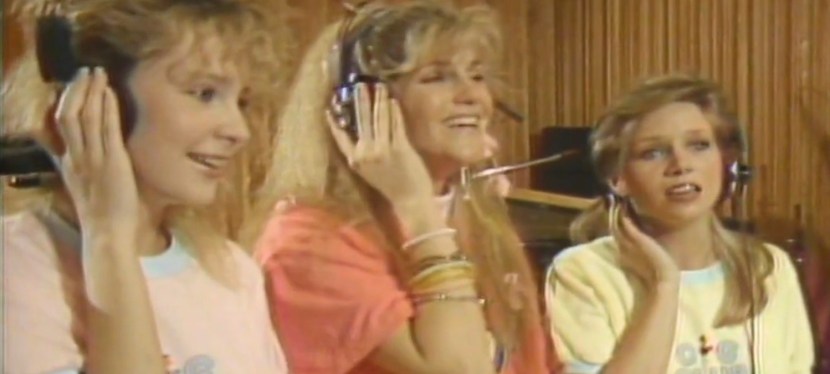
#1Dance Away behind-the-scenes video – Way back in 1994, I saw the Japanese anime feature film Project A-ko (1986) on Laserdisc format (dubbed in Japanese with English subtitles). As I viewed it, I noticed there were three English language songs that played in the background and the one I enjoyed most was the song Dance Away which was performed by Annie Livingstone (with supporting vocals by Samantha Newark and the late Valerie Stevenson). Project A-ko’s behind-the-scenes information revealed the three singers working together on Dance Away which you can watch in the video below. These singers have beautiful voices and were really talented to watch.
#2 AI and automation are taking over grocery stores and drive-thru lanes – In America, inflation spiked so much under the Biden administration which contributed a lot to higher prices of food and the suffering of consumers who need food. That being said, the food industry has invested a lot on artificial intelligence (AI) and automation so that they can lower labors costs and somehow improve sales to keep the businesses alive. In fact, technology is becoming much more integrated in places where people buy food and that also means making orders not in front of a human worker but in front of a computer (example: a touch-screen monitor where you choose what to order). Watch and learn from the video below.
#3 Assorted videos about The Last Starfighter – Released way back in 1984, The Last Starfighter was a memorable movie that carefully blended science fiction concepts, adventure, fine performances and video game elements together. It was also one of the early movies Hollywood made that extensively used computer-generated imagery (CGI) which defied the era’s standard of using practical and optical effects. Now available on 4K Blu-ray format, The Last Starfighter is a popular subject of varied YouTube videos and I selected some for your enjoyment below. However, if you have not seen The Last Starfighter yet, I urge you watch it first before seeing any of the movie reaction videos featuring it. You make the decision.
#4 HolyLandSite’s Capernaum to Bethsaida walking tour video – I love Israel and I will always stand with it. For the newcomers reading this, Israel is where the Holy Land is and it has always been the land that the Lord God designated to the Jewish people. Recently HolyLandSite released another video showcasing a walking tour in the Galilee region specifically from Capernaum to Bethsaida. If you have not read the Holy Bible extensively, Lord Jesus spent a great deal of his ministry in Galilee. I myself had been to the Galilee region and many times during the pilgrimage tour there and in other parts of Israel, I witnessed the Holy Bible come to life on-location. Watch the video below.
#5 More people in Iran coming to Lord Jesus– It is not a fantasy to say that the current regime of Iran (in power since 1979) made their nation a terrorist state. Iran is truly sponsoring terrorist groups in the Middle East and they have Hamas, Hezbollah and other terrorists doing their work to destroy Israel. While the Iranian regime is clearly evil and murderous (note: their leaders declared in their own language death towards America, Israel and England), there are many Iranians who do not follow their government. In fact, there are Iranians who even left Islam behind to come to Jesus whom they accepted as their Lord and savior. Be aware that the Iranian government had harmed their fellow Iranians many times and this includes human rights violations. That being said, the people in Iran who desired Lord Jesus and freedom from their oppressive government need our prayers of support. Watch and learn from the video below.
#6 Rocky II (1978) reaction/review videos – If you have been watching movies for decades and if you have been following the career of Sylvester Stallone, then you would be already aware of the significance of the 1976 film Rocky. Considering its success, Rocky spawned several sequels and a few spin-off movies through the decades. Going back to the late 1970s, Sylvester Stallone came up with the effort to make the sequel Rocky II (1979) which itself became featured in several movie reaction/review videos and retrospectives. Watch the videos I selected for you all below.
Welcome back readers, fellow geeks and electronic gaming fans!
In this edition of the Retro Gaming Ads Blast (RGAB) series, we will take a look at another batch of retro gaming print ads from the 1980s and 1990s. In addition, there will be a few flyers of arcade games.
For the newcomers reading this, Retro Gaming Ads Blast (RGAB) looks back at the many print ads of games (console, arcade, computer and handheld) that were published in comic books, magazines, flyers and newspapers long before smartphones, social media, the worldwide web and streaming became popular. To put things in perspective, people back in the 1980s and 1990s were more trusting of print media for information and images about electronic games and related products.
With those details laid down, here is the newest batch of retro gaming print ads for you to see and enjoy…
1. Contra arcade flyer
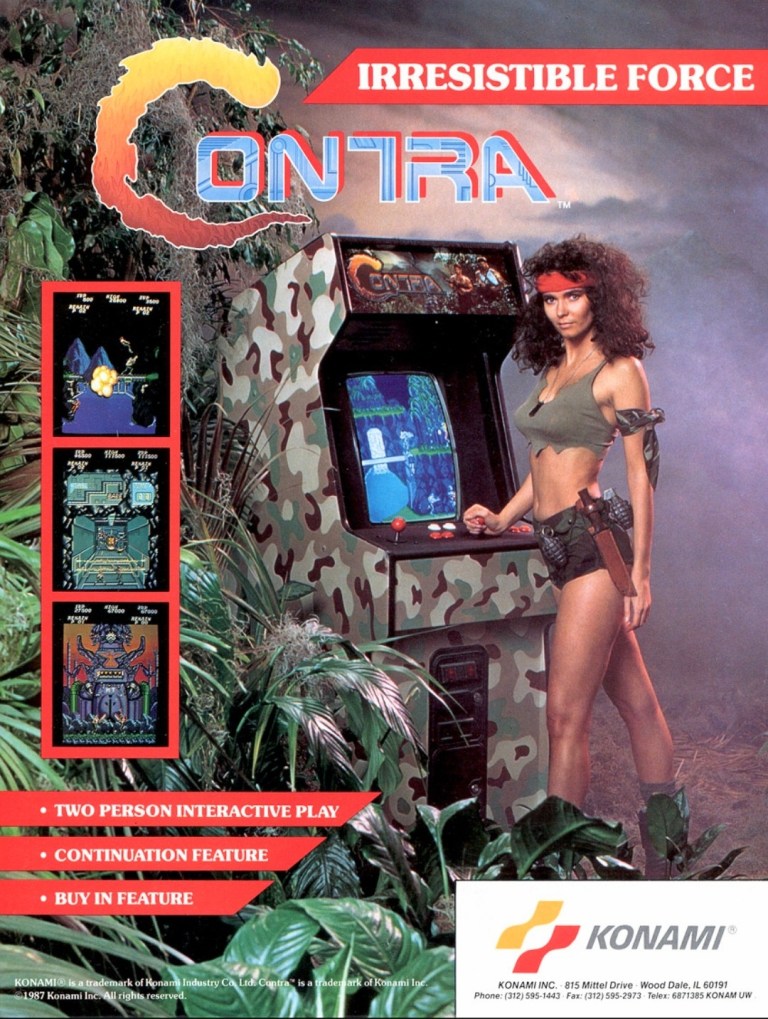
A clever visual concept by Konami towards gamers and arcade operators.
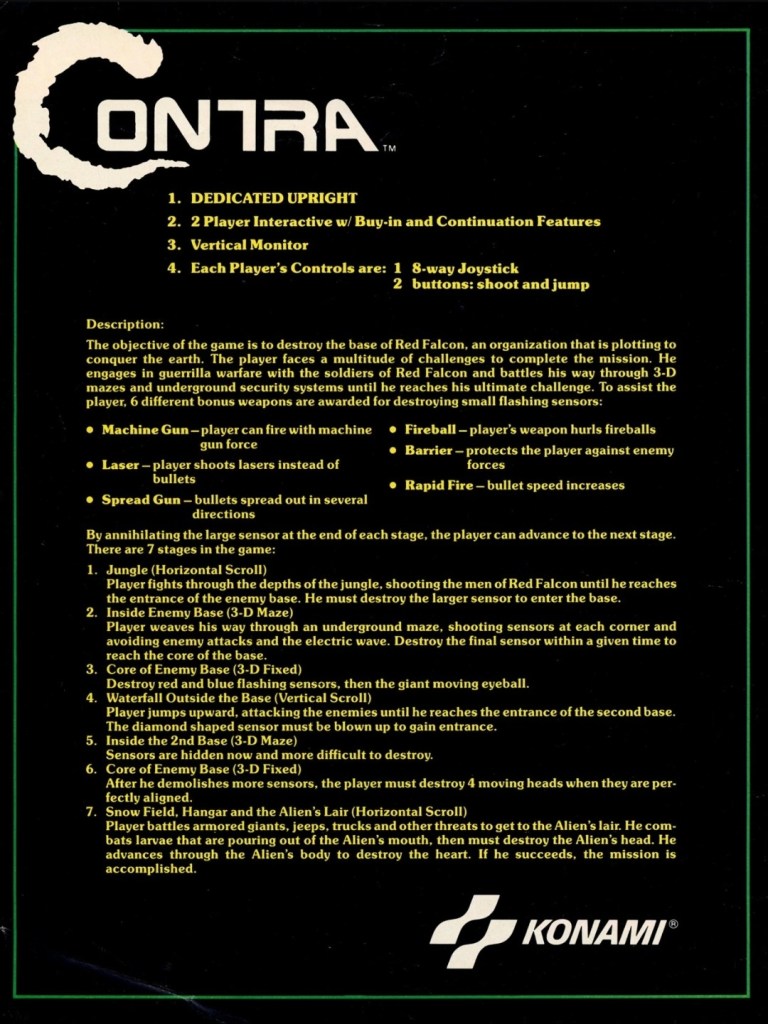
Details on the other side of the flyer.
Before it established itself as a popular gaming franchise with console gamers, Contra truly started in the arcades in 1987. First released in Japan on February 1987, Konami went on to release the game in arcades in the United States a month later and the flyer you see here was the Americanized promotion they came up with. Instead of hiring male actors or models to play soldiers, they hired a slim lady to appear with a female Rambo look standing in front of a Contra arcade machine. On the other side of the flyer are details that players and arcade operators can learn from. By today’s standards, this arcade flyer of Contra is still eye-catching and even amusing to look at.
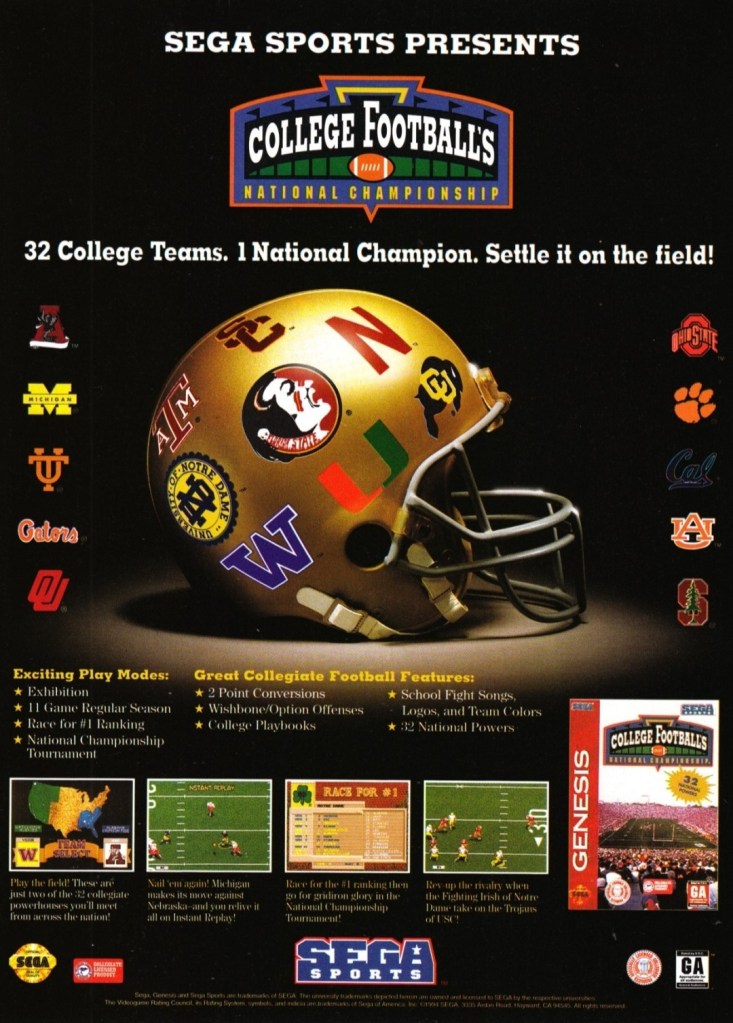
2. College Football’s National Championship print ad
This ad has a strong visual appeal to gamers who like football.
This is another one of those video game ads I saw while reading comic books in the 1990s. College Football’s National Championship was a Sega Genesis-exclusive American football video game published by Sega (with the Sega Sports brand) to capitalize on gamers who want college football to play with at home. This print ad has a nice visual presentation of the college teams’ logos, screenshots and details of what gamers could expect when they buy and play the game. College Football’s National Championship received mostly positive reviews and it must have sold well because Sega went on to release a sequel to this game.
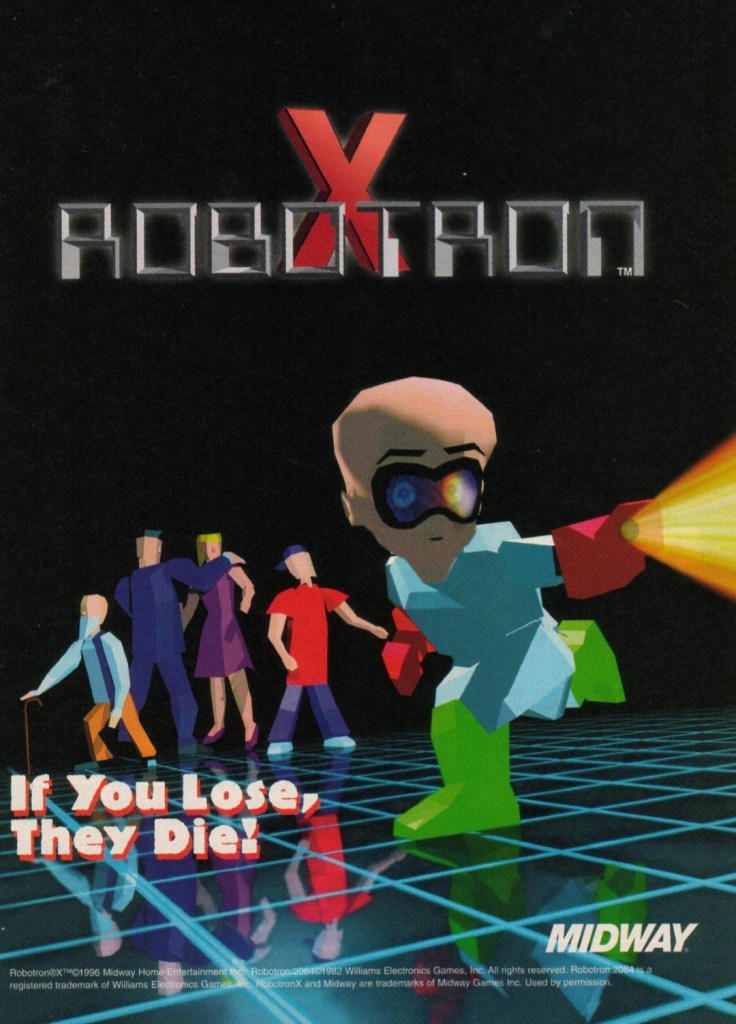
3. Robotron X print ad
This Robotron game was made at a time when 3D polygons became common for making video games.
Having played the classic game Robotron: 2084 on PC back in the 1980s, I was very surprised to see this print ad in 1996 promoting a brand new Robotron game for PlayStation as well as Windows PC. For the newcomers reading this, Robotron: 2084 was a classic which heavily influenced game designers who went on make other fan-favorite games like Smash TV and Llamatron. What makes Robotron X notable apart from being an official follow-up to the classic game was the fact that it was made at a time when game developers did their stuff to modernize gaming with 3D polygons for visuals while trying to come up with gameplay inspired by the classics. While Robotron X did not make a major impact on gaming, the classic Robotron: 2084 went on to be released in several multi-platform compilations such as Williams Arcade’s Greatest Hits, Midway’s Greatest Arcade Hits, and Midway Arcade Treasures.
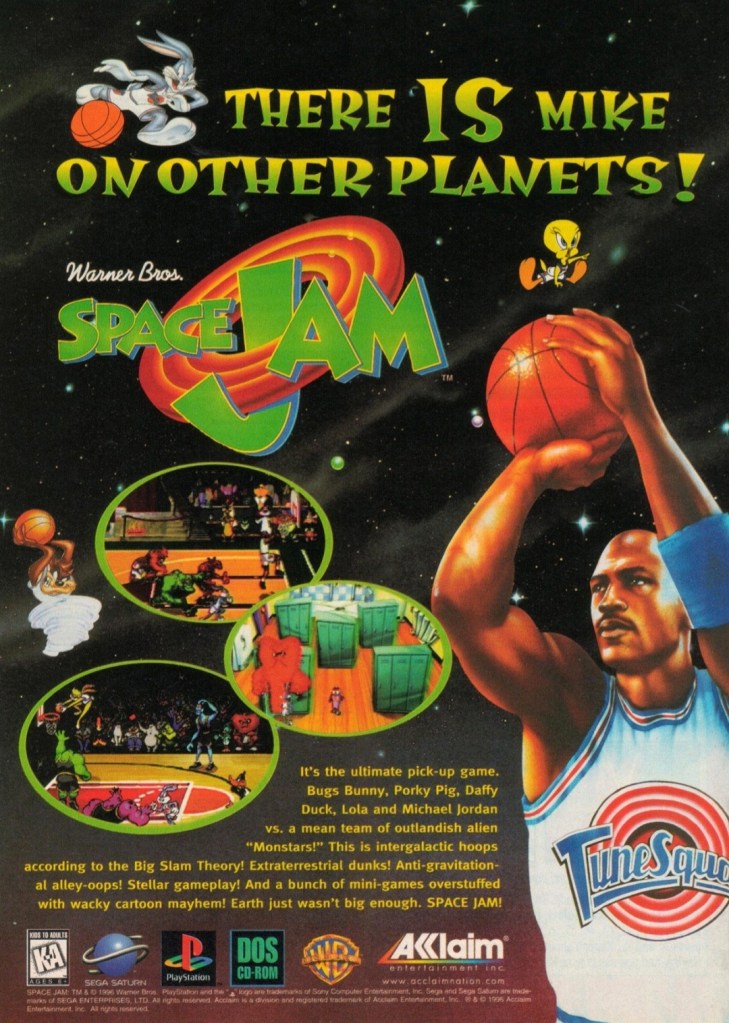
4. Space Jam game print ad
If you saw the movie in 1996, were you able to play this video game adaptation?
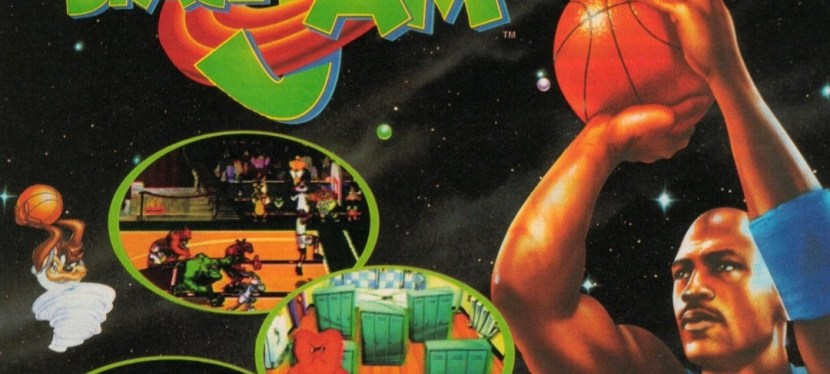
What makes 1996 a memorable year for basketball fans was the Michael Jordan’s return to prominence (having previously retired for less than two years before returning to the NBA in 1995) and leading a very powerful Chicago Bulls team to what was their 4th NBA championship title. In that same year, Jordan starred in the live-action/animated movie Space Jam which grossed an impressive $250 million worldwide. On the same month the movie came out, the Space Jam video game adaptation was also released on PlayStation and Sega Saturn. This print ad was part of the multimedia hype of the movie and the game itself had a very similar design and visuals concept with NBA Jam but ultimately it failed to become a hit with critics and gamers. Not even the combined visual might of Jordan and Warner Bros. characters could achieve success.
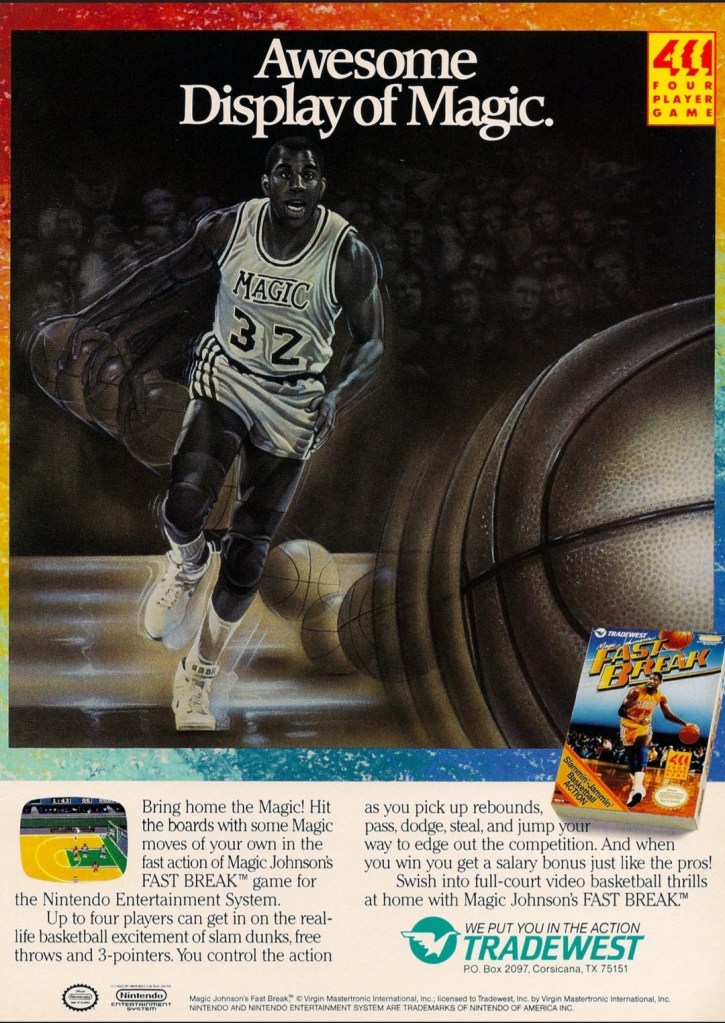
5. Magic Johnson’s Fast Break print ad
Still on basketball video gaming, the side-scrolling Magic Johnson’s Fast Break game was released on the Nintendo Entertainment System (NES) for console gamers to enjoy. Unsurprisingly, this ad had nice black-and-white art work of Magic Johnson as the dominant figure while leaving little space left to show the game box and only one screenshot. The real meat of this print ad are the details laid down in text description.
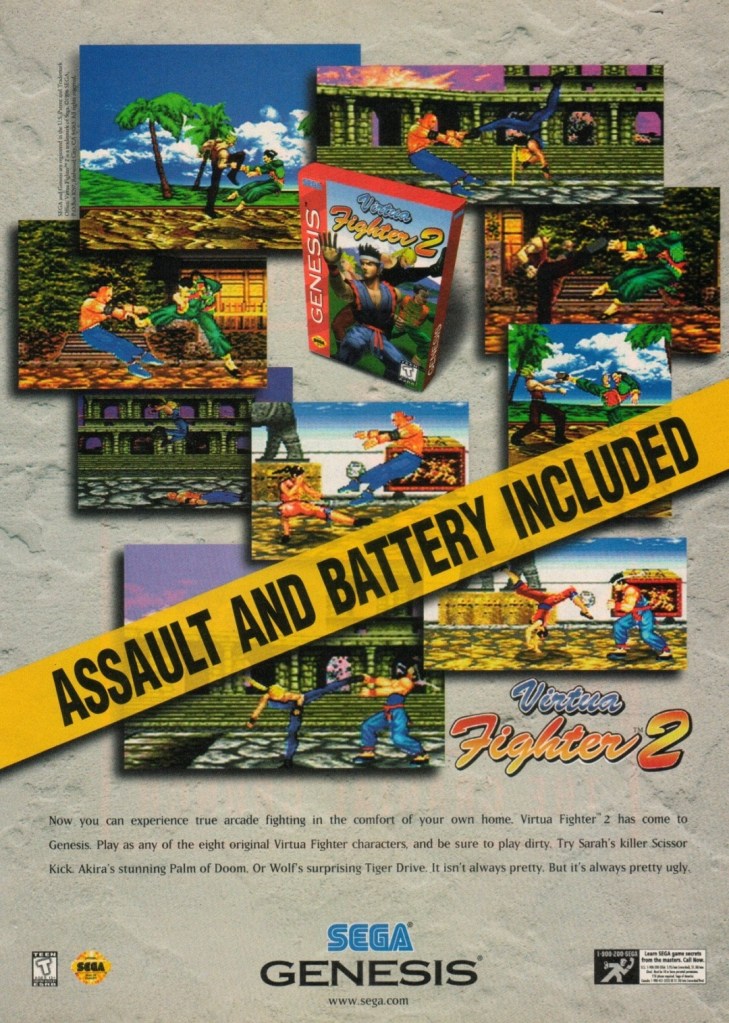
6. Virtua Fighter 2 for Sega Genesis print ad
Clearly a late effort by Sega to sell something to its many Genesis owners/fans in America at a time when PlayStation and Nintendo 64 started dominating 5th console generation sales.
In the history of arcade gaming and fighting games, Virtua Fighter 2 was a worthy follow-up to its groundbreaking predecessor. VF2 also made its way on the Sega Saturn which essentially maintained the great gameplay and 60 frames-per-second animation even though the 3D polygonal graphics were noticeably lower in quality compared to its arcade version. With VF2 in the arcades and on Saturn selling well, I was surprised to see this print ad of Sega releasing a totally different version of the game on the aging Sega Genesis console. Virtua Fighter 2 on Genesis had 2D graphics, sprites for the characters and a side-scrolling visual design. In fairness, the game developers exerted effort to recapture some of the gameplay elements within the Genesis limitations and 2D graphics. This print ad is a reminder of Sega’s American division selling a product to the remaining active Genesis owners.
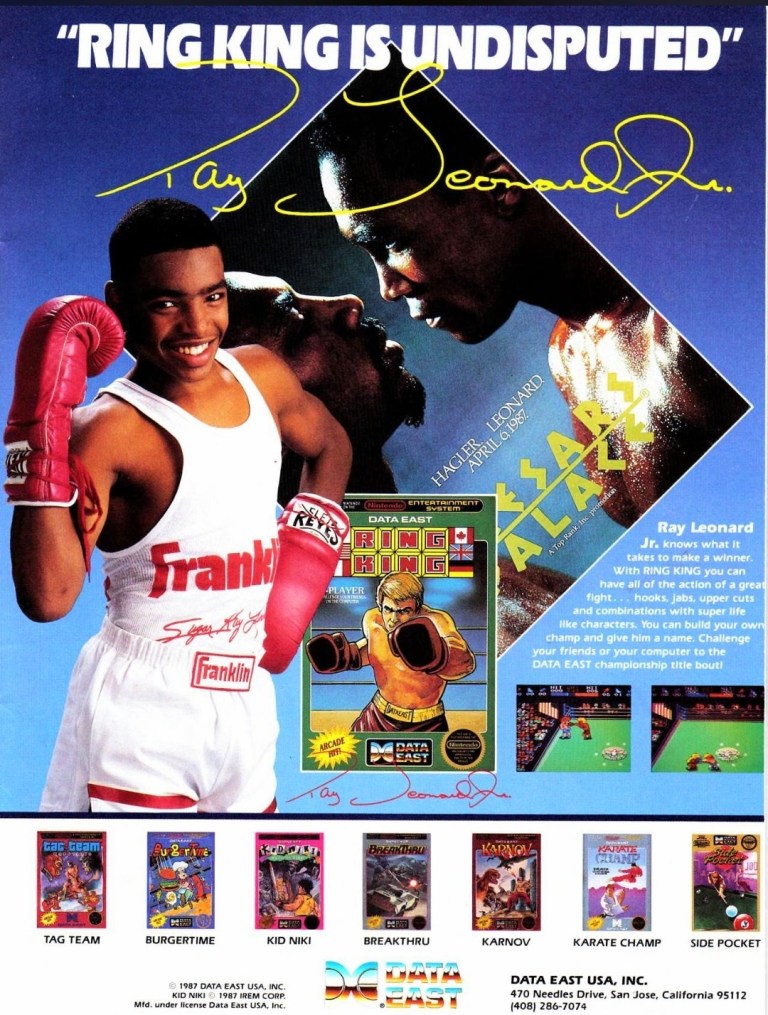
7. Ring King print ad
Ring King itself clearly lacked promotional space in this ad.
In 1987, Data East released their arcade hit game Ring King on the Nintendo Entertainment System (NES) and prepared this print ad involving Ray Leonard, Jr. (on the foreground in boxing gear) and conveniently with the famous Sugar Ray Leonard and Thomas Hearns (with the promo of their first fight together in the background). Also conveniently, the company inserted their other games on the lowest part of the ad. Ultimately, the presence of Ring King itself was minimized only showing the game cover and two screenshots. This is clearly an eye-catching ad but there was not enough emphasis on the game itself.
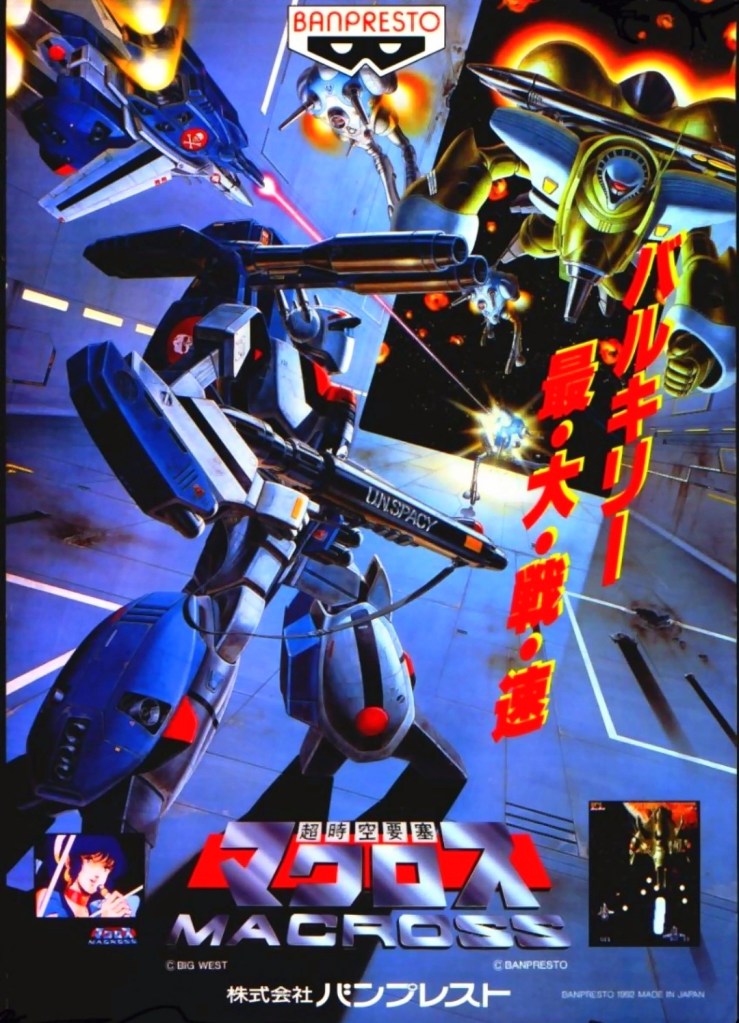
8. Super Spacefortress Macross arcade flyer
The arcade flyer released only in Japan.
Have you ever seen the classic anime movie Macross: Do You Remember Love? I really love watching that movie and I played and finished the video game adaptation on PlayStation in 1999. What I never got to play was the arcade game adaptation of it which was released by Banpresto in Japan in 1992. This flyer promoting the game has a strong visual presentation thanks to the artwork made for it. Only one screenshot was shown as well as a clip from 1984 the animated movie (note: the arcade game itself has some images directly from the film plus some newly created ones added) but this ad still had what it takes to capture the attention of the many Macross fans in Japan. This arcade game was eventually released with an English translation in America and Australia.
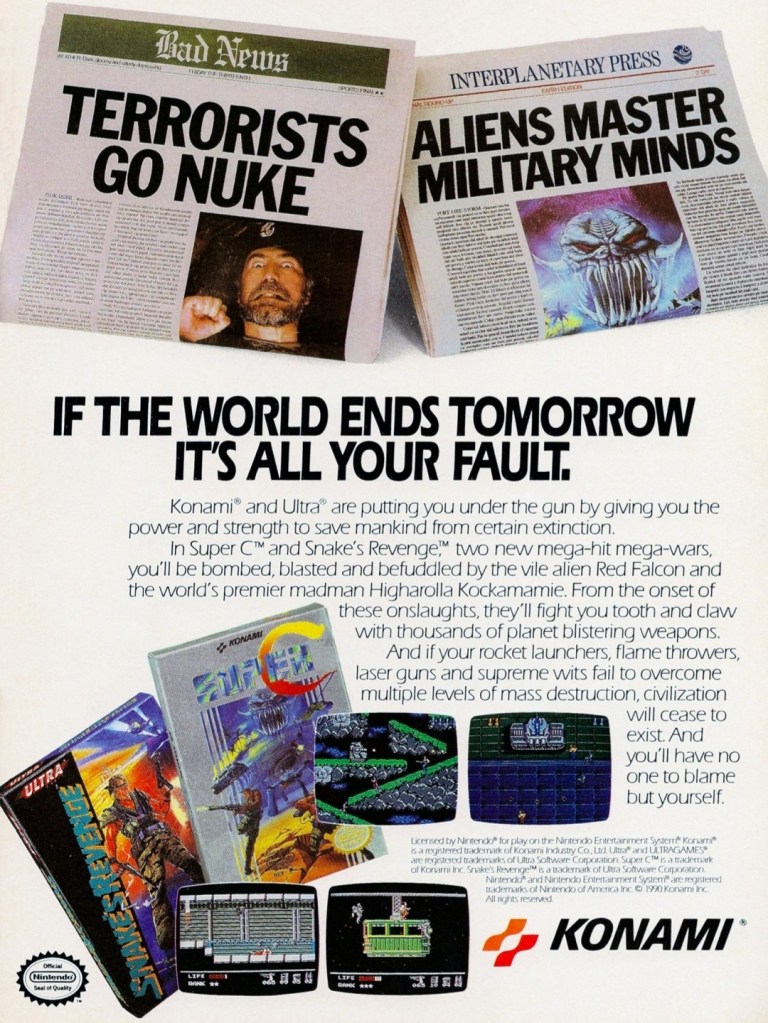
9. 2-in-1 print ad featuring Super C and Snake’s Revenge
A memorable and intriguing print ad from Konami promoting sequels.
This is one of the ads that Konami came up with to promote at least two games using a single-page ad format. I saw this ad in many comic books I read decades ago and its visual concept always caught my attention especially since I played the console game Contra a lot. At the high end of the ad were two fictional newspaper headlines highlighting the respective conflicts of Snake’s Revenge (with a nuclear danger concept) and Super C (with emphasis on alien invaders). These two games were sequels to the classics Metal Gear and Contra, and Konami clearly knew how to take advantage of the older games’ success and do their best to sell the sequels to gamers who love action-packed gaming as well as fantasized armed conflicts. Like the 2-in-1 ad showcasing Contra and Jackal, this was Konami’s aggressive move to sell war-inspired games to the NES userbase which was mostly composed of children and teenagers.
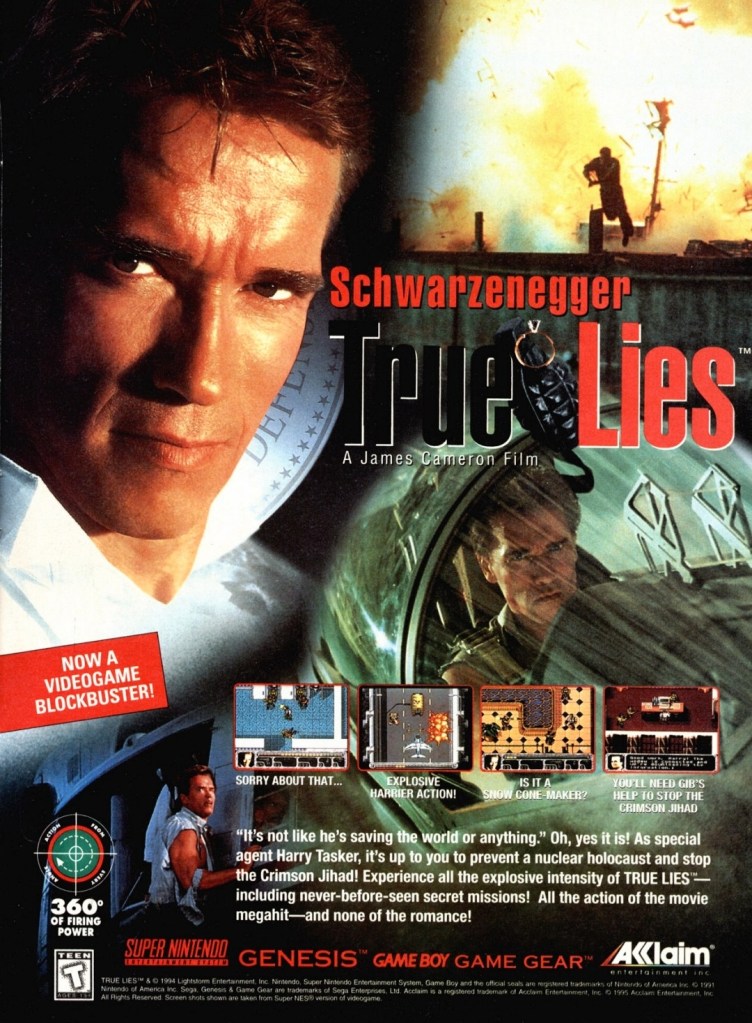
10. True Lies game print ad
There is nothing like taking advantage of the imagery of a Hollywood superstar to promote a video game based on the related movie.
Here is a video game ad I saw in many comic books I read in 1994-1995. True Lies (starring Arnold Schwarzenegger) was one of the big summer season movie hits of 1994 and the video game was part of the business tie-ins with the film. The people who made this print ad made the smart moves of showing not just one but three images of Schwarzenegger to promote the game while leaving some space to show what the game looked like. The True Lies game even had stills from the movie to emphasize the flow of the plot.
Welcome back readers, fellow geeks and electronic gaming fans!
In this edition of the Retro Gaming Ads Blast (RGAB) series, we will take a look at another batch of retro gaming print ads from the 1980s and 1990s. In addition, there will be a few flyers of arcade games as well as promotional posters of a notable console game that was released only in Japan.
For the newcomers reading this, Retro Gaming Ads Blast (RGAB) looks back at the many print ads of games (console, arcade, computer and handheld) that were published in comic books, magazines, flyers and newspapers long before smartphones, social media, the worldwide web and streaming became popular. To put things in perspective, people back in the 1980s and 1990s were more trusting of print media for information and images about electronic games and related products.
With those details laid down, here is the newest batch of retro gaming print ads for you to see and enjoy…
1. M.I.A.: Missing in Action arcade flyer
This is an effective way of catching the attention of both players and arcade operators. I can imagine the woke, the SJWs and rabid feminists getting easily offended by this.
Konami was a very prominent producer of games back in the 1980s. Not only did the company produce high-quality and enjoyable military-themed games on consoles and computers, Konami also made its presence felt in the highly competitive sector of arcade games. In 1989, they released the arcade conversion kit of M.I.A.: Missing in Action and this flyer is the best know promotion of it. M.I.A.: Missing in Action is the follow-up to Konami’s hit game Rush’n Attack.
Visually, the flyer’s display of four screenshots combined with a dominating photographic image of prisoners of war (POWs) getting delightfully released by an attractive female Rambo-type rescuer were designed to catch the attention of young adult and adult gamers. The text descriptions (note: there were more details on the back of the flyer), however, were geared towards arcade operators who were looking for new games to acquire without the hassle of having to buy an entire arcade cabinet. That being said, this flyer was a clever way to appeal to arcade operators and the people who love playing arcade games.
2. Fonz arcade flyer
Simplistic yet effective to look at. If you are an arcade operator, this flyer conveniently has key information displayed.
Believe it or not, Sega was already active in arcade games way back in the 1970s. In this particular flyer, Sega’s arcade game Fonz (also called Moto-Cross, Man T.T.) offered players the unique experience of driving a digital vehicle using actual handlebars on the machine that were meant to create an immersive and realistic feel. If you look closely, the flyer has lots of details written with arcade operators and players in mind.
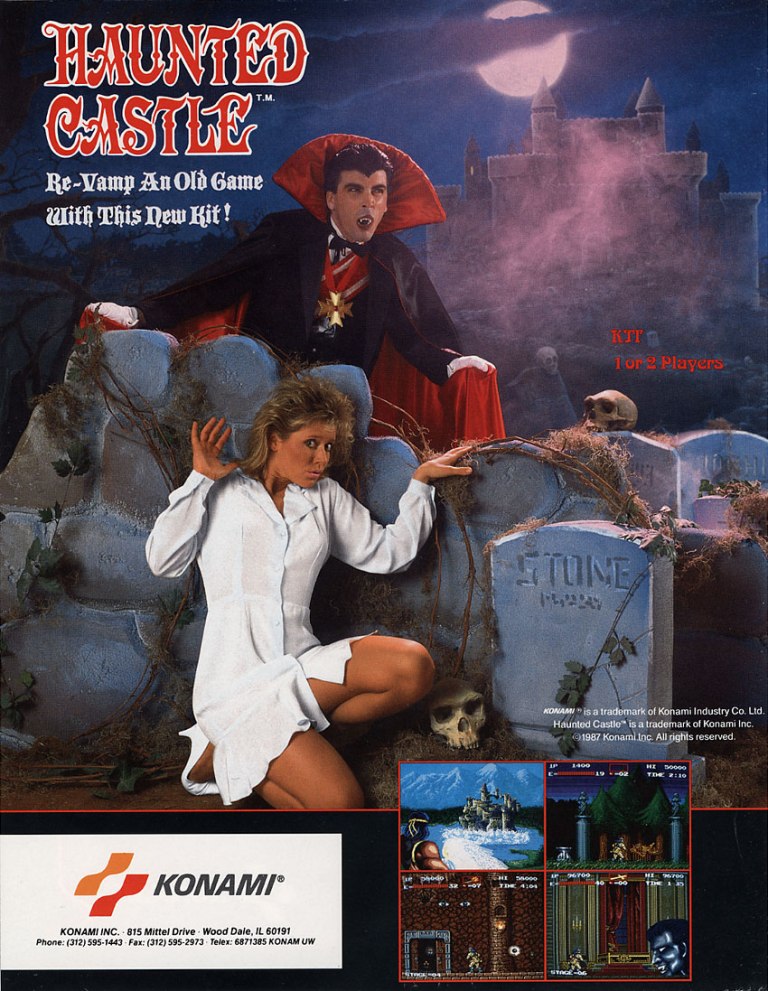
3. Haunted Castle arcade flyer
Indeed, this game is part of the Castlevania game franchise. It was one of the first Castlevania games released for arcades.
Arguably, Konami is best known for the Castlevania game series which covered handheld gaming devices, personal computers, video game consoles and even arcades. Haunted Castle (Japanese title: Akumajō Dracula) is the 2nd arcade game of the Castlevania franchise and it is not a port of any console game. Like the arcade flyer of M.I.A.: Missing in Action, this one was crafted to lure the attention (and money) of arcade operators looking for conversion kits to replace their old games. The visual presentation is eye-catching and even though the Castlevania brand was nowhere to be seen, Castlevania fans could tell this this arcade offering was part of their favorite game franchise.
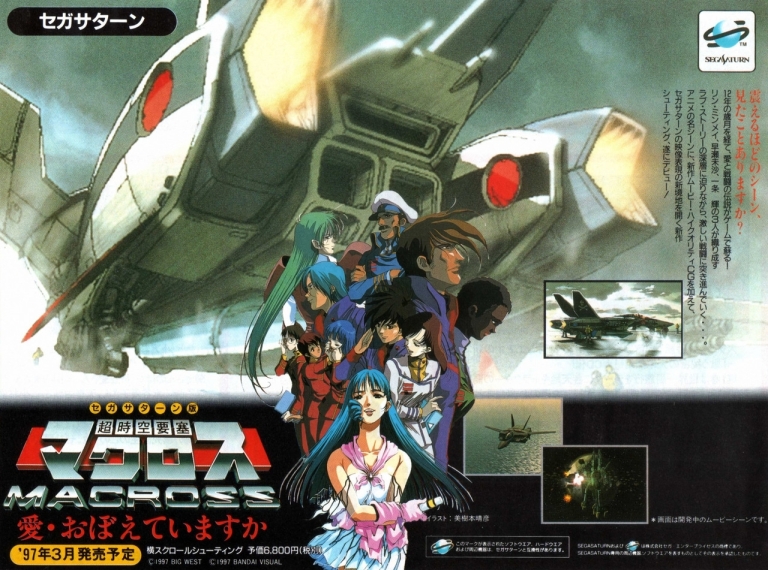
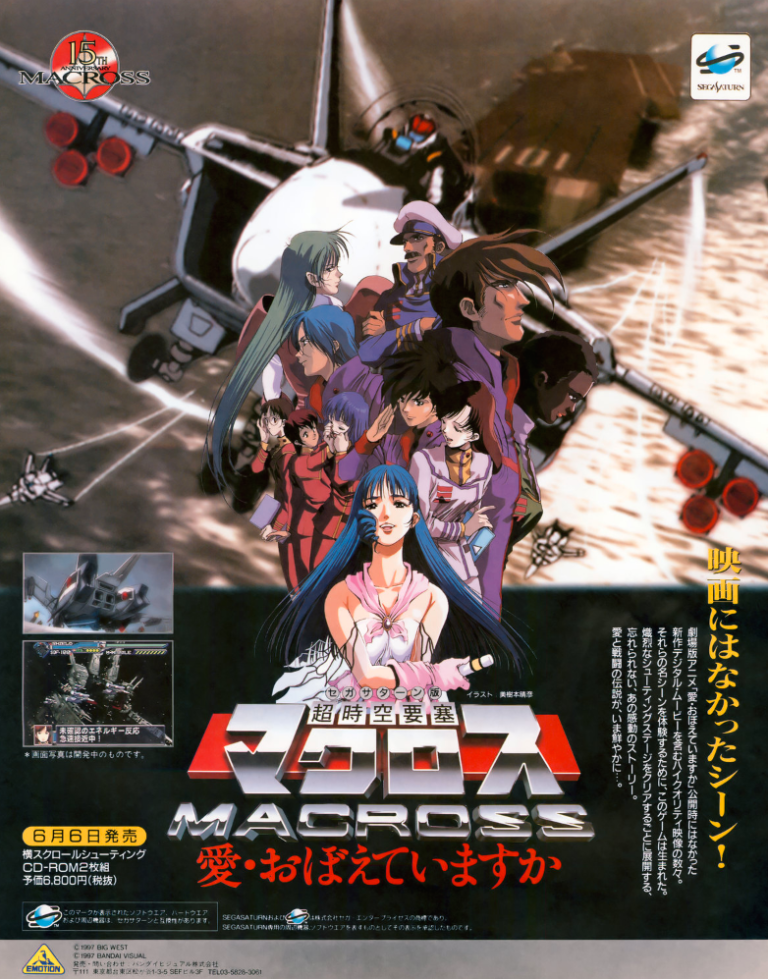
4. The Super Dimension Fortress Macross: Do You Remember Love? flyer and poster
The poster promoting the release of the game for Sega Saturn in Japan.
The flyer promoting the Sega Saturn game’s 1997 release as well as the 15th anniversary of Macross.
In 1997, the 15th anniversary of the Macross multimedia franchise was celebrated in Japan and among the highlights was the release of The Super Dimension Fortress Macross: Do You Remember Love? on the Sega Saturn. To promote the game and the franchise itself, lots of flyers and posters were released in Japan. If you look at the illustrated images on the promotional materials closely, you will realize that they are not from the original 1982-83 Macross anime TV series but rather from the The Super Dimension Fortress Macross: Do You Remember Love? animated movie of 1984 (read my retro movie review by clicking here).
While it might be baffling to some as to why the original anime TV series was not used as the source material for the 15th anniversary celebration through gaming, the 1984 anime feature film was actually more adaptable for a video game project (read my retro review by clicking here). It is so obvious, you just have to ask yourselves this question – how can the game developers compress the entire concepts of the 36-episode Macross anime series into one game while ensuring fun gameplay? Regardless, the game was a lot of fun to play and I enjoyed playing the PlayStation version in 1999.
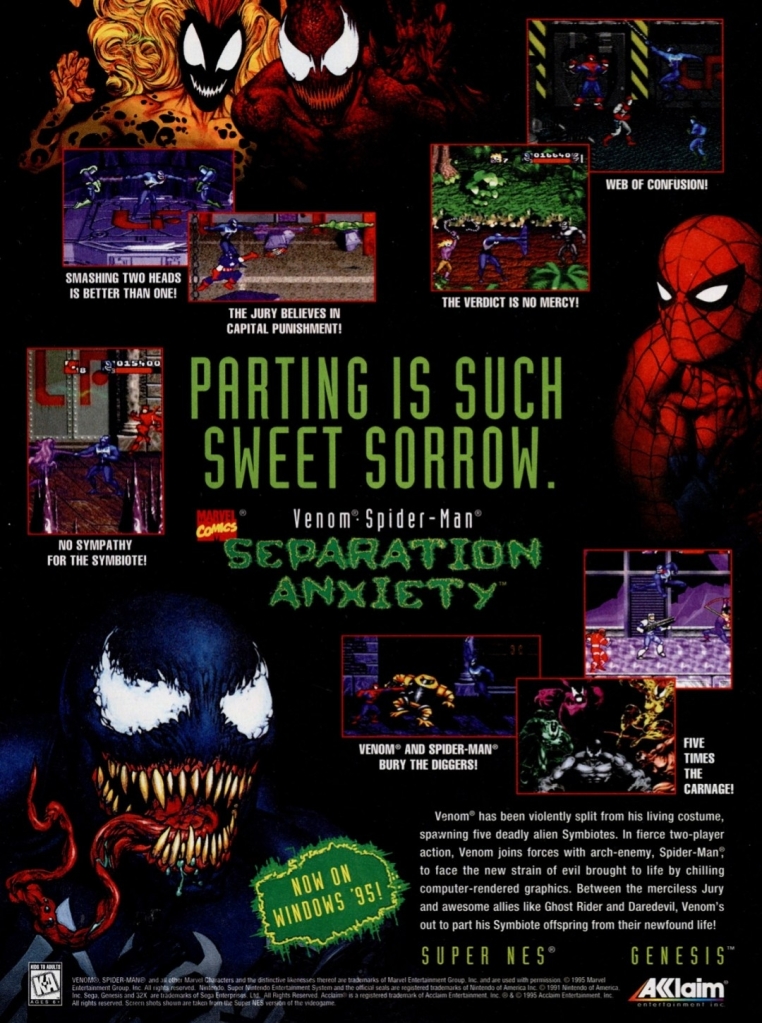
5. Venom/Spider-Man: Separation Anxiety print ad
A clear effort to sell the game to gamers as well as fans of Spider-Man and Venom.
In 1994, Acclaim released Spider-Man and Venom: Maximum Carnage (based on the 1993 comic book storyline Maximum Carnage) on Super Nintendo Entertainment System (SNES) and Sega Genesis ultimately becoming popular with comic book fans and gamers who enjoyed sidescrolling beat-them-up games.
Subsequently, Acclaim and develop Software Creations reunited to release the sequel Venom/Spider-Man: Separation Anxiety a year later on the two leading 16-bit consoles as well as on personal computer (PC). If there is anything notable about this eye-catching print ad, it is the fact that its visual presentation (with graphics on-par with the previous year’s game) cleverly hides the fact that it did not have much new to offer gamers with regards to gameplay and story cutscenes (which the previous game prominently had). Eventually, this game attracted weaker reviews from game critics and has since been forgotten.
6. Tecmo Super Bowl SNES print ad
From the time when Tecmo was still a strong producer of sports video games.
In 1991, Tecmo Super Bowl was released on the aging Nintendo Entertainment System (NES) and because its game design greatly entertained gamers, it became a tremendous commercial success. Not even the very high launch price of $54.99 stopped it from selling a lot.
To keep the commercial success and public interest going, Tecmo announced a new version of the game for the more powerful SNES console with the simple title of Tecmo Super Bowl. If you look closely at the print ad, you will notice that gameplay screenshots were not used at all. Instead, they showed images of the nicely illustrated art works they prepared as eye candy for the game with the intention of making it look cinematic. This is very curious because gameplay itself was the main selling factor of the NES version of Tecmo Super Bowl. I can only guess that Tecmo was not ready to show gameplay images by the time this print ad was made.
7. X-Men 2: Clone Wars print ad
The art used is too alienating for promoting this game.
During the age of the 16-bit consoles, there was a variety of X-Men video games released and produced by different companies. In 1993, an X-Men game published by Sega was released exclusively on the Genesis console which turned out to be fun for gamers and received mostly positive reviews from the critics. Sega went on to publish the sequel X-Men 2: Clone Wars and this print ad caught my attention because of how exaggerated the characters looked. It’s so strange, it’s as if the artist took visual reference from a somewhat blocky 3D polygonal portrait then tried to make them look hand-drawn. I wonder if anyone from Sega regretted this.
Welcome back readers, fellow geeks and retro gaming fans!
In this edition of the Retro Gaming Ads Blast (RGAB) series, we will examine print ads from the 1990s that caught my attention and I will explain why they are worth look back at. In retrospect, the 1990s was a decade of serious changes in the world of electronic gaming as the industry saw the shift of graphics from 2D sprites and flat backgrounds to 3D polygons, the shift from cartridges to CDs for software distribution, and more.
For the newcomers reading this, Retro Gaming Ads Blast (RGAB) looks back at the many print ads of games (console, arcade, computer and handheld) that were published in comic books, magazines, flyers and newspapers long before smartphones, social media, the worldwide web and streaming became popular. To put things in perspective, people back in the 1980s and 1990s were more trusting of print media for game details and images.
With those details laid down, here is the newest batch of retro gaming print ads for you to see and enjoy…
1. Castlevania: Bloodlines print ad
Creepy looking but not horrific. The simplistic approach turned out to be effective on making Sega Genesis gamers excited for this Castlevania release.
During the early stage of the so-called 16-bit console wars, Konami’s Castelvania series made the huge next-generation leap with Super Castlevania IV on the Super Nintendo Entertainment System (SNES) which gave gamers loads of fun challenges along with technological improvements that added to the gameplay. Being a prolific multiplatform game maker, Konami knew it could not abandon its fans who own the 16-bit console of Sega and this led them to making a unique Castlevania experience with the Sega Genesis in mind – Castlevania: Bloodlines.
The above print ad of Castlevania: Bloodlines was very eye-catching as it showed a photographic presentation of the grave of the Belmont family (note: Simon Belmont is arguably the most known hero of the series) backed with a detailed text description as well as screenshots that showed exactly what Castlevania fans expected with gameplay and presentation. While the visual style of the ad had a subtle approach to horror, it succeeded in informing the public that another fun-filled Castlevania experience was coming. The game went on to be a hit among gamers and critics.
2. The Granstream Saga print ad
THQ really tried hard to sell The Granstream Saga in North America at a time when a lot more Japanese RPGs started coming into the market.
Back in the late 1990s, there was a slew of Japanese role-playing games (JRPGs) that got released on the PlayStation console in North America arguably because of the massive sales success of Final Fantasy VII in 1997. In 1998, THQ (note: then a newcomer in video gaming) made the daring move to release The Granstream Saga in North America and it was part of the company’s plan of releasing more RPGs. With regards to the 1998 print ad, THQ marketing team wisely emphasized the fact that the game launched at #1 in Japan (published by Sony) although, strangely, the rest of the short descriptive text did not emphasize the fact that the game was one of the first fully polygonal RPGs ever released. The ad had one image of an animated cut scene while there were two gameplay images. When I first saw the print ad, I became interested with The Granstream Saga as I was fond of both RPGs and anime. I never got to play it due to a lack of time and money back then.
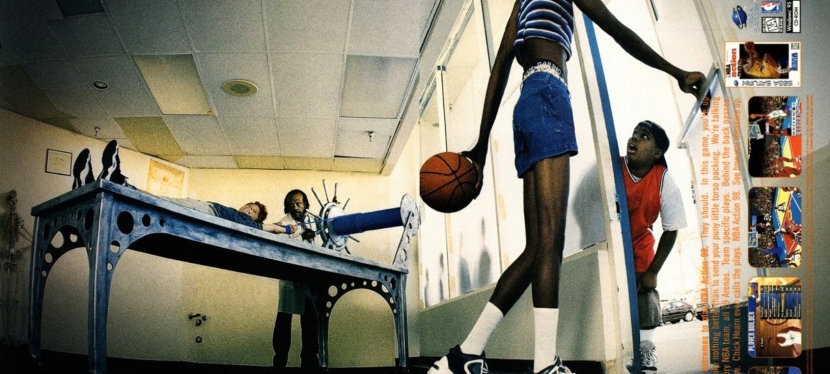
3. NBA Action 98 print ad
Do you find this print ad funny or disturbing or both?
The first time I saw Sega’s print ad of NBA Action 98 (a polygonal NBA basketball video game for the Sega Saturn), it caught my attention quickly mainly because of the concept of the imagery showing a really tall guy leaving the place after getting stretched to be tall (as emphasized by an adult operating a machine to stretch another kid’s body to get taller) as a kid from outside looks on. While it looked hilarious at first, the photographic imagery also had an unintentional dark tone as the adult operating the machine looked like he was torturing the kid. This print ad was really eye-catching in a rather disturbing fashion to me, so much so I did not have any interest left to check out the advertised game. The small size of the screenshots and the hard-to-read descriptive text did not help at all. In my view, this was a marketing misfire by Sega.
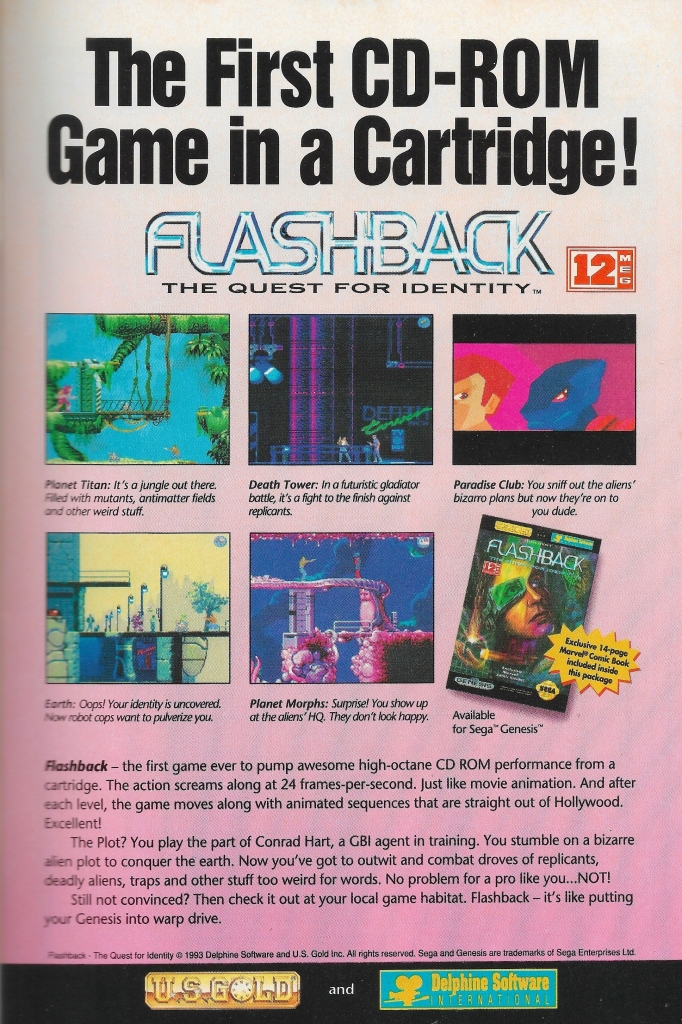
4. Flashback: The Quest for Identity print ad
This was indeed an eye-catching print ad.
Back in the 1990s, the CD-ROM was cutting edge technology in the world of computing and CDs (compact discs) helped game companies have their game content as well as multimedia files (example: full motion videos or animated scenes) released together conveniently. In the middle of the decade, a version of the game Flashback: The Quest for Identity (note: a game with computer-generated animation scenes previously released on PC) was released in cartridge format for the Sega Genesis as well as the Super Nintendo Entertainment System (SNES). This was a big deal back in the days of the so-called 16-bit console war and the above print ad clearly emphasized it with the description “The First CD-ROM Game in a Cartridge!” The advertisers also assured consumers that the in-game 24 frames-per-second frame rate, the Hollywood-inspired high-quality visuals and related gameplay elements were intact for consoles. When I saw this particular ad, I became convinced to buy the game for my SNES (read my retro review by clicking here). To see how Flashback looks like on Sega Genesis, watch this.
5. Albert Odyssey: Legend of Eldean print ad
To make things clear, Albert Odyssey: Legend of Eldean is not based on any anime property. It was the 3rd game of its series and the first and only one to be released in English.
There is no denying the fact that Working Designs (closed since 2005) contributed a lot to console gaming by localizing and releasing several Japanese role-playing games (JRPGs) in America at a time when such games were not yet popular. Apart from the Lunar RPGs and Dragon Force, the company brought Albert Odyssey: Legend of Eldean to the Sega Saturn console in America and they had a very eye-catching print ad promoting it. Like their ads for Lunar RPGs, the Albert Odyssey: Legend of Eldean print ad had a dominating anime-style artwork that highlighted the fantasy concept and characters, plus screenshots and in-game animated (note: not anime but detailed pixel artworks) sequences that were meant to attract RPG enthusiasts and gamers looking for the next-generation console gaming experiences. It should be noted that Albert Odyssey: Legend of Eldean was actually the 3rd game of its franchise that started in Japan, and it was the first and only Albert Odyssey game to ever be released in English. To this day, Albert Odyssey: Legend of Eldean still has not been re-released nor remastered for other consoles and original Sega Saturn copies of the game are very expensive to acquire. That being said, this particular print ad is a lively reminder of Albert Odyssey’s only Western release.
6. Resident Evil 3: Nemesis print ad
Capcom efficiently showed the new monster Nemesis, screenshots of the game and the return of Jill Valentine in this 1999 print ad.
After the release of the best-selling and acclaimed Resident Evil 2, Capcom approved the production of several Resident Evil projects that include sequels and spin-offs. Along the way, Sony announced in 1999 that the PlayStation 2 console will come out in 2000 and this had an impact on Capcom’s RE projects as many of them were being developed for the aging PlayStation (PS1) console. Before the PS2 announcement, Capcom had a PS1 RE game project with its story set on a cruise ship. That project was abandoned following the PS2 announcement and because Capcom did not want to leave its fans to wait too long for another Resident Evil adventure on PS1, they reviewed their list of proposed spin-off games and went ahead making Resident Evil 3: Nemesis (Japanese title: Biohazard 3: Last Escape) for a late 1999 release while the PS1 console was still in good demand.
In the above 1999 print ad, Resident Evil 3: Nemesis was shown with 3 screenshots assuring RE fans that the game has the tried-and-tested design of polygonal characters/monsters moving within pre-rendered environments, the action, the horror and adventure elements of the previous games. More notably, the new monster Nemesis had the biggest image and he rightfully became the main antagonist until the very end.
Lastly, the RE3 print ad featured the return of Jill Valentine (one of the protagonists of the first Resident Evil) and this time she had a clear sexualized look wearing a tube top and a mini-skirt. As I mentioned in my RE3 retro game review, I believe that the sexualized look of Jill was done by the game developers who were most likely influenced by the sexy appeal and iconography of the character Lara Croft from the Tomb Raider series of games. Like Lara Croft, Jill is sexy and capable of fighting with guns and other weapons. Whatever the intention of Capcom and the development behind the game, the print ad (which even had wrongful details about the timing of the story) clearly worked on getting RE fans and gamers’ attention as Resident Evil 3: Nemesis sold more than 3 million copies on PS1.
Welcome back readers, fellow geeks and electronic gaming fans!
In this edition of the Retro Gaming Ads Blast (RGAB) series, we will examine print ads from the 1980s and 1990s that caught my attention and I will explain why these are worth look back at.
For the newcomers reading this, Retro Gaming Ads Blast (RGAB) looks back at the many print ads of games (console, arcade, computer and handheld) that were published in comic books, magazines, flyers and newspapers long before smartphones, social media, the worldwide web and streaming became popular. Back in the old days, many gamers trusted the print media a lot for information and images about games.
With those details laid down, here is the latest batch of retro gaming print ads for you to see and enjoy…
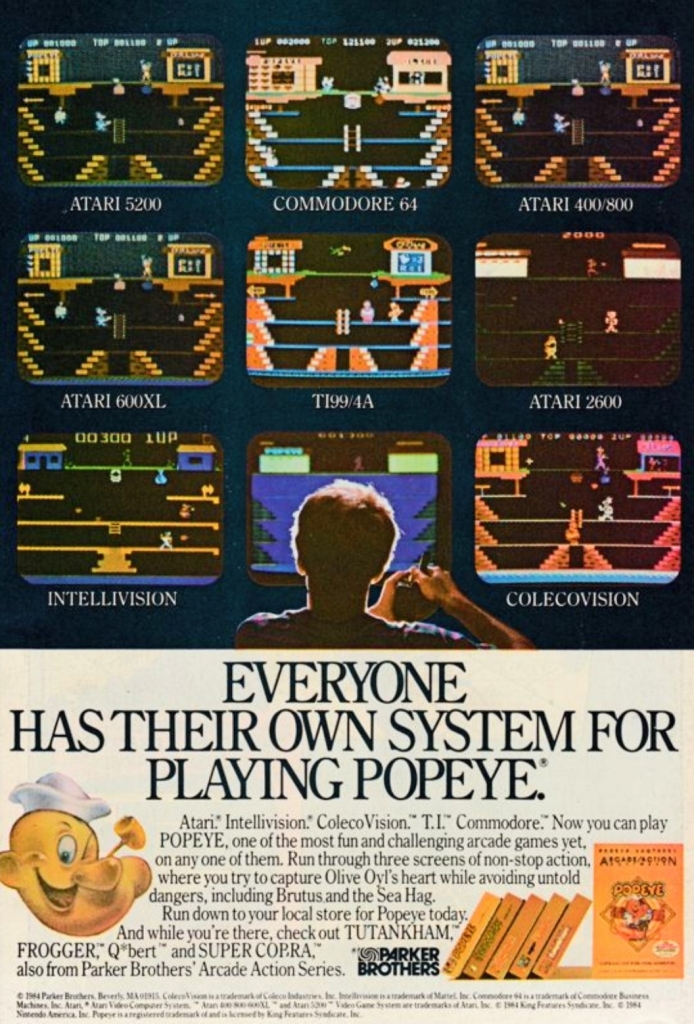
1. Popeye multiplatform print ad
A fine example of promoting the Popeye video game on multiple platforms visually.
During the early 1980s, an arcade game based on Popeye was released and it became a hit with gamers who lined up and inserted coins to play. That game, which had three stages, was eventually ported by Parker Brothers to multiple platforms of Atari, ColecoVision, Intellivision, T.I. and Commodore.
The print ad you see above is a classic display of how one particular game appeared as a multiplatform release. The screenshots showed different versions of the Popeye game on multiple Atari platforms plus the others. See how different the game looks on each platform? The level of visual details and elements varied from one another as each machine had different specs that Parker Brothers had to adjust to. This is a fine example of promoting one game for different machines for those who love video games.
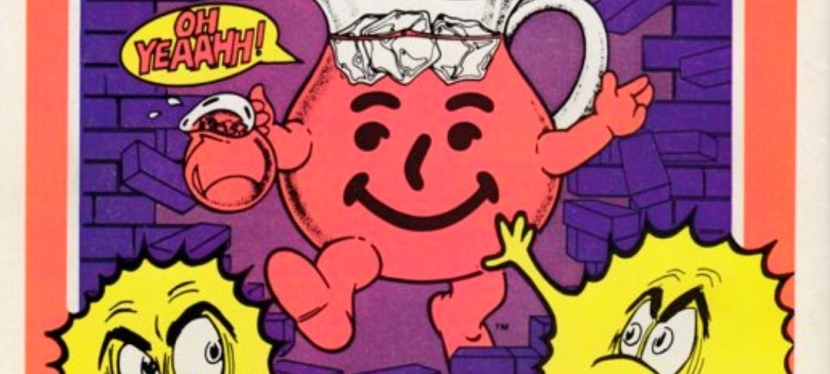
2. Kool-Aid Man Video Game print ad
I never got to play this Kool-Aid Man video game.
Remember Kool-Aid? For the newcomers reading this, Kool-Aid was a very popular product line of flavored juice drinks sold in powdered form. I myself used to mix Kool-Aid with ice-cold water and enjoyed drinking it. In 1954, a promotion of Kool-Aid with a touch of entertainment happened by highlighting the character Kool-Aid Man (famously known as the walking and talking pitcher filled with Kool-Aid juice). In later years, the Kool-Aid Man was often shown breaking through walls saying the line “Oh yeah!”.
The Kool-Aid Man gained tremendous attention as a pop culture figure in the 1980s when a new series of advertisements and promotions happened branching into video games and even comic books. The above print ad was a clever move to promote Kool-Aid as a drink as well as a video game for the Intellivision and the Atari 2600 consoles. Even if you were not too fond of video games in the 1980s, the Kool-Aid game ad would still make you think about the drink. Clever and entertaining!
3. Zombies Ate My Neighbors game print ad
I saw the 2-page ad many times in comic books and video game magazines.
Going into the 1990s, Konami’s print ad of the video game Zombies Ate My Neighbors (for Super Nintendo Entertainment System and Sega Genesis) appeared a lot in the comic books I read when I was much younger. Having seen lots of horror movies – including zombie flicks – the ad easily caught my attention not because of the screenshots but because of the visual style used. For one thing, there was this 1950s America-inspired imagery on the photo of the scared woman with three zombies slowly approaching her. As for the game itself, there were plenty of small-sized screenshots that had lots of interesting details and pixel art (note: 3D polygons in video games were not yet common back then) which gave me a clear idea that it was a humor and horror-laced 2D adventure. Not only that, the text descriptions combined with the fake quotes added zest into the presentation. After having examined all the details carefully, I really felt like Zombies Ate My Neighbors would be a fun-filled game to play on the SNES.
4. Lunar: The Silver Star print ad
With anime artwork used, it was easy to have the impression that the original Lunar game was based on an existing anime series or movie.
In the early 1990s, Game Arts developed and released the Japanese role-playing game (JRPG) Lunar: The Silver Star on the Mega CD platform in Japan which in some ways was also a technological breakthrough – the game came with full motion video (for short videos), animated images, and CD-quality sound (that really made the soundtrack lively to listen to). After achieving critical and commercial success in Japan, the game was picked-up by Working Designs to be localized and released in the North American market for the Sega CD (the American counterpart of the Mega CD) platform. In promoting the game for American Sega CD owners as well as American gamers in general, a print ad highlighting anime images with five screenshots and only a few words was published on both comic books and magazines.
Even though Lunar: The Silver Star’s core concept was never described in the ad, the anime imagery was still eye-catching and the chosen screenshots gave viewers a preview of the gameplay and the animated images. That being said, it was no surprise that gamers who happened to be a bit interested in anime noticed the print ad. At the same time, the ad gave some gamers the impression that Lunar was a game based on an existing anime franchise. This approach on game advertising was daring and it happened at a time when Japanese RPGs had a limited audience among gamers in North America.
5. Lunar: Silver Star Story Complete print ad
In the 2nd half of the 1990s, a remake of Lunar: The Silver Star was released in Japan titled Lunar: Silver Star Story for Sega Saturn (1996), Sony PlayStation (1998) and Windows PC (1998). While it still maintained the 2D visuals for presentation, gameplay and exploration, the remake had smooth anime sequences, new artworks, better sound effects and music. Working Designs pounced on the opportunity to localize the game in America for PlayStation and released it in 1999 with the title Lunar: Silver Star Story Complete. Not only did Working Designs work hard on localizing the game (the English dubbing and singing of the game’s songs were meticulously done), they released it with a very lavish packaging with the dedicated fans and collectors in mind.
By looking at the above print ad that magazines published, Working Designs highlighted the positive feedback quotes from EGM, Gamers’ Republic, PSM and Official U.S. PlayStation Magazine to convince gamers Lunar: Silver Star Story Complete is a great game. While the screenshots showed what kind of eye candy gamers could expect, Working Designs made sure that they would know that the lavish package includes 4 discs (2 game discs, 1 music CD and 1 CD that had video documentary of the making of Lunar), a full-color map in the form of a cloth, and a hardbound art book and instruction manual.
Considering the dynamism of the Lunar: Silver Star Story Complete print ad and the game’s packaging, I can only speculate that Working Designs had to do it aggressively because the gaming landscape changed dramatically as 3D polygonal graphics became the standard while lots of other Japanese RPGs from different publishers were released in 1999 (including the sequels Suikoden II and Final Fantasy VIII) and many of them had more elaborate game designs and visual presentations. Eventually market forces and unfortunate business events led Working Designs to closing down permanently in 2005.
6. Star Wars: Jedi Arena print ad
Remember when Luke Skywalker tested his lightsaber skills with the floating Seeker in the 1977 movie?
Back in the early 1980s, Parker Brothers was very active releasing games on the Atari 2600 console which my family had. At that same time, Star Wars was very popular (and without the wokeness and identity politics garbage of Kathleen Kennedy and woke Disney) and any new game based on the sci-fi franchise was something to be excited for. In the above print ad of Star Wars: Jedi Arena, an artwork showing the iconic her Luke Skywalker testing his lightsaber skills with the floating Seeker ball was displayed and located between Luke’s legs is a monitor showing the screenshot of the game. Looking at the text description, Parker Brothers creatively focused on the aspect of the Jedi way of using the lightsaber interacting with the Seeker ball. Having played the game myself, I can say the ad was creative and pretty much captured the core concept of the game.
Have you been searching for something fun or interesting to watch on YouTube? Do you feel bored right now and you crave for something to see on the world’s most popular online video destination?
I recommend you check out the following topics and the related videos I found.
#1Debunking the lies of the Palestinians and the Satanic Left – Israel has been all over the news for over a month now as the Palestinian terrorist group Hamas attacked them on October 7, 2023, and committed acts of murder, kidnapping and torture of many innocent people (including foreign nationals). Israel responded by going into war with Hamas and already they have several soldiers operating inside the Gaza strip searching for the terrorists while trying to rescue the hostages.
Around the world, anti-Semitism has intensified as a lot of public rallies or protests events supporting the Palestinians and condemning Israel continues to happen. Unsurprisingly, the Satanic Leftist elements in governments, mainstream news media outlets and social media all organized a major misinformation campaign highlighting the Palestinians as victims while portraying Israel as the antagonists. Collectively these Communists, socialists, Marxists, liberal, diversity advocates and other anti-Semitic elements have been spreading lies repeatedly to attack Israel while lifting up the Palestinians.
Fortunately, YouTuber Oren who handles the channel travelingisrael.com published in-depth videos that debunked the Arab-Palestine-Hamas-Leftist propaganda complete with details and facts that the liars did not even bother to check. I stand with Israel and the Holy Bible confirms that Israel is the land that God designated to the Jewish people (read Genesis 12:1-3 and Genesis 35:10-12), not the Arabs and certainly not the Palestinians. There really never was an ancient Palestine and the Palestinian identity as a people did not even exist before the 20th century (not even during the time when the Ottoman Empire had authority over the land of Israel). That being said, I strongly recommend you watch the videos below and pay close attention to the details…
#2 Trustworthy look at Israel – Still on Israel, I want to tell you all that you cannot trust the mainstream news media outlets as they have an anti-Israel and anti-Semitic agenda in connection with their Leftist worldviews. You cannot trust CNN, MSNBC, The New York Times, BBC, Vox and others as they are laser-focused on smearing Israel and putting the lives of Jewish people in danger. Those abusers of media and information are spreading lies and hate! If you want a clearer and more credible look at Israel and the developments that happened, I recommend you follow CBN News (the news program of the Christian Broadcasting Network) and TBN Israel. Posted below are some of their YouTube videos for you to see…
#3 Macross nostalgia videos – And new we shift into the world of entertainment. When it comes to the world of anime, Macross is my favorite franchise. To be more specific, the Super Dimension Fortress Macross TV series, Macross: Do You Remember Love? (read my retro movie review by clicking here), Macross Plus and Macross Zero are the ones I enjoyed replaying and there were some video game adaptations released along the way (read my retro game review by clicking here). If you share my Macross passion or if you are simply interested with anime and related video games, I recommend you watch the videos below…
#4 Cloak & Dagger (1984) nostalgia – A few months ago, I published my retro review of the 1984 movie Cloak & Dagger which remains a very unique film by today’s standards. For one thing, the film was the 4th cinematic adaptation of the short story “The Boy Cried Murder” written by Cornell Woolrich. It also had Henry Thomas (the same kid in Steven Spielberg’s E.T.: The Extra-Terrestrial) as the protagonist, a plot filled with strong elements of espionage, a video game as a key item in the story, and most notably, a very intense tone complete with shooting and killings. Cloak & Dagger, which is now available on 4K Blu-ray format, is the kind of movie that Hollywood does not make anymore. Of course, I do understand that Hollywood has so many Commies and SJWs (social justice warriors) among its screenwriters, actors and directors who could not understand Cloak & Dagger. To learn about the 1984 movie, watch the videos below…
#5Friday The 13th Part 3 reaction and retro review videos – Some time ago I declared in my retro review that Friday The 13th Part 3 is the 2nd best film of its franchise (note: Friday The 13th: The Final Chapter is still #1). Sure, it was flawed and the filmmakers struggled to make the movie as they intended to film it with 3D cinema viewing in mind, but the way things turned out it marked a crucial turning point in Friday The 13th’s general formula on storytelling and the presentation with Jason Voorhees as the enduring antagonist. This is the very movie when Jason first got his hockey mask and the actor’s muscular build gave him a more intimidating look than in Part 2. That being said, it is no surprise that the 1982 movie became the subject of multiple movie reaction videos and retro reviews on YouTube and you can watch some of them (plus one trivia video by Minty Comedic Arts) below…
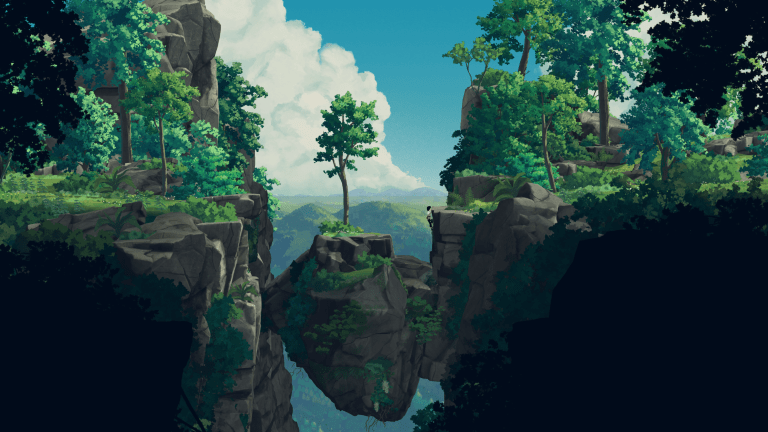
Planet of Lana, the newest game from Wishfully Studios and Thunderful Games, is now available for gamers to enjoy on Xbox Series X, Xbox Series S, Xbox One, Windows PC and on the Xbox Game Pass (XGP) service! As of this writing, the game has been praise from video game critics (click here, here, here, here and here) and I myself just started playing it on my Xbox Series X console and already I am having fun.
Appearing on over 40 “most anticipated” lists, including from the likes of IGN, Gamespot, Eurogamer, Polygon, Kotaku, Rock Paper Shotgun, Time and Game Informer, Planet of Lana is one of the most anticipated indie titles of recent years, drawing attention for its stunning art style, rousing soundtrack from D.I.C.E. and BAFTA-nominated composer Takeshi Furukawa, and unique companion-based mechanics.
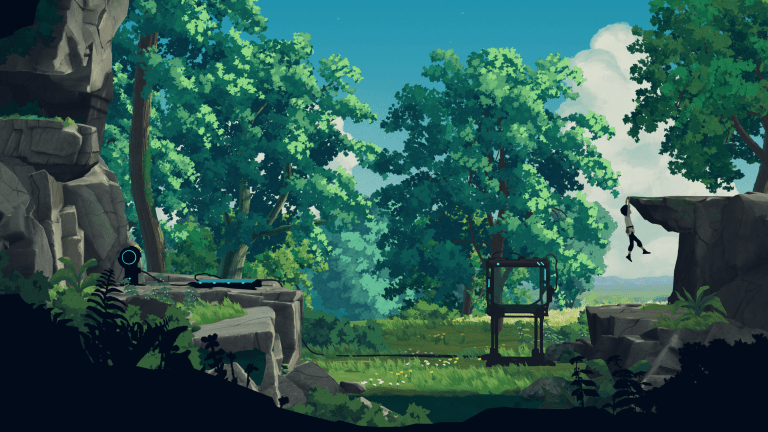
Nothing like overcoming challenges and obstacles with a good sense of achievement proceeding to the next stage.
Set on an alien world, Planet of Lana tells the story of Lana and her loyal animal companion Mui as they embark on a rescue mission to save her sister. Blending an epic story that takes you on a spectacular journey across stunning natural landscapes with a touching personal relationship built between protagonists Lana and Mui, Planet of Lana is a game filled with wonder and adventure. Expect to encounter strange creatures and dangerous machines as you move through lush forests, mysterious caves and arid desert landscapes during your journey.
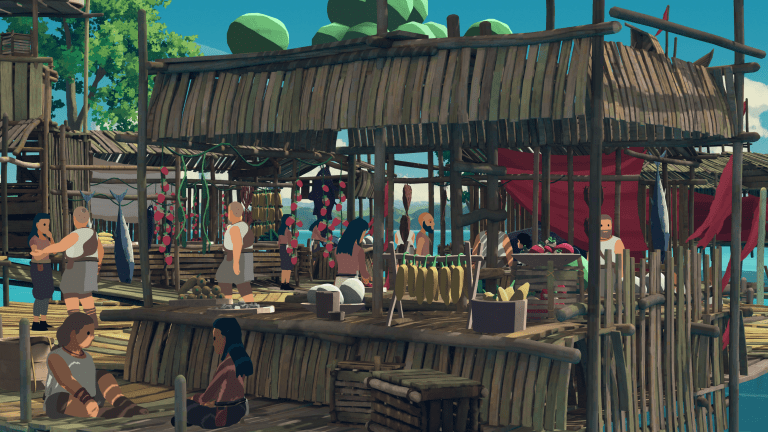
Lana swimming her way through the village.
Throughout daring platforming, engaging puzzles and tense stealth sequences, players will discover a game built around the unique companion mechanic that connects Lana and Mui. Only by working in tandem can you solve the puzzles and avoid the dangers that lay ahead of you, from stalking spindle-legged robot menaces that have mysteriously landed on Lana’s planet, to the not-always-friendly fauna that populates Planet of Lana’s breathtaking environments.
More on pre-release stuff, there is also a very detailed preview of Planet of Lana published through Xbox.com. The preview was written by Wishfully Studios creative director Adam Stjärnljus.
As I mentioned earlier, I just started playing Planet of Lana on my console. So far, I’m having a good time playing it, and in my decades-long experience of playing video games, I can say that Planet of Lana has vibes of Flashback in terms of 2D platform gameplay and environment interaction. Compared to the mentioned old game, this new game’s controls are very user friendly, easy to learn and also very responsive. The art direction looks really nice and the music is a must-listen! Oh yes, there were these suspenseful moments that I experienced as I had Lana and her companion avoid destructive enemies with timely and strategic moves.
I really like the artistic direction and style of this game!
When it comes to the adventure aspect, this game reminds me of what I saw in anime productions of Studio Ghibli, specifically Princess Mononoke and Nausicaä of the Valley of the Wind. The alien machines’ acts of abducting people even reminded me of the 21st century War of the Worlds movie.
As I’m writing this, there still more for me to discover playing Planet of Lana and I am eager to complete it, finish the tale and see what the game developers prepared. For those of you already subscribing to Xbox Game Pass, I encourage you to download the game and start playing it.
The scale is very immense in this part of the game!
Disclaimer: This is my original work with details sourced from watching the movie and doing personal research. Anyone who wants to use this article, in part or in whole, needs to secure first my permission and agree to cite me as the source and author. Let it be known that any unauthorized use of this article will constrain the author to pursue the remedies under R.A. No. 8293, the Revised Penal Code, and/or all applicable legal actions under the laws of the Philippines.
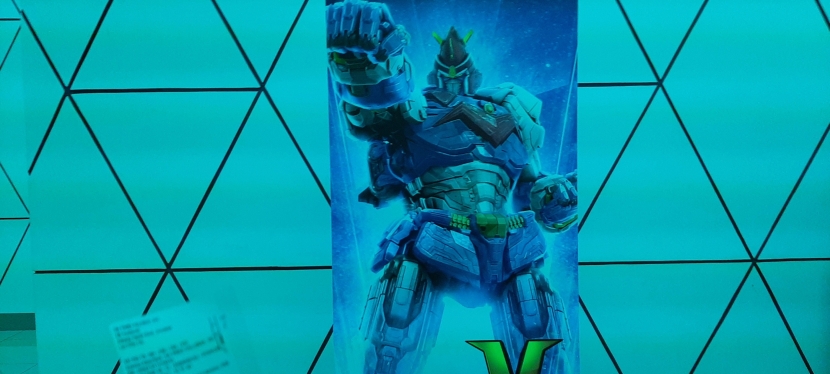
Welcome back, readers! For only the 2nd time since the COVID-19 pandemic affected the world, I managed to watch a movie inside the local cinema at SM Southmall in Las Piñas City. What is intriguing is that the movie I saw is actually a carefully edited compilation of footage sourced from an upcoming live-action series that is an ambitious Philippine adaptation of a certain giant robot anime from Japan. The movie I saw was Voltes V: Legacy – The Cinematic Experience. Behind it all, the movie is part of GMA Network’s strategy of building up awareness for the Voltes V: Legacy TV series set to launch on May 8, 2023.
For the newcomers reading this, the original Voltes V anime series (Japanese title: Chôdenji mashin Borutesu Faibu) was launched in Japan in 1977. Shortly after, it made its English language debut here in the Philippines (note: Japanese characters’ names were Westernized) and ultimately it became very popular and it made an impact on millions of Filipinos who saw it and replayed it in the many years that followed. I noticed that many Filipinos of my generation think of Voltes V first when anime comes to mind. While I myself never became a fan, I saw lots of Voltes V anime episodes on TV at a time when Internet access, video streaming and social media were not yet realized here in the Philippines. I even saw GMA’s edited Voltes V anime movie (containing footage of the final five episodes of the anime series) in the cinema in 1999.
In recent years, GMA Network and its local talents joined forces with Toei Company of Japan to create a live-action TV series adaptation of the anime and there will be eighty episodes (double the anime TV series’ episode count) for broadcasting nationwide. This is Voltes V: Legacy and already the local production team went through lots of hard work making the episodes, the sets, the props, the costumes and the computer-generated images (CGI) to bring the classic series into life in coordination with Toei which reviewed and supervised the production. A lot of money has been spent into Voltes V: Legacy which was felt in GMA’s increased production costs.
As for Voltes V: Legacy – The Cinematic Experience, the so-called movie contains varied footage allegedly from the first three weeks’ worth of TV episodes and it was exclusively screened in SM Cinema sites around the country for a limited time.
The story begins in the planet of Boazan where people with horns live in prosperity and privilege while those without horns have no choice but to live a hard, lower life. A gifted young Boazanian man named Hrothgar – who was born into royalty without horns and lived with his personal secret long enough into adulthood – was exposed by Zambojil’s group to be hornless and unworthy of Boazan’s throne. Sometime later, Hrothgar leads several fellow slaves and prisoners in an uprising against Emperor Zambojil’s authority. Before getting overwhelmed by the imperial forces, Hrothgar escapes into space with an Boazanian spacecraft and crashes into the sea on Earth.
He is discovered by Mary Ann and he gets introduced to Dr. Smith and Commander Robinson. Hrothgar informs them of his Boazanian origin and he expressed to them that Earth’s defenses are too weak to protect its people from alien invaders. As he adjusts with Earth life, Hrothgar changes his name into Ned Armstrong, marries Mary Ann and have children together. After several years on Earth, Ned Armstrong worked closely with Dr. Smith to prepare the people for future invasions…
Quality
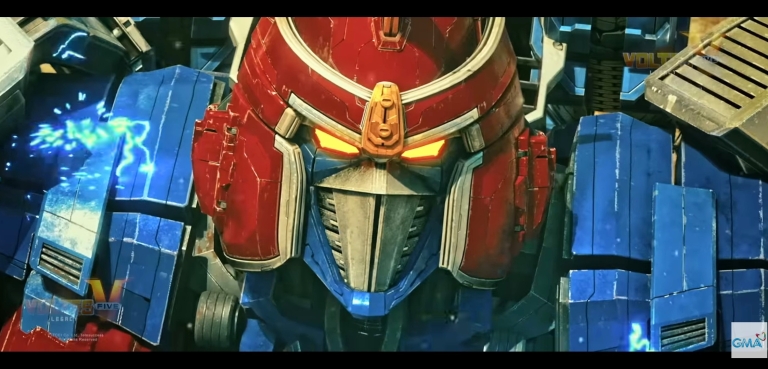
The iconic Voltes V looks bulkier and more mechanical in CGI form and the good news is that the overall quality is great and there is a lot of fun seeing the giant robot in action. (photo source – the Voltes V: Legacy – The Cinematic Experience trailer)
To begin with, the creative team of GMA managed to establish a cohesive narrative for the cinematic experience which is not an easy thing to do considering all the content from many selected episodes that had to be edited and arranged properly. This involves the presentation of the story details, the live-action elements, the CGI-heavy shots and the human performances to create a narrative that was easy enough to follow and absorb in my experience. I noticed that the so-called movie moved at a medium-to-fast pace which is not surprising because the goal of GMA was to entertain moviegoers and convince them to anticipate the live action TV series. Considering the speed of the pacing, there were some moments when I felt that some scenes were missing which only reminded me that the slower and more dramatic moments were being saved for the TV series.
When it comes to adapting the classic anime’s elements into live action, the creative team did a pretty good job most of the time. The costumes of the five pilots were made with a more practical physical design (note: they are not body tight) while retaining the classic colors and the V logo. The interior set of the Camp Big Falcon operations room looked more futuristic complete with having many people simultaneously operating. The interior set showing Prince Zardoz and his trusted companions closely resembles that of the anime. There was one particular physical set that did not look convincing – the outdoor street market in Boazan early in the movie had that indoor feel which not even the lighting could hide and the CGI shot showing the rest of the outdoor area and the far distance did not match with the place.
More on the artistic side of the presentation, I enjoyed the way the production people emulated the classic anime designs of not only the characters but also the key structures (places) and the giant robots (Voltes V and the two beast fighters) into live action. The cinematic Prince Zardoz looks so much like his anime counterpart and the same can be said about Dr. Smith and Mrs. Armstrong. The two beast fighters here were rendered to look much like their anime versions but were animated in a way to emphasize mass and scale.
The strategic posing in this notable shot is a fun and honorable throwback to a key moment in the very first episode of the original Voltes V anime TV series. (photo source – the Voltes V: Legacy – The Cinematic Experience trailer)
There were some notable artistic discrepancies and flaws however. The cinematic Princess Zandra, Draco and Commander Robinson clearly did not quite match their anime counterparts. For some reason, Princess Zandra appeared with a very different costume displaying subtle sexiness instead of royalty. Could it be possible the creative team took inspiration from the Fatima Blush character (played by Barbara Carrera) in the 1983 James Bond movie Never Say Never Again while modernizing Princess Zandra? As for Draco, he does not look as intimidating as his anime version and he even looks more like a cosplayer! Commander Robinson here does not display the maturity of the anime version due to the questionable quality of the costume provided and the actor’s appearance. In my experience watching the anime series, Commander Robinson looked and felt like a military man in his early fifties which the live action version never captured.
Now I want to talk about Voltes V itself. The highlight of the CGI combined with really good art direction is the iconic giant robot, including the five vehicles that compose it. To begin with, the use of CGI emphasizing multiple moving mechanical parts to emphasize Voltes V is a very smart move done by special effects team. While each vehicle has a new visual aesthetic to match the live action approach, they still remained recognizable to me. The biggest visual highlight in the movie is the volt-in sequence when each vehicle combined to form Voltes V in robotic form. As each vehicle connected to each other, the classic sequence from the anime was replicated excellently. Given the artistic direction and the CGI’s emphasis of multiple moving parts, the volt-in sequence here is much more detailed than the anime version! I should state that it is very likely that the visual effects team worked overtime to achieve the high-level of detail, the vibrant colors and the impressive animation on Voltes V.
Watch this. Share to others. Thanks!
With the approach on multiple moving parts, Voltes V itself looks bulkier in a mechanical fashion which I really admire. It should be stated that showcasing the iconic giant robot in action – complete with CGI presentation of the many Voltes weapons – is a visual feast complete with very vibrant colors! Each time Voltes V hits a beast fighter by punching or using a weapon, there is strong impact felt with each blow! The sound effects team really did good work adding weight and power to the action.
The work done by the special effects crew in this external shot of Jamie Robinson’s cockpit is very impressive and detailed! Ysabel Ortega acted convincingly to what happened. (photo source – the Voltes V: Legacy – The Cinematic Experience trailer)
Considering the high detail and strong animation on Voltes V, the two beast fighters shown in this movie had very similar visual qualities. There was no major discrepancy on visual quality between the iconic robot and the enemy during battles.
More on the CGI, I can declare that the locally produced visual effects (by GMA Video and Riot, Inc.) looked very good for the most part! Apart from the battles between the giant figures, the sequences of animating the Voltes V vehicles, the Boazanian flying saucers (with fast moving sharp edges that make them resemble motorized wood-cutting blades), the fighter planes and physical damage of places were nice to see. There were, however, several explosions that were badly rendered (note: even looking flat and out of place) in key scenes and there were moments when military vehicles looked more like they belong in video games from a few console generations ago. The formation of the blade of Voltes V’s laser sword clearly needs more work as it looks unpolished. In the post-credits scene, CGI for Octo 1 was badly done!
Apart from action scenes, the giant robots and their weapons, CGI was also used on established places or structures. Camp Big Falcon really looks magnificent while the floating mechanical Boazanian skull appeared very creepy. In shots showing the far distance, Camp Big Falcon in the background still looks good even though the visual quality falls short of capturing true photo-realism.
Considering the way GMA edited the footage and selected visual effects shots for this so-called movie, the overall quality of the CGI literally landed some notches short of photo-realistic levels. That’s not criticism at all but a confirmation that Filipino-produced CGI showcased here is the best I have seen yet! All in all, an impressive ton of work by the special effects teams using computers.
As for the human performances, I can say that the cast collectively did a good job bringing the characters to life and this includes paying special attention to details from anime while adding certain elements that reflect modernization. Zardoz was portrayed to be sadistic and obsessed on conquering planet Earth which reflects his imperial task and the pressure that comes with it. Sometimes, Zardoz looked and acted even psychotic. Mary Ann Armstrong is the definitive mother figure here and the producers emphasized her more with scenes showing her as a very focused authority during crisis as well as a tender and loving woman during her time with the family. In some ways, Mary Ann Armstrong is almost like the protagonist of this so-called movie and the live action version looks deeper than the anime version. While the live action Commander Robinson needs a lot of improving, Dr. Smith here really looks and feels like he was instantly ripped off the anime resulting in a very straightforward version fans will recognize. The live action Ned Armstrong here has some elements that deviate from what was portrayed in the anime (note: a very skilled fighter whose moves were so obviously choreographed during an action scene) while retaining key elements that still made him recognizable.
The actors who played the five pilots of Voltes V performed nicely. Even with all the layered Tagalog expressions (including gestures that we Filipinos are familiar with), Steve, Big Bert, Little Jon, Mark and Jamie are all very recognizable not in terms of looks but through the dialogue, character details and acting. The production team really worked hard to not only balance their respective shares of the spotlight, but also get good enough performances from the actors. Take note that apart from the on-set dramatization, the actors of the Voltes V team had to perform accordingly in their respective cockpit scenes (note: the special effects teams painstakingly provided all the CGI to specifically reflect what had been happening with the pilots and with their machines) and this includes internal communications between the members. What we have right now are the best actors available portraying Steve, Big Bert, Little Jon, Mark and Jamie and making them recognizable in terms of characterization.
With regards to the music, I can say that this one clearly needs improvement. There is orchestrated music in this cinematic experience that played new tunes while also redoing/recycling classic tunes from the anime TV series. When the anime tunes were played by the orchestra with a modern approach, they were recognizable to my ears but the power and essence of the original tunes were not replicated successfully. Sometimes, I just wished that the anime tunes were played more while the orchestra focused more on providing new music.
As for the famous Voltes V theme song, the new version performed by Julie Anne San Jose is a letdown! I’m not saying San Jose is a bad singer but her version – which even used the Japanese lyrics – lacked impact compared to the original version. While the volt-in sequence proved to be a grand visual feast for the fans and viewers who love great looking CGI sequences, its cinematic impact was brought down a bit by San Jose’s version of the theme song. How I wish that the movie producers just used the classic song from the 1970s anime series!
This original theme song should have been used in Voltes V: Legacy instead of the new version.
Conclusion
As expected, Voltes V: Legacy – The Cinematic Experience has a mix of strong points and flaws. The good news is that the good outweighed the bad and I pretty much enjoyed this cinematic version of the live action adaptation done by GMA, its strategic partners and the local talents. As this so-called movie was a mix of content from several episodes edited to form a suitable narrative, it succeeded in entertaining and engaging me. Yes, there were flaws and there were some parts showing weaknesses but those things did not damage the viewing experience too much. There is a good amount of fun with this so-called movie.
Obviously this cinematic version is part of GMA Network’s strategy to build up anticipation for the upcoming TV series (which has a declared 80 episodes for broadcasting). While some people will perceive Voltes V: Legacy – The Cinematic Experience as a blatant form of marketing or even as corporate gimmick, I personally see it as a worthy showcase in the local cinema (note: cinemas here in the Philippines are still recovering from the massive damage of COVID-19) and it just might not be repeated. Let me remind you readers that this newest Voltes V adaptation highlights the peak of Filipino-produced CGI visuals and the Filipinos’ collective efforts to really make a worthy live action adaptation of a foreign entertainment property. This so-called movie is clearly not perfect (note: it is not deserving of perfect 10/10 scores that others gave it) but it is pretty good to watch in the cinema.
Voltes V looks better than ever and made a big entertaining impact in the cinema. How will Voltes V: Legacy turn out on TV given the fact that there are so many episodes set for broadcasting?(photo source – the Voltes V: Legacy – The Cinematic Experience trailer)
As mentioned earlier, I’m not a fan of the Voltes V anime and I’m not exactly anticipating the Voltes V: Legacy TV series. I do confirm that the long-lasting legacy Voltes V is clearly thriving here in the Philippines and the new TV series could potentially make a deep impact on Filipinos who love entertainment and possibly replicate what happened in the 1970s and 1980s when the classic anime TV aired on TV nationwide. How the new TV series will turn out is clearly GMA’s own problem.
Overall, Voltes V: Legacy – The Cinematic Experience is recommended.
To begin with, watch the official Xbox video below…
To put things in perspective, posted below is an excerpt from the official announcement by Bandai Namco. Some parts in boldface…
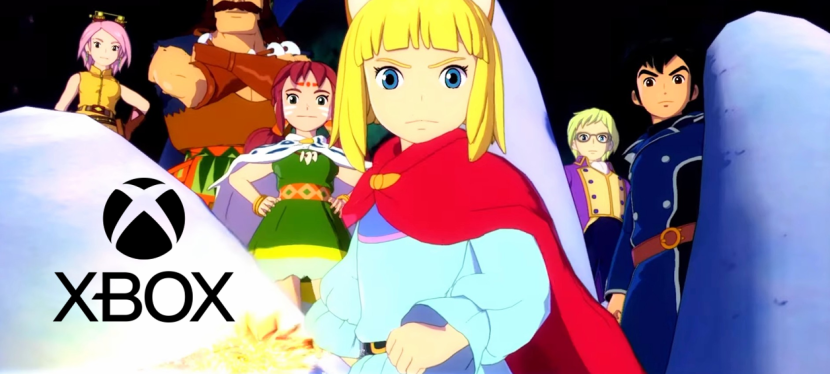
Join the young king Evan on a grand adventure that blurs the line of animated feature film and video game in Ni no Kuni II: Revenant Kingdom – The Prince’s Edition, launching on Xbox, Xbox Game Pass and PC Game Pass today.
As a king, Evan bears the responsibility of great power. He’ll personally set forth and do battle to unite and save his people in this action RPG. However, the king’s duty does not end there. As part of the main game, Evan must also develop his empire in a city simulator-like Kingdom Management mode, and lead his army in a real-time-strategy like Skirmish mode.
A battle with a huge monster.
These two modes will become important parts of Evan’s journey as he works to demonstrate his leadership on and off the battlefield, so read on for a dive into how they work and a couple of tips to get you started.
Kingdom Management Mode – After a certain point in the story, Evan will be able to sit upon his throne to initiate Kingdom Management mode. Starting from a small humble town, you will help Evan lead his people by choosing which buildings to construct and assigning citizens to work on their respective sections.
Each building will provide significant conveniences or bonuses to your kingdom. Some buildings constructed in Kingdom Management mode are the sole source of some rare items.
Citizens will drive upgrades and research in Evan’s kingdom. Each citizen has their own specialty and bonus that will make them more suited for one job or the other. It’ll be Evan’s job as king to make this assessment and decision.
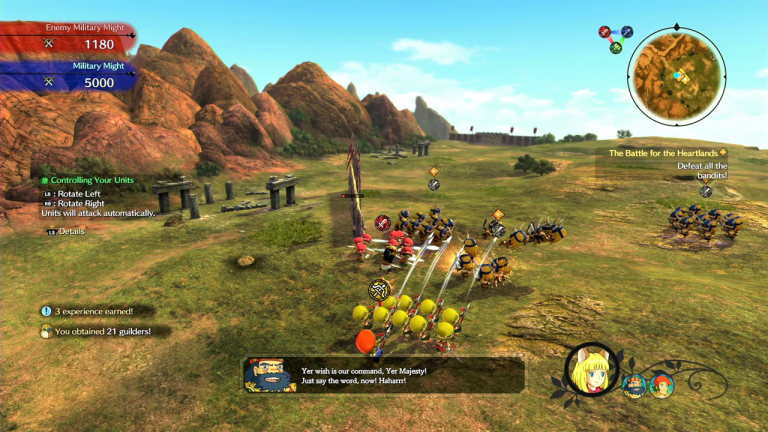
Skirmish Mode – To build and expand his kingdom, Evan must demonstrate his tactical prowess by leading his army against other enemy armies in a real-time-strategy-like mode called Skirmish mode. In this mode, Evan will command up to 4 units of soldiers. Each soldier type is easily distinguished by the color of their uniform.
A scene from the Skirmish Mode of the game.
For the newcomers reading this, Ni No Kuni II: Revenant Kingdom was originally released in 2018 only on PlayStation 4 and Windows PC. Like its predecessor, the game was positively received by both video game critics and gamers. Loaded with additional content in the form of DLCs, Ni no Kuni II: Revenant Kingdom – The Prince’s Edition’s release on Xbox consoles significant as it adds more weight on the Xbox ecosystem becoming the haven for fantasy RPGs and other types of role-playing games. Japanese RPGs on Xbox this year are looking exciting as Eiyuden Chronicle: Hundred Heroes and the remastered Suikoden and Suikoden II will be released in due time. I should state that recently Persona RPGs were released already on Xbox and XGP.
Ni No Kuni II: Revenant Kingdom – The Prince’s Edition on Xbox adds variety to the gamers who like JRPGs as it has notable game features that make it stand out from its predecessor. Also, the battles moved faster and looked flashier.
Go for Ni No Kuni II: Revenant Kingdom – The Prince’s Edition on Xbox platforms and Xbox Game Pass now!
In concluding this article, posted below for your enjoyment are Xbox-related videos.
It took almost twenty years but Bandai Namco is finally releasing a version of their hit Japanese role-playing game (JRPG) Tales of Symphonia on Xbox Series X, Xbox Series S and Xbox One on February 17, 2023, and it will come with a lot of stuff apart from the from the enhancements. Already pre-orders are being accepted.
In relation to this really good news, watch first the official Xbox trailer of Tales of Symphonia Remastered posted below…
For added insight, posted below is an excerpt from the official announcement from Bandai Namco. Some parts in boldface…
Lloyd Irving and his friends journey is getting closer, confirmed for release on February 17th. Bringing veteran fans and newcomers in the worlds of Sylvarant and Tethe’alla, the game offers visual enhancements, gameplay improvements, and new features.
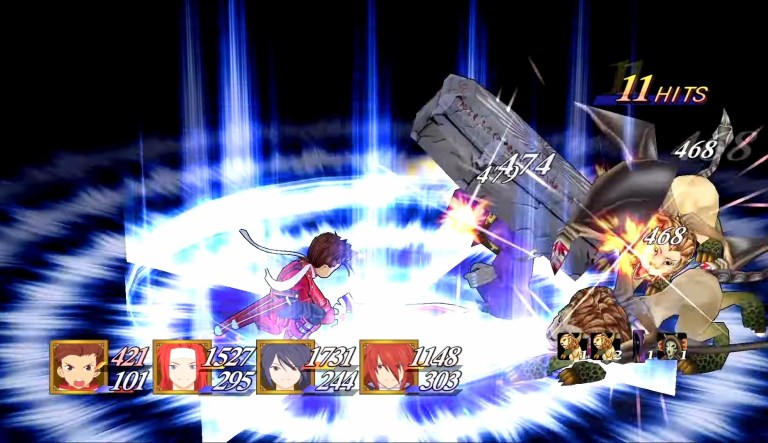
A flashy sequence during a battle.
Alone or with up to four players during battles, players will be able to experience or re-experience the deep and fascinating story in one of the most beloved “Tales of” titles.
Players will have the choice between two editions:
The Standard Edition, only available digitally
The Chosen Edition, containing a metal case, art prints and stickers, with pre-orders already available here
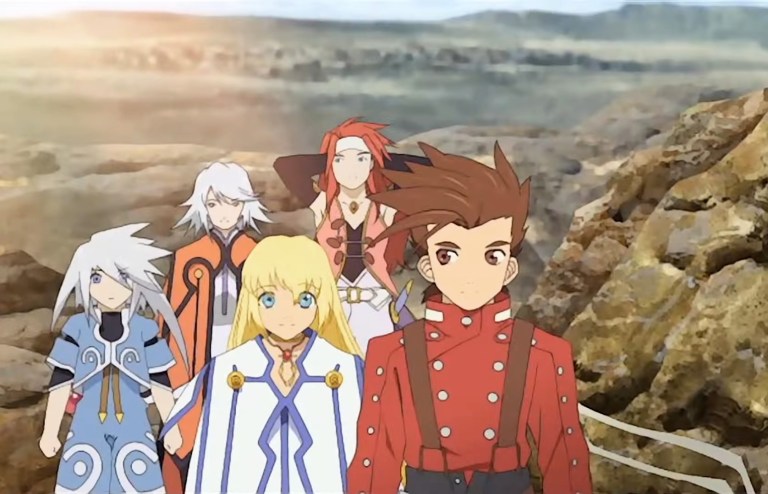
These are the characters in the game. Tales of Symphonia Remastered will come with anime cut scenes for the narrative.
For the newcomers reading this, Tales of Symphonia was originally released on the Nintendo Gamecube way back in 2003 followed by the PlayStation 2 in 2004, PlayStation 3 in 2014 and Windows PC in 2016. The game gathered lots of positive reviews from game critics and it sold more than 2,000,000 copies worldwide.
Tales of Symphonia Remastered coming to Xbox in early 2023 adds weight to the Xbox ecosystem becoming the best destination for gamers who love fantasy RPGs and other types of role-playing games. Already Xbox Game Pass has the remastered Ni no Kuni as well as Persona 5: Royal. There definitely is a growing demand for JRPGs in the Xbox ecosystem and it only makes sense for game publishers in Japan to release their JRPGs – be it new or old – on Xbox platforms. I myself never played Tales of Symphonia before and the news of its Xbox-bound release is really good. Now if only Square Enix would remaster Xenogears for an Xbox release. Capcom could do the same with their Breath of Fire RPGs.
In concluding this article, posted below for your enjoyment are Xbox-related videos.

















 Author Carlo Carrasco