A Look Back at Amazing Spider-Man #375 (1993)

Welcome back superhero enthusiasts, 1990s arts and culture enthusiasts, Marvel Comics fans and comic book collectors! Today we go back to the year 1993 and examine a small part of the Marvel Comics universe through a tale of the Amazing Spider-Man monthly series.

In my previous retro comic book review, the insane murderer Venom returned to antagonize Spider-Man by targeting his parents. While it was a fact that Venom – who knew Spider-Man’s true identity – got into close contact with Aunt May (symbolizing the danger he poses on the Peter Parker’s family) a few years prior, going after the mother and father of Peter really raised the stakes.

With those details laid down, here is a look back at Amazing Spider-Man #375, published in 1993 by Marvel Comics with a story written by David Michelinie and drawn by Mark Bagley. This comic book marked the 30th anniversary of Amazing Spider-Man #1 (1963).

The cover.

Early story

The story begins inside one of the facilities of the closed amusement park in Brooklyn. In his vicious form, Venom tells Richard and Mary Parker (both restrained) that they belong to him and declares that he would protect them from Spider-Man.

When Richard Parker asked why would he think that they would have anything to do with Spider-Man, Venom realizes that the couple does not even know their son is the webslinger. Venom tells the couple that their innocence is what he is sworn to preserve.

Over at Manhattan, Spider-Man swings back to the Daily Bugle building and discreetly changes his clothes before moving in as photographer Peter Parker. Inside one of the offices, J. Jonah Jameson reaches out to Silver Sable by telephone…

Quality

Peter Parker had to commit a crime by trespassing into Anne Weying’s residence. His disguise as Spider-Man does not protect him from the law.

I have mixed feelings about this follow-up to the great story of the previous issue. For one thing, David Michelinie’s script had a completely different tone and direction even though he intended this comic book to conclude what issue #374 started. Another thing is that this story has even more characters added in which clearly diluted the intensity of the Venom-Spider-Man rivalry that was so intense in the previous issue.

There are two sub-plots – one of which deals with someone from Eddie Brock’s past – that were emphasized with sufficient details and the creative team integrated them into the main story. It seems that the creators intended to make the main story look grander in scope while sacrificing the very elements that made issue #374 a great and intense reading experience.

Remember the suspense and danger that came with Venom targeting the older Parker couple? Those elements are almost totally absent in this comic book even though this story concluded the previous issue’s conflict build-up. Richard and Mary Parker are both present as captives of Venom but there really is no tension nor any sense of danger here due to the drastic change of tone and direction in the script.

I should also stress that the introduction of Anne Weying (previously Anne Brock) as Eddie Brock’s ex-wife looked and felt like an afterthought inserted into the story. While Anne’s presence brought out some traces of humanity and sanity from Venom during the 2nd half of the story, it did not add much impact on the conflict between the webslinger and the symbiote-wearer murderer. Ultimately, the creative team had to do something to explain the story build-up on Venom’s part leading into the Lethal Protector limited series which is set in the city of San Francisco.

And then there was the presence of Silver Sable’s team called the Wild Pack. The Wild Pack is the result of J. Jonah Jameson’s agreement with Silver Sable with the objective of achieving a journalistic exclusive for the Daily Bugle. This particular sub-plot is really lousy and not even the dynamic looking action sequences involving the Wild Pack could hide lousiness.

If there is anything symbolic about the script, it is the emphasis on family as well as the impact that comes with elements of the past emerging unexpectedly. In this very comic book, you will get to see Eddie Brock/Venom react like a sane person in response to the sudden re-appearance of his former wife. No matter what the creative team did here, I can say that the Spidey/Venom conflict did not really intensify (note: the dynamic action scenes did not solve the shortcomings) and there was no reason to worry about the captive Parker couple.

Conclusion

The insane murderer Venom with the parents of Peter Parker.

Considering the great stuff and raised stakes that made issue #374 a very compelling read, Amazing Spider-Man #375 (1993) is clearly a disappointing conclusion. This is not a terrible comic book as it has some good stuff for fans to enjoy but the overall presentation of the creators here is not too great due to their approach with the storytelling (with two sub-plots that did not add much). Overall, I am glad I never bought this comic book (with flashy cover and more pages) at full price in 1993.

Overall, Amazing Spider-Man #375 (1993) is satisfactory.

+++++

Thank you for reading. If you find this article engaging, please click the like button below, share this article to others and also please consider making a donation to support my publishing. If you are looking for a copywriter to create content for your special project or business, check out my services and my portfolio. Feel free to contact me with a private message. Also please feel free to visit my Facebook page Author Carlo Carrasco and follow me on Twitter at  @HavenorFantasy as well as on Tumblr at https://carlocarrasco.tumblr.com/ and on Instagram at https://www.instagram.com/authorcarlocarrasco

Chinese vessels spotted near Balikatan training area off Palawan

Since it formally started on April 22, Balikatan 2024 resulted in several military exercises and activities involving armed elements of the Philippines, the United States and France. This of course caught the attention of China and according to a recent Philippine News Agency (PNA) news article, several Chinese vessels were spotted near a training area off Palawan.

To put things in perspective, posted below is an excerpt from the PNA news article. Some parts in boldface…

Let me end this piece by asking you readers: What is your reaction to this recent development? Do you think that China’s navy might someday disrupt the naval activities of Balikatan 2024? Do you think there could be a lot of spies among the Chinese nationals living here in the Philippines?

You may answer in the comments below. If you prefer to answer privately, you may do so by sending me a direct message online.

+++++

Thank you for reading. If you find this article engaging, please click the like button below, share this article to others and also please consider making a donation to support my publishing. If you are looking for a copywriter to create content for your special project or business, check out my services and my portfolio. Feel free to contact me with a private message. Also please feel free to visit my Facebook page Author Carlo Carrasco and follow me on Twitter at  @HavenorFantasy as well as on Tumblr at https://carlocarrasco.tumblr.com/ and on Instagram athttps://www.instagram.com/authorcarlocarrasco
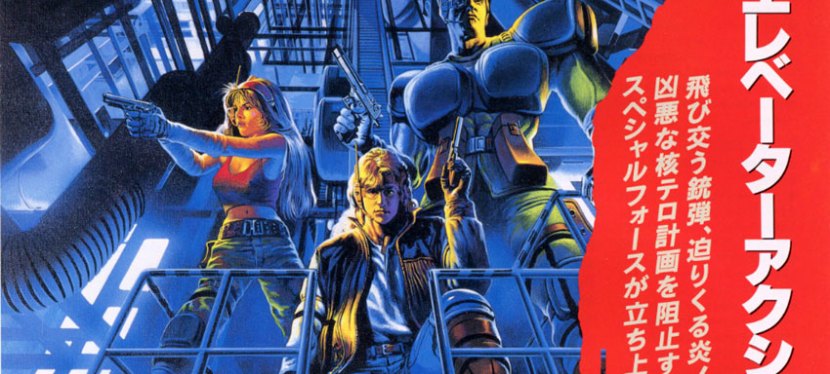
A Look Back at RoboCop 2 #1 (1990)

Welcome back superhero enthusiasts, 1990s arts and culture enthusiasts, Marvel Comics fans and comic book collectors! Today we go back to the year 1990 to take a close look at the comic book adaptation of the movie RoboCop 2 (1990).

Before getting to the new retro comic book review, I should state that my friends and I had a fun time watching RoboCop 2 in the cinema shortly after it opened here in the Philippines. Back then, I was not yet a comic book collector and I rarely visited comic book specialty stores. That being said, I was unaware that Marvel Comics actually published an adaptation in the form of a 3-issue mini-series.

With those details laid down, here is a look back at RoboCop 2 #1, published in 1990 by Marvel with a story written by Alan Grant and drawn by Mark Bagley based on the movie screenplay by Frank Miller and Walon Green.

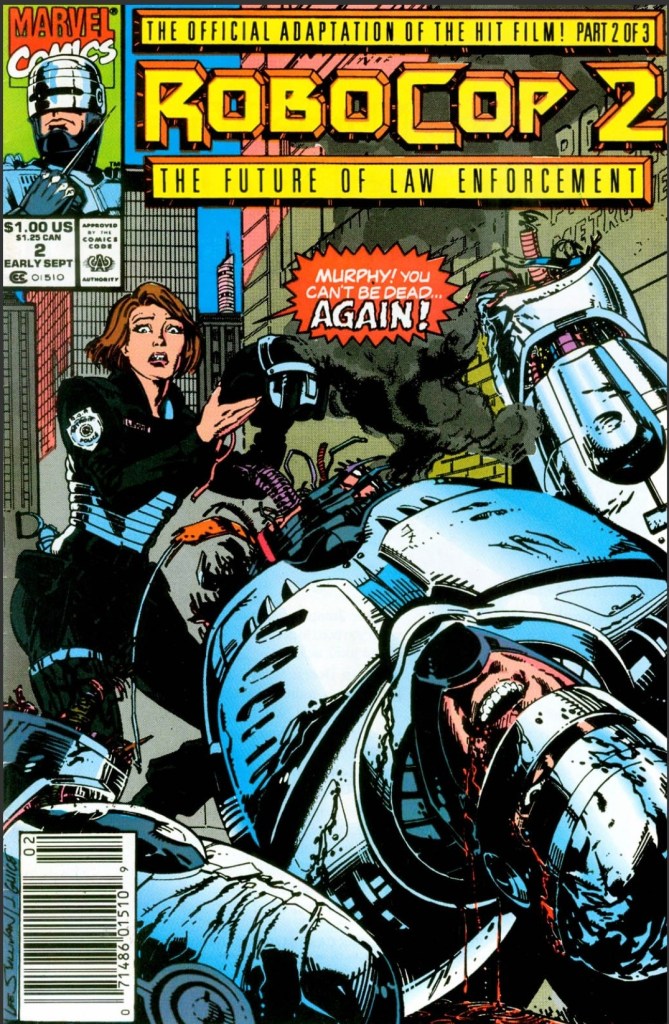
The cover.

Early story

The story begins in Detroit where the cops are run by corporations and the streets have turned into red-alert war zones. Crime is overwhelming the city and the highly addictive narcotic poses the greatest threat facing societies. The surgeon general who made the public warning about nuke was killed and the crime boss Cain (leader of a cult of nuke addicts and pushers) claims responsibility. Through the news media, Cain tells the public that nuke will make people’s problems go away and people want its paradise.

Under the management of Omni Consumer Products (OCP), several of Detroit’s police officers go on strike demanding better terms from their employer. The City Government of Detroit under Mayor Kuzak missed a payment (in relation to them owing $37 million) and OCP begins to move to foreclose the city and its assets in accordance to the terms of the contract. Mayor Kuzak accuses OCP of engineering the police strike which made crime rampant.

Elsewhere in the evening, the cruel activities of the thugs got disrupted by the arrival of a police car. Even though the police car got destroyed by the thugs, RoboCop emerges and begins to fight back…

Quality

There is simply no holding back for RoboCop when it comes to doing police work at a time when many police officers are on strike while crime has turned more rampant in Detroit.

This opening issue of the mini-series sticks close the basic plot of the movie (right until after Cain’s gang dismantled RoboCop) although there were a few notable differences with the sequence of events and there were scenes that showed the creative team took liberties to make the story suitable with the literary format in mind. That being said, don’t expect to see the key moments of the movie look exactly the same in this comic book and don’t expect to see the characters here looking like the actors who played them on the big screen. In terms of visual and literary presentation, this adaptation has a lot in common with the Total Recall comic book adaptation which coincidentally was released the same year.  

For me, this is indeed a really readable comic book that has its stylized approach on telling the movie’s concept. OCP is the most powerful entity in the story while Cain and his gang are clearly the force of evil that strongly pose danger not only to Detroit’s people but even to the very divided police force. Nuke as the dangerous object of the plot clearly was inspired from elements of the real life war against drugs in 1980s America which made this story socially relevant.

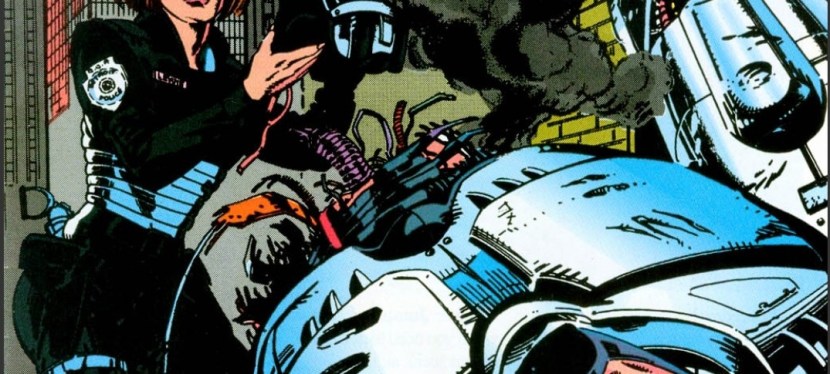
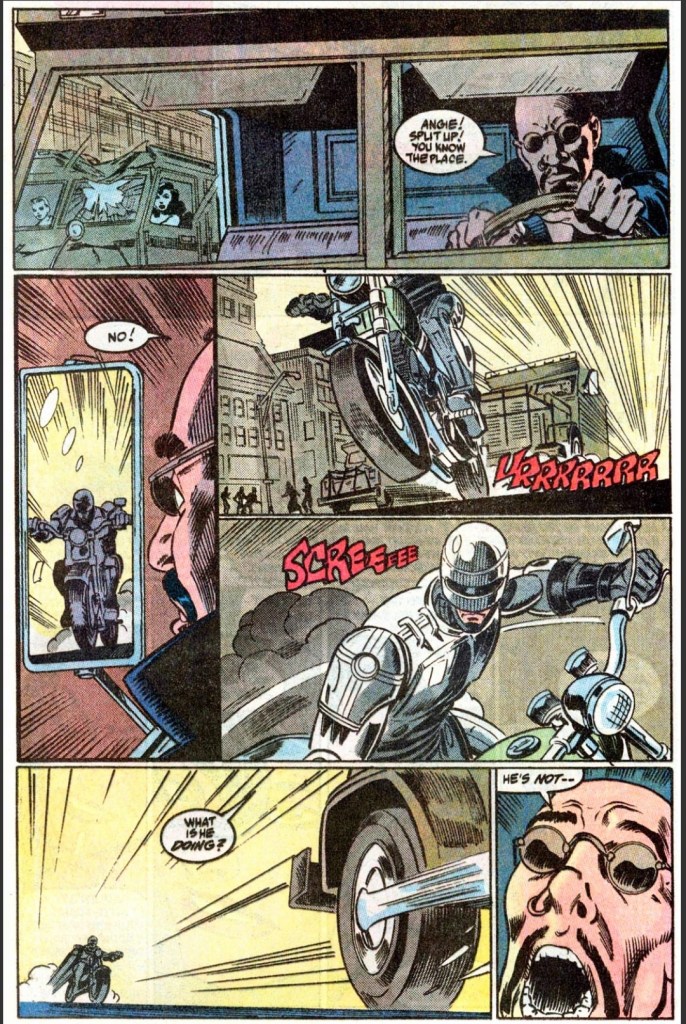
Very clearly these villains look nothing like actors Tom Noonan, Galyn Görg and Gabriel Damon.

Like in the movie, RoboCop here performs his law enforcement duty in an uncompromising manner even though memories of his past life as officer Murphy re-emerged deep inside. That being said, there are a few moments in which you might sympathize with the titular hero as this comic book pays close attention to the conflict between humanity and technology.

The action scenes here are sufficient but clearly don’t come anywhere close to the intensity of the film in terms of violence. Still, there is enough action for readers to enjoy.

When it comes to the visuals, the artwork done by Mark Bagley eerily looks comparable with Tom Lyle’s art in the Total Recall comic book of 1990. For the newcomers read this, Bagley became a popular artist through the Amazing Spider-Man monthly series and the Venom: Lethal Protector comic books that were released after years after this one. Having seen many of Bagley’s works published in 1992 to 1995, I can hardly recognize his art style in this comic book adaptation. The way he drew people’s faces in this comic book looks very different from those seen in Amazing Spider-Man issues. At the same time, Bagley’s own take on RoboCop has that balanced approach on depicting humanity with machinery while also making the hero look less bulky compared to the movie’s version.

Conclusion

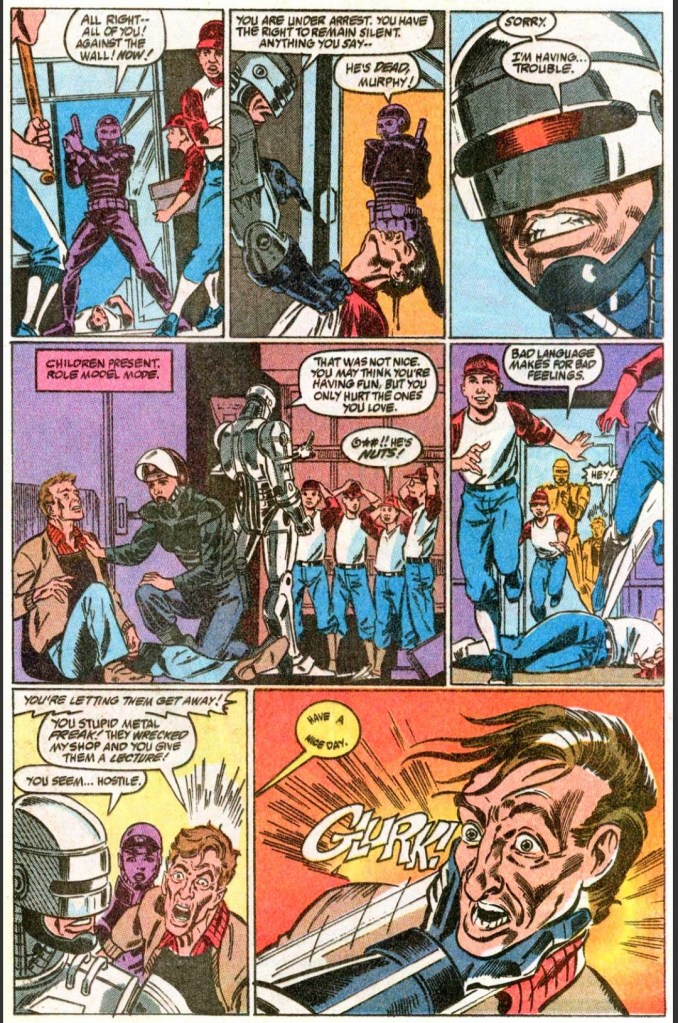
Julie Faxx of OCP sure talks like a woke nut and rabid feminist in this scene.

RoboCop 2 #1 (1990) is clearly not a faithful adaptation of selected parts of the movie but that’s not necessarily a bad thing. This is more about the Grant-Bagley team doing their own visual presentation of the movie script copy they had and ultimately they succeeded in making this comic book a stylized and worthy reading experience. This is indeed a surprisingly entertaining read and I can say that I am looking forward to reading the next issue.

Overall, RoboCop 2 #1 (1990) is recommended.

+++++

Thank you for reading. If you find this article engaging, please click the like button below, share this article to others and also please consider making a donation to support my publishing. If you are looking for a copywriter to create content for your special project or business, check out my services and my portfolio. Feel free to contact me with a private message. Also please feel free to visit my Facebook page Author Carlo Carrasco and follow me on Twitter at  @HavenorFantasy as well as on Tumblr at https://carlocarrasco.tumblr.com/ and on Instagram at https://www.instagram.com/authorcarlocarrasco

Philippines eyes high-spending tourists from America

As part of its pursuit to attract more foreign tourists and generate higher tourism revenue this year (click here and here), the Philippines is targeting tourists from the United States with the perception that they are heavy spending tourists, according to a Philippine News Agency (PNA) news article.

To put things in perspective, posted below is an excerpt from the PNA news article. Some parts in boldface…

Let me end this piece by asking you readers: What is your reaction to this recent development? Do you think the Philippines should do more to attract American tourists?

You may answer in the comments below. If you prefer to answer privately, you may do so by sending me a direct message online.

+++++

Thank you for reading. If you find this article engaging, please click the like button below, share this article to others and also please consider making a donation to support my publishing. If you are looking for a copywriter to create content for your special project or business, check out my services and my portfolio. Feel free to contact me with a private message. Also please feel free to visit my Facebook page Author Carlo Carrasco and follow me on Twitter at  @HavenorFantasy as well as on Tumblr at https://carlocarrasco.tumblr.com/ and on Instagram athttps://www.instagram.com/authorcarlocarrasco
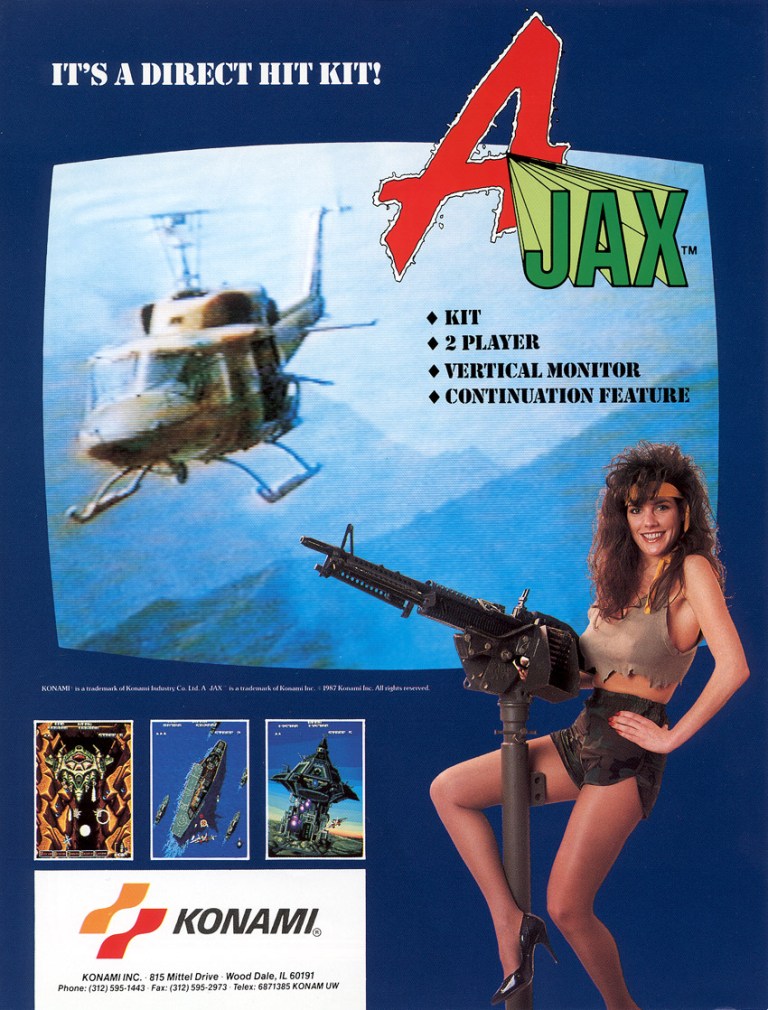
Retro Gaming Ads Blast – Part 8

Welcome back readers, fellow geeks and electronic gaming fans!

In this edition of the Retro Gaming Ads Blast (RGAB) series, we will take a look at another batch of retro gaming print ads from the 1980s and 1990s.

For the newcomers reading this, Retro Gaming Ads Blast (RGAB) looks back at the many print ads of games (console, arcade, computer and handheld) that were published in comic books, magazines, flyers and newspapers long before smartphones, social media, the worldwide web and streaming became popular. To put things in perspective, people back in the 1980s and 1990s were more trusting of print media for information and images about electronic games and related hardware.

With those details laid down, here is the newest batch of retro gaming print ads for you to see and enjoy…

1. Enemy Zero print ad

I should say Sega did a solid job by making this intriguing and eye-catching print ad for Enemy Zero.

The first time I saw this print ad of Enemy Zero in the late 1990s, I was intrigued by its visual concept and it got me interested to learning more about the game. Enemy Zero was a sci-fi video game developed by Warp and released as a console-exclusive on the Sega Saturn. Since I never owned a Saturn, I never got to play the game but I was inspired to learn more about Warp (which developed the hit game D). As it turns out, Enemy Zero started as a project for PlayStation but because of Sony’s failure to fulfill the pre-orders of D on PlayStation (100,000 copies ordered but less than 30,000 copies printed by Sony), Warp’s head Kenji Eno decided to make Enemy Zero exclusive to the Sega Saturn. Enemy Zero was published by Sega worldwide while Warp published it in Japan, and the game sold between 500,000 to 700,000 copies (based on Eno’s claim).

2. Bionic Commando print ad

For the American market, Capcom showed what the game box and front cover art would look like, then added the details and two screenshots for readers to examine.

Back in the late 1980s, I played Bionic Commando and managed to finish it after enduring lots of challenges along the way. It was a very unique adventure game as it used a highly unusual method of moving from one platform to the next by means of a futuristic grappling gun. This particular print ad showcased what the game’s actual box looked like (with cover artwork made for North America) and used two screenshots from the game. This ad hardly captures the excitement and intensity that awaited gamers and yet it manages to give people a clear look at the grappling concept. While the North American version of the game has certain content altered, it still had the same gory ending (and Adolf Hitler as the main villain) as the Japanese version.

3. RoboCop print ad

This served as an extension of the impact of the very violent 1987 movie.

RoboCop made huge impact on moviegoers as well as people who love science fiction and the R-rated action films Hollywood studios released in the 1980s. That being said, it was not surprising that a video game of RoboCop was released on the Nintendo Entertainment System (Family Computer in Japan) by Data East and the print ad they came up with cleverly used imagery from the movie poster and the screenshots showed exactly what RoboCop fans expected to see such as the enemy robot ED-209 and thugs. This game strongly reflects the business trend of the 1980s when companies made merchandise and adaptations of R-rated blockbuster films to sell to kids and teenagers.

4. Gex 3: Deep Cover Gecko print ads

This print ad for Europe had a James Bond vibe.
March 1998 Playmate of the Month on the hood of the car looking at Gex.
The 2-page print ad of Gex 3: Deep Cover Gecko.

In 1999, Eidos Interactive – the company behind the wildly popular Tomb Raider games of the decade – became aggressive marketing Gex 3: Deep Cover Gecko for PlayStation and Nintendo 64. They were so aggressive, they featured actress and Playboy’s Playmate of the Month (March 1998) Marliece Andrada alongside their star character Gex in the marketing which was not limited to America. For the newcomers reading this, a multimedia approach was implemented on the narrative of the game’s PlayStation version which explains why it has full-motion video sequences featuring Andrada as the character Agent Xtra. As seen in these print ads, Eidos Interactive had Andrada looking pretty and sexy to really sell the game.

5. Barkley Shut Up and Jam! print ad

Anyone here a Charles Barkley fan?

I remember the many types of basketball video games that were released on game consoles back in the 1990s. While there were NBA video games that had in-depth rosters of players with seasonal gaming in mind, there were other basketball-related video games that were not about the said league but featured an NBA star. In this print ad, publisher Accolade prominently featured NBA star Charles Barkley to promote the game Barkley Shut Up and Jam!, posted some words emphasizing sports intensity, and showed one screenshot to assure gamers that this is a basketball game. While the critical reception was mixed, the game must have sold enough to convince Accolade to release a sequel two years later with Barkley still the endorser.

6. The Death and Return of Superman print ad

This print ad clearly aimed for the fans of the comic books as well as gamers looking for an action-packed game to play.

Now this is one very eye-catching print ad that appeared in comic books and magazines in the 1990s. Anyone who knows comics would recognize the grey fist (with sharp bones protruding on the knuckles) belonging to Doomsday who killed Superman in Superman #75 (1993), and the bloody presentation on the famous S was very aggressive for its time. The game itself was an adaptation of the two storylines (published in 1992 and 1993 respectively) that saw Superman’s death, his return and the appearances of new Supermen. While sales figures are not available, The Death and Return of Superman eventually attracted mixed reviews from the critics.

7. Dragon Force print ad

This was printed in magazines at a time when Working Designs had a strong business relationship with Sega.

While the Sega Saturn was undeniably a huge commercial disappointment in North America, the console still had some great games that was widely praised by game critics and heavily bought by gamers. One of those outstanding games on the console was Dragon Force (developed by Sega and J-Force in Japan, localized in America by Working Designs) which received great critical acclaim and achieved commercial success both in Japan and in America. The popular magazine Electronic Gaming Monthly named Dragon Force as the Saturn Game of the Year as well as Strategy Game of the Year in 1996. As a Working Designs release, this print ad has an ambitious fantasy concept visually emphasized, detailed lines of descriptions and screenshots that strongly appealed to the gamers, anime enthusiasts and those who love fantasy. This ad is also a sad reminder that the business relationship between Sega and Working Designs went downhill afterwards (read: Bernie Stolar) and the sequel Dragon Force II was never released outside of Japan.

+++++

Thank you for reading. If you find this article engaging, please click the like button below, share this article to others and also please consider making a donation to support my publishing. If you are looking for a copywriter to create content for your special project or business, check out my services and my portfolio. Feel free to contact me with a private message. Also please feel free to visit my Facebook page Author Carlo Carrasco and follow me on Twitter at  @HavenorFantasy as well as on Tumblr at https://carlocarrasco.tumblr.com/ and on Instagram at https://www.instagram.com/authorcarlocarrasco

A Look Back at X-Men Adventures Season II #9 (1994)

Welcome back superhero enthusiasts, 1990s arts and culture enthusiasts, Marvel Comics fans and comic book collectors! Today we go back to the mid-1990s to explore the adaptation of the second season of the famous X-Men: The Animated Series (X-Men TAS) in the form of the X-Men Adventures comic book series.

Before getting to the new retro comic book review, I should state that the subject X-Men Adventures comic book will involve Carol Danvers in a supporting role (in rather creative ways). Yes, I’m talking about the one character who in the history of the Marvel Comics shared universe was identified (in no particular order) as Ms. Marvel, Binary, Warbird and as Captain Marvel. As the subject comic book was published in 1994, Carol Danvers here is obviously not the woke garbage version played by Brie Larson in the movies.  

With those details laid down, here is a look back at X-Men Adventures Season II #9, published in 1994 by Marvel Comics with a story written by Ralph Macchio and drawn by John Hebert.

The cover.

Early story

The story begins at night in New York City. There, Mystique and Mister Sinister have a serious talk. Sinister believes that without Charles Xavier’s presence, the X-Men are very vulnerable and they will eventually become disorganized and fall down quickly.

Over at the mansion of Xavier, Rogue wakes up from a very intense nightmare which prompts Cyclops and Gambit to calm her down. Rogue reveals that she has been having very disturbing visions ever since Professor X disappeared. It turns out, Xavier helped her previously by using his mental abilities to block out the unpleasant memories of hers.

Jean Grey enters the room and she reveals (in response to Cyclops’ question) that she ran a computer search on the woman Rogue saw the other day and came up with several pictures. As soon as Rogue examines the pictures, she then remembers who the woman is which causes her to be consumed by another vision from deep inside her mind. She sees Ms. Marvel…

Quality

There is a lot of stuff here that Rogue fans will enjoy.

The first obvious thing about this comic book is that it is a character-driven tale told mainly through Rogue. In fact, this is actually a creative portrayal of Rogue’s origin written for TV by Marty Isengerg and Robert Skir, and Macchio’s adaptation here made a really solid reading experience for me.

Without going too much into spoiler territory, I can say that this origin story of Rogue was not only written for TV viewers in mind but also crafted to cater to what was back then the modern tastes of X-Men fans in general. I’m talking about 1990s X-Men and society specifically and the thing is, everything here aged well. Nothing here feels out of place. I should also state that Rogue’s upbringing are well worth exploring here.

The writing by Macchio and art by Hebert are of high quality and this comic book is really worth reading again from start to finish. The emotions channeled through Rogue are very intense without ever reaching to the point of showing her insane. Hebert’s art, meanwhile, fills every page with a good amount of visual details complete with strong facial expressions (including some very scary faces from Mystique and Ms. Marvel) and some dynamic superhero action that really spiced up the reading experience.

As mentioned earlier, Carol Danvers appears in a supporting role and the creative team came up with clever ways to emphasize the character both visually and through dramatics. The way Danvers is portrayed here should inspire readers to go out and read Marvel’s published comic books of her as Ms. Marvel. The same thing can be said about Rogue whose origin and gradual rise from an occasional character (a super villainess no less) to a prominent superhero told through Marvel Comics’ shared universe are worth revisiting.  

Conclusion

A very disturbed Rogue in the presence of her teammates.

X-Men Adventures Season II #9 (1994) is indeed a very powerful and gripping character-driven comic book that will appeal to fans of Rogue, the X-Men and Carol Danvers. Considering the wholesome aesthetic of the X-Men animated series TV episode, this comic book has a much darker presentation that will strongly appeal to X-Men fans who want a more serious portrayal to read. As it was mainly focused on Rogue, I can say that the conflict was nicely built up and the resolution was a strong pay-off. Very clearly, the Macchio-Hebert creative duo really delivered great stuff.

Overall, X-Men Adventures Season II #9 (1994) is highly recommended.

+++++

Thank you for reading. If you find this article engaging, please click the like button below, share this article to others and also please consider making a donation to support my publishing. If you are looking for a copywriter to create content for your special project or business, check out my services and my portfolio. Feel free to contact me with a private message. Also please feel free to visit my Facebook page Author Carlo Carrasco and follow me on Twitter at  @HavenorFantasy as well as on Tumblr at https://carlocarrasco.tumblr.com/ and on Instagram at https://www.instagram.com/authorcarlocarrasco

Retro Gaming Ads Blast – Part 7 (Sega Special)

Welcome back readers, fellow geeks and electronic gaming fans!

In this edition of the Retro Gaming Ads Blast (RGAB) series, we will examine print ads of Sega from the 1990s which was a notable period of time when they went from being a prominent video game company into a desperate, struggling entity by the end of the decade. All the Sega ads in this edition are promotions of their own video games that were exclusive to their consoles during the 1990s.

For the newcomers reading this, Retro Gaming Ads Blast (RGAB) looks back at the many print ads of games (console, arcade, computer and handheld) that were published in comic books, magazines, flyers and newspapers long before smartphones, social media, the worldwide web and streaming became popular. To put things in perspective, people back in the 1980s and 1990s were more trusting of print media for information and images about electronic games and related hardware.

With those details laid down, here is the newest batch of retro gaming print ads for you to see and enjoy…

1. Phantasy Star IV print ad

This was the last single-player Phantasy Star game released. There is no sign of Sega revisiting the franchise for another single-player experience.

Long before the emergence of online console gaming that involved a high number of players, Sega released Phantasy Star IV for the Genesis console in America in 1994 which was praised by gamers and critics. This one also turned out to be the last single-player role-playing game (RPG) of the Phantasy Star series as Sega eventually turned it into a series of online RPGs since the year 2000.

This print ad is significant because a lot of gamers today are not aware that Phantasy Star started as a series of single-player RPGs the same year Final Fantasy debuted in Japan. Anyone interested to play Phantasy Star IV on a modern console should buy the Sega Genesis Classics collection. 

2.  Eternal Champions print ad

This 2-page print ad appeared in many comic books and some magazines that I read long ago.

Back in the 1990s, the fighting game genre became wildly popular with gamers at the arcades and on consoles at home. Capcom literally sparked a wild fire with the Street Fighter II game and its upgraded editions, and other companies went on to make their own 2D fighting games to cash in. Sega was one of them and they released their own 2D fighting game Eternal Champions for the Sega Genesis console.

Unsurprisingly, the game was marketed aggressively and this 2-page print ad really stood out as it had the great looking painted art on the right, screenshots and details of the game, and most notably made a sarcastic reference to Street Fighter II. Eternal Champions sold enough copies, it led to the release of the sequel Eternal Champions: Challenge from the Dark Side and two spin-off games. I can only guess that referencing Street Fighter II was helpful in achieving commercial success.

3. Streets of Rage 3 print ad

This ad caught my attention easily when I saw it in comic books I read.

Streets of Rage (Japanese title: Bare Knuckle) was one of the most defining game franchises Sega came up with and it started on the Sega Genesis console. It was a series of side-scrolling, 2D beat-them-up games that ensured action and excitement for gamers. As the first two games were critically and commercially successful, Sega was confident in aggressively marketing Streets of Rage 3 and the print ad seen had a very attention-grabbing artwork.

The artistic style emphasized power and intensity as it shows a damaged wall with the shape of a human body (symbolizing that someone was thrown through it) and then there were images of people on the other side. The game went on to attract mostly positive reviews although it paled in comparison to its predecessors in terms of sales.

4. Shining Force II print ad

The first time I saw this ad, it made me interested to buy a Sega Genesis console to play it.

As Sega was so prolific with making and releasing games across different genres, they had their own tactical role-playing game series with Shining Force and the first game released on the Sega Genesis was a critical and commercial success. That being said, the company was confident with releasing Shining Force II on the same console more than a year later achieving critical and commercial success.

The North American print ad of the game had a visual presentation that closely captured the foreground-background style (characters facing the distance) used in-game, and the advertising team use photographic imagery to achieve a fantasy look. Very cleverly, Sega inserted the Sega Game Gear title Shining Force Shining Force: The Sword of Hajya into the ad. This print ad made me interested in acquiring a Sega Genesis for Shining Force II.

5. Genesis does what Nintendon’t print ad

With the famous line heavily emphasized, this print ad showed how bullish Sega really was in competing with Nintendo.

Now this print ad of Sega’s has the most definitive and best-known advertising line in the so-called 16-bit console generation: Genesis does what Nintendon’t. This was Sega’s aggressive marketing push to convince gamers to buy the Genesis console to play games and experience thrills of fun that they would not find on a Nintendo console at the time. Genesis was launched in America in 1989 with “16-bit” emphasized a lot, and the technological rival Super Nintendo Entertainment System (SNES) was released in the same market more than two years later.

The 2-year advantage helped Sega establish the Genesis as the next-gen machine for gaming at home and there were years in the 1990s when Sega’s console outsold Nintendo’s in America during the so-called 16-bit war. The Genesis also had lots of exclusive games plus strong software support from third-parties. While the SNES would eventually outsell the Genesis in other parts of the world, it was in America where Sega proved to be very competitive and successful. 

6. Knuckles’ Chaotix print ad

Sega was aggressive with marketing this game for the 32X.

In late 1994, Sega released in America and in Japan the 32X which was an add-on device for the Sega Genesis designed enhance its power while serving as a transition (a warm-up) into the so-called 32-bit era of console gaming. The 32X was the result of corporate decisions involving the American and Japanese executives of the company.

To keep 32X customers happy and boost hardware sales, Sega adjusted the development of Knuckles’ Chaotix (a Sonic spin-off) from being a Sonic project 32-bit console Sega Saturn into a standalone game for the add-on device. Even though Sega knew the game’s development was rushed, they went on to strongly promote the game and the print ad shown here was quite eye-catching.

The image of a fist with a ring showing the character Knuckles (a character from the Sonic games) emphasizes power and the colors used seem to express intensity. Then there were the selected screenshots shown without descriptive text. Although Sega tried hard, Knuckles’ Chaotix (launched in 1995) received mixed-to-positive reviews and sadly sold poorly. Unsurprisingly, the sales of the 32X dropped further and by then a lot of consumers knew that the Sega Saturn (the true successor to the Genesis) was all set to launch in America and Europe within 1995.

7. Sonic 3D Blast for Sega Saturn print ad

Too bad Sega and its teams failed to make the true Saturn Sonic game.

Back in the 1980s and 1990s, having a high-quality, console-exclusive game featuring a company mascot was crucial to sell game consoles while keeping dedicated fans happy. Like what Nintendo did with their icon Mario, Sega achieved great commercial success with the three Sonic the Hedgehog games they released exclusively on the Sega Genesis console and this naturally created expectations they would make new Sonic games on the Saturn console. Unfortunately, Sega and its teams failed to complete development of the Saturn-exclusive game Sonic X-treme and the company cancelled it which sent shockwaves through the games industry news.

With the 1996 holiday shopping season too crucial to ignore, Sega commissioned a Saturn version of the game Sonic 3D Blast which was originally made for the Genesis console. Sonic 3D Blast on the Saturn took seven weeks to make and there were some graphical enhancements implemented. While Sonic 3D Blast’s Genesis version attracted a positive reception from critics (and sold 700,000 copies), the reception for the Saturn version was mixed. This print ad of Sonic 3D Blast on Sega Saturn is a reminder of the company’s failed attempt to take their icon to the next-generation. They never replicated the big success they had with Sonic on the Genesis.

8. Die Hard Arcade print ad

Each time I saw this print ad, it easily reminded me of the classic action film of 1988.

Like many other movie franchises, Die Hard has many video game adaptations released through the decades. In 1997, Sega released Die Hard Arcade (Japanese title: Dynamite Deka) on the Sega Saturn and the game critics praised it for its fun gameplay as well as its flawless conversion of the arcade version (released in 1996). To say the least, the development history of Die Hard Arcade is not as straightforward as many would think. To get the details and explanations of the development of the game, click here.

As for the print ad itself, this one cleverly used official game art as the background with imagery which instantly reminded me of what I saw in the classic 1988 movie that starred Bruce Willis. This ad made me interested to buy a Sega Saturn or find a place to rent it to play the game.

9. Shenmue Japanese print ad

Simplistic with presentation and yet engaging to look at. The Dreamcast-exclusive Shenmue sold over a million copies in Japan alone.

When Shenmue was released exclusively on the Sega Dreamcast in Japan on December 29, 1999, it turned out to be a very mind-blowing experience for many gamers due to its ambitious game design, the intense attention to detail implemented, very high production values, in-depth exploration and very immersive gameplay.

It was the open-world game released at a time when “open-world” was not even a standard gaming term. Often called the masterpiece of the legendary game designer Yu Suzuki, Shenmue sold over 1.2 million copies in Japan and went on to be released worldwide in the months that followed. Sadly, the game failed to make a profit due to its very high budget of $70 million (which Suzuki himself said in English during an interview) and the fact that the number of Dreamcast units already sold to gamers was not massively high.

The Japanese print ad of Shenmue had a simplistic looking visual concept and yet it was engaging to look at because the way the characters appeared was how they appeared in the game during gameplay which was astounding. Take note that back in the 1990s, it was common for video game marketing materials to show human characters in high detail but in reality the polygonal models of those characters appeared looking blocky and much less detailed during gameplay.

+++++

Thank you for reading. If you find this article engaging, please click the like button below, share this article to others and also please consider making a donation to support my publishing. If you are looking for a copywriter to create content for your special project or business, check out my services and my portfolio. Feel free to contact me with a private message. Also please feel free to visit my Facebook page Author Carlo Carrasco and follow me on Twitter at  @HavenorFantasy as well as on Tumblr at https://carlocarrasco.tumblr.com/ and on Instagram at https://www.instagram.com/authorcarlocarrasco

What to watch on YouTube right now – Part 17

Welcome back, my readers, YouTube viewers and all others who followed this series of articles focused on YouTube videos worth watching. Have you been searching for something fun or interesting to watch on YouTube? Do you feel bored right now and you crave for something to see on the world’s most popular online video destination?

I recommend you check out the following topics and the related videos I found.

#1 The Garden of Eden location video – Let me start first by stating that everything in the Holy Bible (the Word of God) is absolutely true. I truly believe in the Bible and the ancient record of the creation of the world, Adam and Eve, and the Garden of Eden existed and there is nothing that science could do to refute them. Recently, YouTube channel HolyLandSite posted a video about the most likely location of the Garden of Eden, explaining in detail how it came to be, where it existed and how to properly understand what is written in the Holy Bible which truly describes it as a genuine place created by God.

#2 Mosab Hassan Yousef (son of a Hamas co-founder) proves the North American pro-Palestine believers to be very wrong, ignorant, foolish and delusional on Dr. Phil show – Mosab Hassan Yousef is the son of a Hamas co-founder, was raised with hateful teachings against Jewish people, was a Hamas member who fought against Israel, stopped being evil, repented and submitted to Lord Jesus, is now a strong supporter of Israel and has been working against the terrorists. Considering his upbringing and background, it is not surprising that he proved the pro-Palestine believers/activists to be wrong, ignorant, brainwashed and foolish! The pro-Palestine believers here are so brainwashed by Islamo-Leftists superiors, they failed to see the evil of their movement, and they do not care about the victims of the October 7, 2023 terrorist attacks on Israel committed by Hamas. Watch the videos below…

To all the pro-Palestine believers, Bill and Hillary Clinton idolaters, the woke zealots, the Satanic Democrats, the LGBTQ people, the illegal aliens, the Islamo-Leftists and those who love terrorist Yasser Arafat reading this…you are all on the wrong side of history!

If you want to truly change yourselves for good, stop being evil, repent to Lord Jesus and submit to Him with all your heart. You still have time.

#3 Contra games comparison videos plus an explanatory video – Recently, I took advantage of the Xbox online store sale to purchase the digital copy of Contra Anniversary Collection for roughly $4 and I started playing the Nintendo Entertainment System (NES) and the Family Computer (Famicom) versions of the classic game Contra on my Xbox Series X console. Indeed, there were notable differences between the two versions with regards to graphics and storytelling presentations. Not only that, Contra Anniversary Collection also contains the original arcade version of Contra (meant to be compared to the NES/Famicom ports) as well as the European version of Contra called Probotector. Even Contra III: The Alien Wars also had a different version in Europe. I also added one explanatory video titled Contra: From Arcade to NES & Beyond. Watch the videos below…

#4 Poltergeist movie reaction videos plus another two other related videos – Let me make it clear to all of you that I am not a fan of the 1982 supernatural horror movie Poltergeist. As a film buff, I do give Steven Spielberg, director Tobe Hooper and their production team for the creative stuff they came up with (including the visual effects) to making it stand out among the many horror movies Hollywood made over the past 40+ years. That being said, it is not surprising that Poltergeist became a popular film featured in multiple movie reaction videos by different YouTubers. Watch their reaction videos plus two related others (from Minty Comedic Arts) below…  

#5 A close look at the classic game Paperboy – Way back in 1989, I visited the United States of America for the first time and I could not forget the time I spent playing in a huge video arcade in one of the fancy hotels of Las Vegas. One of the first arcade games I played back then was Paperboy which I quickly found to be a lot of fun. I liked the game so much, I kept playing it in that same arcade and years later, I played versions of it on PC and the Nintendo Entertainment System. That being said, if you have not played or discovered the classic game, you can learn all about it in this video by YouTuber PatmanQC.

#6 Caught on camera: Electric bike (e-bike) hits elderly woman who later died – Recently here in the Philippines, a major TV network reported an accident in which an elderly woman got hit hard by a moving electric bike (e-bike) driven by a man who was distracted (as caught on video and witnessed by bystanders). The elderly woman eventually died while the suspect has since been apprehended facing a charge of reckless imprudence resulting in homicide. For the newcomers reading this, there are already many cases of careless or reckless driving committed by people who drove electric bikes (e-bikes) or electric tricycles (e-trikes) on public roads along with cars, vans, buses and trucks. This latest incident does not help the case of e-bike/e-trike drivers and owners at all. Posted below is the news video about the e-bike that hit the elderly woman.

#7 Wicked Iran’s assault against Israel – I cannot stay silent about this. Iran and its terrorist proxies launched missiles and drones against Israel (which had the support of America, Jordan and others for defense). Almost 100% of the enemy projectiles were shot down. For the newcomers reading this, the conflict between Israel and Iran (the chief sponsor and source of terrorists in the Middle East) goes a long way back. The wicked regime of Iran (in power since 1979) made clear its intentions to not only destroy Israel but also other Western democracies/societies. Iran’s terrorist network also reached South America. In light of all of these, if you want truthful and accurate reports about Israel’s fight against the terrorists, rely on the content and updates of TBN Israel, CBN News, TravelingIsrael and the official Israel Defense Forces (IDF) channel. Watch the videos below and do not forget to pray to the Lord in support of Israel, the fall of their enemies, the rescue of the hostages and the peace of Jerusalem.

+++++

Thank you for reading. If you find this article engaging, please click the like button below, share this article to others and also please consider making a donation to support my publishing. If you are looking for a copywriter to create content for your special project or business, check out my services and my portfolio. Feel free to contact me with a private message. Also please feel free to visit my Facebook page Author Carlo Carrasco and follow me on Twitter at  @HavenorFantasy as well as on Tumblr at https://carlocarrasco.tumblr.com/ and on Instagram athttps://www.instagram.com/authorcarlocarrasco
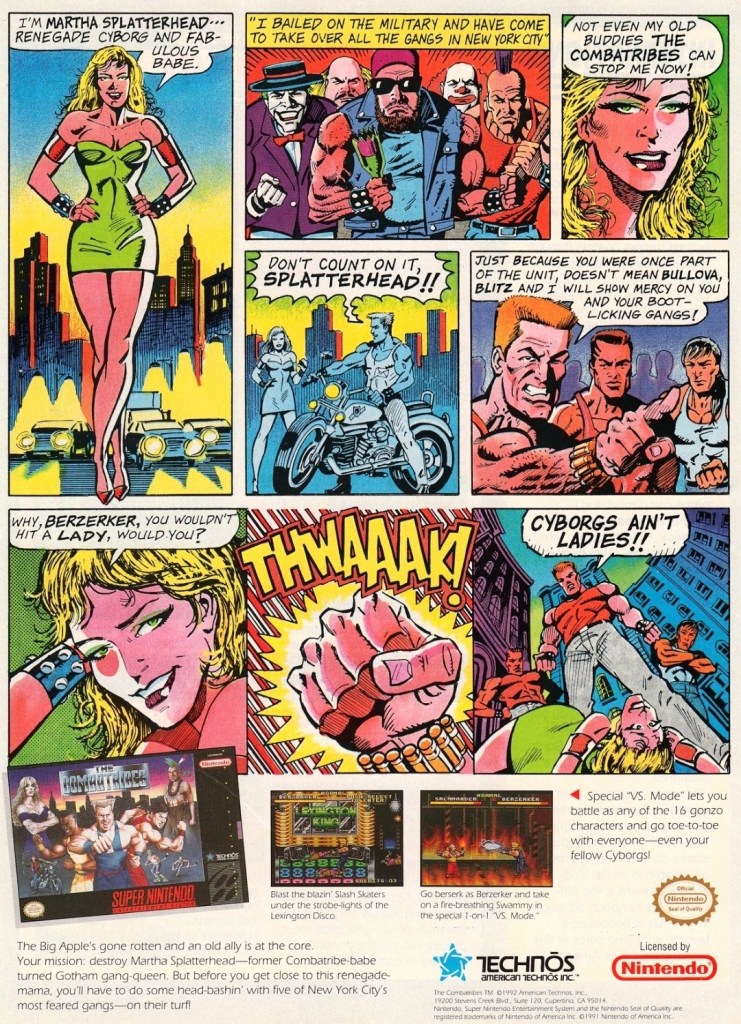
A Look Back at X-Men Adventures Season II #7 (1994)

Welcome back superhero enthusiasts, 1990s arts and culture enthusiasts, Marvel Comics fans and comic book collectors! Today we go back to the mid-1990s to explore the adaptation of the second season of the X-Men animated series in the form of the X-Men Adventures comic book series.

Before getting to the new retro comic book review, I should state that decades ago, the use of future timelines was implemented on the X-Men comics. I’m talking about the possible future where Cable and Stryfe came from, another possible future where Phoenix/Rachel Summers came from, and the more established future of the classic Days of Future Past storyline. Time travel and possible future timelines are the themes in the next X-Men Adventures comic book I reviewed recently.

With those details laid down, here is a look back at X-Men Adventures Season II #7, published in 1994 by Marvel with a story written by Ralph Macchio and drawn by Scott Rosema.

The cover.

Early story

The story begins on Earth in the far future of 3999 AD. Cable, who is fighting for the rebels, battles the deadly forces of the powers that be. It turns out, he and his teammates have been struggling a lot and their team suffered several deaths already. Even though they are very tired and heavily outnumbered, Cable refuses to give up and bravely calls for a frontal assault against their enemies.

Suddenly, Apocalypse appears on the battlefield and commands his robotic troops to destroy Cable and his fellow rebels. To Apocalypse’s surprise, a temporal storm appears and Cable notices it appearing so close to them. One of his teammates got caught by the storm which pushes Cable away. After receiving computer updates, Cable decides to get away from the robotic troops.

Meanwhile in another time period and place, Bishop returns from his mission (his interactions with the X-Men of the 20th century – click here and here) only to discover from Forge that nothing has changed and the plague still rages on…

Quality

The X-Men have a new problem to deal with.

Having read X-Men Adventures #13 and #14 of season 1, I found this particular tale (clearly a sequel to Bishop’s interaction with the X-Men after traveling through time) relatable and enjoyable. There is a strong science fiction vibe here and the time travel aspect added a lot to the build-up of tension.

Bishop here is almost the protagonist as the story showed an altered future in which Forge has no memory of the X-Men and only made a reference to a plague that has lasted for a long time. This compels Bishop to go back to the 20th century again hoping to meet the X-Men and somehow prevent the plague from bringing down society.

The impact of the mysterious virus is tremendous as so many people got infected and authorities suspect mutants to be the carriers. At this stage, the social aspects inserted by the creators really started to grow stronger within the narrative and you will see the X-Men struggling with not only the increased scrutiny on mutants but also with the manipulative tactics of anti-mutant activists who can’t help but see golden opportunities to wipe out mutants in a more clever fashion.

The dialogue here is noticeably gripping to read and the dramatization worked accordingly. There is also a good amount of superhero spectacle to enjoy here even though the X-Men have no super villains to fight with.

Conclusion

Forge has no memory of the X-Men.

X-Men Adventures Season II #7 (1994) looks like a repeat or even a remake of what happened in X-Men Adventures #13 (Season I) but its concept turned out to be not only unique with strong social commentary and sci-fi elements, but also became really engaging thanks to the fine execution by the creative team. On the aspect of social relevance, this comic book will remind you about the internment of Japanese Americans in America (1942-1946) and the COVID-19 restrictions and the quarantine on communities imposed by governments that disrupted people’s lives. As this comic book marks the first part of the Time Fugitives, I can say that I enjoyed it and I’m looking forward to the next chapter.

Overall, X-Men Adventures Season II #7 (1994) is recommended.

+++++

Thank you for reading. If you find this article engaging, please click the like button below, share this article to others and also please consider making a donation to support my publishing. If you are looking for a copywriter to create content for your special project or business, check out my services and my portfolio. Feel free to contact me with a private message. Also please feel free to visit my Facebook page Author Carlo Carrasco and follow me on Twitter at  @HavenorFantasy as well as on Tumblr at https://carlocarrasco.tumblr.com/ and on Instagram at https://www.instagram.com/authorcarlocarrasco
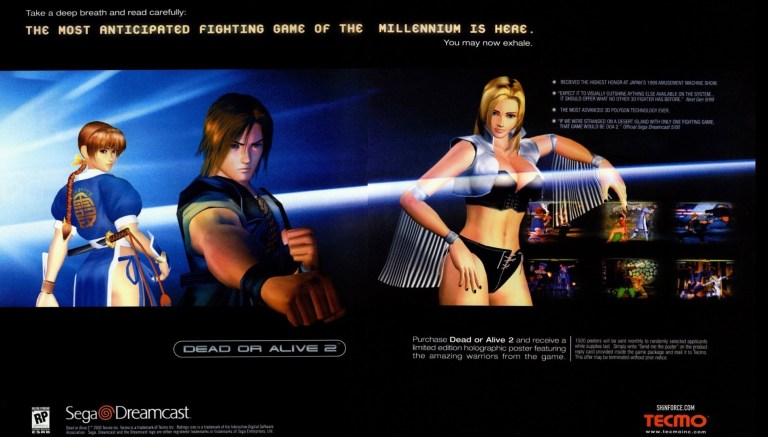
A Look Back at X-Men Adventures Season II #5 (1994)

Welcome back superhero enthusiasts, 1990s arts and culture enthusiasts, Marvel Comics fans and comic book collectors! Today we go back to the mid-1990s to explore the adaptation of the second season of the X-Men animated series in the form of the X-Men Adventures comic book series.

Before getting to the new retro comic book review, I should state that I visited Canada only once. Even before my one and only visit there, I knew through the comic books that famous character Wolverine is a native of Canada and a former member of Alpha Flight (Canadian government-sponsored team of mutant operatives). Somewhere in his past, he was live test subject of Weapon X. I have to mention this because the X-Men Adventures about to be reviewed here is focused on Wolverine.

With those details laid down, here is a look back at X-Men Adventures Season II #5, published in 1994 by Marvel with a story written by Ralph Macchio and drawn by John Hebert.

The cover.

Early story

The story somewhere in the wilderness in Canada where Wolverine helps free an animal that was stuck. Suddenly, Alpha Flight’s Vindicator appears and reminds Wolverine of the fact that he deserted them to work of Charles Xavier. It turns out, Wolverine is back in Canada to visit Heather.

Moments later, he finds himself surrounded by Vindicator’s teammates Puck, Shaman and Sasquatch, and tells them that he is never coming back to Alpha Flight. Even though two more members of the Canadian team joined in, Wolverine manages to avoid defeat in battle and hides away.

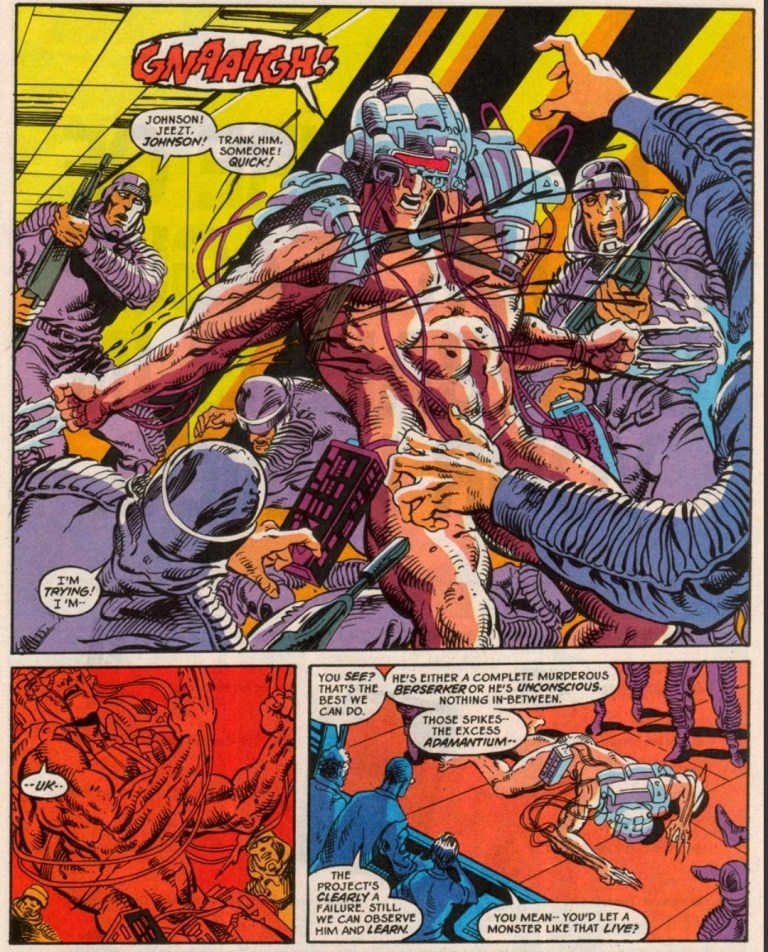
As he listens to Alpha Flight from a distance, he hears Vindicator mentioning that a certain lab is expecting their team. This causes Wolverine to remember the traumatic time he had as a live test subject of Weapon X…

Quality

A look back at the time Wolverine joined the Canadian government-sponsored superhero team Alpha Flight. Would you want to join a unit serving the woke Canadian government of Justin Trudeau in real life?

I should mention first that the teleplay by the late Len Wein contains a very solid and sensible interpretation of Wolverine’s Weapon X origin (with a modern touch for the 1990s) which turned out to be a detailed reference for Ralph Macchio to adapt into this comic book.

That being said, this comic book’s plot of Wolverine going to Canada for a solid purpose and encountering challenges – both from his past with Alpha Flight and others – while bringing back his painful Weapon X past turned out to be a really engaging read. The Weapon X flashback scenes added a depth to the story as well as Wolverine’s portrayal in this adaptation. You will see the clawed X-Men member being tough and gritty as usual, and yet you will witness his fragile side as he becomes personally troubled about the past.

The appearance of Alpha Flight here was put to good use. Apart from the revelation of Wolverine’s past membership with them, you will see the team truly operate with a clear goal as mandated by their government (note: this is clearly not the ultra-woke, Islamo-Leftist government of Justin Trudeau). In fact, this tale gives readers a glimpse of how the Canadian government analyzes and decides what to do with Canadians who are very exceptional and are more valuable than many other citizens. Alpha Flight is the government’s tool which is strongly emphasized here.

Apart from the plot focused on Wolverine, this comic book managed to move the sub-plot of Magneto and Charles Xavier forward a bit.

Conclusion

A Weapon X flashback.

X-Men Adventures Season II #5 (1994) has a very engaging and fun tale focused on Wolverine who encounters his fellow Canadians. Anyone who loves the clawed X-Men member will have a lot to enjoy here. The appearance of Alpha Flight here (as well as in the X-Men TAS episode) added a good layer of depth to the plot while also emphasizing the shared Marvel universe in a controlled manner. Lastly, artist John Hebert’s artwork on Wolverine is really good and his high level of visual detail on other characters and locations should be seen.

Overall, X-Men Adventures Season II #5 (1994) is recommended.

+++++

Thank you for reading. If you find this article engaging, please click the like button below, share this article to others and also please consider making a donation to support my publishing. If you are looking for a copywriter to create content for your special project or business, check out my services and my portfolio. Feel free to contact me with a private message. Also please feel free to visit my Facebook page Author Carlo Carrasco and follow me on Twitter at  @HavenorFantasy as well as on Tumblr at https://carlocarrasco.tumblr.com/ and on Instagram at https://www.instagram.com/authorcarlocarrasco