United States President Donald Trump really means business when it comes to protecting his nation and citizens as America eliminated a vessel from Venezuela operated by the Tren de Aragua gang carrying illegal drugs, according to a Newsmax news report. Already the Prime Minister of Trinidad and Tobago praised the strike.
For the newcomers reading this, Tren de Aragua is a transnational criminal organization from Venezuela and its members has spread throughout Latin America and even in the United States. Tren de Aragua is officially a terrorist organization.
To put things in perspective, posted below is an excerpt from the news report of Newsmax. Some parts in boldface.
President Donald Trump said Tuesday that the U.S. has carried out a strike in the southern Caribbean against a drug-carrying vessel that departed from Venezuela and was operated by the Tren de Aragua gang.
The president said 11 were killed in the operation.
“The strike occurred while the terrorists were at sea in International waters transporting illegal narcotics, heading to the United States,” Trump said in a social media posting. “No U.S. Forces were harmed in this strike. Please let this serve as notice to anybody even thinking about bringing drugs into the United States of America.”
Secretary of State Marco Rubio said earlier on X that the vessel was being operated by a “designated narco-terrorist organization.” He described the operation as a lethal strike.
Rubio addressed the strike on Tuesday shortly before he was scheduled to depart for Mexico and Ecuador for talks on drug cartels, security, tariffs and more.
The U.S. recently announced plans to boost its maritime force in the waters off Venezuela to combat threats from Latin American drug cartels.
The U.S. has not signaled any planned land incursion by the thousands of personnel being deployed. Still, President Nicolás Maduro’s government has responded by deploying troops along Venezuela’s coast and border with neighboring Colombia, as well as by urging Venezuelans to enlist in a civilian militia.
For clarity, posted below is the entire social media post by President Trump regarding the strike. Pay close attention to the details:
Earlier this morning, on my Orders, U.S. Military Forces conducted a kinetic strike against positively identified Tren de Aragua Narcoterrorists in the SOUTHCOM area of responsibility. TDA is a designated Foreign Terrorist Organization, operating under the control of Nicolas Maduro, responsible for mass murder, drug trafficking, sex trafficking, and acts of violence and terror across the United States and Western Hemisphere. The strike occurred while the terrorists were at sea in International waters transporting illegal narcotics, heading to the United States. The strike resulted in 11 terrorists killed in action. No U.S. Forces were harmed in this strike. Please let this serve as notice to anybody even thinking about bringing drugs into the United States of America. BEWARE! Thank you for your attention to this matter!!!!!!!!!!!
Let me end this piece by asking you readers: What is your reaction to this development? Do you like what the Trump administration is doing with regards to combatting terrorists and the wave of illegal drugs coming from Latin America? What will it take to apprehend all the remaining Tren de Aragua members in the United States? Do you think bringing down the Maduro regime in Venezuela can be achieved during Trump’s 2nd term?
Welcome back my readers, YouTube viewers and all others who followed this series of articles focused on YouTube videos worth watching. Have you been searching for something fun or interesting to watch on YouTube? Do you feel bored right now and you crave for something to see on the world’s most popular online video destination?
I recommend you check out the following topics and the related videos I found.
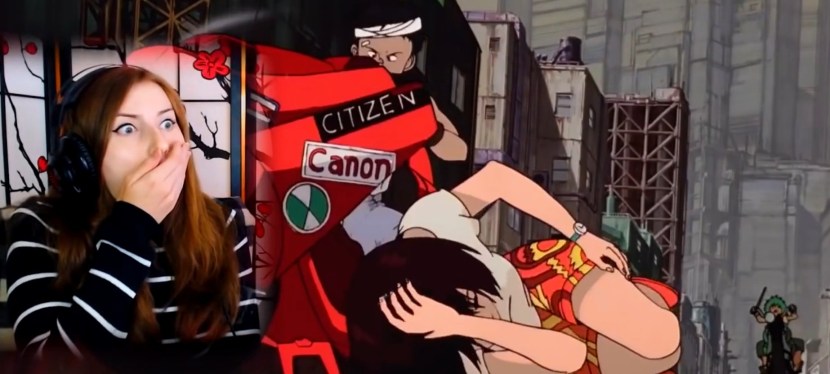
#1 VKunia’s Akira reaction video – In recent times, I published blog post that had several videos of reviews, analysis and exploration of the 1988 anime feature film Akira. This time around, I posted for your viewing pleasure the Akira reaction video of VKunia. What I like about it is that VKunia herself is quite reactive to what was shown. Watch her reaction video below…
#2Royal Space Force: The Wings of Honnêamise reviewed and analyzed by Cinemology 101 – Way back in 1985, the ambitious anime feature film Royal Space Force: The Wings of Honnêamise was released in theaters and eventually made its way into the West with English translation in the cinemas in 1988 and on home video a few years later. While I was not exactly entertained by it on home video, I still was left intrigued by its highly imaginative world, art and animation quality that was comparable in some ways with Akira. YouTuber Cinemology 101 (AKA The Cinemologists) posted its review and explanatory video of the film which is very comprehensive to watch.
#3 Hong Kong Action cinema of the 1980s revisited – If there is anything I miss from the 1980s, it is the dynamic action that came in different styles from the Hong Kong action movies of the time. By comparison, I am disgusted with Hollywood’s so-called modern approach of recording action that involves shaky camera handling and the quick cuts on editing. In Hong Kong action movies, the filmmakers recorded action with stable camera handling and using the right angles to capture the action visibly and clearly. Watch and learn from the video below…
#4 PatmanQC examines Teenage Mutant Ninja Turtles: Turtles in Time arcade – Back in 1991, Teenage Mutant Ninja Turtles: Turtles in Time was released in the arcades and it became a big hit for Konami as it earned the approval of the critics and the coins of many gamers who paid for bouts of fun. The game was designed to be very playful and it also had a lot of stuff that resonated with TMNT fans. To find out who were responsible for the game and what inspired their work, watch the in-depth video by PatmanQC.
#5 Lunar games retrospective by Xygor Gaming – In case you missed the news, the first two Japanese role-playing games (JRPGs) of the Lunar series – Lunar: Silver Star Story Complete and Lunar 2: Eternal Blue – will be released for modern consoles in a package on April 18, 2025 called Lunar Remastered Collection. If you are fond of Japanese RPGs of the 1990s or if you want to discover what the Lunar series is about, watch the in-depth retro gaming retrospective video by Xygor Gaming.
#6 Sorority House Massacre explored by GoodBadFlicks – Recently, it was revealed that the 1986 horror movie Sorority House Massacre will be released on 4K Blu-ray this coming April. I never saw the movie but heard that it was criticized for being too familiar with a certain slasher horror movie from 1978. Regardless, you can learn about it by watching GoodBadFlicks’ explanatory video and perhaps it can provide insight as to why the movie is being released on 4K Blu-ray.
#7 US President Trump’s efforts against illegal immigration make waves overseas – Even though I am not an American citizen, I personally oppose illegal immigration. I simply believe that no government should ever let lots of foreigners to trespass into the country, violate the national sovereignty and consume taxpayer-funded resources. It is a great thing that Donald Trump is officially back as US President and this early, his efforts fighting illegal immigration is making a lot of impact even overseas. The Leftist leader of Colombia gave in to Trump in humiliating fashion, and you can learn all about it in the Sky News Australia video below. Lastly, let me remind you all that illegal aliens are criminals by default, and they certainly are NOT refugees.
#8 Palestinian discredited! – By now, many of you should know that I will always stand with Israel and the Jewish state. Let me tell you the truth that Palestine never started as country, never started as people but rather it started as a name imposed by the evil Roman empire on Israel centuries ago. The Palestinian identity only started in the 1920s, and the Palestinians have a history of chaos, violence and disruption. History and the facts are on the side of Israel, not the Palestinians. Watch and learn from the video below…
#9 Assorted videos of The Matrix – If have seen 1999’s The Matrix, do you personally consider it to be the most revolutionary action movie of all time? Was it the most definitive movie of 1999? Or have you forgotten much about it? If you are feeling nostalgic about the movie, watch the videos below.
Disclaimer: This is my original work with details sourced from reading the comic book and doing personal research. Anyone who wants to use this article, in part or in whole, needs to secure first my permission and agree to cite me as the source and author. Let it be known that any unauthorized use of this article will constrain the author to pursue the remedies under R.A. No. 8293, the Revised Penal Code, and/or all applicable legal actions under the laws of the Philippines.
Welcome back superhero enthusiasts, 1990s arts and culture enthusiasts, movie fans and comic book collectors! Today we go back to the year 1990 to take a look at the official comic book adaptation of the movie Predator 2 (1990).
For the newcomers reading this, Predator 2 is the sequel to the 1987 movie directed by John McTiernan (Die Hard) and starring Arnold Schwarzenegger. As the movie became a huge commercial success, it started a chain of events that led to the rise of the Predator entertainment franchise covering merchandising, comic books and video games to name a few. Of course, the development of a cinematic sequel happened and both the movie studio and filmmakers took their time to make it. Predator 2 was directed by Stephen Hopkins and it starred Danny Glover, Gary Busey and Bill Paxton.
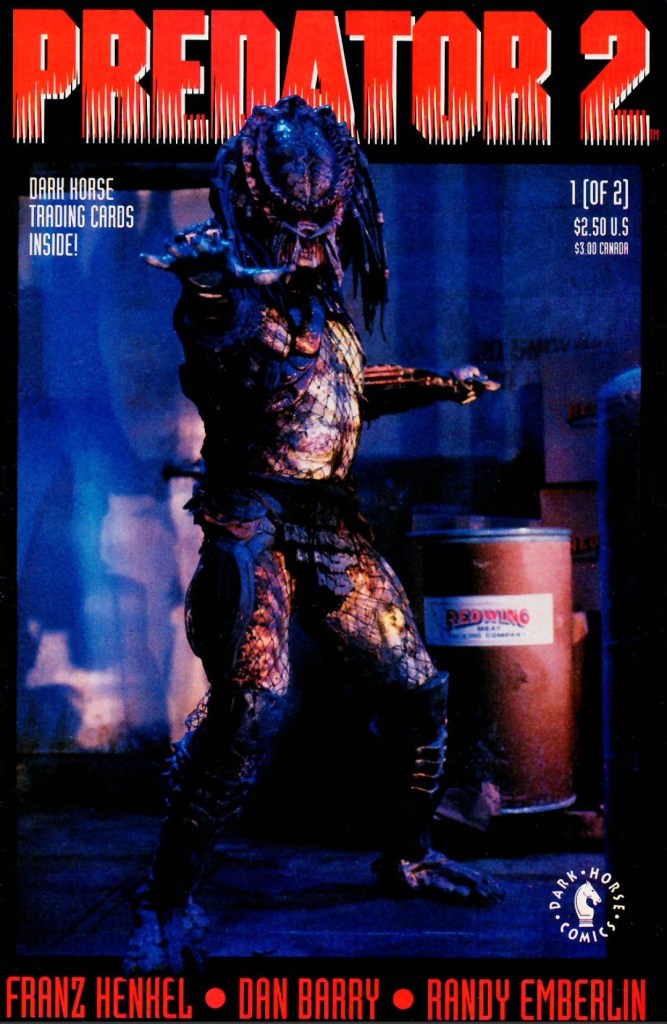
With those details laid down, here is a look back at Predator 2 #1, published in 1990 by Dark Horse Comics with a story written by Frank Henkel (based on the screenplay by Jim Thomas and John Thomas) and drawn by Dan Barry. Mark Verheiden (writer of 1989’s Predator #1) was acknowledged with special thanks. This comic book is the first of a 2-part comic book adaptation of the movie.
The cover.
Early story
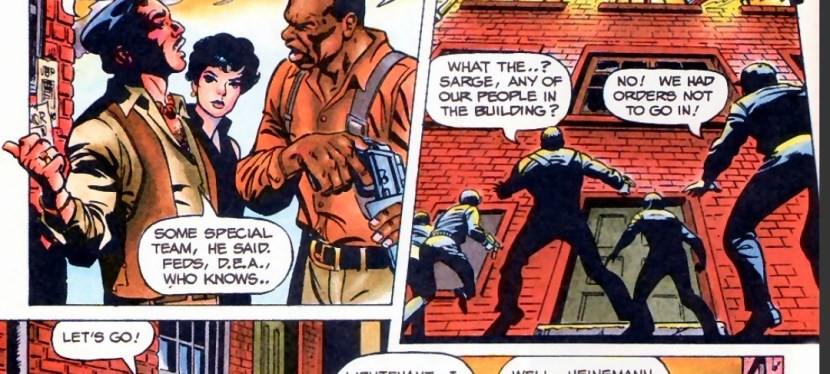
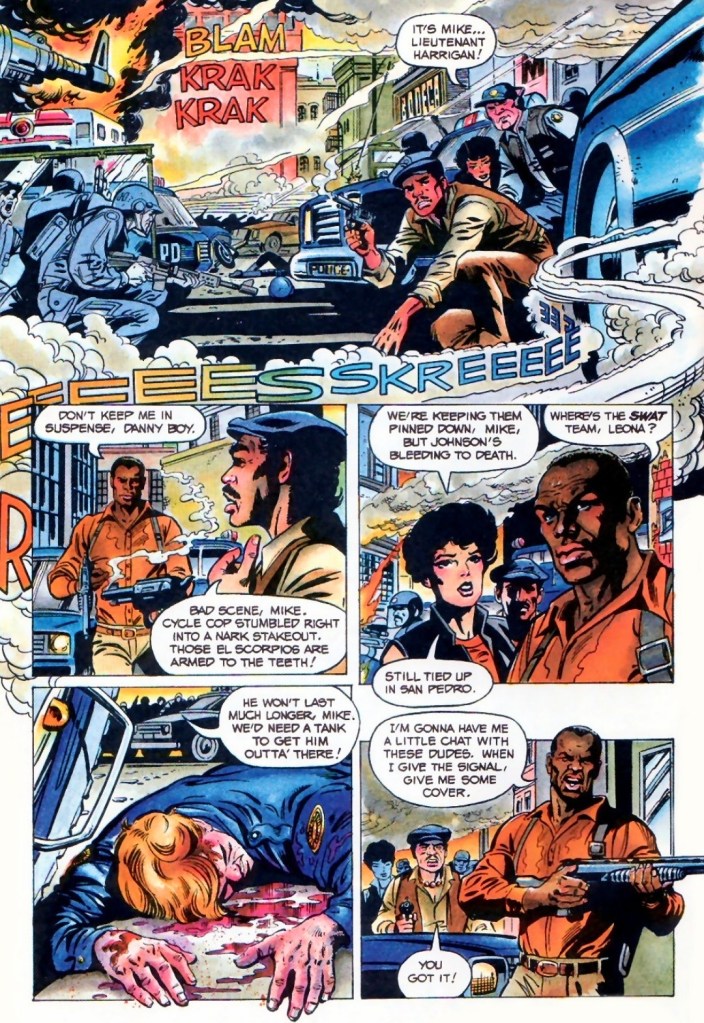
The story begins during a very hot day in 1997 Los Angeles. Police office Mike Harrigan rushes to the site of a major shootout between heavily armed gangs (Colombians and Jamaicans). The police managed to corner a gang to a building that was occupied by the foreigners. Knowing that a fellow cop is slowly bleeding to death and the SWAT (Special Weapons and Tactics) team are still stuck in traffic, Harrigan decides to take action against the armed gangsters with the support of his teammates and some police personnel.
After managing to get close to the gangsters by the building using his car, Harrigan manages to shoot them all and pave the way for his teammates to get closer. Harrigan does not realize that a camouflaged Predator is watching him from above.
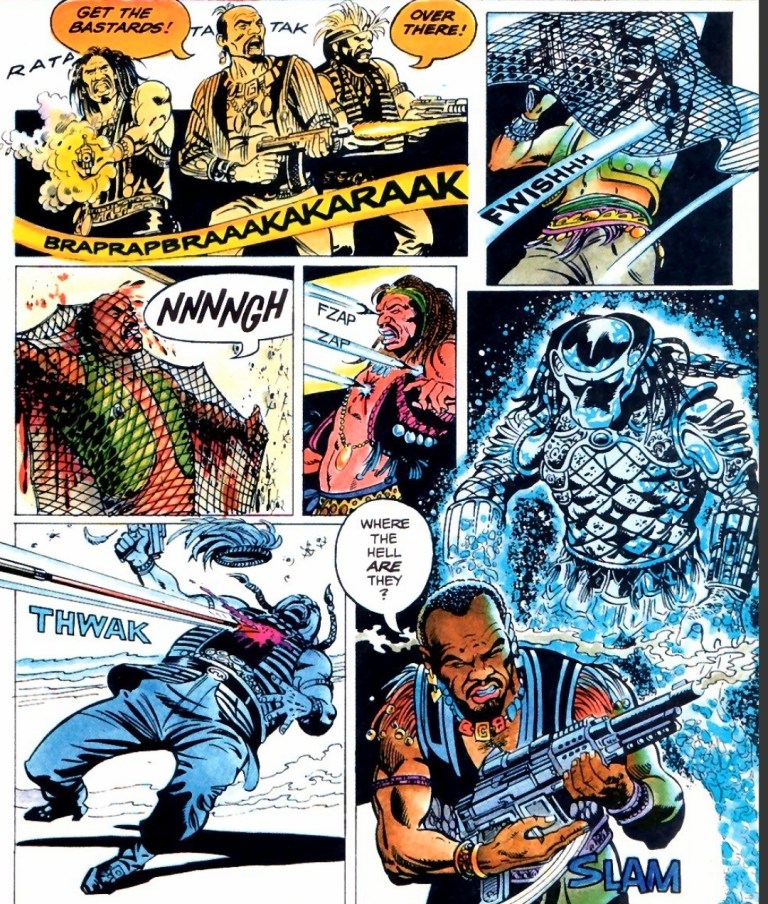
At one of the higher floors of the building, the rest of the foreign gangsters prepare themselves for the arrival of the cops by gathering guns and ammunition. Suddenly, the camouflaged Predator crashes in on them…
Quality
The Predator here is quite aggressive and even arrogant enough to suddenly fight the Jamaican gang alone.
I am surprised how entertaining this first chapter of the 2-part comic book adaptation of Predator 2 turned out to be. While the accuracy is understandably less than 100% with regards to translation from cinema to literature, this comic book’s narrative is quite faithful to the events of the movie (from the start until the King Willie scene) and the film’s vibe was strongly captured. In fact much of the dialogue spoken in the film were mostly recaptured here, and the same can be said about the way the characters were portrayed.
For brevity and the maximizing of the pages made available, creative liberties or shortcuts were taken by the creators. This means that the presentation of details was carefully done to keep readers properly informed while managing to keep the fun factor and level of intrigue strong. Indeed, writer Frank Henkel did a very good job keeping things together to make the reading experience fun and engaging.
If there is anything that this comic book exceeds the movie on, it is the graphic violence. Artist Dan Barry really ramped up the bloody scenes and gore (examples: Mike Harrigan’s killing of two foreign gangsters with a shotgun, and the scene when Harrigan and his team were stunned by the sight of the many ruined dead bodies of gangsters who were just eliminated by the Predator before they arrived) as he used his own style to make the action scenes as intense as the ones filmed by Stephen Hopkins and crew. It was obvious he saw the movie.
Barry also had his own style on visualizing the characters without the authority to use the likeness of any actor from the film. Mike Harrigan looks nothing like Danny Glover while Peter Keyes does not resemble Gary Busey. Barry’s visual take on the Predator itself has a really distinctive look when compared to how other artists drew Predators.
Barry did not aim to achieve photo realism at all with the characters (who appear with a slightly cartoonish aesthetic), the locations and action scenes but I don’t find anything problematic with his work here. In fact, I enjoyed his way of translating the movie’s visual presentation into literary format.
Conclusion
Mike Harrigan, Danny and Leona make their moves.
Predator 2 #1 (1990) is a very enjoyable read. It strongly captured the vibe of the movie complete with the dialogue and the way the characters were presented. Very clearly, the Henkel-Barry duo did really fine work in this comic book adaptation and I am convinced to move on to issue #2.
Overall, Predator #2 (1990) is highly recommended!
The 2025 edition of the prestigious FIVB Men’s Volleyball World Championship is all set to be hosted exclusively by the Philippines from September 12 to 28, 2025.
The event will have the top 32 men’s volleyball teams of the world competing for the championship title. Games will be staged at the Smart Araneta Coliseum in Quezon City and at the SM Mall of Asia Arena in Pasay City. Schedules of the games will be announced soon.
The 32 teams are divided into eight pools which are arranged in the following order: Pool A: Philippines, Iran, Egypt, Tunisia; Pool B: Poland, Netherlands, Qatar, Romania; Pool C: France, Argentina, Finland, Korea; Pool D: USA, Cuba, Portugal, Colombia; Pool E: Slovenia, Germany, Bulgaria, Chile; Pool F: Italy, Ukraine, Belgium, Algeria; Pool G: Japan, Canada, Türkiye, Libya; and Pool H: Brazil, Serbia, Czechia, China.
The Philippines is the exclusive host of the 2025 FIVB Men’s Volleyball World Championship. It is recalled that previous editions of the event were each co-hosted by multiple nations – Italy and Bulgaria in 2018, and Poland and Slovenia in 2018.
For the 2025 edition, the Philippines emerged as the successful bidder and the final decision was made following a rigorous evaluation process where the FIVB and Volleyball World found the Philippine bid to be particularly strong; with its emphasis on ensuring a continued growth of the event and the country’s commitment to the development of volleyball globally.
FIVB President Dr Ary S. Graça F° stated that their organization is confident that the Philippines “will host an extraordinary World Championship that will leave a lasting legacy.”
Meanwhile, Volleyball World CEO Finn Taylor stated that the Philippines “is well-positioned to deliver an exceptional championship that will showcase the best of the sport.”
Disclaimer: This is my original work with details sourced from reading the comic book and doing personal research. Anyone who wants to use this article, in part or in whole, needs to secure first my permission and agree to cite me as the source and author. Let it be known that any unauthorized use of this article will constrain the author to pursue the remedies under R.A. No. 8293, the Revised Penal Code, and/or all applicable legal actions under the laws of the Philippines.
Welcome back superhero enthusiasts, 1990s culture enthusiasts and comic book collectors! Today we go back to the early 1990s and explore a part of the Valiant Comics shared universe through a tale of the Turok: Dinosaur Hunter series.
Previously, Turok went on exploring Colombia after leaving the village of his romantic interest Serita. The village was decimated by the intelligent dinosaurs (also referred to as bionisaurs) that served Mon-ark, a fierce enemy of Turok’s. Eventually Turok got involved with the Colombian drug lord Comacho who has gang of armed men and lots of resources. Ever the dedicated hunter, Turok makes a deal with the drug lord to pursue dinosaurs.
With those details laid down, here is a look back at Turok: Dinosaur Hunter #3, published in 1993 by Valiant Comics with a story written by David Michelinie and drawn by Bernard Chang.
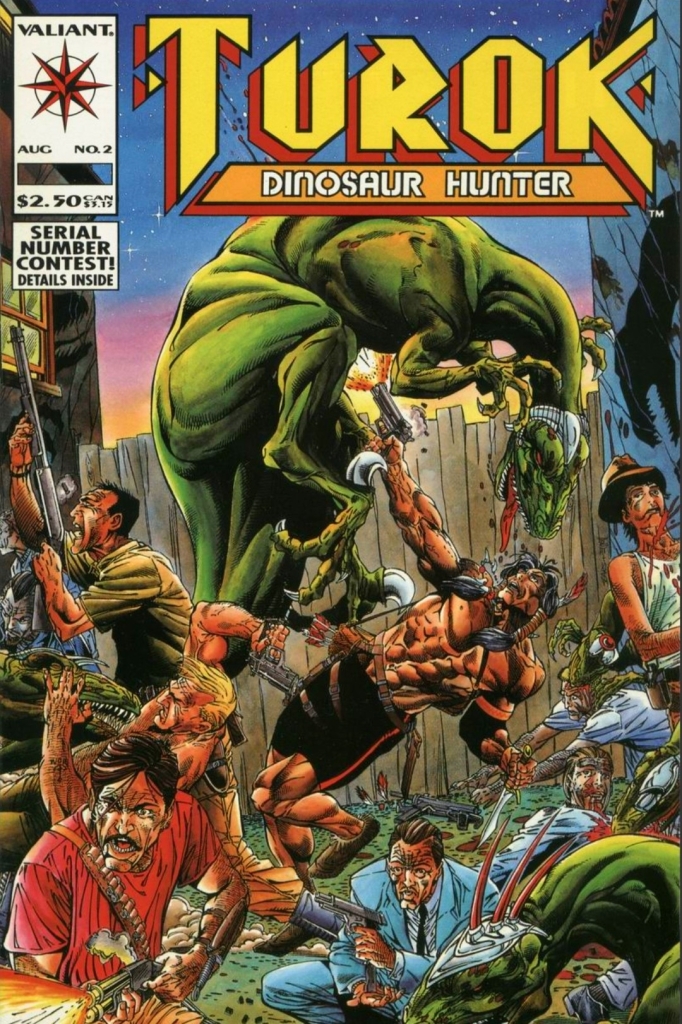
The cover.
Early story
The story begins in Colombia in 1987. Turok tries to sell the severed head of a bionisaur to a local buyer (collector of hunt-related trophies) who offers him only three hundred Pesos.
After concluding a disappointing deal, Turok leaves the local joint only to encounter a lady driving a jeep…the scientist Maria Cortez. She tells him that the drug lord Comacho is planning a raid against the dinosaurs very soon and the gang wants Turok to come along. Cortez, who is obsessed with researching dinosaurs, tells him her single condition that one dinosaur should be spared for scientific study. After some thinking, Turok agrees to join…
Quality
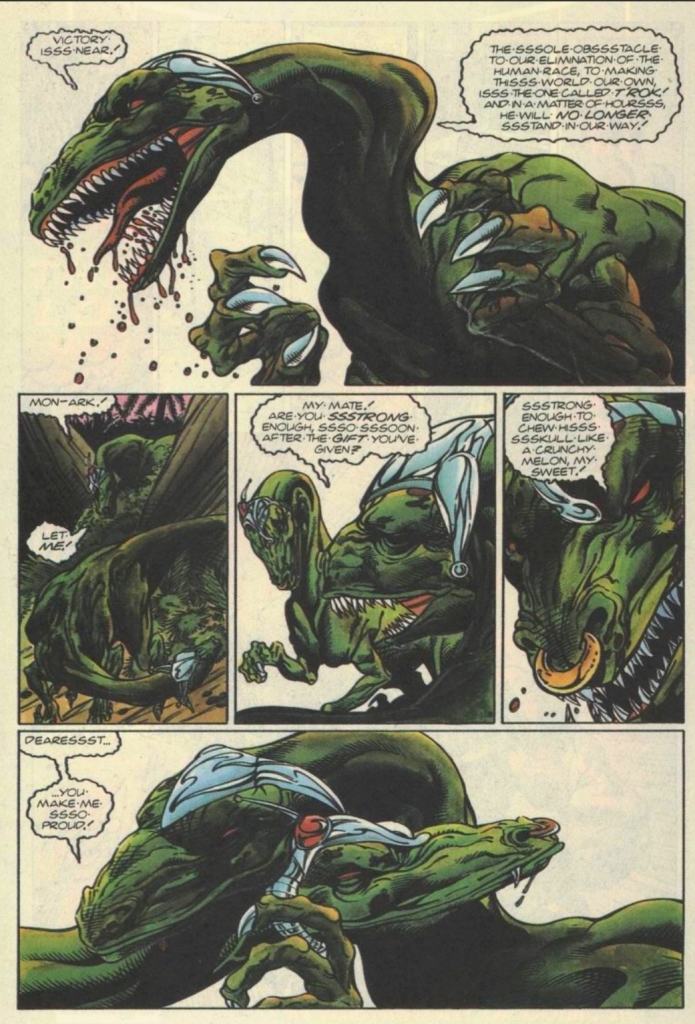
The evil of Mon-ark emphasized.
Starting first with the plot, I can say that David Michelinie’s script is well-written and never lost focus on the inevitable encounter between Turok and his vicious dinosaur rival Mon-Ark. Right from the start, it is clear that the stakes have been raised higher which is the result of Turok’s successful killing of Mon-ark’s mate. Like in the previous issue, Mon-ark here was portrayed again to be very evil and even abusive to his fellow dinosaurs.
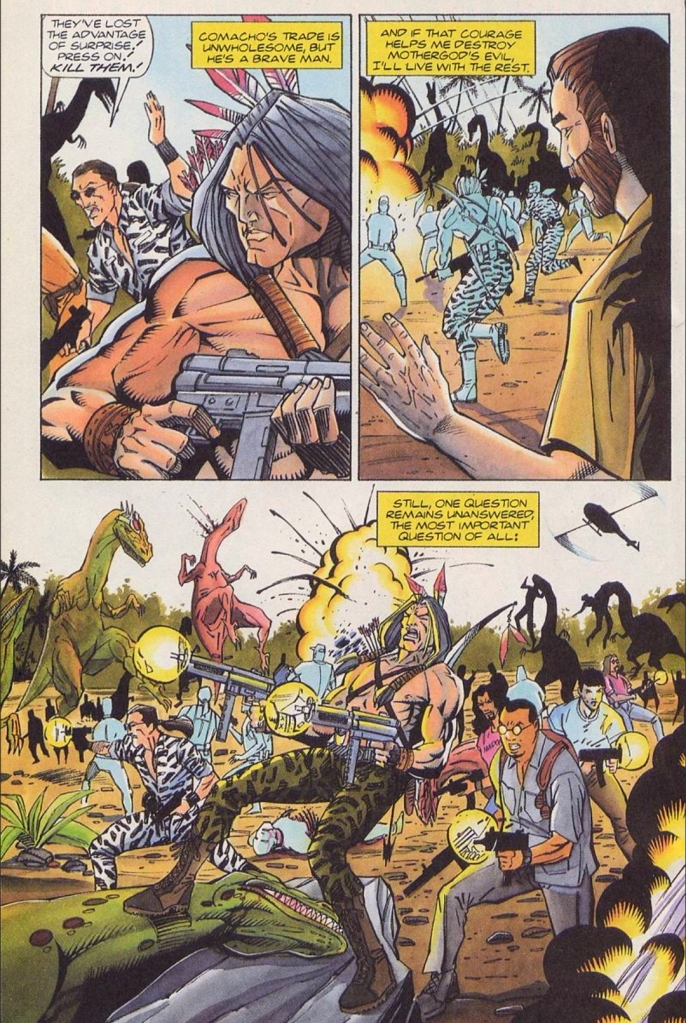
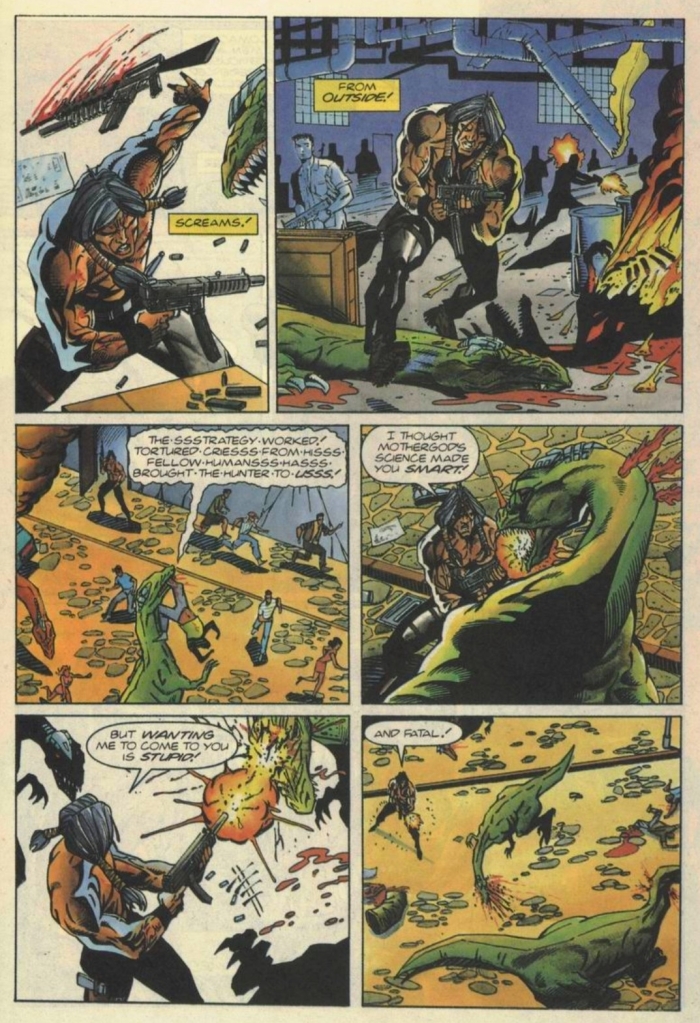
The raid mentioned early in the story is easily the action-packed highlight and it has some notable forms of symbolism. For one thing, the raid was organized by Comacho not because of concern towards Mon-ark nor Turok, but because he wants to stop the disruptions on his illegal drug business caused by the dinosaurs. Cortez meanwhile sees the dinosaurs as animals meant to be studied for the sake of science. And then there is a certain photographer who wants to record everything visually no matter what happens. I can say the raid scenes are entertaining to follow.
As this comic book was not drawn by Bart Sears, I can say that the visual quality and style went way down. I’m not saying that Bernard Chang is a terrible artist at all. It’s just that Chang’s art style does not live up to the gritty, exquisite and intense visuals of the first two issues which clearly defined how Turok stories should look. Along the way, there are several instances wherein Chang’s art style made some characters and facial expressions look somewhat cartoony. The dinosaurs themselves also looked cartoony at times and the heavy loss of visual details on them is very clear.
Conclusion
The armed raid against the dinosaurs with Turok as a willing participant looking like Rambo.
Similar to its predecessor, Turok: Dinosaur Hunter #3 (1993) has enough stuff worth following to be entertained even though the visual quality went down several notches. For one thing, the promised battle between Turok and Mon-ark happened and the way it was written was strong on its own. At the same time, the Indian hunter of dinosaurs got more involved Comacho’s gang which raises questions about his ability to differentiate right from wrong, and good from evil. At this stage of the series, Turok’s direction remains clouded.
Overall, Turok: Dinosaur Hunter #3 (1993) is recommended.
Disclaimer: This is my original work with details sourced from reading the comic book and doing personal research. Anyone who wants to use this article, in part or in whole, needs to secure first my permission and agree to cite me as the source and author. Let it be known that any unauthorized use of this article will constrain the author to pursue the remedies under R.A. No. 8293, the Revised Penal Code, and/or all applicable legal actions under the laws of the Philippines.
Welcome back superhero enthusiasts, 1990s culture enthusiasts and comic book collectors! Today we go back to the early 1990s and explore a part of the Valiant Comics shared universe through a tale of the Turok: Dinosaur Hunter series.
While issue #1 turned out to be entertaining enough, the Indian protagonist Turok was not too engaging. The story worked primarily due to the combined creative works of David Michelinie and Bart Sears.
With those details laid down, here is a look back at Turok: Dinosaur Hunter #2, published in 1993 by Valiant Comics with a story written by David Michelinie and drawn by Bart Sears.
The cover.
Early story
The story begins in Colombia in 1987. Set some time after he left the village of Serita (a Colombian lady he connected with), Turok finds himself in the middle of a fight with multiple intelligent dinosaurs that serve his rival and target Mon-ark. Turok recently started using locally produced poison for his arrows as part of his unrelenting hunt for dinosaurs.
Meanwhile in another part of Colombia, the drug lord Comacho holds a private meeting and express his frustration over the decimation of his drug shipments. It turns out, the couriers were slaughtered and eaten by the dinosaurs. Upon learning of the presence of an Indian who makes it his business to hunt dinosaurs, Comacho gives an order to find him…
Quality
You will see Turok in a lot of action scenes fighting these intelligent and savage dinosaurs.
As the follow-up to the 1st issue, this is a story about Turok really hunting dinosaurs as part of his effort to get to Mon-ark (the leader of a pack of dinosaurs present in Colombia) in relation to what happened during the Unity storyline. In addition, you will get to see the protagonist get involved the Colombia drug lord who really needs him as the dinosaurs tremendously disrupted the shipment of illegal substances. As a newcomer in this particular time and place within the shared universe of Valiant Comics, Turok here does not care much about the reputation of Comacho as he is obsessed with hunting dinosaurs.
Speaking of the dinosaurs (who were granted human-like intelligence by the Mothergod), you will get to see Mon-ark have his own share of the spotlight and see him being a leader of his fellow dinosaurs. The showcase of his ruthlessness was expectedly done here to symbolize the element of evil in a violent way.
The plot by Michelinie is nicely structured and the narrative moved in a smooth enough pace leading to an obvious new direction.
Like in the previous issue, Bart Sears drew the art but with the involvement of Bernard Chang. For the most part, I recognized Sears’ work and there were some subtle visual differences here and there. The good news here is that if you enjoyed the gritty look as well as the uncompromised approach to violence in issue #1, then you will find those here as well.
Conclusion
A look at the intelligence and interaction between these two evil dinosaurs in love. There’s no homosexuality here nor anything related to transgender or the disease called wokeness.
Turok: Dinosaur Hunter #2 (1993) is entertaining and compelling enough to read. It further explores Turok’s story as a man lost in time who simply would not run away from the dinosaurs as he is obsessed with eliminating Mon-ark. The tale, however, involves a Colombian drug lord as well as his private army which adds depth to the narrative as well as Turok’s place within Valiant’s shared universe of the time. Lastly, this one nicely sets up a big conflict between the Indian and his dinosaur rival.
Overall, Turok: Dinosaur Hunter #2 (1993) is recommended.
Disclaimer: This is my original work with details sourced from reading the comic book and doing personal research. Anyone who wants to use this article, in part or in whole, needs to secure first my permission and agree to cite me as the source and author. Let it be known that any unauthorized use of this article will constrain the author to pursue the remedies under R.A. No. 8293, the Revised Penal Code, and/or all applicable legal actions under the laws of the Philippines.
Welcome back superhero enthusiasts, 1990s culture enthusiasts and comic book collectors! Today we go back to the early 1990s and explore a part of the Valiant Comics shared universe through a tale of a very notable illustrated literature character named Turok.
I say very notable because Turok, an Indian (North American native), started in comics in the 1950s published by Western Publishing through its licensee Dell Comics. The comic book series Turok: Son of Stone started from 1956 until the early 1980s. In 1989, Valiant Comics was established by former Marvel Comics editor-in-chief Jim Shooter and business partner Steven Massarsky which was the result of a failed 1988 attempt to purchase Marvel Entertainment. In 1991, Valiant published Magnus: Robot Fighter and Solar: Man of the Atom as its early titles which is notable because both characters were licensed properties from Gold Key Comics (which itself was involved in the original Turok series).
Then in 1992, a newer version of Turok was introduced by Valiant Comics in the 12th issue of Magnus: Robot Fighter and subsequently the character (along with established side-kick Andar) became involved in the Unity storyline which was Valiant’s first major crossover comics event. By the time Unity ended, the road was cleared for Valiant to further emphasize Turok for the modern comic book readers of the time.
With those details laid down, here is a look back at Turok: Dinosaur Hunter #1, published in 1993 by Valiant Comics with a story written by David Michelinie and drawn by Bart Sears.
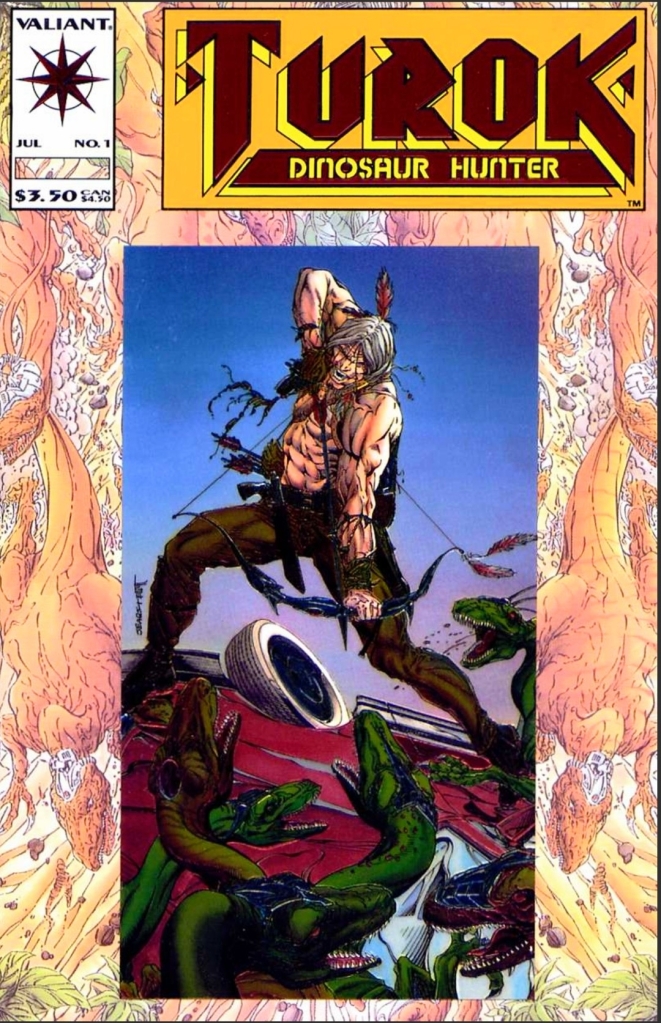
The cover.
Early story
The story begins in Colombia (note: written as Columbia in the comic book) in South America in the year 1987. Deep in the forest, Turok performs a ritual believing that his spirit is getting cleansed and purified. He remembers the times when he and Andar discovered a land – filled with dinosaurs and other animals they never encountered previously – where time no longer held much meaning.
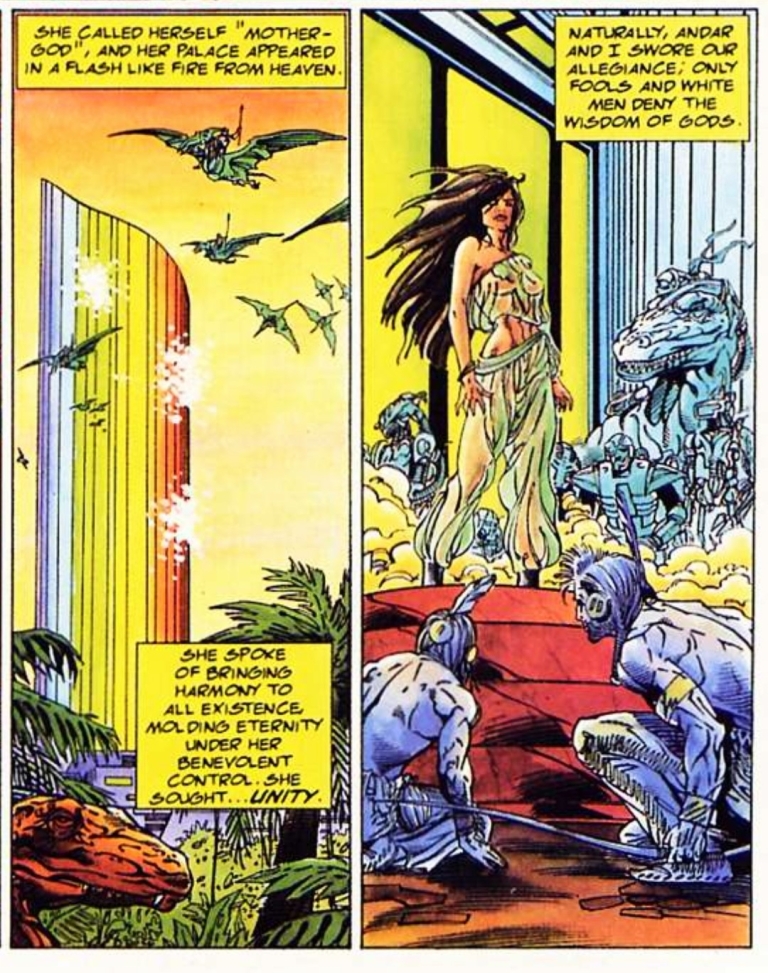
He and Andar got involved in an armed conflict with invaders who arrived with advanced technologies. The robot fighter Magnus then got involved and helped Turok and their side turn the tide of battle. Eventually a stunning phenomenon happened as a woman who called herself Mothergod appeared. Turok and Andar foolishly submitted themselves to her and soon, they started operating in her service with violence against those who opposed her.
After encountering Archer and Armstrong, Turok realized the error of his devotion to Mothergod and eventually joined forces with Rai, X-O Manowar and others who waged battle against her.
Back in the present, an intelligent, cybernetically enhance dinosaur attacks Turok…
Quality
Very intense violence drawn by Bart Sears which reflected the high intensity of Turok’s fight with the dinosaurs.
To get straight to the point here, when it comes to emphasizing a new version of Turok for comic book readers in the early 1990s, the creative team was quite successful in achieving that goal. By the time I reached the end of this comic book, Turok’s place within the huge shared universe of Valiant got established solidly and the Michelinie-Sears duo dramatized the Indian’s struggle (being lost in time and far away from where he belongs) in South America in the late 1980s.
Being lost in time and having to deal with deadly, intelligent dinosaurs brought not only the warrior within Turok but also the determine survivor in him as well. There is a good amount of character emphasis of Turok which served as an effective balance to all the spectacle (read: uncompromised bloody violence) the creative duo prepared. Instead of using thought balloons, you will read Turok’s thoughts through narration boxes all throughout which made an effective and interesting reading experience.
Considering his great skills in hunting and fighting, Turok is not really a super protagonist. He is as vulnerable as any other person and you will get to see him suffer and become so helpless, he has no choice but to avail of assistance from South American villagers who lived by the land but are themselves very vulnerable to the savagery of the intelligent dinosaurs. The symbolism regarding vulnerability as well as the ramifications of the Unity crossover on this tale is very strong. This is indeed very solid writing by Michelinie.
As for the art, Sears’ work here is very unique and his style on drawing people, monsters and locations made this comic book a visual standout among 1993 comic books. When it comes to the graphic violence, it is clear to me that Sears enjoyed the creative freedom he got and he really emphasized his imagination as to how gruesome violence caused by dinosaurs on human beings would be. That being said, there are lots of violent action scenes and images of physical damage (damage on the flesh specifically) that remain visually disturbing to this day.
Conclusion
Very foolishly, Turok and Andar submitted themselves to a walking, evil idol. This should remind you that idolatry is both foolish and unholy.
Turok: Dinosaur Hunter #1 (1993) works nice as modern portrayal of Turok and it succeeds in establishing his place within Valiant’s comic book universe thanks primarily to the Michelinie-Sears duo. Turok himself is not exactly an interesting protagonist to me but I can say it is the creators’ way of portraying him that makes the plot and the comic book work as an entertainment piece. I also liked the way Turok was emphasized as a character who got lost not only in time but also dimensionally lost as he has to live within a whole new world while focusing on survival as well as his desire to kill his rival Mon-Ark (the intelligent dinosaur). If you know your American pop culture history, you will realize that this comic book incidentally paved the way for the Turok video games (starting with 1997’s Turok: Dinosaur Hunter of Nintendo 64) that happened years later.
Overall, Turok: Dinosaur Hunter #1 (1993) is recommended.
While the Philippines continues to attract more tourists from around the world (read the related post), the Bureau of Immigration (BI) is concerned about the pending resurgence of sex tourism in the country, according to a Manila Times news report. Already there have been reports of sex offenders from abroad who were intercepted by the local authorities.
To put things in perspective, posted below is an excerpt from the Manila Times report. Some parts in boldface…
THE Bureau of Immigration (BI) has expressed alarm over the likely resurgence of sex tourism in the country as indicated by the frequent arrival and interception of foreign sex offenders (FSO) at the Ninoy Aquino International Airport (NAIA) and other major ports of entry.
Immigration Commissioner Norman Tansingco said on Sunday that entry attempts by sex offenders into the country have become almost a “daily trend” and are not limited to the national capital Manila, but are also in provincial airports such as Cebu.
Tansingco also said that some unscrupulous groups or individuals could be promoting sex tourism, the practice of traveling to foreign countries with the intention of engaging in sexual activity in exchange for money.
“We will not allow that to happen. We are duty-bound to implement a provision in our immigration act that prohibits the entry of aliens convicted of crimes involving moral turpitude. We will not allow the entry of these undesirable aliens to pose a threat to our women and children,” Tansingco said.
He attributed the possible resurgence of sex tourism to the reopening of the country’s border after the pandemic.
“During the pandemic, there was an increase in online exploitation of women and children. When international travel resumed, the number of FSOs rose, which could show that the exploitation is being continued,” he said. “With the return of tourism, foreigners who intend to abuse our hospitality seem to be returning.”
“We warn these predators not to attempt to enter the country, as we have close coordination with different governments, who provide us information about sex offenders that might attempt to enter the Philippines,” he said.
Under the Philippine Immigration Act of 1940, those who have been convicted of a crime involving moral turpitude, which includes sex offenders, are ineligible to enter the country.
The Philippines is regarded as among the top 10 sex tourism destinations in the world. Others on the list are Germany, the Netherlands, Columbia, Thailand, the Dominican Republic, Spain, Kenya and Brazil.
Just over the weekend, BI frontline officers intercepted two more FSOs, identified as Mark David Scanlon and Richard Stuard Patterson, both Americans convicted of sexually molesting minors in the US. They arrived via separate flights at the international airports in Cebu and Manila.
Scanlon, 53, was intercepted after arriving aboard an Eva Air flight from Taiwan at the Mactan-Cebu International Airport (MCIA), while Patterson, 33, was turned back upon arriving from Los Angeles via a Philippine Airlines flight at the NAIA 1 terminal.
Both passengers were sent back to their ports of origin hours after they were denied entry.
Information obtained by the BI revealed that in 2012, a court in Cook County, Illinois, convicted Scanlon on the charge of indecently soliciting a child over the internet.
On the other hand, Patterson was convicted in Oregon in May 2011 on the charges of sexual abuse in the second degree and sodomy in the third degree, where the victims were 15 and 13 years old, respectively.
Scanlon and Patterson are only two of the more than 150 foreign registered sex offenders (RSOs) who have been refused entry at the airports since January.
Let me end this piece by asking you readers: What do you think about this recent development? Do you consider sex-related tourism a major issue for the Philippines’ standing in international tourism? Do you think that there are lots of suspected business joints within your city that could secretly be engaging in prostitution, pornography and human trafficking? What do you think should be done to prevent sex tourism from growing in the Philippines? Do you think that illegal sex-related activities involving foreigners here in the Philippines (for insight, click here, here, and here) are somehow attracting foreign sex offenders to come into the country?
Disclaimer: This is my original work with details sourced from watching the movie and doing personal research. Anyone who wants to use this article, in part or in whole, needs to secure first my permission and agree to cite me as the source and author. Let it be known that any unauthorized use of this article will constrain the author to pursue the remedies under R.A. No. 8293, the Revised Penal Code, and/or all applicable legal actions under the laws of the Philippines.
Welcome back, readers and movie enthusiasts! Chances are you must have heard about the controversy and debates over Sound of Freedom, a movie about the child trafficking which was made years ago but only got released this year after overcoming many hurdles. The film starring Jim Caviezel as real-life hero Tim Ballard and directed by Alejandro Monteverde, was released at a time when wokeness in Hollywood got so feverish a lot of movies were no longer interesting for me.
In case you missed the news, the low budget Sound of Freedom performed beyond expectations in the American box office and has since been making waves gradually in cinemas around the world. The film opened officially here in the Philippines on September 20 and I finally saw it in the local theater.
With regards to the controversy about Sound of Freedom, I urge you to reject the Leftists’ constant ranting against it and make the effort to see it yourselves. If you take into account the conceptualization of the movie, it is almost a decade old now and efforts to write the script happened years before QAnon even started (for context, watch Midnight’s Edge video by clicking here). Blatant accusations of QAnon conspiracy theory against this film are simply false and officially denied by Tim Ballard. Communist-filled Hollywood (Commiewood) and the woke mob are simply lying to stop people from seeing the movie.
With those details laid down, here is my review of Sound of Freedom.
The official movie poster.
Early story
The story begins in Honduras when a pretty lady visits the home of a father who has one young daughter and one young son, and convinces him to have them audition into modeling. The audition happened in a different location (filled with the man’s two kids and many others) and as the father was not allowed to be present, he was asked to return in the evening. By the time he returned, the place was empty and the children were kidnapped. They secretly shipped to another country.
In America, Tim Ballard and his time successfully apprehended a man for possessing and distributing child pornography. Tim’s teammate points out to him that although they have arrested many child predators, they could not even save a single child from exploitation and abuse…
Quality
I will start first by saying that this movie was not made to entertain viewers but to emphasize the real-life problems of child trafficking, kidnapping, the abuse of minors, sex trafficking and why slavery today still has many millions of victims (including minors).
This movie closely examines the struggles that come with fighting the syndicates (that kidnapped children and sell them) and the customers (who paid to illegally acquire children for their wicked desires) as told through the eyes of Tim Ballard (Jim Caviezel) who is clearly feeling the heavy stress of his US Homeland Security job (which takes a lot of strength, sacrifice and sheer will to do). Ballard himself has many kids with his faithful and supportive wife (Mira Sorvino) and therefore he can easily relate with the parents whose children got kidnapped and sold in other countries.
Caviezel is mostly subtle with expressing Ballard’s emotions as well as his verbal expressions with the other people he interacted with. This is not to say that Caviezel’s act is wooden, rather he is straightforward with portraying a man who feels disturbed by the collective stress of his duty (but still far away from the breaking low-point). Even though he is getting worn down, Ballard’s sheer determination to save a specific kidnapped-and-abused daughter for a Honduras-based father is nicely captured by Caviezel.
The efforts of fighting the criminals who pounced on children involves a lot of hurdles to overcome. I’m not just talking about Homeland Security agents taking down people in America who engaged in child pornography but also going after the very criminals overseas who kidnapped children, shipped them from one nation to another and sell them as “models” to pedophiles. As such, Ballard’s efforts involves spending time overseas (away from his family), making local connections and secretly working his way into different locations where the risks of getting killed are high.
Again, this tale is not about entertaining viewers as it works on emphasizing to them how extremely difficult it is to bring down the criminals in real-life. The good news is that this film is nicely directed by Monteverde whose cinematic style is simplistic and yet engaging to watch. There is a clear subtle approach on showing what little violence the film has. As for scenes of child abuse, there is nothing graphic to see (left ambiguous) nor was there anything intense about them. While I am certain that some parts of the story involved liberties in order to establish a functional cinematic narrative, this movie strives hard with realism while also avoiding becoming preachy with its message (expressed in subtle fashion) about human trafficking, child slavery and the business involving pedophiles and kidnappers.
Conclusion
Sound of Freedom was clearly made to inform the world that children are still being kidnapped, used for illegal transactions, transported around the world and sold to the predators. This real-world problem continues to happen somewhere every single day and there are simply not enough law enforcers who could fight the criminals and rescue the kidnapped minors. Nor do the law enforcers have the resources to stage major rescue operations while facing off with armed criminals and their bodyguards.
While it is told through Tim Ballard, this movie is not about him and his profession. It is about the extreme difficulties that law enforcers – both domestic and overseas – have to go through to save the very young victims. The story was told with consistent realism and subtlety which make it very believable to watch. Jim Caviezel is indeed a solid performer and his portrayal of Tim Ballard will easily remind you that true heroes are the ones who bravely face tremendous odds to achieve their goals (for good) while still maintaining their sanity no matter how hopeless the situations appeared.
Sound of Freedom is a cinematic call to action to make others aware about the ongoing menaces of sex trafficking, kidnapping, abuse of minors and the cartels (demonic people) that profited from their evil trade. Like Steven Spielberg’s Schindler’s List, this film was made for reflective viewing and not for amusement. Indeed, God’s children are not for sale and this is the truth that the bashers of this movie do not want you to realize. There is also the biblical truth to the popular quote from the film. Read the holy scripture below…
Behold what manner of love the Father has bestowed on us, that we should be called children of God! Therefore the world does not know us, because it did not know Him. Beloved, now we are children of God; and it has not yet been revealed what we shall be, but we know that when He is revealed, we shall be like Him, for we shall see Him as He is. And everyone who has this hope in Him purifies himself, just as He is pure.
Whoever commits sin also commits lawlessness, and sin is lawlessness. And you know that He was manifested to take away our sins, and in Him there is no sin. Whoever abides in Him does not sin. Whoever sins has neither seen Him nor known Him.
Little children, let no one deceive you. He who practices righteousness is righteous, just as He is righteous. He who sins is of the devil, for the devil has sinned from the beginning. For this purpose the Son of God was manifested, that He might destroy the works of the devil. Whoever has been born of God does not sin, for His seed remains in him; and he cannot sin, because he has been born of God.
In this the children of God and the children of the devil are manifest: Whoever does not practice righteousness is not of God, nor is he who does not love his brother.
1 John 3:1-10 (NKJV)
To put things politically, you must be wondering why the Satanic Left – Democrats, Communists, socialists, Marxists, liberals, the SJWs and the woke extremists – keep on bashing and hating Sound of Freedom. Here is why…because the Leftists are themselves pro-crime (example: “Defund the police.”) and they have made efforts to weaken law enforcement which emboldened the criminals such as robbers, murderers, kidnappers, smugglers, rapists, terrorists, molesters, illegal immigrants and, of course, the pedophiles. The Leftists are clearly wicked and they are lots of them present not only in government but also in showbiz, the mainstream media and other sectors of societies. The Leftists care less about the children and nuclear family, and this is why they want more drag queens and homosexuals to go after the children without law enforcers blocking them. The Leftists are okay with children getting kidnapped, abused and raped. In short, those in the Left are okay with being evil and doing what Satan wants.
I saw Sound of Freedom at the local cinema.
The Leftists are very afraid of Sound of Freedom and remember that it is the one notable movie that almost never got released. That being said, you must watch the movie whenever you have chance to do so.











 Author Carlo Carrasco