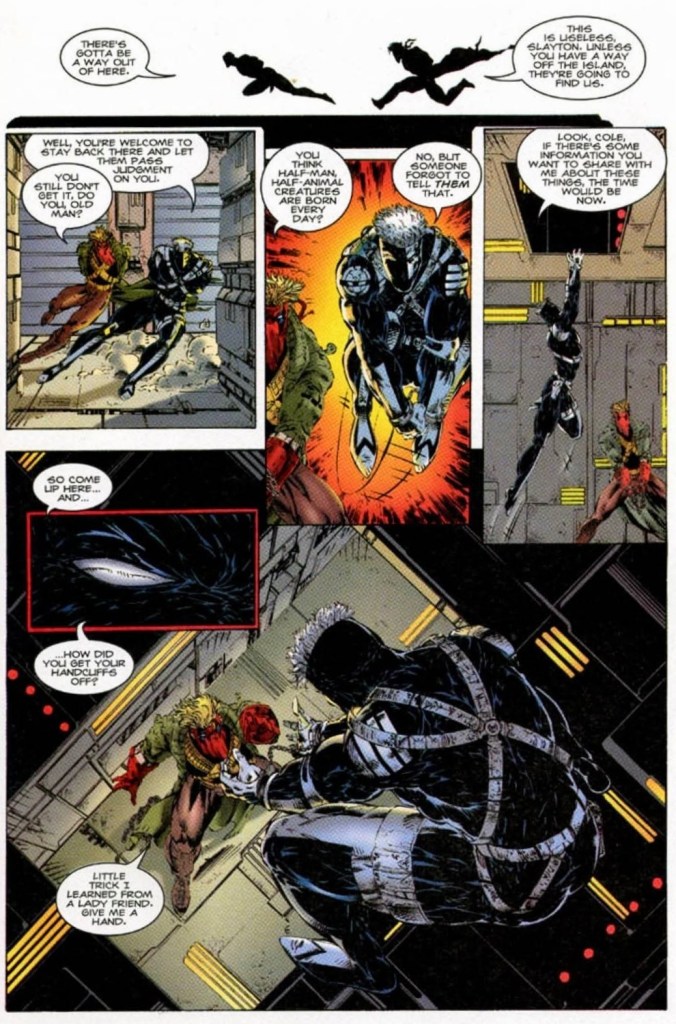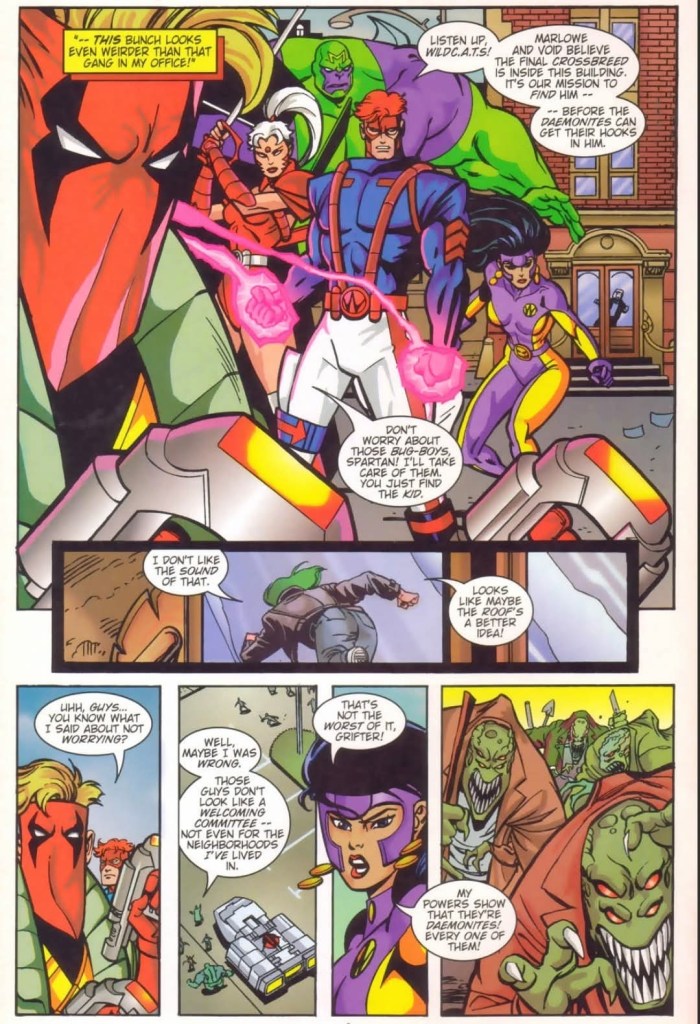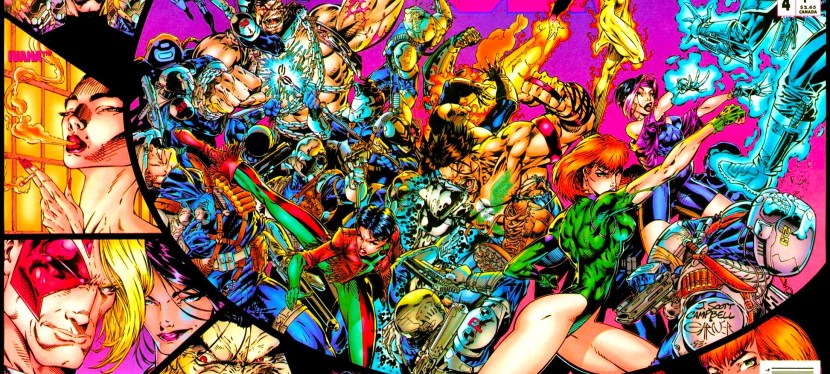
A Look Back at Team 7 #3 (1994)

Welcome back superhero enthusiasts, 1990s arts and culture enthusiasts, Image Comics fans and comic book collectors! Today we go back to the year 1995 to take a close look at one of the many tales of the original WildStorm universe through one of the comic books of the first mini-series of Team 7.

For the newcomers reading this, Team 7 is set in the past within the original WildStorm universe. This is the special forces team that had major WildStorm heroes – Grifter (WildCATS: Covert Action Teams), Backlash, Jackson Dane (Wetworks), John Lynch (Gen13) and Michael Cray (Deathblow) – who were younger, were proficient with combat and gained special abilities as a result of a sinister move by their superiors. Issue #2 took place after the team got exposed to something they never anticipated and their superiors knew it.

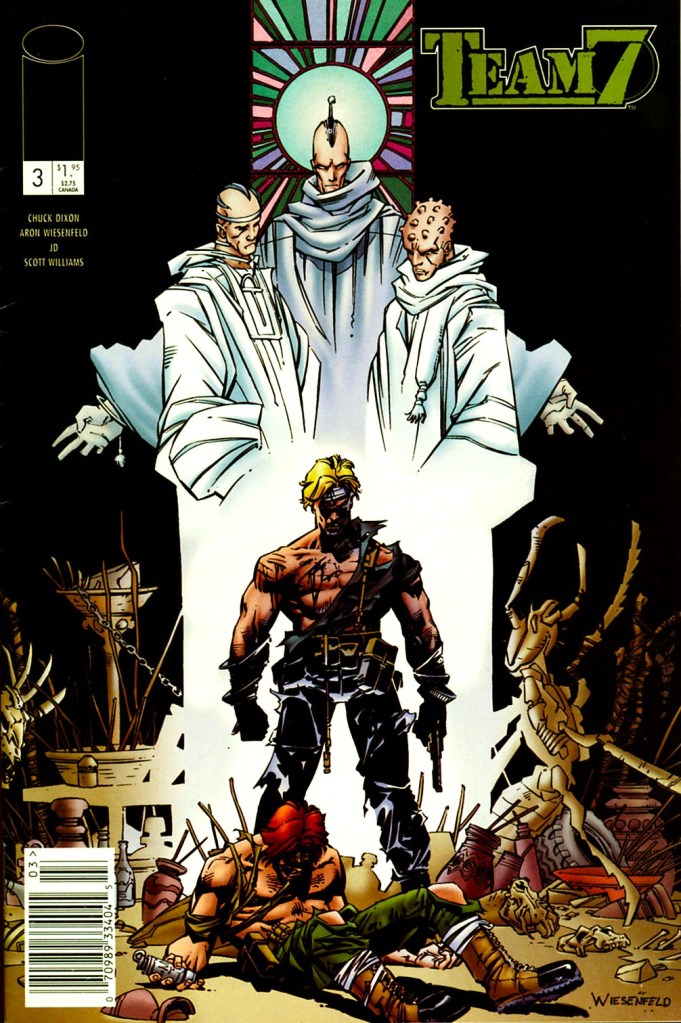
With those details laid down, here is a look back at Team 7 #3, published in 1994 by Image Comics with a story written by Chuck Dixon and drawn by Aron Wiesenfeld. This is the 3rd chapter of a 4-issue mini-series.

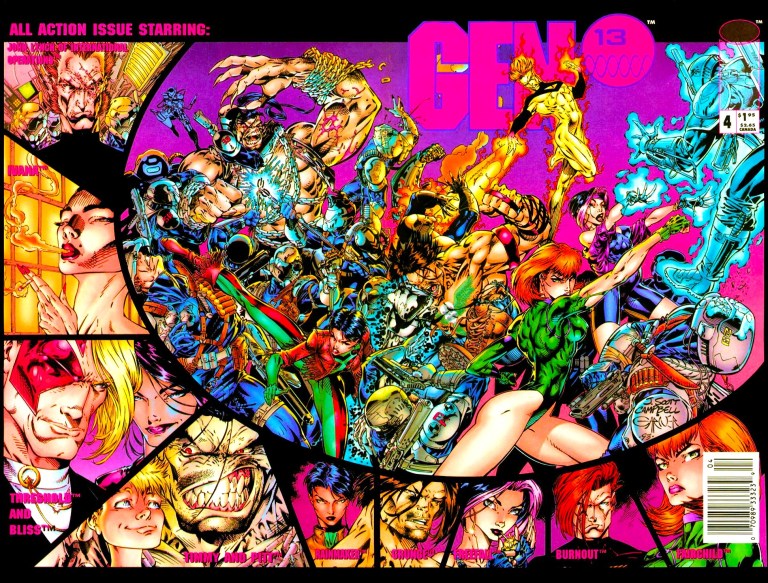
The cover.

Early story

Set in the 1970s, the surviving Team 7 members (already exposed to the chemical agent) are in the middle of a new mission somewhere in East Africa. Because their teammate Johnson abused his new power to manipulate a black general to kill himself against his own will, Cole Cash eliminates Johnson causing John Lynch to be outraged. Cash tells Lynch that Johnson lost himself completely. He also tells him to list Johnson as MIA (missing-in-action) and turn a blind eye as before.

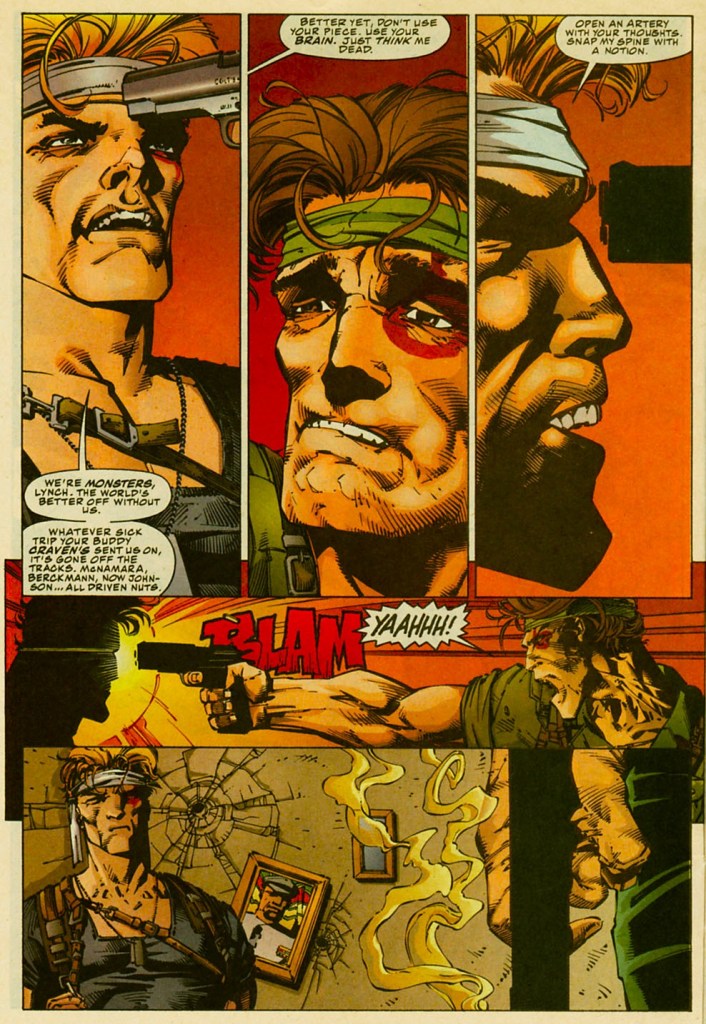
Lynch points his gun at Cash’s head believing he is standing for the mission and rules. After Cash tells him that they are monsters and that the world is better off without them, Lynch relents and shoots the wall instead. The mission concludes and Team 7 goes home by helicopter.

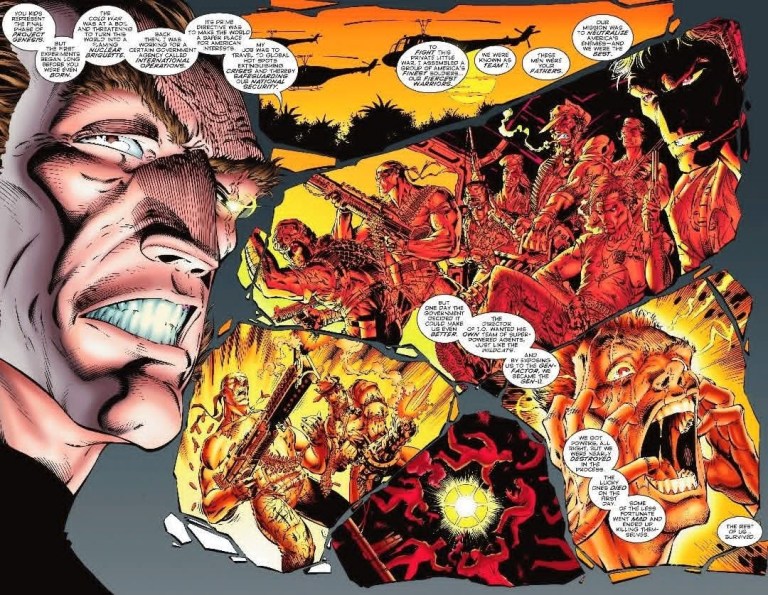
As the ride goes on, John Lynch thinks very deeply about everything that happened since they got exposed to the chemical agent. He realizes that they were exposed to genetic altering elements and wonders if he and his teammates were nothing more than lab rats for International Operations (IO)…

Quality

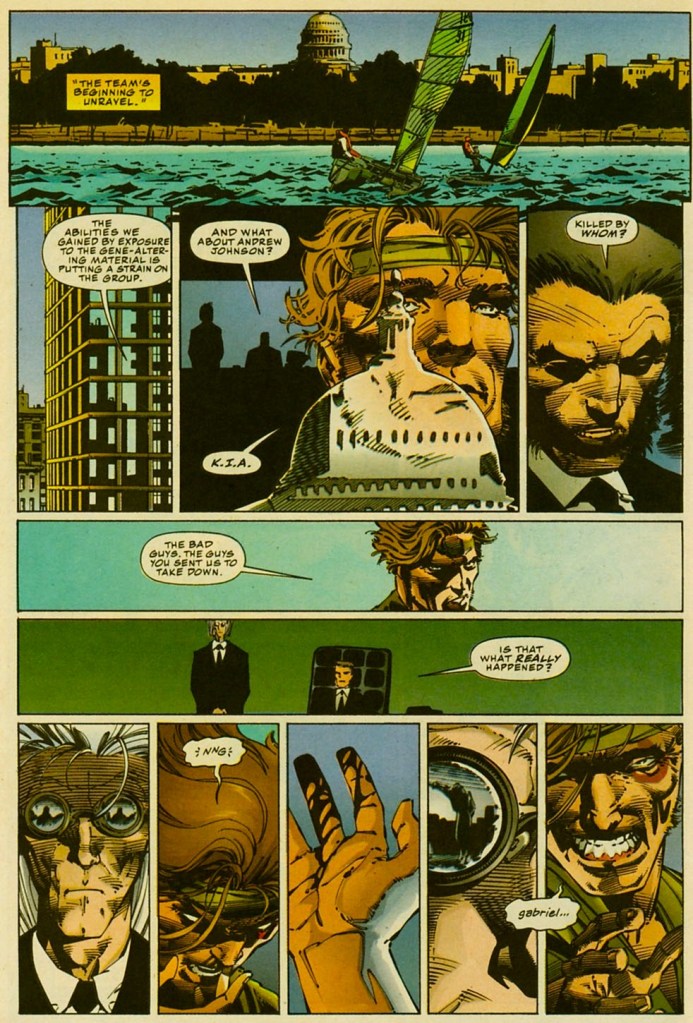
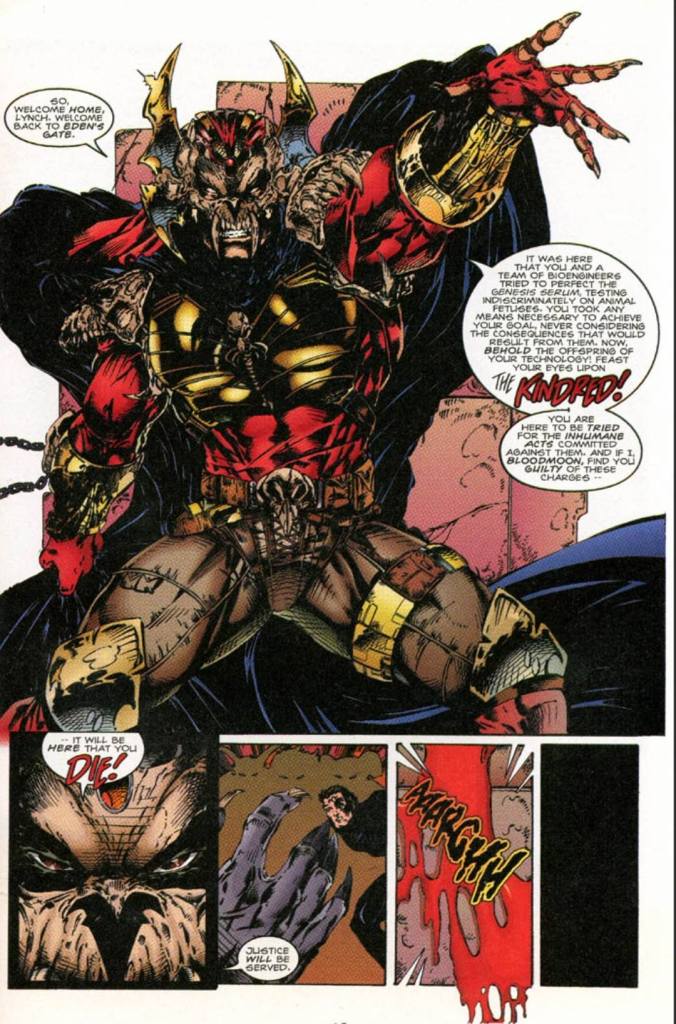
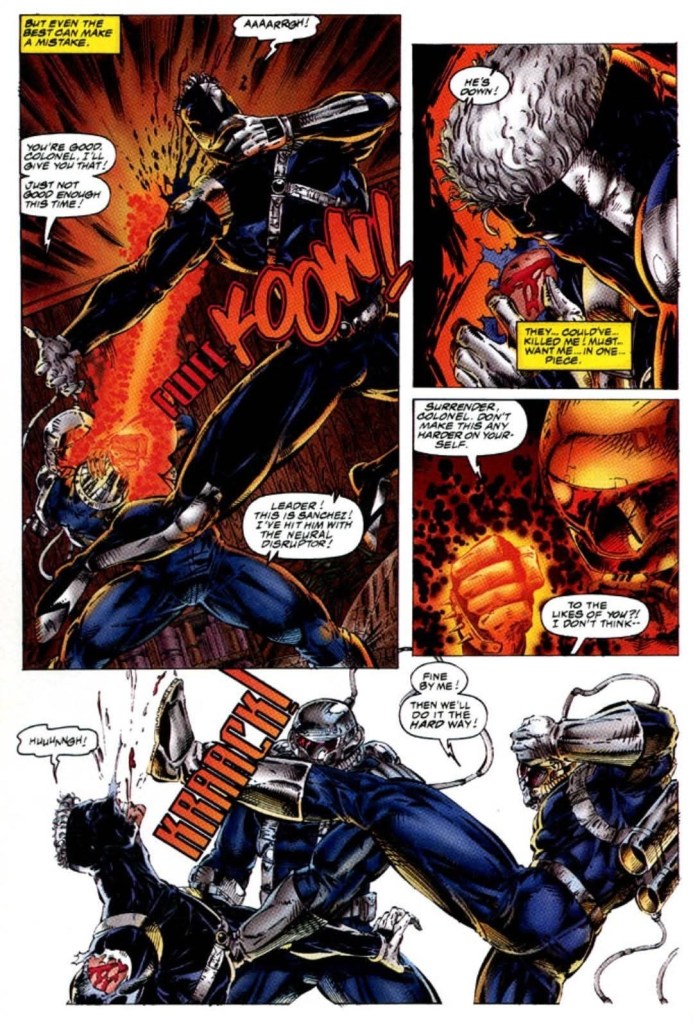
John Lynch in the presence of his traitorous superiors following the East African operation.

If there is anything notable here apart from the continued dark and gritty tone, the plot really thickened clearly. At this stage, it is more obvious that the superiors have indeed something more sinister planned for Team 7 to endure. They know that the infected team members are closing ranks to protect itself which means they are ready for the so-called final test.

Along the way, John Lynch gradually realizes the evil of his superiors and being the field leader, he begins to analyze what is best for him and his teammates and which options to take knowing the betrayal from above. Quitting is simply not an option for Lynch and the pressure builds up as the story went on. Cole Cash here sees things very clearly and he easily became the pathfinder among Team 7 members. When he scolds his teammate Fairchild (father of Gen13’s Caitlin Fairchild) for abusing his power in a public place while off-duty, it is clear that Cash wants to keep the team together by means of keeping together while maintaining sanity.

As for Team 7 itself, there is something intriguing that awaits readers once they start their new mission here. I won’t spoil it and it has to be seen. Simply grab a copy of this comic book, read it and pay attention to the details. It’s strong stuff from the creative team.

Conclusion

Cole Cash (Grifter) talks sense into John Lynch about what has really been going on and why they have become monsters.

Team 7 #3 (1994) has a lot of intrigue as the plot thickened. At this stage, it is clear that IO is really up to no good and Team 7 is symbolically their scientific and military experiment. Fortunately for the team, they have John Lynch and Cole Cash as the reasonable members who are able to cut through the noise and became aware of what IO has been executing. The stage is set for the concluding issue and this comic book is indeed a solid build-up and also an engaging WildStorm read.

Overall, Team 7 #3 (1994) is recommended.

+++++

Thank you for reading. If you find this article engaging, please click the like button below, share this article to others and also please consider making a donation to support my publishing. If you are looking for a copywriter to create content for your special project or business, check out my services and my portfolio. Feel free to contact me with a private message. Also please feel free to visit my Facebook page Author Carlo Carrasco and follow me on Twitter at  @CarloCarrascoPH as well as on Tumblr at https://carlocarrasco.tumblr.com/ and on Instagram at https://www.instagram.com/authorcarlocarrasco

A Look Back at The Kindred #4 (1994)

Welcome back, superhero fans, 1990s arts and culture enthusiasts, Image Comics and comic book collectors! Today we go back to the mid-1990s to examine one of the many tales of the WildStorm universe through The Kindred mini-series.

After reading the first three issues of this WildStorm mini-series, Grifter and Backlash were well defined as two former teammates of Team 7 who are at great odds with each other. Adding more emphasis to the Team 7 legacy and the dirty history of International Operations (IO) was IO officer John Lynch (who became a captive in this mini-series) and the revealed leader of the Kindred. The stage is set for the conclusion of this mini-series.

With those details laid down, here is a look back at The Kindred #4, published by Image Comics in 1994 with a story written by Jim Lee, Brandon Choi, Sean Ruffner and the illustrator himself, Brett Booth.

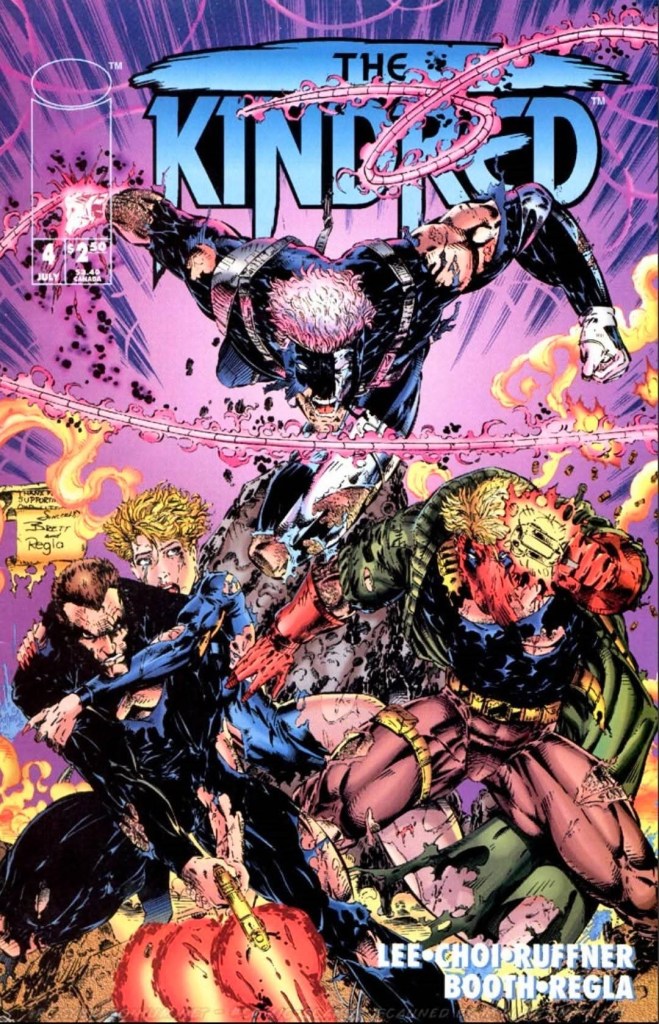
The cover.

Early story

The story begins some time after the leader of the Kindred revealed himself to Lynch, Grifter, Backlash and Alicia Turner. It has been former IO operative and Team 7 member Roberto Diaz all along and he blamed Backlash for leaving him for dead more than twenty years prior during a desperate situation in South America.

On the orders of Diaz, a few of the beastly Kindred servants carried the severely damaged body of Backlash to a waterfall and threw him down. Elsewhere, Grifter is naked and contained in a water container with oxygen and a communication device attached to him. Roberto Diaz watches and communicates with him. Diaz tells Grifter that the his old identity is no more and the only thing he requires from him are gen samples which are crucial to better understand the genesis drug.

Diaz reveals to him that duplicating the genesis drug is crucial for the Kindred to create more life and be able to overwhelm the world and force it to recognize the might of the Kindred society. Grifter tries to reason with his former teammate by telling him that the genesis serum is something that is not meant to be tampered as it will lead to destruction…

Quality

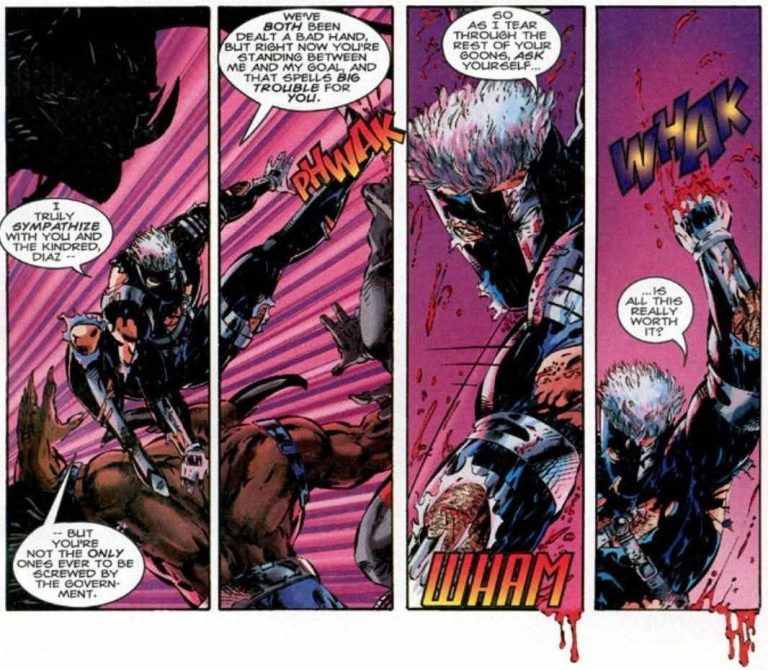
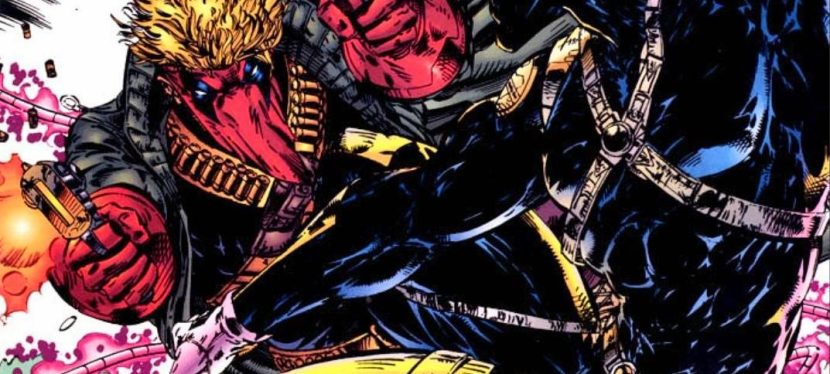
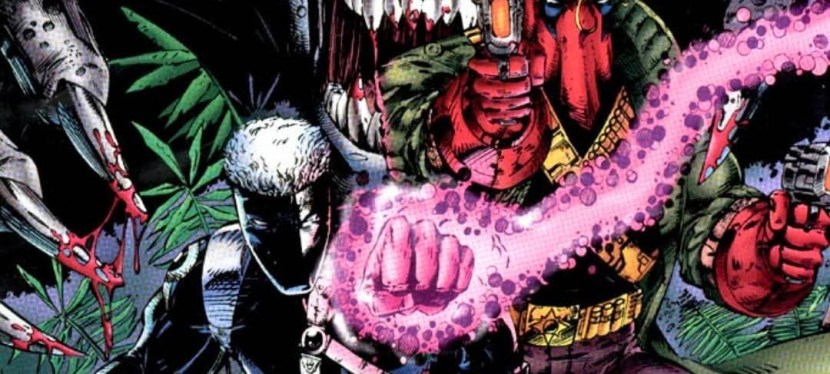
Backlash in action!

This early, I can say that Jim Lee, Brandon Choi, Sean Ruffner and Brett Booth gave their best effort to make this final chapter very intriguing, dramatic and explosive to read at the same time. Along the way, they expanded the lore of the original WildStorm universe while building up anticipation for the Team 7 original mini-series (released in the 4th quarter of 1994).

The writing got even stronger in this final issue in terms of storytelling and character development. Roberto Diaz is not a one-dimensional super villain. In fact, he strongly believes that he was betrayed not only by Team 7 and IO, but by humanity in general. As such, he found purpose with the Kindred during his survival days and injected himself with the genesis drug which enhanced him but also turned him into an addict (this alone added drug addiction as a key theme). As far as Roberto Diaz is concerned, he is on a path of no return and his obsession with vengeance against humanity justifies his leadership of the Kindred and the master plan to overwhelm humanity someday. In terms of geopolitics, this reminds me a lot about Islamic terrorists going up against Western civilization using violence while having their fellow Islamists migrate into different nations worldwide to overwhelm those societies from within. Of course, the concept of Diaz and the Kindred plotting against many billions of humans here is high fantasy mixed with unethical science, terrorism, infiltration and terrorism.

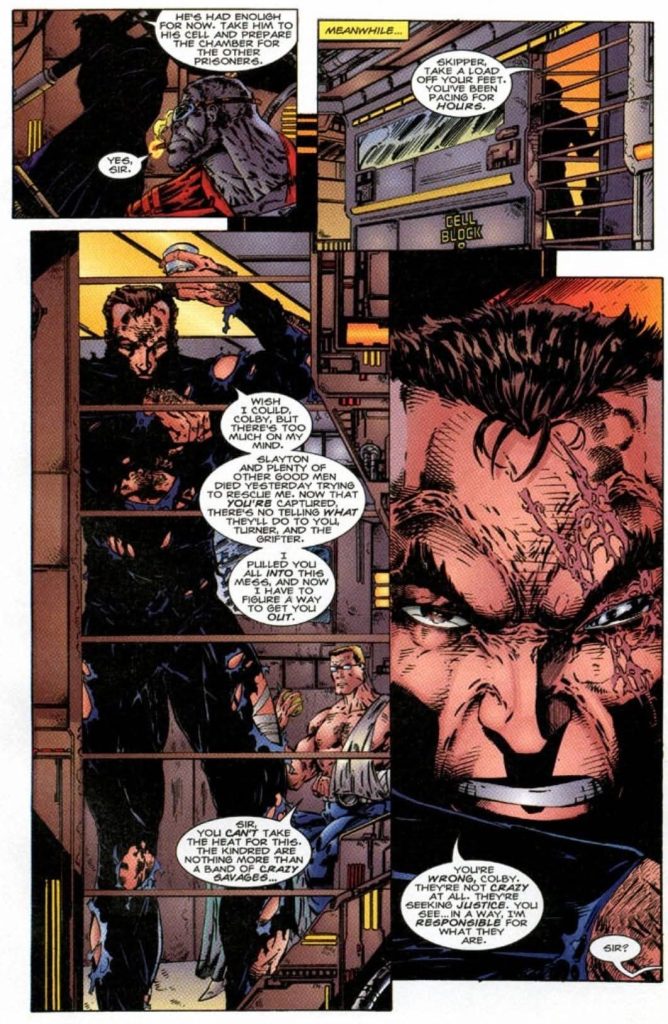
The creators managed to develop Grifter, Backlash and John Lynch even more. Lynch here is portrayed as very stressed and struggling with being responsible over the deaths of many men IO sent to rescue him. He even believed for a while that Backlash is dead and he knows fully well that the Kindred are not crazy but rather intelligent and are obsessed with seeking justice. In some ways, Lynch is also responsible for the Kindred and he reflects on what he did for decades for IO while serving as a Team 7 member with a leadership role.

John Lynch in the prison cell with Colby.

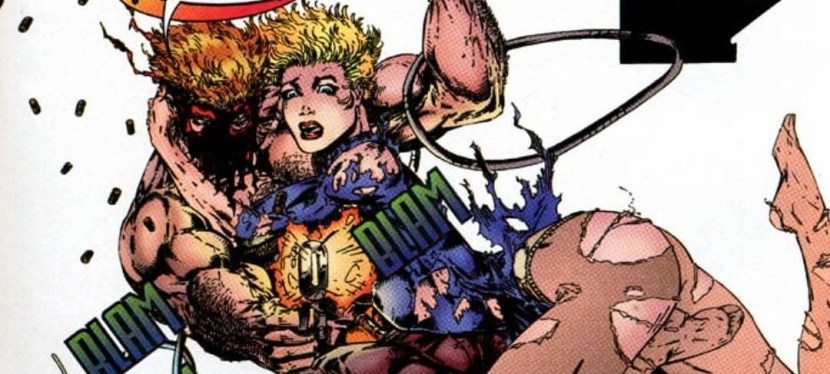
Grifter and Backlash, who are often visually featured in the promos of this mini-series, also have their fair share of the spotlight. Both heroes are severely beaten and not even their special talents or powers were enough to overcome the violent opposition of the Kindred. I like the way the creators emphasized Grifter’s (civilian identity: Cole Cash) personality as he got into the same prison cell with Alicia Turner who turned out to be involved with him several years prior. Grifter here is uneasy about the past not only as member of Team 7 but also as a person. As for Backlash, I’ll say that he has the classic heroic comeback in this issue and things got really tense between him and Roberto Diaz.

When it comes to superhero spectacle, this one is really packed with action and Brett Booth delivered some dynamic artworks to make the story look entertaining. When he draws the Kindred – those animalistic loyalists of Roberto Diaz – he makes them look horrific and intimidating from time to time. When it comes to drawing Backlash and Grifter, Booth’s take has some rough edges as this mini-series was produced before the start of the Backlash series.

Conclusion

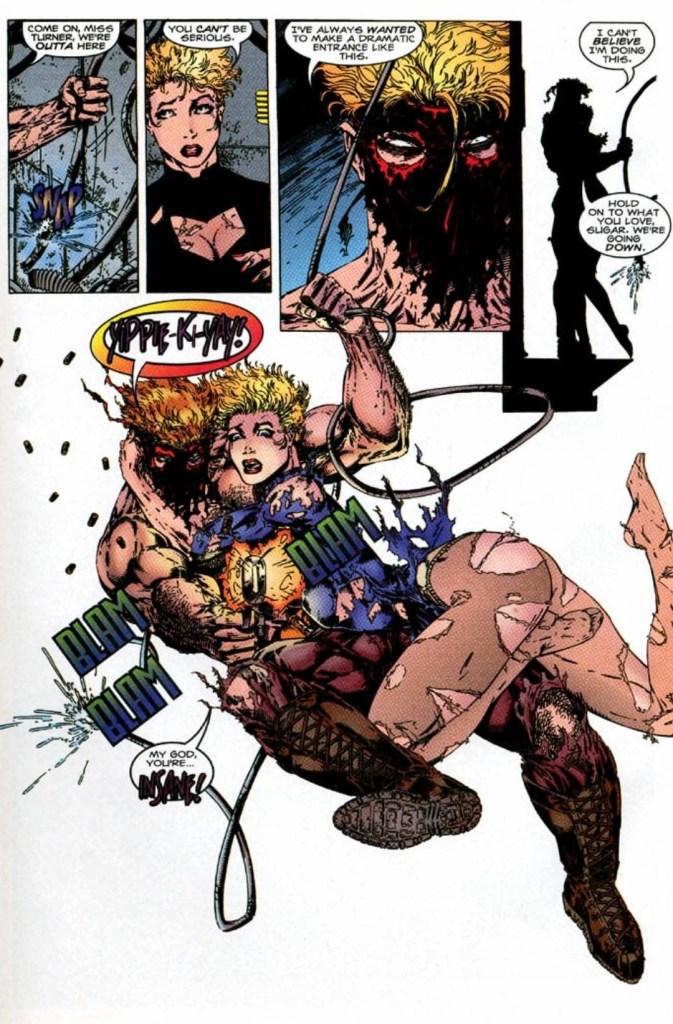
A dynamic action shot of a battered Grifter with Alicia Turner.

I can say that The Kindred #4 (1994) is a worthy end to the mini-series. By the time the plot concluded, the lore and the paramilitary concepts of the original WildStorm universe got expanded a lot with emphasis on the legacy left behind by Team 7 and IO. Grifter, Backlash and John Lynch – all former teammates of Team 7 – got nicely developed here and their significance within the WildStorm universe got stronger. This comic book delivered intrigue, surprises and a good amount of spectacle from start to finish. It also succeeded in setting the stage for the late-1994 launch of Team 7.

Overall, The Kindred #4 (1994) is recommended.

+++++

Thank you for reading. If you find this article engaging, please click the like button below and also please consider sharing this article to others. If you are looking for a copywriter to create content for your special project or business, check out my services and my portfolio. If you want to support my website, please consider making a donation. Feel free to contact me with a private message. Also please feel free to visit my Facebook page Author Carlo Carrasco and follow me on Twitter at @CarloCarrascoPH as well as on Tumblr at https://carlocarrasco.tumblr.com/ and on Instagram at https://www.instagram.com/authorcarlocarrasco/.
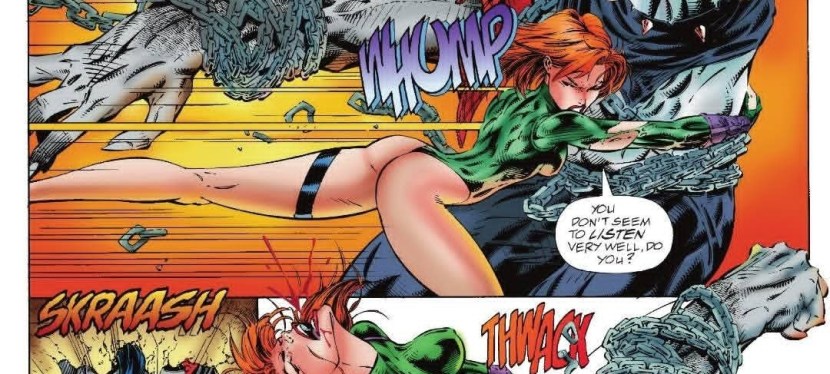
A Look Back at Gen13 #2 (1994)

Welcome back, superhero fans, 1990s arts and culture enthusiasts, Image Comics fans and comic book collectors! Today we go back to the mid-1990s to examine one of the many tales of Jim Lee’s original WildStorm universe through the original Gen13 mini-series.

Historically, Gen13 (stylized as Gen13) was launched at a time when Jim Lee’s company was establishing and expanding the original WildStorm shared universe with such comic book titles like WildCATS: Covert Action Teams, StormWatch, Backlash, Wetworks and the prequel title Team 7. When compared to those mentioned titles that had strong paramilitary elements combined with conspiracy and intrigue, Gen13 stood out with its concept of super-powered teenagers who don’t realize they are subjects of International Operations (IO) which has a long history of abuse, corruption and human rights violations. Gen13 #1 started strongly thanks to the solid writing of Jim Lee and Brandon Choi who challenged themselves to expand the WildStorm lore differently.

With those details laid down, here is a look back at Gen13 #2, published by Image Comics in 1994 with a story written by Jim Lee and Brandon Choi with artwork done by Jeffrey Scott Campbell. This is the second issue of the mini-series.  

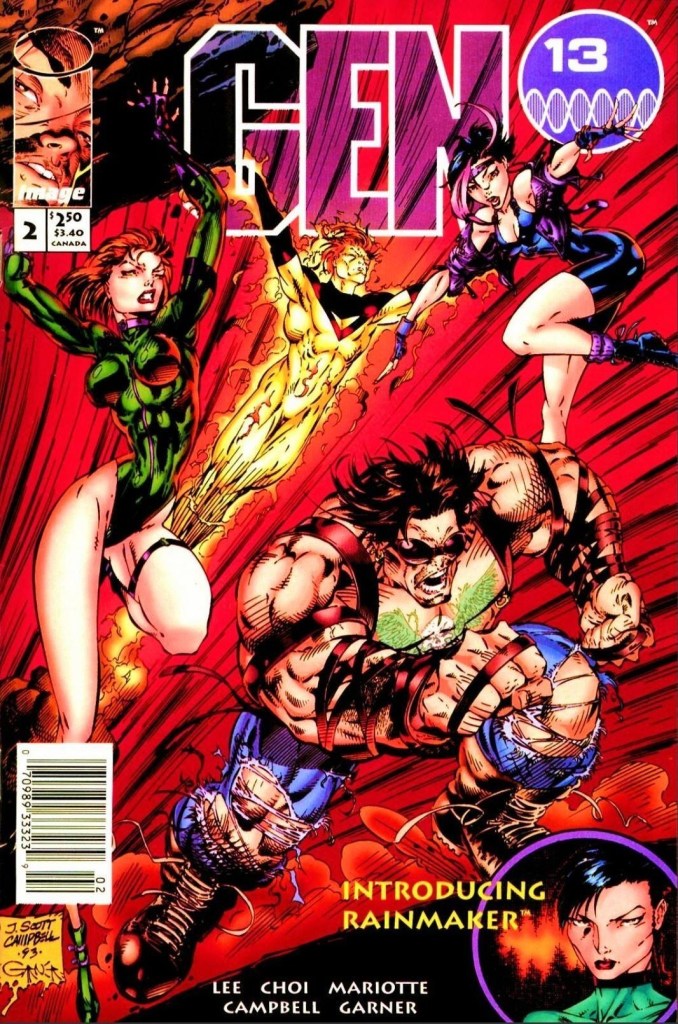
The cover.

Early story

The story begins with Caitlin Fairchild, Grunge, Roxy, Bobby, Rainmaker and Tom Hallinan in the middle of a desert running away from the floating troopers of Project Genesis. They just escaped from the top-secret facility.

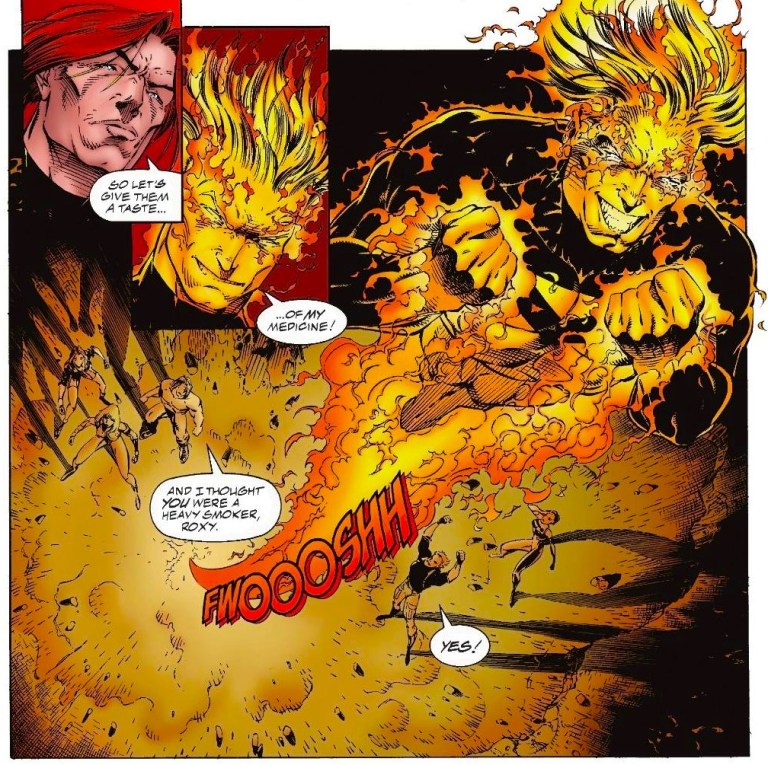
Tom Hallinan suddenly uses his power to shock three troopers on a floating craft (gunship) and brings them down to an explosive end. As Caitlin has trouble accepting the fact that the troopers were killed, Tom emphasizes that they can fight back using their super powers and Bobby (Burnout) agrees by utilizing his own powers of flight and flame to confront even more troopers on their gunships.

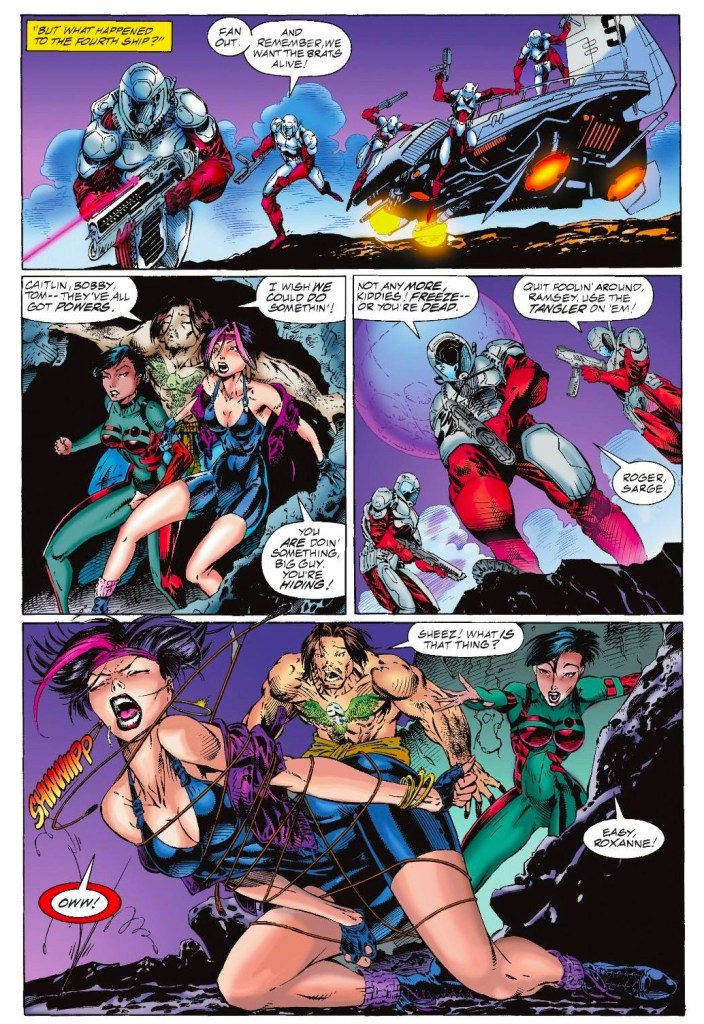
As the conflict escalates, Fairchild begins to use her super strength to tear off a huge rock and successfully destroys one of the gunships with it. Nearby, Roxy, Rainmaker and Grunge find themselves cornered by armed troopers. Roxy gets hit by the tangler from the troopers…

Quality

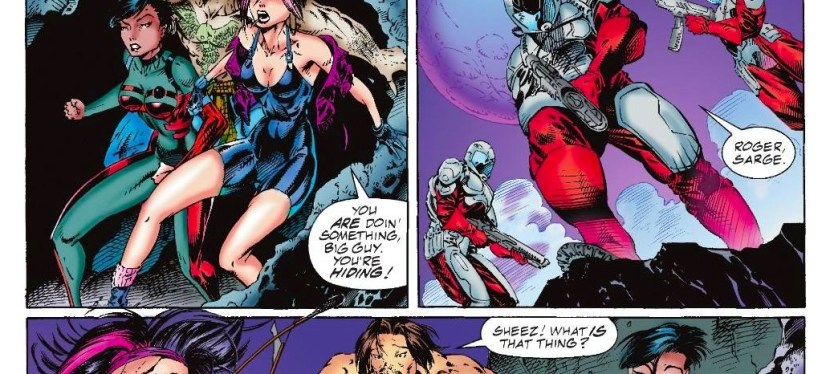
Roxy, Grunge and Rainmaker cornered by the armed troopers.

Similar to the first issue, this comic book has a solid plot structure and the writers took their time to emphasize the tale, develop the characters within their limits, and doing both build-ups and pay-offs.

Following the events of issue #1, Fairchild and her eventual Gen13 teammates here are only discovering their respective super capabilities at a time of confusion and desperation. They still have yet to form the rock-solid bond as a team and they are still struggling with the new situation they found themselves in. The tale opened with a desperate escape from the Project Genesis facility (with a clever flashback used to explain what happened) putting themselves into a series of unfortunate events with no guarantee of survival ahead.

While this comic book featured the eventual core Gen13 characters, the tale is still pretty much focused on Caitlin Fairchild and the writers did a really good job developing her with not just the present-day events but also with her own perception of how her life turned out. Apart from being a very smart college student, Fairchild is also very observant and does her best when dealing with the challenges in new situations. At this stage, she has yet to realize her true goals as she deals with the sudden changes and dangers that came with being a super-powered teenager under the grasp of IO.

Grunge, Roxy, Burnout and Rainmaker also got their own shares of the spotlight but nowhere as great as Fairchild which is understandable. At this stage, it clear that the writers had something planned for them for further parts of the story.

More on the story itself, the plot really moved forward without being rushed. The pace moved from medium to fast, and as generous pay-offs to previous build-up’s took place, more plot elements were being built-up. In line with the greater lore of WildStorm, the concept of the government testing drugs on people for decades is raised and it makes the sinister moves of IO on human subjects really believable. Symbolically, the government and IO have affected generations of people with mad science and experimentation, and these are reflected well on the characters.

The plot indeed has intrigue and strong dramatic moments to back it up. However, the storytelling got weakened with the way one of the new characters here expressed himself which made the late-story twist predictable and unsurprising. Along the way, the visual eroticism ramped up here as Jeffrery Scott Campbell went on to visualize the script. The said visual eroticism (perhaps eye candy to those who enjoyed it) is unnecessary in my opinion and they took away from the written dialogue. The sexy imagery is a reminder of the 1990s comic book trends.

Conclusion

For the first time ever, Bobby becomes Burnout.

With the exception of the mentioned storytelling weakness and the unnecessary erotic visuals, Gen13 #2 (1994) managed to be a solid follow-up to its predecessor and is also an entertaining read. The continued strong writing by Lee and Choi ensured strong engagement, suspense and spectacle throughout. Revisiting this old comic book resulted in a fun read in my experience and I am convinced to keep going on with this WildStorm mini-series.

Overall, Gen13 #2 (1994) is recommended.

+++++

Thank you for reading. If you find this article engaging, please click the like button below and also please consider sharing this article to others. If you are looking for a copywriter to create content for your special project or business, check out my services and my portfolio. If you want to support my website, please consider making a donation. Feel free to contact me with a private message. Also please feel free to visit my Facebook page Author Carlo Carrasco and follow me on Twitter at @CarloCarrascoPH as well as on Tumblr at https://carlocarrasco.tumblr.com/ and on Instagram at https://www.instagram.com/authorcarlocarrasco/

A Look Back at Gen13 #1 (1994)

Welcome back, superhero fans, 1990s arts and culture enthusiasts, Image Comics fans and comic book collectors! Today we go back to the mid-1990s to examine one of the many tales of Jim Lee’s original WildStorm universe through the original Gen13 mini-series.

There is a lot to enjoy in the WildStorm comic book universe of the 1990s with such titles like WildCATS: Covert Action Teams, Team 7, StormWatch, Grifter, Backlash and Wetworks to name some. The WildStorm depicts the world as chaotic filled with strong paramilitary concepts, conspiracies and even aliens from deep space.

Along the way, WildStorm has its own take on the sub-genre of super-powered teenagers which was realized as Gen13 (stylized as Gen13). Strangely enough, the team – which actually first appeared in the Deathmate Black crossover comic book in 1993 – was originally titled as Gen X but WildStorm had to rebrand it into Gen13 as Marvel Comics already trademarked the name Generation X for an X-Men-related comic book project. To learn more about production history and background of Gen13, click here.

With those details laid down, here is a look back at Gen13 #1, published by Image Comics in 1994 with a story written by Jim Lee and Brandon Choi with artwork done by Jeffrey Scott Campbell (ink work by Alex Garner). This is the first issue of the mini-series.  

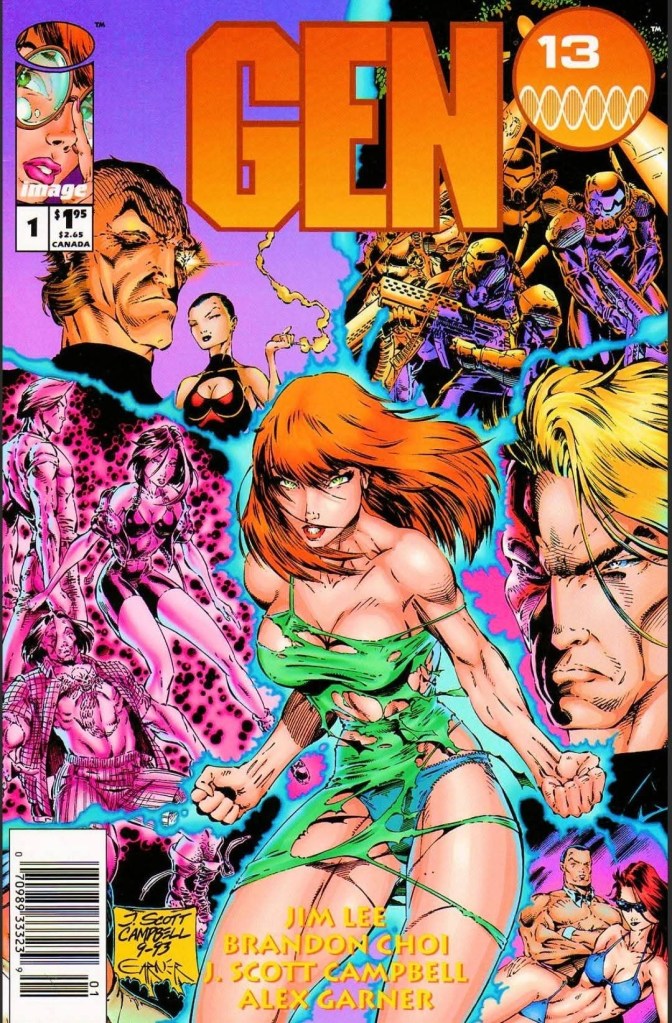
The cover.

Early story

The story begins sometime in 1979 when a married couple (Stephen and Rachel Callahan) desperate runs away with their two little children. A team of armored troops (the Black Razors) riding two hovering vehicles catches up with them and hit Rachel with bullets passing through her body. Stephen, who is carrying his son Matthew, uses his power to destroy one of the hovering vehicles. One of the Black Razors realized that the husband is gen-active and nobody informed their team that he was with Gen12.

Agonizing with severe head pain, Stephen tells Matthew to take his little sister Nicole with him and run to the trees. As far as Stephen is concerned, he is finished and all he can do is buy time for the two little children to escape. He tells Matthew to protect his sister. Suddenly, the Black Razors killed Stephen right in front of Matthew and Nicole.

Fifteen years later, a young, nerdy college student named Caitlin Fairchild makes her way through the college campus in Princeton. She is a gifted student who has been focused on maintaining a high grade and graduate with her advanced degree in computer science in the near future.

Upon arriving at the dormitory, she meets her promiscuous roommate Alexa who informs her that some guys arrived earlier looking for her. The guys were described as middle-aged suits and they wanted to talk to Caitlin about some internship program. Alexa then leaves.

A few hours later, Caitlin wakes up as the door gets knocked. Special agent baker of the National Security Committee tells her that she has been accepted into the Gen13 program and her presence is immediately required in order to process her into the program before it begins the next day…

Quality

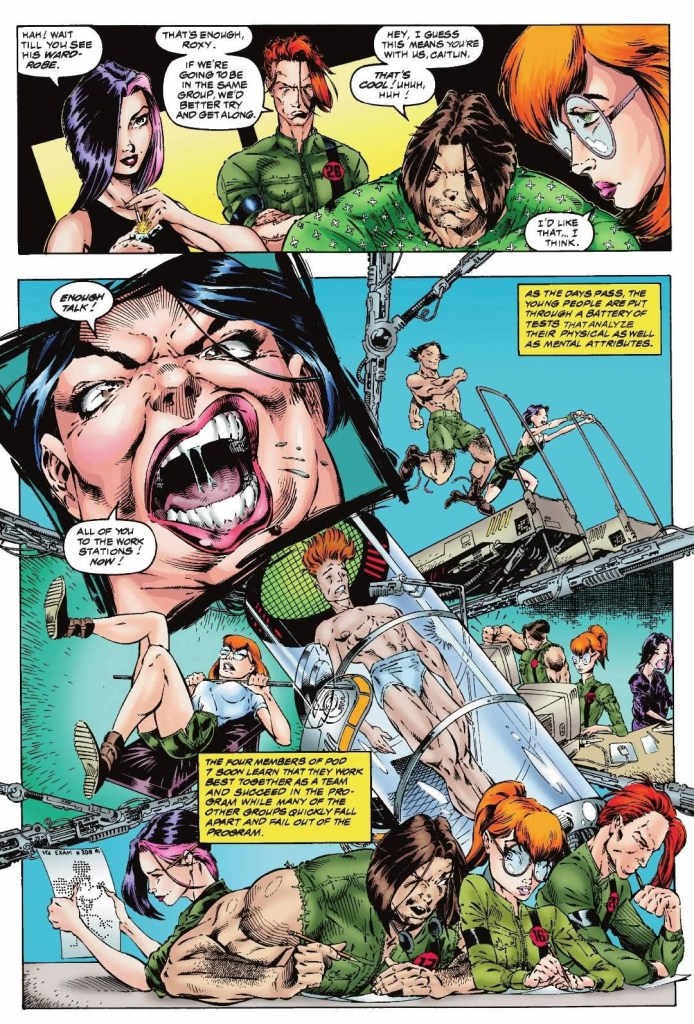
Roxy, Burnout, Grunge and Caitlin Fairchild together for the first time at the secret facility of the Gen13 program. One other member – Rainmaker – has yet to appear.

I enjoyed this comic book the first time I had it in 1994. I can clearly say that it is still fun and engaging to read again today.

This comic book was written with the intention to introduce super-powered teenagers as a new and really distinctive team in one corner of the original WildStorm universe while also expanding the lore by focusing more on International Operations’ unethical covert operations which will easily remind people about government conspiracies, top secret missions and the like. The story has really strong elements about conspiracies, unethical scientific experiments and even human rights violations. The story by Jim Lee and Brandon Choi has a strong structure but what stood out to me was the really creative writing done to bring the characters to life complete with a touch of the 1990s vibe (in reference to comic book trends and real-life society).

John Lynch, a former member of Team 7 and also one of the high-ranking officials of IO who occasionally appeared in prior WildStorm comic books, gets a nice share of the spotlight in the story and indeed he is not full control of his organization. In fact, IO’s execution of a new program about developing people with special abilities or powers (without their knowledge) raises Lynch’s concerns as he himself was a victim of betrayal and exposure to an experimental gas during his time with Team 7. Lynch also appeared in The Kindred mini-series (read my reviews by clicking here, here and here).

When it comes to the characters, Gen13’s members here are introduced with notable differences in terms of personality. The nerdy Caitlin Fairchild is the very promising smart young lady who has the potential to succeed. Bobby (Burnout) is the quiet guy who quickly realizes that true unity is needed in order for a group to succeed under the program they are in. Roxy is the undisciplined and rebellious young lady while Grunge is the loose cannon and has trouble with authorities. While it is clear you won’t see much of their powers yet in this comic book, they turned out to be interesting enough to follow thanks to the strong creative writing by Lee and Choi.

When it comes to the visuals, Jeffrey Scott Campbell’s artworks really stood out mainly due to his distinctive style. If you look closely at how he draws the faces of women – particularly the ones who are young and fit – you will realize the exaggerated look complete with the big eyes and curves seen on females in anime or even manga (Japanese comics). If you are looking visual realism on the characters, you won’t find it here at all. Campbell’s style truly defined the look of the characters and yet he was able to draw armored troops (Black Razors and the armed security guard) with a really high level of details (including their weapons) which really stood out visually. Campbell is also good with superhero spectacle and hard action. Last but not least, there is a deliberate amount of erotic imagery in this comic book which serves as a reminder that this is a story aimed at young adult and adult readers.  

Conclusion

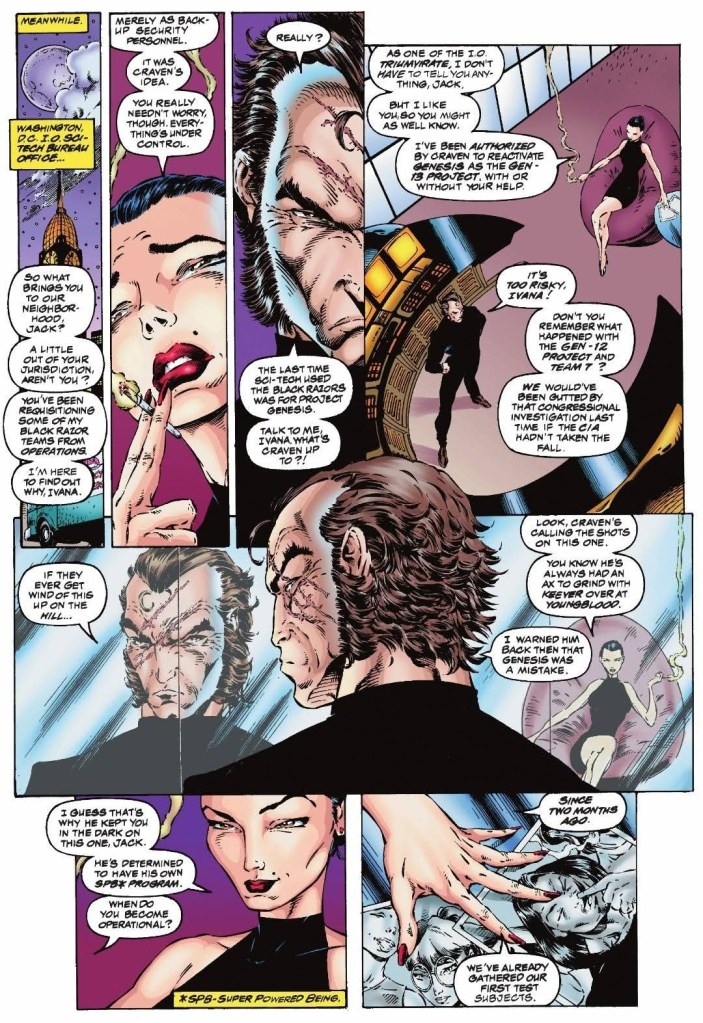
John Lynch and Ivana having a confidential talk about International Operations and its current project about super-powered beings. Even though he is a very high officer at IO, Lynch was kept in the dark about something crucial.

Indeed, Gen13 #1 (1994) remains entertaining to read mainly because of the strong writing. The story moved at a smooth pace, the exposition was done cleverly, and the characters ended up being worthy enough to pay attention to. By the time I reached the end, I am convinced to go on to the next issue and rediscover not only more of the mini-series but also the way it expanded the lore of the WildStorm universe of the 1990s. This comic book alone strongly emphasized the connections with other elements of the WildStorm universe, particularly with Team 7 (its mini-series launched months after this one) and the dark legacy of IO. It is an adulterated superhero comic book that really offered readers something new and intriguing.

Overall, Gen13 #1 (1994) is recommended.

+++++

Thank you for reading. If you find this article engaging, please click the like button below and also please consider sharing this article to others. If you are looking for a copywriter to create content for your special project or business, check out my services and my portfolio. If you want to support my website, please consider making a donation. Feel free to contact me with a private message. Also please feel free to visit my Facebook page Author Carlo Carrasco and follow me on Twitter at @CarloCarrascoPH as well as on Tumblr at https://carlocarrasco.tumblr.com/ and on Instagram at https://www.instagram.com/authorcarlocarrasco/.
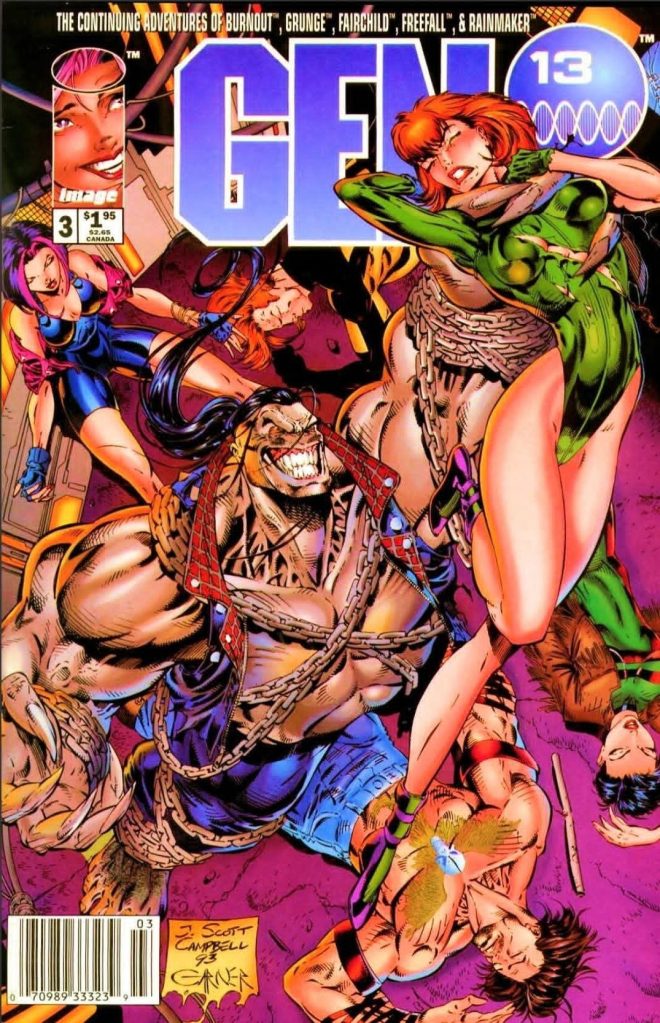
A Look Back at The Kindred #3 (1994)

Welcome back, superhero fans, 1990s arts and culture enthusiasts, Image Comics and comic book collectors! Today we go back to the mid-1990s to examine one of the many tales of the WildStorm universe through The Kindred mini-series.

Having read the first two issues, I can say that the plot has been built-up into something that justifies not only the reuniting of former Team 7 teammates Grifter and Backlash (who hate each other) but also the consequences caused by IO’s (International Operations) a long time prior. So far the creative team of WildStorm father Jim Lee, Brandon Choi, Sean Ruffner and artist Brett Booth succeeded in telling an entertaining story with a balance on action, suspense and intrigue.

With those details laid down, here is a look back at The Kindred #3, published by Image Comics in 1994 with a story written by Jim Lee, Brandon Choi, Sean Ruffner and Brett Booth. Booth illustrated the comic book.  

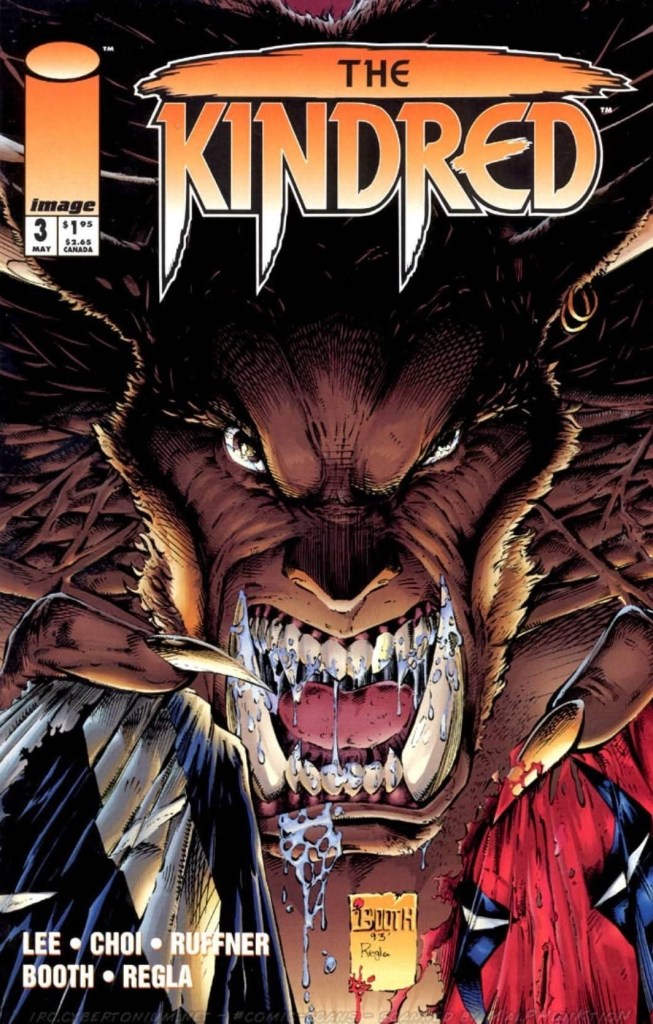
The cover.

Early story

The story begins with John Lynch being helpless in front of Bloodmoon, the vicious leader of the Kindred. Lynch tells him that he has no recollection of him, the Kindred and the crimes he has been accused of. Regardless, Lynch is being prepared for the trial under the Kindred’s system of justice.

Bloodmoon learns from one of his pawns that they captured the three men who were sent to rescue the prisoners. Two of the captured were sensed to have the Kindred’s blood within them. Bloodmoon then orders to have them brought to him immediately.

Minutes later, Grifter and Backlash – both battered and worn down – were brought to Bloodmoon.

Quality

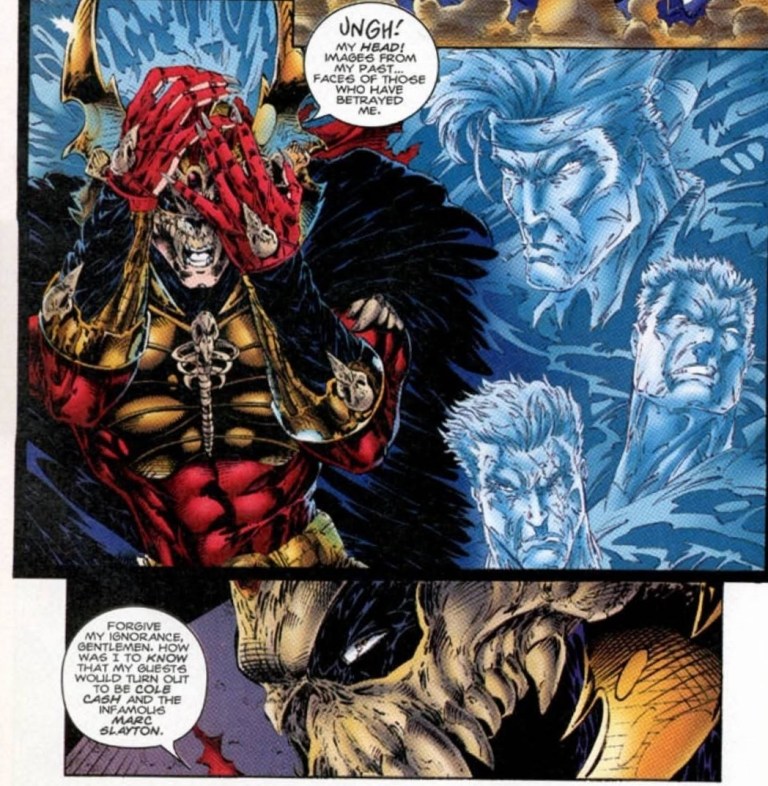
Literally, the past bites Bloodmoon hard.

Following the events of issue #2, there is a huge pay-off in this comic book and it added more depth into the plot. With Lynch, Backlash and Grifter – all of them were teammates in Team 7 a long time prior – helpless early in the story, the stakes really went high up as something significant about Bloodmoon and how the Kindred started got revealed.

Bloodmoon is not the typical comic book villain. His origin and how the Kindred was established are linked to the high-stakes experiments IO conducted on animals on Caballito (this makes IO’s top-secret experimentation on humans to unlock super-human potential literally just the tip of the iceberg). The way Bloodmoon was portrayed here, he is convinced that he exists with an undeniable purpose to lead the Kindred while getting striking back at humanity for vengeance starting with IO and former Team 7 members. The tragic events of the past made him a very hardened character and the living and walking evidence of IO’s unethical experimentation agenda.

Worth focusing here is, unsurprisingly, the uneasy new alliance between Grifter and Backlash who had no choice but to set aside their differences to survive and somehow bring down Bloodmoon deep within the turf of the Kindred. You will get a glimpse as to how they used to work during their time with Team 7 and how they could pull off tough achievements with their modern-day abilities and technology. The dynamics between the two former Team 7 teammates is a must-see and there are indeed 1980s Hollywood action film vibes embedded within.

Not to be outdone is John Lynch whose super-human potential gets unleashed while being in the middle of a very desperate situation facing three deadly enemies at once. Lynch here gets more of the spotlight and he does something else apart from serving as a convenient tool for exposition about IO and its past.  

Conclusion

Grifter and Backlash on the run.

As the plot moved closer to concluding, The Kindred #3 (1994) had the stakes raised a lot for the former Team 7 members involved as well as IO’s current people. The big reveal that happened late in the comic book was pretty powerful and it will encourage readers to focus more on the past operations of IO as well as Team 7. At this stage in the publishing history of Image Comics, WildStorm’s para-military concepts got solidified more effectively setting the stage for the launch of the original Team 7 mini-series. As for The Kindred mini-series, the engagement and entertainment value of issue #3 convinced me to go on to issue #4.

Overall, The Kindred #3 (1994) is recommended.

+++++

Thank you for reading. If you find this article engaging, please click the like button below, share this article to others and also please consider making a donation to support my publishing. If you are looking for a copywriter to create content for your special project or business, check out my services and my portfolio. Feel free to contact me with a private message. Also please feel free to visit my Facebook page Author Carlo Carrasco and follow me on Twitter at @CarloCarrascoPH as well as on Tumblr at https://carlocarrasco.tumblr.com/ and on Instagram athttps://www.instagram.com/authorcarlocarrasco

A Look Back at The Kindred #2 (1994)

Welcome back, superhero fans, 1990s arts and culture enthusiasts, Image Comics and comic book collectors! Today we go back to the mid-1990s to examine one of the many tales of the WildStorm universe through The Kindred mini-series.

The Kindred #1 was an entertaining piece of work by Jim Lee’s team. It was a build-up comic book that smoothly sets the stage for the inevitable reuniting of Grifter and Backlash – two former teammates of Team 7 who are also among the most defining heroes of the WildStorm universe – and the dangerous mission to find and rescue IO director John Lynch (who was also part of Team 7) and his assistant in South America. As the story of issue #1 went on, it was clear that elements from the past are creeping up on the characters and IO itself.

With those details laid down, here is a look back at The Kindred #2, published by Image Comics in 1994 with a story written by Jim Lee, Brandon Choi, Sean Ruffner and Brett Booth. Booth illustrated the comic book.  

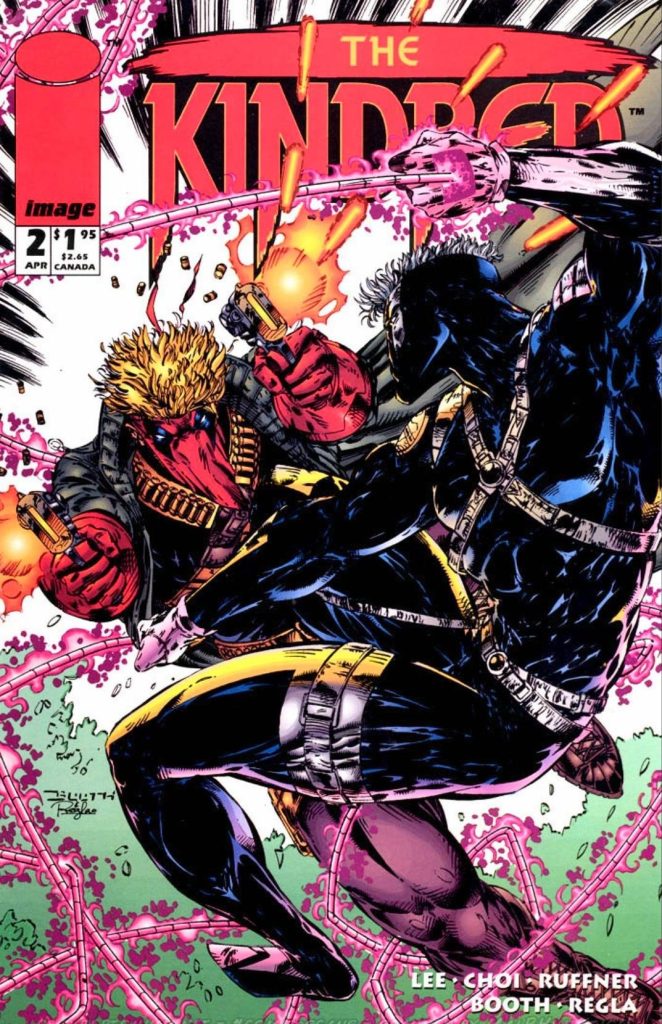
The cover.

Early story

The story begins with a high-tech aircraft speeding off the coast of South America. Inside, the temporary leader Backlash (supported by deputy Colby) talks with members of the Black Razor team about what the mission is about and what their objectives are. Their goal is to find IO superior John Lynch and his assistant Alica Turner who have been held captive by a mysterious and dangerous bunch called the Kindred.

Upon arrival at their destination, Backlash, Colby and the Black Razors land to start their operation. Moments later, the stowaway Grifter emerges from inside the aircraft and gets spotted by a corporal. Grifter fires at an ugly, human-like monster of the Kindred saving the corporal’s life. Grifter then descends to follow Backlash and the Black Razors…

Quality

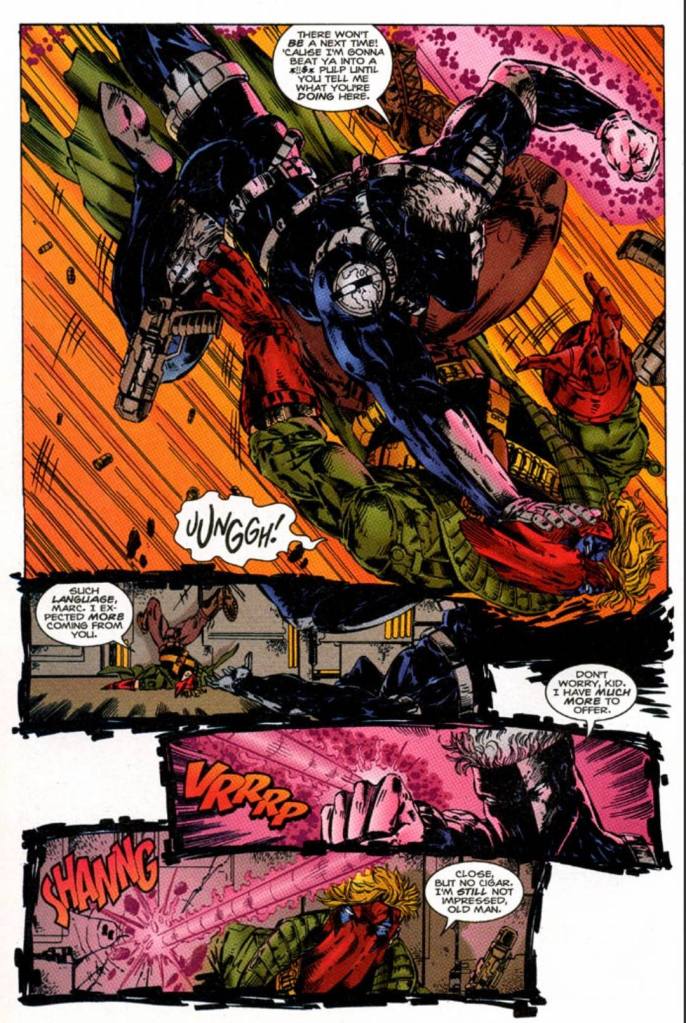
Backlash and Grifter (Marc Slayton and Cole Cash) together after so many years apart. They are former teammates of Team 7.

This early, I can say that the entertainment value of this comic book went up really high. It is clearly a nice pay-off to the build-up that happened in issue #1 and it has some notable moments as the storytelling went on.

Without spoiling the plot, the core concept of this series became clearer to me as the story progressed. Apart from the creative idea of having the former Team 7 teammates reunited, there are believable reasons as to why Backlash is leading a team of IO’s armed operative and why Grifter tagged along. Both of them are searching for answers while having different agendas or personal goals. There is also animosity between them which strongly implies something bad happened during their time together with Team 7. John Lynch, who often has been a background or supporting character in previous WildStorm tales (but eventually got a stronger role in Team 7 comics), finds himself cornered by the Kindred whose leader is very aware of what IO has been doing all along. At the same time, IO’s legacy of indiscriminate genetic testing on animal fetuses created a force of not only evil but vengeance. What the Kindred leader mentions effectively blurred the boundary that separates good and evil, and even that of abusers and victims.

By the time I reached the end of the comic book, the stakes and the suspense were raised. The same can be said about the overall fun factor.

Conclusion

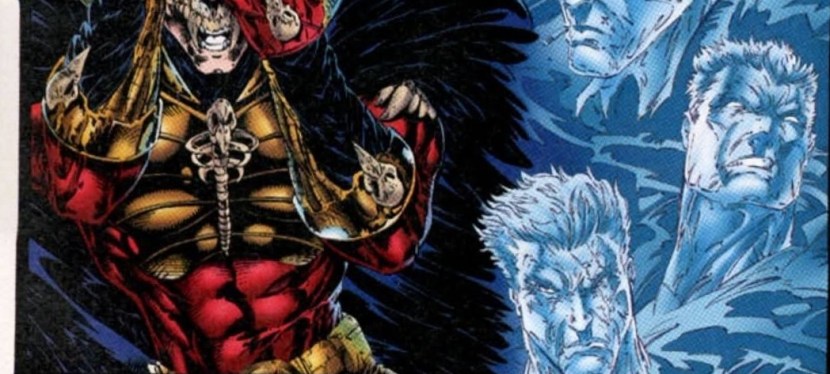
The leader of the Kindred is not only evil. He is driven by vengeance and he knows a lot about IO.

Thanks to strong creative writing, The Kindred #2 (1994) is indeed a more engaging and more intriguing comic book. It consistently paid off the build-up that happened in the previous issue, and the creative team managed to keep on building up the suspense and tension as the story went on. Those who love spectacle will enjoy the high amount of action here and artist Brett Booth proved himself to be capable of showing dynamic visuals. Booth has an inspired take on showing Backlash and Grifter in action. I am looking forward to the next issue.

Overall, The Kindred #2 (1994) is recommended.

+++++

Thank you for reading. If you find this article engaging, please click the like button below and also please consider sharing this article to others. If you are looking for a copywriter to create content for your special project or business, check out my services and my portfolio. If you want to support my website, please consider making a donation. Feel free to contact me with a private message. Also please feel free to visit my Facebook page Author Carlo Carrasco and follow me on Twitter at  @HavenorFantasy as well as on Tumblr at https://carlocarrasco.tumblr.com/ and on Instagram at https://www.instagram.com/authorcarlocarrasco/.
A Look Back at The Kindred #1 (1994)

Welcome back, superhero fans, 1990s arts and culture enthusiasts, Image Comics fans and comic book collectors! Today we go back to the mid-1990s to examine one of the many tales of the WildStorm universe as published by Image Comics.

To put things in perspective, Jim Lee’s WildStorm universe quickly expanded after launching WildC.A.T.s: Covert Action Teams in 1992. Other WildStorm properties followed such as StormWatch, Gen13, Team 7 and Wetworks. By 1994, things went rolling with the WildStorm projects and the production team of Jim Lee decided to expand the lore by having key characters Grifter (WildCATs) and Backlash involved in a story told in a mini-series. The said characters are actually former teammates of Team 7.

With those details laid down, here is a look back at The Kindred #1, published by Image Comics in 1994 with a story written by Jim Lee, Brandon Choi, Sean Ruffner and Brett Booth. Booth illustrated the comic book.  

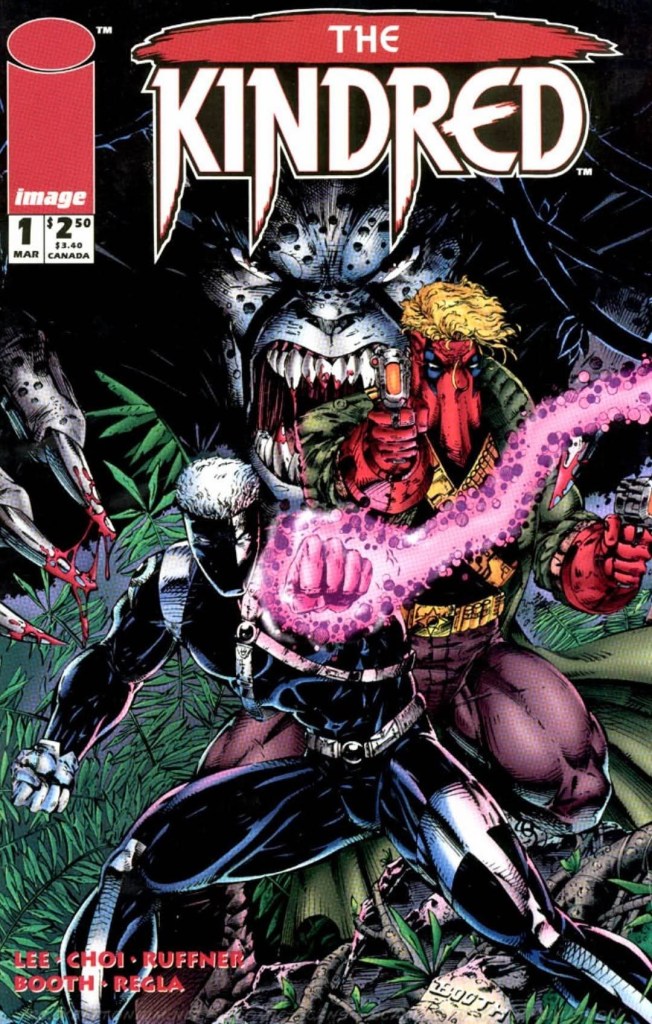
The cover.

Early story

The story begins in New York City. Even as darkness envelopes the city that never sleeps, thousands of its denizens walk the streets in relentless pursuit of their hopes and dreams. One man walks alone and his thoughts are not filled with dreams of the future. Instead, he has nightmares from the past.

The man is Marc Slayton and he knocks the door communicating with Jack. He converts himself into vapor and easily enters the building moving towards Jack. He emerges as Backlash and tells Jack that he needs classified information on an alien race known as the Daemonites. It turns out, Backlash needs Jack’s hacking abilities to bypass the government’s bureaucracy and secrecy.

Suddenly, the armored members of Black Razor emerge behind Backlash…

Quality

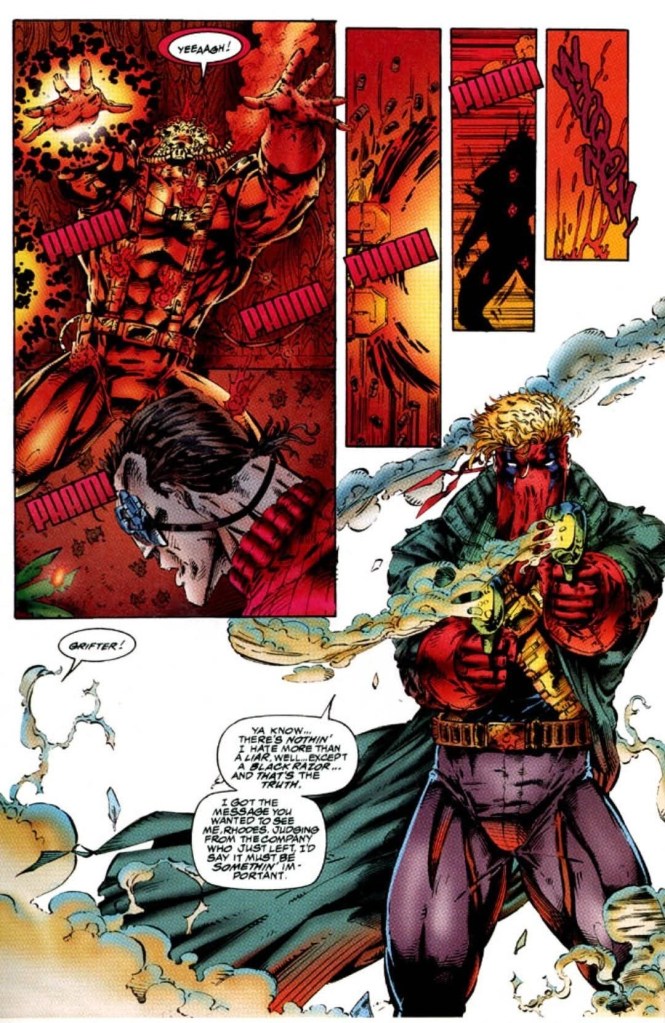
Grifter appears in a violent way of helping someone.

I like this comic book. This is a tale that has strong elements of the 1990s WildStorm universe all over it, specifically paramilitary influence and intrigue. As this was released before Team 7 #1 (a tale set in the past), it was the WildStorm creators’ way of getting former teammates Grifter and Backlash together after being separated for a long time. The result is a dangerous mission launched while bringing key elements from the past back for the two heroes to encounter. Conveniently, this comic book added to the pre-release anticipation of the Team 7 mini-series.

More on the plot itself, Backlash wants crucial information about the Daemonites (monsters from space that are ugly, dangerous and capable of possessing people) and it so happens he has been targeted by IO (International Operations) for the mentioned mission. The way Backlash was portrayed involved his past coming back at him, dealing with IO and having to decide to participate or not. Clearly, Backlash here is cornered more than once and it is a sign that something intriguing and dangerous awaits him.

Grifter’s presence here is directly linked with his exit from WildCATs #8. Similar with Backlash, Grifter is in search for answers and he shows no intention of having a friendly reunion with his former teammate. Along the way, you will see the masked gunslinger being more analytical as the plot went on and his determination to find answers is really strong. Grifter here is also a huge risk-taker which is a nice touch.

Speaking of elements of the past, this comic book has some notable connections with other developments and parts of the WildStorm universe. A certain scene here could convince WildStorm fans to revisit the WildCATs mini-series.

Conclusion

Backlash hit hard by Black Razor members.

Considering the way the story was told and the high amount of expository dialogue executed, The Kindred #1 (1994) is clearly a build-up comic book that will eventually lead to the true essence of this mini-series. What I enjoyed the most here was how the creative team portrayed Backlash and Grifter. They are former teammates of Team 7 who each have grudges, personal problems and secrets that could potentially widen the gap between them. At the same time, the creative team succeeded in setting up the threat by showing the violent kidnap of John Lynch (the former leader of Team 7) and the rise of a new enemy who is very driven by revenge. Ultimately, this comic book succeeded in convincing me to read the next issue.

Overall, The Kindred #1 (1994) is recommended.

+++++

Thank you for reading. If you find this article engaging, please click the like button below and also please consider sharing this article to others. If you are looking for a copywriter to create content for your special project or business, check out my services and my portfolio. If you want to support my website, please consider making a donation. Feel free to contact me with a private message. Also please feel free to visit my Facebook page Author Carlo Carrasco and follow me on Twitter at  @HavenorFantasy as well as on Tumblr at https://carlocarrasco.tumblr.com/ and on Instagram at https://www.instagram.com/authorcarlocarrasco/.
A Look Back at WildC.A.T.s Adventures #1 (1994)

Welcome back superhero enthusiasts, 20th century pop culture enthusiasts and comic book collectors! Today we go back to the mid-1990s to take a close look at the launch issue of the comic book series that was an adaptation of the WildC.A.T.S: Covert Action Teams animated series.

To put things into perspective, Jim Lee and several creators left Marvel Comics to establish Image Comics. In 1992, Lee launched his creator-owned project  WildC.A.T.s: Covert Action Teams #1 which also was a part of the creative foundation of the WildStorm universe. Just a little over two years later, an animated series of WildC.A.T.S. was launched on TV. Similar to what Marvel Comics did in relation to adapting stories of the X-Men animated series, Image Comics launched a comic book series based on the WildC.A.T.S. animated series.

With those details laid down, here is a look back at WildC.A.T.s Adventures #1, published in 1994 by Image Comics with a story written by Jeff Mariotte (adapting the animated story by David Wise) and drawn by Ty Templeton.

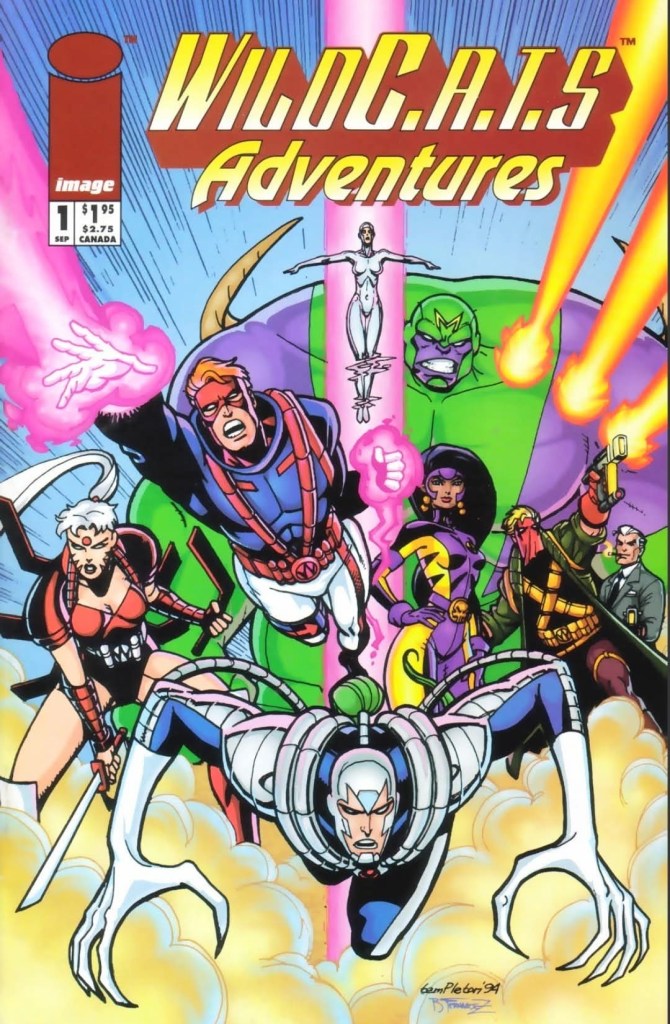
The cover.

Early story

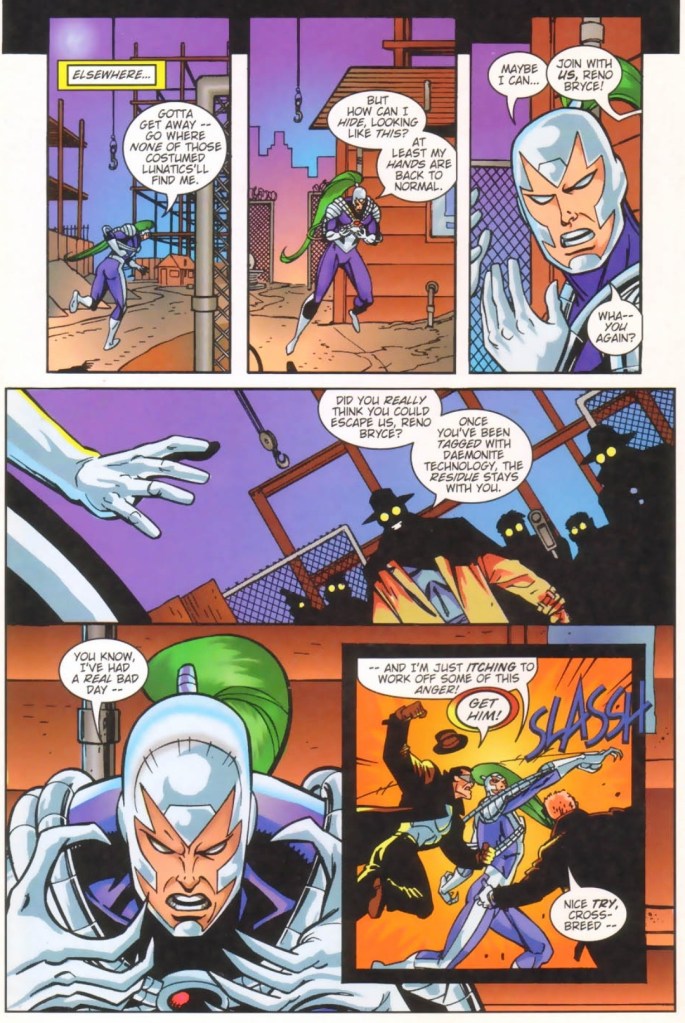
The story begins one night inside an office where Reno Bryce (Warblade) works obsessively on a circuit board. He is surrounded by the technology he knows and loves. As he works, three armed men wearing coats and hats enter his office and ask him for his identity. One of the men grabs a circuit board and destroys it, which triggers Reno to react with violence.

Knowing he is outnumbered, he quickly runs out of the office for safety. He heard one of the men referred to him as a crossbreed whelp. As soon as he finally leaves the building, Reno sees the WildCATS team composed of Grifter, Spartan, Zealot, Voodoo and Maul. Thinking that the WildCATS are out to kill him like the armed men, Reno keeps on running away. 

Suddenly, a group of people are rushing towards the WildCATs. Powered with the Sight, Voodoo realizes that the mob is composed of Daemonites disguised as humans. The WildCATs and the mob engage in battle.

From high above, Reno see the battle happening. Suddenly, the three armed men appeared behind him telling him that he has no escape from them…

Quality

Reno Bryce still adjusting to his new form as Warblade.

Having seen the first episode myself, I can say that this comic book is actually a faithful adaptation and the creative team did their jobs well.

As an alternate introductory story of the WildCATs, this one obviously has the violence and visceral essence of the comic book series toned down due to the fact that the animated series was made with a younger audience in mind. There is still plenty of action here and the creative team’s focus on telling the story was consistently strong.

Within one story, the creative teams of both the animated episode and this comic book succeeded in gradually emphasizing the lore of WildCATS which had strong sci-fi elements (example: the long conflict between the Kherubim and the Daemonites), introducing the characters and the super villain, showcase the capabilities of the characters, emphasizing the purposes of each side, and having Reno Bryce as the newcomer who is about to discover his real role in the conflict (which reminds me of Jubilee in the opening episode of the X-Men animated series).

Conclusion

Ty Templeton’s art is nice to look at and he captured the essence of the animated episode. The WildCATS themselves are easily recognizable.

Like its animated source, WildC.A.T.s Adventures #1 (1994) is enjoyable and the creators did a very good job translating the story and essence from animation into literary format. Having read the Jim Lee-drawn issue #1 of 1992, this one worked well as an alternate introduction of the WildCATS and their conflict with the Daemonites. Like the animated TV episode, the presentation was done in a wholesome manner without ever becoming childish. I can say that there is still enough good stuff of WildCATS to enjoy here, and the characters are recognizable (both in looks and portrayals). Right now, I’m looking forward to reading the next issue.

Overall, WildC.A.T.s Adventures #1 (1994) is highly recommended.

+++++

Thank you for reading. If you find this article engaging, please click the like button below, share this article to others and also please consider making a donation to support my publishing. If you are looking for a copywriter to create content for your special project or business, check out my services and my portfolio. Feel free to contact me with a private message. Also please feel free to visit my Facebook page Author Carlo Carrasco and follow me on Twitter at  @HavenorFantasy as well as on Tumblr at https://carlocarrasco.tumblr.com/ and on Instagram at https://www.instagram.com/authorcarlocarrasco

A Look Back at Team 7 #2 (1994)

Welcome back superhero enthusiasts, 1990s arts and culture enthusiasts, Image Comics fans and comic book collectors! Today we go back to the year 1994 to take a close look at one of the many tales of the original WildStorm universe through one of the comic books of the first mini-series of Team 7.

For the newcomers reading this, Team 7 is set in the past within the original WildStorm universe. This is the one special forces team that had major WildStorm heroes – Grifter (WildCATS: Covert Action Teams), Backlash, Jackson Dane (Wetworks), John Lynch (Gen13) and Deathblow – who were younger, were proficient with combat and were destined to gain special abilities that later defined them. Issue #1 reviewed last time worked well by efficiently introducing the characters while also building up the plot and there were some nice pay-offs here and there.

With those details laid down, here is a look back at Team 7 #2, published in 1994 by Image Comics with a story written by Chuck Dixon and drawn by Aron Wiesenfeld. This is the 2nd chapter of the 4-issue mini-series.

The cover.

Early story

Set in the 1970s, a team of armed escorts and some personnel wearing protective gear isolate and examine a battlefield full of dead bodies. Miles Craven and Gabriel Newman analyze the evidence around them. Craven states that what they have is too important an operation to be left to underlings and he wants Gabriel to stay with the project which could use his special talents. Shortly after, the bodies of the Team 7 members were retrieved barely alive.

Seven days later, John Lynch wakes up in a hospital bed feeling traumatized over what happened to his team during the last mission. He was told that they were exposed to a chemical agent and he had been in a deep coma for a week.

Craven then enters the room to provide Lynch crucial updates…

Quality

Do you recognize Deathblow and Dane on this page?

As expected, the gritty and dark storytelling from the previous issue continued in this story. Without spoiling the plot, I can say that this issue has some handsome pay-offs to what was built-up in issue #1 and there were new build-ups established along the way. Because the script was crafted to build-up the plot and sub-plot, the military action scenes are lessened which is not surprising. I can assure you that Chuck Dixon’s writing here remains pretty strong.

While the previous issue served as an efficient introduction of the younger versions of WildStorm’s heroes who are in the middle of a world full of violence and espionage, this issue shed some light as to how the heroes dealt with their new abilities (in connection with the climax of issue #1) and how International Operations is handling matters behind closed doors. The suspense kept on building up and this made the narrative more intriguing to follow. Expect to see elements of high-level espionage, unethical science and war throughout.

When it comes to the characters, Lynch (being the captain of Team 7) has a huge share of the spotlight followed by Cole Cash (Grifter). The two have different views about their special forces duty – Lynch follows the superiors while Cole realizes something is wrong about their leadership and the intelligence fed to them.

Conclusion

This scene showing Cole Cash (Grifter) emerging from dark with a defiant tone is a very defining moment of this comic book.

Team 7 #2 (1994) is clearly a very engaging read. It has the fine mix of war (with uncompromising violence drawn by Wiesenfeld), intrigue and the dark side of global espionage. The science fiction element here worked well in explaining the powers Team 7 members got after what happened in issue #1. This comic book also marks the beginning of showing Lynch and Cole Cash as the co-leads among the teammates. Die-hard fans of Deathblow, Dane and Backlash will have to wait a bit before their favorites get their share of the spotlight. Regardless, this is a very powerful read and a fine example of doing a prequel within the original WildStorm universe.

Overall, Team 7 #2 (1994) is highly recommended.

+++++

Thank you for reading. If you find this article engaging, please click the like button below, share this article to others and also please consider making a donation to support my publishing. If you are looking for a copywriter to create content for your special project or business, check out my services and my portfolio. Feel free to contact me with a private message. Also please feel free to visit my Facebook page Author Carlo Carrasco and follow me on Twitter at  @HavenorFantasy as well as on Tumblr at https://carlocarrasco.tumblr.com/ and on Instagram at https://www.instagram.com/authorcarlocarrasco

A Look Back at Predator 2 #1 (1990)

Welcome back superhero enthusiasts, 1990s arts and culture enthusiasts, movie fans and comic book collectors! Today we go back to the year 1990 to take a look at the official comic book adaptation of the movie Predator 2 (1990).

For the newcomers reading this, Predator 2 is the sequel to the 1987 movie directed by John McTiernan (Die Hard) and starring Arnold Schwarzenegger. As the movie became a huge commercial success, it started a chain of events that led to the rise of the Predator entertainment franchise covering merchandising, comic books and video games to name a few. Of course, the development of a cinematic sequel happened and both the movie studio and filmmakers took their time to make it. Predator 2 was directed by Stephen Hopkins and it starred Danny Glover, Gary Busey and Bill Paxton.

With those details laid down, here is a look back at Predator 2 #1, published in 1990 by Dark Horse Comics with a story written by Frank Henkel (based on the screenplay by Jim Thomas and John Thomas) and drawn by Dan Barry. Mark Verheiden (writer of 1989’s Predator #1) was acknowledged with special thanks. This comic book is the first of a 2-part comic book adaptation of the movie.

The cover.

Early story

The story begins during a very hot day in 1997 Los Angeles. Police office Mike Harrigan rushes to the site of a major shootout between heavily armed gangs (Colombians and Jamaicans). The police managed to corner a gang to a building that was occupied by the foreigners. Knowing that a fellow cop is slowly bleeding to death and the SWAT (Special Weapons and Tactics) team are still stuck in traffic, Harrigan decides to take action against the armed gangsters with the support of his teammates and some police personnel.

After managing to get close to the gangsters by the building using his car, Harrigan manages to shoot them all and pave the way for his teammates to get closer. Harrigan does not realize that a camouflaged Predator is watching him from above.

At one of the higher floors of the building, the rest of the foreign gangsters prepare themselves for the arrival of the cops by gathering guns and ammunition. Suddenly, the camouflaged Predator crashes in on them…

Quality

The Predator here is quite aggressive and even arrogant enough to suddenly fight the Jamaican gang alone.

I am surprised how entertaining this first chapter of the 2-part comic book adaptation of Predator 2 turned out to be. While the accuracy is understandably less than 100% with regards to translation from cinema to literature, this comic book’s narrative is quite faithful to the events of the movie (from the start until the King Willie scene) and the film’s vibe was strongly captured. In fact much of the dialogue spoken in the film were mostly recaptured here, and the same can be said about the way the characters were portrayed.

For brevity and the maximizing of the pages made available, creative liberties or shortcuts were taken by the creators. This means that the presentation of details was carefully done to keep readers properly informed while managing to keep the fun factor and level of intrigue strong. Indeed, writer Frank Henkel did a very good job keeping things together to make the reading experience fun and engaging.

If there is anything that this comic book exceeds the movie on, it is the graphic violence. Artist Dan Barry really ramped up the bloody scenes and gore (examples: Mike Harrigan’s killing of two foreign gangsters with a shotgun, and the scene when Harrigan and his team were stunned by the sight of the many ruined dead bodies of gangsters who were just eliminated by the Predator before they arrived) as he used his own style to make the action scenes as intense as the ones filmed by Stephen Hopkins and crew. It was obvious he saw the movie.

Barry also had his own style on visualizing the characters without the authority to use the likeness of any actor from the film. Mike Harrigan looks nothing like Danny Glover while Peter Keyes does not resemble Gary Busey. Barry’s visual take on the Predator itself has a really distinctive look when compared to how other artists drew Predators.

Barry did not aim to achieve photo realism at all with the characters (who appear with a slightly cartoonish aesthetic), the locations and action scenes but I don’t find anything problematic with his work here. In fact, I enjoyed his way of translating the movie’s visual presentation into literary format.

Conclusion

Mike Harrigan, Danny and Leona make their moves.

Predator 2 #1 (1990) is a very enjoyable read. It strongly captured the vibe of the movie complete with the dialogue and the way the characters were presented. Very clearly, the Henkel-Barry duo did really fine work in this comic book adaptation and I am convinced to move on to issue #2.

Overall, Predator #2 (1990) is highly recommended!

+++++

Thank you for reading. If you find this article engaging, please click the like button below, share this article to others and also please consider making a donation to support my publishing. If you are looking for a copywriter to create content for your special project or business, check out my services and my portfolio. Feel free to contact me with a private message. Also please feel free to visit my Facebook page Author Carlo Carrasco and follow me on Twitter at  @HavenorFantasy as well as on Tumblr at https://carlocarrasco.tumblr.com/ and on Instagram at https://www.instagram.com/authorcarlocarrasco