What to watch on YouTube right now – Part 12

Have you been searching for something fun or interesting to watch on YouTube? Do you feel bored right now and you crave for something to see on the world’s most popular online video destination?

I recommend you check out the following topics and the related videos I found.

#1 The 6-minute explanatory gameplay trailer of Eiyuden Chronicle: Hundred Heroes – Eiyuden Chronicle: Hundred Heroes, the upcoming Japanese role-playing game (Japanese RPG) set for a global release on April 23, 2024, was in the spotlight recently as publisher 505 Games released a 6-minute trailer that showcases and explain to gamers what to expect in terms of game play and features. What long-time gamers enjoyed so much about Suikoden and Suikoden II can find them also in Eiyuden Chronicle: Hundred Heroes. Watch the whole trailer below…

#2 Lord Jesus lived as a Jewish man and NEVER was a Palestinian – There is so much chaos in this world and you can see that through the Palestinians (a displaced people whose leaders have long engaged in terrorism and hatred against Israel and the Jewish people) and their brainwashed supporters (the pro-Palestine freaks). In many parts of the world, a lot of pro-Palestinian believers (activists who are often rowdy, arrogant, violent and ignorant at the same time) kept shouting the big lie that Lord Jesus was a Palestinian (an overblown fantasy that spreads wickedness and deception). To push back against the lies of the pawns of the enemy (Satan), watch Israeli YouTuber Oren explain in detail the truth that Lord Jesus truly lived as a Jewish man, was born into an existing Jewish society and had Jewish people as His believers/followers (the early Christians).

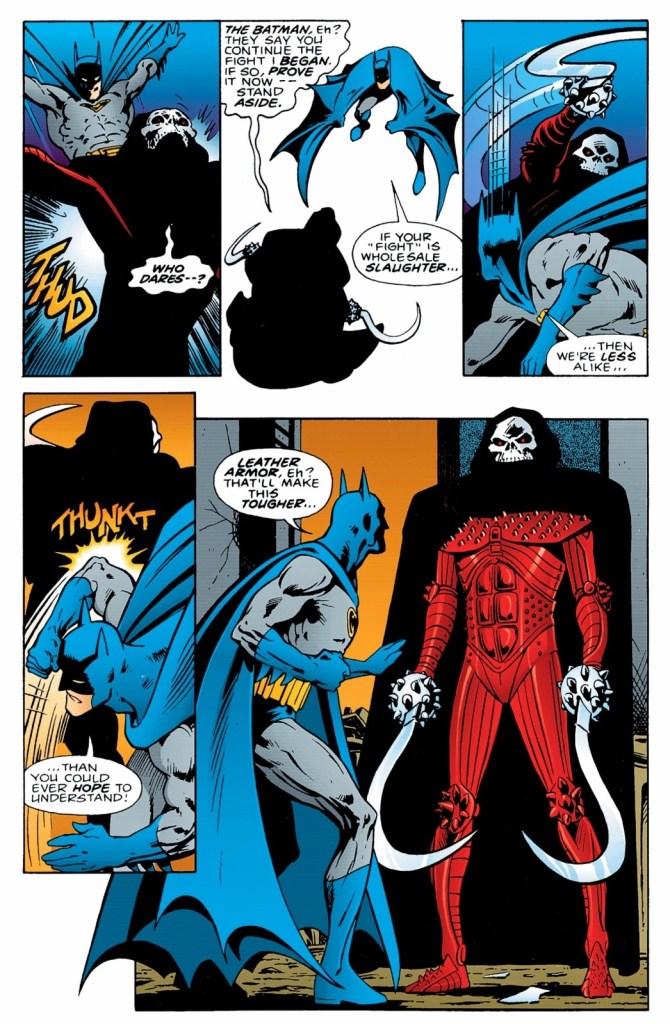
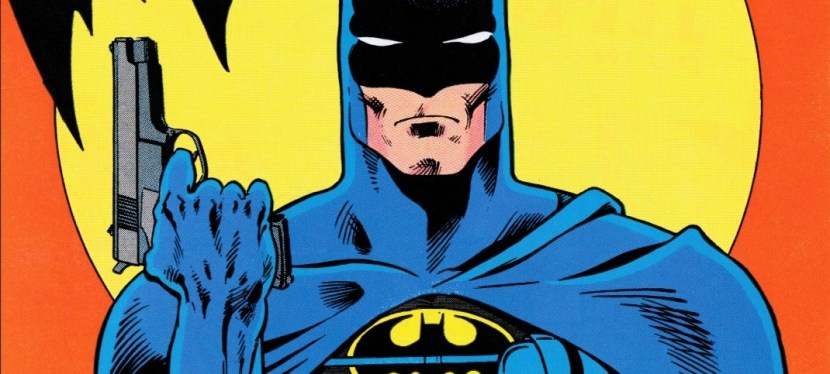
#3 2023 Batman Returns reaction videos and more – For some time now, I’ve been watching varied movie reaction videos from YouTubers Ashleigh Burton, TBR Schmitt, Jen Murray and EOM Reacts. What I found very surprising was the fact that each of them published reaction videos of the 1992 superhero movie Batman Returns this year, and three of those videos were just weeks apart from each other. I posted those Batman Returns reaction videos below and I added two more related videos that should orient you about the movie.

#4 Get to know the Temple Mount in Jerusalem, Israel – This past February, I visited Israel on a pilgrimage tour. It was indeed the greatest overseas travel experience in my entire life as it was blessed and anointed by the Lord who answered my prayers to visit Israel to deepen my faith in Him. I also visited the Temple Mount in Jerusalem which is one of the most significant places to visit in the entire world. That being said, I posted below the Christian Broadcast Network’s Temple Mount special video and my personal video of my first-ever moments at the holy site.

#5 Pro-Palestine believer exposed as a LIAR! – The people who support the wicked causes of the Palestinians are clearly ignorant, misled, pretentious and dishonest. A lot of pro-Palestine people have posted videos on varied networks to spread lies and misinformation regarding history, and some of them are very young people (Generation Z) who clearly do NOT know all the details, who were fed lies by their Islamo-Leftists superiors and they are clearly not intelligent. The Palestinians are truly a displaced people and they were NEVER the indigenous people of the land of Israel! Watch the video below and enjoy.

+++++

Thank you for reading. If you find this article engaging, please click the like button below, share this article to others and also please consider making a donation to support my publishing. If you are looking for a copywriter to create content for your special project or business, check out my services and my portfolio. Feel free to contact me with a private message. Also please feel free to visit my Facebook page Author Carlo Carrasco and follow me on Twitter at  @HavenorFantasy as well as on Tumblr at https://carlocarrasco.tumblr.com/ and on Instagram athttps://www.instagram.com/authorcarlocarrasco

A Look Back at Spider-Man #1 (1990)

Welcome back superhero enthusiasts, 1990s culture enthusiasts and comic book collectors! Today we go back to the early 1990s and explore a part of the Marvel Comics shared universe through a tale of the Spider-Man monthly series.

Back in the late 1980s, Todd McFarlane proved to be a highly talented artist who helped Marvel sell a lot of issues of the Amazing Spider-Man series. McFarlane was also highly involved with the creation of Venom which not only became Spider-Man’s deadliest foe but also an icon of Marvel’s. In the year 1990, a brand new monthly series of Spider-Man was launched and it had Todd McFarlane writing and illustrating the tales.

With those details laid down, here is a look back at Spider-Man #1, published in 1990 by Marvel Comics with a story written and drawn by Todd McFarlane. This marks the beginning of the Torment storyline.

The cover.

Early story

The story begins in New York City where countless people walk to their respective destinations not realizing that the local hero Spider-Man was swinging above them. In a dirty alley, Spider-Man prevents an armed thug from harming a woman and leaves him hanging covered with a lot of web.

Elsewhere in the city, a sinister figure conducts a ritual, prays to evil forces and begins using magic.

In yet another location, a hideous creature emerges from the water. It’s the Lizard…

Quality

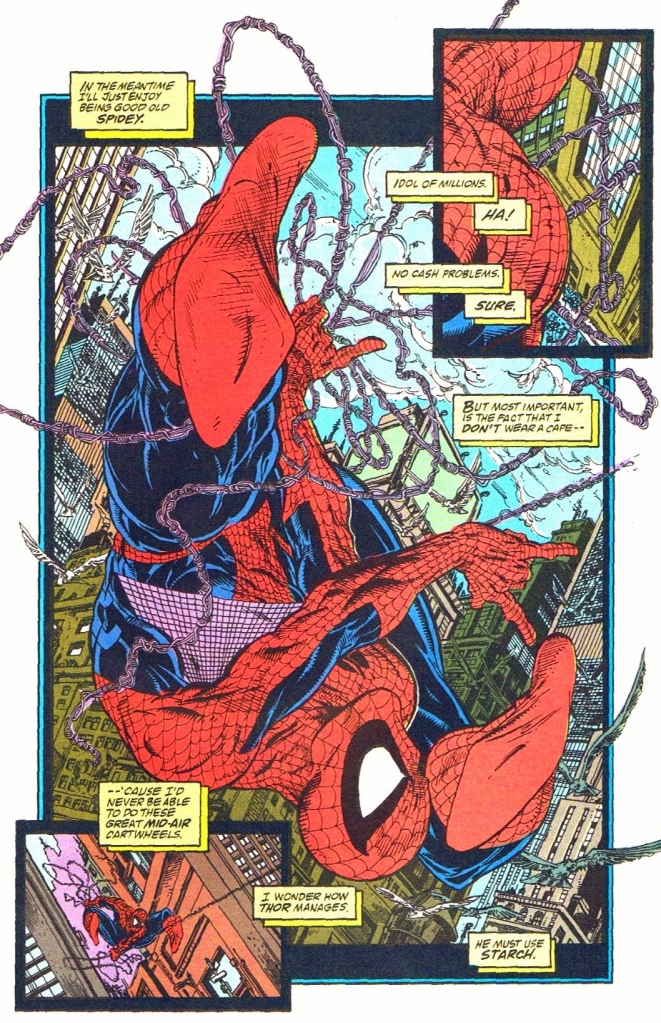
This page is an example of Todd McFarlane creating a travel sequence that allowed him to draw something great. It’s a classic example of moving back into the comfort zone.

To make things very clear here, this comic book is pretty shallow and hollow mainly due to its storytelling as this was the writing of a very young Todd McFarlane. There is no denying that his art here is great to look at from start to finish. In fact, this was one of McFarlane’s finest visual works ever with Marvel.

But if you look beyond the great visuals, the writing is very weak all throughout the issue. At best, this comic book is a grand-looking yet shallow set-up for the conflict of the Torment storyline complete with shared emphasis on the iconic web-slinger, the Lizard (looking more menacing than before) and Calypso (the one behind the magic and rituals).

In fairness to McFarlane, he added his own touch on emphasizing the personalities of Peter Parker and wife Mary Jane simultaneously as a couple. If you were used to seeing in-depth character development and witty dialogue about the two major characters as portrayed in the Amazing Spider-Man, Web of Spider-Man and Spectacular Spider-Man series of 1990, you won’t find them in this comic book. Under McFarlane’s writing, Spider-Man in this issue showed signs of sarcasm and cockiness in the first scene, and with Mary Jane he (as Peter Parker) expressed himself philosophically. To say the least, the portrayal of Spider-Man here is noticeably different under McFarlane.

The Lizard, a long-time rival of Spider-Man’s, was presented to be very violent and murderous in this issue. This was clearly McFarlane’s approach on emphasizing the force of opposition that awaits the iconic web-slinger and he obviously went for a more adulterated approach with the visuals. That being said, the violent content in this comic book is very unique and clearly stood out from the rest of the Spider-Man-related comics published by Marvel in 1990. Lastly, I should say that McFarlane’s visual take on the Lizard is the best I have seen.  

Going back to the visuals, McFarlane implemented strong elements of horror, darkness and grittiness which went along well with the adulterated approach to violence.  These mixed elements, as they turned out in reality, became part of McFarlane’s future works past Spider-Man.

Conclusion

McFarlane’s vicious and horrifying approach on visualizing the Lizard can’t be ignored. This Lizard makes the cinematic Lizard of the 2012 movie The Amazing Spider-Man look cartoony.

Spider-Man #1 (1990) is a very mixed bag when it comes to literary enjoyment. It clearly has great artwork by McFarlane whose adulterated approach on expression and spectacle made it very unique. The writing by McFarlane (who was very young at the time of production) is clearly the big letdown although his own approach on portraying Spider-Man, MJ and the Lizard are very notable. Take note that this was Todd McFarlane starting with writing while doing the art (his true strength), and at this point in comic book history his talent on telling compelling stories would not be realized until a few years later (particularly with Spawn and Image Comics). Notably, his use of visual horror and darkness predates his work in Spawn which makes his Spider-Man take very distinct. Ultimately, this comic book served as a build-up for things to come in the Torment storyline. Don’t expect too much when acquiring this comic book.

Overall, Spider-Man #1 (1990) is satisfactory.

+++++

Thank you for reading. If you find this article engaging, please click the like button below, share this article to others and also please consider making a donation to support my publishing. If you are looking for a copywriter to create content for your special project or business, check out my services and my portfolio. Feel free to contact me with a private message. Also please feel free to visit my Facebook page Author Carlo Carrasco and follow me on Twitter at  @HavenorFantasy as well as on Tumblr at https://carlocarrasco.tumblr.com/ and on Instagram at https://www.instagram.com/authorcarlocarrasco

A Look Back at Armorines #6 (1994)

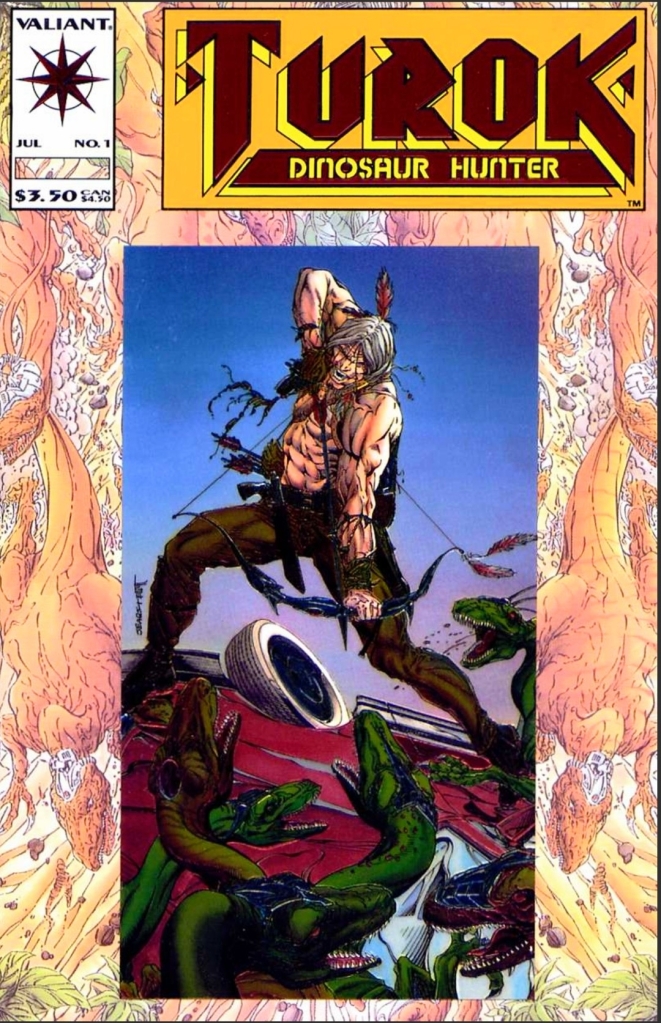
Welcome back superhero enthusiasts, 1990s culture enthusiasts and comic book collectors! Today we go back to the early 1990s and explore a part of the Valiant Comics shared universe through the Armorines monthly series.

During the said decade, Valiant Comics was notable for having crossovers that some readers found to be tightly executed in relation to continuity. The armored U.S. Marines (Armorines) and the powerful individual X-O Manowar have the spider aliens as a common enemy.

With those details laid down, here is a look back at Armorines #6, published in 1994 by Valiant Comics with a story written by Jorge Gonzalez and drawn by Jim Calafiore.

The cover.

Early story

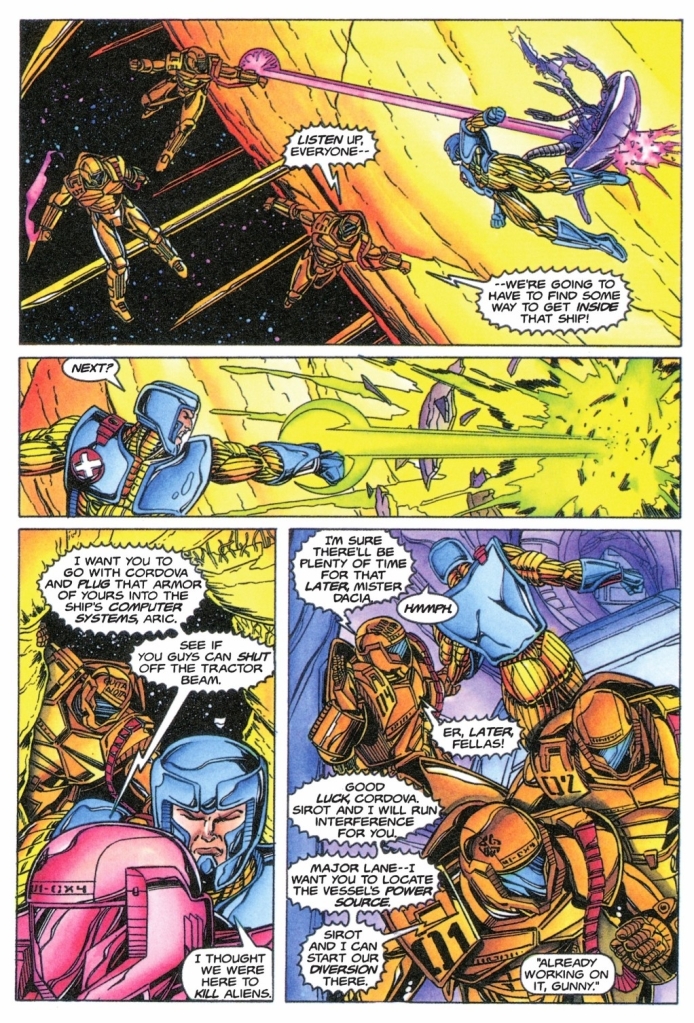
The story begins in space when the spider aliens (located inside a huge space ship) are organizing themselves to get back to their home world.

Meanwhile above the Earth, X-O Manowar significantly helps the Armorines with repairing their space shuttle. It turns out that they have been spending a long time in space and the crew has gotten exhausted after the big battle with the spider aliens. Going back home was their next objective.

Just as the crew prepares to return to Earth, the same huge space ship of the spider aliens suddenly approaches them…

Quality

The spider aliens.

Set after the crossover tale about the humans’ battle with the spider aliens in space, this tale served as a creative extension of those events utilizing space travel and sci-fi action concepts. The Armorines once again fight the spider aliens and X-O Manowar (a major Valiant character) gets heavily involved as he has a personal grudge against them. Without spoiling the plot, I can say that themes of freeing yourself from the enemy and getting back home are evident.

There is plenty of action to enjoy here and the sci-fi settings (including the interiors of the spider aliens ship) are nicely presented. I also like the fact that the tension gradually built-up as the story went on. Still, at this particular stage of this series, I could not help but feel that the Armorines have been in conflict with the spider aliens for too long.

Conclusion

There is a lot of sci-fi action to enjoy here.

Armorines #6 (1994) is a pretty good read but I was getting tired of seeing the Armorines remaining in conflict with the spider aliens. What added strong value to the comic book was the heavy involvement (and crossover) of X-O Manowar and his interactions with the Armorines was well executed. To be clear, the story was not conclusive and at this stage, I still am interested to see what would happen next. Here is hoping that the Armorines conflict with the spider aliens will improve somehow.  

Overall, Armorines #6 (1994) is recommended.

+++++

Thank you for reading. If you find this article engaging, please click the like button below, share this article to others and also please consider making a donation to support my publishing. If you are looking for a copywriter to create content for your special project or business, check out my services and my portfolio. Feel free to contact me with a private message. Also please feel free to visit my Facebook page Author Carlo Carrasco and follow me on Twitter at  @HavenorFantasy as well as on Tumblr at https://carlocarrasco.tumblr.com/ and on Instagram at https://www.instagram.com/authorcarlocarrasco

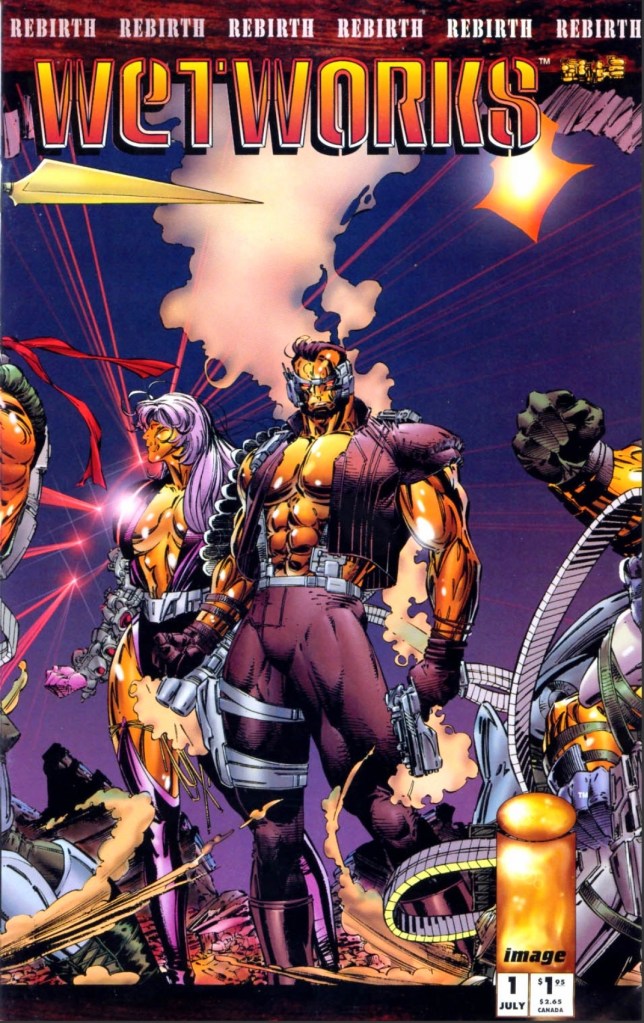
A Look Back at Wetworks #1 (1994)

Welcome back superhero enthusiasts, 1990s arts and culture enthusiasts, and comic book collectors! Today we go back to the mid-1990s to explore the comic book launch of a notable fictional team co-created by the Whilce Portacio and Brandon Choi…Wetworks.

For the newcomers reading this, Whilce Portacio was one of the highly talented illustrators who left Marvel Comics and co-founded Image Comics in the early 1990s. While his fellow co-founders Todd McFarlane, Jim Lee, Rob Liefeld, Marc Silvestri, Jim Valentino and Erik Larsen were able to launch their respective dream projects (creator-owned properties) during Image’s first year of publishing, the launch of Wetworks was delayed by two years due to a death in Portacio’s family.

As a very young comic book reader in those days, I remember hearing rumors about Wetworks inside comic book stores I visited. There were rumors of business negotiations, solicitations and scheduled launches (ranging from October 1993 to January 1994). I also noticed some comic book enthusiasts who bought old copies of X-Factor and Uncanny X-Men that Portacio illustrated while waiting for Wetworks to debut.

In the middle of 1994, Wetworks was finally launched under the Image Comics label and I still remember the day when I saw lots of copies of issue #1 displayed on the shelves and windows of comic book stores.

With those details laid down, here is a look back at Wetworks #1, published in 1994 by Image Comics with a story written by Whilce Portacio and Brandon Choi. The art was done by Portacio with ink work by Scott Williams.

The cover.

Early story

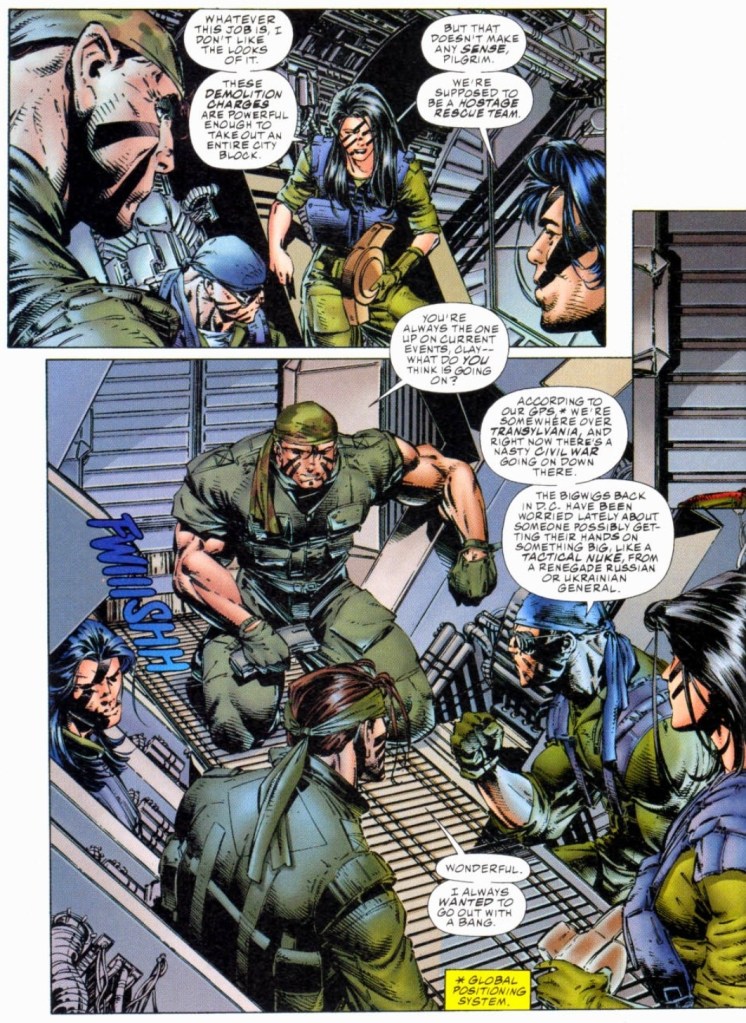
The story begins when a covert operations team working under International Operations (IO) travels to eastern Europe to infiltrate and destroy the base of operations of a certain warring faction and retrieve a biological agent (highly contagious) no matter what the cost. As it turns out, this new mission for the team (led by Colonel Jackson Dane, one of the pioneers of Team 7) started less than twenty four houses after their previous mission and their female member Pilgrim (reconnaissance specialist) pointed out that the demolition charges they are carrying are strong enough to wipe out an entire city block. Another teammate called Grail (the Filipino named Salvador Joel Alonday) stated that they are supposed to be a hostage rescue team.

Meanwhile deep inside the command center of IO in Washington, D.C., Admiral Halsey tells Miles Craven that Team 7 (the team led by Dane) are under his command and states that his sources tell him that there is more to the mission than just a group of ethnic nationalists obsessed on a biological terror campaign. It turns out, Craven sent the team to eastern Europe without fully informing them of what they are going up against. Craven insists that Team 7 are paid to put their lives on the line and to die if necessary just to get the job done. Craven then reveals to Halsey the true nature of the mission. The admiral then realizes Craven is right and certain sacrifices must be made for the greater good.

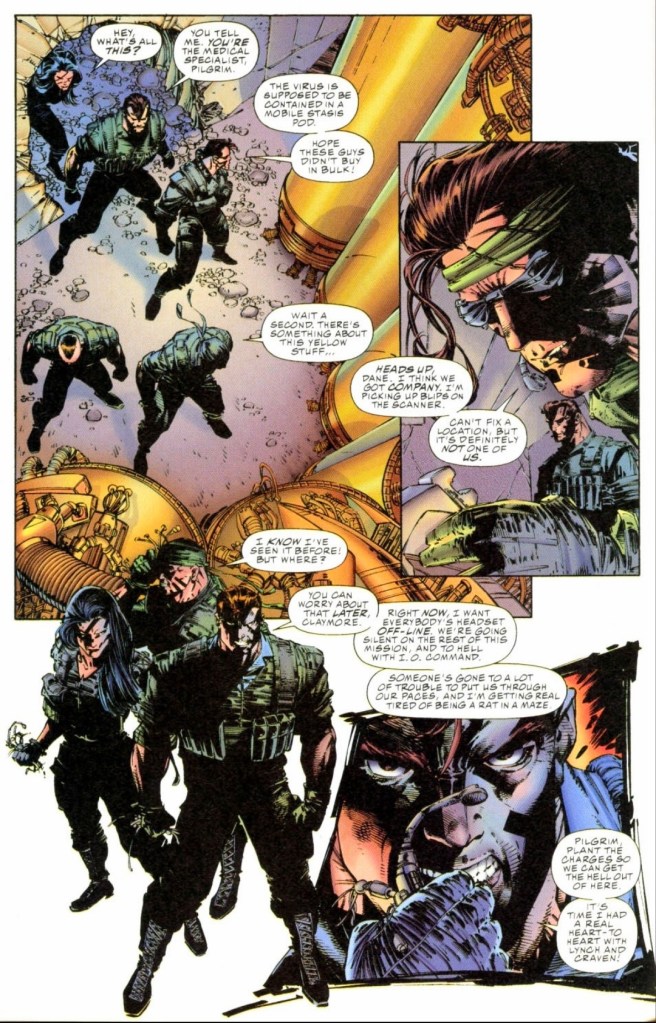
Craven and his team arrived at the location in Transylvania. They started seeing signs that someone else arrived ahead of them…

Quality

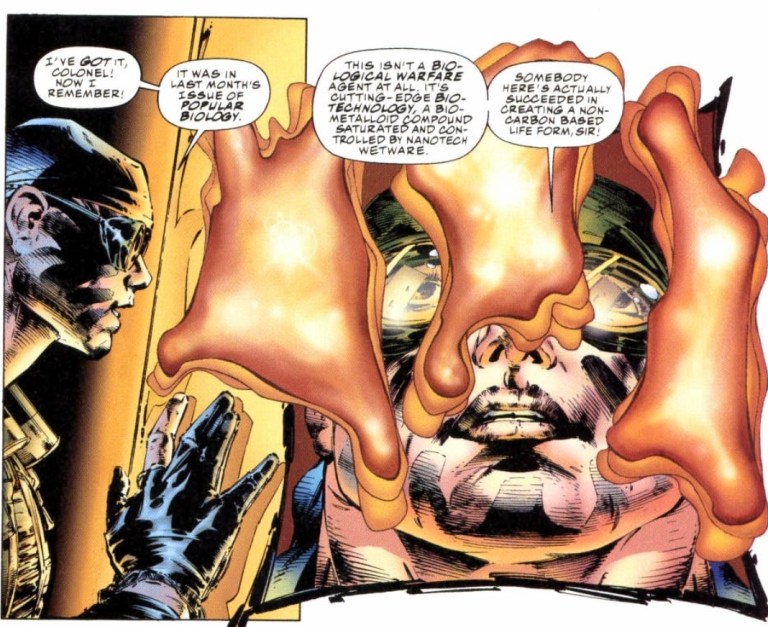
One of the team members looks at a symbiote.

I’ll start first with the fantasy concept and the storytelling. Whilce Portacio and Brandon Choi’s joint creation of Wetworks is indeed an inspired move with connections to real-life military influences the creators had. The Wetworks team – initially referred to as Team 7 – started looking and acting like typical military squad in the world of fiction but the major twist that happened drastically redefined and refined them into the most unique military team in the world of superhero comics. It’s the closest thing to seeing G.I. Joe fused with living symbiotes (another inspired move most likely influenced by a certain Marvel murderer with a symbiote whose origin is linked with one of the most iconic superheroes ever) there is and I can say Wetworks remains relevant and stands out nicely among superhero comic book teams to this day.

With regards to the plot, it looks cliched on face value. I’m talking about the trope in which a team is sent by their powerful superiors on a mission without knowing all the crucial details needed (because the superiors hid it from them) and they eventually encounter immense danger. As mentioned earlier, the major twist in the plot not only completed a major transformation of Dane and his teammates but also ramped up the fantasy aspect of the tale to much higher levels.

Still on the plot, Portacio and Choi came up with a solid structure for the narrative. The build-up of details and tension was very good and the pay-offs (lots of spectacle plus twists) were great. As the story moved on, the suspense grew stronger and the narrative succeeded in making me care about the team led by Dane.

Meet the team members who would later become Wetworks.

When it comes to the art, Portacio’s work here (with ink by Scott Williams) still looks great and, more notably, it is a fine departure from the superhero visuals he worked in years prior. As with his past works, you will see the artist’s stylized approach on visualizing the narrative related to how he implements the panels per page.

Portacio did a very good job with the military look of Wetworks and he drew their guns with a high amount of detail that should be seen (you should try using a magnifying glass on this comic book). Not only that, his art on military hardware such as the gunships, the interiors plus equipment all have that detailed appearance. When it comes to action, I believe that Portacio took a lot inspiration from Hollywood action flicks (most notably Predator) on portraying Wetworks members using their guns and positioning during battle.

Of course, the spectacle is not totally limited to military stuff. There is a touch of fantasy and horror visuals involved which is directly related to what was set-up for Wetworks to encounter in the near future. To realize what I am saying here, you must read this comic book until the intense end.

Conclusion

Wetworks #1 from 1994 is still great to read!

I can say without a doubt that Wetworks #1 (1994) remains as gripping and as entertaining as when I first read it decades ago. In short, it has aged well and reading it all over again today is compelling and a lot of fun to do. If you ask me, this is one of the finest works ever by Whilce Portacio in terms of art and storytelling. As one of the many comic books Image published during its first few years in the industry, Wetworks #1 (1994) clearly stands out with its military theme and fantasy concept. Lastly, Wetworks is set within the WildStorm universe as dramatically symbolized with the presence of International Operations (the team’s superiors).

Overall, Wetworks #1 (1994) is highly recommended!

+++++

Thank you for reading. If you find this article engaging, please click the like button below, share this article to others and also please consider making a donation to support my publishing. If you are looking for a copywriter to create content for your special project or business, check out my services and my portfolio. Feel free to contact me with a private message. Also please feel free to visit my Facebook page Author Carlo Carrasco and follow me on Twitter at  @HavenorFantasy as well as on Tumblr at https://carlocarrasco.tumblr.com/ and on Instagram at https://www.instagram.com/authorcarlocarrasco
A Look Back at Uncanny X-Men #157 (1982)

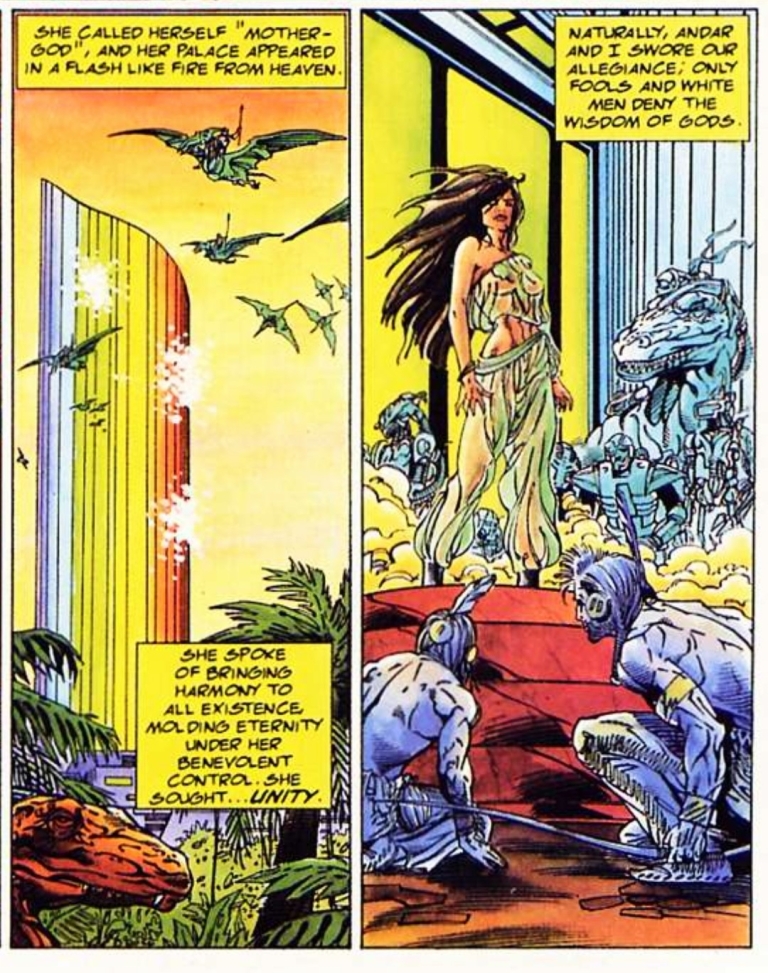
Welcome back superhero enthusiasts, 1980s culture enthusiasts and comic book collectors! Today we go back to the year 1982 to take a close look at one of the many tales of the Marvel Comics shared universe told through the monthly series of Uncanny X-Men.

In my previous retro review, Charles Xavier got reunited with his beloved Lilandra, the empress of the Shi’ar Empire, as they were trapped temporarily by the Brood. Elsewhere, Corsair reveals to his son Cyclops what happened before they got separated on Earth twenty years prior. The X-Men and the Starjammers got captured by the Brood’s massive transport which turned out to be a massive organic creature. The conflict that followed saw another battle between the X-Men and the Brood but with the stakes raised higher.

With those details laid down, here is a look back at Uncanny X-Men #157 published in 1982 by Marvel Comics with a story written by Chris Claremont and drawn by Dave Cockrum.  

The cover.

Early story

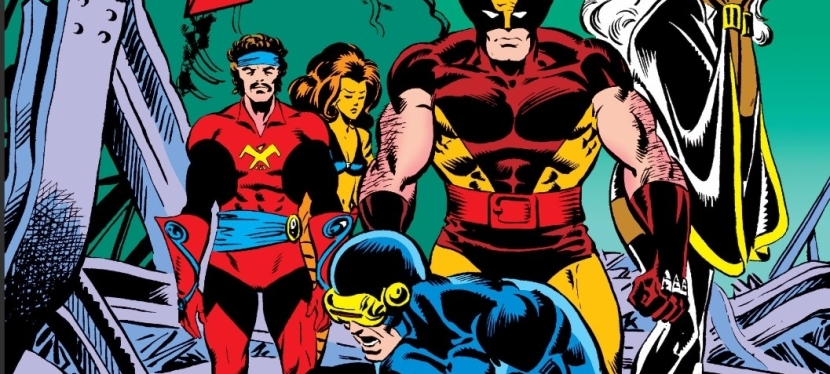
The story begins in space where the X-Men and the Starjammers worked together to repair the external parts of the Starjammer ship. An incident happens in which Wolverine starts to float away from the ship while Colossus loses consciousness. One of the Starjammers saved Wolverine.

Just as the Starjammers used their advanced technology to help the unconscious Colossus, Empress Lilandra tells Professor X and a few others that she used her imperial commlink and private code to each Chanellor Araki to confirm to him that she is free and unharmed. Supposedly, Lilandra’s move should compel Araki to call off the punitive strike against Earth.

As Lilandra starts communicating with the flagship that carries Araki, Admiral Lord Samedar takes control of the ship and declares that they will execute Araki’s orders to obliterate Earth…

Quality

Kitty Pryde on the move against all odds.

Following the events of the two previous issues, this story is another engaging pay-off to the established build-up but with the stakes raised higher as Earth becomes a target of the defiant Shi’ar officials who themselves turned out to be defiant towards their empress Lilandra all along. Not only that, there is a good amount of intrigue with the way the Shi’ar people are portrayed here.

The X-Men here continue to struggle not only because of Colossus’ weakness but also because something bad happened to their leader Professor X (a must-read scene). Far away from the rest of their teammates, Nightcrawler and Kitty Pryde became major players in this particular story and what happened with them was nicely structured by Chris Claremont. This is clearly a big pay-off to what was staged in issue #155 and it sure is worth anticipating!

If you have great interest with the Brood, you will be delighted to see more of the way they communicate and how they treat foreigners like Deathbird as they live on with their uncompromising belief that their race backs winners only.

Conclusion

How the Brood treats Deathbird.

Uncanny X-Men #157 (1982) is an action-packed sci-fi tale that continued Claremont’s direction of the X-Men while also emphasizing the Brood as well as the Starjammers and the Shi’ar as crucial players in this particular storyline. There is plenty of superhero spectacle to enjoy here, a few memorable character moments and if you are fond of Chris Claremont’s works, you will enjoy the twists and surprises he pulled off here.

Overall, Uncanny X-Men #157 (1982) is recommended!

+++++

Thank you for reading. If you find this article engaging, please click the like button below, share this article to others and also please consider making a donation to support my publishing. If you are looking for a copywriter to create content for your special project or business, check out my services and my portfolio. Feel free to contact me with a private message. Also please feel free to visit my Facebook page Author Carlo Carrasco and follow me on Twitter at  @HavenorFantasy as well as on Tumblr at https://carlocarrasco.tumblr.com/ and on Instagram at https://www.instagram.com/authorcarlocarrasco

A Look Back at Uncanny X-Men #156 (1982)

Welcome back superhero enthusiasts, 1980s culture enthusiasts and comic book collectors! Today we go back to the year 1982 to take a close look at one of the many tales of the Marvel Comics shared universe told through the monthly series of Uncanny X-Men.

In my previous retro review, the X-Men got involved in a high-stakes mission to find and rescue the kidnapped Shi’ar empress Lilandra. Things are not easy on the X-Men’s side as Cyclops is still uneasy over the truth he learned about his father Corsair while the leader Charles Xavier had to deal with the Shi’ar officials who have their agenda that could cause trouble on Earth. What the X-Men faced was a few of the Brood and Deathbird.

With those details laid down, here is a look back at Uncanny X-Men #156 published in 1982 by Marvel Comics with a story written by Chris Claremont and drawn by Dave Cockrum.  

The cover.

Early story

The story begins in New York City. The X-Men just fought with the Brood and Deathbird, and Charles Xavier has gone missing. Wolverine, Storm, Corsair, Cyclops and the Avengers member Tigra attend to a mortally wounded Colossus who was hit with acid.

Just as the local police arrived, Tigra tries her best to talk with them. Suddenly a gigantic space ship arrived floating above New York shocking everyone. The ship unleashes a beam of light down to pick up Wolverine, Cyclops, Storm, Corsair and the ailing Colossus. The giant ship then flies away leaving a lot of people stunned.

It turns out the ship belongs to the Starjammers, a group of space pirates that Corsair leads. Colossus then gets treated with alien technology…

Quality

The spectacle and the new encounter with the Brood were nicely done.

Similar to issue #155, the story here is very in-depth and has so much details and plot-related connections, it will require a great amount of attention from you in order to understand what is going and what is happening within. In this issue, you will get to see the Starjammers gang that Corsair spent a long time with, further development between Corsair and son Cyclops, the reunion between Charles Xavier and Empress Lilandra, and more of the Brood.

To put things clearly, Chris Claremont invested a lot of details when it comes to dramatizing the characters, insert revelations from the past, emphasized the many reactions of the X-Men members and carefully implemented stronger science fiction elements that really added depth to the plot. In many ways, this story is a huge pay-off to the build-up of the previous comic book and there is a lot more to the connection between Deathbird (a very capable villainess) and the Brood.

Having read lots of Claremont-authored X-Men stories, I found this 1982 story enjoyable and compelling to read. The big difference is that there is a stronger element of spectacle in this story which is related to the stronger sci-fi elements as well as Claremont’s strategic handling of the X-Men. At this point, it is clear that something new was being built up with the Brood, space travel and new frontiers. This is a strong sci-fi X-Men tale.

Conclusion

Professor X with his beloved Lilandra.

Uncanny X-Men #156 (1982) is indeed an enjoyable read provided that you pay close attention to the details, the characters and you have read the previous issue. This is the X-Men literally going deeper with science fiction and the Brood here was just about to rise further as a major force of opposition that would impact Marvel’s mutants. I should also state that Professor X and Empress Lilandra being together is a pretty compelling scene to read. As of this writing, I am convinced to keep on exploring further tales from this era of the X-Men.  

Overall, Uncanny X-Men #156 (1982) is highly recommended!

+++++

Thank you for reading. If you find this article engaging, please click the like button below, share this article to others and also please consider making a donation to support my publishing. If you are looking for a copywriter to create content for your special project or business, check out my services and my portfolio. Feel free to contact me with a private message. Also please feel free to visit my Facebook page Author Carlo Carrasco and follow me on Twitter at  @HavenorFantasy as well as on Tumblr at https://carlocarrasco.tumblr.com/ and on Instagram at https://www.instagram.com/authorcarlocarrasco

A Look Back at Uncanny X-Men #155 (1982)

Welcome back superhero enthusiasts, 1980s culture enthusiasts and comic book collectors! Today we go back to the year 1982 to take a close look at one of the many tales of the Marvel Comics shared universe told through the monthly series of Uncanny X-Men.

This review will examine not only the first-ever appearance of the X-Men foes the Brood but also the effects of other developments that made their impact on key members of Marvel’s team of mutants.

With those details laid down, here is a look back at Uncanny X-Men #155 published in 1982 by Marvel Comics with a story written by Chris Claremont and drawn by Dave Cockrum.  

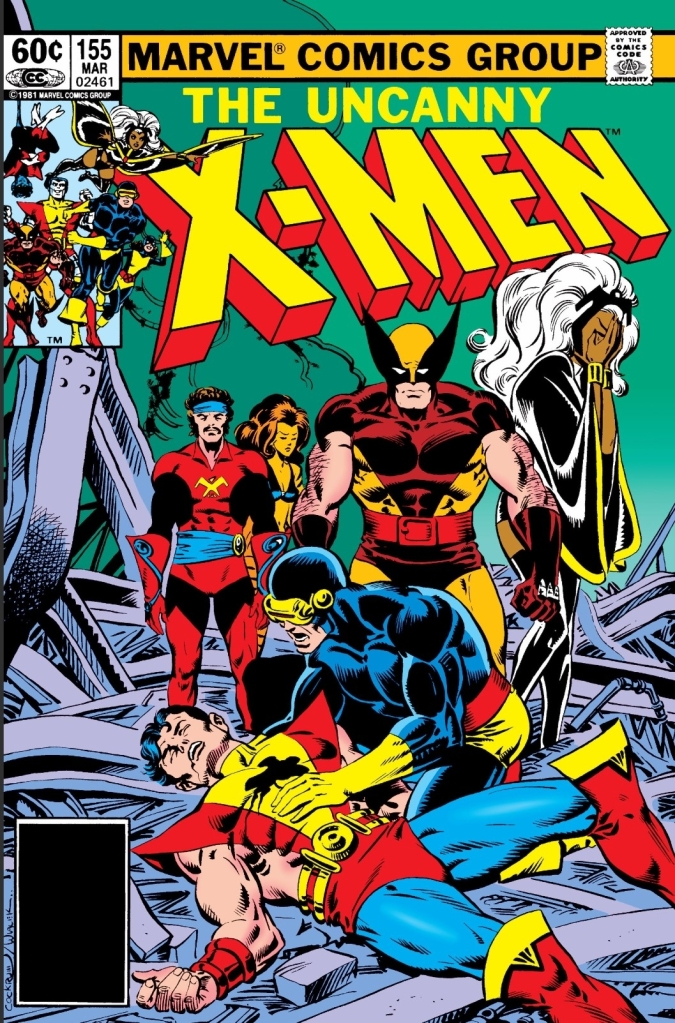
The cover.

Early story

The story begins as a jet carrying Cyclops, Storm and Corsair flies. Tensions are already intense as Cyclops is struggling with the shocking truth that his father – Corsair the leader of the Starjammers – is still living and recently returned to Earth seeking help.

Storm tries to emotionally reconnect with her teammate but Cyclops pushes back as he just found out that she knew Corsair was his father for several months already and never bothered to tell him. Tension grew worse as Corsair tried explaining himself to his son only to get a harsh response in return. Cyclops questioned his father if he even tried to learn what happened to him and his brother Alex (Havok) over the previous twenty years.

Suddenly the jet begins to glow. It turns out that a transporter beam hit them. In an instant, jet got transported forty thousand kilometers above the Earth and into the deck of the Shi’ar Dreadnought. Cyclops, Storm and Corsair find themselves surrounded by armed personnel and an audience of several alien beings.

Suddenly, Colossus, Nightcrawler, Kitty Pryde, Wolverine and Professor X appeared out of nowhere and right next to the jet…

Quality

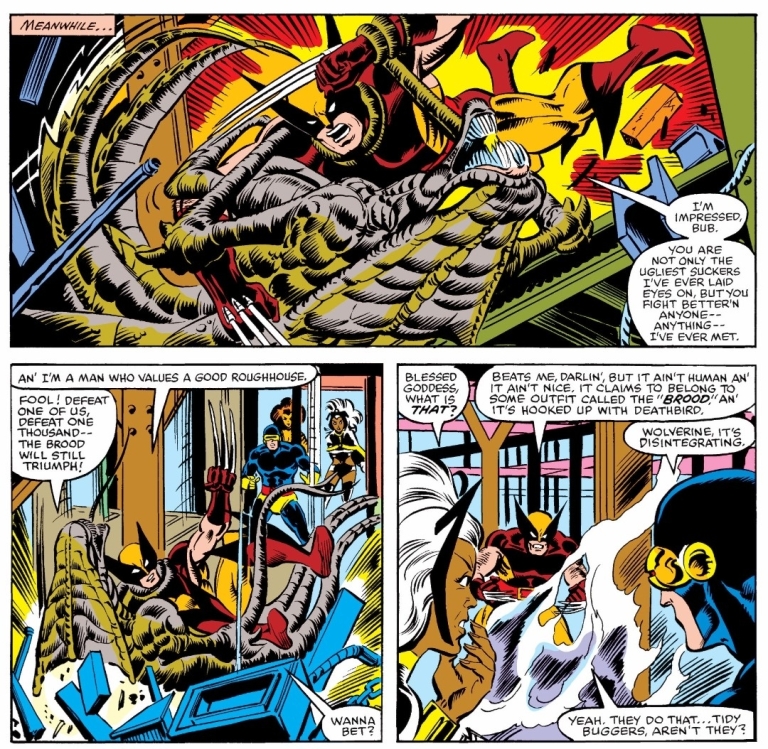
Wolverine takes on one of the Brood. As this marked the Brood’s first appearance in comics, Wolverine’s encounter with one of them here is a prelude of more intense things to come.

Upon close inspection of the storytelling, this comic book is pretty loaded with details related to developments that took place in previous issues. Apart from Cyclops’ personal struggle on accepting the truth about his father’s existence, there are references to what happened recently on the parts of Xavier, Colossus, Nightcrawler, Wolverine and Kitty Pryde. Not only that, this story also reveals details about Professor X’s past interaction with Empress Lilandra and the Shi’ar race.

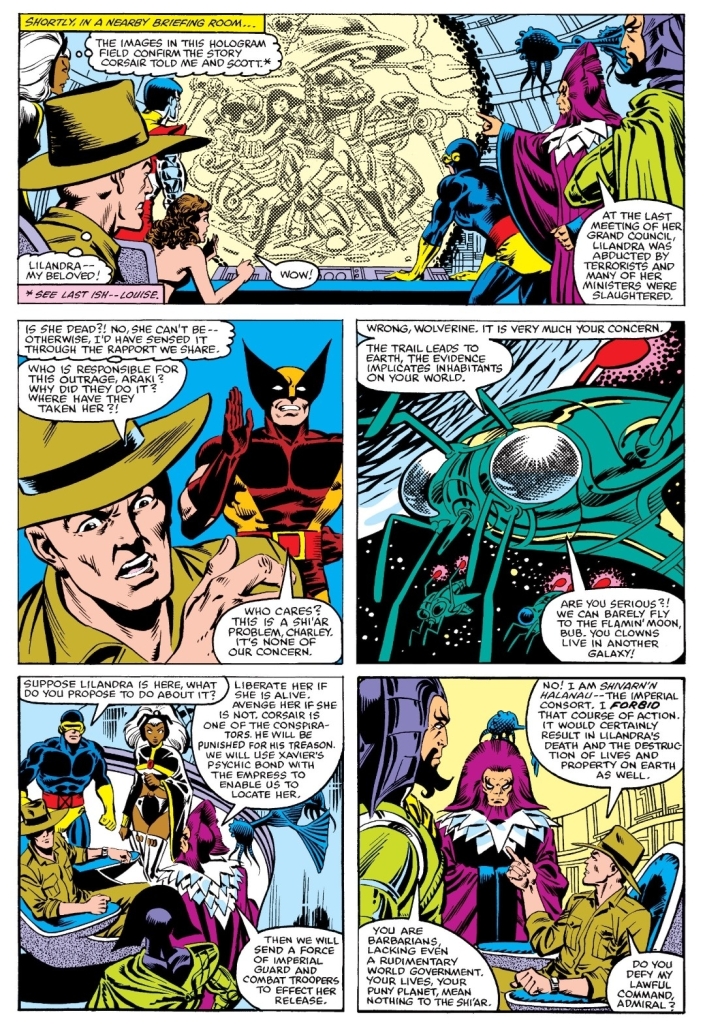
As it turns out, the Empress was abducted by terrorists and many of her ministers got killed. This previous event incidentally sets the stage for the new tasks for the X-Men to handle in this particular story which also comes with strong science fiction elements.

Adding further to the X-Men’s new mission to follow the trail to Earth and liberate Empress Lilandra if she is still living, Cyclops’ father Corsair was found to be a conspirator (to be punished) and the Shi’ar’s high officials will only follow Xavier’s lawful command (as the imperial consort) to a certain limit. This new conflict is literally loaded with lots of details that became part of the build-up, and to really grasp it all, you should pay close attention to the details here and in the previous comic books. In other words, this is not an easy read.

Apart from the general concept and plot structuring, Chris Claremont pulled off some clever moves with the way he portrayed Charles Xavier’s leadership and cunning. The X-Men leader knows that a lot is at stake in the new mission and he is certain that further Shi’ar presence on Earth would result in catastrophe.

As for the mission itself, the X-Men got someone from the Avengers to aid them. With Storm and Corsair moving and operating apart from the rest of the team. This leads to another series of developments plus twists that you should read for yourselves.

Conclusion

An intense scene that really puts the X-Men into a predicament and a potential conflict between worlds.

Uncanny X-Men #155 (1982) is not an easy read but if you have a strong understanding of the many plot details and related character developments, then you will eventually enjoy this story. The literary debut of the Brood here is not too significant as it preceded the further emphasis of the alien monster race in the succeeding issues. A highlight here is the intriguing portrayal of Professor X as X-Men leader, as Lilandra’s lover and as the bridge between humanity, mutants and the aliens of the Shi’ar empire. There is also a good amount of spectacle to keep you entertained, particularly during the 2nd half of the story. Considering all the build-up and exposition that took place in this comic book, don’t expect the mission to be concluded within.

Overall, Uncanny X-Men #155 (1982) is highly recommended!

+++++

Thank you for reading. If you find this article engaging, please click the like button below, share this article to others and also please consider making a donation to support my publishing. If you are looking for a copywriter to create content for your special project or business, check out my services and my portfolio. Feel free to contact me with a private message. Also please feel free to visit my Facebook page Author Carlo Carrasco and follow me on Twitter at  @HavenorFantasy as well as on Tumblr at https://carlocarrasco.tumblr.com/ and on Instagram at https://www.instagram.com/authorcarlocarrasco

A Look Back at WildC.A.T.S.: Covert Action Teams #15 (1994)

Welcome back superhero enthusiasts, 1990s arts and culture enthusiasts, Marvel Comics fans and comic book collectors! Today we go back to the mid-1990s to explore another notable chapter of Jim Lee’s WildC.A.T.S.: Covert Action Teams during the creator’s time with Image Comics.

For any fan, witnessing a change of creative direction can either be alienating or engaging to follow. As clearly done in the WildC.A.T.S.-Huntsman storyline done by Chris Claremont and Lee, there was a serious change of direction of the team as it involved in-depth redevelopment of Zealot, the introduction of Claremont’s creation (Huntsman), the introduction of new characters and moving certain WildC.A.T.S. members into the background. Read my retro reviews by clicking here, here, here and here.

After the publication of Erik Larsen’s creative handling of WildC.A.T.S.: Covert Action Teams with issue #14, a new creative team came into the picture with several new stories and the further redevelopment of the titular team in mind.

With those details laid down, here is a look back at WildC.A.T.S.: Covert Action Teams #15, published in 1994 by Image Comics with a story written by James Robinson and drawn by Travis Charest.

The cover.

Early story

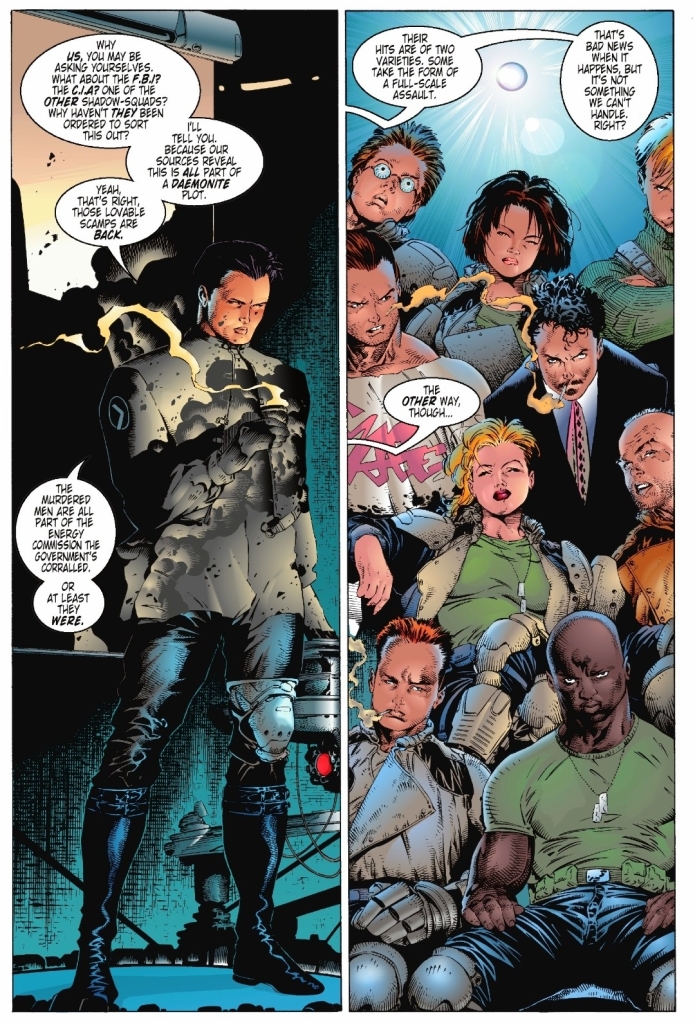
The story begins at Jacob Marlowe’s high-end place in Aspen, Colorado. In presence of Spartan, Grifter, Void, Zealot, Voodoo, Maul and Warblade, Marlowe tells them he has important matters to attend to as he, along with other heads of corporations, has been asked by the new government to run an energy commission. The said commission is part of the government’s plan to repair the damage that was done by the possessed US Vice President Dan Quayle.

Suddenly a heavily armed helicopter arrives out of nowhere and fires at them causing a lot of damage. During the attack, Voodoo gets hit and suffers a serious injury. Grifter fires a barrage of bullets at the helicopter which causes it to explode and crash. With Voodoo out of commission, the team just lost its advantage to spot Daemonites.

The next day at the headquarters of IO (International Operations), the team Black Razors hold a meeting as their member Ben Santini has been elevated as their new leader. He leads the briefing and informs the members of the assassination attempts on the members of the commission…

Quality

Meet Ben Santini (left), the new leader of the Black Razors. At right are the members.

When I first read this story way back in 1994, I was alienated a bit by the creative team’s approach to emphasize the Black Razors at the expense of the titular team. And yet, I was pleasantly surprised by the Robinson-Charest creative direction as the Black Razors turned out to be a sensible and strong parallel team to the WildC.A.T.S. without becoming another force of evil. While it is clear that the Daemonite threat is strong with several of the aliens hidden among members of human populations, there clearly had to be another force of opposition for the titular team to face-off with and the Black Razors (which serve IO) clearly fit in well with the concept.

Any dedicated fan of this franchise will realize that the Black Razors first appeared in the original 1992 mini-series but it was only in this issue when Ben Santini (who was shot on the knee by Jacob Marlowe) was realized as a character.

Ben Santini’s introduction here was engaging and his motivations to lead the team were made clear while other Black Razor members had their own small slices of the spotlight. Santini is not exactly evil but he has a clearly defined goal in serving his superiors at IO. This means he intends to make an impact as he struggles with the responsibilities of leading the team even as the other members are not so trusting towards him.

While the paramilitary influence within the WildC.A.T.S. series has often been present, it was noticeably revived strongly by the Robinson-Charest duo in this comic book. The story also served as a creative update of IO for readers to absorb complete with elements of espionage and geo-political developments. In some ways, this comic book made the series more grounded with reality while still maintaining some fantasy concepts to keep readers entertained.

Conclusion

Grifter successfully defeated the armed helicopter but Voodoo remained seriously injured from the attack.

I can say out loud that WildC.A.T.S.: Covert Action Teams #15 (1994) is still great to read and the debut of James Robinson and Travis Charest as handlers of the comic book series remains rock solid in terms of quality and creativity. While the titular team and fan-favorite characters had a very limited presence in this comic book, the introduction of Ben Santini and the stronger emphasis on the Black Razors as a group of trained members (as opposed to being faceless during their appearance in the mini-series) more than made up for it. In fact, the build-up of the Black Razors has a lot of variety and nice quality work by Robinson and Charest. Ultimately, I was entertained with this comic book and it proved effective to make me look forward to the next issue.

Overall, WildC.A.T.S.: Covert Action Teams #15 (1994) is highly recommended!

+++++

Thank you for reading. If you find this article engaging, please click the like button below, share this article to others and also please consider making a donation to support my publishing. If you are looking for a copywriter to create content for your special project or business, check out my services and my portfolio. Feel free to contact me with a private message. Also please feel free to visit my Facebook page Author Carlo Carrasco and follow me on Twitter at  @HavenorFantasy as well as on Tumblr at https://carlocarrasco.tumblr.com/ and on Instagram at https://www.instagram.com/authorcarlocarrasco
A Look Back at Amazing Spider-Man #129 (1974)

Welcome back superhero enthusiasts, 1970s arts and culture enthusiasts, Marvel Comics fans and comic book collectors! Today we go back to the year 1974 to examine a highly significant tale from Marvel Comics’ shared universe – the first appearance of the Punisher and his first-ever encounter with Spider-Man.

To put things in perspective, Punisher’s literary debut was told within the Amazing Spider-Man comic book series and it happened not too long after the legendary tragedy of Gwen Stacey. During the 1970s, Hollywood made and released several action movies and crime thrillers that were violent, gritty and highlighted vigilantes and assassins. Some of that influence somehow made it into Marvel’s shared universe which was symbolized creatively through the Punisher who debuted as an assassin.

With those details laid down, here is a look back at Amazing Spider-Man #129, published in 1974 by Marvel Comics with a story written by Gerry Conway and drawn by Ross Andru (the same creative duo behind Superman vs. The Amazing Spider-Man crossover).

The cover.

Early story

The story begins inside a private facility an assassin wearing black with a huge skull on his upper body heavily damages a solid statue of Spider-Man using a powerful rifle. This impresses the hideous villain called the Jackal who tells him that if he does well with the real Spider-Man, he would have performed a great service for the world. Knowing he impressed the Jackal, the Punisher states that he will only kill those who deserve killing and he expresses his belief that the webslinger deserves to die.

Elsewhere, Spider-Man swings into action and successfully stops an armed robbery from happening. Along the way he managed to capture photographs, changes into his civilian clothes and enters the Daily Bugle’s office ready to submit the roll of film as Peter Parker. Unfortunately, his superior J. Jonah Jameson disregards Parker’s submission and points out that the Punisher made waves with New York’s readers via the Bugle’s competitor The New York Star. For Jameson, the Punisher is only the most newsworthy thing to happen to New York and tells Parker he wants photos of the assassin…

Quality

This is a scene from the first of two encounters between Spider-Man and the Punisher who was introduced as an assassin.

To make things very clear about storytelling without spoiling plot details, this is a tale about intrigue and the darker side of society that involves vigilantes and murdering. The Punisher here did not debut as a crime-busting vigilante but rather an assassin who accepts assignments from clients as long as the jobs fall in line with his personal philosophy that focuses on taking the lives of those who deserved to be killed. That being said, it is clear that Hollywood’s vigilante flicks of the 1970s influenced the presentation and I can say that whenever the story focuses on the Punisher, there definitely is a grim tone which contradicts the tone of Spider-Man’s scenes.

Spider-Man here continues to struggle somewhat with his personal life having recently lost Gwen Stacey while remaining disturbed about the identity of the Green Goblin. The webslinger also has to live with the heavy situation in which a lot of people in New York were convinced that he killed Norman Osborne which was the result of his own boss’ handling of the Daily Bugle. These elements along with his civilian involvement with his newspaper creatively added to the build-up of Spider-Man’s eventual encounters with the Punisher. The build-up was structured nicely and the pay-off was worth it.

There was also the introduction of Jackal. While he has a hideous appearance, his participation was more about scheming than action which contrasted him with the Punisher. For the newcomers reading this, Jackal is actually Miles Warren in a more monstrous form. From this comic book, it was clear that Jackal was created to be a recurring for of Spider-Man and this was strongly executed in the controversial Clone Saga of the 1990s.

Going back to the Punisher, he symbolically uses guns with designs that were more grounded in reality (inspired by real-life guns in looks) instead of taking influence from science fiction. As an assassin living with a strong code, the Punisher is truly determined to eliminate Spider-Man whom he even referred to as a murderer. The perception of Spider-Man as a criminal on the part of the Punisher clearly reflected the defamation caused by the Daily Bugle on the webslinger. Gerry Conway established the assassin to be a strong believer in fighting evil by using violence and killing.

The build-up of the Punisher is very solid and the pay-off in the form of battles with Spider-Man is tremendous and very satisfying to read. There is a lot of action to enjoy here and most notably Gerry Conway maintained a strong narrative throughout.

Conclusion

Have you ever worked in a newspaper before?

I can say out loud that Amazing Spider-Man #129 (1974) is truly a great read and a true illustrated literary classic of Marvel Comics. This tale alone added a touch of darkness and grit (in the form of vigilante and assassins cultures) into the Spider-Man legacy. Apart from its status as a comic book classic, this one paved the way for the rise of the Punisher in terms of more comic book appearances and the publishing of new comic book series featuring him. While the Punisher’s legacy as a killer is obviously not something worth believing in, Marvel Comics took the risk of having him as one of their primary characters in the decades that followed. This particular story is so significant, Marvel Comics revisited it with What If #58 (1994). Check out my other Punisher-related retro reviews by clicking here, here, here, here and here.

Overall, Amazing Spider-Man #129 (1974) is highly recommended!

+++++

Thank you for reading. If you find this article engaging, please click the like button below, share this article to others and also please consider making a donation to support my publishing. If you are looking for a copywriter to create content for your special project or business, check out my services and my portfolio. Feel free to contact me with a private message. Also please feel free to visit my Facebook page Author Carlo Carrasco and follow me on Twitter at  @HavenorFantasy as well as on Tumblr at https://carlocarrasco.tumblr.com/ and on Instagram at https://www.instagram.com/authorcarlocarrasco

A Look Back at Godzilla: King of the Monsters #1 (1977)

Welcome back superhero enthusiasts, 1970s arts and culture enthusiasts, Marvel Comics fans and comic book collectors! Today we go back to the year 1977 when Marvel Comics had the license to publish comic books about Japan’s iconic monster Godzilla (Gojira in Japanese) and even integrated him into their shared comic books universe.

The mid-1970s saw a decline of Godzilla’s popularity in Japan as reflected in the commercial disappointment of the movie Terror of Mechagodzilla (1975). The company Toho decided to put on-hold the production of its monster movies without permanently ending the Godzilla film franchise. The next Godzilla movie released was The Return of Godzilla (1984) which proved to be a solid rebound of the Japanese film franchise.

Sometime between the mentioned movies, there was interaction between Toho officials and Marvel Comics – including the late Stan Lee – when the Japanese company screened the movie Godzilla vs. Gigan (titled in America as Monster Island) to the comic guys in relation to the film’s American theatrical release. It turns out Stan Lee enjoyed the movie a lot and seated next to him was writer Doug Moench (the eventual writer for the Godzilla comic book series).

With those details laid down, here is a look back at Godzilla: King of the Monsters #1, published in 1977 by Marvel Comics with a story written by Doug Moench and drawn by Herb Trimpe.

The cover.

Early story

The story begins in Alaska when a huge iceberg suddenly deteriorates unleashing a gigantic monster with sharp teeth, dorsal fins and immense strength – Godzilla. After instantly crushing a supply ship, the monster moves onto the land destroying structures and disrupting the lives of every person nearby.

In response to Godzilla’s rampage in Alaska, S.H.I.E.L.D. dispatches its agents to the site of destruction to take on the monster. Meanwhile, S.H.I.E.L.D. director Col. Nick Fury is transporting with him three Japanese individuals deemed important (with clearances from the Pentagon and the White House)…

Quality

Dum Dum Dugan, Col. Nick Fury and the Japanese characters.

To get straight to the point, this comic book not only marked the literary debut of Japan’s iconic monster under Marvel Comics’ banner but also his integration into the shared universe of the time. That being said, the story written by Doug Mench was pretty much a functional build-up of Godzilla’s presence within the realm of Marvel which includes a strategic choice of having S.H.I.E.L.D. and its characters encountering the monster. In short, the creative team decided not to literally pull out Marvel’s biggest guns (the more popular superheroes and teams) as such a move would have lessened the impact of Godzilla’s debut.

For the most part, S.H.I.E.L.D.’s Nick Fury and Dum Dum Dugan had lively portrayals and the way they reacted to the rampage of Godzilla was believable. The introductions of the Japanese characters (who could provide breakthroughs on dealing with the giant monster) were clearly inspired by the Japanese scientists who were crucial in the plot of the original 1954 movie Gojira.

Going further, Doug Mench went on to efficiently establish Godzilla’s origin which creatively is a sensible reinterpretation of what was established in the 1954 movie. The giant monster’s rise as a result of humanity’s testing of powerful weapons on Earth is definitely here.

As expected, Godzilla is the unrestrained force of destruction but as this comic book was released in the 1970s, the destruction scenes lacked impact as they were creatively sanitized with deliberate moves of showing no casualties no matter what happened. This limitation on the part of Marvel Comics showed they were not willing to emulate the approach on destruction and death that was clearly emphasized in the first Godzilla movie of 1954.

As for Godzilla himself, Herb Trimpe’s visual approach is not really good. While Trimpe implemented the guy-in-a-suit shape on the giant monster’s form, he made Godzilla his own (took no inspiration from Godzilla’s cinematic designs) which resulted in making the icon look unrecognizable. There were inconsistencies on Godzilla’s head as well. In certain shots, Godzilla looked terrifying but in other shots, he looked weird or cartoony. The use of the color green did not make Godzilla look reptilian but rather comical.    

Conclusion

I can only imagine the SJWs and the climate change extremists enjoying these images of an unrecognizable Godzilla wreaking havoc to the oil supply. Are there lots of people in your local community who were brainwashed to hate oil and gas?

Godzilla: King of the Monsters #1 (1977) is a serviceable approach on debuting the iconic monster within the fantasy realm of Marvel Comics and sparking a new wave of crossovers. There were uneven levels of quality here and there, and Herb Trimpe’s visual approach on Godzilla was alienating to say the least. Honestly, I did not really see Godzilla in this comic book but rather a green-colored dinosaur-like creature that was mislabeled as Godzilla. What works here is the writing by Doug Mench which proved to be entertaining enough.

Overall, Godzilla: King of the Monsters #1 (1977) is satisfactory.

For my other Godzilla-related posts, click here, here, here, here and here.

+++++

Thank you for reading. If you find this article engaging, please click the like button below, share this article to others and also please consider making a donation to support my publishing. If you are looking for a copywriter to create content for your special project or business, check out my services and my portfolio. Feel free to contact me with a private message. Also please feel free to visit my Facebook page Author Carlo Carrasco and follow me on Twitter at  @HavenorFantasy as well as on Tumblr at https://carlocarrasco.tumblr.com/ and on Instagram at https://www.instagram.com/authorcarlocarrasco