What to watch on YouTube right now – Part 23

Welcome back, my readers, YouTube viewers and all others who followed this series of articles focused on YouTube videos worth watching. Have you been searching for something fun or interesting to watch on YouTube? Do you feel bored right now and you crave for something to see on the world’s most popular online video destination?

I recommend you check out the following topics and the related videos I found.

Woke Disney’s discriminatory practices confirmed and caught on camera – Being woke means being foolish and wicked. What was discussed before about the woke Disney Company’s distorted approach on hiring workers as well as promoting their current workers was confirmed to be true as a Disney executive confirmed it openly on camera. A lot of footage has been recorded of him talking about Disney’s discrimination against white males as they empower people of minorities (colored people, the under-represented ethnic groups, etc.). You should watch the two videos I selected from Midnight’s Edge ad RK Outpost. Woke Disney should be brought to justice!

Video documentary about Sega’s Streets of Rage franchise – YouTuber PatmanQC recently published another informative and entertaining look at the history of Sega’s popular Streets of Rage game franchise. This includes the behind-the-scenes development of the first game that hit the arcades, as well as the different versions that appeared on multiple platforms.

Somewhere in Time videos – Somewhere in Time (1980) was a film that starred the late Christopher Reeve, Jane Seymour and Christopher Plummer. While it was never successful in movie theaters, it became a big hit on cable TV, public TV and home video. As its legacy lived on, it is not surprising that there are several movie reaction videos, video reviews and other features about it on YouTube. Posted below are some selected videos for those of you who wish to discover more of Somewhere in Time.

A look at the rise and fall of the Orlando Magic – Back in the mid-1990s, a lot of my friends (who love basketball) became fans of the Orlando Magic which had Shaquille O’Neal, Penny Hardaway, Nick Anderson (the guy who missed 4 crucial free throws in specific NBA Finals game), Horace Grant and Dennis Scott. Their excitement really went overboard when the Magic of 1994-95 successfully won the Eastern Conference Finals and entered the NBA Finals to face off with the defending champion Houston Rockets. Of course, as recorded by history, the Magic got swept away by the Rockets even though they had the home court advantage. If you are nostalgic about 1990s NBA action or if you want to see how different the Orlando Magic was back in the 1990s, then you should watch the video below.

Stockton to Malone (but still no NBA championship) – Still on the topic of basketball, do you remember the so-called golden age of the Utah Jazz when they had Karl Malone and John Stockton who together were among the very best players in the NBA back then? For the newcomers reading this, the Utah Jazz made it to the NBA Finals of 1997 and 1998 but lost each time to Michael Jordan and the Chicago Bulls. Long before those championship series happened, the Utah Jazz became a serious playoff contender in 1988 (pushing the LA Lakers to seven games in the Western Conference Semifinals) and went on to struggle in the years that followed. As for Stockton and Malone, they each had great basketball achievements but never won a championship. To learn more with a lot of details plus in-depth analysis, watch the video below.

Heart of Darkness retrospective video – Way back in 1998, I played the video game Heart of Darkness on the PlayStation console but never got to finish it. While the cinematic cutscenes are not outstanding, the graphics used for gameplay was eye-catching thanks to the developers’ artistic and technical approach. This should not be surprising as the game was supervised by Eric Chahi who was best known for Another World. To learn more about Heart of Darkness’ production history, watch the video below.

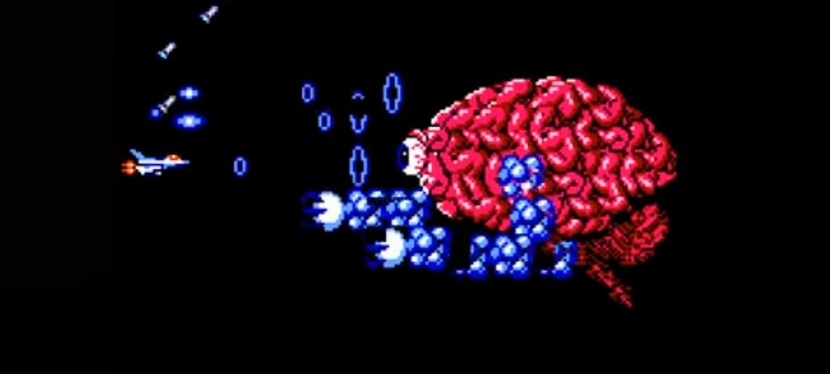
A look at Salamander (AKA Life Force) – Still on the topic of retro gaming, I had fun memories playing Salamander (titled Life Force in North America) on the Family Computer (Famicom) back in the late-1980s. It was a sci-fi 2D scrolling shooter that not only featured side-scrolling levels but also vertical levels. Developed and published by Konami, Salamander was a spin-off of Gradius (an acclaimed 2D side-scrolling shooter on its own) but it became successful in entertaining players with the two-player mode, unique challenges, fine gameplay features and outstanding visuals. To learn more about Salamander, watch the selected videos below.

Friday The 13th Part 3 videos – If there is anything significant about Friday The 13th Part 3 (1982) other than being filmed in 3D, it is the fact that it marked a creative turning point for the franchise. It was in this movie that the film series really started to take shape with Jason Voorhees as its feature antagonist. That being said, it is not surprising that there are lots of retro reviews/reactions and feature videos about it. Watch the selected videos below.

+++++

Thank you for reading. If you find this article engaging, please click the like button below, share this article to others and also please consider making a donation to support my publishing. If you are looking for a copywriter to create content for your special project or business, check out my services and my portfolio. Feel free to contact me with a private message. Also please feel free to visit my Facebook page Author Carlo Carrasco and follow me on Twitter at  @HavenorFantasy as well as on Tumblr at https://carlocarrasco.tumblr.com/ and on Instagram athttps://www.instagram.com/authorcarlocarrasco

Retro Gaming Ads Blast – Part 11

Welcome back readers, fellow geeks and electronic gaming fans!

In this edition of the Retro Gaming Ads Blast (RGAB) series, we will take a look at another batch of retro gaming print ads from the 1980s and 1990s. In addition, there will be a few flyers of arcade games as well as promotional posters of a notable console game that was released only in Japan.

For the newcomers reading this, Retro Gaming Ads Blast (RGAB) looks back at the many print ads of games (console, arcade, computer and handheld) that were published in comic books, magazines, flyers and newspapers long before smartphones, social media, the worldwide web and streaming became popular. To put things in perspective, people back in the 1980s and 1990s were more trusting of print media for information and images about electronic games and related products.

With those details laid down, here is the newest batch of retro gaming print ads for you to see and enjoy…

1. M.I.A.: Missing in Action arcade flyer

This is an effective way of catching the attention of both players and arcade operators. I can imagine the woke, the SJWs and rabid feminists getting easily offended by this.

Konami was a very prominent producer of games back in the 1980s. Not only did the company produce high-quality and enjoyable military-themed games on consoles and computers, Konami also made its presence felt in the highly competitive sector of arcade games. In 1989, they released the arcade conversion kit of M.I.A.: Missing in Action and this flyer is the best know promotion of it. M.I.A.: Missing in Action is the follow-up to Konami’s hit game Rush’n Attack.

Visually, the flyer’s display of four screenshots combined with a dominating photographic image of prisoners of war (POWs) getting delightfully released by an attractive female Rambo-type rescuer were designed to catch the attention of young adult and adult gamers. The text descriptions (note: there were more details on the back of the flyer), however, were geared towards arcade operators who were looking for new games to acquire without the hassle of having to buy an entire arcade cabinet. That being said, this flyer was a clever way to appeal to arcade operators and the people who love playing arcade games.

2. Fonz arcade flyer

Simplistic yet effective to look at. If you are an arcade operator, this flyer conveniently has key information displayed.

Believe it or not, Sega was already active in arcade games way back in the 1970s. In this particular flyer, Sega’s arcade game Fonz (also called Moto-Cross, Man T.T.) offered players the unique experience of driving a digital vehicle using actual handlebars on the machine that were meant to create an immersive and realistic feel. If you look closely, the flyer has lots of details written with arcade operators and players in mind.

3. Haunted Castle arcade flyer

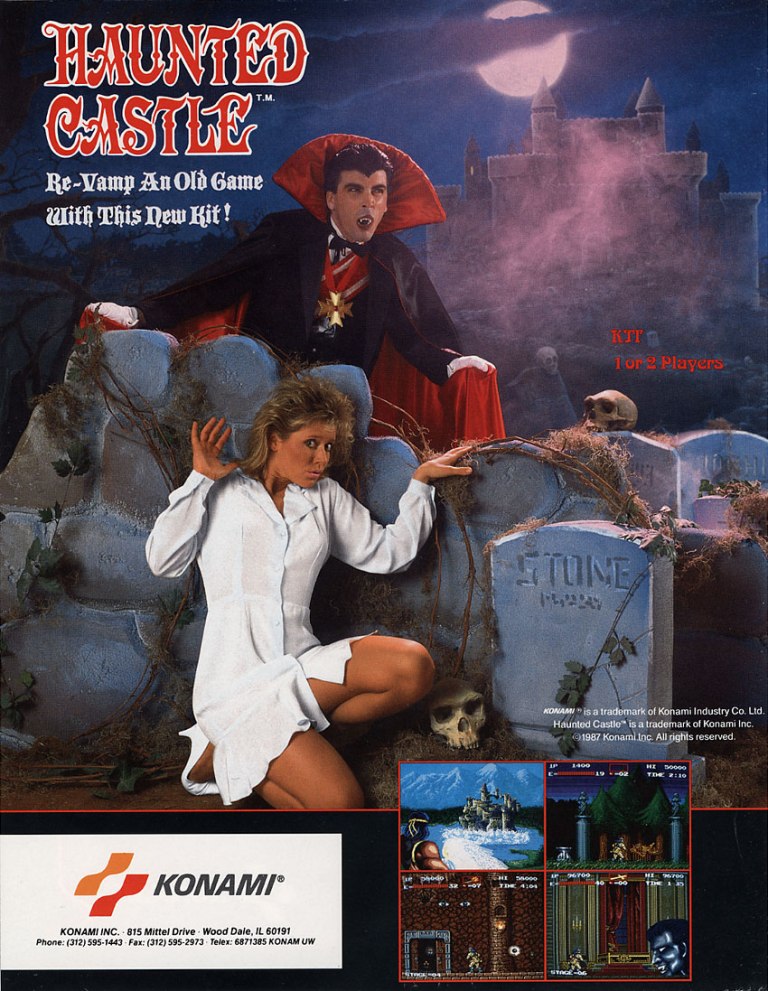
Indeed, this game is part of the Castlevania game franchise. It was one of the first Castlevania games released for arcades.

Arguably, Konami is best known for the Castlevania game series which covered handheld gaming devices, personal computers, video game consoles and even arcades. Haunted Castle (Japanese title: Akumajō Dracula) is the 2nd arcade game of the Castlevania franchise and it is not a port of any console game. Like the arcade flyer of M.I.A.: Missing in Action, this one was crafted to lure the attention (and money) of arcade operators looking for conversion kits to replace their old games. The visual presentation is eye-catching and even though the Castlevania brand was nowhere to be seen, Castlevania fans could tell this this arcade offering was part of their favorite game franchise.  

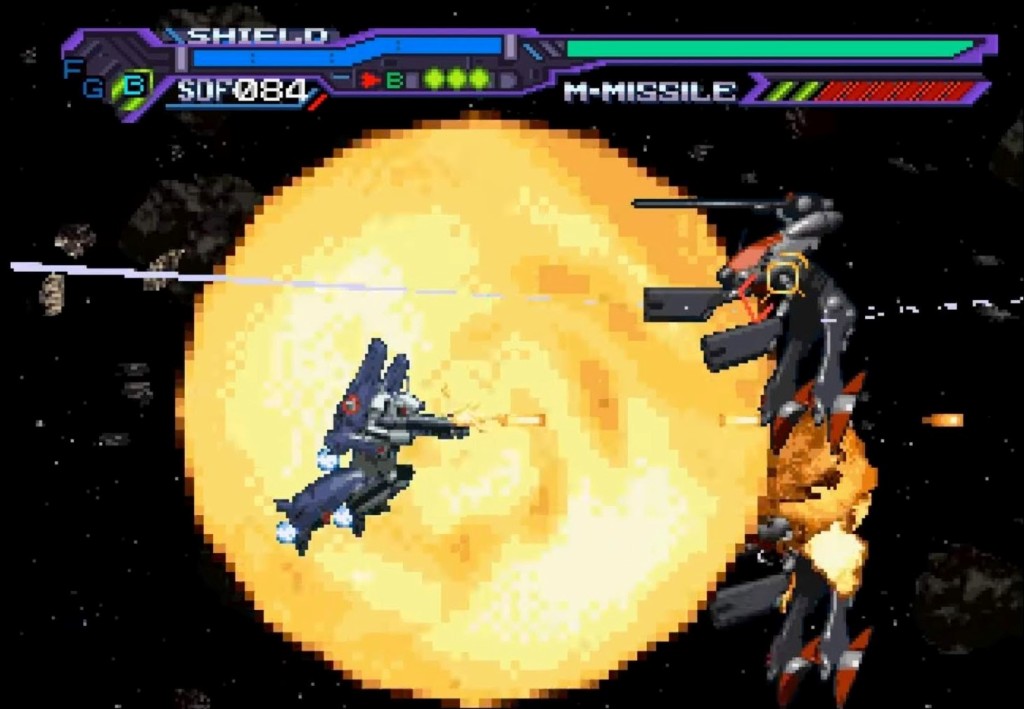
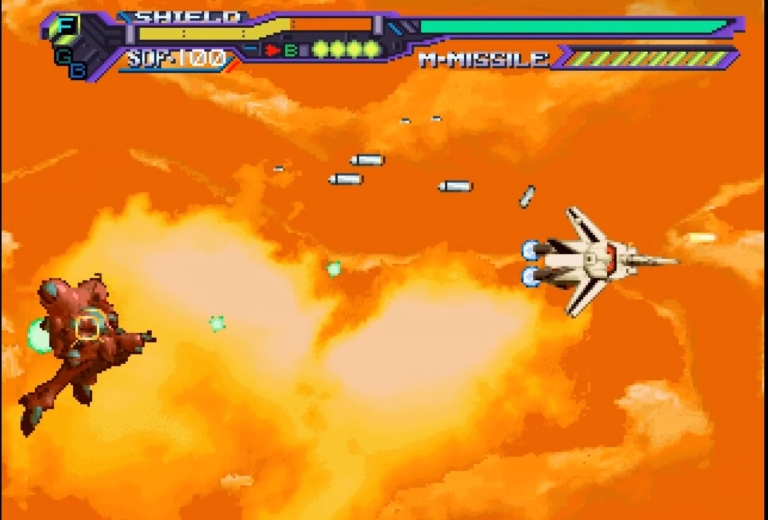
4. The Super Dimension Fortress Macross: Do You Remember Love? flyer and poster

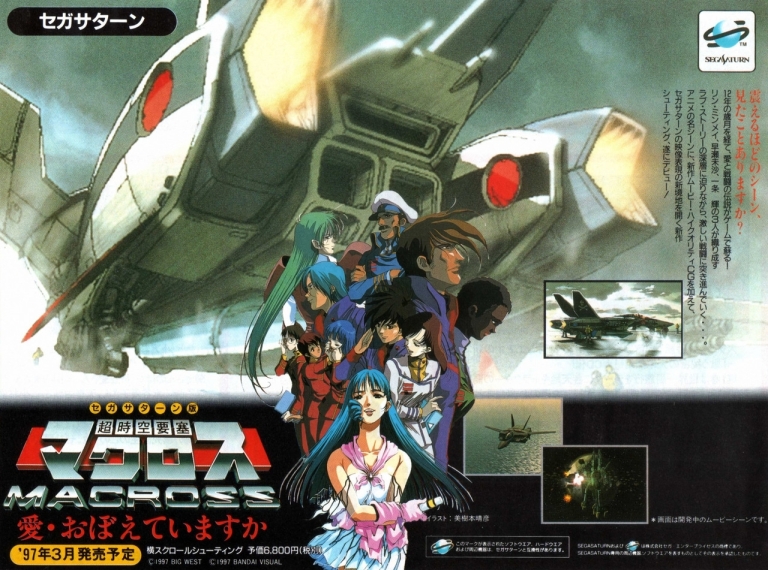
The poster promoting the release of the game for Sega Saturn in Japan.
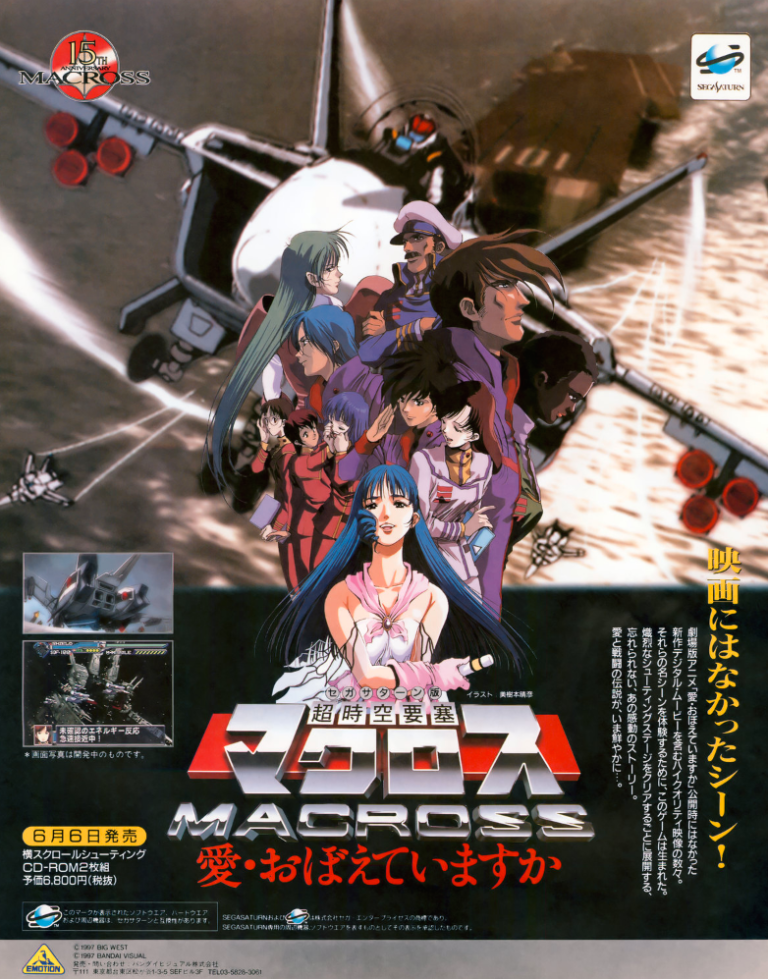
The flyer promoting the Sega Saturn game’s 1997 release as well as the 15th anniversary of Macross.

In 1997, the 15th anniversary of the Macross multimedia franchise was celebrated in Japan and among the highlights was the release of The Super Dimension Fortress Macross: Do You Remember Love? on the Sega Saturn. To promote the game and the franchise itself, lots of flyers and posters were released in Japan. If you look at the illustrated images on the promotional materials closely, you will realize that they are not from the original 1982-83 Macross anime TV series but rather from the The Super Dimension Fortress Macross: Do You Remember Love? animated movie of 1984 (read my retro movie review by clicking here).

While it might be baffling to some as to why the original anime TV series was not used as the source material for the 15th anniversary celebration through gaming, the 1984 anime feature film was actually more adaptable for a video game project (read my retro review by clicking here). It is so obvious, you just have to ask yourselves this question – how can the game developers compress the entire concepts of the 36-episode Macross anime series into one game while ensuring fun gameplay? Regardless, the game was a lot of fun to play and I enjoyed playing the PlayStation version in 1999.

5. Venom/Spider-Man: Separation Anxiety print ad

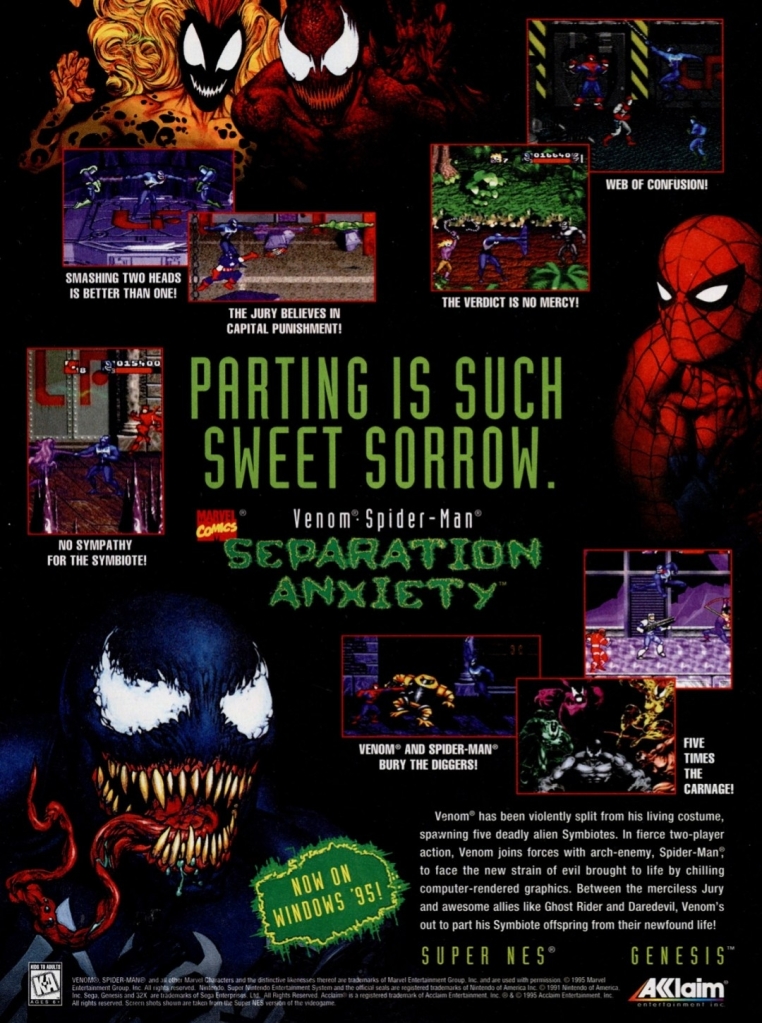
A clear effort to sell the game to gamers as well as fans of Spider-Man and Venom.

In 1994, Acclaim released Spider-Man and Venom: Maximum Carnage (based on the 1993 comic book storyline Maximum Carnage) on Super Nintendo Entertainment System (SNES) and Sega Genesis ultimately becoming popular with comic book fans and gamers who enjoyed sidescrolling beat-them-up games.

Subsequently, Acclaim and develop Software Creations reunited to release the sequel Venom/Spider-Man: Separation Anxiety a year later on the two leading 16-bit consoles as well as on personal computer (PC). If there is anything notable about this eye-catching print ad, it is the fact that its visual presentation (with graphics on-par with the previous year’s game) cleverly hides the fact that it did not have much new to offer gamers with regards to gameplay and story cutscenes (which the previous game prominently had). Eventually, this game attracted weaker reviews from game critics and has since been forgotten.

6. Tecmo Super Bowl SNES print ad

From the time when Tecmo was still a strong producer of sports video games.

In 1991, Tecmo Super Bowl was released on the aging Nintendo Entertainment System (NES) and because its game design greatly entertained gamers, it became a tremendous commercial success. Not even the very high launch price of $54.99 stopped it from selling a lot.

To keep the commercial success and public interest going, Tecmo announced a new version of the game for the more powerful SNES console with the simple title of Tecmo Super Bowl. If you look closely at the print ad, you will notice that gameplay screenshots were not used at all. Instead, they showed images of the nicely illustrated art works they prepared as eye candy for the game with the intention of making it look cinematic. This is very curious because gameplay itself was the main selling factor of the NES version of Tecmo Super Bowl. I can only guess that Tecmo was not ready to show gameplay images by the time this print ad was made.

7. X-Men 2: Clone Wars print ad

The art used is too alienating for promoting this game.

During the age of the 16-bit consoles, there was a variety of X-Men video games released and produced by different companies. In 1993, an X-Men game published by Sega was released exclusively on the Genesis console which turned out to be fun for gamers and received mostly positive reviews from the critics. Sega went on to publish the sequel X-Men 2: Clone Wars and this print ad caught my attention because of how exaggerated the characters looked. It’s so strange, it’s as if the artist took visual reference from a somewhat blocky 3D polygonal portrait then tried to make them look hand-drawn. I wonder if anyone from Sega regretted this.  

+++++

Thank you for reading. If you find this article engaging, please click the like button below, share this article to others and also please consider making a donation to support my publishing. If you are looking for a copywriter to create content for your special project or business, check out my services and my portfolio. Feel free to contact me with a private message. Also please feel free to visit my Facebook page Author Carlo Carrasco and follow me on Twitter at  @HavenorFantasy as well as on Tumblr at https://carlocarrasco.tumblr.com/ and on Instagram at https://www.instagram.com/authorcarlocarrasco

A Look Back at Contra (1988)

Welcome back retro gaming fans and readers!

Today, we will go back to the late 1980s to examine one of the most significant console games of the decade…Konami’s Contra. To put things in perspective, Contra started in the arcades in 1987 and went on to become a big hit. Konami went on to make a version of the game for Nintendo Entertainment System (NES) in the West and the Family Computer (Famicom) in Japan that resulted in different looking graphics (both artistically and technically), reworked stages, and different and extended level designs that were done within the consoles’ limitations. In short, the home version of Contra was pretty different from the arcade version but still was made to be fun and exciting on its own.

In my personal experience, my discovery of Contra has always been on the Famicom and some time later on the NES. For this retro review, I replayed Contra (both Famicom and NES versions) via the Contra Anniversary Collection on my Xbox Series X.

With those details laid down, here is a look back at Contra, developed and published by Konami for the NES and Famicom in 1988. The NES version was released one week ahead of the Famicom version in February 1988.

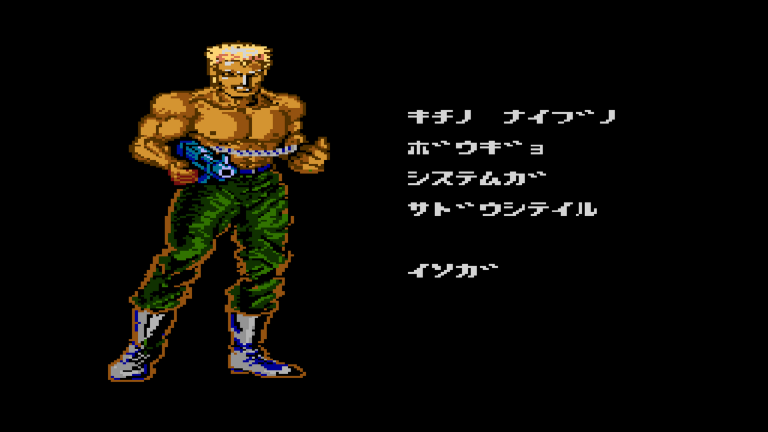
The start screen of the NES version of Contra. The commando with dark hair was deliberately made to resemble Sylvester Stallone somewhat.

Game concept

In the far future, an alien army from space – Red Falcon – arrived on Earth inside a meteorite that landed on the Galuga archipelago. There, Red Falcon established an extensive high-tech base for their operations and eventually brainwashed a local human army to do what they want. Red Falcon plots to wipe out human civilization on the planet.

With the information about Red Falcon collected, the Earth Marine Corps send Contra unit members Bill Rizer and Lance Bean to the island to destroy the opposition and find out what Red Falcon has been doing…

Gameplay and quality

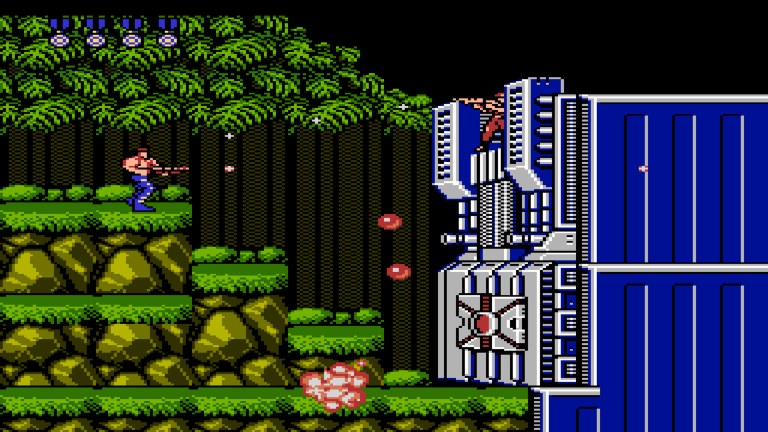
Contra is an action-packed 2D side-scrolling game with strong sci-fi and military influences.

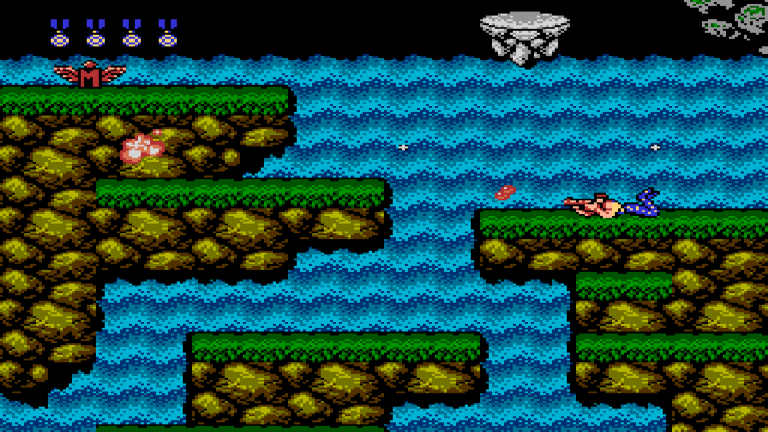
To begin with, Contra of 1988 was made to be a nicely-paced, action-packed, side-scrolling adventure game that has some 3D-like levels in between. The game design and levels Konami came up with was done to immerse gamers into actual participation in the military campaign against the aliens and their brainwashed human soldiers. This campaign not only includes battles through the forest of the Galuga archipelago but also through the interiors of Red Falcon’s high-tech facilities, going up an elevated location with waterfalls, the snowy area and further deep into the rest of the enemy’s mechanical base.

For the most part, you play as a commando armed with a rifle with unlimited ammunition. As you shoot enemies and make your way through the 2D side-scrolling level, there will be the occasional flying capsules that you can shoot down to gain new weapons/ammunition (S for Spread Shot, M for Machine Gun, L for Laser) or some power-up (temporary invincibility or the rare ability to eliminate all enemies present on-screen) to help yourself as the wave of opposition from Red Falcon is relentless (which is reason enough to compel you to keep progressing and fighting). There are also times when the mentioned enhancements suddenly pop out after killing an enemy.

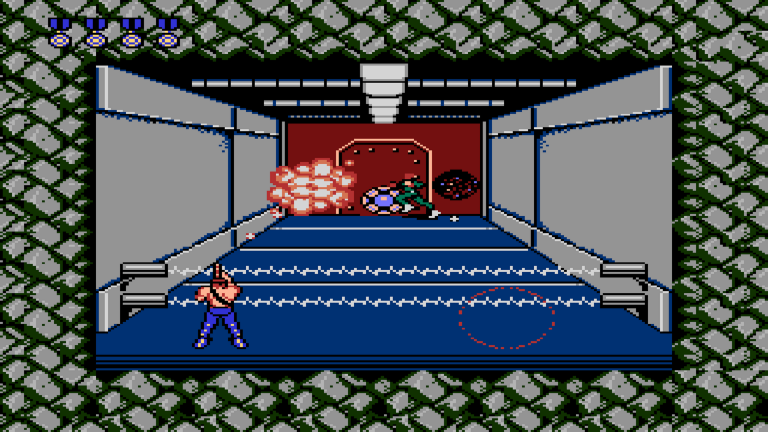
To prevent the game from getting too old with side-scrolling, Konami implemented these stages in which players face the front to attack enemies, overcome obstacles and move forward with 3D-like effects going into the next place.

By default, this game is brutally hard. Not only do the enemies keep appearing (with some of their teammates being strategically placed to fire at you), the obstacles will compel you to take your time overcoming them. In this game, one-hit death is the norm and there are many moments in which falling to your death becomes a huge risk. You get hit, you not only lose one life, you will lose whatever powerful weapons you gained.

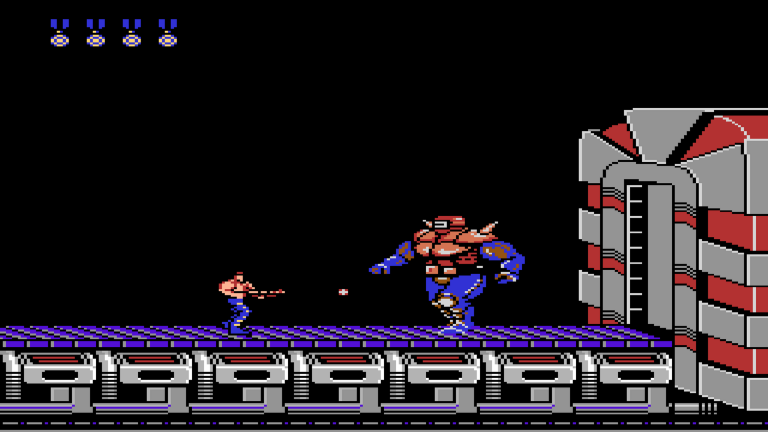
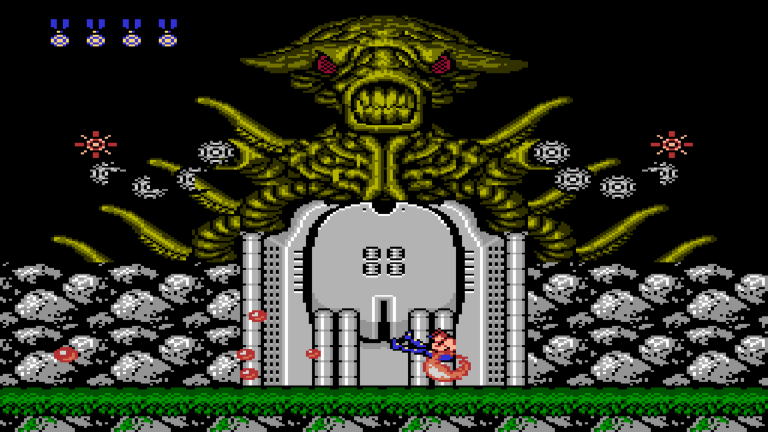
There are also stage bosses (powerful enemies that await you at the end of a level) that will challenge you so much, you will have to adjust your strategy, pay attention to the movements and timing of the enemy, and then adjust your way fighting.

Only the Famicom version of Contra has this sequence.
I really love the sci-fi elements the game developers came up with for this classic game. There are lots of high-tech stuff to see here and this robotic enemy is just one of them.

Fortunately for us players, the controls are really tight and very responsive. You can move your characters to overcome obstacles, avoid getting hit by enemies and even move down from one platform if the space below is safer. I still remember how precise and responsive the controls were on the NES and Famicom versions, and I can say that all the responsiveness made it on the Xbox controller when I replayed Contra on Xbox Series X with the Contra Anniversary Collection I downloaded. In fact, the high precision of the controls added to the fun of shooting enemies or obstacles with the Spread Shot while moving to the right as it was meant to be.

Considering the intense difficulty of the game, players who do the famous Konami Code (Up, Up, Down, Down, Left, Right, Left, Right, B, A, and Start) will be reward with 30 lives when they start playing Contra. For Xbox gamers reading this, there is a slight difference with the Konami Code when playing Contra on Xbox consoles.

Apart from shooting, there are lots of platform gaming elements to experience here. The difficulty is very brutal and the famous Konami Code will grant you 30 lives when you do the code correctly.
This cut-scene is only available in the Famicom version.

With regards to game design, the Konami developers did a really fine job creating the levels, placing the challenges and setting up memorable boss battles for action/adventure-hungry gamers to indulge in. The developers also cleverly implemented the fictional/fantasy concepts into the game design which resulted in me getting immersed in the Contra team’s mission against the Red Falcon at their secret base.

Another highlight with playing Contra is the 2-player option and the above-mentioned Konami Code added to the fun and accessibility of. I still remember the old days of playing in a 2-player session (cooperative play essentially) of Contra at a friend’s house on a Famicom. Since my friends and I were already enthusiasts of 1980s Hollywood action movies, playing Contra was enjoyable even though the difficulty was brutal.

This is one of the touch stage bosses you will encounter in the game.

If there are any notable differences between the two versions of Contra of 1988, it would be the fact that the Japanese (Famicom) version has storytelling emphasized through cutscenes (with Japanese text displayed), a technical overview of the Red Falcon base at Galuga with maps displayed before you start a new level, in-game art, an additional scene that spiced up the ending and, most notably, more background/environmental animation. The additional animation on the Famicom version made the adventuring look and feel more lively and this is most evident in the final stage (lair of the alien).

Conclusion

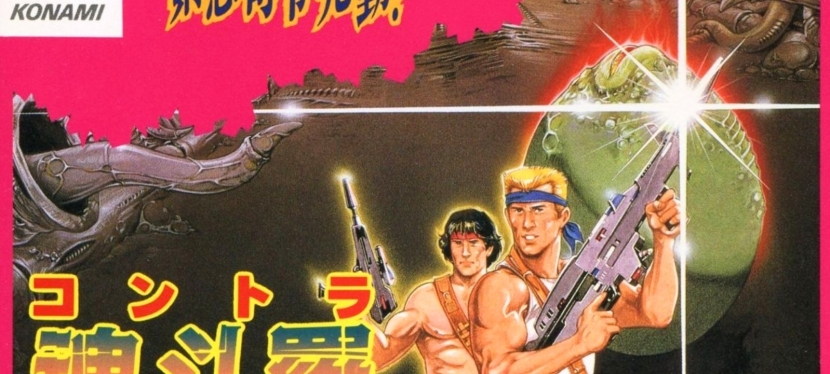
The Japanese cover art of Contra on Famicom. The Rambo-like character and the alien egg are obvious inspirations from Hollywood action movies of the 1980s.

There is no doubt in my view that after all the decades that passed since I first played it, Contra (1988) is still very engaging and a lot of fun to play whether you choose the Famicom version or the NES version. The developers who made this game succeeding in making something very enjoyable for millions of gamers and it is very clear that the makers were inspired by Hollywood action movies of the decade. In my view, the most obvious military inspirations are Aliens (1986), Commando (1985) and Rambo: First Blood Part II (1985).

Historically speaking, Contra (1988) was released at a time when militarism inspired many other game designers to come up with enjoyable games in different forms such as Cabal, Jackal, Rush’n Attack, Operation Wolf, Operation Thunderbolt to name some. Considering the overall quality and high fun factor Konami established, it is safe to say that this game is one of the finest among its militaristic gaming counterparts of its decade.

I had a grand time replaying Contra (1988) on my Xbox Series X in preparation for this review. Having played both NES and Famicom versions, I can say that the latter is the more complete and more immersive version to play. That does not necessarily mean the NES version is totally inferior. In fact, the NES version is more straightforward with the pick-up-and-play approach, and the gameplay itself is nearly identical (note: Famicom version is slightly more challenging) and very much fun to experience. If you are the player who really wants to be more immersed into the lore of Contra and absorb the military sci-fi concept Konami prepared, then the Famicom version is the one to play. That being said, now is a good time to purchase and download Contra Anniversary Collection.

Overall, Contra (1988) is highly recommended! It truly is a retro gaming gem!

+++++

Thank you for reading. If you find this article engaging, please click the like button below, share this article to others and also please consider making a donation to support my publishing. If you are looking for a copywriter to create content for your special project or business, check out my services and my portfolio. Feel free to contact me with a private message. Also please feel free to visit my Facebook page Author Carlo Carrasco and follow me on Twitter at  @HavenorFantasy as well as on Tumblr at https://carlocarrasco.tumblr.com/ and on Instagram at https://www.instagram.com/authorcarlocarrasco

Sea of Stars is an enjoyable RPG and you should play it on Xbox now!

Welcome back, fellow gamers, geeks, role-playing games (RPGs) enthusiasts and fantasy lovers!

In recent times, I completed my first playthrough of Starfield on my Xbox Series X and it lasted me over 220 hours of fun, discoveries and intriguing moments. Having played it so long, I will replay Starfield with a new playthrough only after Bethesda implements the next series of patches/updates (to refine the game) and release the planned downloadable content (DLC).

That being said, I finally started playing the inspired Japanese-style role-playing game (RPG) Sea of Stars on my Xbox Series X. Having played some hours of it, I can say that I am really enjoying Sea of Stars and I intend to finish it. Oh yes, Sea of Stars is available on Xbox Game Pass (XGP) right now!

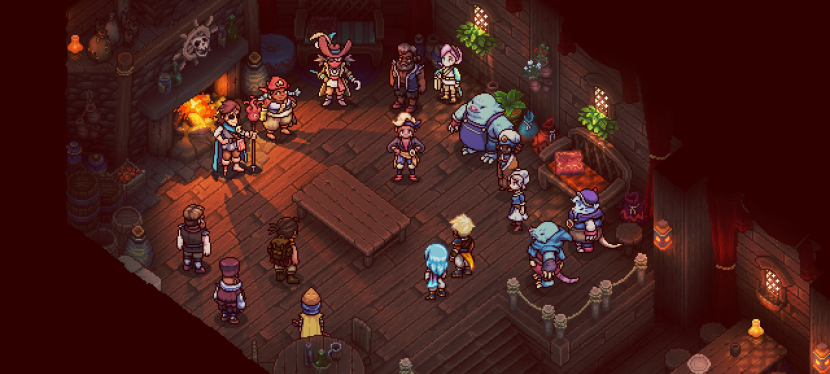
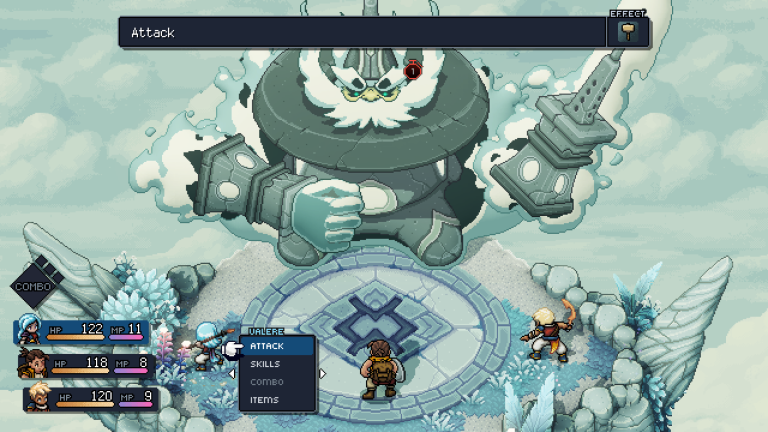
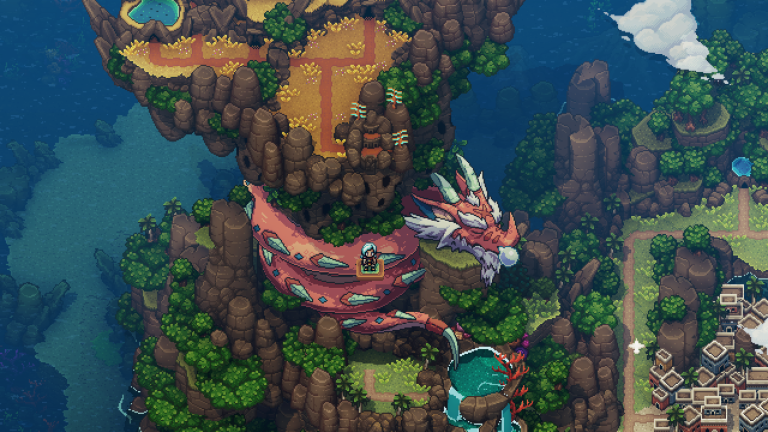
This is one of many great looking scenes composed of really fine 2D art style and pixel artistry in Sea of Stars.

Developed by Sabotage Studio, Sea of Stars is a turn-based RPG with a strong retro feel that will remind you of past Japanese RPGs (JRPGs) like Chrono Trigger and Secret of Mana. The game follows the exploits of two Children of the Solstice who combine the powers of the sun and moon to perform Eclipse Magic, the only force capable of fending off the monstrous creations of the evil alchemist known as The Fleshmancer. Along the way, the two Children of Solstice start a quest joined by their friend and together they travel to different places encountering different inhabitants and engage in situations that only they can solve.

Having played Chrono Trigger, Secret of Mana, Final Fantasy IV, Final Fantasy VI and a lot of JRPGs from the so-called 16-bit era of console gaming, I can say that Sea of Stars is a very inspired game that has lots of elements common with the mentioned games (plus more) with regards to art style, gameplay, quests, music, character development and visual presentation. To put it short, the guys at Sabotage Studio took a lot of inspiration from the classic JRPGs to make something fun for this current console generation. I am having a lot of fun with the game which itself is available for Xbox Game Pass (XGP) subscribers to avail.

An important meeting about to happen in the game.
A boss battle early in the game.
This is just a part of the world map of Sea of Stars.

In my experience and recollections from the past, Sea of Stars has visual style that is best compared with Chrono Trigger. Sabotage Studio really created a lot of nice looking 2D artworks and highly detailed sprites that made the new game look lively. With regards to the storytelling , character development and character expressions, the game has a wholesome tone that never felt childish. The tone as well as the humor made Sea of Stars comparable with several Japanese RPGs from the 16-bit age of consoles.

You will encounter really interesting characters who will join your party as the game progresses.

Sea of Stars is really fun to play and it is a great change of pace and style for me as I finished my Starfield playthrough which lasted more than 220 hours. This Sabotage Studio game will help ease my wait for the expected 2024 RPGs such as Eiyuden Chronicle: Hundred Heroes and the Xbox-exclusive Avowed. As much as I hope to see past JRPGs like Xenogears, Breath of Fire and Lunar get remastered and released for Xbox consoles (and XGP), I know such possibilities remain uncertain and Sabotage Studio’s game easily fills the void. If you are looking for a Japanese-style RPG that is fun, nostalgic and visually pleasing, you can’t go wrong with Sea of Stars. Go for the game on Xbox Series X, Xbox Series S, Xbox One, Windows PC and Xbox Game Pass now!

+++++

Thank you for reading. If you find this article engaging, please click the like button below, share this article to others and also please consider making a donation to support my publishing. If you are looking for a copywriter to create content for your special project or business, check out my services and my portfolio. Feel free to contact me with a private message. Also please feel free to visit my Facebook page Author Carlo Carrasco and follow me on Twitter at  @HavenorFantasy as well as on Tumblr at https://carlocarrasco.tumblr.com/ and on Instagram athttps://www.instagram.com/authorcarlocarrasco

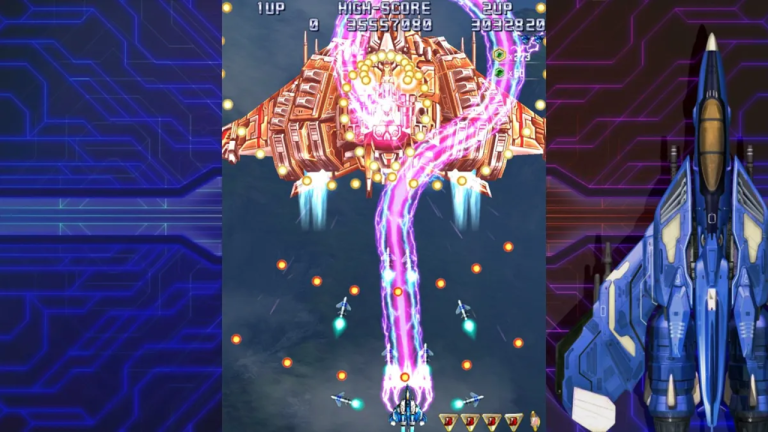
Raiden IV x Mikado remix is coming to Xbox Series X, Xbox Series S and Xbox One in early 2023

If you are the kind of gamer who loves playing vertical scrolling 2D shooters that have that unique arcade aesthetic, then you should be delighted to know that Raiden IV x Mikado remix will be released on Xbox Series X, Xbox Series S and Xbox One early next year, according to the official announcement at Xbox.com.

Xbox gamers will get to play Raiden IV x Mikado remix in early 2023.

To put things in perspective, posted below is the excerpt from Xbox.com announcement by Nicholas Odmark. Some parts in boldface…

High-octane action soars onto the scene in Raiden IV x Mikado remix, coming to Xbox Series X|S and Xbox One in early 2023! The core gameplay of this series includes the classic vertical scrolling and top-down aerial combat that the shoot ’em up genre is famous for. However, this title’s arsenal of gameplay modes, remixed music, new play styles, and more are what set it apart from the competition.

Arcade Origins – Raiden was first released in Mikado Game Center arcades throughout Japan in April 1990 by Tecmo. After a few decades of additional titles and a new developer in Moss, Raiden IV was first released in 2007. By 2008, it had made its way from arcades to the Xbox 360. And now, over six years after the release of Raiden V on the Xbox One, Raiden IV x Mikado remix aims to establish itself as the most definitive version of this title on Xbox to date.

Game ModesRaiden IV x Mikado remix comes outfitted with several exciting game modes. Arcade Mode hails from the original release of Raiden IV, and sports two difficulties, Light for beginners and Original for advanced players. It also utilizes the Flash Shot scoring mechanic, meaning the faster you take down enemies, the higher your score will be. This encourages playing near the top of the screen to hit enemies as they spawn, which of course brings with it a high level of risk. Additional Mode has the same mechanic, but adds two new stages along with new enemy bullet patterns.

This is what the game will look like on Xbox.

OverKill Mode, first introduced in Raiden IV: Overkill, adds two new missions and replaces the Flash Shot scoring system with one of its own. After destroying a larger enemy, they’ll remain on-screen for a few seconds, offering you a chance to earn a higher score bonus the more you keep attacking them. However, that means turning your attention away from new enemies who spawn during that time. In Score Attack Mode, every stage is available to replay for the highest score. And finally, Boss Rush offers you a quick shortcut to every end-of-stage boss without having to fuss with completing every level again.

Turn Up the Volume – Named for the addition of remixed background music in collaboration with Game Center Mikado, Raiden IV x Mikado remix features tracks from legendary artists such as the Go Sato Band, Heavy Metal Raiden, O.T.K., and more. This soundtrack also includes live performances, new arrangements, and allows players to choose between the original Raiden IV background music or the remixed version.

Choose your Ship – On top of selecting your game mode and music preference, you also have three different ships to choose from, each with their own strengths and weaknesses. The Fighting Thunder ME-02 is the most balanced, with respectable weapon strength and speed. The Raiden MK-II is the classic ship of the series, sacrificing speed for higher damage. And finally, the Fairy is the smallest and fastest of all the ships and is meant for players who are seeking a challenge.

Play Your Way – While you might think those are enough options to choose from, Raiden IV x Mikado remix isn’t done yet. You also get to select a play style, each of which drastically changes the game. Solo Play is pretty self-explanatory, while Dual Play lets you and a buddy play together, complete with couch co-op. Double Play on the other hand allows one player to control two ships at the same time, offering a unique and challenging spin on whichever game mode you pair it with.

It’s really nice that Raiden IV x Mikado remix is coming to Xbox consoles sometime early next year. I missed out on Raiden IV when it was released on Xbox 360. I also missed out on Raiden V on Xbox One. Anyway, having more arcade games on the Xbox ecosystem is always a welcome development.

Watch out for Raiden IV x Mikado remix on Xbox Series X, Xbox Series S and Xbox One in early 2023.

In closing this piece, posted below are Xbox-related videos – including details about Sony’s pathetic reaction to Microsoft’s acquisition of Activision Blizzard –  for your viewing pleasure.

+++++

Thank you for reading. If you find this article engaging, please click the like button below and also please consider sharing this article to others. If you are looking for a copywriter to create content for your special project or business, check out my services and my portfolio. If you want to support my website, please consider making a donation. Feel free to contact me with a private message. Also please feel free to visit my Facebook page Author Carlo Carrasco and follow me on Twitter at  @HavenorFantasy as well as on Tumblr at https://carlocarrasco.tumblr.com/and on Instagram athttps://www.instagram.com/authorcarlocarrasco/.

A Look Back at The Super Dimension Fortress Macross: Do You Remember Love? (Sega Saturn, PlayStation)

Disclaimer: This is my original work with details sourced from playing The Super Dimension Fortress Macross: Do You Remember Love? video game and doing personal research. Anyone who wants to use this article, in part or in whole, needs to secure first my permission and agree to cite me as the source and author. Let it be known that any unauthorized use of this article will constrain the author to pursue the remedies under R.A. No. 8293, the Revised Penal Code, and/or all applicable legal actions under the laws of the Philippines.

If you have been reading my Macross-related articles over the past few years, you should know already that I deeply love watching Macross: Do You Remember Love?, the classic anime feature film co-directed by Noboru Ishiguro and the legendary Shoji Kawamori.

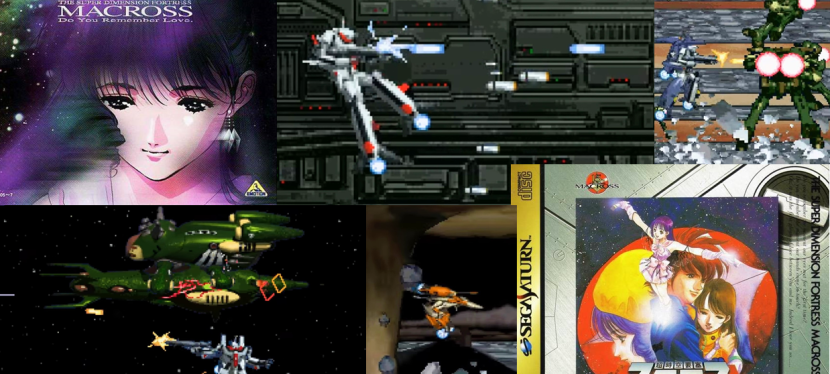
Like many other entertainment franchises in Japan, Macross also has video games based on its stories and concepts. During the fifth generation of video game consoles, Bandai released in Japan the video game adaptation of the 1984 anime movie on the Sega Saturn in 1997 and the Sony PlayStation in 1999. That game was titled The Super Dimension Fortress Macross: Do You Remember Love? and I played that 2D side-scrolling shoot-them-up game a lot during the time when 3D polygons was already the standard.

Considering its age, it is easy to wonder if the game is still fun to play by today’s standards and if the game is something that Macross fans can enjoy a lot. We can all find out in this look back at The Super Dimension Fortress Macross: Do You Remember Love?

Sega Saturn version in 1997.
Sony PlayStation version in 1999.

Early story

The story begins at sea. A Valkyrie piloted by Hikaru Ichijyo (the late Arihiro Hase) launches from the aircraft carrier Prometheus to join his teammates Max and Kakizaki led by Roy Fokker (Akira Kamiya). Suddenly a powerful beam of energy from above hits the aircraft carrier clearly showing that their world is under attack by the Zentradi.

They proceed to South Attaria Island where they immediately engaged the Zentradi forces that ravaged the city and causing trouble for the SDF-1 (Macross). After defeating several Zentradi elements, the remaining Skull Squadron forces flew to the Macross (which just launched into the air) which executes a space fold just moments before even more laser blasts from the Zentradi destroyed the entire island.

Sometime later deep in space, thousands of civilians managed to adjust to living inside the Macross. As Lynn Minmay’s (Mari Iijima) first concert happens inside the fortress, Hikaru, his teammates and many other fighters engage in a mission against the Zentradi…

Quality

Just like in the movie!

To comment on the quality of this old video game, I’ll focus on gameplay and presentation.

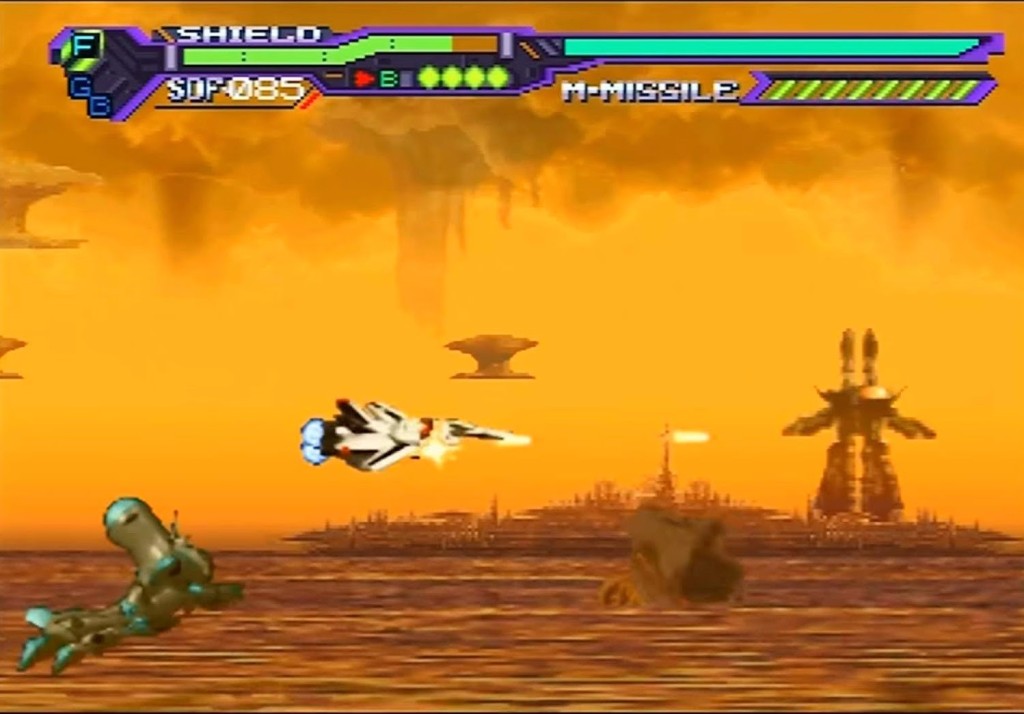
As far as gameplay goes, Macross: DYRL is essentially a 2D side-scrolling shooter literally designed to be grand not only for Macross fans but also for gamers who enjoy its design and its type of gameplay. You play as the hero Hikaru who pilots an advanced fighter plane that can also transform into an armed fighter with legs (GERWALK mode) and also into a full-sized, human-like robot (Battroid). In fighter mode, you move fast and are able to fire rockets or use your default gun. In GERWALK mode, your speed is slower but you have improved mobility that can be crucial for combat. In Battroid mode, your speed is reduced further but you are somewhat stronger and more precise when it comes to shooting enemies.

Still on gameplay, the game developers really pushed the envelope in terms if immersion as there are lots of moments in which the enemies will not only face you on your 2D plane but also move around you from the foreground to the background. Without having to do anything further, your character will be able to auto-aim and shoot at your enemy whether in the background or the foreground. Essentially, this makes the game a 2.5D shooter.

This is a fine example of you (in your 2D plane) firing at your enemy in the background.
In key parts of some levels in the game, the UN Spacy will send a shuttle to release supplies to help you replenish your shield meter.

The controls are relatively easy to learn and get adjusted to. More importantly, the controls are very responsive and they are ideal when it comes to precision on moving your character around as well as trying to shoot at specific targets.

This game was designed with several levels for you to complete essentially moving from left to right. As evidence of the game developers taking liberties during its adaptation of elements from the 1984 animated movie, several levels have boss fights for you to participate in and win in order to progress. These boss-type enemies are noticeably absent from the movie and yet they were designed to integrate into the film’s concept and also expand the concept about how elaborate the Zentradi are when it comes to their war machines against Earth. The boss-type enemies (note: they are clearly polygonal and yet they fit in well with the 2D sprite elements) are huge machines designed for space battles and there were boss fights in which some of them move into the background (which sparks moments for your character to fighter towards the background). When it comes to artificial intelligence (AI), the boss-type enemies are not really that sophisticated with their movements although a few of them have attack patterns that will push you to be more evasive and more strategic.

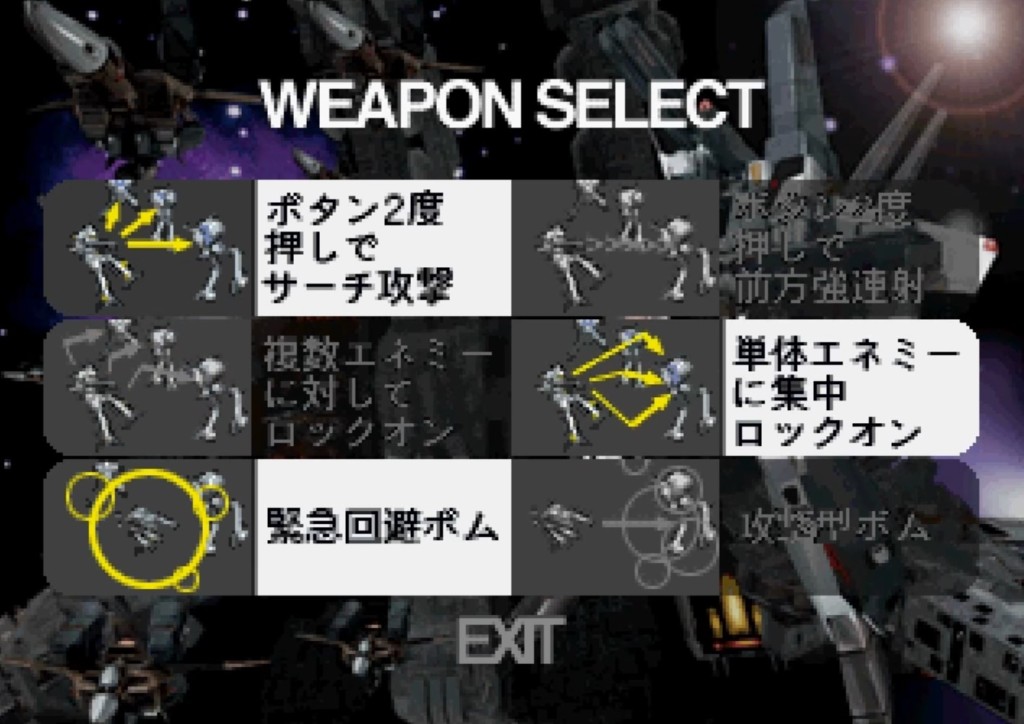
Before starting a level, you can select your weapons that can function depending on your personal preference on taking on the enemies.
Lots of great visual effects and 3D movement add to the challenge.

With regards to challenge, some parts of this game took me a few repeats before finally improving myself enough to make it to the next levels. The visual elements of the game also added to the overall challenge as seeing 2D sprites move around you 3-dimensionally.

Speaking of 2D sprites, it is clear that this game was designed to be heavy with 2D visual elements while 3D polygons are used sparingly (note: the boss battles mentioned above). As this is a side-scrolling game, the game makers clearly made lots of sprites of machines, space ships, Zentradi battle pods and other figures that Macross fans would easily recognize. The good news is that each 2D sprite was made with multiple frames of animation (complete with frames meant for 3D movement) and were made to really resemble the cinematic artworks which ultimately results making them really look lively to watch on-screen!

As for the presentation, I can see that the game developers Scarab paid great attention to the details of the animated movie to make The Super Dimension Fortress Macross: Do You Remember Love? fun and engaging for gamers in general while also becoming strongly relevant and delightful with the people who love Macross. For example, the game starts with a cinematic prologue composed of brand-new animation cels mixed with elements of 3D polygons and in my view, it fits in nicely leading to the actual cinematic opening of the movie from 1984. The cinematic prologue was meant to expand the film’s overall concept and other story expansions happened in subsequent parts of the game (such as the all-new mission told in two levels).

Observe the Zentradi surrounding Roy Fokker on his 2D plane, the foreground and background. This is a 2D sprite-heavy showcase!
The game developers paid close attention to the details of the movie and presented the visuals using video game graphics, 2D sprites and really nice in-game background artworks!
Surprise! You as Hikaru get to fight Milia temporarily before her memorable fight with Max happens!

The Super Dimension Fortress Macross: Do You Remember Love? came with selected animated sequences and still images from the 1984 movie’s very own footage meant for in-game storytelling (note: you still have to watch the movie for the best immersion). As there were some original scenes made for the game with expanding the film’s concept in mind, there are a few computer-generated animation sequences and even brand-new animated cels (note: very clearly they were drawn by people different from the ones who drew the film’s footage) showing some character moments.

When it comes to the audio, this game is clearly a labor of love with Macross fans in mind. Much of the music, songs and sound effects from the movie (as well as from the 1982-1983 anime TV series) were integrated into the game which made it very immersive for Macross fans. As for the voice actors, fans will hear the voices of their favorite Macross characters performed by the late Hase, Iijima, Kamiya, Mika Doi (Misa Hayase), Michio Hazama (Captain Global) and more. While some of their recorded lines from the movie were reused (especially Hase who died in 1996), others recorded new lines for their respective characters for the new cinematic footage as well as key parts in the game.

The art of Lynn Minmay for the new anime footage was clearly not drawn by the people behind the 1984 anime movie.

What I love best about the presentation is that the game developers replicated selected scenes from the 1984 movie using in-game graphics and art along with music, sound effects and the lines of dialogue! As a Macross fan myself, the immersion was pretty deep as I played the game and witnessed those special moments from the movie played within the in-game presentation.

Conclusion

Enjoy looking at this.

I can declare out loud that The Super Dimension Fortress Macross: Do You Remember Love? is indeed the best Macross video game I have ever played as well as the best adaptation (note: other than film) of the classic movie from 1984. This game, which excellently used 2D sprites and 3D polygons all throughout, was very clearly made to delight Macross fans while giving gamers something very enjoyable and memorable to experience. For the best immersion, it is highly recommended to watch the movie before playing this video game. Truly this video game has aged well!

Overall, The Super Dimension Fortress Macross: Do You Remember Love? (Sega Saturn, PlayStation) is highly recommended!

+++++

Thank you for reading. If you find this article engaging, please click the like button below and also please consider sharing this article to others. If you are looking for a copywriter to create content for your special project or business, check out my services and my portfolio. Feel free to contact me as well. Also please feel free to visit my Facebook page Author Carlo Carrasco and follow me at HavenorFantasy@twitter.com