A Look Back at The Solution #6 (1994)

Disclaimer: This is my original work with details sourced from reading the comic book and doing personal research. Anyone who wants to use this article, in part or in whole, needs to secure first my permission and agree to cite me as the source and author. Let it be known that any unauthorized use of this article will constrain the author to pursue the remedies under R.A. No. 8293, the Revised Penal Code, and/or all applicable legal actions under the laws of the Philippines.

As this is another retro  review of another Ultraverse comic book written by the late James Hudnall, I encourage you to take time to check out his background and other works via Comic Book Resource’s report of his death on April 2019.

In memory of James Hudnall, here are his words published near the end of The Solution #7:

The Solution is a dream team for me. I’ve been wanting to mix the genres of fantasy and cyberpunk science fiction with the super-hero genre for some time. Add my love of Japanese animation and Hong Kong cinema and you can see where I’m coming from here. This series is designed to show us some of the more bizarre and dark sectors of the Ultraverse without, hopefully, falling into the trap many similar books do where they lay it on too thick. The Ultraverse is a complex and multi-faceted universe and our books explore different sides. Here I want to delve deep into the criminal and espionage arenas as well as the magic sub-cultures that exist.

The characters themselves have a rich and interesting history that I plan to slowly unveil as the series progresses. When you first meet someone, you usually don’t know that much about the person. The characters are rather deep, as we will discover, and their personalities and more complex than you’re probably used to seeing in comics.

Now we can start this look back at The Solution #6, the Ultraverse comic book published in 1994 by Malibu Comics with a story written by James Hudnall and illustrated by John Statema (with ink work by Dennis Jensen and Mark Stegbauer).
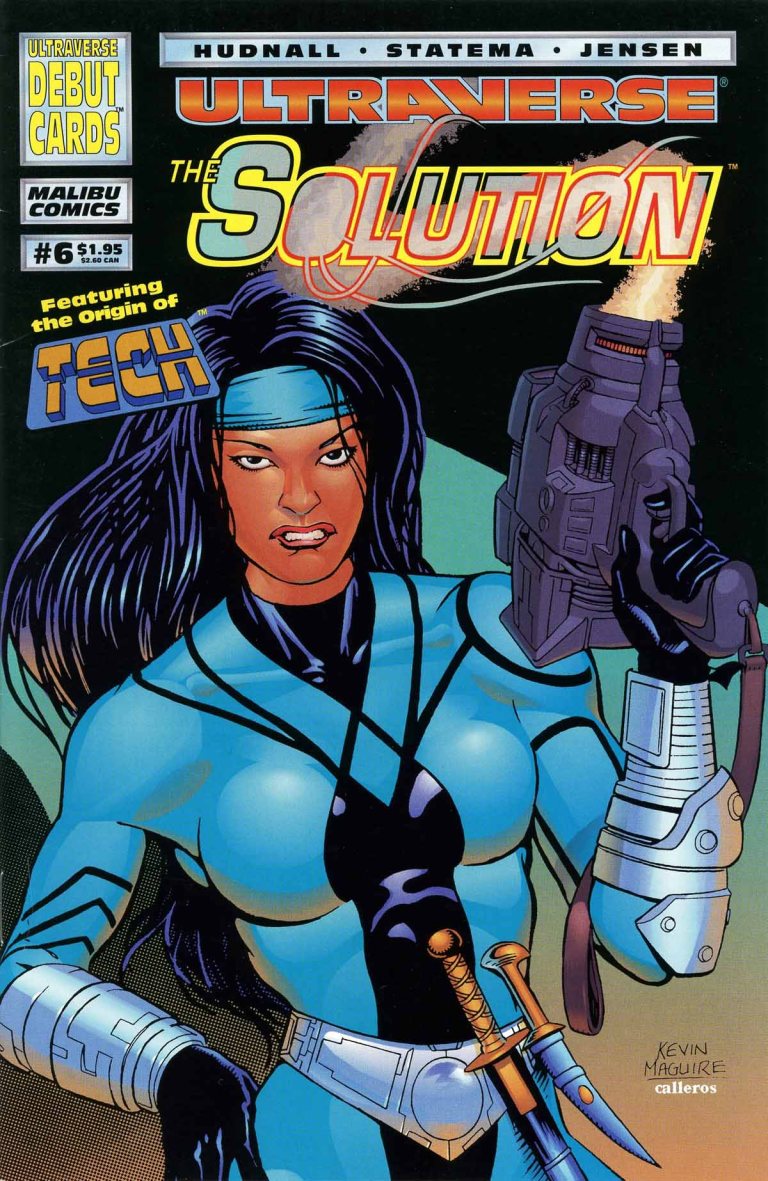
Cover
The cover.

Early story

The story begins with Lela Cho (Tech) alone paying respect to her father at his grave. She tearfully recalls what happened right after he died.

The narrative then shifts to 1993, specifically the day her father was about to get buried with many guests involved. Even though she is mourning, a man with blonde hair approaches her. His name is Kyle Sanders and he tells her she wants to talk to her about the corporation called Hypersonic. After receiving his business card, Lela feels a strange sense of dread creeping up on her.

A few days later, Lela attends a Board of Directors meeting at the headquarters of Hypersonic. She reminds them that she inherited all of her father’s shares in the company that makes her a majority stockholder and it was written in his will that she will assume his post as Chairman of the Board. Even though she already earned her Master’s Degree in Business at Harvard, the BOD members rejected her on the grounds that she’s too young and has no previous practical experience. They expressed that it would be better for her to work within the company and climb her way up.

Even though she got rejected and found herself alone, she decided not to give up and move forward by visiting NuWare, a corporation in San Francisco, California, that specializes on bio-tech implants (Wetware) that can make a person an Ultra…

Quality
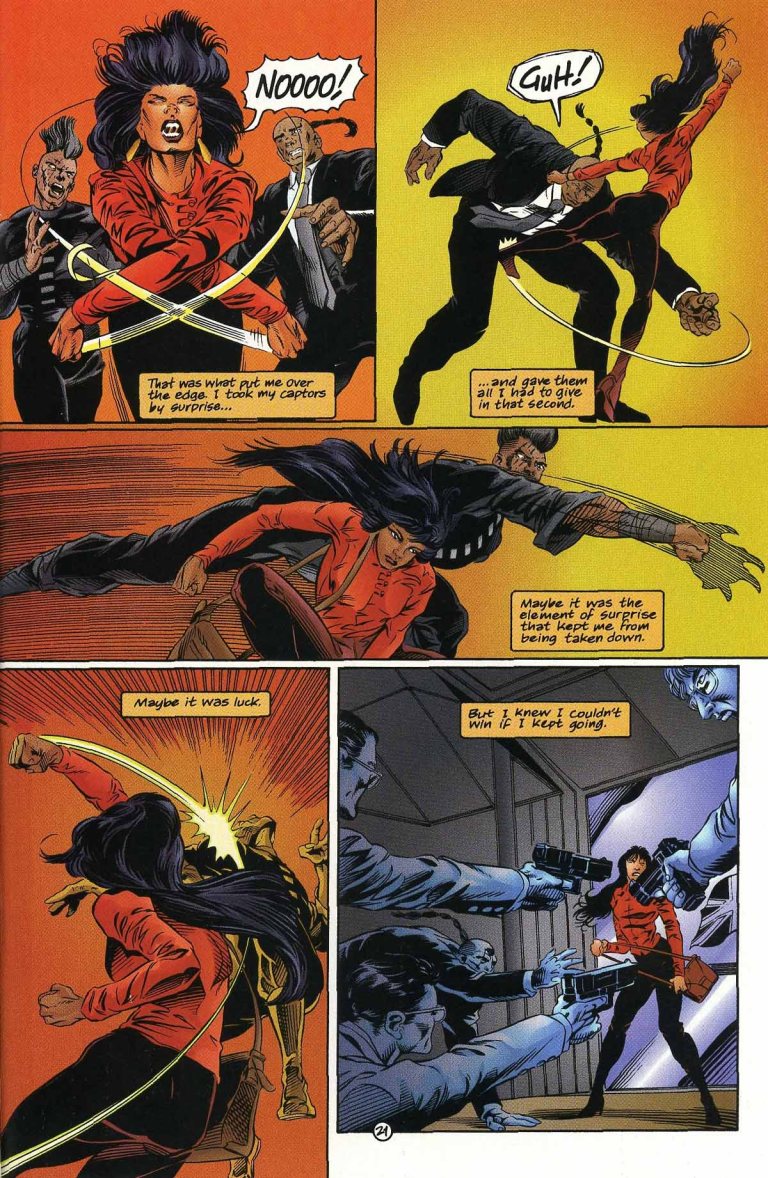
20
Lela Cho/Tech in action!

This is a very compelling, character-driven comic book, one of the best of the Ultraverse I read as of this writing. Clearly the late Hudnall achieved his goal of not only developing Lela Cho/Tech, but also defining her as a living part within the Ultraverse. Speaking of the Ultraverse, there is this nice and subtle connection with certain people regarding The Strangers.

Back to Lela Cho, her personality was very deeply defined by Hudnall. By the time you reach the end of this comic book, you should at least be caring about her even though her status as a super-rich lady trying to make her way up in business (while protecting herself) puts her on a different class. Ultimately her transformation into an Ultra is special to read and examine, even worthy of a cinematic adaptation.

Regarding the visuals, John Statema pulled of a great job. I love how the facial expressions he illustrated brought out the ranging emotions of the characters, specifically with Lela. When she’s mad, she really looks mad. When she is sad, you will see the sadness. Regarding action, Statema’s effort was decent.

Conclusion
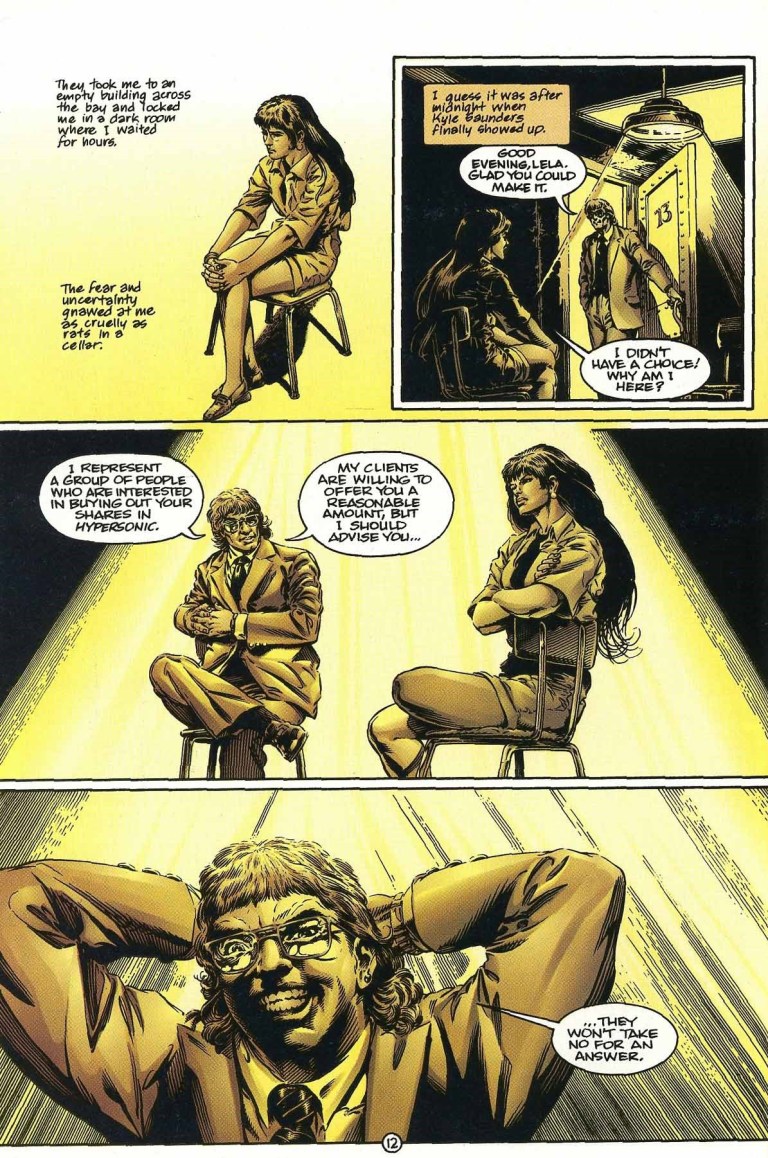
11
Really nice art and good choice with the colors for the light effect.

I really liked The Solution #6. From start to finish, it kept me very engaged and ultimately it made me understand Lela Cho/Tech much better, which also made me go back to re-reading the first issue.

If you are seriously planning to buy an existing hard copy of The Solution #6, be aware that as of this writing, MileHighComics.com shows that the near-mint copy of the regular edition costs $4.

Overall, The Solution #6 is highly recommended.


Thank you for reading. If you find this article engaging, please click the like button below and also please consider sharing this article to others. If you are looking for a copywriter to create content for your special project or business, check out my services and my portfolio. Feel free to contact me with a private message. Also please feel free to visit my Facebook page Author Carlo Carrasco and follow me on Twitter at  @HavenorFantasy as well as on Tumblr at https://carlocarrasco.tumblr.com/

A Look Back at Aerobiz Supersonic

When it comes to playing economic simulation games, I enjoy playing them on the personal computer (PC) using the keyboard and mouse. Back in the mid-1990s, there was one particular economic simulation that I played on the Super Nintendo Entertainment System (Super NES or SNES) and found it to be very enjoyable and easily to play with using the console’s control pad.

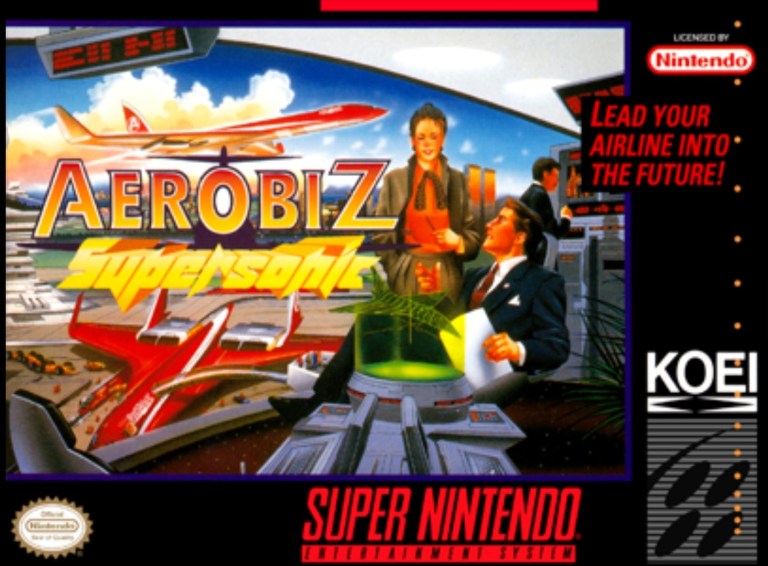
That game was Aerobiz Supersonic, a simulation about the airline industry developed and published by Koei for both the Super NES and the Sega Genesis. Here is my look back at this old video game from the 1990s.

Screenshot_20200222-133557_Photos.jpg
The cover of the Super NES version of the game. Its art and style is really nice to look at.

Concept and Game Design

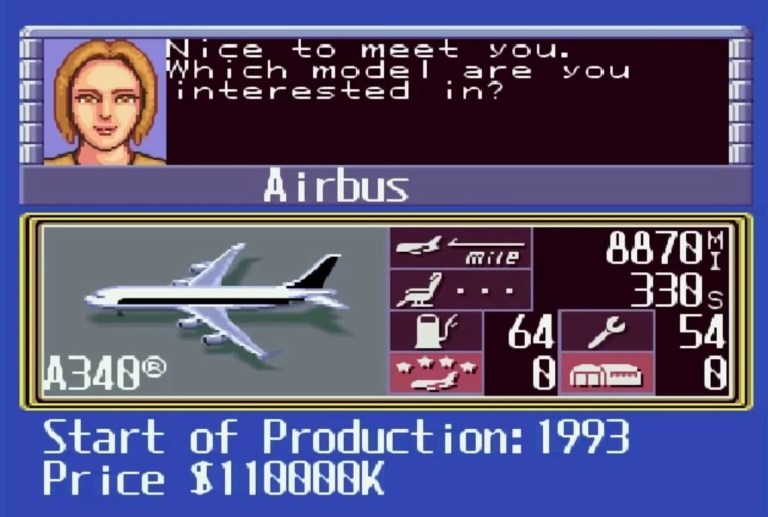
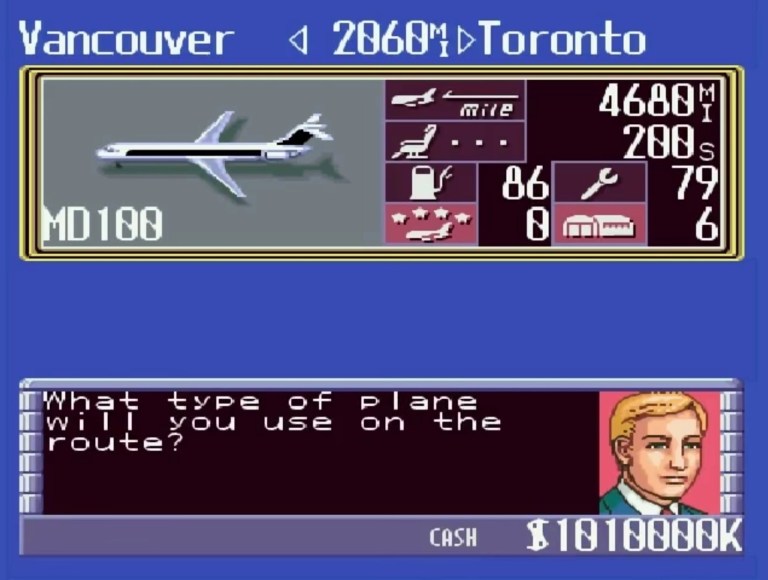
In the game, you get to play the Chief Executive Officer (CEO) of an airline and your goal is to beat your rivals in the global air travel industry. How to achieve the goal and succeed? There are tasks that need to be accomplished such as buying commercial airplanes (that include such real-life companies like Boeing and Airbus) for use, establishing flight routes, securing slots in airports worldwide, selling tickets and filling up each flight with as many passengers as possible, achieve profitability and finish the game’s imposed time period ranking #1. Adding zest to the game’s challenge is the selection of a certain era of world history that include 1955-1970 (the dawn of jets), 1970-1990 (the Cold War era), 1985-2005 (the present era) and 2000-2020 (the age of continued flight advancement).

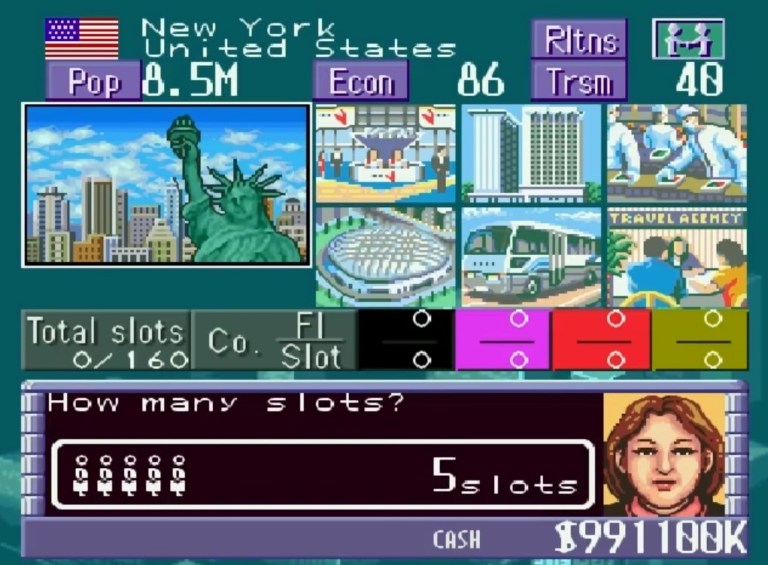
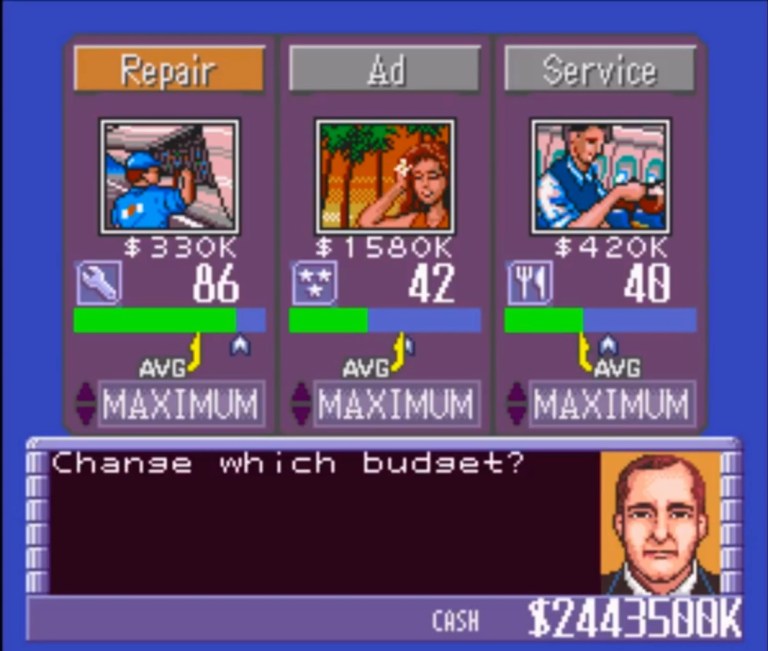
Within the game, time passes by means of clicking a certain on-screen button that ends the player’s current turn. Of course, before pressing that, the player has to set things in motion like sending a representative to a certain overseas airport to negotiate and secure slots (which takes months to complete), set the ticket prices, buy a new airplane or two, etc. The game even allows players to micro-manage their airline like adjusting internal spending (salaries) or adjusting the quality of their airplane and services. Also nice is the option offered for players to buy a hotel or resort, a theme park or a travel agency that can bring in additional revenue.

Screenshot_20200222-132447_YouTube.jpg
The airport slots, local businesses, economic and tourism details per city displayed.
Screenshot_20200222-132508_YouTube.jpg
Visit an airline and choose from one of many models of airplanes to buy.

There are other small details that need paying attention to such as the economy and tourism meters of each city displayed (note: a higher tourism score means the city is more attractive to travelers), the population, etc. Also noteworthy is the current state of relations between your home nation with the nation of the city airport you are trying to establish routes with which can affect your business.

When the turn ends, a series of events will happen showing what happened around the world, how your company fared in the competition during the lapsed time period, and, occasionally, a random event will occur that most likely will affect your business (examples: the Olympics hosted by a city helps draw in additional passengers or the 1970s oil crisis raises the cost of your operation).

Regarding the game’s imposed time period for competing with the artificial intelligence (AI) opponents, the period is twenty in-game years.

Screenshot_20200214-195600_YouTube.jpg
This is part of micro-managing your business in the game.
Screenshot_20200214-195720_YouTube.jpg
After the end of each turn, news and updates not only about your company but also your competitors are flashed.

Quality

Being used to playing simulation games on PC, I found Aerobiz Supersonic to be very enjoyable, addicting and easy and efficient to play (in terms of controls). Considering the above-mentioned gameplay options (buying an airline, sending a representative, etc.), they are pretty easy to adjust using the Super NES controller although there were a few moments when I accidentally pressed the button putting into motion a different option.

Gameplay aside, this game has a whole lot of charm with its visual presentation. You launch a brand new flight route, the game shows a short animation sequence of the jet taking off. You buy an airplane, you will see a short animation of it entering your facility once it arrives (complete with a visual design reflecting the model). You conduct a board meeting, your company’s officials are present making reports to you and you get a series of choices to make on what to do next. A historical event or a global development occurs, you get to see original art reflecting them (example: a nation joins the EU with people wearing suits and neckties together in a formal ceremony). You make a move to buy slots at an airport overseas, a company official will have his or her face shown talking to you. When looking at the regional map, you see lines connected between cities (highlighting the establish flight route you made) and there are icons of airplanes flying between them.

Screenshot_20200214-195732_YouTube.jpg
Random tourist hot spots get highlighted as you keep playing.

More on the aspect of starting the game, I like the options offered for me to select which city shall serve as my airline headquarters. Among the many cities included, there are cities of my native Philippines namely Manila (the international destination) and the nearby city of Cebu. I still remember how delighted I was to see my native Philippines included in the game, complete with Asian character designs to reflect the company and its region.

Conclusion

Ultimately Aerobiz Supersonic (which was actually a sequel to Aerobiz) is a gem of a console economic simulation released at a time when 2D sprite gaming was still the standard and 3D polygonal gaming was just about to make an impact on the global video game console market. Back then, 2D side-scrolling action/adventure games, sports games and role-playing games (RPGs) were so common on the Super NES and Genesis combined and the idea of enjoying economic simulations on consoles was highly unusual. Aerobiz Supersonic is proof that economic simulations can come with a lot of depth, deliver a good amount of strategy and can be highly playable and enjoyable on consoles.

If you want to enjoy this game, it can be quite difficult to do because you need to acquire an existing copy of the game as well as a fully functioning Super NES or Sega Genesis. As of this writing, there has never been a re-release of Aerobiz Supersonic (note: in line with legitimacy, I will not consider those browser versions or file sharing of ROMs) and it is not even included on Nintendo’s Virtual Console. There’s not even a version made for smartphones.

Now if only the executives at Koei Tecmo Games would consider revisiting Aerobiz Supersonic with today’s consumers in mind.

Screenshot_20200222-132429_YouTube.jpg
You can choose what kind of plane, how many planes, how many flights and how much you set the ticket prices whenever you start a new flight route.

Thank you for reading. If you find this article engaging, please click the like button below and also please consider sharing this article to others. Also my fantasy book The World of Havenor is still available in paperback and e-book format. If you are looking for a copywriter to create content for your special project or business, check out my services and my portfolio. Feel free to contact me as well. Also please feel free to visit my Facebook page Author Carlo Carrasco and follow me at HavenorFantasy@twitter.com


A Look Back at Spider-Man 2099 #35 (1995)

Disclaimer: This is my original work with details sourced from reading the comic book and doing personal research. Anyone who wants to use this article, in part or in whole, needs to secure first my permission and agree to cite me as the source and author. Let it be known that any unauthorized use of this article will constrain the author to pursue the remedies under R.A. No. 8293, the Revised Penal Code, and/or all applicable legal actions under the laws of the Philippines.

When Marvel Comics first launched the 2099 imprint of comic books showcasing many futuristic versions of their present-day characters – like Spider-Man, Ravage and Dr. Doom – it was inevitable that the same treatment will be applied to their popular supervillains.

In 1993, the 2099 version of Vulture was introduced and he sure proved to be one tough opponent for Spider-Man 2099. Even back then, there already was clamor for a futuristic version of Venom which at the time was riding high with readers being the featured anti-hero in several limited series (starting with Lethal Protector) of comic books.

Then in 1995, after doing a creative teaser in issue #34, Marvel formally introduced Venom 2099 by releasing Spider-Man 2099 #35. This is my review of the comic book written by Peter David and drawn by Andrew Wildman (X-Men Adventures).

Cover
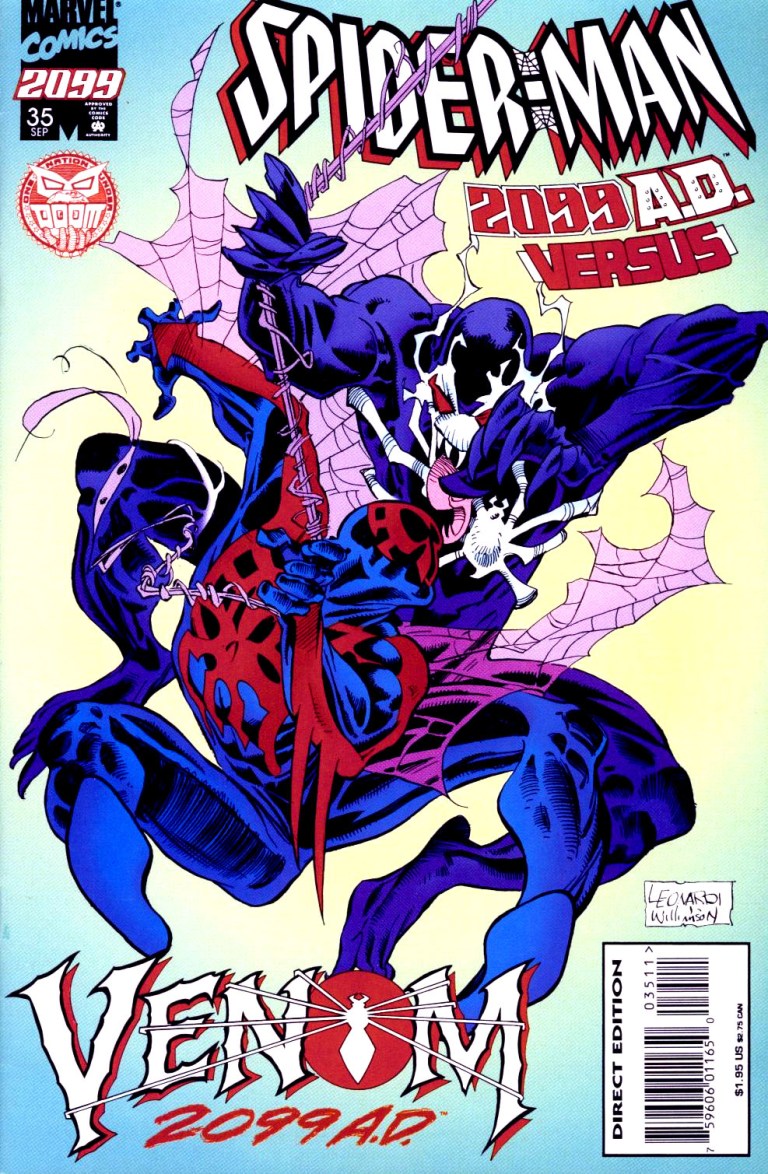
The cover drawn by Rick Leonardi.

Early story

Picking up from the events of issue #34, the story begins in Washington, DC with Dana freeing herself only to find out that Alchemax’s CEO Tyler Stone was down suffering from a gun shot and losing blood. Minutes later, emergency personnel take Stone’s body for immediate treatment.

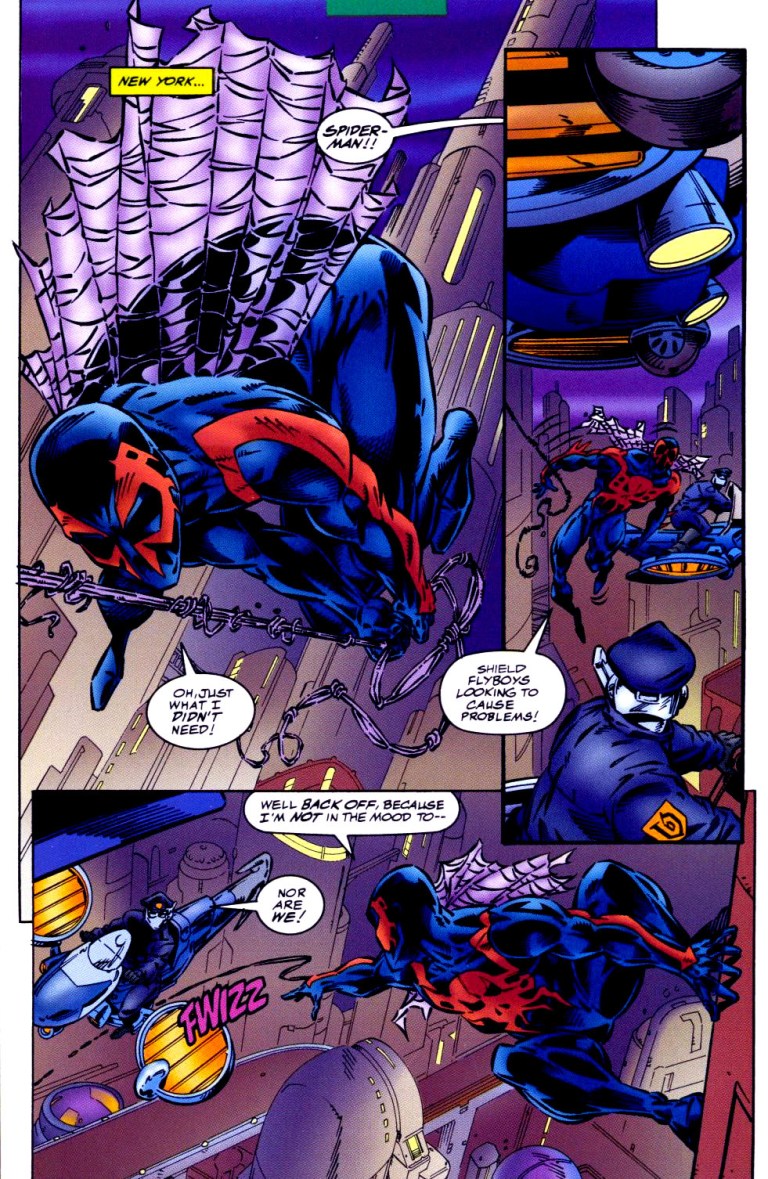
Meanwhile, Spider-Man 2099 (Miguel O’Hara) encounters the SHIELD flyboys in New York. After almost getting into trouble together, Spidey gets informed that US President Doom 2099 ordered them to leave him alone for a period of seventy-two hours while he considers a cabinet offer. Back in Washington, Dana gets interrogated by one of the authorities. President Doom enters the scene telling Dana that she will join Tyler Stone immediately in the medical center.

3
Andrew Wildman’s take on Spider-Man 2099 and the future was really nice to look at.

In New York, two guys sitting on the sidewalk witness a moving black liquid coming out of the sewer. The thing turns out to be a living symbiote (or alien costume) forming into a human-like shape – Venom 2099!

Quality

As with other comic books of this particular series, the writing by Peter David is pretty deep and engaging. The usual balance between dramatization, character development, plotting and spectacle is here once again but with a slight touch of horror in relation to the introduction of Venom of 2099. Speaking of dramatization, the portrayal of Venom 2099 as a vicious villain is similar to the 20th century Venom (Eddie Brock) but with a very powerful obsession to kill Miguel O’Hara and Tyler Stone.

Here’s an excerpt from the dialogue of Venom of 2099: Miguel O’Hara…and Tyler Stone…together again. We…I get to kill you…at the same time…how awfully…awfully…considerate. To show my appreciation…I’ll kill you slowly.

What makes this comic book unique is the artwork by Andrew Wildman who temporarily replaced regular illustrator Rick Leonardi. For comparison, I find Wildman’s art style a welcome thing in this comic book mainly because he draws with a lot more detail per panel and per page than Leonardi ever could. Instead of seeing the usual sketch-like art style of Leonardi, Wildman’s style is livelier and more expressive to look at. I also enjoyed Wildman’s visual take on Spider-Man 2099/Miguel O’Hara, Lyla, Tyle Stone, and the other established characters. Their facial expressions are also livelier to see.

9
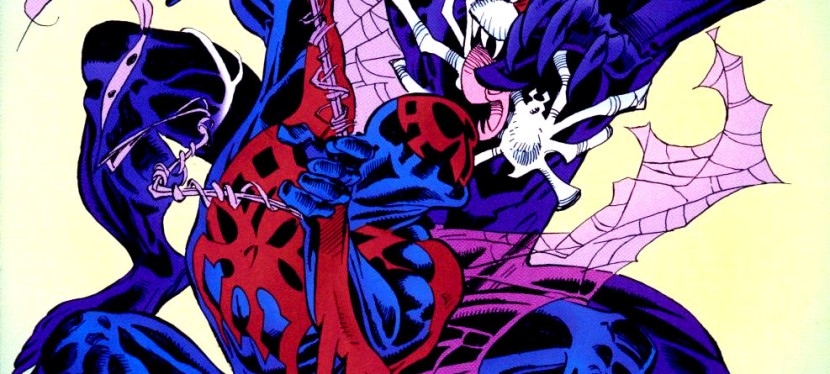
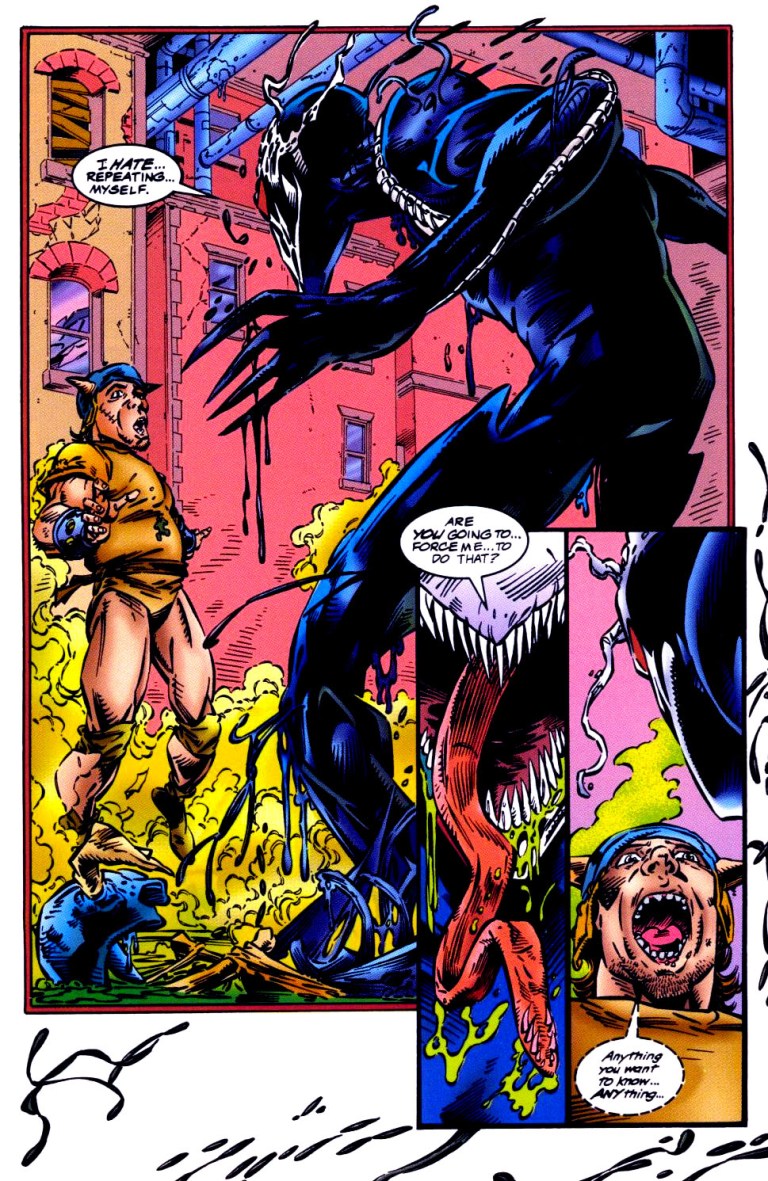
Venom 2099 appears! Take note of the “liquid” at the edges of the page.

More on visuals, Wildman’s take on Venom 2099 is unforgettable. Like 20th century Venom, he has a dark suit, elongated jaw with rows of sharp teeth and an elongated tongue but with green acid dripping all the time. There are also those tentacles-like things that stretch from his body until the arms. Also his white-colored mask with large eyes make him look horrific.

Conclusion

Despite being shorter than the usual 22-pages, Spider-Man 2099 #35 is still a very engaging and fun old comic book to read. Its purpose was to build-up anticipation leading to the introduction of Venom 2099 was achieved nicely and the respective qualities of the writing and visuals are very good even by today’s standards. More on the presentation of Venom of 2099, it seems like Peter David took inspiration from movie director James Cameron on building-up tension and suspense before showing the villain. That’s a move I enjoyed in this comic book.

Overall, Spider-Man 2099 #35 is highly recommended. If you plan to acquire an existing and legitimate hard copy, be aware that the near-mint copy of it is over $100 for the newsstand version while the Rich Leonardi-drawn “Venom 2099 AD” cover version is priced at over $80 at MileHighComics.com as of this writing.


Thank you for reading. If you find this article engaging, please click the like button below and also please consider sharing this article to others. Also my fantasy book The World of Havenor is still available in paperback and e-book format. If you are looking for a copywriter to create content for your special project or business, check out my services and my portfolio. Feel free to contact me as well. Also please feel free to visit my Facebook page Author Carlo Carrasco and follow me at HavenorFantasy@twitter.com

A Look Back at On Deadly Ground

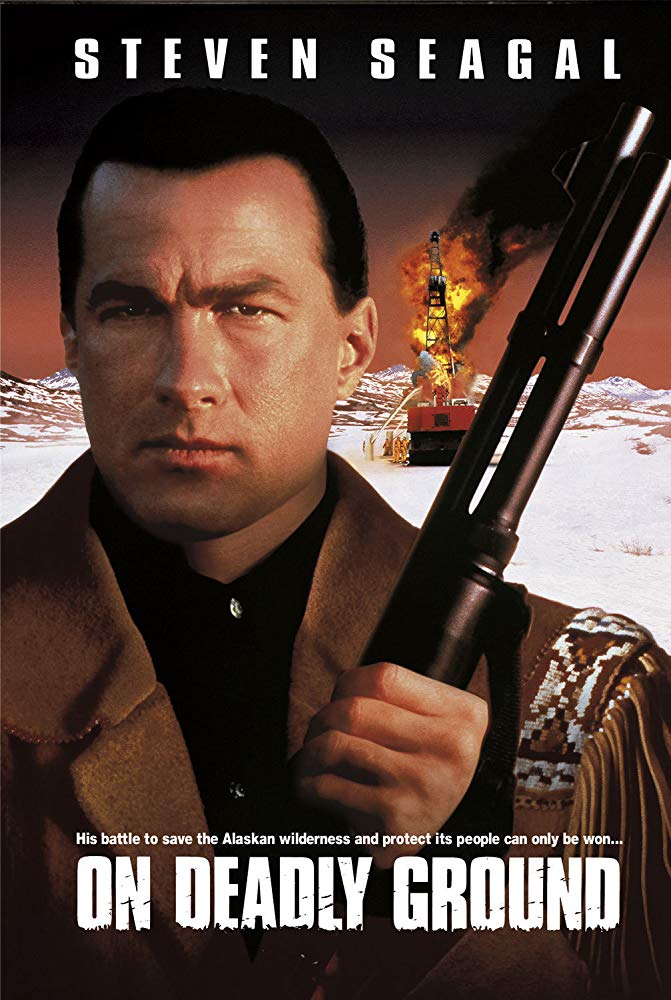
Way back in 1994, Warner Bros. released the action movie On Deadly Ground which marked the directorial debut of its star Steven Seagal. The movie had a poster that easily attracted the attention of avid Steven Seagal fans and eventually the film lured quite a lot of moviegoers to the cinemas.

ODG1
Even though it had a boring design, this image at cinemas excited Steven Seagal fans and moviegoers craving for action.

I never saw it in the cinemas due to a lack of time and money. Instead I saw On Deadly Ground on VHS format (and later on cable TV) in the comfort of home. That comfort however turned into disappointment after watching it.

For starters it’s a Steven Seagal movie which guarantees lots of hard-hitting action with lots of swearing. What makes it feel unique was its focus of the environment and its very forced concept about a very greedy top executive of an oil company is creating danger towards the environment as his team rushes to complete an oil rig called Aegis One in Alaska.

The execution of the movie, to say the least, is rather poor. Just about every character in the movie is one-dimensional. When it comes to action, it is typical (and very predictable) Seagal as the star gets to fight lots of bad guys without ever being hurt by them! Ironically Seagal in the film expresses pain over the treatment of his wounds.

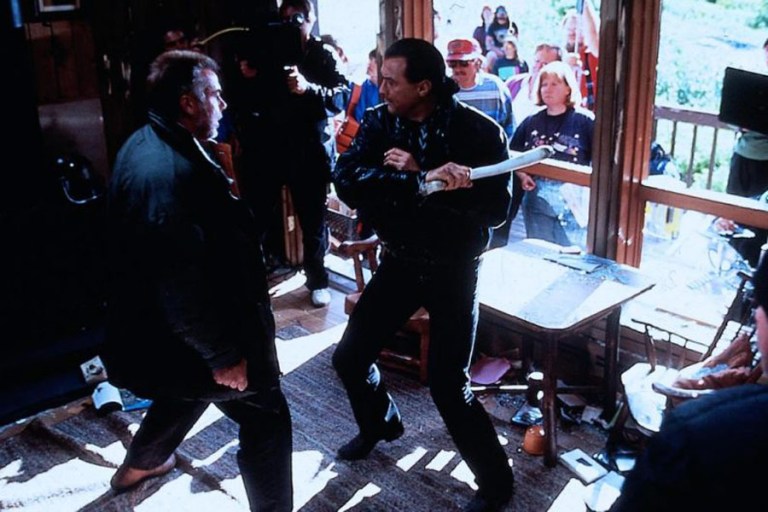
ODG6
Star-director Steven Seagal and the film crew working on an action sequence.

And then there is the emphasis on the environment. The movie narrowly portrays the fictional oil company as the force of danger to nature and threat to indigenous people of Alaska because it is led by Michael Jennings (played by Michael Caine) who is too greedy and desperate to beat a deadline  and prevent the oil rights from reverting back to native Alaskans.

That’s right! Jenning’s Aegis had the oil rights for twenty years and all they could do is try to launch an oil refinery so near the end of the time period. Does it really take that long to construct an oil rig? What exactly did Jennings do during those twenty years? I mean, he acquired the oil rights from the natives and I could speculate he did not prioritize the construction of any oil-related business project using those same rights. Perhaps Jennings spent years touring the world, suddenly was advised that his corporation has financial trouble and only then did he go to work to make oil rig.

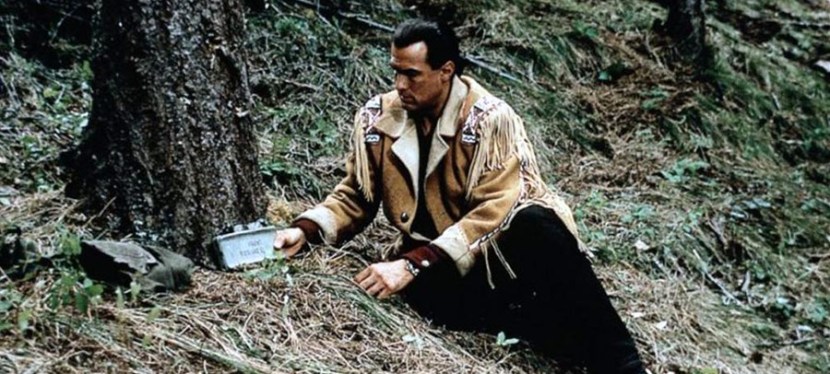
More on the environment, Steven Seagal plays Forrest Taft who initially serves Jennings. He eventually checks the computers of the company to find out that faulty equipment has been used and the delivery of better and more reliable equipment is coming in way too late. Taft even asked Jennings (who eventually learned about Taft’s unauthorized computer access) how much money is enough and this predictably leads to a scene in which Taft gets set up to die in an explosion.

ODG2
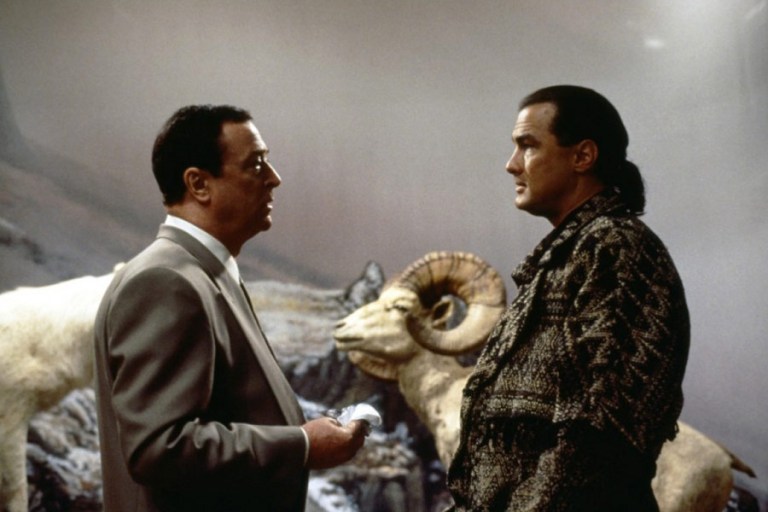
Michael Caine and Steven Seagal.

Unfortunately for Jennings and the other bad guys, Taft survived and got assistance from native Alaskans. Very predictably, he makes a comeback, collects weapons, performed a few destructive operations before proceeding to Aegis Oil’s rig to cause further destruction and kill bad guys!

Then the film ends with Taft giving a speech at the Alaska State Capitol focused on uncontrolled pollution, environmental destruction and big businesses’ contribution to environmental decline.

ODG4
Chinese actress Joan Chen pretending to be a native tribe member.

It’s funny how Taft got to deliver his speech. He was not arrested for causing the oil rig’s devastation nor was held accountable for killing other people. Where were the local authorities who could have initiated an investigation? Even without Michael Jennings, the oil company could have gone to the local authorities or the federal government to accuse Forrest Taft for murder and even acts of terrorism! Also where in the world are those staunch, loudmouth environmental activists, SJWs and climate change activists? The damage caused by Taft on the oil rig clearly caused damage to the natural environment with those toxic fumes from the explosions! Logic was clearly thrown out for the sake of senseless violence.

When it comes to performances, this movie is a showcase of shallow acting and cinematic expressions. Not only are the characters one-dimensional and the script really had no character development, the actors really had no where to go as far as acting is concerned. Chinese actress Joan Chen plays Masu who only serves as the English-speaking expository dialogue delivery person to help the audience understand the norms and concerns of a native tribe. Shari Shattuck  (who is an author and has her own Facebook page) played the pretty, bland and straight-forward special assistant to Michael Jennings. R. Lee Ermey, who is best known for playing military officers, plays the leader of a group of mercenaries who got defeated too easily by Seagal.

In terms of directing and overall presentation, this movie is clearly nothing more than a vanity project of Steven Seagal. There were many moments in the film that looked like it suggested viewers to worship and idolize Seagal. The pacing of the film is very lackluster overall.

Poorly directed scenes? One of them is the excessively violent torture scene of Hugh Palmer (played by a then 73-year-old Richard Hamilton) which showed no restraint on the part of filmmakers. The scene, which was clearly designed to make moviegoers see the evil of Michael Jennings through the acts of his henchmen, would have worked better had the on-screen torture been reduced and shortened.

More on the movie’s violence, the scene showing Forrest Taft easily beating up multiple oil workers in response to the mistreatment towards a native man was unnecessary and overly long. Taft looked more like a senseless superhero who does not care about humanity and laws. And then there was that hand-slap game between him and “the man’s man” Big Mike (Mike Starr). The presentation of violence and bloodily injuring a man as means of enlightenment is senseless.

Ultimately On Deadly Ground is a worthless action to film to watch and I believe only die-hard Steven Seagal fans will love it. It was a very bad movie back in 1994, it’s even worse by today’s standards. On Deadly Ground is filled with bad ideas turned into film. A pro-environment concept presented as a senseless action film is a big waste. And then there is the old stereotype that a giant corporation’s head is unabashedly evil, inhuman and greedy (note: not all corporate heads of billion-dollar corporations are like that).

As such, I should say that you should never waste your time nor your money on this piece of crap.

+++

Note: This retro movie review was originally published at my old blog Geeks and Villagers. What you just read was the updated and expanded version. As such, this retro movie review is the most definitive version.


Thank you for reading. If you find this article engaging, please click the like button below and also please consider sharing this article to others. Also my fantasy book The World of Havenor is still available in paperback and e-book format. If you are looking for a copywriter to create content for your special project or business, check out my services and my portfolio. Feel free to contact me as well. Also please feel free to visit my Facebook page Author Carlo Carrasco and follow me at HavenorFantasy@twitter.com

A Look Back at X-Men 2099 #1

1993 was a special year for X-Men fans. It was the year Marvel Comics celebrated what was back then the 30th anniversary of the X-Men which explains why they released not only a lot of X-Men-related comic books but also issues with hologram cards on the covers of specific issues of X-Force, X-Factor, X-Men, Uncanny X-Men and Excalibur. While superhero movies were not that many at the time, fans had the X-Men animated series to enjoy on TV.

Along the way, the comic book speculator boom continued and Marvel Comics exploited the trend as its creators worked to expand what was back then their still-young 2099 lineup of comic books. This led to the release of X-Men 2099 #1 in the 2nd half of 1993, the comic book of which I bought on a weekday during a short visit to the comic book store in BF Homes, Parañaque.

RCO001_1469507978.jpg
Cover of X-Men 2099 #1.

Before exploring a bit of the story, let me share that in my personal analysis, releasing X-Men 2099 #1 the same year as the 30th anniversary celebration of X-Men made sense even though the contemporary X comic books made no real story reference to the mutants of 2099. Back in 1993, an undisclosed amount of money was spent to promote, distribute and sell comics and merchandise in relation to the anniversary celebration. I’m confident someone behind the scenes at Marvel thought it was a smart idea to debut the X-Men 2099 series at a time when the X-Men brand was very strong among collectors.

Now on to the comic book.

Written by John Francis Moore and drawn by Ron Lim (with ink work by Adam Kubert), X-Men 2099 #1 opens with Timothy Fitzgerald/Skullfire alone and uncertain visiting a large, abandoned facility in the Nevada desert called Nuevo Sol. He stands in front of a large gate with an X marking. After a bumpy introduction with Junkpile, Tim enters and, to his surprise, there he finds a large gathering of people partying despite the deteriorating conditions of the place. He meets Tina/Serpentina who tells him that he is welcome and their gathering attracted mutants, and “nomads and fringers.”

“In Nuevo Sol, you’re not just some corporate bar code, sorted and filed like a product. Here, everyone has a name. Everyone’s equal–no matter where they’ve come from,” Tina tells him.

RCO007_1469507978~2.jpg
As Tim discovers Metalhead, so do the readers.

After the subsequent for-the-readers introductions of Eddie/Metalhead and Shakti/Cerebra, the narrative moves to Las Vegas where a horse-riding Noah Synge (an old man who “ruthlessly controls the greater Nevada syndicate”) gets confronted by Xi’an/Desert Ghost who tells him that his men (of Synge) continue to kidnap members of the nomad tribes for his decadent amusements. In other words, it’s an accusation about human trafficking.

After a harsh exchange of words, Xi’an shows to him his left, creepy looking fist telling him that the red market will fall, that the Synge empire will crumble and that if Synge seeks to hurt the affected people, he (Xi’an) will make him suffer.

Xi’an touches a short stone wall with his left hand which makes it crumble within seconds (as he walks away). This is all I have to share about the plot and if you want to know more, you better get and read this comic book.

So you must be wondering what I think about the quality of this 1993 comic book. When it comes to storytelling, it is well written, entertaining and engaging. John Francis Moore’s script really is good even by today’s standards. Moore managed to carefully introduce not only the X-Men of 2099 but also the supporting characters and the bad guys properly all within 23 story-and-art pages which is a very hard thing to achieve. While the writing was challenging, Moore managed to us symbolism to show “good versus evil”, especially with the conflict between Xi’an (representing the oppressed and the powerless) and Noah Synge (who, by today’s standards, is a caricature of the cruel and rich person).

Tim meanwhile symbolizes the reader’s perception. As he discovers Nuevo Sol, readers feel and see what he perceives. His discovery of the place, the culture and people serves as the eyes of us readers.

When it comes to the art work, this one shows that Ron Lim exerted a lot of effort to give the X-Men of 2099 a unique look of their own without taking any visual inspiration from the contemporary, mainstream X-Men of the 1990s. While it is easy to criticize Lim for the quality of art, we must remember that he worked on a whole lot of other comic book for Marvel back in 1993. During that year, he illustrated The Infinity Crusade which featured a whole bunch of Marvel’s superheroes and many other characters in each comic book. Could you imagine the headaches and stress an illustrator has to go through drawing so many characters in a comic book limited series?

Ron Lim also helped visualize what Nevada looks like in 2099 which is a nice change from the super futuristic, towers-filled New York City. In terms of society, the X-Men 2099 series further showed that America’s wilderness or the abandoned places are filled with outlaws and living there can be even more dangerous for people to do when compared with living in New York under the watch of Alchemax.

This old comic book, which has a solid cover with foil and a price of $1.75, also has a 15-page Marvel 2099 promo which includes a 2-page X-Men 2099 “coming at you” portrait by Lim. The promo includes short previews of the other 2099 feature characters and it also serves as a reminder that X-Men 2099 is part of the same universe with them.

Overall, I declare X-Men 2099 #1 is still a good, old comic book worthy of being added to your collection. Its financial value is not that high right now and the X-Men 2099 themselves pale in comparison to Spider-Man 2099 (easily the most popular 2099 feature character of them all) when it comes to today’s comic book environment.

What you have to keep in mind, however, is that X-Men 2099 #1 just might gain a boost in its financial value if ever the mutants of the future make a big comeback as part of Marvel’s official announcement that it will revive the 2099 line of comic books this November! Granted, X-Men of 2099 had appeared in X-Men comic books in the past few years but the revival of the 2099 line will be a more suitable place for readers to discover them in this age of social media and smartphones.

RCO026_1469507978~2.jpg
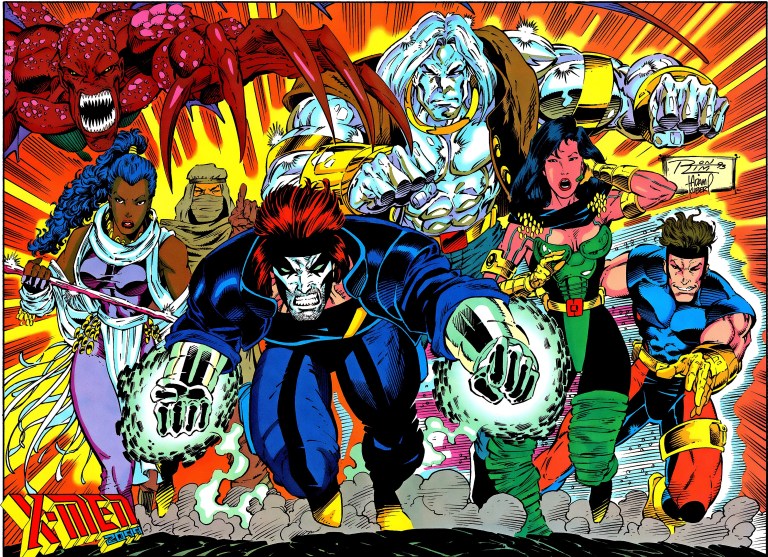
The X-Men of 2099.

Financial value aside, X-Men 2099 #1 is engaging and entertaining, and it has that 1990s charm to it.

X-Men 2099 #1 is highly recommended.


Thank you for reading. If you find this article engaging, please click the like button below and also please consider sharing this article to others. Also my fantasy book The World of Havenor is still available in paperback and e-book format. If you are looking for a copywriter to create content for your special project or business, check out my services and my portfolio. Feel free to contact me as well. Also please feel free to visit my Facebook page Author Carlo Carrasco and follow me at HavenorFantasy@twitter.com

A Look Back At Freex #1

I want to say that I am a fan of Marvel’s X-Men. Given the long publication history as well as how many creators – most notably Chris Claremont, John Byrne, Jim Lee and Whilce Portacio – defined and redefined them through the ages, the X-Men for me is the best superhero team comic franchise from Marvel.

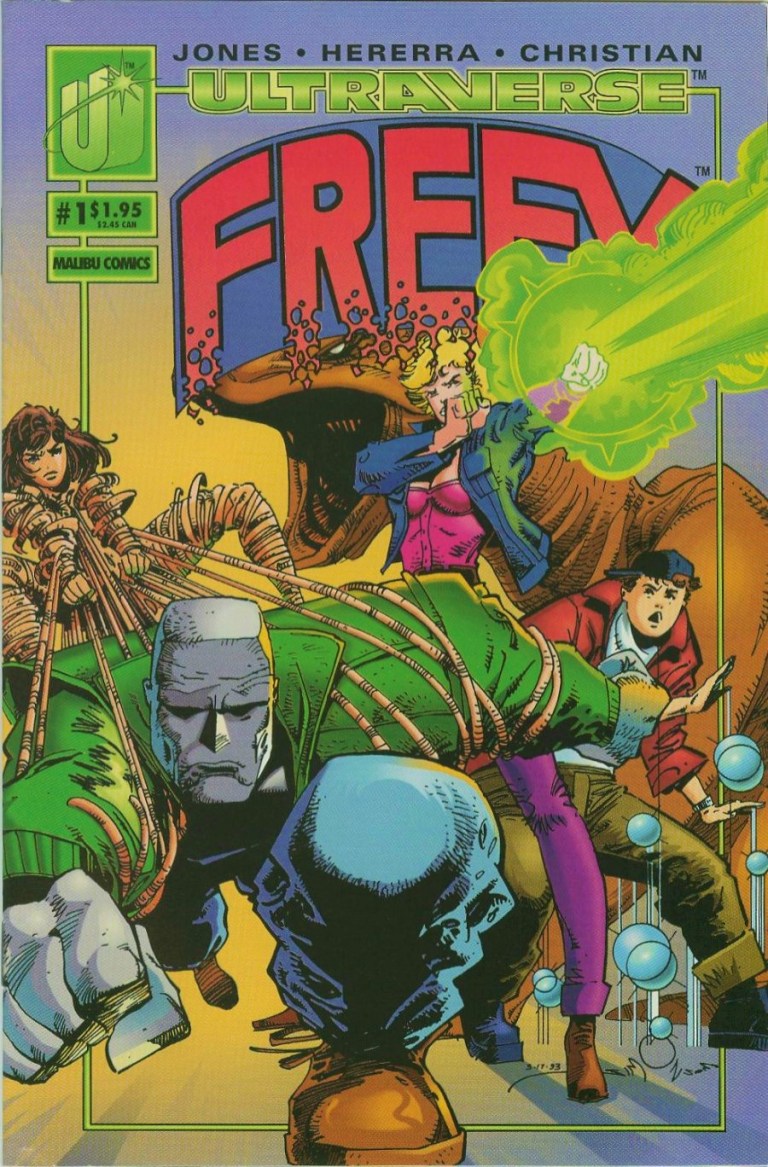
Back in 1993, Malibu Comics launched a new line of superhero comic books called the Ultraverse and there I was inside a comic book store along Presidents Avenue, BF Homes, Paranaque one time struggling to decide which of the many Ultraverse launch titles displayed to buy with my very limited budget. As I was very fond of the superhero team dynamics of the X-Men, I bought Freex #1.

Freex1
Cover of Freex #1.

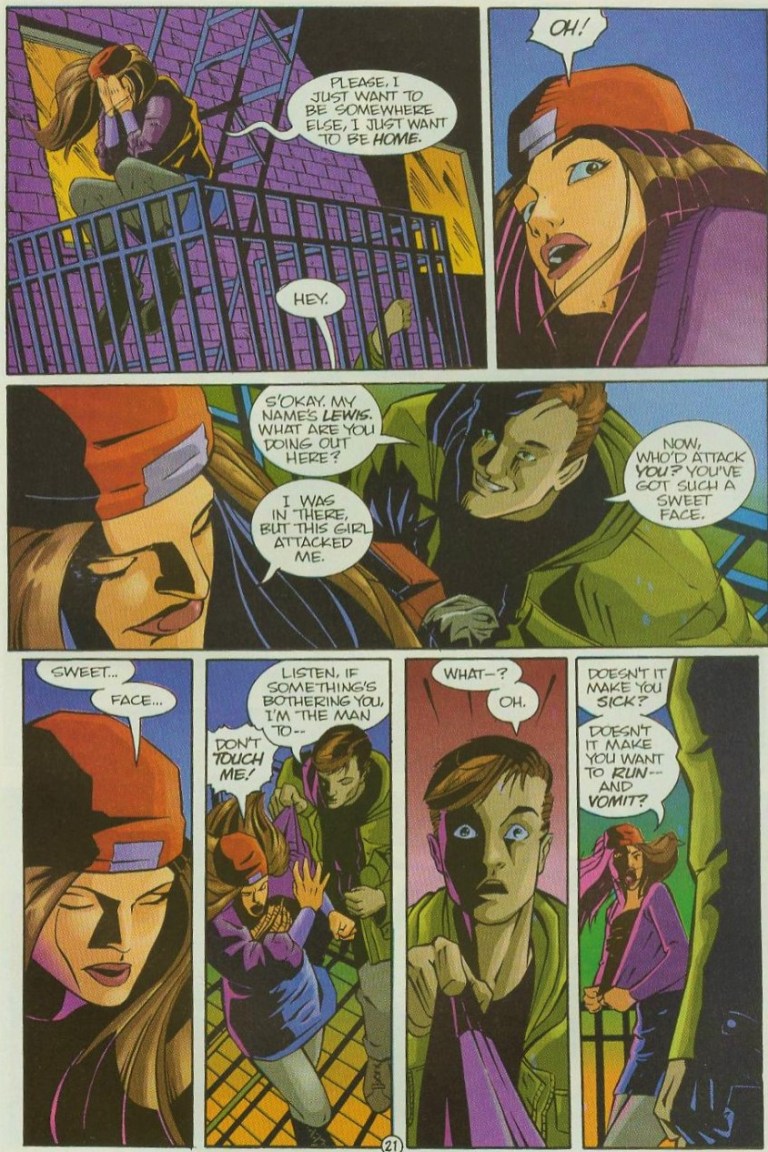
Written by Gerard Jones with art by Ben Herrera (inked by Mike Christian), Freex #1 introduces Ray/Boomboy (a guy who lived hidden from the public due to his abnormal body), Valerie/Pressure (a very bitter lady who could produce steam or plasma out of sweat), Lewis/Anything (a guy who could reshape his body), Angela/Sweetface (who has several fleshy tentacles from her body) and Michael/Plug (a digital escapee).

The comic book emphasizes the five individuals’ respective struggles with not only their abilities but also with being social outcasts. This eerily parallels Marvel’s X-Men in more ways than one. The big difference is that the Freex do not have a mature adult to guide them nor do they have a large estate to hide and live in. Clearly the Freex are in a desperate situation to survive and realize their destiny.

In terms of storytelling, the pacing is fine and for the most part character development or spotlight was noticeably invested on three of the five Freex which is understandable since the comic book had only twenty-five pages of story and art. In terms of spectacle, there presentation is nice and the action scenes nicely reflect what the characters could do.

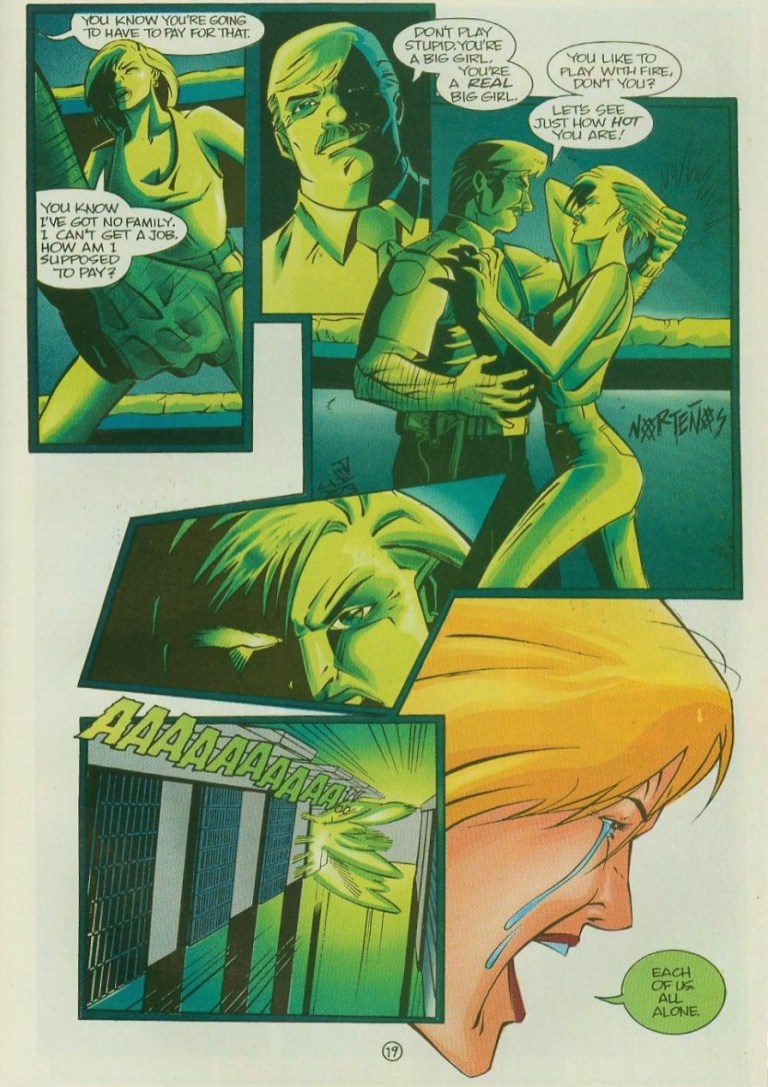
Freex2
Valerie Sharp’s flashback.

Going back to character development, I find Boomboy’s back story to be the most interesting. Due to his rock-like appearance, his family had no choice but to hide him in the basement for an unspecified number of years. Unsurprisingly he became very lonely and he dealt with loneliness by reading a book about a certain literature classic.

Due to his high consumption related to his abnormal condition, Boomboy’s family realized that feeding him was too costly and they found a place where he could be transferred to and receive special care. Thinking that he would end up like a slave at the new place, Boomboy naturally rebels and forcefully leaves the house causing damage.

For the first time, Boomboy explores the suburban exterior while causing people nearby to panic as he looks like some monster to them. The uncertainty for him ended when Lewis meets and welcomes him.

Freex3
It truly is very hard to be social outcasts.

Very notably, Boomboy claims that “Huck” (actually Anything) saved him and went on to really believe in him.

Being an X-Men fan, I noticed that Freex has some similar themes with Marvel’s superhero team in the sense that there is a group of individuals with special abilities (or abnormalities as some would call them) who are noticeably rejected by members of the local society they live in. Valerie said it correctly: So we are here, right? Living in some locked-up squat, stealing to eat with the cops all over us!

Valerie’s words captured the desperate situation of Freex. They don’t have a mature leader to look up to. They cannot go back to where they came from. They cannot reunite immediately with the people who care for them. They are already rejected by the local authorities.

Overall, I find Freex #1 as engaging as it was when I first read it way back in 1993. It has aged nicely with its fine mix of drama and spectacle composed with a more mature audience in mind. If you are a comic book collector looking for 1990s concepts or if you want something similar to the X-Men or even DC Comics’ Teen Titans, then I recommend this comic book.

It’s too bad that Marvel bought out Malibu Comics and shut them down. As of this writing, Freex and the rest of the Ultraverse characters and concepts are all in limbo and remain unused by Marvel for decades now.

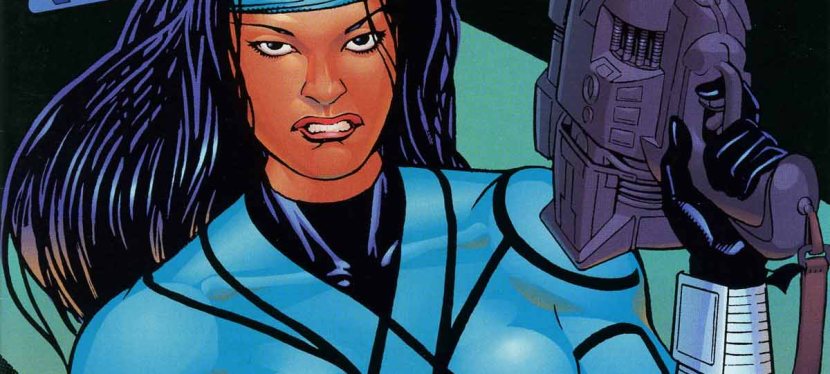
Freex4
Freex with a stronger superhero look they adapted later in their short-lived comic book series.

Still I can imagine the unlikely scenario that Marvel Studios (under the orders of their parent company the Walt Disney Company) would revive someday the Ultraverse properties in a limited way without cannibalizing their very own superhero properties already in use in movies. I think Freex would make an interesting animated series or as a video game or as action figures. Truly there is still good entertainment potential with Freex similar to the other Ultraverse franchises.


Thank you for reading. If you found this article to be engaging, please click the like button below and also please consider sharing this article to others. Also my fantasy book The World of Havenor is still available in paperback and e-book format. If you are looking for a copywriter to create content for your special project or business, check out my services and my portfolio. Feel free to contact me as well. Also please feel free to visit my Facebook page Author Carlo Carrasco.

Author’s Note: This article was originally published at my old Geeks and Villagers blog. What you read on this website was an updated and expanded version. In other words, this newest version you just read is the most definitive version