Disclaimer: This is my original work with details sourced from reading the comic book and doing personal research. Anyone who wants to use this article, in part or in whole, needs to secure first my permission and agree to cite me as the source and author. Let it be known that any unauthorized use of this article will constrain the author to pursue the remedies under R.A. No. 8293, the Revised Penal Code, and/or all applicable legal actions under the laws of the Philippines.
As already mentioned in my retro review of X-Men 2099 #25, a new creative direction was taken for the futuristic mutants of Marvel (who got back together after being apart for long) and the monthly series itself while still maintaining connection with the rule of Doom 2099 (already driven by Warren Ellis as the writer) as the US President. That story ended with noticeable changes on the characters, especially on Xi’an who ended up nothing like the strong and driven X-Men leader he was in X-Men 2099 #1. As such Tim Fitzgerald/Skullfire, who went through a lot of emotional struggles and confusion, finally learned to be strong to become the mutants’ new leader.
In this review, we will take a look at the aftermath of the events that happened in the above-mentioned anniversary celebration issue. Series lead creators John Francis Moore and Ron Lim took another shot heading towards the new direction in X-Men 2099 #26 published by Marvel Comics in 1995.
The cover by Ron Lim.
Early story
The comic book opens with Doom 2099’s Minister for Humanity Morphine Somers waking up and learns from his digital assistant that disaster happened in the White House (refer to Doom 2099 #33).
The story then shifts to Halo City which is the walled mecca which continues to attract some hundreds of thousands of misfits, mutants and refugees who seek sanctuary from the mega corporations which have dominated societies in most cities around the United States. In the middle of the traffic jam going into the city, a man decides to get out of the taxi and head on by foot.
The man is identified as Gunnar Tristan, an entertainment journalist. As the city authorities examines Gunnar, a man wearing a shirt looking like the American flag fires a shot at one of the security personnel.
“Down on your knees and pledge allegiance! The time’s come to sweep out all the genetic trash that’s polluting this great country. I got a thermonuclear bomb that’s gonna wash this mongrel city of the taint of foreigners and freaks,” said the armed man.
Just as Gunnar is about to fire, Henri Huang/Meanstreak of X-Men 2099 intervenes to prevent anymore danger from happening. Meanstreak is with teammate Krystalin and seen on their clothes are V-like symbols. They are now officially working for the city authorities as the mutant protectorate….
Quality
Clearly following up on the ending of X-Men 2099 #25, this story delivered strongly on showing the futuristic X-Men as Halo City authority members which is a drastic change from their past as outlaws and misadventure participants.
The X-Men as members working for the authorities.
A strong element in this comic book is character development and it shows the former X-Men leader Xi’ian feeling guilty and has gotten obsessed with healing sick people as a way to atone for his sins. At this point of time, Xi’an went from a bag guy into a reformed man (X-Men leader) into a bad guy again before ending up weak and confused. This puts him yet again into conflict with his long-time trustee Shakti/Cerebra (who by this time can be seen as a suitable team leader with a very strong moral direction). Skullfire meanwhile is feeling uneasy with his team working for an administration and it can be seen that the time he spent in the wilderness took its toll on him.
When it comes to art, Ron Lim pushed his creativity hard this time by establishing the overall look of Halo City and how it is transforming into a hot bed for people who don’t want to live in a place monitored always by mega corporations. On characters, I should say that Lim’s designs for the new villain group The Undead is not very captivating although one of them really looked horrifying. On action scenes, Lim continued to deliver the goods.
Conclusion
I should say that I like this comic book a lot. It’s got more character development scenes and story build-up with noticeably lesser spectacle (which is not a problem at all). Being the 26th issue of the X-Men 2099 monthly series, characterization really had to be prioritized by the creative team to emphasize the bold, new direction taken. Just to see the X-Men become authority members even though they are not really qualified is just intriguing!
What makes this particular old comic book special in a rather bizarre and accidental manner is the raging debate about how America of today should handle its immigration problems especially with hot topics like securing the borders, building the wall along the south border with Mexico, and deporting as many illegal immigrants (even those who have families in America, established business and paid taxes) as possible. Back in the year this old comic book was published, immigration was not such a hot topic and there were even more Democrats (including then US President Bill Clinton) who favored stricter moves to curb illegal immigration.
The presence of the armed man who despises foreigners and mutants is now more socially relevant to see. It’s so symbolic, you should look at the page below.
I wonder if anyone from the Democratic Party or the Political Left in America who support open borders had seen this page.
If you are seriously collecting comic books, be aware that as of this writing, MileHighComics.com shows that a near-mint copy of X-Men 2099 #26 regular edition is worth $4 while the near-mint copy of the newsstand edition is worth $8.
Overall, X-Men 2099 #26 is highly recommended.
Thank you for reading. If you find this article engaging, please click the like button below and also please consider sharing this article to others. If you are looking for a copywriter to create content for your special project or business, check out my services and my portfolio. Feel free to contact me as well. Also please feel free to visit my Facebook page Author Carlo Carrasco and follow me at HavenorFantasy@twitter.com
Disclaimer: This is my original work with details sourced from reading the comic book and doing personal research. Anyone who wants to use this article, in part or in whole, needs to secure first my permission and agree to cite me as the source and author. Let it be known that any unauthorized use of this article will constrain the author to pursue the remedies under R.A. No. 8293, the Revised Penal Code, and/or all applicable legal actions under the laws of the Philippines.
Long before the renaissance of Hollywood-produced superhero movies even started, the X-Men established itself as one of the most popular franchises of Marvel Comics. What some readers do not know was that while the X-Men indeed started in 1963 under Stan Lee and Jack Kirby, Marvel’s mutants actually started getting successful in the mid-1970s with the 2nd X-Men team (Cyclops, Wolverine, Storm, Sunfire, Nightcrawler, Colossus, Banshee and Thunderbird) handled by Len Wein and Dave Cockrum.
That new team literally made a splash with readers with the release of Giant-size X-Men #1 in 1975. That comic book, which is very valuable now, saw Charles Xavier recruiting new mutants to form a new team with Cyclops being the only pioneer remaining. Subsequently the X-Men monthly series of that era saw lots of stories of this particular team solving problems and fighting evil. Along the way, Chris Claremont got hired as the new writer and then the rest was history.
In this retro comic book review, we will take an interesting look at what would have happened had the 2nd team of the X-Men died on their first mission.
This is What If #9 written by Roy Thomas, drawn by Rich Buckler and published by Marvel Comics in 1990.
The cover.
Early story
The comic book begins with the Watcher of Marvel’s universe explaining what actually happened during the X-Men’s mission in Giant-size X-Men #1. Then he offers an alternate version of the events asking “What if…the new X-Men had died on their very first mission?”
The new reality begins in Scotland where Moira McTaggert receives a telegram from the United States. The message read that her friend Charles Xavier is ill which compels her to leave immediately. Before leaving, a little girl named Rahne comes to Moira followed by Craig who asserts his authority on her. Subsequently Moira and Rahne arrive at Salem Center, New York, greeted by Hank McCoy/Beast who confirmed that he was the one who sent the telegram to her.
Moira finally meets Xavier who expressed surprise to see her. As it turned out, Xavier had isolated himself in a room using Cerebro. After separating from Xavier, Beast explains to Moira what happened previously to Cyclops, Jean Grey, Havoc, Polaris and Ice Man on a far away island (read Giant-size X-Men #1). Cyclops was fortunate enough to survive and return to Xavier who was compelled to use Cerebro to trace mutants around the world (note: the 2nd X-Men team).
When trouble hits the world…
This leads to events told in Giant-size X-Men #1 but something drastic happened…
Quality
Storytelling is easily the strongest and most defining element of this comic book, especially if you are fortunate enough to read what happened in Giant-size X-Men #1 from 1975. The alternate plot by Roy Thomas is pretty intriguing and highly dramatic, and yet it still manages to add some spectacle to maintain balance.
What If #9 strongly delivered on what it promised what would have happened had the 2nd X-Men team died on their first mission complete with the narrative shifting dramatically through the eyes of Moira McTaggert, Xavier and Beast.
In terms of characterization, I really enjoyed the dramatization of the close friendship between Xavier and McTaggert. Having read lots of X-Men comic books through the decades, I should say that McTaggert was often limited to supporting roles or guest appearances. As seen in this comic book, she and Xavier made a solid pair of mentors. Lastly, the portrayal of Xavier being somewhat broken and regretful is wonderfully executed. Adding to that, the portrayal of McTaggert as a strong provider of direction and support for a fragile Xavier is memorable.
When it comes to the visuals, Rich Buckler scored nicely. The characters are all recognizable (with Beast looking a bit more visceral than how he actually appeared in the 1970s to 1980s) and their facial expressions were nice to see. Buckler also proved to be good with visualizing the action and the suspenseful parts.
Conclusion
Very nice artistic presentation by Rich Buckler. Readers of 1975’s Giant-size X-Men #1 will be able to relate with this.
Overall, What If #9 is a great comic book to read. It is the closest thing you can get when it comes to seeing Marvel’s mutants led by Xavier with McTaggert working behind the scenes together. Roy Thomas and Rich Buckler really scored a homerun with this non-canon X-Men story!
For the comic collectors reading this, based on the rates at MileHighComics.com as of this writing, a near-mint copy of this comic book’s regular version is $24 while the near-mint copy of the newsstand edition is priced at $51.
What If #9 (1990) is highly recommended!
Thank you for reading. If you find this article engaging, please click the like button below and also please consider sharing this article to others. If you are looking for a copywriter to create content for your special project or business, check out my services and my portfolio. Feel free to contact me as well. Also please feel free to visit my Facebook page Author Carlo Carrasco and follow me at HavenorFantasy@twitter.com
Disclaimer: This is my original work with details sourced from reading the comic book and doing personal research. Anyone who wants to use this article, in part or in whole, needs to secure first my permission and agree to cite me as the source and author. Let it be known that any unauthorized use of this article will constrain the author to pursue the remedies under R.A. No. 8293, the Revised Penal Code, and/or all applicable legal actions under the laws of the Philippines.
Back in the 1990s, comic books with gimmick covers and higher cover prices were abundant and also were easy targets for collectors. In the case of Marvel Comics, the concept of the “anniversary issue” was important because it gave them a chance to sell comics at a higher price.
To put things in perspective, many times back then Marvel would produce comic books with slightly more pages and a gimmick cover in celebration of a so-called anniversary such as the comic book series reaching its 25th or 50th or 75th or 100th issue and so on. Other anniversary celebrations include a character specific anniversary such as Spider-Man’s 30th anniversary celebrated with the comic book Amazing Spider-Man #365 which had a lot of pages and a hologram cover.
Of course, such anniversary celebrations were implemented on the Marvel 2099 line of comic books. Check out my review of Spider-Man 2099 #25.
Right here we will take a look at the first-ever anniversary celebration issue of the X-Men of the far future with X-Men 2099 #25 written by John Francis Moore and drawn by Ron Lim. This comic book was released in 1995 and Marvel already published multiple series of other franchises of their 2099 line. Prior to X-Men 2099 #25, the team saw its members separated from each other and went through lots of misadventures and unfortunate events before finally getting back together.
The full cover drawn by Ron Lim.
Early story
X-Men 2099 #25 begins with a research of Xi’an and his band of mutants being presented by the Minister of Humanity (Morphine Somers) to the President in their airship flying above California.
“I see in this current generation of X-Men an untapped potential,” said the President. “Now, tell me you have finally relocated them.”
The story then shifts to the slaughterhouse of the Theater of Pain wherein a restrained Shakti/Cerebra is standing helpless next to Brimstone Love and a masked Xi’an who are about to execute a sinister plan. Shakti speaks out against them and tells Brimstone that they are parasites preying on the pain and vulnerability of innocent people. Brimstone insists that the weak and helpless provide sport for the rich and powerful, and that his group was founded for the select powerful few who crave for and pay a lot for performances. Xi’an, who had a sinister past before getting reformed to revive the X-Men (before reverting back to evil due to Zhao’s invasion of his mind), only emphasized the theater’s importance.
Defiant, Shakti tries to reach deep into Xi’an and turn him around.
Elsewhere, the former Theater of Pain member Luna (who by this time got close with Tim/Skullfire) is chained and is confronted by her sisters in the theater. Skullfire meanwhile is in the waste disposal center where he meets someone who betrayed their team. They both thought about setting aside their differences to do something before time runs out…
Quality
X-Men 2099’s Krystalin, Meanstreak and Bloodhawk get into the action.
In terms of visuals, I can say that Ron Lim’s art is pretty good and, most likely in tandem with the writer, took careful steps to control the pace enough to keep readers entertained without ever making things look disorienting. When there is action, the pace moves fast and the impact of the action done is always visible. As seen throughout the X-Men 2099 series, the look of the southwestern region of America is always striking and I like the fact that the wilderness setting comes with lesser presence of futuristic technology (compare this to what was seen in 2099’s New York) which gives this comic book a more laid-back concept.
When it comes to the storytelling, character development is nicely emphasized in this comic book. If you read enough of the early comic books (let’s say the first ten issues) and paid close attention to the futuristic X-Men, you will be able to relate with their struggles which add a lot of depth to the usual good-versus-evil storytelling here. Without spoiling the story, I should say that this comic book concluded with a believable new direction emphasized which in turn made me want to look to the next issue. It’s that strong of an ending!
It sure is intriguing to see Shakti, one of the most prominent X-Men 2099 members, really suffer along with others.
I also liked the way this comic book emphasized the connections between the Theater of Pain with the Chosen (another group of villains) and most notably with Zhao (a previous leader of the X-Men before Xi’an’s time).
As for in-universe crossing-over, this comic book nicely ties up with Doom 2099 which, at the time of publishing, was under the creative direction of Warren Ellis who is now one of the best comic book writers.
If there is anything I have an issue with, it’s the cover art. It has a few characters who appeared on the cover, most notably Desdemona, and yet were absent in this comic book’s story. They ended up looking like cover art filler. Not a problem but distracting and meaningless.
Conclusion
Let me make it clear here…I really like this comic book. It definitely has the best and most engaging story of the X-Men of 2099 ever and that’s because this particular monthly series had an extensive build-up on all the characters since issue #1 and issue #25 executed a great payoff.
In retrospect, the X-Men drastically changed since the start of issue #4 and this includes members who went far away or decided to exclude themselves. X-Men 2099 #25 tied up most the loose threads not only by having the team members back together but also emphasized how much they developed over the past few years (in real life, that is). This is also the kind of comic book that will make you want to revisit the very start of its series and rediscover the characters.
Luna in chains.
If you are seriously collecting comic books, be aware that based on the listings of MileHighComics.com as of this writing, as a near-mint copy of the comic book’s regular edition is $4 while a near-mint-copy of the deluxe edition (with gimmick cover) is at $6. X-Men 2099 #25’s newsstand edition is worth $8 for a near-mint copy.
Overall, X-Men 2099 #25 is highly recommended. The creators outdid themselves and made the best story of titled characters. Truly, this comic book is where the mutants of 2099 really got defined in their respectful place within the Marvel Comics universe of the 1990s.
Thank you for reading. If you find this article engaging, please click the like button below and also please consider sharing this article to others. If you are looking for a copywriter to create content for your special project or business, check out my services and my portfolio. Feel free to contact me as well. Also please feel free to visit my Facebook page Author Carlo Carrasco and follow me at HavenorFantasy@twitter.com
Disclaimer: This is my original work with details sourced from reading the comic book and doing personal research. Anyone who wants to use this article, in part or in whole, needs to secure first my permission and agree to cite me as the source and author. Let it be known that any unauthorized use of this article will constrain the author to pursue the remedies under R.A. No. 8293, the Revised Penal Code, and/or all applicable legal actions under the laws of the Philippines.
It’s funny how adaptations of adaptations turn out in real life. Long before the first live-action X-Men movie was released, an animated TV series (popularly referred to as X-Men: The Animated Series or X-Men TAS) was produced and arguably brought together the fans of both the X-Men comic books along with the animated X-Men followers.
Along the way, Marvel Comics went on to publish a monthly comic book series called X-Men Adventures which themselves were adaptations of the animated series (which itself adapted stories and concepts from the comic books).
The adaptation-of-an-adaptation approach went deep further when the animated series adapted loosely the story of the classic X-Men comic book storyline Days of Future Past (by legends Chris Claremont and John Byrne) which resulted a story told in two episodes on TV. And then there was also a comic book adaptation that followed starting with X-Men Adventures #13 which is the subject of this retro comic book review.
The cover.
Early story
Written by Ralph Macchio and drawn by Andrew Wildman, the comic book begins in the dark future of 2055 in New York. The city is in ruins and mutants on the loose are being hunted by Sentinels. A very old Wolverine appears to help two loose mutants but ends up getting stunned with them by Bishop who turns out to be helping the automated authority of the Sentinels.
As he turns over the captured mutants, the Sentinels betray Bishop telling him that they no longer required him. Afterwards, Bishop and Wolverine (who woke up) each carry a person under the watch of a Sentinel. Suddenly, the two other mutants use their powers to attack the Sentinel and Wolverine followed to back up their efforts. The Sentinel however grabbed Wolverine.
Quality
A very old Wolverine in the dark future of 2055.
With the exception of some liberties, this comic book closely followed what was told in the first of the 2-episode Days of Future Past animated adaptation. As a comic book story, the story was heavily loaded with details and exposition designed to orient readers about the setting and why the future became a time of darkness in relation to the rise of machines having ultimate power over people.
While the time travel concept of the literary classic involved the mind of Kitty Pryde going into the past, this comic book used the more common concept of having Bishop travel back through time physically which easily reminds me of Kyle Reese arriving from the future in 1984’s The Terminator.
The build-up leading to Bishop’s move to travel back through time was nicely done by the creative team. There was a lot of exposition followed by an incoming attack complete with explosions happening just as Bishop is about to leave. In short, the pay-off was worth it.
The engagement did not end there. In fact, it continued nicely as Bishop meets the X-Men in 1993 with the details of his mission carefully unveiled. Professor Charles Xavier’s reaction to future history (Sentinels taking control of the world) was dramatic and worth re-reading.
As with his other works in the X-Men Adventures comic book series, Andrew Wildman’s art is very good to look at and he knows how to make each scene look engaging whether it’s just an exchange of dialogue between characters or an action scene loaded with a lot of impact.
Conclusion
While it is only half of a 2-issue adaptation of a 2-episode animated adaptation of the Days of Future Past literary classic, X-Men Adventures #13 is still a fun-filled reading experience complete with a lot of engaging moments.
The money shot by Andrew Wildman!
If you are a serious collector of comic books, be aware that, as of this writing, a near-mint copy of X-Men Adventures #13 costs $6 while its newsstand edition copy is worth $21 in near-mint condition according to Mile High Comics.
Overall, X-Men Adventures #13 is highly recommended. Both dedicated X-Men fans as well as newcomers will have something a lot to enjoy with it.
Thank you for reading. If you find this article engaging, please click the like button below and also please consider sharing this article to others. If you are looking for a copywriter to create content for your special project or business, check out my services and my portfolio. Feel free to contact me as well. Also please feel free to visit my Facebook page Author Carlo Carrasco and follow me at HavenorFantasy@twitter.com
Disclaimer: This is my original work with details sourced by means of watching the movie and doing research. Anyone who wants to use this article, in part or in whole, needs to secure first my permission and agree to cite me as the source and author. Let it be known that any unauthorized use of this article will constrain the author to pursue the remedies under R.A. No. 8293, the Revised Penal Code, and/or all applicable legal actions under the laws of the Philippines.
I just love watching superhero movies, especially the ones that were well crafted by the filmmakers complete with solid storytelling, sufficient spectacle as well as memorable performances by the hired talents (both behind and in front of the camera).
Of all the superhero movies made by the forces of Hollywood starting with 1978’s Superman, I can clearly say that 2017’s Wonder Woman is my favorite. Don’t get me wrong. I did not limit myself to just DC Comics superhero movies. I saw all the X-Men movies and their spinoffs, almost all the Spider-Man flicks, almost all of the Marvel Cinematic Universe movies and even the obscure ones. Along the way, there were some great superhero flicks that became modern-day classics like Logan and Avengers: Infinity War.
Still it is the Gal Gadot-led, Patty Jenkins-directed Wonder Woman that I loved watching the most.
Let’s start with my retro review of Wonder Woman, the one film that arguably saved the DC Comics Cinematic Universe for Warner Bros.
The Wonder Woman movie poster from 2017.
Early Story
The story begins sometime after the end of Batman v. Superman: Dawn of Justice during which Diana finds a long lost photograph recovered by Bruce Wayne. Then she remembers her past in Themyscira where she grew up as the only little girl among the women called the Amazons and her mother is none other than Queen Hippolyta. Concerned that the wicked Aries is still alive, Hippolyta’s sister Antiope trains Diana (initially in secret until they were discovered) to be strong, brave and more capable than their fellow Amazon warriors.
One day, Steve Trevor arrives in Themyscira becoming the first-ever man Diana ever met. Tension rises when the Germans (from World War I Earth) arrive on their island causing the Amazons to fight in defense. A lot of people lost their lives, including someone very close to Diana.
While interrogated with the Lasso of Truth, Steve reveals who he is and what he has been doing. He states that back in his world, World War I is ravaging the world costing many people their lives. This causes Diana to stand up and stop the war somehow (she believes Aries is responsible). Queen Hippolyta disapproves of Diana’s analysis. After privately meeting with Steve, Diana then starts her move for a mission to stop the war in Man’s World.
Quality
Gal Gadot as Wonder Woman in the middle of German soldiers.
Let me start with the performances. Gal Gadot definitely IS Wonder Woman in this movie. Regardless of how many versions of Wonder Woman there are in comics, the Israeli actress truly captured the essence of Diana’s early development which includes her special place among the Amazons (note: she is the only Amazon who was born in Themyscira and grew up from infant into a mature woman), her fateful meeting with Steve Trevor, her entry into Man’s World and how she adapts with the events and people outside of Themyscira. Wonder Woman’s purity on saving the world, doing what is right and emphasizing love and compassion were all nicely translated into cinematic art by Gal Gadot. From doing the action scenes to saving people, speaking her mind among her fellow Amazons and interacting with others as she adapts with Man’s World, I really love Gadot’s work on bringing Wonder Woman to life. As her cinematic work is great, there is no doubt that Gadot will always be iconic to fans of the Queen of Superheroes and superhero enthusiasts in general in the decades to come right beside Lynda Carter (who played the icon on TV), Christopher Reeve (Superman), Robert Downey, Jr. (Iron Man) and Chris Evans (Captain America). Meanwhile, the portrayals of Diana as an 8-year-old girl as well as a 12-year-old were perfectly done by Lilly Aspell (who is truly skilled with horse riding) and Emily Carey.
Lilly Aspell as young Diana with Connie Nielsen as Queen Hippolyta.
Chris Pine is excellent as Steve Trevor who is portrayed to be very dedicated to his work, brave in what he does and still shows compassion instead of arrogance towards others. He also has great chemistry with Gal Gadot and, like in the comic books, their relationship is nicely translated on the big screen. Pine’s performance here is, in my view, the best superhero movie supporting role to date.
Chris Pine as Steve Trevor with Gal Gadot as Diana in disguise.
Connie Nielsen meanwhile is great in playing Queen Hippolyta and all throughout, there is always a sense of leadership complete with a touch of motherly love just like in the comic books. Her sister Antiope was nicely portrayed by Robin Wright as the one Amazon who taught Diana to be brave, strong and highly capable as an Amazon warrior.
Danny Huston, who played the lead villain in the 2009 movie X-Men Origins: Wolverine, played yet another military bad guy here but this time he’s a World War I German officer. He’s a villain with a purpose who not only fights for the glory of Germany but also strongly believes that war is natural and inevitable for humanity. In some ways, Huston’s Ludendorff reminds me Michael Shannon’s General Zod in Man of Steel.
Robin Wright is excellent as Antiope.
When it comes to presentation, this film is Patty Jenkins’ 2nd movie as director (her debut was way back in 2003) and the great turnout of Wonder Woman as a high quality movie (as opposed to being a critical and commercial success) only proved yet again that the old saying in Hollywood – The director’s second movie is his/her best movie – is true. Jenkins, who also worked on television, not only prepared a lot to make this movie but also researched Wonder Woman, developed ways to get the most out of the cast members, tweak the written story of the film (by Allan Heinberg, Zach Snyder and Jason Fuchs) and, most notably, she led the production with a lot of passion. To put it short, Wonder Woman is a labor of love (and the No Man’s Land scene is iconic) that not only resonated with fans of the Queen of Superheroes but also with the film critics and moviegoers.
Regarding storytelling, I noticed that a key story from Wonder Woman’s origin in the comics (the contest of the Amazons) did not happen at all in the film. While there were die-hard fans of the icon who complained about it, I felt that the contest of the Amazons would have made this movie more complicated and surely would have lessened the impact of World War I as a key story element. Since the purpose of this movie was to emphasize Diana’s origin and her entry into Man’s World with a major mission, I believe that the contest of the Amazons can be made cinematically later in a future movie.
The way the story was told cinematically, it also captured Diana’s reactions to the events that happened around her. The scene in which she saw the village destroyed showed how death and destruction compelled Wonder Woman to accomplish her mission even though others find ending the war impossible. Along the way, the actors – specifically Gal Gadot – really added life into the narrative with their strong performances.
When it comes to on-screen humor, which is popular among moviegoers and is almost a requirement for most new superhero movies that come out, having it done by supporting players Lucy Davis and Saïd Taghmaoui was a clever move since it allows Gal Gadot to portray Wonder Woman without any performance disruption. Considering her short screen time, Davis as Etta Candy is really funny. The amount of humor in this film, in my view, was just right and never annoying.
Spectacle? Wonder Woman is loaded with action, stunts and exciting stuff! The action involving Wonder Woman was brutal and satisfying to watch, and Patty Jenkins’ use of slow motion on key moments was great (even comparable to John Woo’s past work) and at the same time not too excessive. The Themyscira battle between the Germans and the Amazons at the beach was engaging and strategically filmed. Also, it was fitting that the action ramped up nicely starting with the iconic No Man’s Land sequence. The final battle in the film, unsurprisingly, had lots of computer-generated images (CGI) which is understandable considering the fantasy element of Wonder Woman.
More on the action, I love the way Patty Jenkins had Gal Gadot, Robin Wright, Connie Nielsen and Chris Pine perform the action themselves which all made their characters even more believable. Of course, there were certain moments in which stunt doubles were used to do the more dangerous moments on behalf of the actors.
This happened just before the iconic No Man’s Land scene.
Apart from the core cast, a lot of the actresses playing the Amazons trained for several months not just to look the part but also to perform action sequences using weapons with actual skill. The stunt coordinators and specialists hired by the filmmakers deserve praise for contributing nicely on making the cinematic Amazons highly believable. This alone not only makes Wonder Woman stand out nicely among all Hollywood superhero movies but also reflects nicely what was portrayed in the comic books.
The production design is also top-notch. I love the scenic locations of Italy used for scenes set in Themyscira. The filmmakers also did a great job recapturing the look of World War I Europe from the historical pictures to the big screen. The costume designs were fantastic, and the standout designs were, unsurprisingly, the costumes of the Amazons which really made their fantasy culture look believable. The filmmakers decided to have much more colorful visuals instead of following the look of Man of Steel, Batman v. Superman: Dawn of Justice and Suicide Squad.
On the music, the work by Rupert Gregson-Williams was great. His rendition of the Wonder Woman theme was very lively to listen to. The same can be said about the music he provided in the memorable No Man’s Land scene which had a nice build-up as Wonder Woman made her first full appearance in costume on the field. Other tunes played in the film suited the scenes well.
If there were any weak spots in this movie, it would be certain shots of action that were not filmed with precision. I’m talking about filming action scenes way too close to the camera combined with music video-style editing that’s supposed to make film look flashy. It’s not only disorienting, it also took me out of the movie.
Conclusion
Overall, Wonder Woman is one of the best-ever superhero movies ever made and easily my favorite of them all. It has an excellent balance between storytelling, character development and spectacle, and Gal Gadot gave the performance of a lifetime not only by bringing Wonder Woman into life in cinematic form but also emphasizing what the Queen of Superheroes stood for. As part of the current DC Comics Cinematic Universe, this movie stood out by having optimism and heroism as core themes (as opposed to the dark, gritty and even cynical approach of Man of Steel, Batman v. Superman: Dawn of Justice and Suicide Squad) and, more importantly, by focusing strongly on Wonder Woman instead of building up for the Justice League movie (which was released months after this one).
Apart from high-quality production values and a strong creative approach, the cast and cinematic performances are easily among the best in the superhero movie genre. Chris Pine’s Steve Trevor is an excellent example of a supporting role that is engaging without ever overshadowing the lead role. By the end of the film, you will realize the impact that Queen Hippolyta and Antiope had on Diana’s personal development.
Connie Nielsen made a great queen and mother in this movie.
Being strongly focused on heroism with optimism, director Patty Jenkins and her crew succeeded in making this film without ever succumbing to the extreme views of the Political Left in Hollywood and the loudmouth social feminists. When I see the battle between the Amazons and the German soldiers on the beach of Themyscira happen, I simply saw armed women defending their homeland not from men who intend to rape them but rather men who had no right to intrude in the first place. Even as there were scenes showing men in power in World War I Europe (putting Diana in a powerless position), there still was no feminist-inspired hatred towards men. Also the bond between Steve and Diana developing from friendship into a romantic relationship literally shut the door on extreme feminism.
As a Wonder Woman-focused story, this film succeeded on emphasizing the Queen of Superheroes to both long-time fans and mainstream moviegoers. This movie also had a nice mix of having a fantasy setting with Themyscira moving on to a historic setting with World War I Europe. On the origins of Wonder Woman herself, I don’t mind at all that the contest of Amazons was not told because this movie’s concept is already great to begin with and its running time of 141 minutes was just right.
Gal Gadot will be remembered for a very long time for her excellent portray of Wonder Woman in cinema.
With all the greatness it was made with, I kept coming back to Wonder Woman when replaying superhero movies here at the comfort of home. In the cinemas back in 2017, I saw the film three times. Ultimately, I can say out loud that Wonder Woman is highly recommended and it is truly essential!
Thank you for reading. If you find this article engaging, please click the like button below and also please consider sharing this article to others. Also my fantasy book The World of Havenoris still available in paperback and e-book format. If you are looking for a copywriter to create content for your special project or business, check out my services and my portfolio. Feel free to contact me as well. Also please feel free to visit my Facebook page Author Carlo Carrasco and follow me at HavenorFantasy@twitter.com
If there is any particular superhero comic book title I could compare Freex of the Ultraverse with, it’s Marvel’s famous X-Men. Similar to the mutants of the big M, Freex is a team of teenagers who each have different super powers or special abilities while struggling with being social outcasts. What makes them different is that the Ultraverse teenagers have no mature adult to look forward to for guidance. They don’t have a mansion to live in, and they have no choice but to move around constantly and survive the best way they could.
I took a look at the other existing back issues of Freex in my collection and what caught my attention was Freex #7.
The cover.
Let’s now take a look back at Freex #7 and see what makes it unique (if not special).
Early story
The story begins with the Freex hastily stealing clothes from a store in city. While the others are desperately grabbing what they could (note: the store’s glass window was shown smashed already), Angela/Sweetface looks scared. One of her male companions tell her to be tough like Valerie/Pressure.
Just as they start leaving the store behind, the alarm system goes off. The sudden rush only adds pressure to them, causing Lewis/Anything to confront Michael/Plug only because the latter said something about team leadership. As Angela separates Michael and Lewis using her fleshy tentacles, Valerie loses her cool when Ray/Boomboy calls her by her codename. Valerie hits Boomboy with a blast of plasma. With their momentum disrupted by division and tension, Lewis tries to calm his teammates down but Plug won’t have any of it as he desires to find out about the source of all of their powers referred to as Wetware Mary. Plug finds a telephone booth and instantly transfers himself into it in the form of energy.
Division between members of Freex is common.
As the Freex remain divided, a local resident living nearby watches them from a distance.
Quality
The story written by Gerard Jones is pretty engaging mainly due to characterization (as opposed to storytelling and structuring). Through the dialogue, you can really sense the thoughts and emotions of each member of Freex, especially Valerie since this particular comic book focused on her origin. Without spoiling Valerie’s background, her origin was efficiently emphasized and never, ever felt dragging. By the time her origin story concluded, I got to understand Valerie better and why is she so mean. After the conclusion of the Freex’ story, there is also an Aladdin Datafile on Valerie who turned out to be 16-years-old, 5 feet and 9 inches tall, and even has a low threat assessment by Aladdin.
Adding further value to this comic book is a 2-page quick feature of Hardcase which shows a nice look back at his past before the establishment of The Squad.
Conclusion
From the past of Pressure.
Freex #7 is a good read. The story about the teenage social outcasts of the Ultraverse is well balanced in terms of characterization and action. Anyone who is a fan of Valerie/Pressure or female superheroes who are mean, angry and rebellious will find a lot to enjoy in this comic book. A near-mint copy of Freex #7 is worth $4 at MileHighComics.com as of this writing.
Overall, Freex is recommended.
Meanwhile, check out my retro review of Freex #1 right here.
Thank you for reading. If you find this article engaging, please click the like button below and also please consider sharing this article to others. Also my fantasy book The World of Havenoris still available in paperback and e-book format. If you are looking for a copywriter to create content for your special project or business, check out my services and my portfolio. Feel free to contact me as well. Also please feel free to visit my Facebook page Author Carlo Carrasco and follow me at HavenorFantasy@twitter.com
When Marvel Comics launched its 2099 franchise back in 1992 with Spider-Man 2099, clamor for having the futuristic hero meet up with the classic Spider-Man (Peter Parker) quickly followed.
Back in those days, crossovers were already popular and sold nicely with collectors. The Infinity Gauntlet of 1991 was an epic, universe-wide crossover done nicely by Jim Starlin, George Perez and Ron Lim. That limited series sold well, Marvel followed it up with The Infinity War (1992) and The Infinity Crusade (1993). Even the disjointed The X-cutioner’s Song crossover of the X-Men comic books of 1992 kept the fans coming back for more.
For the 2099 universe, the franchise had strong launches with the respective first issues of Spider-Man 2099, Doom 2099, Punisher 2099, Ravage 2099 and even the first latecomer series X-Men 2099. Back in 1993, having the said 2099 heroes mix together was realized in the 5-part crossover The Fall of the Hammer.
The cover by Rick Leonardi with ink work by Al Williamson.
No matter what the trends back then, Spider-Man 2099 proved to be the most engaging series of the 2099 line of comic books arguably due to the in-depth storytelling of Peter David. Back in the 1980s, David worked at the direct sales team of Marvel Comics before moving into the editorial team as a writer. And, yes, he got to write for the Spectacular Spider-Man (originally titled Peter Parker, The Spectacular Spider-Man). Early on, Peter David made quite an impact with readers with the 4-part story The Death of Jean DeWolff in the said monthly series.
Many years later, David joined other comic book creators – including the late Stan Lee – on launching the 2099 franchise with Spider-Man 2099. He created a lot from scratch to establish the futuristic Spidey and made his mark on the 2099 universe.
“I don’t remember exactly which aspects of the 2099 were already part of the initial setup when I came aboard. I do know, though, that there was almost nothing specific for Spider-Man other than that he was, well, Spider-Man and (I think this was part of what I was handed) an employee of Alchemax. I was the one, though, who came up with his identity, the way his powers worked, the supporting cast, all of that. I even had a hand in designing the costume; not that I could draw a lick, but I sat there with Rick Leonardi during the first 2099 get together and described to him what I wanted, and he executed it perfectly, building upon what I suggested and improving it. I watched that costume come to life for the first time under Rick’s pencil. It was one of the single best collaborative moments in my life,” David said in a CBR.com interview.
This brings us back to the year 1995 when Marvel published the one-shot special crossover comic book designed to attract Spider-Man 2099 fans and the many millions of followers of the classic Peter Parker Spider-Man. That comic book was Spider-Man 2099 Meets Spider-Man written by Peter David and drawn by Rick Leonardi.
Let’s take a close look.
The comic book
The story begins in the far future of 2099 wherein Spider-Man (Peter Parker) from the 20th century finds himself lost in time and chased by the floating law enforcers who saw him as a danger to the public. Even though his costume is different, one of the law enforcers mistook him for Spider-Man 2099. Predictably, Spider-Man struggles to overcome and get away from them.
Spider-Man in 2099!Spider-Man 2099 inside the Daily Bugle.
Meanwhile in the 20th century, Miguel O’Hara mistakenly arrives “home” only to find himself (naked no less) on the same bed as Mary Jane Parker (Spidey’s wife) who is also naked. This only confirms to him that he is lost in time. He immediately decides to get away from MJ and explore the city of New York which does not have the futuristic society he grew up with.
In an attempt to deal with the new reality, Spider-Man 2099 visits Peter Parker’s workplace – The Daily Bugle. He encounters Peter’s boss J. Jonah Jameson who mistook him as their time’s Spider-Man just wearing a new suit.
“You think you can fool me with a wardrobe change, you wall-crawling freak? Whatever your demented plan is, it won’t work,” Jameson told the disguised Miguel O’Hara who reacts by putting web on his mouth in front of the employees.
While the two superheroes struggle with being lost in time, Tyler Stone of Alchemax and Hikaru-Sama discuss something sinister.
Quality
Spider-Man with Miguel O’Hara’s brother and Layla.
In terms of storytelling, Spider-Man 2099 Meets Spider-Man is messy even though there were efforts to have the two superheroes switch time settings that would allow them to explore different societies and mix up with their past supporting characters (example: Peter Parker Spidey meeting with Miguel’s brother and artificial intelligence Layla). What also hurt the storytelling was the lack of a very engaging antagonist. The futuristic Green Goblin the creators came up with was very lame.
The art by Rick Leonardi was barely satisfying and the sad thing is that none of his visuals – including the 2-page shot of the two superheroes together – delivered any impact. As Leonardi worked regularly on Spider-Man 2099, his art style of 20th century New York did not give me much immersion. J. Jonah Jameson was barely recognizable with Leonardi’s drawing.
To get straight to the point, this comic book is a major disappointment. It failed miserably to bring the two main characters together in a satisfying manner as there was an overabundance of build-up. By the time the two superheroes met, it was way too late for the comic book to be engaging and fun to read. With only seven pages available for the anticipated encounter, there was way too little of having Spider-Man and his 2099 counterpart together. So much could have been done to make the two superheroes interact and work together with a lot of impact but I suppose Marvel did not give the creative team enough time (and pages) to work with which resulted this disappointment.
By comparison, I found Spider-Man 2099’s encounter with Venom much more satisfying to read. Spider-Man’s encounter with Vulture 2099, meanwhile, was satisfying. Sometimes I felt that it would have been better for Marvel to publish a Spider-Man 2099 versus Venom standalone crossover comic book than this 1995 crossover disappointment!
This is the BEST thing about this disappointing comic book.
If you are determined to risk wasting your money by actually getting a physical copy, then be aware that a near-mint copy of Spider-Man 2099 Meets Spider-Man will cost you, believe it or not, over $40 at MileHighComics.com
Financial value aside, this comic book’s entertainment value is pretty low. It’s not a badly made crossover comic book but it sure remains a big disappointment considering its concept. Ultimately, Spider-Man 2099 Meets Spider-Man is not recommended. You have been warned.
Thank you for reading. If you find this article engaging, please click the like button below and also please consider sharing this article to others. Also my fantasy book The World of Havenoris still available in paperback and e-book format. If you are looking for a copywriter to create content for your special project or business, check out my services and my portfolio. Feel free to contact me as well. Also please feel free to visit my Facebook page Author Carlo Carrasco and follow me at HavenorFantasy@twitter.com
Hey comic book fans! It is finally official! The 2099 universe of Marvel Comics has been revived with the release of 2099 Alpha #1 which I bought at the local comic book store here in Alabang, Muntinlupa, Philippines. The comic book that was available had a Spider-Man 2099 variant cover and it carried a hefty $4.99 price!
So you must be wondering…is the comic book any good? Does it capture the look and feel of the 2099 universe that first appeared in comic books back in the 1990s? Any significant changes in terms of storytelling and visuals?
Here is my review of 2099 Alpha #1.
The variant cover showing Spider-Man 2099 with Spidey and related characters from the past.
Written by Nick Spencer with art by Viktor Bogdanovic (colors provided by Marte Garcia), the comic begins in The Ravage (note: this is NOT the failed 2099 hero of Stan Lee and Paul Ryan) where a little boy finds Thor’s hammer but abandons it as he saw some monsters coming. The story then shifts to Brooklyn where Jake Gallows (Punisher 2099) gets into a violent encounter with a man before finally meeting the backup he called for. Then they see a sign that their god, Thor, is now in a merciful mood.
In Nueva York, Miguel O’Hara (Spider-Man 2099) talks with Tyler Stone inside an Alchemax tower. Tyler examines what Miguel brought to them and he mentions an incoming threat. Elsewhere, Conan appears struggling in battle with some people. From a distance, Doom 2099 watches and he has the Watcher captive.
Quality
To put it short, 2099 Alpha #1 is really a set-up type of comic book designed to immerse readers into the 2099 universe which now looks darker, grittier and more twisted than the way it was first presented back in the 1990s. Because the spotlight shifts from one place to the next, showing multiple characters, there really is not much meat in the storytelling. Really, thirty pages of art and story were made but ultimately ended up being not so engaging.
The art of Viktor Bogdanovic shows the 2099 universe to be a depressing setting and his art on classic characters like Spider-Man 2099, Punisher 2099 and Doom 2099 make them look unrecognizable. I remember Jake Gallows being huge and buff but in this comic book, he looks like he lost a lot of muscle and ended up looking ordinary.
Conclusion
Overall, 2099 Alpha #1 is an expensive disappointment and it is easily the weakest new comic book I bought all year long. There is a lot of suspense, expository details and even some horrific imagery, but ultimately there is no real fun to experience here. At $4.99, this is too expensive and it is a waste as it failed to engage and entertain me. Let me add that I lowered my expectation for this revival of the 2099 universe since the teaser announcement was made months ago. Back then, I anticipated that the new guys handling the 2099 universe of comics will take it to a new direction (move far away from what made the 2099 universe in the 1990s memorable and distinct) and this overpriced comic book is an early confirmation of it.
Recognize any of these characters?
Of course, there are still several other 2099 comics from Marvel that will be launched next month, including Spider-Man 2099 #1, Venom 2099 #1, Ghost Rider 2099 #1 and more. We will find out soon enough if those comic books will share the same dark and gritty style of 2099 Alpha #1 or not.
Ultimately, 2099 Alpha #1 is not recommended. As long as it is sold at cover price, avoid it.
+++++
If you are nostalgic of the 1990s 2099 universe, check out my reviews of Spider-Man 2099 #1 and #25, Ravage 2099 #1 and X-Men 2099 #1.
Thank you for reading. If you find this article engaging, please click the like button below and also please consider sharing this article to others. Also my fantasy book The World of Havenoris still available in paperback and e-book format. If you are looking for a copywriter to create content for your special project or business, check out my services and my portfolio. Feel free to contact me as well. Also please feel free to visit my Facebook page Author Carlo Carrasco and follow me at HavenorFantasy@twitter.com
There is nothing like seeing squabbling individuals (each with a unique talent or two) realize that they have to end the division between them and work together to solve a problem that affects everyone.
Tropes like that are common in superhero comic books, animation, movies and other forms of media. The concept of having superheroes is precisely the key element behind the UltraForce of the Ultraverse.
To put things in perspective, UltraForce is a team of superheroes (called Ultras in the Ultraverse) composed of Prime, Hardcase, Prototype, Topaz, Ghoul, Pixx and Contrary. The team was formed to protect the public while, at the same time, keep their fellow Ultras (examples: Mantra, The Strangers, Night Man, etc.) from getting out of line with the general public and their government leaders.
Previously, I discussed what would it be like had superheroes conspired with government officials and corporate media as told in UltraForce #2. For this article, we take a look back at the formation of the team in UltraForce #1, published by Malibu Comics in August 1994 with a story by Gerard Jones and art by the legendary George Perez.
Great cover by George Perez.
Early story
The story begins with a disaster as fighter planes get pulled down to the ground by an unknown force. A pilot who ejected and flew by parachute finds himself pulled down as well. Down on his back, he feels intense pain and could not get himself up. His body begins to get destroyed when a voice is heard.
“You thought your little flying toys would stop me. You thought your mastery of light and air made you invincible. And no creature of the dark, hidden places could possibly beat you. Now feel the weight. Feel what we feel. The weight of the core of the Earth. The weight of eons of darkness. The age of light and air is done. Prepare for a new age. The age of Atalon!”
Inside a ship above the desert, Hardcase reacts as he watches multiple monitors showing current events highlighting people’s fear of the Ultras, citizen demanding controls, Hardcase reported as saying “only Ultras can control Ultras”, plus an image of Prime and Prototype in action. With him were Contrary, Pixx and Ghoul.
“No!” said Hardcase. “I won’t go through that again!”
Harcase clarifies to his companions that, due to his past with The Squad ending in tragedy, he won’t join a group and end up counting friends’ bodies again. Regarding his reported quote in the media, he stated that he specifically said that government could never control Ultras plus he did not say an UltraForce should try to do it. Being an actor in Hollywood, he decides to go to the media and wash his hands of this.
Contrary, who is the schemer in the team, asked him, “Won’t the public fear Ultras more and more…unless someone steps up to teach Ultras how to function in the world?”
Hardcase asked if she was the one to do the teaching.
Pixx butts into the conversation telling them that Prime and Prototype are about to approach the press. After calling Pixx an attentive student, Contrary tells Hardcase she is the to teach the Ultras which she claims is her business.
In front of the press, Prime (who is a kid inside that overly muscular body) talks impulsively to them and Prototype (who is receiving communication feed from Ultratech which seeks a public coup with the idea of him gathering the team) who states that an UltraForce is needed and that he will recruit one.
This sets off Prime to act even more impulsively over who has credit over the UltraForce idea. Behind the scenes, Ultratech’s Leland and Hardcase watch as things turn wrong (between Prime and Prototype) in front of the press.
An incident like that in front of the media is enough to mislead the public into thinking negatively about who got covered in the press. There are those who acted badly in front of the press and there are media operators who practice journalism wrongly.
“They’re going to force the government to crack down on Ultras!” – Hardcase.
Concerned that the embarrassment could start a civil war between Ultras and Normals (the people), Hardcase tells Contrary he wants to leave the ship to prevent things from getting worse. Contrary gets on his way saying she was going to talk to Prime and Prototype and even have their ship fly after them.
Hardcase disagrees with her idea and insisted she should not be near the mess (about Ultras and the public) until she comes clean with all her secrets and explain what her academy for Ultras is about.
“Is this the same Hardcase who didn’t want responsibility of leading other Ultras…laying down the law for me?” – Contrary
Eventually Contrary sends Hardcase away and tells Pixx to bring their ship to the Redstone Arsenal.
Meanwhile, in Los Angeles, Topaz appears suddenly in the middle of a football game causing confusion to the players and the spectators.
The power of Prime!
Quality
I absolutely enjoyed reading UltraForce #1for the fact that it has a very engaging story, great art, in-depth characterization and a great presentation of superheroes banding together for a higher cause. It is the complete package of what a fun yet thoughtful superhero comic book should be!
The story written by Gerard Jones shows lots of signs that things were carefully planned not just for the comic book but for the Ultraverse as a whole as it focused on the concept about the Ultras being on the edge of getting misunderstood by the general public (the people who don’t have powers) who in turn relied on the news coverage of corporate media (which itself has lapses or made deliberate moves that did not give the viewers an accurate look at the events that happened) to take a look at beings with powers.
This concept kinda reminds me of the traditional concept behind the X-Men. Charles Xavier founded the X-Men to train mutants to use their gifts for good while trying to establish a bond of understanding and tolerance between mutants and humans.
UltraForce’s concept of the fragile link between Ultras and ordinary people really went deep as it involved not only the media but also the private sector, the government leaders and the armed forces. Heck, in Prototype #1 the corporation Ultratech made its move with Ultras by having a flying, armored guy representing them. In Prime #1, the element of militarism was involved.
The comic book’s concept is nicely reflected in Hardcases thoughts below.
“Great. The military, the media, the eyes of the world…dying for a sign. Are Ultras for them or against them? And what sign are we giving them?”
Gerard Jones also achieved a great job with the characterization. Prime is the impulsive powerful superhero who is also a loose canon because he’s really a kind inside the large, muscular body of a man. Prototype is piloted by a young guy working for a corporation and along the way, he has trouble balancing himself between duty and personal interest. Hardcase, who has been living with guilt as one of two surviving members of The Squad, struggles between his internal struggle and keeping the peace between humans and Ultras. The way I remember these three notable Ultraverse lead characters from their respective comic book series, their personalities were successfully replicated and developed in this comic book.
Contrary meanwhile is subtle yet brainy and strategic figure of the team. For the most part, she is mysterious and yet already has a clear vision about mentoring people with super powers. She is easily the most defining member of UltraForce who does not have her own comic book series. Topaz, who comes from a society of women, is clearly the Ultraverse parallel to DC Comics’ Wonder Woman. She appeared in prior issues of Mantra and her addition to UltraForce added more depth and variety. Of course, given her background, working alongside men is a challenge for her personally. Pixx and Ghoul, meanwhile, contributed nicely as supporting characters in this comic book. For the villain King Atalon, he succeeded in presenting himself and his group as a credible threat to the world. Not only is he powerful in combat, he is very driven with a mission for his kingdom and his people strongly love him and support him.
Even though this was just the first story, UltraForce #1 is already a nice exploration of each member’s personality and the personal relationships between them. How these characters formed a team was not only convincing but was done with a lot of depth and focus. At the same time, the dialogue written for each character is lively to read. Take note how Atalon reacted to Prototype’s attack on him.
“Didn’t your Dr. Einstein tell your people decades ago that great gravity could bend even energy? But you never do listen to your own wise men, do you? Just like my people. We wise ones must find ways to make you listen.”
Spectacle and action? There’s lot of them in this comic book. More than enough to satisfy anyone who enjoys reading superhero stories that pack a lot of hard-hitting action, intense moments of damage on the surrounding made only possible by superheroes, energy blasts and the like.
This bring me to the next aspect of the comic book….George Perez’s great art! I should say that Malibu Comics made the best decision to hire Perez for UltraForce #1 given his established talent of drawing multiple superheroes in high detail (with that distinct style on drawing human faces) and ensuring that what was written on Gerard Jones’ script would come out not only looking great but also always look very lively. I love the way Perez drew the facial expressions of Hardcase, the visualization of Prime’s immense strength, Pixx looking really like a teenager, the high level of detail on the backgrounds, Ghoul’s creepy look and much more. No doubt about it, each and every panel drawn by Perez is great to look at!
Conclusion
I really love reading and re-reading UltraForce #1. It succeeded in its goal of getting the divided superheroes together to form a team in convincing fashion complete with a clear and present danger (Atalon and his people) that justifies the events. It’s got great writing and art, very engaging characters, heavy action and a good amount of characterization. The good news about this comic book is that it can be found in good supply online and you don’t have to worry about paying high prices for it. As of this writing, you can order a near-mint copy of UltraForce #1 for only $4 at the website of Mile High Comics. Apart from comic books, there were some action figures of UltraForce released and there was a short-lived animated series of it on TV.
If you are a comic book reader who is dissatisfied with today’s comic books (and even superhero movies), if you are reader looking for a great superhero team reading experience, or if you want the best superhero comic book experiences of not only the Ultraverse but of the 1990s as a whole, then UltraForce #1 is highly recommended! This comic book is a classic of its decade!
Thank you for reading. If you find this article engaging, please click the like button below and also please consider sharing this article to others. Also my fantasy book The World of Havenoris still available in paperback and e-book format. If you are looking for a copywriter to create content for your special project or business, check out my services and my portfolio. Feel free to contact me as well. Also please feel free to visit my Facebook page Author Carlo Carrascoand follow me at HavenorFantasy@twitter.com
When a filmmaker has high concepts but ends up receiving insufficient resources to realize them, disaster normally strikes not only the film crew but also the fans.
This was precisely what happened in the horror movie Friday The 13th Part VIII: Jason Takes Manhattan, written and directed by Rob Hedden. Released on July 28, 1989 in the United States, the movie was the result of Paramount Pictures’ rejection of proposals on making a direct sequel to Friday The 13th Part VII: The New Blood involving that film’s lead character Tina Shepard (played by Lar Park Lincoln).
Hedden, who previously worked for another movie studio and participated in the unrelated Friday The 13th TV series, was hired to make the sequel and he had the idea of bringing the horror icon Jason Voorhees out of Camp Crystal Lake (and its related locations) and came up with concepts of having one story set on a cruise ship (for a claustrophobic horror experience) and another story set in New York City (which includes ideas of having notable locations there as key places for misadventures and action).
“Everything about New York was going to be completely exploited and milked,” Hedden said in an interview. “There was going to be a tremendous scene on the Brooklyn Bridge. A boxing match in Madison Square Garden. Jason would go through department stores. He’d go through Times Square. He’d go into a Broadway play. He’d even crawl onto the top of the Statue of Liberty and dive off.”
The movie studio liked Hedden’s concepts and gave him a budget. The big problem was that there simply was not enough money granted (a little over $5 million) and it was too expensive to film on location in New York (I wonder if Hedden actually made some research about the city as he came up with his New York ideas). Although the given budget was the BIGGEST for a Friday The 13th film at the time, Hedden had no choice but to combine the two concepts into one single narrative. As if insufficient funds were not bad enough, Hedden implemented another concept to look at Jason as a child through the hallucinations of the film’s lead – Rennie Wickham (played by Jensen Daggett). Of course, the hallucinations led to spending some money on “special” effects, make-up, and set-up.
Now, we can start taking a close look at Friday The 13th Part VIII: Jason Takes Manhattan.
Kane Hodder as Jason on location at Times Square in New York.
The movie begins with shots of New York City (with several spots of Vancouver, Canada pretentiously presented as spots of the more famous city). Over at Camp Crystal Lake far away, a guy and his girl prepare to make love riding a boat floating on the lake unaware that Jason is deep underwater (following the events of Part VII). Through expository dialogue, the guy tells his girl about the legend of Jason who had murdered several people who came near the camp.
Due to an anchor cutting an underwater power cable, loose electricity reanimates Jason (played by Kane Hodder) who went up to the boat to kill the guy and the lady, one by one.
Very soon, a group of graduates from Lakeview High School prepares to embark on a cruise ship for their much-awaited visit to New York. Beyond logic, the scene shows that Crystal Lake is magically connected to the Atlantic Ocean and the background scenery shows that they are in Canada (note: back then it was more affordable to shoot scenes in Canada and pretend to be in the US).
At this point, the film introduces the final girl Rennie who is a gifted student but remains terrified about water since childhood. The leading man meanwhile is Sean (played by Scott Reeves) who is handsome but lacks the heart to follow the footsteps of his successful father who is the captain of the ship. Rennie and Sean both show signs of pain and lack from their respective past and these elements, predictably, make them a matching pair for moviegoers to follow.
Aside from the two, the film introduces mostly disposable characters like Rennie’s overbearing uncle (who happens to be a teacher in the same high school she attends and was clearly written to be the one character to irritate moviegoers into being sympathetic with Rennie and others), the good-natured lady teacher, the hard rock musician, the aspiring filmmaker, the jock, the pretty bad girl, the dude who talks without taking a look, the doomsayer, etc.
Just before the ship leaves, Jason climbs his way up to join the trip. Then he’s stalking starts.
Quality
Friday The 13th Part VIII: Jason Takes Manhattan was very bad when it was first released more than thirty years ago. By today’s standards, this film has aged terribly. Its quality is even worse now.
Let’s start with the most obvious flaw – the movie failed to live up to its promise of Jason’s taking Manhattan. The film’s subtitle is a big lie as much of the movie is set in the ship and New York (including the fake NYC spots that were filmed in Vancouver) does not appear as the definitive location until late in the story!
While the story was set on the ship, the film crew seem to focus on producing on-screen fillers creatively. Sure we get to see Jason stalk and kill characters (with some off-screen death blows) but the dialogue scenes, the transition scenes and character “development” stuff in between were very cheaply and poorly handled.
With Rennie, however, the team managed to make her somewhat engaging as the lead of the film by slowly defining her personality (nicely done by Daggett) and creating on-screen hallucination sequences emphasizing the emotional and psychological damage she suffered from encountering Jason when she was a young girl. The flashback of little Rennie encountering little Jason (which does not make sense at all as far as in-story history is concerned) under Crystal Lake was not only badly done but done without any sense of logic. One can argue that little Rennie only hallucinated of seeing kid Jason (supposedly out of fear and paranoia) but that sequence was just a waste of time even though the filmmakers tried to make moviegoers connect and feel with her. Sean, the other lead, was literally protected by plot armor (note: he was not one of the disposable characters) but his character was not written to do much except serving as a supporter for Rennie.
Lousy stuff? Lots of them here and there! Even though he saw his captain father dead, Sean does not show very much emotion and even worse, he easily forgets about him even as he sees Jason quite a number of times later. He should at least show some deep anger (if not lust for revenge) against Jason. Even though he did not witness Jason killing his father, it was made clear to him and the rest that Jason (and not the doomsayer) was responsible.
How about Wayne, the film-obsessed guy? Even though he and his pals took weapons to go around and hunt Jason, he still bothered to use his camera (while clumsily holding the gun) and film his way around! That is so stupid and it was no surprise that he ends up getting disposed of! Being obsessed with filming, Wayne could have decided to accompany one of his armed pals and used his camera for both video documenting and even help an armed guy see something (example: zooming at a spot or object far away).
As for lousy stuff reflecting the very low budget of the movie, I can point out that the scene in which Sean, Rennie, the uncle and lady school teacher board a lifeboat clearly looked fake and was shot on a studio set. The same thing can also be said about Rennie’s fall into the water (pushed over the deck by Tamara) and she was NOT left behind by the ship that was supposedly moving. The location where JJ played rock music before getting killed looked cheap.
More on production cheapness, either the filmmakers ran out of money or they became too lazy with the wardrobe and hoped moviegoers would be too stupid to notice anything. Look back at the scene when Rennie got pushed off by Tamara into the water and was saved by Sean (who jumped to do his heroic act). Even though they got wet, both Rennie and Sean STILL WORE THE EXACT SAME CLOTHES until the end of the film! Those characters did not change clothes even though Rennie returned to her room!
Speaking of which, the filmmakers disregarded the fact that, in the story, the ship was filled with a lot of students going to New York. There were guys and gals partying, playing games, enjoying the scenery (of Canada!), etc. And yet as the film played on, the filmmakers literally abandoned those many other students. The only exception here was the short scene in which the good-natured lady teacher brought some students with her and told them to stay and wait in the restaurant. A short time later, as she mentioned to her companions that there were students left in the restaurant, Sean replied to her depressingly, “There is no more restaurant.” Without showing any scenes, the filmmakers creatively and nonsensically got rid of the others. I suppose Hedden and team had no more time and money left to show what happened to them all.
The cheapness also affected the look of Jason. Adult Jason in Friday The 13th Part VII had a very menacing, gritty and rotten face design. In this movie, adult Jason’s face looks melted and cartoony! And then there was the inaccuracy with regards to how the film presented little Jason. In the early flashback scene, a kid Jason with a normal looking face was shown drowning (which contradicts the fact that Jason always had a deformed face). There was a ladies’ rest room scene wherein kid Jason (with a slightly deformed face this time) appeared to Rennie via a hallucination. Then there was another kid Jason, more deformed, during the flashback of little Rennie. Whatever the filmmakers did, none of those physical presentations of Jason proved to be scary. Clearly whatever little amount of money they spent here ended up wasted.
On the presentation, the film’s pacing was inconsistent and it sure had several dragging moments. Granted, this was Rob Hedden’s debut as a movie director but I’ve seen other slasher horror films that were paced better and had kills that were executed satisfactorily. The fear factor of this movie was weak overall. Meanwhile, Jason illogically has the ability to teleport in this film which is complete nonsense. I believe that the teleportation was implemented as a convenient way of cutting down on time and expense to complete the production. I suppose showing Jason physically moving from one place to the next to get to his running victim was too expensive and too inconvenient for Hedden’s team.
If there are any good points in this film, I should say that Rob Hedden and his team at least tried to be creative with Jason’s kills (but the teleporting still makes no sense). Tamara (whose mirror got dropped and broke into pieces) got stabbed with a sharp mirror piece. A guy in the sauna gets killed with a hot rock forced into his body. And then there was the city thug who got killed with a syringe piercing through his body (which is impossible and cartoony to look at).
The most memorable kill sequence by Jason was the “boxing fight” with Julius. In that sequence, Hedden told the actor to punch Jason many, many times with real physical contact. That sequence lasted rather long but Jason’s kill of Julius was undeniably good and with impact. Too bad that kill sequence could not carry this movie up.
Another good point to take note is Kane Hodder’s improved take on Jason in terms of action and looking threatening. This was his 2nd time to play Jason and he showed more confidence playing him.
Kelly Hu was only 20-years-old at the time of production. Jason Voorhees, not Wolverine, was the first pop culture icon she encountered on the big screen.
The stunt done inside a diner (with a particular stuntman who would later have his moment playing Jason in a certain 2003 movie) was at least satisfying to see. Last but not least, this movie featured a very young Kelly Hu who is now a successful and popular Hollywood actress. Fourteen years before she got to fight superhero icon Wolverine on the big screen, she encountered the horror icon Jason right here. What happened to Hu’s character and Jason? You should take time out to watch her scene here.
Conclusion
Symbolically speaking, Jensen Daggett realized that the film was doomed and it took Jason to catch her attention from behind!
Overall this movie is very, very bad. I can only recommend this to die-hard Friday The 13th fans who are more than willing to set aside logic all for the sake of seeing Jason stalk and kill people. There is little entertainment value here and drastic cheapness will disturb viewers along the way. Not even the short Time Square on-location sequence could save the film. The kills of Jason are a mixed-bag at best and clearly this movie is not even scary to watch. I remember the very first time I saw this way back in the summer of 1990 on laser disc format and there was not even a single moment I got scared. I got to replay this movie on DVD to take a closer look and still I did not get much entertainment value in return.
Friday The 13th Part VIII: Jason Takes Manhattan should be skipped as it is a clear waste of time. If you plan to watch it at all, play the movie only when you want to bore yourself to sleep.
Thank you for reading. If you find this article engaging, please click the like button below and also please consider sharing this article to others. Also my fantasy book The World of Havenoris still available in paperback and e-book format. If you are looking for a copywriter to create content for your special project or business, check out my services and my portfolio. Feel free to contact me as well. Also please feel free to visit my Facebook page Author Carlo Carrasco and follow me at HavenorFantasy@twitter.com


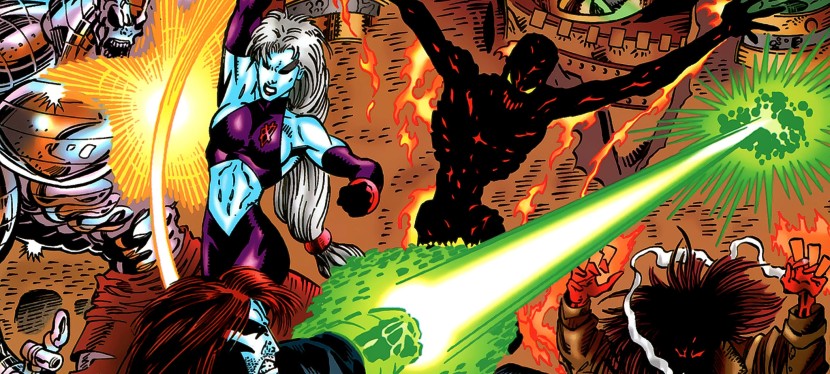
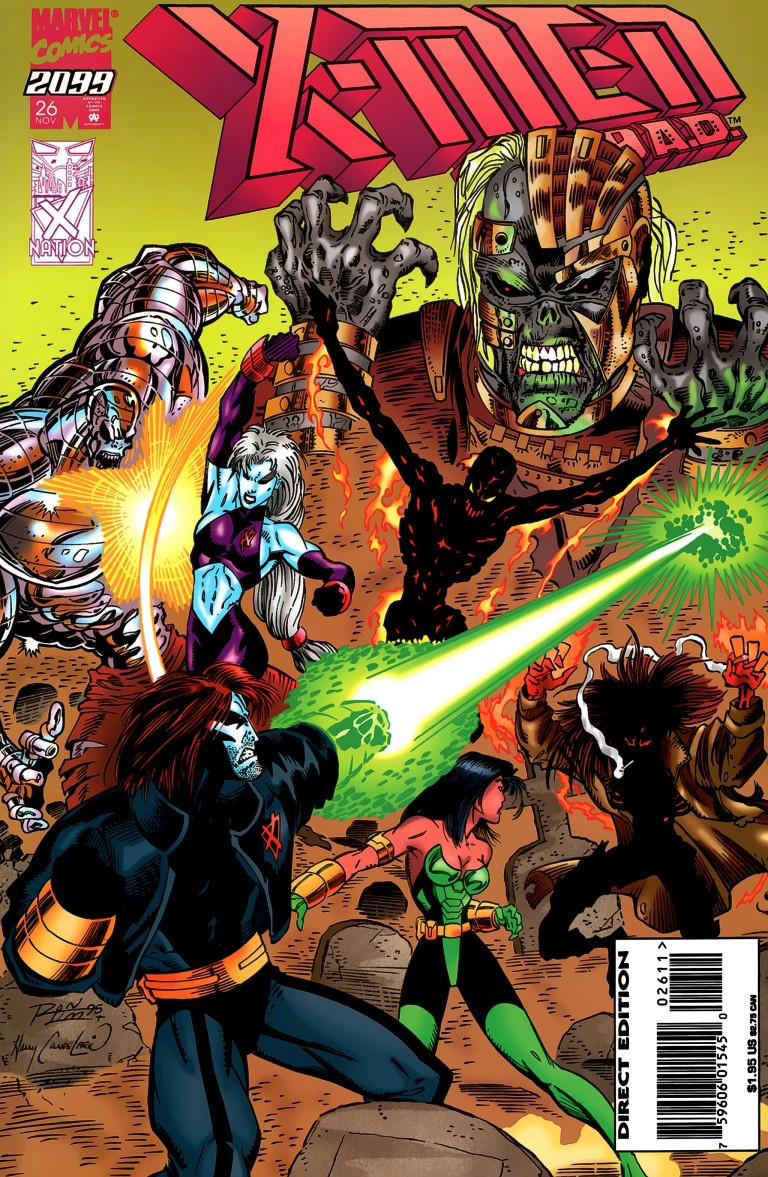
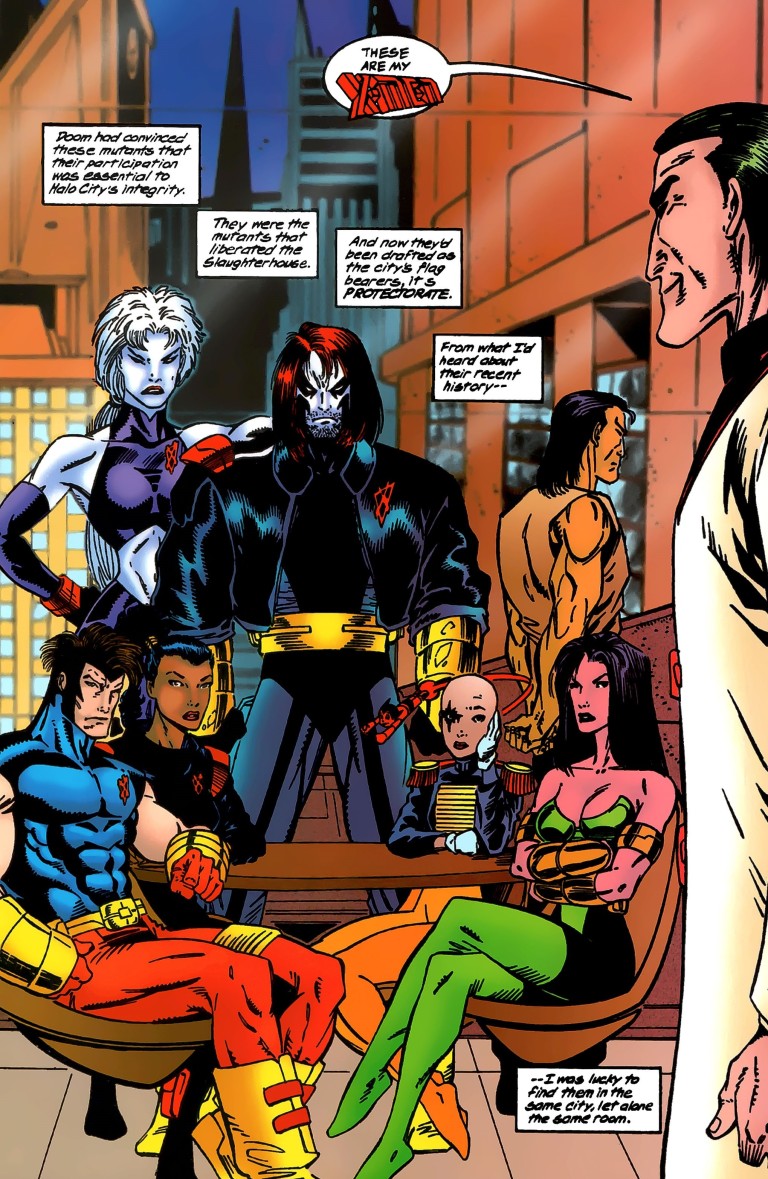
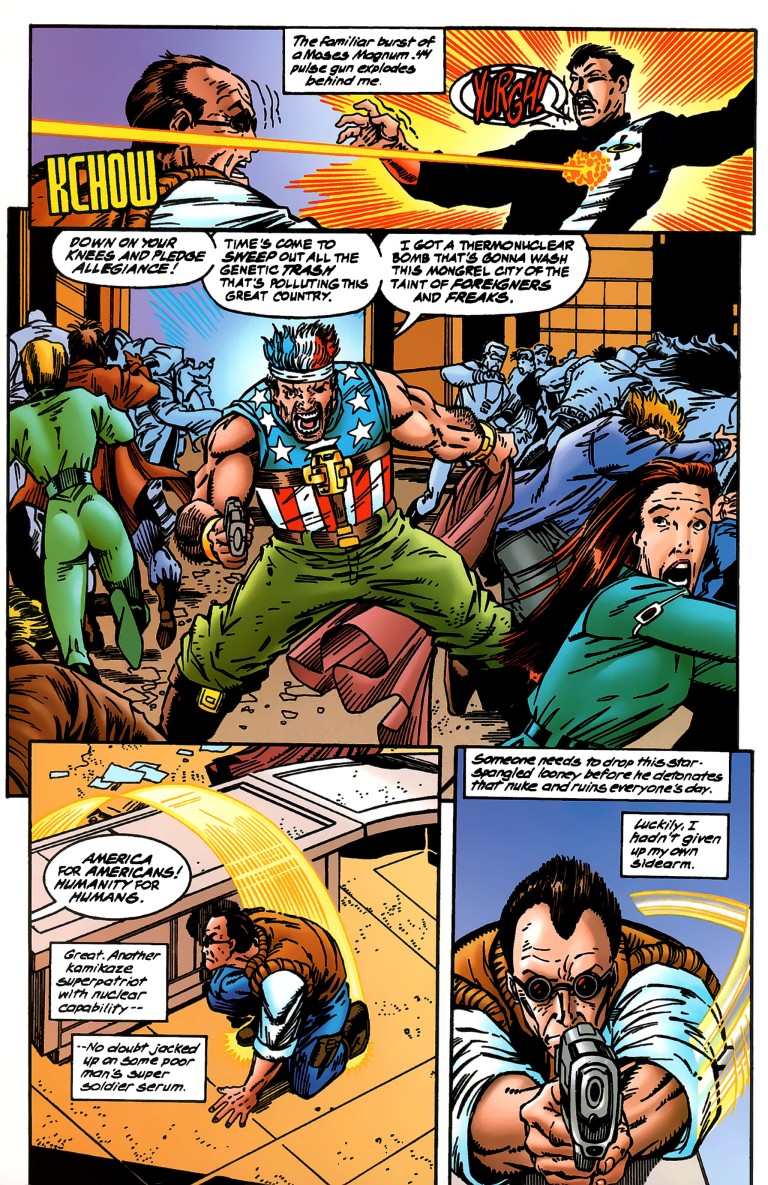
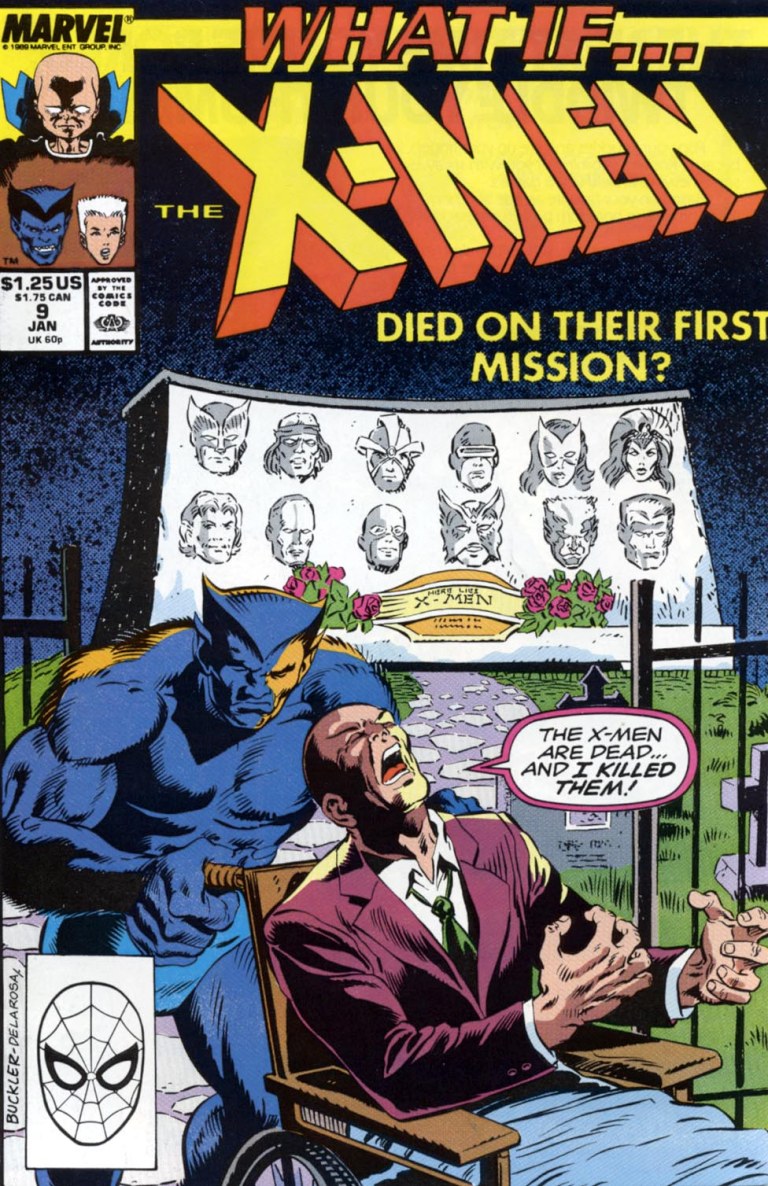


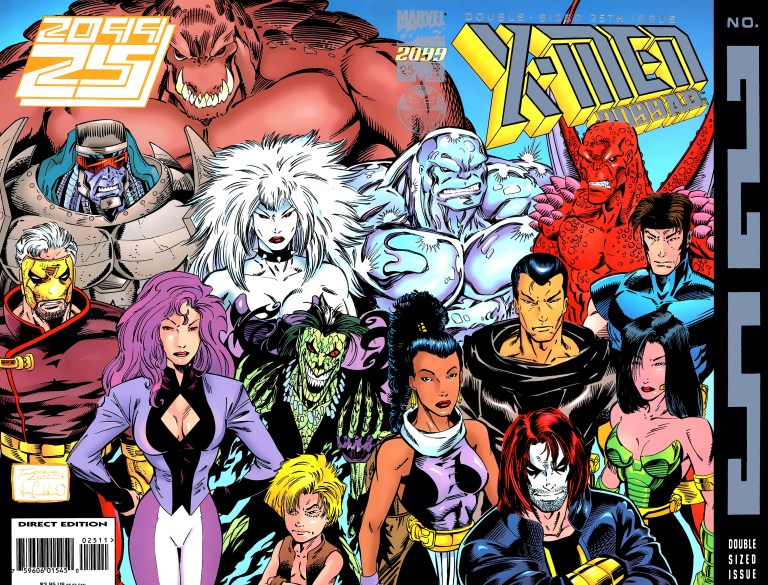
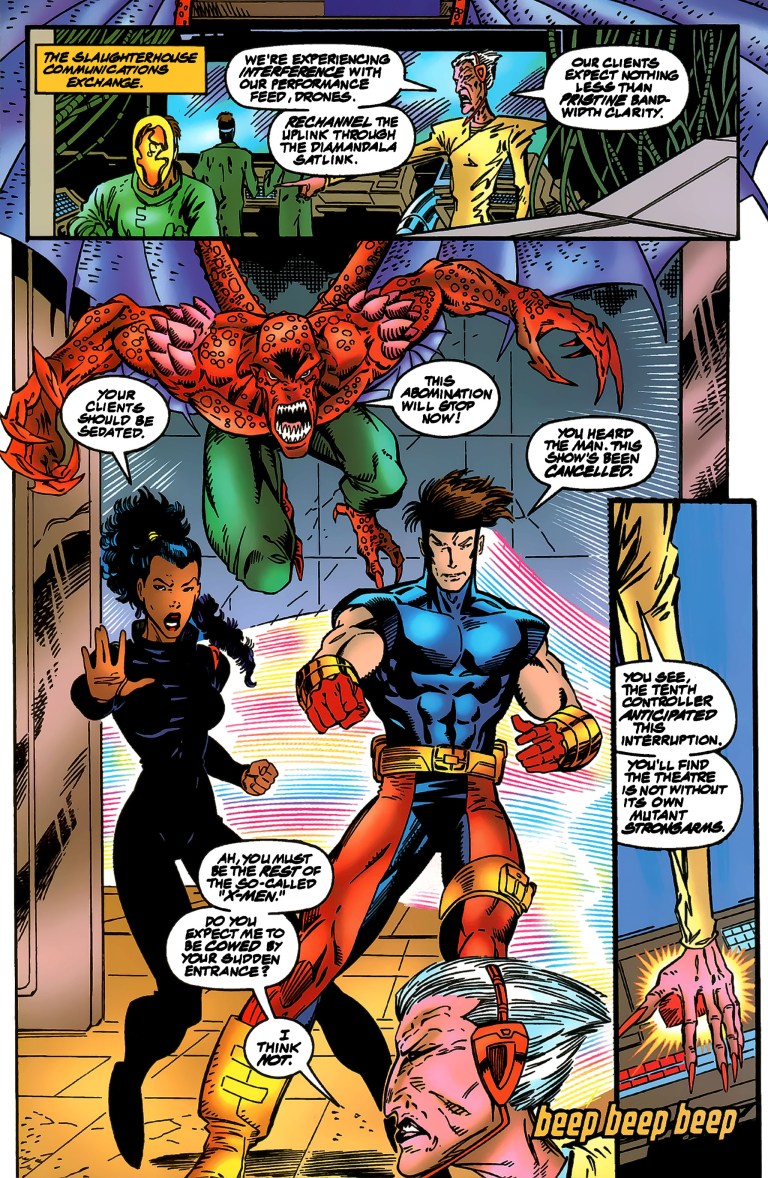
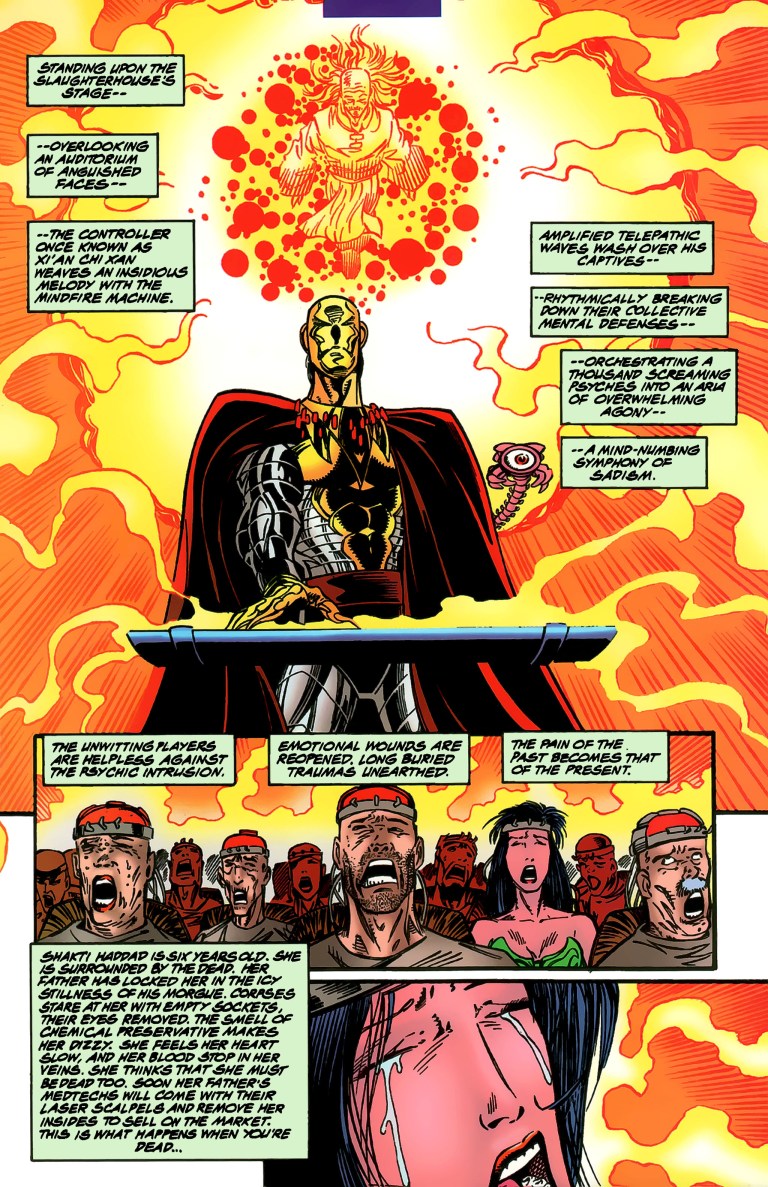
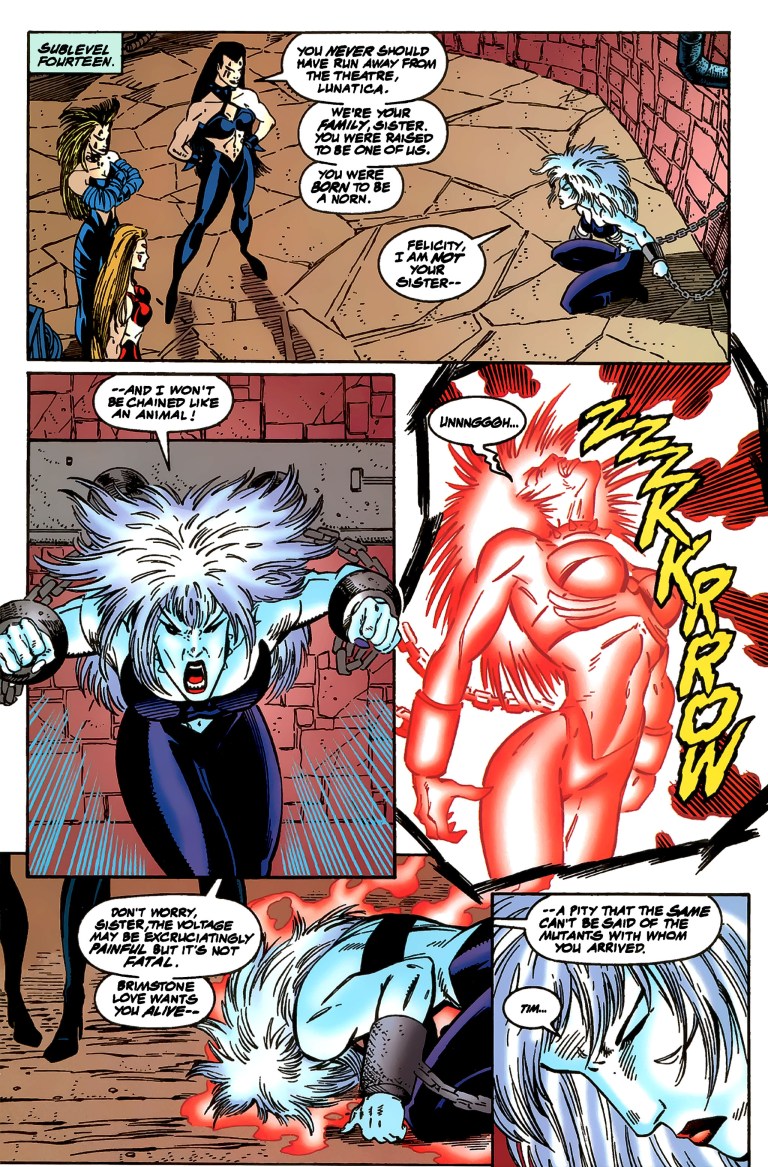
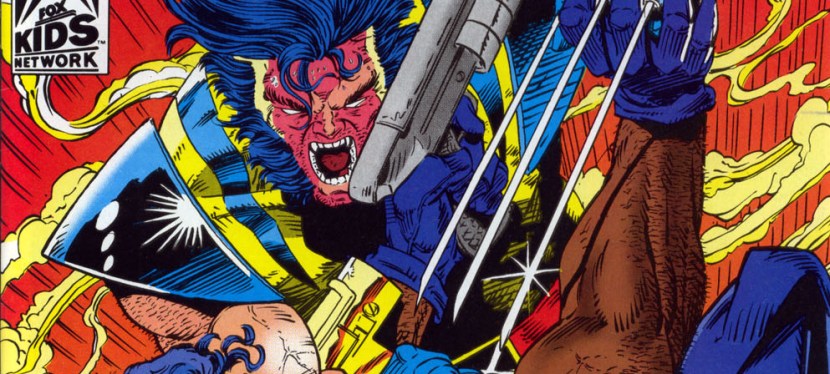
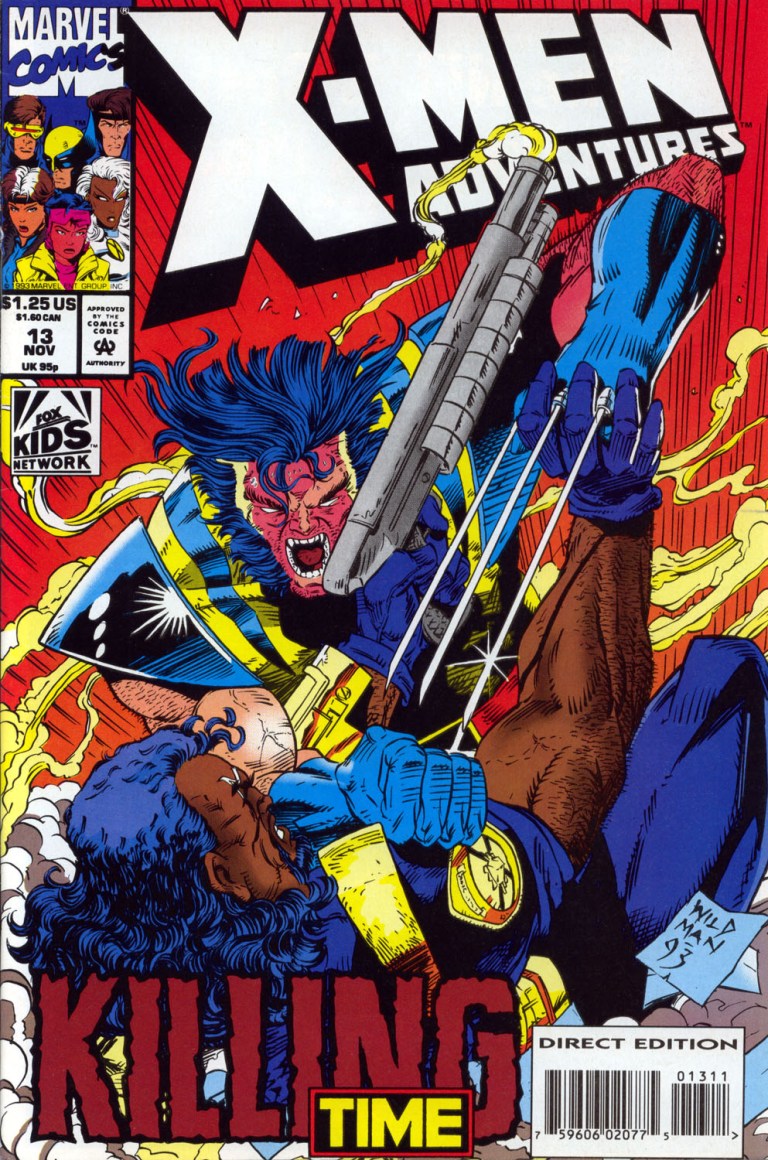




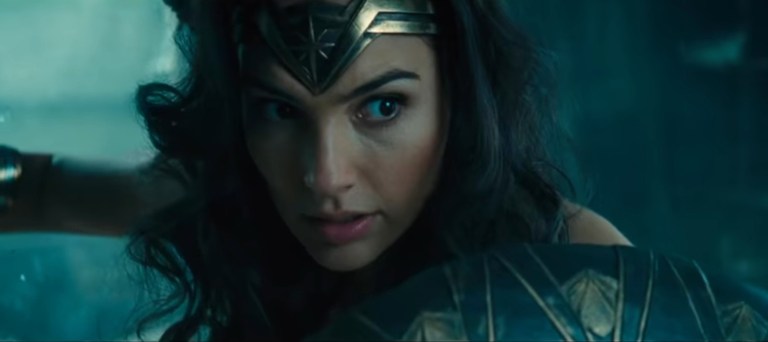
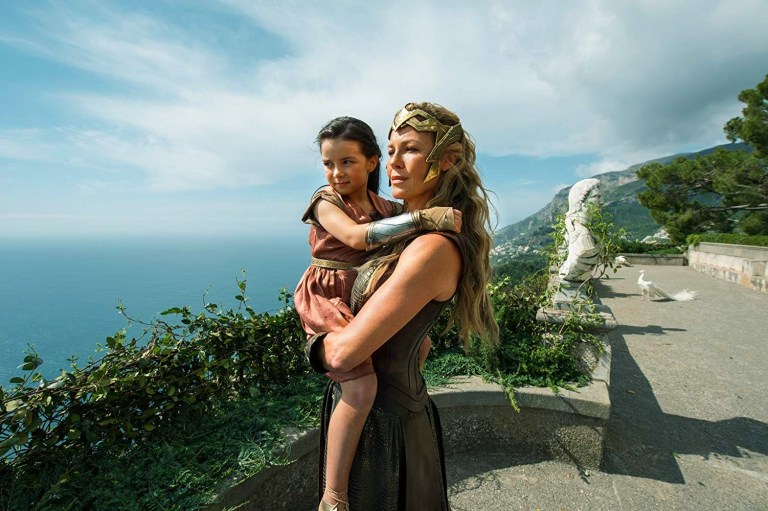
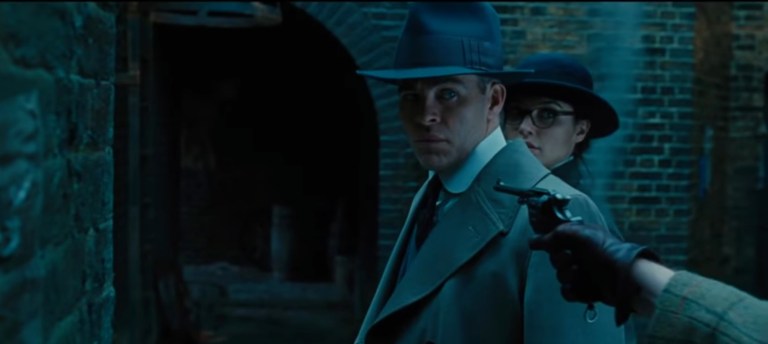
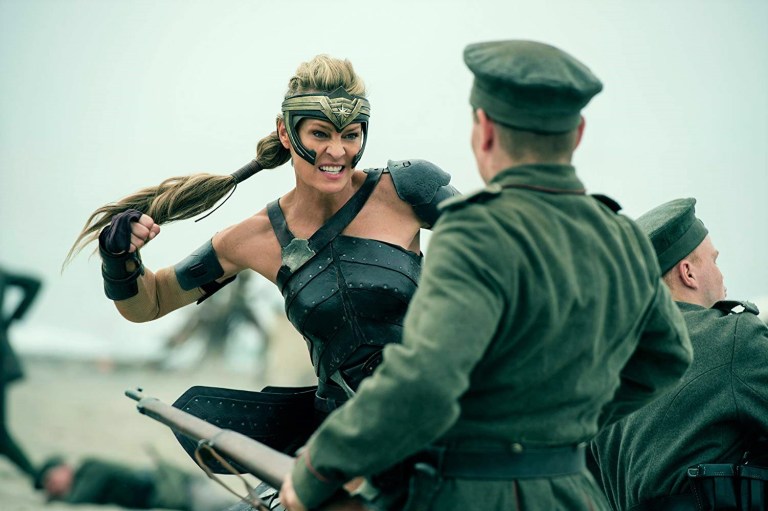

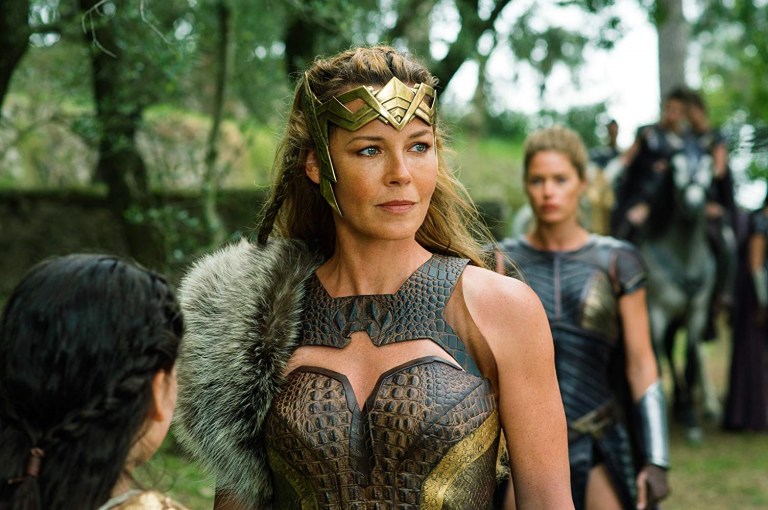

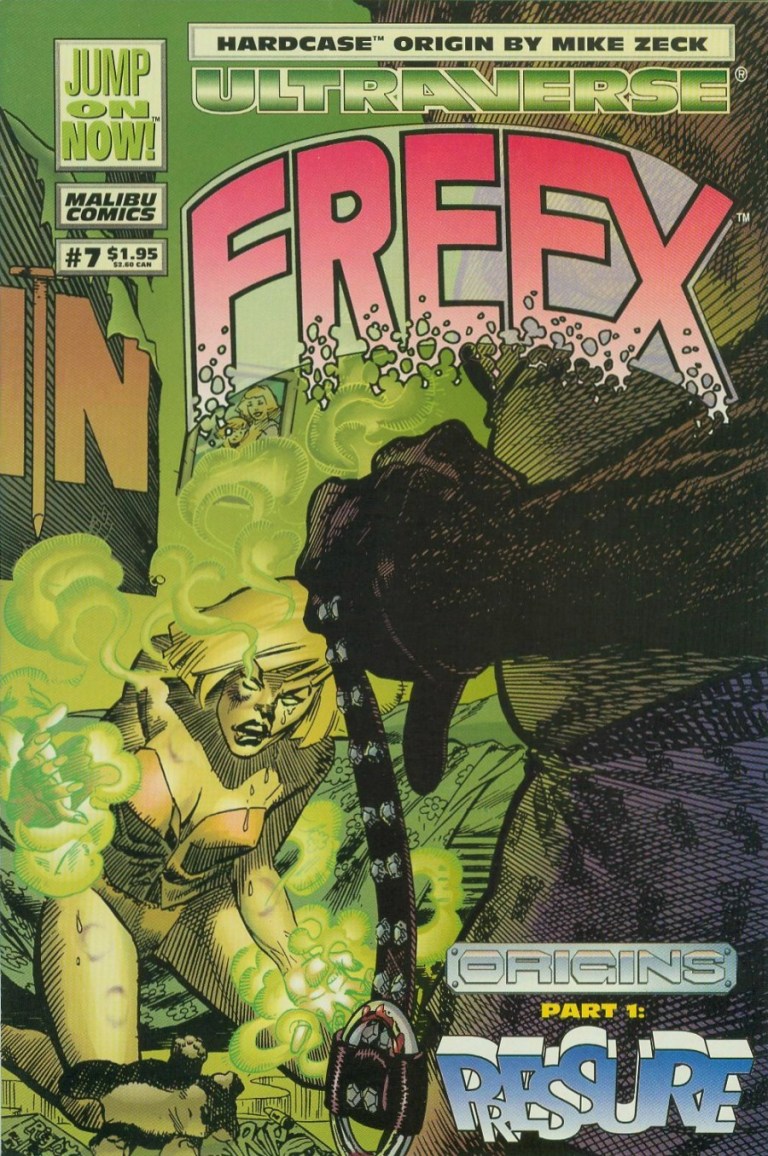


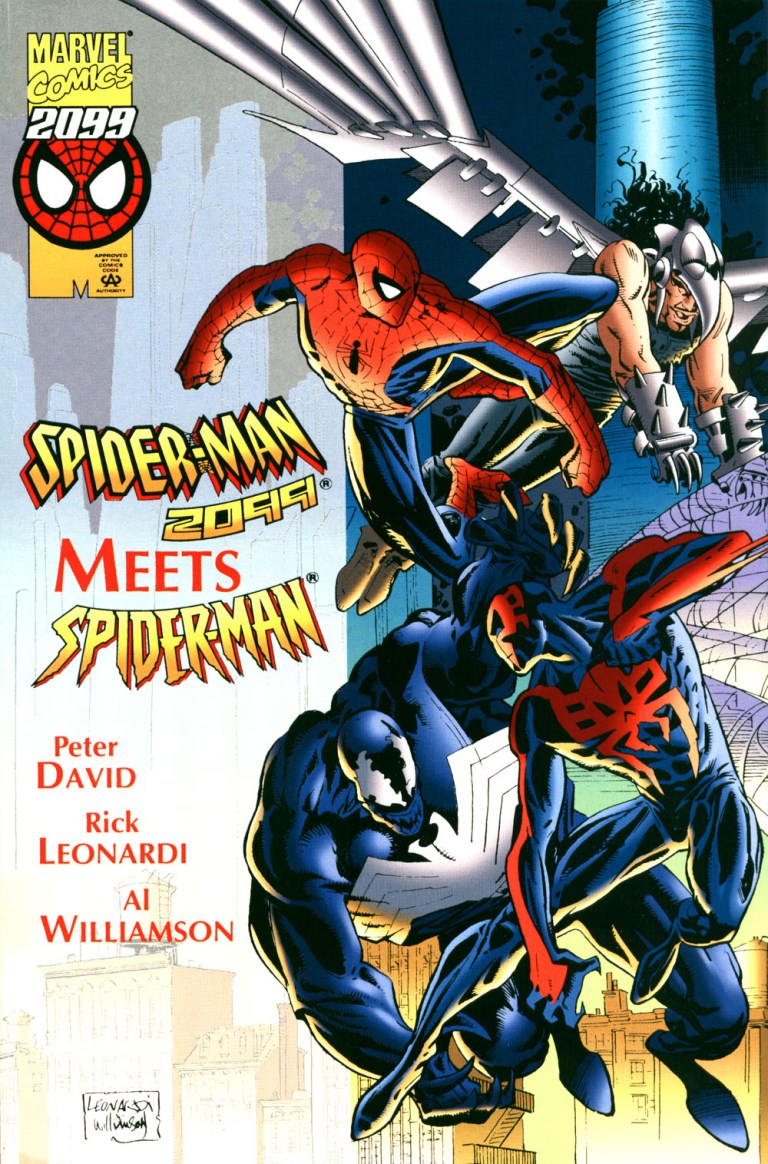

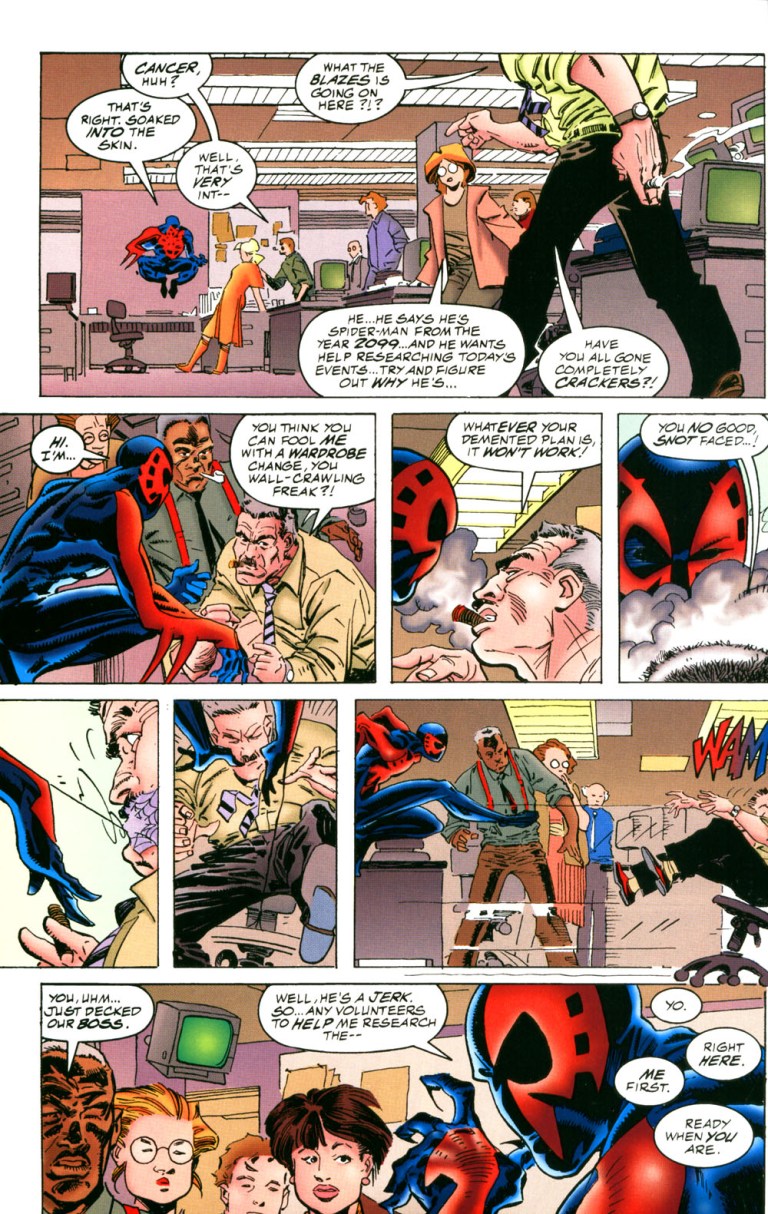
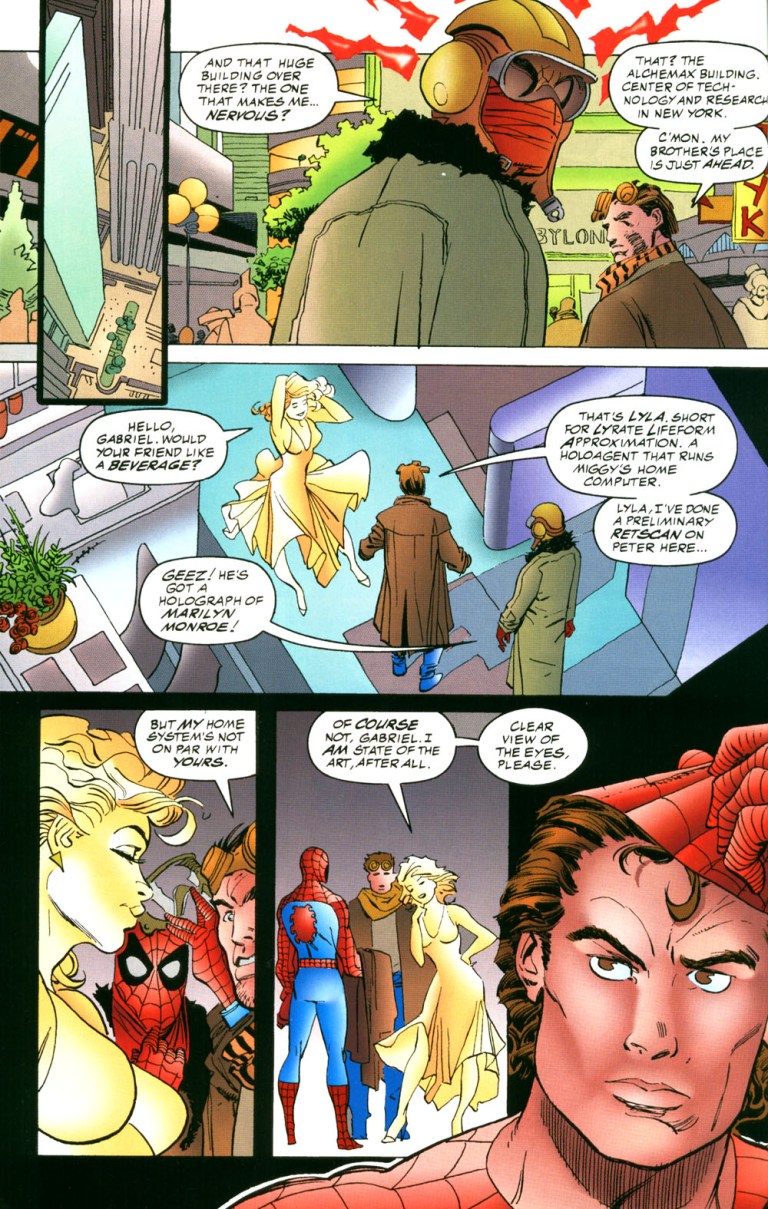
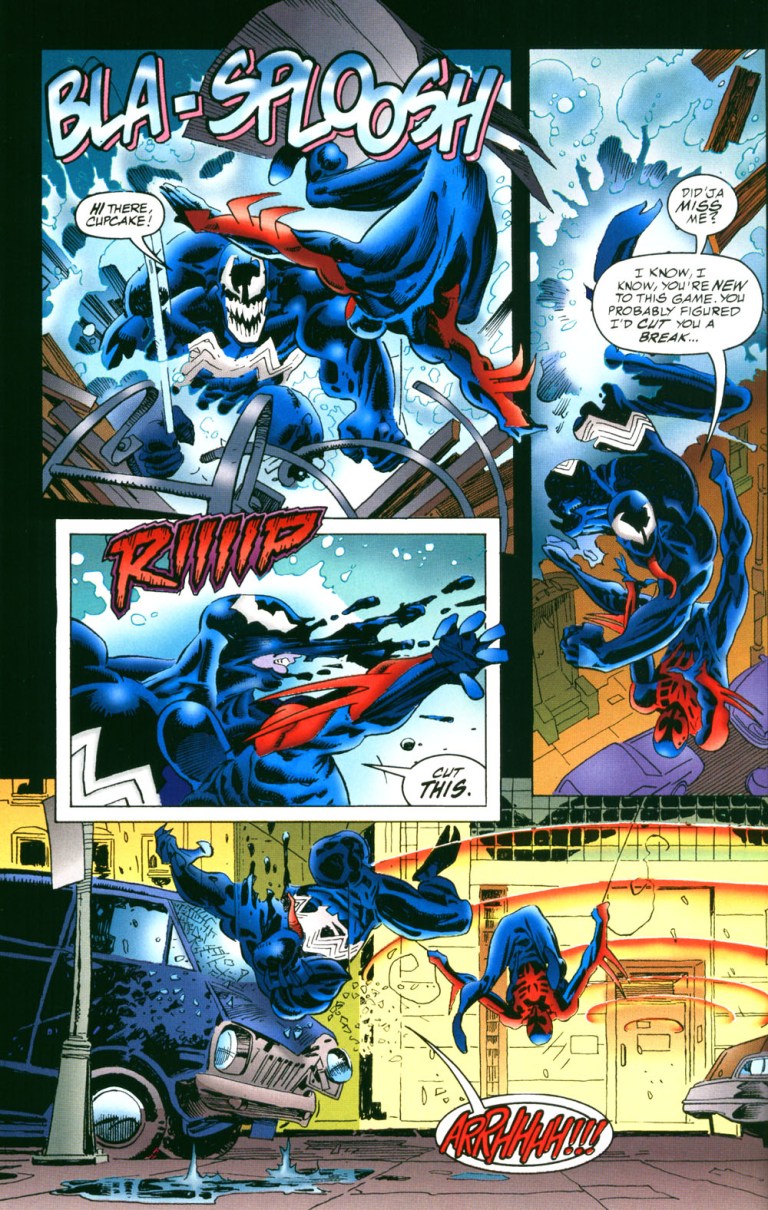
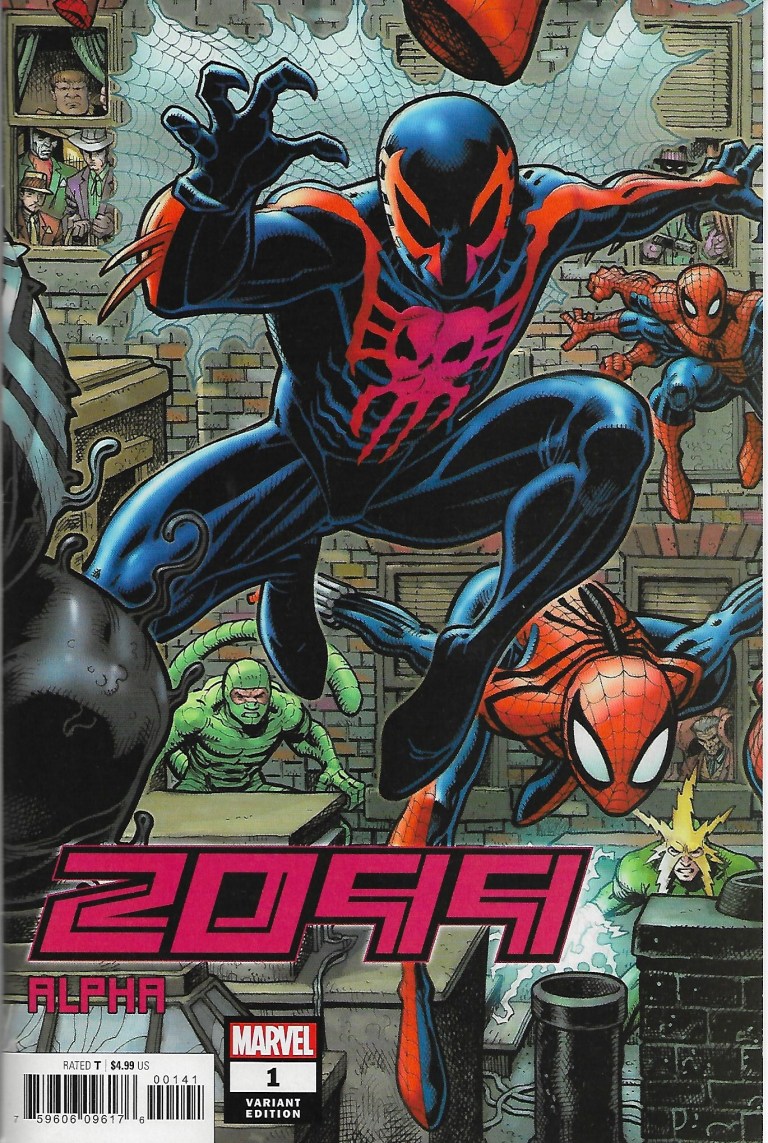
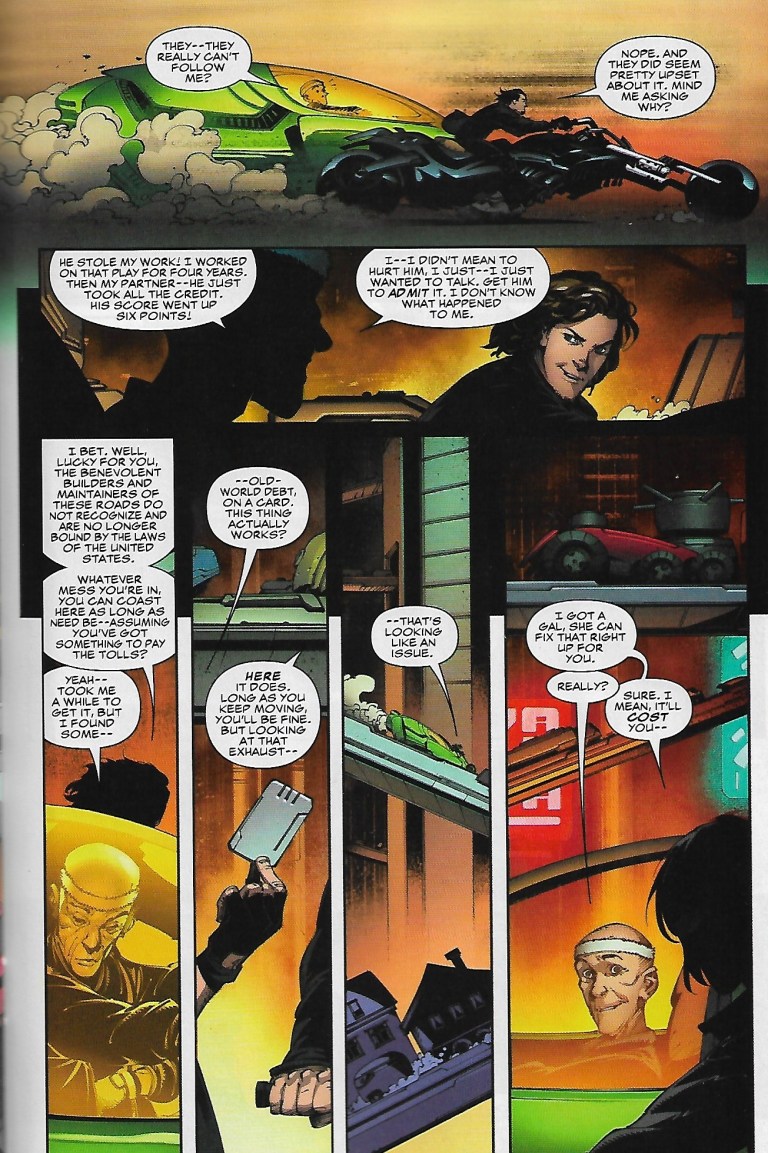
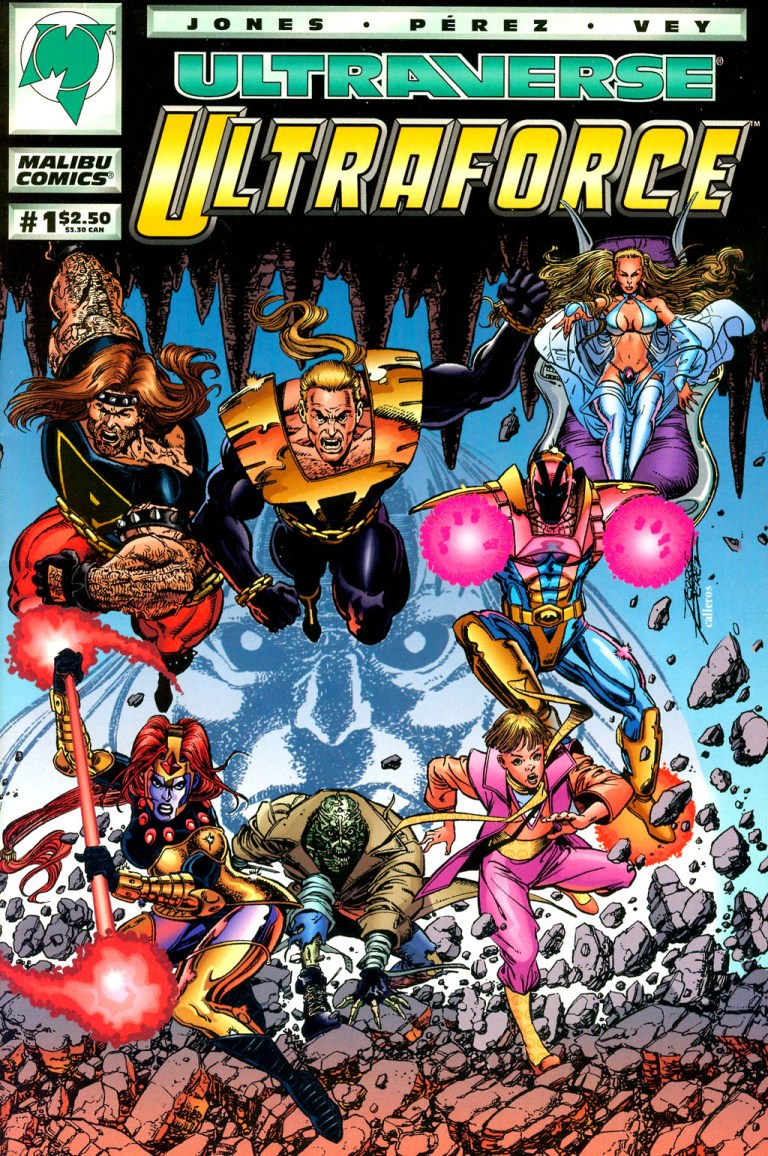



 Author Carlo Carrasco