Disclaimer: This is my original work with details sourced from reading the comic book and doing personal research. Anyone who wants to use this article, in part or in whole, needs to secure first my permission and agree to cite me as the source and author. Let it be known that any unauthorized use of this article will constrain the author to pursue the remedies under R.A. No. 8293, the Revised Penal Code, and/or all applicable legal actions under the laws of the Philippines.
Welcome back superhero enthusiasts, 1980s arts and culture enthusiasts, Marvel Comics fans and comic book collectors! Today we go back to the late 1980s to examine an alternate universe portrayal of Wolverine and S.H.I.E.L.D. told through an issue of the 2ndWhat If comic book series.
While Wolverine has always been identified with the X-Men, the famous mutant spent time with the Canadian team Alpha Flight and his early encounter with the Hulk remains a highly significant chapter of Marvel Comics’ superhero universe.
With those details laid down, here is a look back at What If #7 published in 1989 by Marvel Comics with a story written by Joe Valentino and drawn by Rob Liefeld.
The cover.
Early story
The story begins with the Watcher looking back at Wolverine’s encounter with not only the Hulk but also the Wendigo (as recorded in Incredible Hulk #180 and #181). A short time later, Wolverine is alone in the forest and gets visited by Nick Fury (S.H.I.E.L.D.) and Hudson (Alpha Flight) who arrived by helicopter.
Hudson tells Logan that an agreement has been made to loan him to the United States which prompts a response – Wolverine claims he is nobody’s property and tells Fury to reveal the details.
As it turns out, Wolverine joined Fury at the helicarrier of S.H.I.E.L.D. for a briefing. Fury reveals to him that the internal security of S.H.I.E.L.D. has been breached by an advanced model of Hydra LMDs (life model decoys) and their sensors cannot even detect them. An agent with top security clearance was recently caught trying to transmit classified data. The said agent blew up…
Quality
Wolverine, Nick Fury, Black Widow and some S.H.I.E.L.D. personnel take on Hydra!
I can say that I am very impressed and entertained with what Valentino and Liefeld came up with in this comic book. The story has a pretty strong structure designed to engage readers, pull off some surprises here and there, while also emphasizing the legacy of conflict between S.H.I.E.L.D. and Hydra with efficiency.
With regards to this comic book’s subject matter, Valentino succeeded in exploring the concept of Wolverine becoming an agent of S.H.I.E.L.D. complete with great interactions between the characters. While Wolverine has his ideological differences with Nick Fury, the story went on to show great chemistry between them when S.H.I.E.L.D. operates (with the clawed mutant involved). Wolverine and Black Widow make a solid duo in action and the writer managed to dramatize the conflict between Fury and Baron Strucker (Hydra). For the newcomers reading this, Baron Strucker is Marvel’s super villain with a Nazi heritage and he first appeared in the 1964 comic book Sgt. Fury and his Howling Commandos #5. Strucker here is very intimidating and powerful and Hydra’s use of LMDs symbolically reflect his ruthlessness.
When it comes to the visuals, Rob Liefeld’s art here is really great to look at and it truly is one of the best looking Marvel comics I have read with his artwork as well as the most distinctive looking What If story. Great not only because of his stylized take on the established characters (note: the Hulk and Wendigo looked very visceral) but also because Liefeld truly brought Valentino’s solid script into life from start to finish. The action scenes drawn were excellent, the facial expressions were lively and detailed to look at (note: Wolverine’s got some very visceral faces here) and most of all, Liefeld managed to make the established characters look recognizable.
Conclusion
Really nice action of Wolverine and Black Widow against many drawn by Rob Liefeld.
Thanks to Jim Valentino and Rob Liefeld’s combined works, What If #7 (1989) is a great comic book and easily one of the best tales of the 2nd volume of What If that I have ever read. The way it emphasized Wolverine as an agent of S.H.I.E.L.D. was highly imaginative, compelling and fun to read from start to finish. There is so much enjoyable stuff here that should appeal strongly to fans Wolverine, Nick Fury and S.H.I.E.L.D. In retrospect, this comic book was published just a few years before Valentino and Liefeld left Marvel Comics to establish Image Comics and right here you will see the great creativity from their younger days. Lastly, I can say that this What If tale has a strong conclusion which should compel you to read specific Marvel comic books to realize the connections
Disclaimer: This is my original work with details sourced from reading the comic book and doing personal research. Anyone who wants to use this article, in part or in whole, needs to secure first my permission and agree to cite me as the source and author. Let it be known that any unauthorized use of this article will constrain the author to pursue the remedies under R.A. No. 8293, the Revised Penal Code, and/or all applicable legal actions under the laws of the Philippines.
Welcome back superhero enthusiasts, 1980s arts and culture enthusiasts, Marvel Comics fans and comic book collectors! Today we go back to the early 1980s and examine an alternate universe portrayal of Wolverine and some other characters as told in one of the comic books of the first volume of the series What If.
Wolverine is one of the most iconic characters of Marvel Comics and he has been part of some of my retro reviews (click here, here, here, here, here, here and here). Wolverine made his first appearance in comics in Incredible Hulk #181 which was published way back in 1974 which marked the first conflict of the two Marvel icons. Years later, Marvel decided to revisit that event with a What If story.
With those details laid down, here is a look back at What If #31 published in 1982 by Marvel Comics with a story written by Rick Margopoulos and drawn by Bob Budiansky.
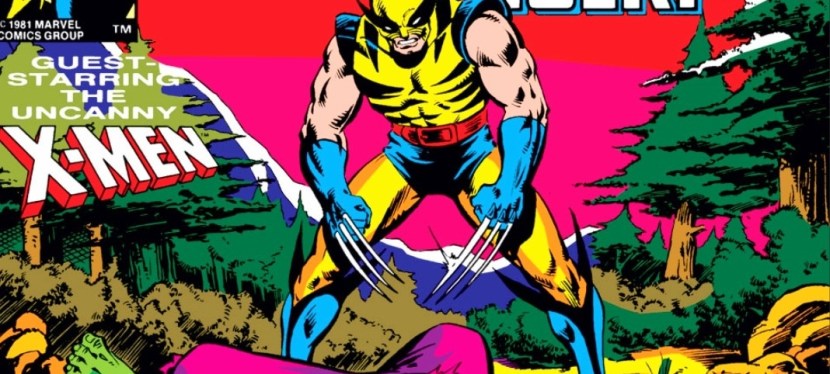
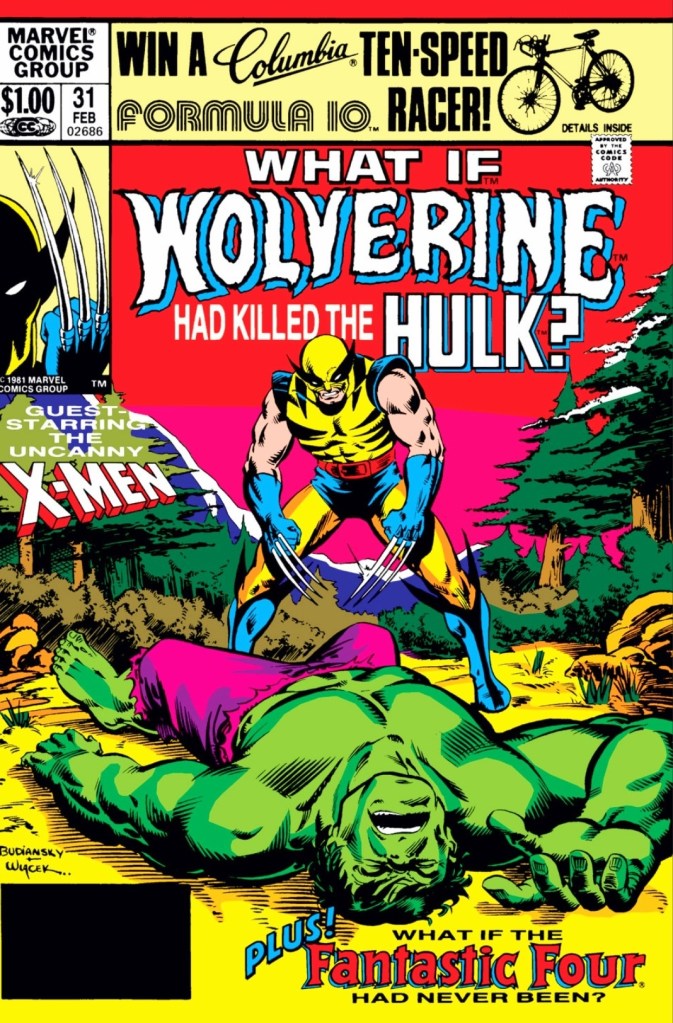
The cover.
Early story
The story begins with Wolverine and the Hulk in combat with each other in a forest within Canada. It turns out, Wolverine was sent by Canadian authorities to capture not just the Hulk but also the Wendigo.
With the Wendigo down on the ground, Wolverine and the Hulk struggle with each other. The Canadian’s speed helped him dodge the green giant’s powerful punches and as the fight goes on, so does the impulse and emotion from within. Suddenly, Wolverine decides to deliberately disobey his orders by deciding to kill the Hulk. In a few but strategic strikes with his Adamantium claws, Wolverine kills the Hulk. The Canadian authorities eventually got rid of the corpses of the Wendigo and the Hulk.
Soon enough, news about the Hulk’s death spread like wildfire all over America catching the attention of Spider-Man, the Avengers, the Fantastic Four and General Ross and his daughter Betty…
Quality
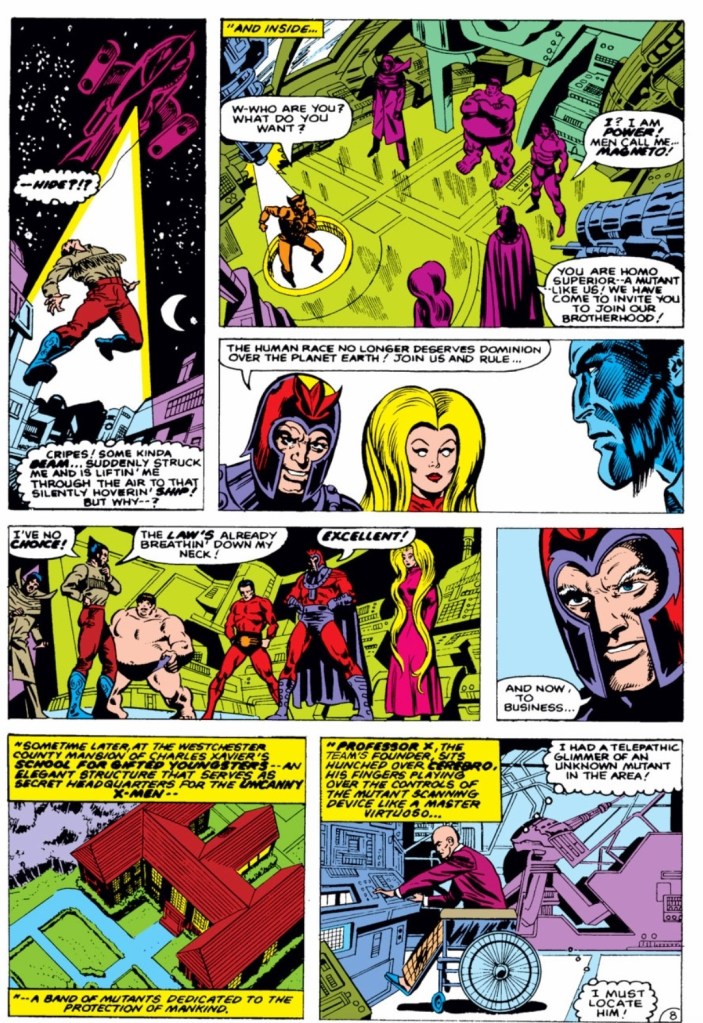
Wolverine gets abducted not by aliens from outer space but by Magneto and his Brotherhood of Evil Mutants.
To start with, I can say that I immensely enjoyed this alternate portrayal of the events that happened in relation to Wolverine’s first-ever appearance in comics. For one thing, the concept of Wolverine actually killing the Hulk is not only shocking on its own, it also set a chain reaction of events that involved or affect a whole lot of other characters within the Marvel Comics shared universe.
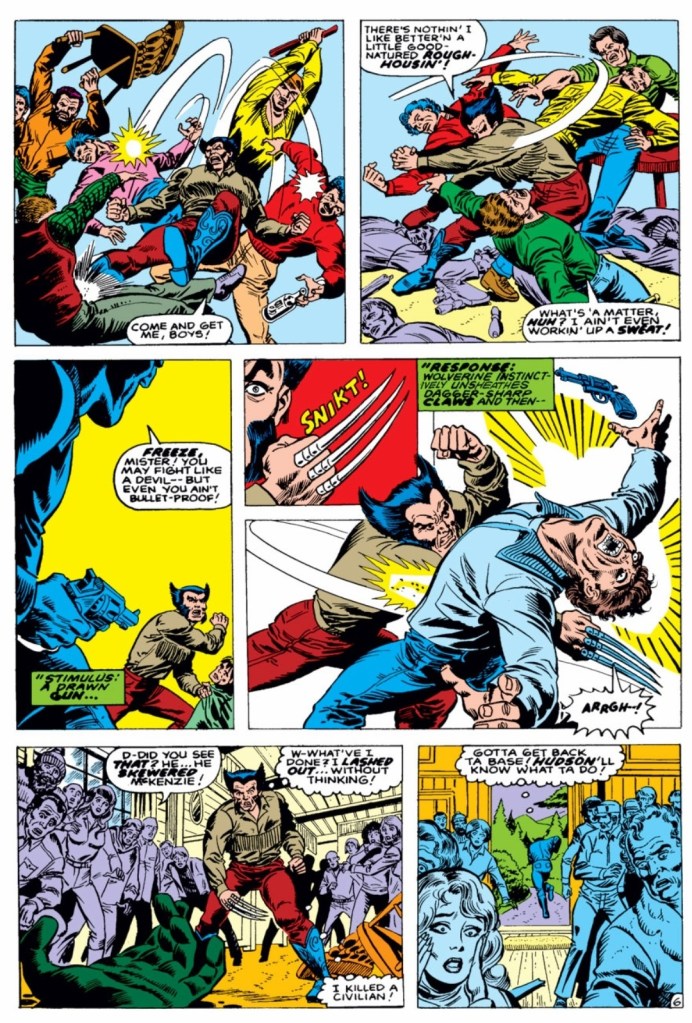
Let me start with Wolverine himself. As the story was set before he joined the X-Men, you will see Wolverine as a super-powered agent of Canada whose career really goes down as he failed to restrain his wild self from killing not once but twice. This results in a Wolverine who is deeply troubled with guilt and becomes desperate believing that running away and hiding will somehow solve his dilemma.
Wolverine’s entry into a gang of evil mutants led by Magneto (note: this comic book’s main villain) is itself worth getting this comic book. This shows Magneto – always obsessed with his belief that mutants are superior to humans – putting his diabolical plan into action with Wolverine as the key participant. This itself led to Wolverine’s encounter with the X-Men (the one team he was destined in reality to be with).
The creative team clearly exerted a lot of effort to not only ensure the plot made sense but also have a solid structure that can accommodate twists, intrigue and superhero spectacle altogether complete with enough room for character development. Lastly, I should say that this comic book’s climax is both compelling and shocking to read.
Conclusion
Wolverine’s 2nd kill in this comic book.
What If #31 (1982) is indeed a great Marvel comic book to read. It has a very engaging alternate universe portrayal of Wolverine and this paved the way for a new and fresh approach on showcasing how the X-Men and Magneto’s gang reacted with the clawed Canadian. While the scope of the consequence of Wolverine’s killing of the Hulk ultimately ending up narrowing on Marvel’s mutants could be disappointing for those who seek a bigger impact on other Marvel universe characters, what was shown here in this comic book still made sense and ultimately turned out believable. This comic book also has another tale exploring what if there was no Fantastic Four which ultimately ended up as a decent additive.
Overall, What If #31 (1982) is highly recommended.
Disclaimer: This is my original work with details sourced from reading the comic book and doing personal research. Anyone who wants to use this article, in part or in whole, needs to secure first my permission and agree to cite me as the source and author. Let it be known that any unauthorized use of this article will constrain the author to pursue the remedies under R.A. No. 8293, the Revised Penal Code, and/or all applicable legal actions under the laws of the Philippines.
Welcome back, superheo enthusiasts, 1990s culture enthusiasts, X-Men fans and comic book collectors! Today we revisit the X-Men Adventures monthly series which was the literary adaptation of the popular X-Men animated series of the 1990s.
Today is my review about the 15th and final issue of the X-Men Adventures adaptation of episodes of the 1st season of the popular animated series. The comic book at hand was the literary translation of the 13th episode and final episode of season one which was broadcast in March 1993.
With those details laid down, here is a look back at X-Men Adventures #15, published by Marvel Comics in 1993 with a story written by Ralph Macchio and drawn by Andrew Wildman.
The cover.
Early story
The story begins somewhere in Manhattan where a riot is happening. It turns out that multiple riots have occurred as a result of the of the recent kidnapping of United States Senator Robert Kelly who established himself as the nation’s most prominent anti-mutant public figure.
Deep inside their headquarters, the X-Men watch live news footage of the riot. Even though they were not involved in the kidnapping of Senator Kelly, Charles Xavier and his team are concerned that mutants like them will still be held responsible. The leader tells his team that they must find the missing senator quickly before the wave of intolerance affects all of them mutants. Xavier then starts using Cerebro which he programmed to search for any distortions in the magnetic field of planet Earth.
Elsewhere, inside a vessel that got shipwrecked along the Atlantic seaboard, Magneto has Senator Kelly as his captive. He tells the politician that he holds the key to the future and that they are in agreement that man and mutant cannot co-exist peacefully. For Magneto, the war for dominance must begin as humans remain weak and divided. Suddenly, a huge Sentinel breaks into the place…
Quality
The X-Men, Professor and Magneto.
Being the conclusion of the monthly series based on season one of the X-Men animated series, this comic book’s story packs a lot of stuff, intrigue and some memorable character moments. Thematically, the story emphasizes absolute power, intolerance and instability which got dramatized carefully as the narrative progressed.
For the X-Men, the pressure is tremendous as the stakes have gotten so high not just for them but for all mutants as a population. To fail to save the kidnapped Senator Kelly would cause society to become even more hostile to mutants which could compel the federal government to declare a state of emergency. Complicating matters here is Magneto’s obsession with power in connection with his biggest obsession that mutants are essentially superior over humans and that societies will be reformed – even with violence involved – accordingly. Adding even more the complexity of the situation are the presence of government, technology handlers backed by private financiers, and the one gigantic machine (that produces new Sentinels) that becomes self-aware.
The good news here is that the story is very well written, the narrative does not lose focus and the creative duo of Macchio-Wildman managed to craft a tale that consistently remained engaging complete with ensuring sufficient superhero spectacle for entertainment. As expected, the pay-offs executed for all the build-ups proved to be highly satisfying.
When it comes to characterization, everyone here acts and talks as expected. The team dynamics of the X-Men here make for a cerebral reading experience especially when they have these intense private meetings trying to solve their problems and anticipate what would happen next. The dialogue, filled with varied details, are richly written and yet easy to follow. I should state that having the Sentinels as a force of opposition under the control of a rogue AI added a lot to the stakes involved in the plot. The portrayal of machines acting superior over humans proved to be a unique parallel to the humans-mutants conflict.
Conclusion
The fictional US Senator Robert Kelly in trouble in the presence of Magneto and a Sentinel.
X-Men Adventures #15 (1993) is not only a worthy conclusion to the monthly series based on animated series’ season one episodes. It is indeed the best comic book of the said series that I have read thanks to the great adaptive works of the Macchio-Wildman team. The story had these very high stakes raised and ultimately the pay-off to all the build-up were great resulting in great satisfaction on my part as a reader. At the same time, there are certain key plot elements and character elements here that eventually made their way into the first X-Men live-action movie of 2000. The core story is the clear feature while the bonus pin-up section was the fun additive. This comic book is a must-have!
Overall, X-Men Adventures #15 (1993) is highly recommended!
It has been days since Alert Level 3 was officially implemented all over Metro Manila which allowed for the reopening of several businesses and allowing them to accommodate more customers as the limitations on capacity were modified. Among the businesses authorized by the to reopen were the cinemas or movie theaters although the actual reopening has yet to happen. In fact, I passed by the cinemas at a local mall I visited this past Sunday and I saw they were still closed. Take note that there were attempts to push for reopening Metro Manila cinemas (click here, here and here).
As the reopening is still pending, there is this Manila Bulletin article about local cinemas will strictly implement health protocols. To put things in perspective, posted below is an excerpt plus a few relevant videos about safety and reopening. Some parts in boldface…
Cinemas and movie houses in the Philippines will strictly implement health protocols when these establishments reopen soon.
The Inter-Agency Task Force (IATF) put Metro Manila under Alert Level 3 and allowed the reopening of cinemas with restrictions. Only fully vaccinated people will be admitted and seating capacity will be limited to 30 percent.
The actual date of reopening of cinemas is still subject to confirmation and the public is advised to wait for further announcement, according to the Cinema Exhibitors Association of the Philippines (CEAP).
Cinemas in Metro Manila have been closed for 19 months due to the ongoing coronavirus disease (COVID-19) pandemic.
“That is the main goal right now,” said CEAP Charmaine Bauzon. “We have devoted the past 19 months of cinema closure identifying solutions and precautions based on science. We will implement these measures to confidently welcome back movie fans to cinemas and send them home safe.”
Cinemas are safe spaces
Bauzon assured “the public that cinema is a safe place. In fact, LGUs [local government units] have converted some theaters into vaccination centers, and no super-spreading were ever reported, even though people waited inside for hours.”
CEAP cited a recent study in Germany which concluded that cinemas are safer than almost any other indoor environment as long as safety guidelines are followed like wearing face masks, physical distancing and proper air ventilation.
The German study considered the following factors in its conclusion: People spend an average of only two hours at a cinema; people inside the cinema simply sit down and face the same direction which is known to reduce transmission risks; and people are not talking to each other during a movie, which minimizes possibility of infection.
Cinemas to strictly impose all safety protocols
According to CEAP, besides adhering to the IATF-mandated health standards, it also developed the “Sa Sine Safe Ka” protocols patterned after the “CinemaSafe” measures set by America’s National Association of Theatre Owners (NATO) and endorsed by epidemiologists.
I personally support the reopening of cinemas not just because I love watching movies in them but also because cinemas and their employees can contribute a lot to the economic recovery from this COVID-19 crisis we are all living with. When it comes to viewing movies in the comfort of home, I prefer Blu-ray over streaming anytime. Still the very best way to enjoy movies in their full glory is still inside the cinema! I can never forget the day I first saw Wonder Woman (2017) in the IMAX cinema at SM Southmall which was really an immersive experience. I even replayed that same movie in another cinema which had lazy boy seats. I also saw Logan, Godzilla: King of the Monsters, Avengers: Endgame, Aquaman and X-Men: Dark Phoenix on IMAX screens in different cinemas. When it comes to regular cinemas, I viewed Write About Love, Shazam!, and Joker to name some. Eventually I got to watch these movies in the comfort of home mainly on Blu-ray (which is always better than streaming) but I can confirm to you all that in my experience, the best place to view movies is still the cinema!
This iconic scene was at its grandest only in the cinema and I was fortunate to watch it on IMAX format!
The immersion of Aquaman on the big screen inside the IMAX cinema was indeed top-notch.
The good news here, as revealed in the excerpt above, is that local cinemas will exert efforts to make their venues clean and safe as their inevitable customers will be those who have been fully vaccinated. Cinema viewing will be far from normal but the latest developments related to Alert Level 3 are very welcome as it is the first step to returning to normalcy as the nation deals with community management and vaccinations for COVID-19. Above all, I urge all of you fully vaccinated people of Metro Manila and around the nation reading this – support the local cinemas! Put a stop to streaming and take the opportunities to watch movies in the movie theater because that streaming will NEVER match the grandeur and immersion of the cinema! The cinema is always better than streaming!
Let me end this piece by asking you readers: Are you eager to watch a movie inside the cinema here in Metro Manila as soon as it reopens? Have you been fully vaccinated already? What upcoming movies do you hope to watch in the local movie theater? Have you been following the CEAP on social media lately? Do you think that the top officials of the Metro Manila Council (MMC) and the Metropolitan Manila Development Authority (MMDA) really care about the plight of the cinema operators and their employees?
Thank you for reading. If you find this article engaging, please click the like button below and also please consider sharing this article to others. If you are looking for a copywriter to create content for your special project or business, check out my services and my portfolio. Feel free to contact me as well. Also please feel free to visit my Facebook page Author Carlo Carrasco and follow me at HavenorFantasy@twitter.com
For more South Metro Manila community news and developments, come back here soon. Also say NO to fake news, NO to irresponsible journalism, NO to misinformation, NO to plagiarists, NO to reckless publishers and NO to sinister propaganda when it comes to news and developments. For South Metro Manila community developments, member engagements, commerce and other relevant updates, join the growing South Metro Manila Facebook group at https://www.facebook.com/groups/342183059992673
Disclaimer: This is my original work with details sourced from reading the comic book and doing personal research. Anyone who wants to use this article, in part or in whole, needs to secure first my permission and agree to cite me as the source and author. Let it be known that any unauthorized use of this article will constrain the author to pursue the remedies under R.A. No. 8293, the Revised Penal Code, and/or all applicable legal actions under the laws of the Philippines.
Welcome back, superhero enthusiasts, comic collectors, 1990s culture enthusiasts and fans of Marvel Comics! Way back in 1981, Marvel Comics had a successful comic book series launch with Dazzler #1 (read my retro review by clicking here) which sold over 400,000 copies and further sealed Dazzler as an advantageous addition for the company’s superhero comics franchise. Dazzler, a creation of a deal between Marvel and a certain record company, debuted in Uncanny X-Men #130 and got involved with the X-Men until Uncanny X-Men #131. Dazzler appeared with Marvel’s famous webslinger in Amazing Spider-Man #203.
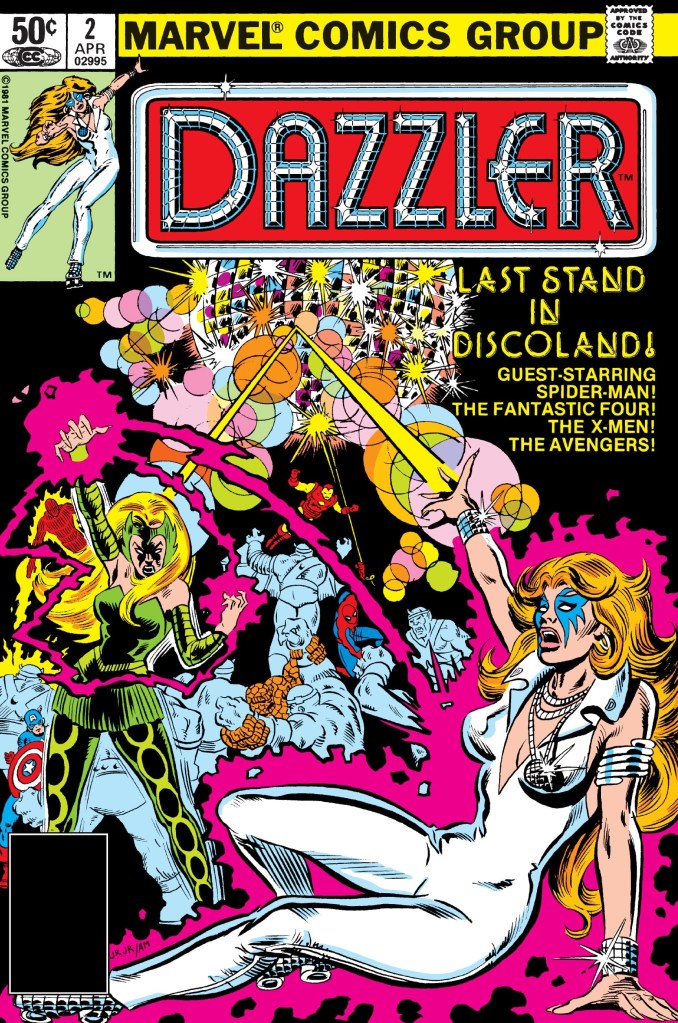
Dazzler #1 ended with a brewing rivalry between the title character and Enchantress. With those laid down, here is a look back at Dazzler #2, published in 1981 by Marvel Comics with a story written by Tom DeFalco and drawn by John Romita, Jr.
The cover.
Early story
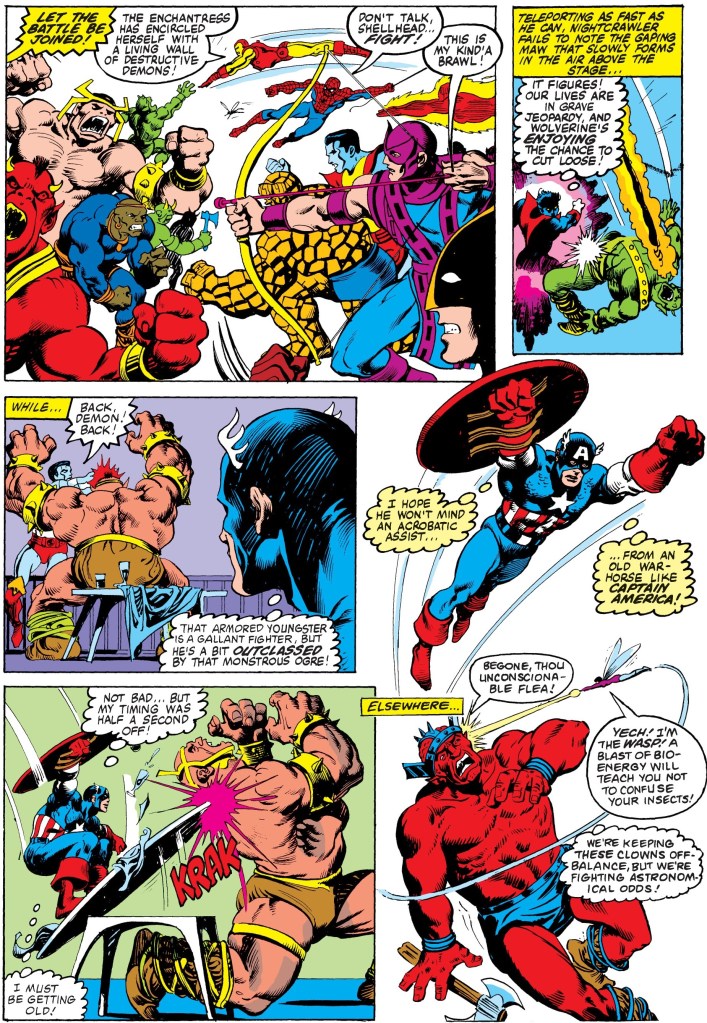
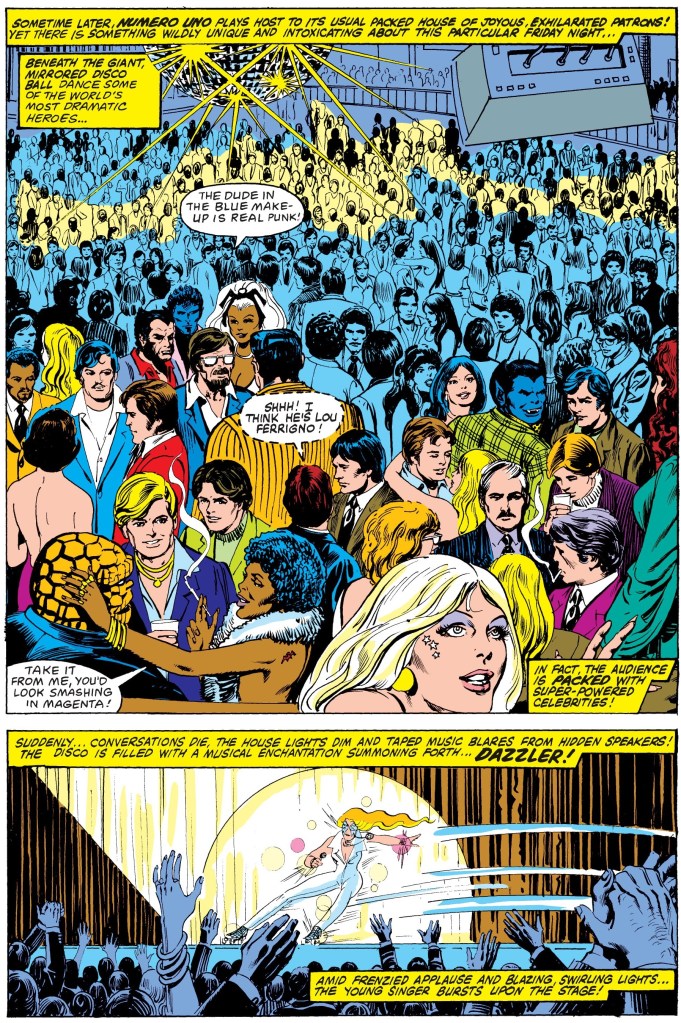
The story begins with Dazzler preparing for her big show at Numero Uno, a prestigious disco in the city of New York. Just before the show starts, a huge crowd of people are in attendance and among them are Wolverine, Peter Parker (Spider-Man), Captain America, Johnny Storm, Ben Grimm and Tony Stark (Iron Man) to name some.
Just as Dazzler appears on-stage and draws a frenzied applause from the audience, the revenger-hungry Enchantress slowly makes her moves to ruin the lady who outclassed her to be the main attraction of the club. Even with her desire for revenge, the Enchantress decides to use her magic sparingly on Dazzler. In the audience, Peter Parker/Spider-Man begins to sense something is about to happen…
Quality
This shows what this comic book is really about.
The way the story was told is disappointing. This is because the spotlight on Dazzler and her anticipated conflict with the Enchantress got overwhelmed by the amount of superhero filler on the narrative. To be clear, it is fun and interesting to see a mix of the varied superheroes of Marvel together but this comic book ended up being an all-star showcase (X-Men, Avengers and Fantastic Four members included) than a real, standalone Dazzler story. In fairness, Tom DeFalco showed how skilled he is with plot structuring and capturing the personalities and tropes of the different superheroes (note: unsurprisingly, DeFalco accurately captured Spider-Man’s personality and he went on to be a major force behind Spider-Man comic books) but that does not change the fact that this comic book should have been more about Dazzler.
When it comes to the conflict between Dazzler and the Enchantress, it was executed with no depth at all. Literally speaking, there is not enough meat to consume here and it the conflict really ended up looking very rushed. As if that was not bad enough, there is not enough justification to show Dazzler defeating a monster summoned by the Enchantress. Considering how shallow the Dazzler-Enchantress match-up turned out, it’s no wonder why there is so much Marvel all-star filler in the script.
As for the late-stage attempt to shift the narrative back to Dazzler, it is rather over-the-top and unsatisfying.
Conclusion
You recognize someone in the audience?
Dazzler #2 (1981) is an example about a creative team’s lack of confidence on crafting a decent story to develop a new superhero and ultimately resorting to fill it with a mix of other superheroes involved which itself symbolizes desperation. This comic book is not really a Dazzler story but an all-star showcase with Dazzler becoming a minor character in her own monthly series.
If you are seriously planning to buy an existing hard copy of Dazzler #2 (1981), be aware that as of this writing, MileHighComics.com shows that the near-mint copy of the regular edition costs $28 while the near-mint copy of the newsstand edition costs $60.
Overall, Dazzler #2 (1981) is unsatisfactory. Anyone who loves Dazzler or who wishes to discover more of her will be disappointed with this comic book.
+++++
Thank you for reading. If you find this article engaging, please click the like button below and also please consider sharing this article to others. If you are looking for a copywriter to create content for your special project or business, check out my services and my portfolio. Feel free to contact me as well. Also please feel free to visit my Facebook page Author Carlo Carrasco and follow me at HavenorFantasy@twitter.com
Disclaimer: This is my original work with details sourced from reading the comic book and doing personal research. Anyone who wants to use this article, in part or in whole, needs to secure first my permission and agree to cite me as the source and author. Let it be known that any unauthorized use of this article will constrain the author to pursue the remedies under R.A. No. 8293, the Revised Penal Code, and/or all applicable legal actions under the laws of the Philippines.
Welcome back, superhero enthusiasts, comic collectors, 1990s culture enthusiasts and fans of the X-Men! We go back to the year 1993 when the 30th anniversary of the X-Men was celebrated with the 6-part Fatal Attractions storyline. Already I reviewed Uncanny X-Men #304 (Part 3) which was not worthy of the X-Men’s 30th anniversary celebration. X-Men #25 (Part 4) meanwhile was not only great but also shocking and had a years-long impact on X-Men comics.
So now the focus is on the 5th chapter of the Fatal Attractions storyline handled by the Larry Hama-Adam Kubert team on the Wolverine monthly series of the time. With those details laid down, here is a look back at Wolverine #75, published by Marvel Comics in 1993 with a story written by Larry Hama and drawn by Adam Kubert.
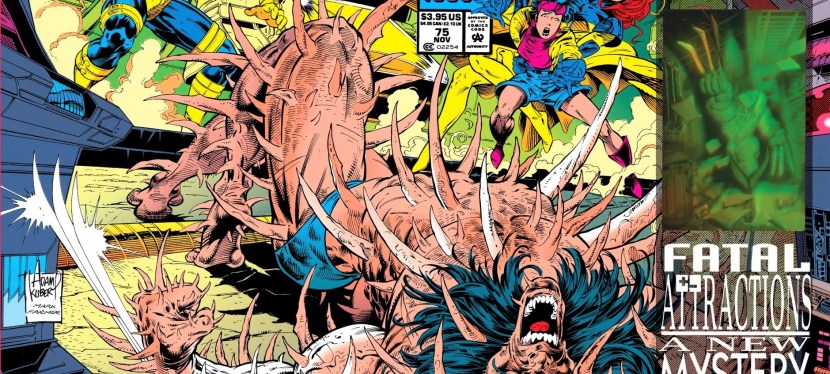
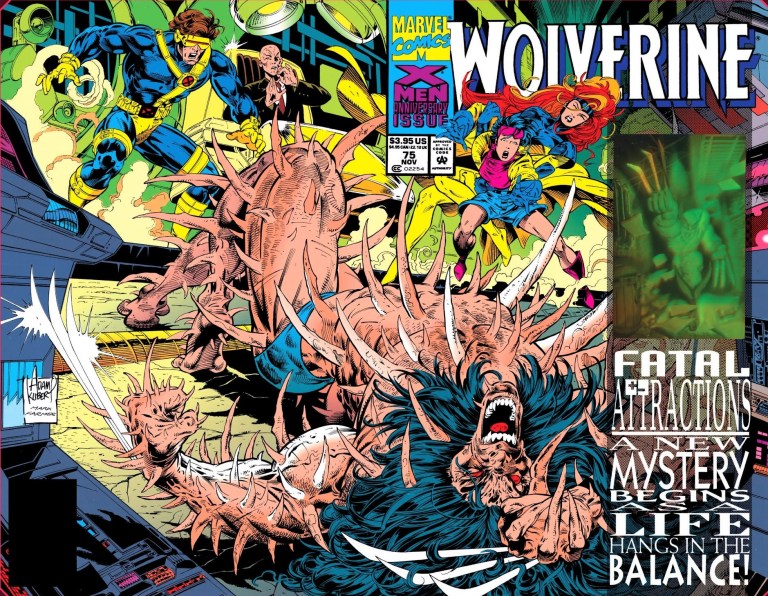
The cover.
Early story
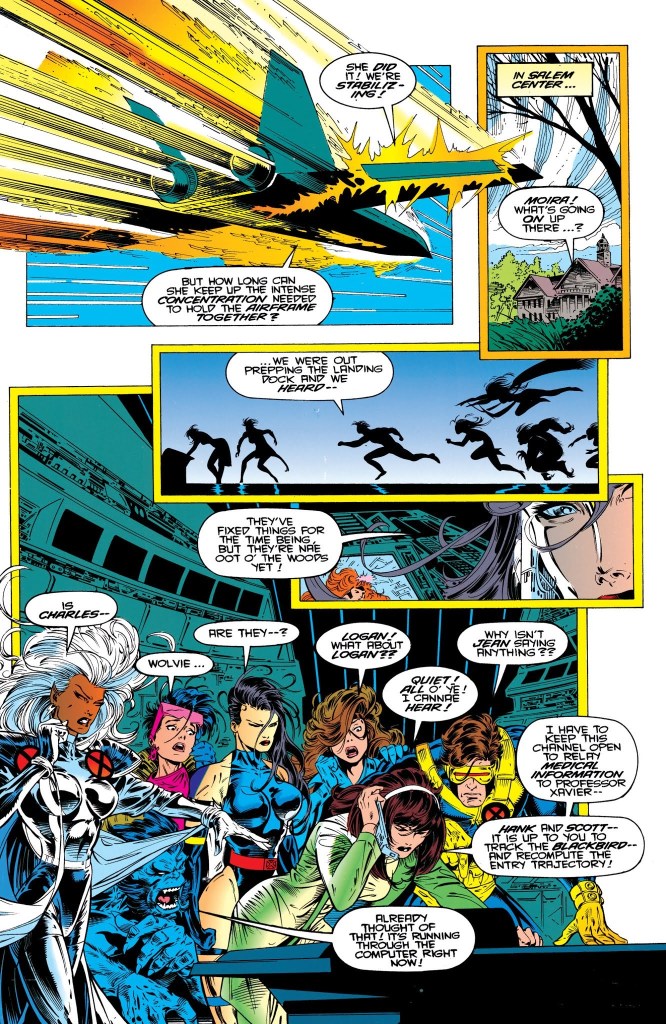
The story begins in outer space. Carrying Charles Xavier, Wolverine, Gambit, Jean Grey, Rogue and Quicksilver (who participated in the dangerous mission in X-Men #25), the X-Men’s jet (piloted by Bishop) struggles mechanically as it was not designed for space travel. Worse, Wolverine is under very serious condition and the medical unit has been operating in full capacity dealing with his intense trauma.
In an attempt to alleviate Wolverine’s psychic trauma, Charles Xavier and Jean Grey enter his mind and discover that there is a world full of pain and horror. They see visions of a restrained Wolverine (from his Weapon X days) being attacked by Sabretooth and Lady Deathstrike. Xavier explains that they are at the epicenter of Logan’s most suppressed cataclysmic memories which were clearly triggered by the physical damage Magneto inflicted on him (see X-Men #25).
As the X-Men’s jet attempts to enter Earth’s atmosphere, its exteriors heat up dramatically shaking everyone inside. This complicates the situation on stabilizing Wolverine…
Quality
The other X-Men team members at their headquarters expressing worry and concern about the situation of their teammates struggling to come back home from space.
To be clear, this story continues the events of Fatal Attractions but with a bit more focus on Wolverine (compared to the earlier chapters of the storyline that is). There is no real battle between good and evil at all. It’s really all about Wolverine struggling to survive just as his teammates struggle to arrive home.
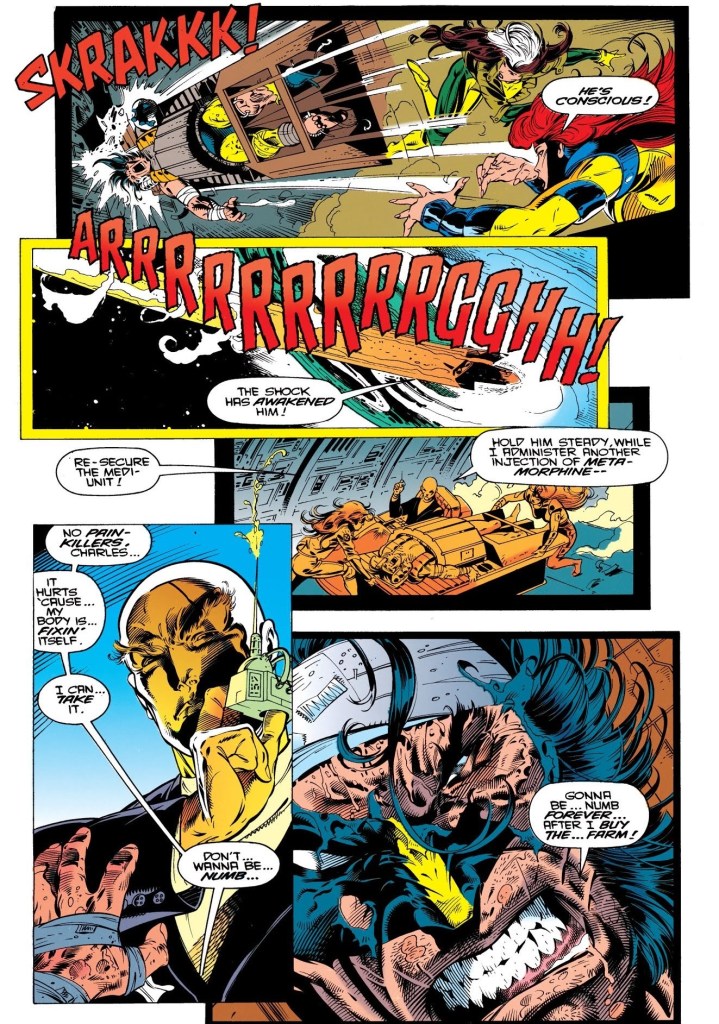
Before the stories of this comic book and X-Men #25 happened, Wolverine has often been portrayed to be very tough, brave and a walking machine of violence which has been reflected in other X-Men stories told in video games and movies. In this very comic book, Wolverine has been presented to coming close to death. This means Logan, at this particular stage of the history of the literary X-Men, was at his most vulnerable state. In my experience, this was both alienating and shocking to see.
With regards to the writing, Larry Hama did an excellent job with pacing the story from start to finish. Right from the beginning, the story pulls you into the X-Men’s tough situation and as each page gets turned, the tension as well as the suspense builds up until the execution of the climax. Along the way, the comic book not only portrays Wolverine struggling on the edge, it also works to make you care more or be more concerned towards him. Oh yes, the shocking moment near the end of this comic book remains very powerful and you who read this retro review should read Wolverine #75 and see it for yourselves.
Conclusion
Wolverine at his most vulnerable state.
By today’s standards, Wolverine #75 (1993) is still a very great comic book to read. In fact, I can say it is not only one of most defining chapters of the Fatal Attractions storyline as well as one of the most significant X-Men comic books of the 1990s, it is indeed a true illustrated literature classic ever published by Marvel Comics. In retrospect, this comic book marks a major turning point in the life of Wolverine who is still one of the most iconic characters in all of superhero literature. All of these were achieved thanks to the creative team of Larry Hama and Adam Kubert (whose are here was great and stylized at the same time). Hama succeeded in writing the continuation of the Fatal Attractions storyline while balancing all of the exposition and still putting Wolverine in the center. That itself is a very great work of writing.
If you are seriously planning to buy an existing hard copy of Wolverine #75 (1993), be aware that as of this writing, MileHighComics.com shows that the near-mint copy of the regular edition costs $60 while the near-mint copies of the signed-and-numbered edition and the newsstand edition cost $300 and $180 respectively.
Overall, Wolverine #75 (1993) is highly recommended!
+++++
Thank you for reading. If you find this article engaging, please click the like button below and also please consider sharing this article to others. If you are looking for a copywriter to create content for your special project or business, check out my services and my portfolio. Feel free to contact me as well. Also please feel free to visit my Facebook page Author Carlo Carrasco and follow me at HavenorFantasy@twitter.com
Disclaimer: This is my original work with details sourced from reading the comic book and doing personal research. Anyone who wants to use this article, in part or in whole, needs to secure first my permission and agree to cite me as the source and author. Let it be known that any unauthorized use of this article will constrain the author to pursue the remedies under R.A. No. 8293, the Revised Penal Code, and/or all applicable legal actions under the laws of the Philippines.
Welcome back, X-Men fans, superhero enthusiasts, 1990s culture enthusiasts and comic book collectors! Today we go back to the 30th anniversary celebration of the X-Men which took place in 1993. Back then, Marvel Comics went full blast with the anniversary celebration of their mutants by releasing related merchandise, posters and comic books with gimmick covers (note: read my retro review of 1993’s X-Men #25) that came with high prices.
To put things in perspective regarding 1993, Marvel’s X-Men line of comics had monthly series of Uncanny X-Men, X-Men (Volume 2), X-Force, X-Factor, Excalibur, Wolverine and Cable. X-Factor #92 marked the start of the Fatal Attractions storyline which was the basis for the X-Men 30th anniversary celebration. X-Force #25 was released and it not only brought Cable back but also Magneto.
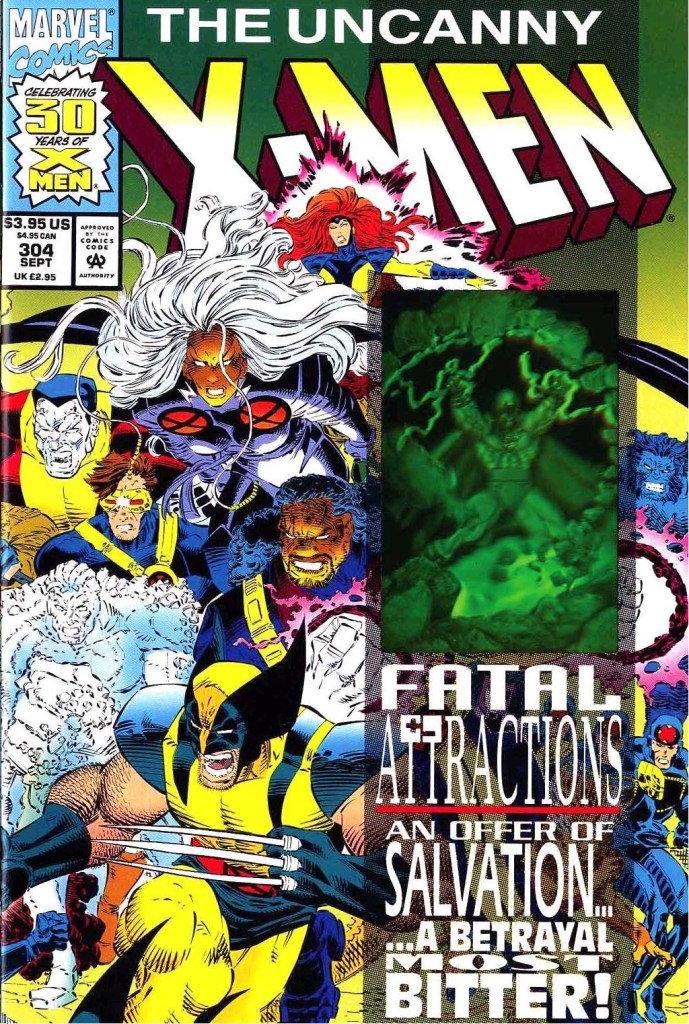
Then came the 3rd chapter of the Fatal Attractions storyline which was published in Uncanny X-Men #304. Not only did that particular comic book bring together many mutants and moved the storyline forward to a crucial stage (note: tension leading to it was built up in Uncanny X-Men #300, Uncanny X-Men #303 and also in X-Men Unlimited #1), it also served as the very celebration of the 30th anniversary of the X-Men (although it was not the storyline’s conclusion as the plot continued in X-Men #25, Wolverine #75 and Excalibur #71).
So did this particular, anniversary celebrating issue of the Uncanny X-Men succeed with its objectives? Has it aged well through the decades? We can all find out in this look back at Uncanny X-Men #304, published in 1993 by Marvel Comics with a story written by Scott Lobdell and drawn by John Romita, Jr., Jae Lee, Chris Sprouse, Brandon Peterson and Paul Smith.
The cover.
Early story
The story begins with division among the Acolytes who learned that their lord Magneto actually survived (note: refer to 1991’s X-Men #3 by Chris Claremont and Jim Lee). They ganged up against their leader Fabian Cortez for betraying Magneto. After pushing his now rebellious team members away, Cortez reminds them that for several months already, they have been continuing Magneto’s work on behalf of mutantkind. Suddenly Exodus appears to them and describes himself as the voice of Magneto and will guide mutants to rise and mentions paradise for the faithful mutants. After subduing Cortez and tempering the tension among the Acolytes, Exodus tells them to prepare themselves for ascension. This frustrates Cortez who realizes that he no longer holds leadership.
Over at the X-Men’s headquarters, Charlez Xavier is personally disturbed over the death of Illyana Rasputin, the sister of Colossus. He starts questioning himself as Illyana’s death under his watch makes his years-long mission (of convincing his fellow mutants to leave their old lives to take risks to fight for a world that fears and hates them) doubtful and tries to figure out how he could present himself in front of them. A holographic image of Lilandra appears to him.
In outer space, inside the space station called Avalon, Magneto stares at planet Earth. With nobody around him, he speaks apologizing to his followers for he cannot save them all. He also mentions that he was wrong in previously believing that he could rescue each and every one of them from humanity as he recently realized that Earth, for the moment, is doomed.
After walking an unspecified distance inside Avalon, Magneto picks up his old helmet and wears it…
Quality
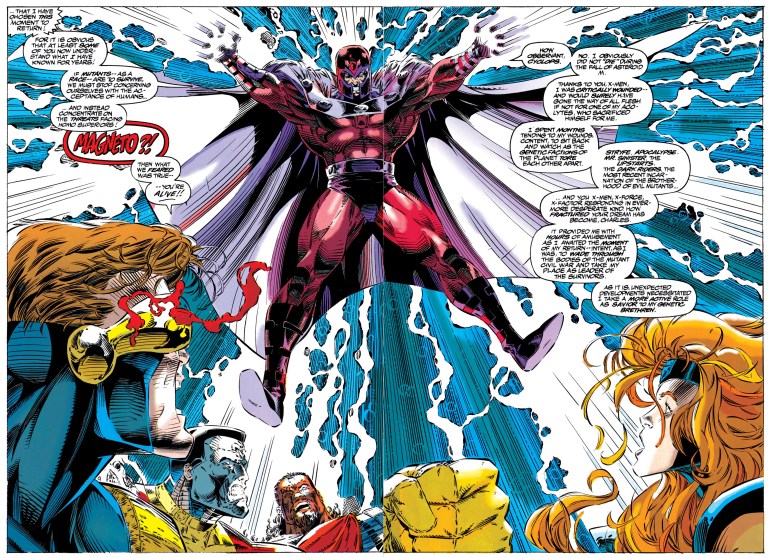
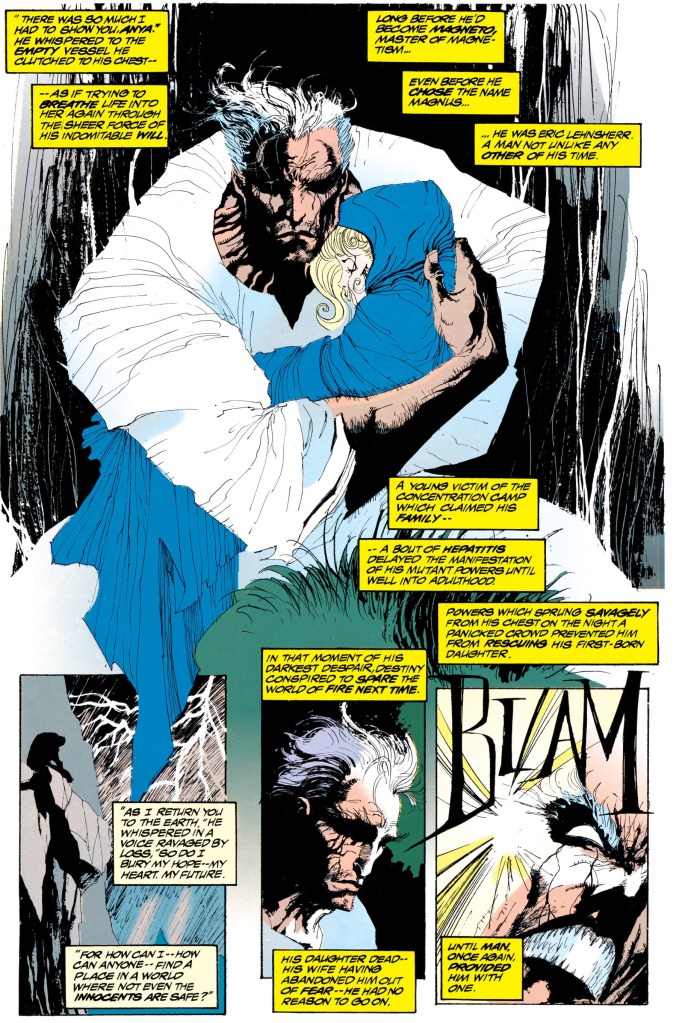
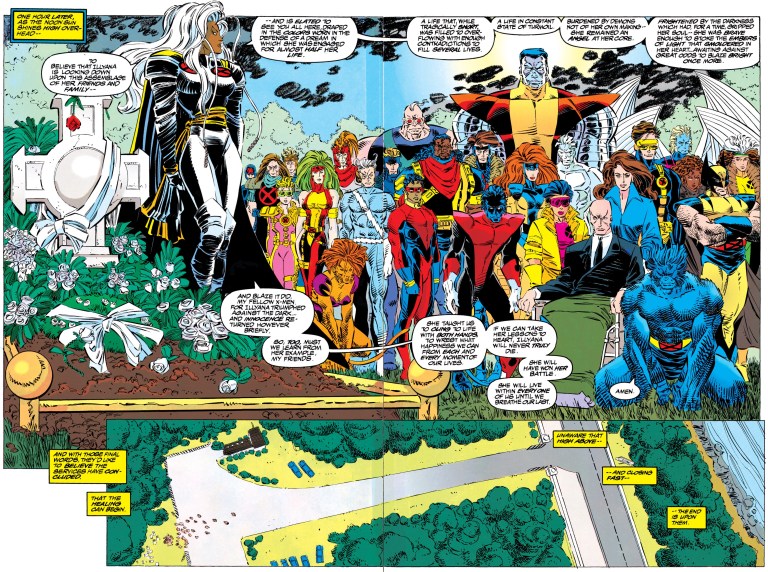
This 2-page art by Brandon Peterson is easily the best looking part of the comic book.
I will start with the visual aspect of this comic book. The artistic quality ranges from fine to weird which should not be surprising since this one involved five artists. The 4 pages drawn by Brandon Peterson (who was once a regular artist on Uncanny X-Men) made the X-Men, Magneto and the Acolytes look not only good but also intense. The Peterson art here is artistically similar to the respective styles of Marc Silvestri and Jim Lee of that particular time. Jae Lee’s art on the flashback of Magneto’s life (during the time of the Nazi occupation in Europe) is undoubtedly very stylized. While his art brings out the intensity of Magneto’s painful past, certain images can be a little challenging to understand especially to readers who focus strongly only following the plot and details. John Romita, Jr.’s art, for me personally, often looks rough and there were times I hardly recognized the characters. The other artworks by Paul Smith and Chris Sprouse have cartoonish aesthetics.
This is Jae Lee’s artistic contribution to the comic book. I found it weird that Magneto’s hair was shown as white during his past with the Nazis.
As for the plot, I can clearly see that a hard effort was made to compose a story that would push the Fatal Attractions storyline forward, establish a turning point and still become worthy of celebrating the 30th anniversary of the X-Men franchise. I can say that the storytelling is somewhat bloated. Early in the story, it was made clear that the respective sections showing Exodus with the Acolytes, Charles Xavier and Magneto pointed to an eventual confrontation that happened during the funeral of Illyana Rasputin.
As the build-up continued with the flashback of Magneto’s life, the fan service short scene of Kitty Pryde and the unfeeling Colossus (note: their romance was highlighted in Uncanny X-Men many years prior), and the talk scene between Bishop and Banshee, the pace of the story slowed down dramatically. By the time the attempt to move the narrative back to the core plot was made with the funeral scene (composed of the X-Men, X-Force and X-Factor), the pace was still really way down. By the time the conflict with Magneto, Exodus and the Acolytes stated, the pace recovery was incomplete and as such, seeing the scene unfold was very jarring (and not even the pages of Colossus’ frustration towards Professor X could solve the narrative pacing problem).
Unsurprisingly, the conflict was written to be overly dramatic complete with lengthy pieces of dialogue here and there. That being said, references to past comic books were established as Magneto once again emphasizes his beliefs about the human-mutant conflict using violence (while also side-stepping Jean Grey’s psionic powers to allow the Acolytes to come in undetected).
Human-mutant conflict aside, themes about faith, religion, idolatry salvation are clearly used. Magneto, who has a tremendous record of villainy and his previous leadership of the X-Men proved useless, was portrayed to be a walking wicked idol whose followers cannot do anything except idolize him and cause violence out of dedication to him. They really could not realize that idolatry is foolish and unholy which further adds to chaos on the world. As Magneto deceived himself to be the savior and lord of mutants, he further causes more pain and destruction to others around him. In short, Magneto will always be stuck with his wicked nature and clearly does not deserve heavenly authority no matter how hard he believes himself to be a savior.
The classic rivalry between Xavier and Magneto here was portrayed dramatically and yet I cannot help but think that their conflict was nothing more than a repeat of past encounters with the state and future of mutants at stake. To be fair, what happened here served as a logical build-up for the shocking encounter between Professor X and Magneto in X-Men #25.
Conclusion
Nobody among the X-Men (except Charles Xavier), X-Force, Excalibur and X-Factor cared to dress properly for the funeral.
To be clear, even though I am an avid X-Men fan, I find Uncanny X-Men #304 (1993) hard to be engaged with and hard to enjoy. Efforts to make it a worthy celebration of the X-Men are very clear but it’s just not entertaining nor compelling to read. As for the X-Men traitor scene, the revelation was not that shocking as the foreshadowing made it too obvious. At best, this comic book served as a warm-up for X-Men #25 which itself paid-off nicely. Being more than sixty pages long (including the advertisement and bulletins), this comic book has too much creative baggage which ultimately hampered its storytelling. It’s not terrible. It’s really not that great to read. What I experienced way back in 1993 with this comic book is just the same as I re-read it. It has not aged well.
If you are seriously planning to buy an existing hard copy of Uncanny X-Men #304 (1993), be aware that as of this writing, MileHighComics.com shows that the near-mint copy of the regular edition costs $20, while the near-mint copies of the signed-and-numbered edition and the newsstand edition cost $120 and $60 respectively.
Overall, Uncanny X-Men #304 (1993) is satisfactory.
+++++
Thank you for reading. If you find this article engaging, please click the like button below and also please consider sharing this article to others. If you are looking for a copywriter to create content for your special project or business, check out my services and my portfolio. Feel free to contact me as well. Also please feel free to visit my Facebook page Author Carlo Carrasco and follow me at HavenorFantasy@twitter.com
Disclaimer: This is my original work with details sourced from reading the comic book and doing personal research. Anyone who wants to use this article, in part or in whole, needs to secure first my permission and agree to cite me as the source and author. Let it be known that any unauthorized use of this article will constrain the author to pursue the remedies under R.A. No. 8293, the Revised Penal Code, and/or all applicable legal actions under the laws of the Philippines.
Welcome back, superhero enthusiasts, comic book collectors, fans of 1990s culture and fans of Marvel Comics! Today we revisit the adjective-less X-Men monthly series (Volume 2) that started in 1991 with the combined talents of Chris Claremont and Jim Lee. For those who are unaware, Chris Claremont had his conflict behind the scenes with then X-Men comics editor Bob Harras which led to him departing the X-Men series with issue #3.
Previously I reviewed X-Men #4 which by today’s standards is highly significant and very expensive to acquire as it marked the literary debut of Omega Red who made quite an impact with X-Men fans. It should be noted that Wolverine and Omega Red had encountered each other far back in time and issue #4 marked the renewal of their rivalry.
With those details laid down, here is a look back at X-Men #5, published in 1992 by Marvel Comics with a story written by Jim Lee (plot) and John Byrne (script), The art was done by Lee with ink work done by Scott Williams, Art Thibert, Bob Wiacek and Joe Rubinstein.
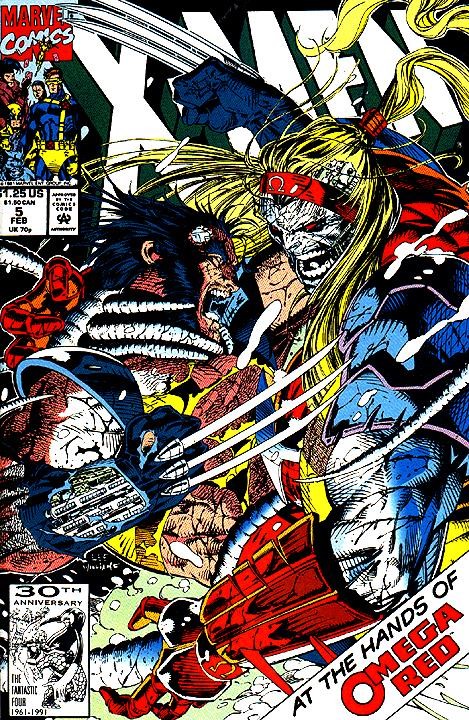
The cover.
Early story
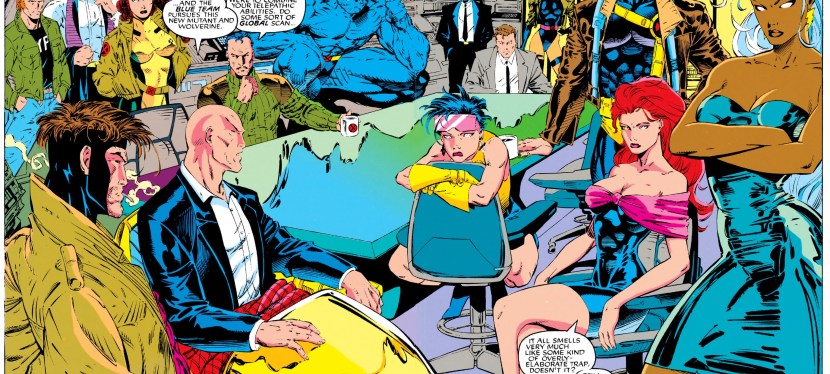
This for me is the money shot of the comic book. Although Wolverine is absent, you get to see the entire Blue and Gold teams with Charles Xavier as drawn by Jim Lee.
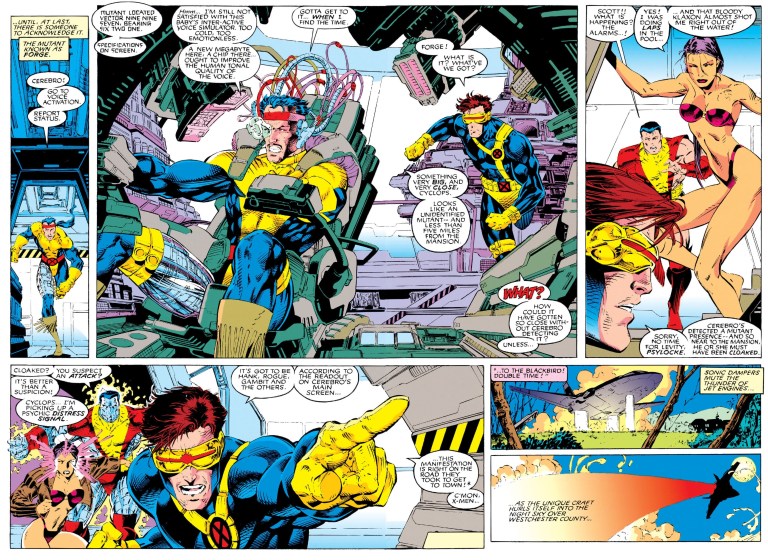
The story begins with Cerebro detecting an unidentified mutant signature in the presence of X-Men members who were out of the mansion. Forge tells Cyclops about the disturbance happening less than five miles away from their mansion. Colossus and Psylocke join in and quickly they leave the mansion with Cyclops using the Blackbird.
Not too far away, Gambit, Rogue, Jubilee and Beast are held captive inside a vehicle with an armed man in their presence. Gambit starts the effort to free his teammates using one of his charged cards.
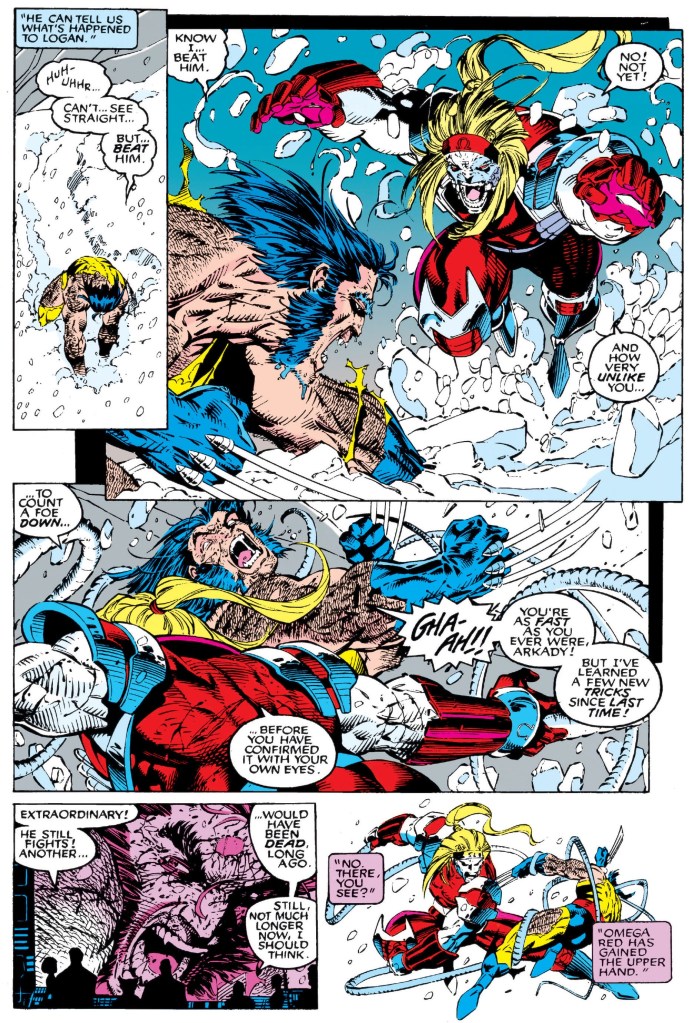
Elsewhere in a snowy place, Wolverine is seen struggling thinking he defeated his old rival Omega Red. Suddenly the Russian mutant jumped at him and the two resumed fighting. Their fight is being monitored from a distance…
Quality
The Wolverine-Omega Red rivalry is a must-see.
When it comes to storytelling, it is obvious that the writing duo of Jim Lee and John Byrne did their best to push the envelope and break new ground as far as telling an X-Men story goes. For one thing, there is the presence of paramilitary elements which are common with Jim Lee’s creations. There are even flashbacks into the past in which Wolverine (then called Logan) actually took part in a special forces operation with a few notable others. These flashbacks expands further the personal history of Wolverine in a really intriguing way. With the way the story was presented, it is clear that the new creative team pulled off serious moves in modernizing the way X-Men stories were told in comparison to the way Chris Claremont told all those many such stories during his long run.
When it comes to the visuals, Jim Lee did another great job as each page looks great and he proved to be clever with the way he visualized the script. As this comic book was inked by more than one inker, there were subtle differences with regards to contrast as well as ink intensity.
Conclusion
Cyclops and his teammates move out.
X-Men #5 (1992) is another great comic book that involved Jim Lee’s art. Apart from the modernizing of the storytelling, this comic book further expanded the past of Wolverine while successfully giving readers more of Omega Red who is now a major supervillain of Marvel’s.
If you are seriously planning to buy an existing hard copy of X-Men #5 (1992), be aware that as of this writing, MileHighComics.com shows that the near-mint copy of the regular edition costs $27 while the near-mint copy of the newsstand edition costs $79.
Overall, X-Men #5 (1992) is highly recommended!
+++++
Thank you for reading. If you find this article engaging, please click the like button below and also please consider sharing this article to others. If you are looking for a copywriter to create content for your special project or business, check out my services and my portfolio. Feel free to contact me as well. Also please feel free to visit my Facebook page Author Carlo Carrasco and follow me at HavenorFantasy@twitter.com
Disclaimer: This is my original work with details sourced from watching the movie and doing personal research. Anyone who wants to use this article, in part or in whole, needs to secure first my permission and agree to cite me as the source and author. Let it be known that any unauthorized use of this article will constrain the author to pursue the remedies under R.A. No. 8293, the Revised Penal Code, and/or all applicable legal actions under the laws of the Philippines.
We all know that the 20th Century Fox franchise of X-Men movies has ended and everything cinematic about Marvel’s famous mutants are now in the hands of Marvel Studios. From the year 2000 to 2020, the original X-Men cinematic universe produced a whole bunch of movies (including spinoffs) which ultimately led to uneven results with regards to commercial success, critical feedback, artistry, production values and cultural impact. Even so, 20th Century Fox-produced X-Men movies generated more than $6 billion in ticket sales worldwide.
When it comes to the spinoff movies, I like Logan the best (sorry, Deadpool).
For the main X-Men movies, the one film that really delivered the great stuff and tons of fun for me was none other than X-Men: Days of Future Past (2014). For one thing, the movie had two generations of X-Men cinematic performers (the original team led by Patrick Stewart and the newer ones from X-Men: First Class led by James McAvoy) and its story literally had them linked together with Hugh Jackman’s Wolverine as the living bridge between them. To put it short, it was a cinematic crossover story made with X-Men fans in mind. That film scored highly with critics and most moviegoers, and it grossed almost $750 million worldwide which makes it the highest-grossing X-Men movie ever until now.
It has been years since X-Men: Days of Future Past made waves in the cinemas and through post-theater businesses like Blu-ray, cable TV, pay-per-view, streaming and the like. Along the way, movies like Wonder Woman, Aquaman, Avengers: Infinity War and Avengers: Endgame collectively raised the standards of Hollywood superhero movies in varied ways. I should state that X-Men (2000), X2: X-Men United and X-Men: The Last Stand did not age well.
To find out if the 2014 X-Men film aged well or not, here is my retro review of X-Men: Days of Future Past directed by Bryan Singer with a screenplay written by Simon Kinberg with a story done by Kinberg, Jane Goldman and Matthew Vaughn.
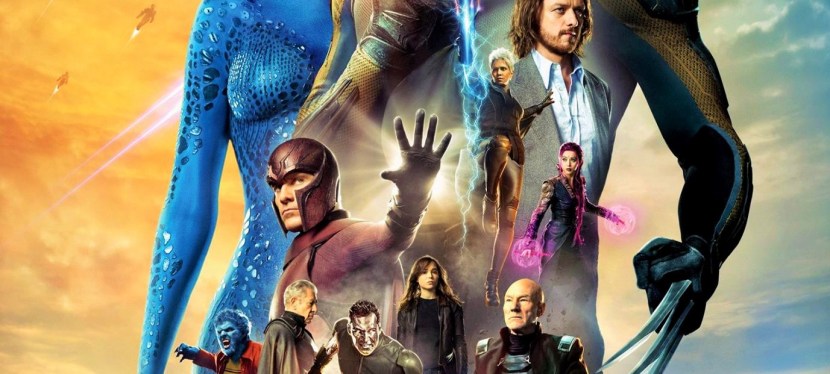
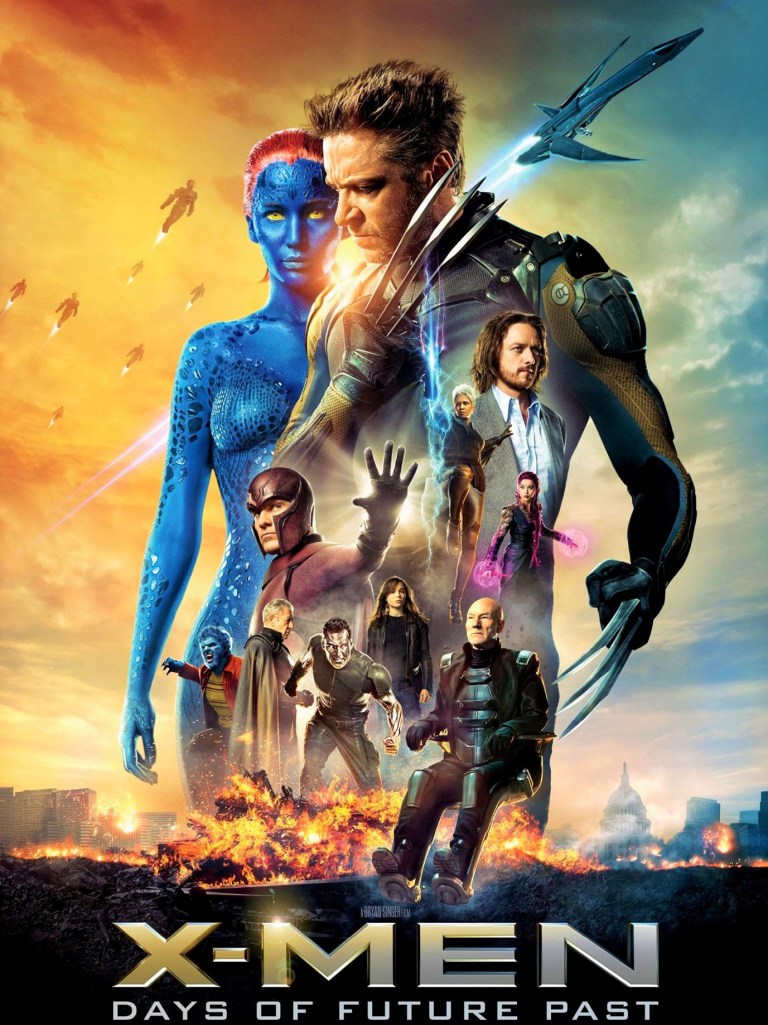
A great image of the cinematic X-Men, both the old and newer cast.
Early story
The story begins in the dark future. Countless mutants and human allies have been caught and imprisoned by very sophisticated Sentinels (operating for an unnamed authority that also has armed human personnel as watchers) which continue to hunt more of them down along with any humans caught aiding them. In Russia, a small X-Men team composed of Colossus, Kitty Pryde, Iceman, Sunspot, Bishop, Warpath and Blink take action when they realized that the Sentinels found their hideout. Kitty Pryde, who by this time gained the new ability to send a person’s consciousness back through time, runs along with Bishop to hide in a vault to send his consciousness into the past. Fortunately for them, their teammates delayed the unstoppable Sentinels enough to succeed.
Some time later at another location, an aging Charles Xavier, Magneto, Wolverine and Storm arrive to meet with Kitty Pryde and her teammates. Xavier gives the team an in-depth history lesson about the Sentinels which were created decades earlier by the late Bolivar Trask who was assassinated by Mystique (who believed she could make a difference for her fellow mutants). After the assassination, Mystique got caught by the authorities and became a live experiment for scientists working for the government. Her DNA helped accelerate the development of the Sentinel program which made them able to adapt to most mutant attacks and powers.
A plan gets formed for Kitty Pryde to send Xavier back through time to his younger self in 1973 to prevent the assassination from happening. Kitty states it’s too risky for the old Xavier to go through time as it may kill him. Wolverine volunteers to take Xavier’s place as his healing factor (regeneration) will ensure his survival with the process. Xavier presses Wolverine to convince the 1973 Charles Xavier to help prevent the assassination given the fact that he was a broken man at the time.
Wolverine arrives in his younger self’s body in New York of 1973. He makes his way to the mansion of Charles Xavier. As it turns out, Xavier’s school has been closed for some time and has been decaying…
Quality
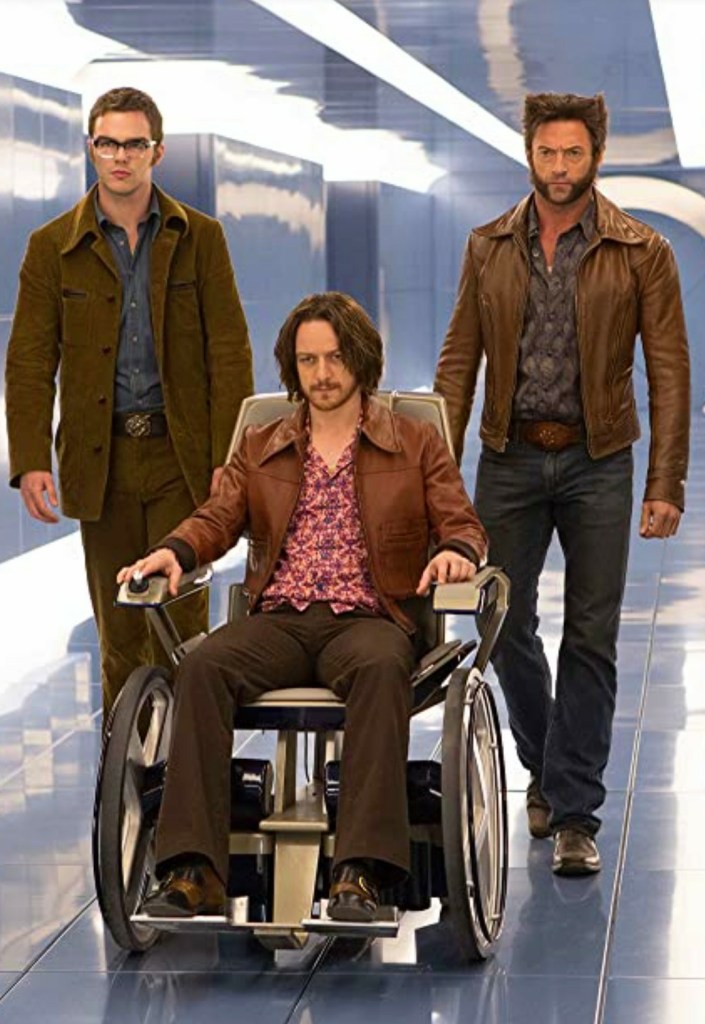
Nicholas Hoult, James McAvoy and Hugh Jackman as Beast, Charles Xavier and Wolverine respectively.
Considering what was made and what were presented through this movie, the creative team and the cast of X-Men: Days of Future Past literally scored a home run here resulting true greatness! Bryan Singer, whose previous X-Men directorial job was 2003’s X2, finally struck gold with regards to storytelling, directing and, finally, spectacle (previous his big weakness).
In terms of storytelling, this movie, first and foremost, is not a faithful adaptation of the classic Days of Future Past storyline at all. In fact, there was no need for it to be faithful. What the screenwriters came up with was a loose adaptation which allowed them to craft a more original story that involved the established X-Men characters (from the early movies) and the other X-Men characters (who started in 2011’s X-Men: First Class) and have them set apart in terms of time periods (similar to what was done in 1994’s Star Trek: Generations, but much better and more compelling in writing). The result is a crossover tale with Wolverine being the traveler through time.
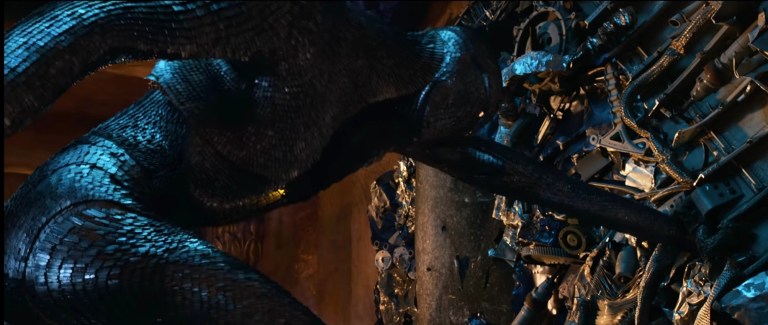
The Sentinels are clearly terrifying and unstoppable!
The great news here is that the script has very strong structuring done and even had enough space to briefly acknowledge events and characters from the first three X-Men films plus 2009’s X-Men Origins: Wolverine as canon. All of these add to the narrative very well and when the stakes were raised, the overall plot made sense. Let me add that it was a smart move for the writers to raise the stakes in the two time periods during the final act of the movie, which really made the story more engaging to viewers. I should state that having two conflicts happening simultaneously on screen in this X-Men movie was done efficiently and without ever becoming confusing nor messy.
Apart from the narrative, the portrayal of the X-Men was, indeed, spot-on. Noticeably, the major characters here were Charles Xavier (both old and young), Wolverine (both old and young), Mystique, Magneto (specifically the young version), Beast and Bolivar Trask. Strong writing was evident in the dialogue of the mentioned characters, as well as in those with minor roles. Through dialogue alone, I easily recognized these cinematic characters.
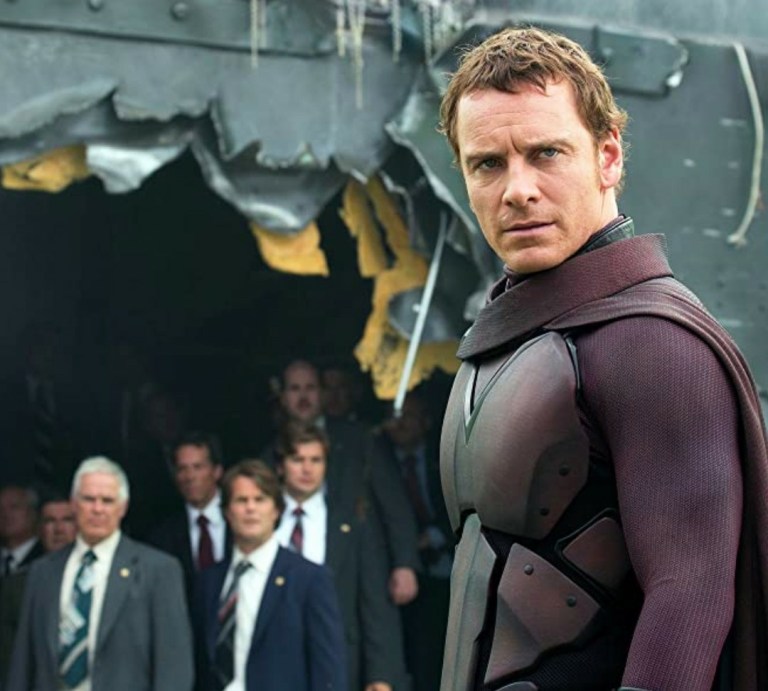
Michael Fassbender delivered his best performance as young Magneto.
Given his strength in telling stories, I should say that Bryan Singer succeeded in executing the script into cinematic narrative. Not only that, he succeeded in getting really good performances from the cast. James McAvoy (young Xavier), Jennifer Lawrence (Mystique), Michael Fassbender (young Magneto) and Nicholas Hoult (Beast) were evidently more confident and more comfortable in reprising their characters (note: they debuted together in X-Men: First Class).
The old cast composed of Patrick Stewart (old Xavier), Ian McKellen (old Magneto), Ellen Page (Kitty Pryde), Halle Berry (Storm), Shawn Ashmore (Iceman) and Daniel Cudmore (Colossus) all made a very welcome return. To be specific, it was only Patrick Stewart among them who had the most engaging dialogue with Ian McKellen being a distant second to him. As most of the film was set in the past, it was understandable that the old cast’s dialogue would not be that rich which translates to limited performance. The filmmakers tried bouncing back with mutant variety by having Bingbing Fan as Blink, Adan Canto as Sunspot and Booboo Stewart as Warpath, who all provided nicely in the action scenes and special effects use.
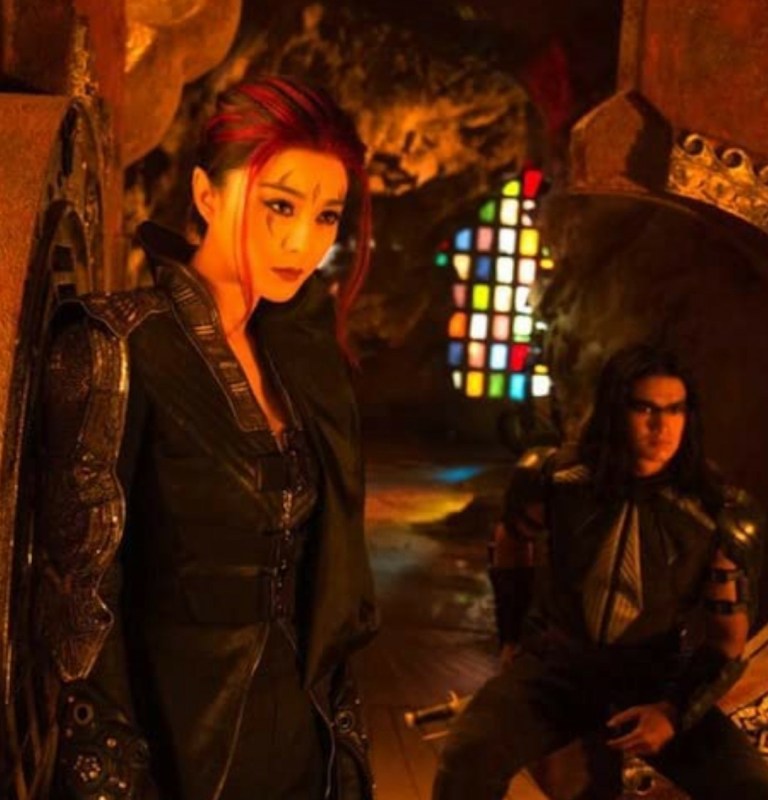
Bingbing Fan and Booboo Stewart as Blink and Warpath.
Hugh Jackman’s performance as Wolverine in this movie is the most unique of them all. Not only does he have to play TWO versions of his character, he as the only member of the old X-Men cast spent a great deal of time interacting with the newer X-Men players. The great news here is that Jackman has great chemistry with James McAvoy, Nicholas Hoult and Michael Fassbender, which ultimately justified the crossover! Speaking of McAvoy, his scene with the older version of his character is very memorable and a highlight! Peter Dinklage as Bolivar Trask is excellent but to my surprise, he is not exactly villainous nor did he express cruelty. He’s more of an obsessed scientist and as such, Michael Fassbender’s Magneto easily overshadows him when it comes to being the main antagonist. This is surprising but not exactly a problem.
More on the anti-hero factor of the movie, I should say that the Sentinels in this movie are the most dangerous and the most intimidating non-sentient, scientific antagonists since the Terminator. Being programmed to deal with mutants, the Sentinels are unrelenting and often used violence to complete their objectives. The futuristic Sentinels, which are evolved versions thanks to Mystique’s DNA, are so formidable the mutants cannot simply defeat them. Even the 1970s Sentinels are quite formidable.
As mentioned earlier, I do confirm that Bryan Singer really outdid himself on delivering the spectacle back with support from the special effects team, the stunt team and the like. The action scenes involving the X-Men are top-notch, in fact they make the action in Singer’s previous X-Men films look minor in terms of creativity, quality and fun! The computer-generated effects in this movie still look great by today’s standard, although some CGI used in the floating stadium sequence looked rushed. Also it was quite a marvel to see Wolverine and Beast face-off with a 1970s Sentinel in the final act. I should mention that the slow-motion sequence involving Quicksilver (played by Evan Peters) is one great and funny spectacle to watch, well worth replaying!
Conclusion
Jennifer Lawrence in her best-ever performance as Mystique.
I declare that X-Men: Days of Future Past (2014) is the best-ever X-Men movie I have seen and it has aged very well! Its overall quality is very great and the combined talents of director Singer, the cast, the writers and all the technical teams justified it all. By today’s standards, this X-Men movie still stands very high among all superhero movies of Hollywood ever released! As an X-Men film, this one is truly epic and the true highlight of all X-Men movies under 20th Century Fox. As a time-travel film, this one has a very unique approach and it should be noted that director Bryan Singer approached James Cameron to talk about time travel, parallel universes and the like.
More on personal viewing, I can say that this film greatly entertained me in the cinema back in 2014, and it still succeeds in doing so whenever I replayed it on Blu-ray in the comfort of home. If there is anything I regret, it’s the fact that I never saw this movie in the IMAX cinema.
If you are seriously planning to buy an existing hard copy of X-Men: Days of Future Past (2014), visit Amazon for the Blu-ray release as well as the 4K Blu-ray combo release. There is also the Rogue Cut of the movie also on Blu-ray.
Overall, X-Men: Days of Future Past (2014) is highly recommended!
+++++
Thank you for reading. If you find this article engaging, please click the like button below and also please consider sharing this article to others. If you are looking for a copywriter to create content for your special project or business, check out my services and my portfolio. Feel free to contact me as well. Also please feel free to visit my Facebook page Author Carlo Carrasco and follow me at HavenorFantasy@twitter.com
Disclaimer: This is my original work with details sourced from reading the comic book and doing personal research. Anyone who wants to use this article, in part or in whole, needs to secure first my permission and agree to cite me as the source and author. Let it be known that any unauthorized use of this article will constrain the author to pursue the remedies under R.A. No. 8293, the Revised Penal Code, and/or all applicable legal actions under the laws of the Philippines.
It’s funny how adaptations of adaptations turn out in real life. Long before the first live-action X-Men movie was released, an animated TV series (popularly referred to as X-Men: The Animated Series or X-Men TAS) was produced and arguably brought together the fans of both the X-Men comic books along with the animated X-Men followers.
Along the way, Marvel Comics went on to publish a monthly comic book series called X-Men Adventures which themselves were adaptations of the animated series (which itself adapted stories and concepts from the comic books).
The adaptation-of-an-adaptation approach went deep further when the animated series adapted loosely the story of the classic X-Men comic book storyline Days of Future Past (by legends Chris Claremont and John Byrne) which resulted a story told in two episodes on TV. And then there was also a comic book adaptation that followed starting with X-Men Adventures #13 which is the subject of this retro comic book review.
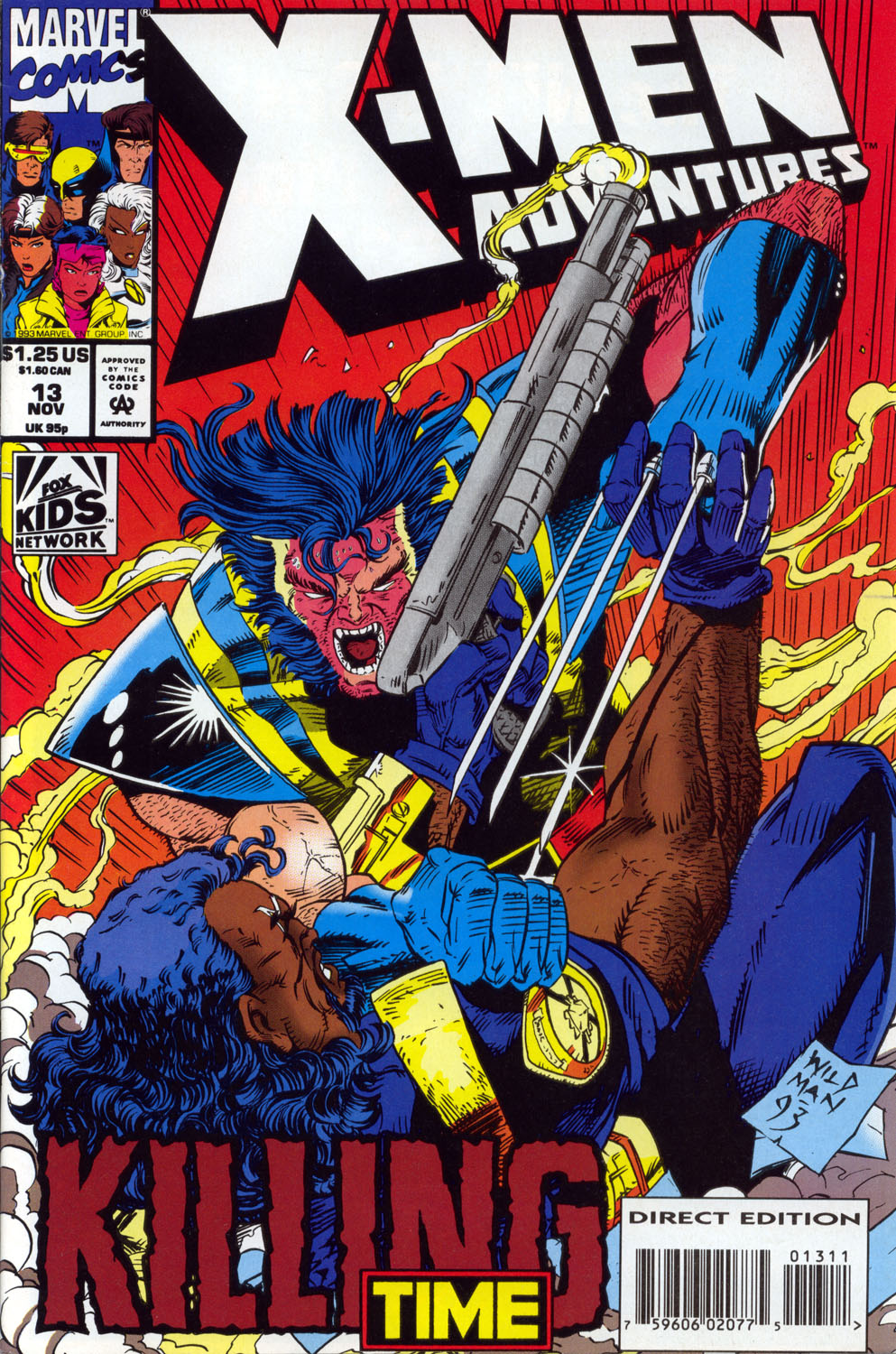
The cover.
Early story
Written by Ralph Macchio and drawn by Andrew Wildman, the comic book begins in the dark future of 2055 in New York. The city is in ruins and mutants on the loose are being hunted by Sentinels. A very old Wolverine appears to help two loose mutants but ends up getting stunned with them by Bishop who turns out to be helping the automated authority of the Sentinels.
As he turns over the captured mutants, the Sentinels betray Bishop telling him that they no longer required him. Afterwards, Bishop and Wolverine (who woke up) each carry a person under the watch of a Sentinel. Suddenly, the two other mutants use their powers to attack the Sentinel and Wolverine followed to back up their efforts. The Sentinel however grabbed Wolverine.
Quality
A very old Wolverine in the dark future of 2055.
With the exception of some liberties, this comic book closely followed what was told in the first of the 2-episode Days of Future Past animated adaptation. As a comic book story, the story was heavily loaded with details and exposition designed to orient readers about the setting and why the future became a time of darkness in relation to the rise of machines having ultimate power over people.
While the time travel concept of the literary classic involved the mind of Kitty Pryde going into the past, this comic book used the more common concept of having Bishop travel back through time physically which easily reminds me of Kyle Reese arriving from the future in 1984’s The Terminator.
The build-up leading to Bishop’s move to travel back through time was nicely done by the creative team. There was a lot of exposition followed by an incoming attack complete with explosions happening just as Bishop is about to leave. In short, the pay-off was worth it.
The engagement did not end there. In fact, it continued nicely as Bishop meets the X-Men in 1993 with the details of his mission carefully unveiled. Professor Charles Xavier’s reaction to future history (Sentinels taking control of the world) was dramatic and worth re-reading.
As with his other works in the X-Men Adventures comic book series, Andrew Wildman’s art is very good to look at and he knows how to make each scene look engaging whether it’s just an exchange of dialogue between characters or an action scene loaded with a lot of impact.
Conclusion
While it is only half of a 2-issue adaptation of a 2-episode animated adaptation of the Days of Future Past literary classic, X-Men Adventures #13 is still a fun-filled reading experience complete with a lot of engaging moments.
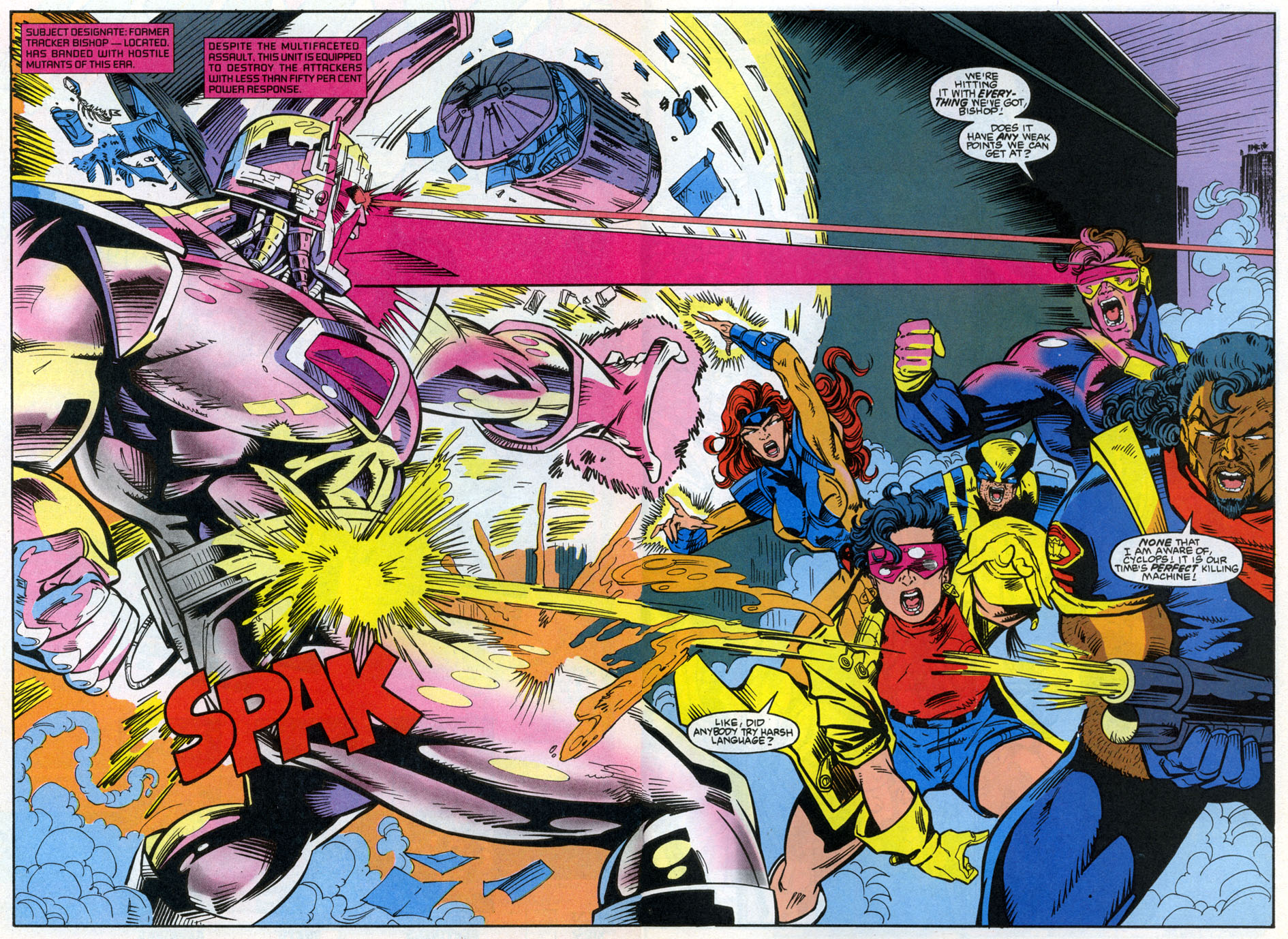
The money shot by Andrew Wildman!
If you are a serious collector of comic books, be aware that, as of this writing, a near-mint copy of X-Men Adventures #13 costs $6 while its newsstand edition copy is worth $21 in near-mint condition according to Mile High Comics.
Overall, X-Men Adventures #13 is highly recommended. Both dedicated X-Men fans as well as newcomers will have something a lot to enjoy with it.
Thank you for reading. If you find this article engaging, please click the like button below and also please consider sharing this article to others. If you are looking for a copywriter to create content for your special project or business, check out my services and my portfolio. Feel free to contact me as well. Also please feel free to visit my Facebook page Author Carlo Carrasco and follow me at HavenorFantasy@twitter.com









 Author Carlo Carrasco