Retro Gaming Ads Blast – Part 11

Welcome back readers, fellow geeks and electronic gaming fans!

In this edition of the Retro Gaming Ads Blast (RGAB) series, we will take a look at another batch of retro gaming print ads from the 1980s and 1990s. In addition, there will be a few flyers of arcade games as well as promotional posters of a notable console game that was released only in Japan.

For the newcomers reading this, Retro Gaming Ads Blast (RGAB) looks back at the many print ads of games (console, arcade, computer and handheld) that were published in comic books, magazines, flyers and newspapers long before smartphones, social media, the worldwide web and streaming became popular. To put things in perspective, people back in the 1980s and 1990s were more trusting of print media for information and images about electronic games and related products.

With those details laid down, here is the newest batch of retro gaming print ads for you to see and enjoy…

1. M.I.A.: Missing in Action arcade flyer

This is an effective way of catching the attention of both players and arcade operators. I can imagine the woke, the SJWs and rabid feminists getting easily offended by this.

Konami was a very prominent producer of games back in the 1980s. Not only did the company produce high-quality and enjoyable military-themed games on consoles and computers, Konami also made its presence felt in the highly competitive sector of arcade games. In 1989, they released the arcade conversion kit of M.I.A.: Missing in Action and this flyer is the best know promotion of it. M.I.A.: Missing in Action is the follow-up to Konami’s hit game Rush’n Attack.

Visually, the flyer’s display of four screenshots combined with a dominating photographic image of prisoners of war (POWs) getting delightfully released by an attractive female Rambo-type rescuer were designed to catch the attention of young adult and adult gamers. The text descriptions (note: there were more details on the back of the flyer), however, were geared towards arcade operators who were looking for new games to acquire without the hassle of having to buy an entire arcade cabinet. That being said, this flyer was a clever way to appeal to arcade operators and the people who love playing arcade games.

2. Fonz arcade flyer

Simplistic yet effective to look at. If you are an arcade operator, this flyer conveniently has key information displayed.

Believe it or not, Sega was already active in arcade games way back in the 1970s. In this particular flyer, Sega’s arcade game Fonz (also called Moto-Cross, Man T.T.) offered players the unique experience of driving a digital vehicle using actual handlebars on the machine that were meant to create an immersive and realistic feel. If you look closely, the flyer has lots of details written with arcade operators and players in mind.

3. Haunted Castle arcade flyer
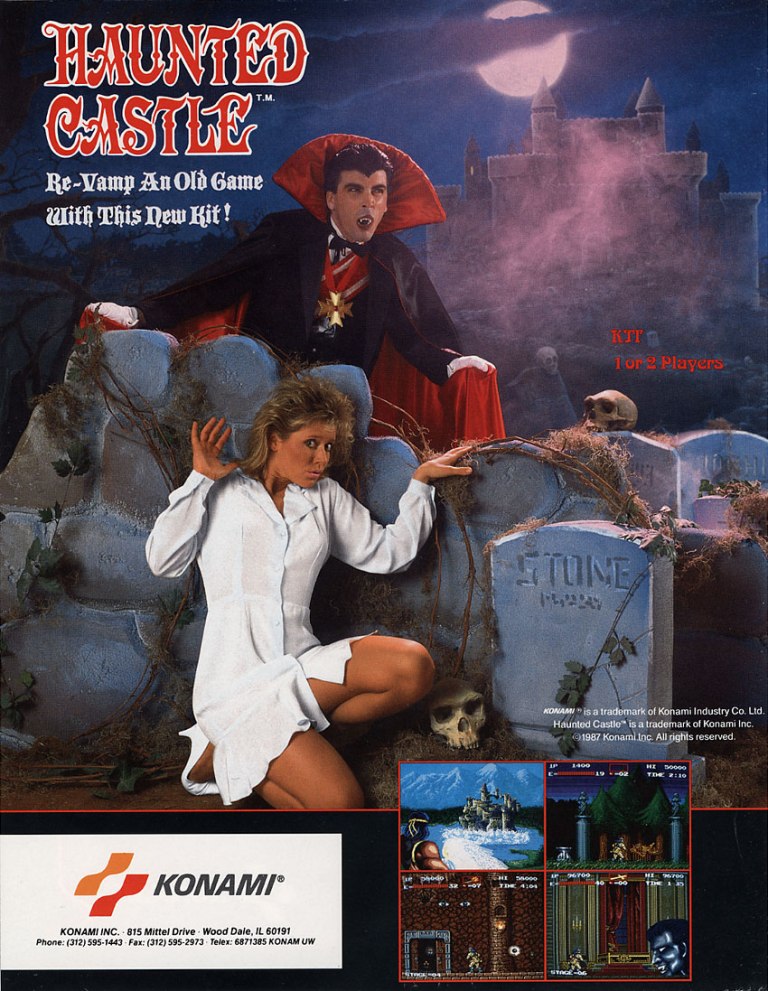
Indeed, this game is part of the Castlevania game franchise. It was one of the first Castlevania games released for arcades.

Arguably, Konami is best known for the Castlevania game series which covered handheld gaming devices, personal computers, video game consoles and even arcades. Haunted Castle (Japanese title: Akumajō Dracula) is the 2nd arcade game of the Castlevania franchise and it is not a port of any console game. Like the arcade flyer of M.I.A.: Missing in Action, this one was crafted to lure the attention (and money) of arcade operators looking for conversion kits to replace their old games. The visual presentation is eye-catching and even though the Castlevania brand was nowhere to be seen, Castlevania fans could tell this this arcade offering was part of their favorite game franchise.  

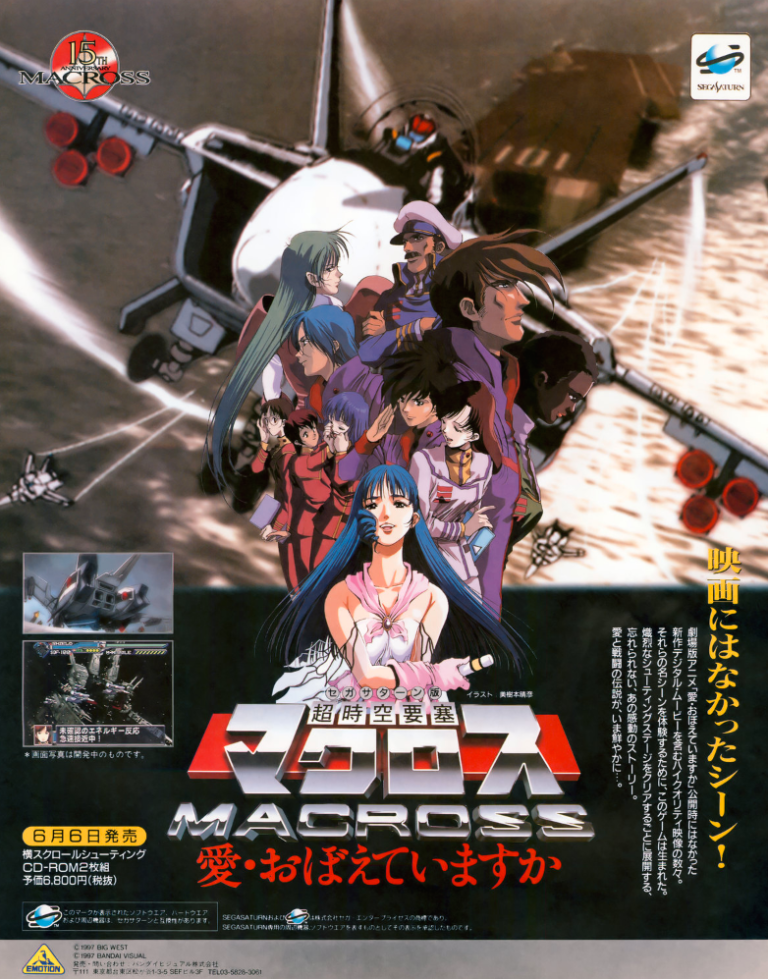
4. The Super Dimension Fortress Macross: Do You Remember Love? flyer and poster
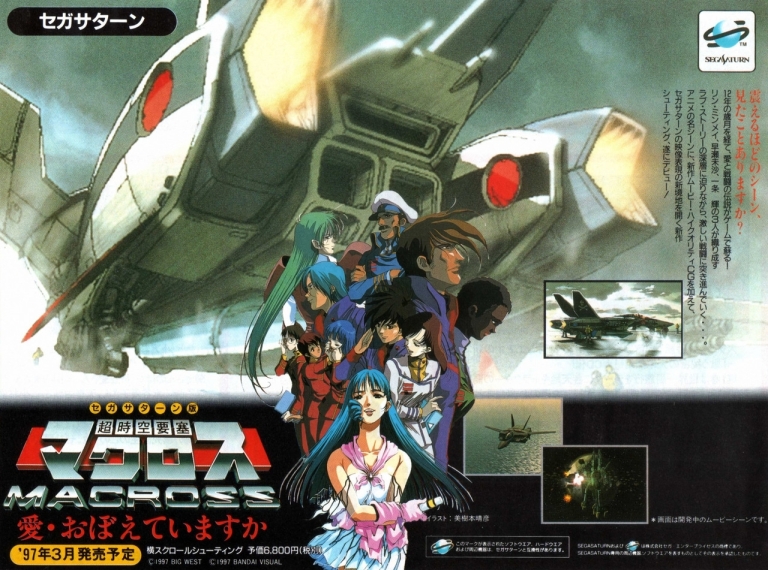
The poster promoting the release of the game for Sega Saturn in Japan.
The flyer promoting the Sega Saturn game’s 1997 release as well as the 15th anniversary of Macross.

In 1997, the 15th anniversary of the Macross multimedia franchise was celebrated in Japan and among the highlights was the release of The Super Dimension Fortress Macross: Do You Remember Love? on the Sega Saturn. To promote the game and the franchise itself, lots of flyers and posters were released in Japan. If you look at the illustrated images on the promotional materials closely, you will realize that they are not from the original 1982-83 Macross anime TV series but rather from the The Super Dimension Fortress Macross: Do You Remember Love? animated movie of 1984 (read my retro movie review by clicking here).

While it might be baffling to some as to why the original anime TV series was not used as the source material for the 15th anniversary celebration through gaming, the 1984 anime feature film was actually more adaptable for a video game project (read my retro review by clicking here). It is so obvious, you just have to ask yourselves this question – how can the game developers compress the entire concepts of the 36-episode Macross anime series into one game while ensuring fun gameplay? Regardless, the game was a lot of fun to play and I enjoyed playing the PlayStation version in 1999.

5. Venom/Spider-Man: Separation Anxiety print ad
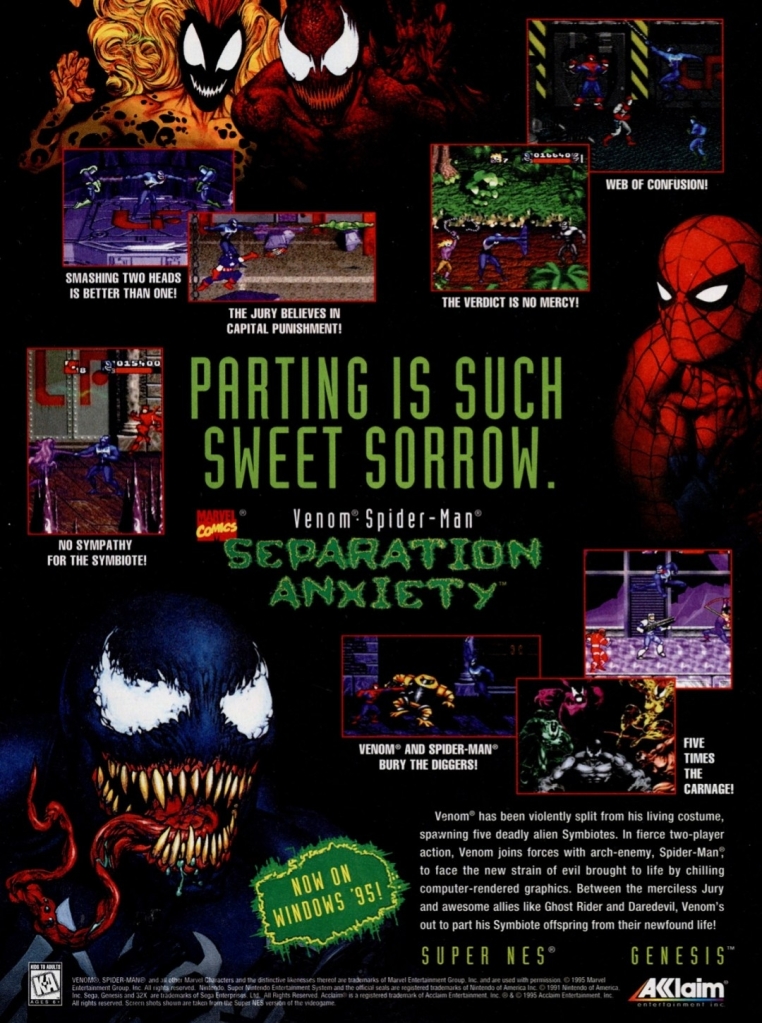
A clear effort to sell the game to gamers as well as fans of Spider-Man and Venom.

In 1994, Acclaim released Spider-Man and Venom: Maximum Carnage (based on the 1993 comic book storyline Maximum Carnage) on Super Nintendo Entertainment System (SNES) and Sega Genesis ultimately becoming popular with comic book fans and gamers who enjoyed sidescrolling beat-them-up games.

Subsequently, Acclaim and develop Software Creations reunited to release the sequel Venom/Spider-Man: Separation Anxiety a year later on the two leading 16-bit consoles as well as on personal computer (PC). If there is anything notable about this eye-catching print ad, it is the fact that its visual presentation (with graphics on-par with the previous year’s game) cleverly hides the fact that it did not have much new to offer gamers with regards to gameplay and story cutscenes (which the previous game prominently had). Eventually, this game attracted weaker reviews from game critics and has since been forgotten.

6. Tecmo Super Bowl SNES print ad

From the time when Tecmo was still a strong producer of sports video games.

In 1991, Tecmo Super Bowl was released on the aging Nintendo Entertainment System (NES) and because its game design greatly entertained gamers, it became a tremendous commercial success. Not even the very high launch price of $54.99 stopped it from selling a lot.

To keep the commercial success and public interest going, Tecmo announced a new version of the game for the more powerful SNES console with the simple title of Tecmo Super Bowl. If you look closely at the print ad, you will notice that gameplay screenshots were not used at all. Instead, they showed images of the nicely illustrated art works they prepared as eye candy for the game with the intention of making it look cinematic. This is very curious because gameplay itself was the main selling factor of the NES version of Tecmo Super Bowl. I can only guess that Tecmo was not ready to show gameplay images by the time this print ad was made.

7. X-Men 2: Clone Wars print ad

The art used is too alienating for promoting this game.

During the age of the 16-bit consoles, there was a variety of X-Men video games released and produced by different companies. In 1993, an X-Men game published by Sega was released exclusively on the Genesis console which turned out to be fun for gamers and received mostly positive reviews from the critics. Sega went on to publish the sequel X-Men 2: Clone Wars and this print ad caught my attention because of how exaggerated the characters looked. It’s so strange, it’s as if the artist took visual reference from a somewhat blocky 3D polygonal portrait then tried to make them look hand-drawn. I wonder if anyone from Sega regretted this.  

+++++

Thank you for reading. If you find this article engaging, please click the like button below, share this article to others and also please consider making a donation to support my publishing. If you are looking for a copywriter to create content for your special project or business, check out my services and my portfolio. Feel free to contact me with a private message. Also please feel free to visit my Facebook page Author Carlo Carrasco and follow me on Twitter at  @HavenorFantasy as well as on Tumblr at https://carlocarrasco.tumblr.com/ and on Instagram at https://www.instagram.com/authorcarlocarrasco

Retro Gaming Ads Blast – Part 10

Welcome back readers, fellow geeks and electronic gaming fans!

In this edition of the Retro Gaming Ads Blast (RGAB) series, we will take a look at another batch of retro gaming print ads from the 1980s and 1990s.

For the newcomers reading this, Retro Gaming Ads Blast (RGAB) looks back at the many print ads of games (console, arcade, computer and handheld) that were published in comic books, magazines, flyers and newspapers long before smartphones, social media, the worldwide web and streaming became popular. To put things in perspective, people back in the 1980s and 1990s were more trusting of print media for information and images about electronic games and related products.

With those details laid down, here is the newest batch of retro gaming print ads for you to see and enjoy…

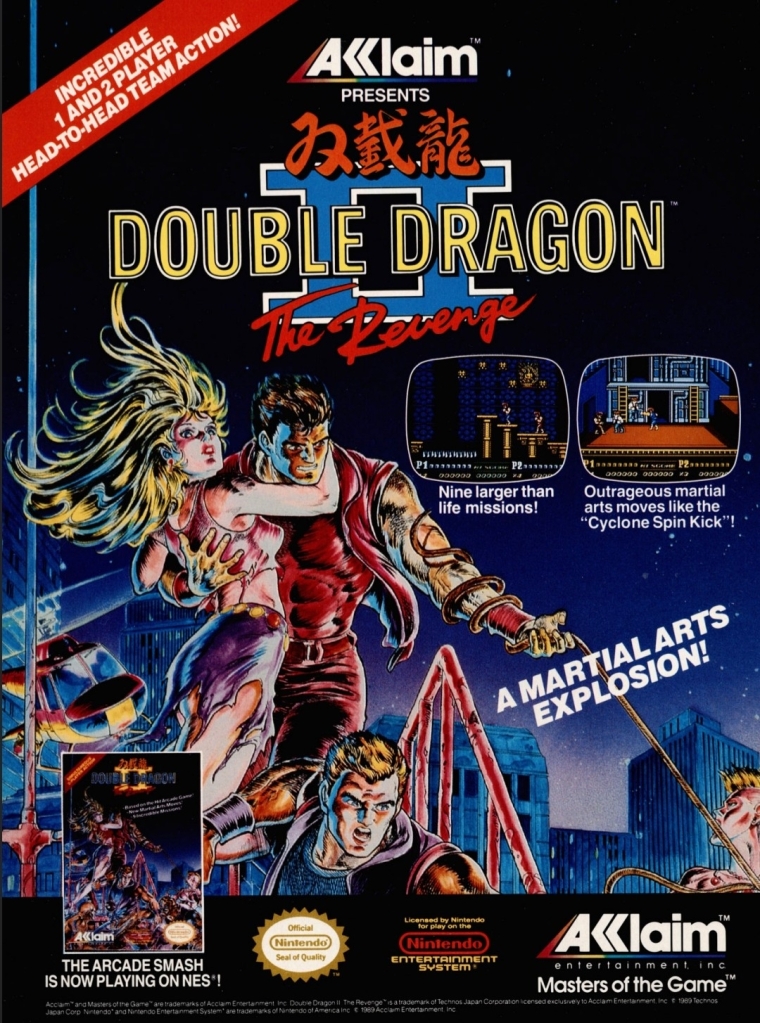
1. Double Dragon II: The Revenge print ad

Nice looking art used to promote the game.

The beat-them-up sub-genre of gaming was already popular in the 1980s and one of the most defining game franchises of this type of game was the Double Dragon series which proved to be popular with Nintendo Entertainment System (NES in America) and Family Computer (Famicom in Japan) gamers. As the first game was a very big hit on Nintendo’s consoles, the sequel Double Dragon II: The Revenge was promoted in America with strong confidence on the part of publisher Acclaim that it would become another massive hit. This print ad had a very nice looking comic books-style art that not only captured the concept of the game but also visualized the heroes Billy and Jimmy with enough details to focus on. I can say this was an eye-catching ad.

2. X-Men: Children of the Atom print ad

Great looking ad but the line “100% direct conversion” is not true at all.

Developed by Capcom in cooperation with Marvel, X-Men: Children of the Atom was a huge hit in the video arcades and it was not surprising that it got released on the Sega Saturn by Acclaim. Acclaim organized an aggressive promotional campaign by pouncing on the fans’ love and knowledge of the X-Men and the high fun factor of Capcom’s game. What this print ad got wrong, however, was the line “100% direct conversion of the arcade smash!” which was wrong and misleading. In reality, the Sega Saturn version of the game had about one-third of the animation frames cut due to the console’s smaller RAM capacity.

As the years passed by, the Sega Saturn became the more suitable console for home ports of Capcom’s further 2D fighting games as Sony’s PlayStation had even more severe limitations and a graphics processor that was not suitable for 2D graphics. By the end of 2000, Capcom’s 2D fighting games on PlayStation all were inferior to the Sega Saturn versions.

3. Sky Shark NES print ad

This is an effective looking ad.

Released in Japan as Flying Shark, Sky Shark was released on multiple platforms in 1988 and there was an NES version of it which this particular print ad promoted. The American branch of Taito wisely used positive quotes from media outlets to promote the game while coming up with an engaging text description and displayed NES screenshots. And then there was that very engaging painted cover art that gave this print ad a lot of punch. An effective ad overall.

4. Conflict print ad

This is a very captivating artwork for advertising.

There is no denying the fact that the Cold War was a strong influence on arcade games and video games. Titles like Contra, Jackal, Metal Gear, Operation Wolf, Cabal and Rush’n Attack were militaristic games that entertained millions of gamers from the young adults to the little children. In 1990, Vic Tokai released the game Conflict on the NES which had a military theme but an unusual game design composed of digital maps with hexagons in which gamers will play with strategy to win battles. That being said, this print ad’s visual concept was very captivating yet also misleading. If you see how the game is played, you will know what I mean.

5. College Slam print ad

Were you ever interested in college basketball video games?

This is one of the more eye-catching print ads I’ve seen due to the artist’s illustration of a basketball with a mouth biting the basketball rim which dominates the space. For the newcomers reading this, College Slam was a basketball video game that was actually a repacked version of the popular NBA Jam with focus on NCAA basketball players. With the biting basketball at the center, it was easily an attraction and the screenshots implemented were larger than usual which easily gave gamers a clear look at what the game looked like. While this print ad is eye-catching, it did not help sell College Slam and there never was a follow-up.

6. Tecmo Super Baseball print ad

From the time when Tecmo was prolific with video games about sports.

Long before it started the Dead or Alive game franchise, Tecmo was once heavily invested in making sports video games. Tecmo Super Baseball was their first American pro baseball video game released for Super Nintendo Entertainment System (SNES) and Sega Genesis, and it was notable that the publisher secured only the Major League Baseball Players Association (MLBPA) which resulted in the game featuring real-life players but the teams had no names and no logos. Regardless, this print ad showed how aggressive Tecmo was in trying to attract consumers’ attention by showing ten screenshots with short text descriptions each. The ad’s write-up boasted realism as well as the promise of gaming quality.

7. The Punisher print ad

Marvel’s vigilante firing at someone.

In the early 1990s, Capcom and Marvel Comics started their partnership resulting in the releasing of the arcade game The Punisher. Developed by Capcom, the said arcade game became a big hit with gamers as it featured fun gameplay, multiple enemies appearing on screen simultaneously and other fun elements. Unsurprisingly, the game was ported (note: Sculptured Software was the lead developer) to the Sega Genesis with significant downgrades in terms of graphics, sound, enemy variety and other related elements due to technical limitations. That being said, this print ad used detailed art of the Punisher (with Col. Fury in the background) in a clever way to promote the Sega Genesis version while keeping their attention away from the obvious visual downgrades of the two screenshots displayed. The Punisher on Genesis was poorly received.

8. Stargate print ad

If you did not enjoy the movie, were you able to play the video game adaptation on Sega Genesis or Super NES?

Remember the sci-fi movie Stargate (1994)? The film was a surprise box office hit and eventually video game adaptations of it were made for the SNES, Sega Genesis, Game Gear and the GameBoy. This particular print ad, however, showed screenshots of the SNES and Genesis versions which is made obvious with the side-scrolling adventure plus 3D flying sequence (one screenshot showed it). Combined with images sourced from the movie poster plus an insert of the movie in home video format (lower-right corner), this print ad was obviously an aggressive way to promote the film with the post-theatrical business in mind. In case you are wondering, the cinematic Stargate is not related at all with the early 1980s video game (a follow-up to the classic game Defender) of the same name.  

9. Aerobiz Supersonic print ad

For a simulation game released on consoles, Aerobiz Supersonic is pretty deep and a lot of fun to play.

The airline simulation game Aerobiz Supersonic is a highly addictive and surprisingly fun game that I enjoyed playing on the SNES (read my retro review by clicking here) and strangely enough I first learned about not through its print ad but by reading a preview published by Electronic Gaming Monthly (EGM) magazine. As for this print ad made by Koei’s American team, this is really odd to look at due to the ad makers’ choice of showing a not-so-attractive flight meal. In contrast to that, the ad makers did a good job describing the game creatively and showed three screenshots that were strategically selected in my view. Having played the game many times, I can say that this print ad is very truthful.

+++++

Thank you for reading. If you find this article engaging, please click the like button below, share this article to others and also please consider making a donation to support my publishing. If you are looking for a copywriter to create content for your special project or business, check out my services and my portfolio. Feel free to contact me with a private message. Also please feel free to visit my Facebook page Author Carlo Carrasco and follow me on Twitter at  @HavenorFantasy as well as on Tumblr at https://carlocarrasco.tumblr.com/ and on Instagram at https://www.instagram.com/authorcarlocarrasco

Stranger of Paradise: Final Fantasy Origin coming to Xbox Series X, Xbox Series S and Xbox One on March 18, 2022

As I mentioned previously, 2022 will be a bigger and more exciting year for enjoying video games on Xbox platforms as there will be more and varied new video games coming out as well as new fun stuff through the Xbox network and Xbox Game Pass (XGP). Adding more depth and excitement on Xbox gaming this year is the fast-approaching release of Stranger of Paradise: Final Fantasy Origin on March 18, 2022 on Xbox Series X, Xbox Series S and Xbox One consoles!

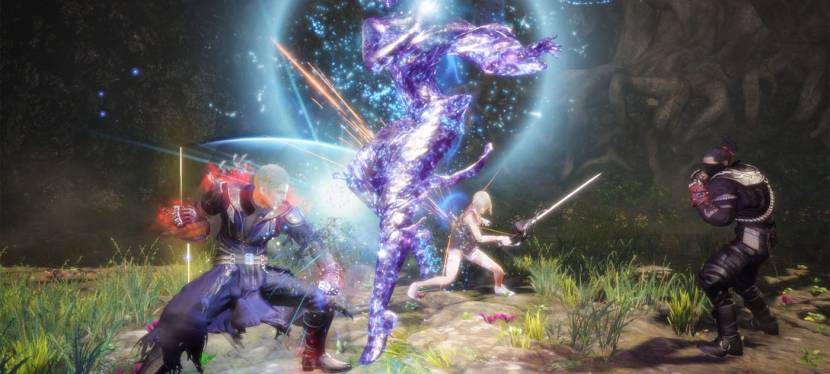
Stranger of Paradise: Final Fantasy Origin is an action-packed, Japanese role-playing game (JRPG) being made by Koei Tecmo-owned developer Team Ninja (best known for Ninja Gaiden and Dead or Alive) under publisher Square Enix. For key details about the upcoming game, read the Square Enix press release excerpt below. Some parts in boldface…

STRANGER OF PARADISE FINAL FANTASY ORIGIN blends challenging and strategic action gameplay with the world and lore of the FINAL FANTASY series to create a unique action RPG experience. Join Jack and his allies as they throw open the gates to the Chaos Shrine and step into a world of dark fantasy and exhilarating battles to discover if they are truly the Warriors of Light the prophecy foretold.

Posted below is the excerpt from the Xbox.com article of the game. Some parts in boldface…

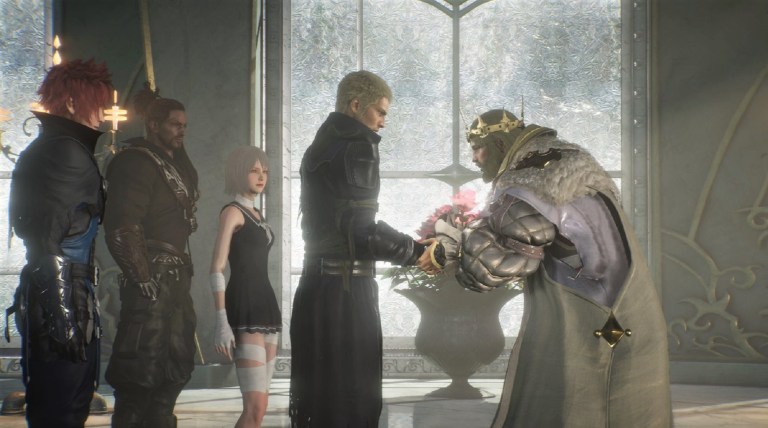
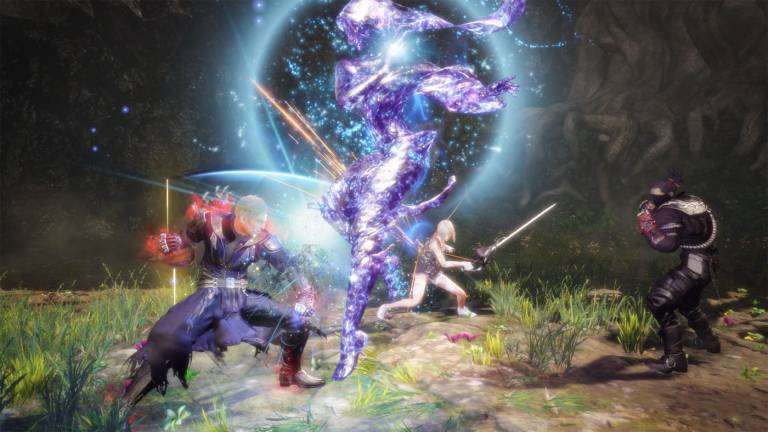
From a key cutscene in the game.

In this new tale you’ll play as Jack, a stranger to the Kingdom of Cornelia with a past shrouded in mystery. He must hazard numerous challenges to bring the light of the crystals back to a kingdom conquered by darkness in this hard-core action RPG. Will restoring the crystals’ light usher in peace or a new form of darkness? Or perhaps something else entirely? Keep reading to find out what makes this Final Fantasy story so unique.

Visceral Action Combat

Stranger of Paradise Final Fantasy Origin allows players to experience Final Fantasy action like never before. Real-time combat keeps the action at the forefront of gameplay. But you won’t find success by mashing buttons. You’ll need to turn your enemies’ powers against them to turn the tides of battle. Switch between jobs with a push of a button so you can be prepared for anything that comes your way. When the odds are overwhelming, use the powerful Lightbringer ability to push back the monstrous hordes. Once you’ve broken their spirit, finish them off with a crystal crushing finishing move.

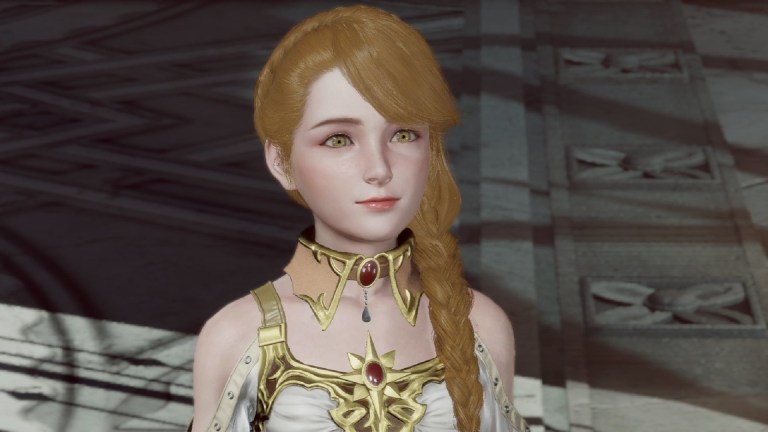
One of the characters in the game.

Deep Character Customization

With each enemy you defeat and every chest you open, you’ll uncover powerful treasure to help you on your journey. Each piece of armor will not only augment your abilities but will also change the look of your character as well. The weapons you find will also unlock new jobs to fit your play style. You might start off as a swordsman, but you’ll quickly discover options to become a mage, dragoon, monk, and so much more. Find the right combination of abilities to fit the way you play and don’t forget to customize your team-mates gear for some added support.

A Dark World to Discover

If you’ve played a Final Fantasy game before you might recognize some familiar creatures and locations, but you’ve never seen them like this. What secrets does each location hold and what manner of monster await you in the darkness?

Anyone who loves real-time action in Japanese RPGs should check this out.

To order the game in advance for your Xbox console, you can go for the regular edition here or the digital deluxe version here. Being a highly stylized action RPG developed by the talented guys at Team Ninja, Stranger of Paradise: Final Fantasy Origin will surely standout among all other RPGs (regardless of core design or gameplay styles) that are coming to Xbox consoles in this console generation. It is also interesting to see how this upcoming game will perform in terms of visual fidelity and frame rates when optimized for Xbox Series X. Mark your calendars for March 18, 2022 for Stranger of Paradise: Final Fantasy Origin.

In closing this piece, posted below are Xbox-related videos for your viewing pleasure.

+++++

Thank you for reading. If you find this article engaging, please click the like button below and also please consider sharing this article to others. If you are looking for a copywriter to create content for your special project or business, check out my services and my portfolio. Feel free to contact me with a private message. Also please feel free to visit my Facebook page Author Carlo Carrasco and follow me on Twitter at  @HavenorFantasy as well as on Tumblr at https://carlocarrasco.tumblr.com/

A Look Back at Aerobiz Supersonic

When it comes to playing economic simulation games, I enjoy playing them on the personal computer (PC) using the keyboard and mouse. Back in the mid-1990s, there was one particular economic simulation that I played on the Super Nintendo Entertainment System (Super NES or SNES) and found it to be very enjoyable and easily to play with using the console’s control pad.

That game was Aerobiz Supersonic, a simulation about the airline industry developed and published by Koei for both the Super NES and the Sega Genesis. Here is my look back at this old video game from the 1990s.

Screenshot_20200222-133557_Photos.jpg
The cover of the Super NES version of the game. Its art and style is really nice to look at.

Concept and Game Design

In the game, you get to play the Chief Executive Officer (CEO) of an airline and your goal is to beat your rivals in the global air travel industry. How to achieve the goal and succeed? There are tasks that need to be accomplished such as buying commercial airplanes (that include such real-life companies like Boeing and Airbus) for use, establishing flight routes, securing slots in airports worldwide, selling tickets and filling up each flight with as many passengers as possible, achieve profitability and finish the game’s imposed time period ranking . Adding zest to the game’s challenge is the selection of a certain era of world history that include 1955-1970 (the dawn of jets), 1970-1990 (the Cold War era), 1985-2005 (the present era) and 2000-2020 (the age of continued flight advancement).

Within the game, time passes by means of clicking a certain on-screen button that ends the player’s current turn. Of course, before pressing that, the player has to set things in motion like sending a representative to a certain overseas airport to negotiate and secure slots (which takes months to complete), set the ticket prices, buy a new airplane or two, etc. The game even allows players to micro-manage their airline like adjusting internal spending (salaries) or adjusting the quality of their airplane and services. Also nice is the option offered for players to buy a hotel or resort, a theme park or a travel agency that can bring in additional revenue.

Screenshot_20200222-132447_YouTube.jpg
The airport slots, local businesses, economic and tourism details per city displayed.

Screenshot_20200222-132508_YouTube.jpg
Visit an airline and choose from one of many models of airplanes to buy.

There are other small details that need paying attention to such as the economy and tourism meters of each city displayed (note: a higher tourism score means the city is more attractive to travelers), the population, etc. Also noteworthy is the current state of relations between your home nation with the nation of the city airport you are trying to establish routes with which can affect your business.

When the turn ends, a series of events will happen showing what happened around the world, how your company fared in the competition during the lapsed time period, and, occasionally, a random event will occur that most likely will affect your business (examples: the Olympics hosted by a city helps draw in additional passengers or the 1970s oil crisis raises the cost of your operation).

Regarding the game’s imposed time period for competing with the artificial intelligence (AI) opponents, the period is twenty in-game years.

Screenshot_20200214-195600_YouTube.jpg
This is part of micro-managing your business in the game.

Screenshot_20200214-195720_YouTube.jpg
After the end of each turn, news and updates not only about your company but also your competitors are flashed.

Quality

Being used to playing simulation games on PC, I found Aerobiz Supersonic to be very enjoyable, addicting and easy and efficient to play (in terms of controls). Considering the above-mentioned gameplay options (buying an airline, sending a representative, etc.), they are pretty easy to adjust using the Super NES controller although there were a few moments when I accidentally pressed the button putting into motion a different option.

Gameplay aside, this game has a whole lot of charm with its visual presentation. You launch a brand new flight route, the game shows a short animation sequence of the jet taking off. You buy an airplane, you will see a short animation of it entering your facility once it arrives (complete with a visual design reflecting the model). You conduct a board meeting, your company’s officials are present making reports to you and you get a series of choices to make on what to do next. A historical event or a global development occurs, you get to see original art reflecting them (example: a nation joins the EU with people wearing suits and neckties together in a formal ceremony). You make a move to buy slots at an airport overseas, a company official will have his or her face shown talking to you. When looking at the regional map, you see lines connected between cities (highlighting the establish flight route you made) and there are icons of airplanes flying between them.

Screenshot_20200214-195732_YouTube.jpg
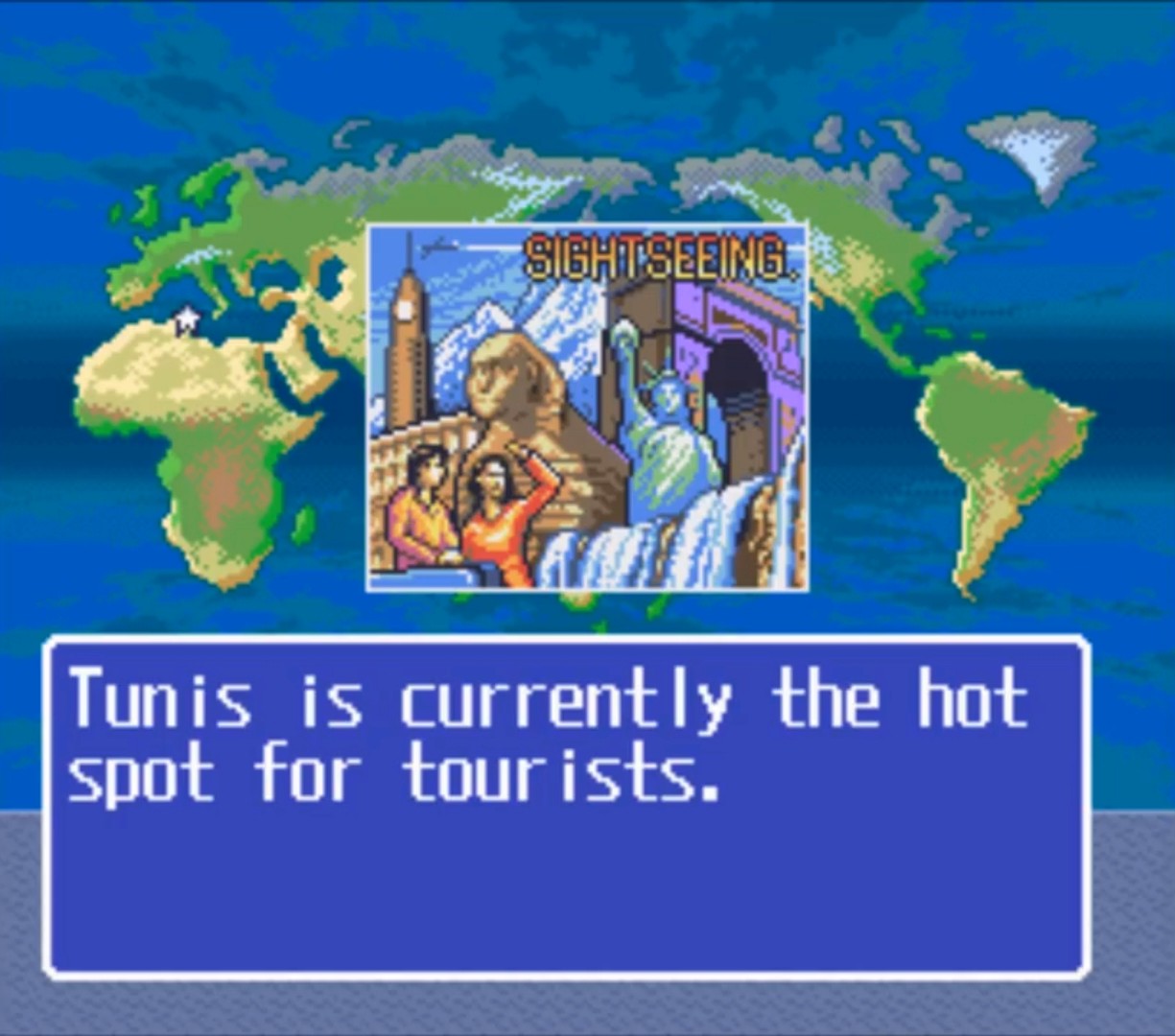
Random tourist hot spots get highlighted as you keep playing.

More on the aspect of starting the game, I like the options offered for me to select which city shall serve as my airline headquarters. Among the many cities included, there are cities of my native Philippines namely Manila (the international destination) and the nearby city of Cebu. I still remember how delighted I was to see my native Philippines included in the game, complete with Asian character designs to reflect the company and its region.

Conclusion

Ultimately Aerobiz Supersonic (which was actually a sequel to Aerobiz) is a gem of a console economic simulation released at a time when 2D sprite gaming was still the standard and 3D polygonal gaming was just about to make an impact on the global video game console market. Back then, 2D side-scrolling action/adventure games, sports games and role-playing games (RPGs) were so common on the Super NES and Genesis combined and the idea of enjoying economic simulations on consoles was highly unusual. Aerobiz Supersonic is proof that economic simulations can come with a lot of depth, deliver a good amount of strategy and can be highly playable and enjoyable on consoles.

If you want to enjoy this game, it can be quite difficult to do because you need to acquire an existing copy of the game as well as a fully functioning Super NES or Sega Genesis. As of this writing, there has never been a re-release of Aerobiz Supersonic (note: in line with legitimacy, I will not consider those browser versions or file sharing of ROMs) and it is not even included on Nintendo’s Virtual Console. There’s not even a version made for smartphones.

Now if only the executives at Koei Tecmo Games would consider revisiting Aerobiz Supersonic with today’s consumers in mind.

Screenshot_20200222-132429_YouTube.jpg
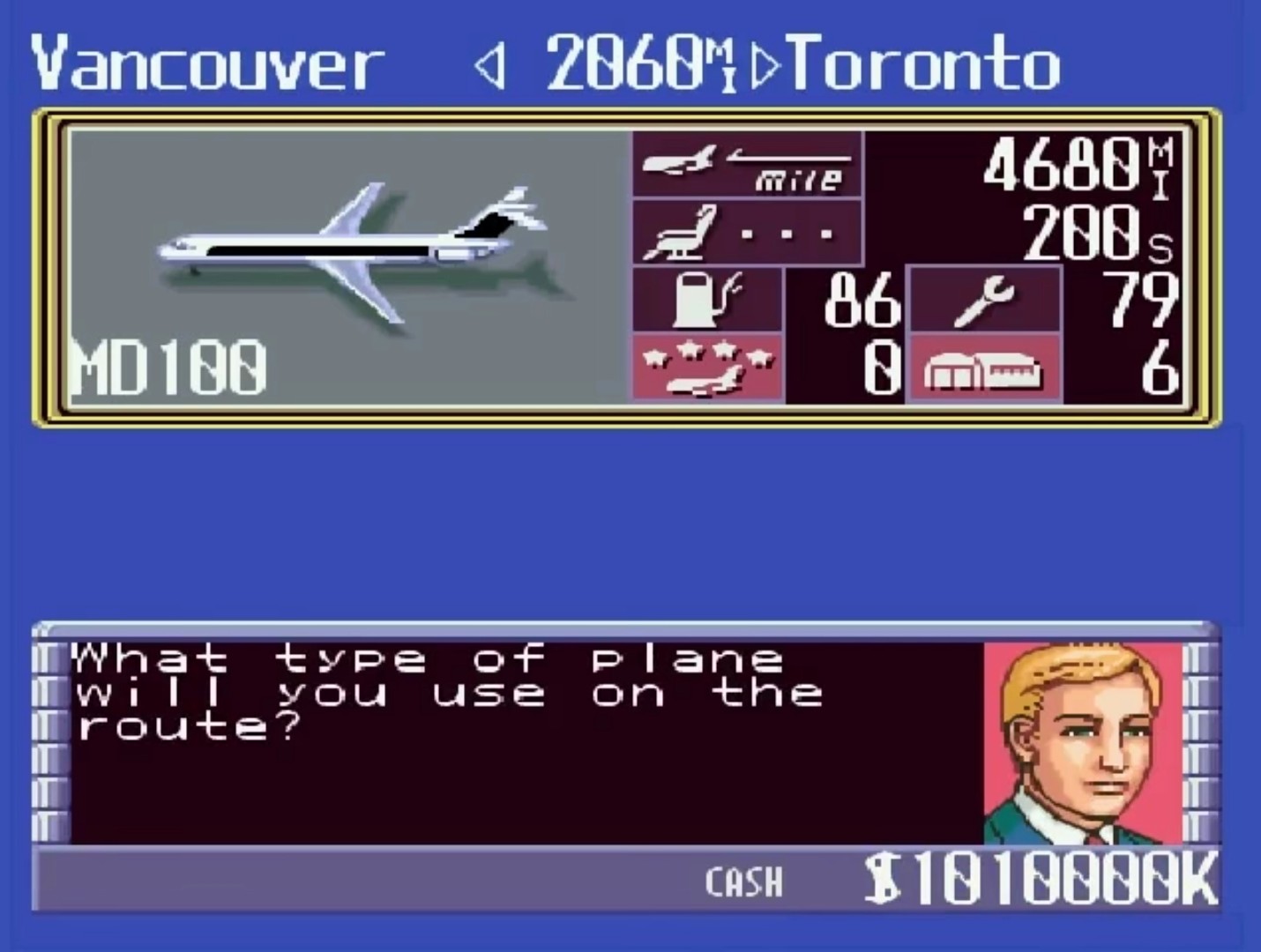
You can choose what kind of plane, how many planes, how many flights and how much you set the ticket prices whenever you start a new flight route.


Thank you for reading. If you find this article engaging, please click the like button below and also please consider sharing this article to others. Also my fantasy book The World of Havenor is still available in paperback and e-book format. If you are looking for a copywriter to create content for your special project or business, check out my services and my portfolio. Feel free to contact me as well. Also please feel free to visit my Facebook page Author Carlo Carrasco and follow me at HavenorFantasy@twitter.com