A Look Back at Prime #10 (1994)

Welcome back, superhero fans, 1990s arts and culture enthusiasts, Ultraverse fans and comic book collectors! Today we revisit the Ultraverse to take a look at one of the many tales of Prime from the monthly series that first launched in 1993.

Within the Ultraverse is a hero that was notably absent in the many UV comic books I reviewed, and Malibu Comics even published a regular series of the character. That character is Firearm who goes by the civilian identity as Alec Swan. Swan, who has no super powers, is a British private investigator who was formerly a member of an elite cover bureau in his home country. He has been working as a PI in California and he has encountered several super-powered people in the Ultraverse. In this comic book review, he gets involved with Prime.

With those details laid down, here is a look back at Prime , published by Malibu Comics in 1994 with a story written by Len Strazewski and Gerard Jones, and illustrated by the late Norm Breyfogle.
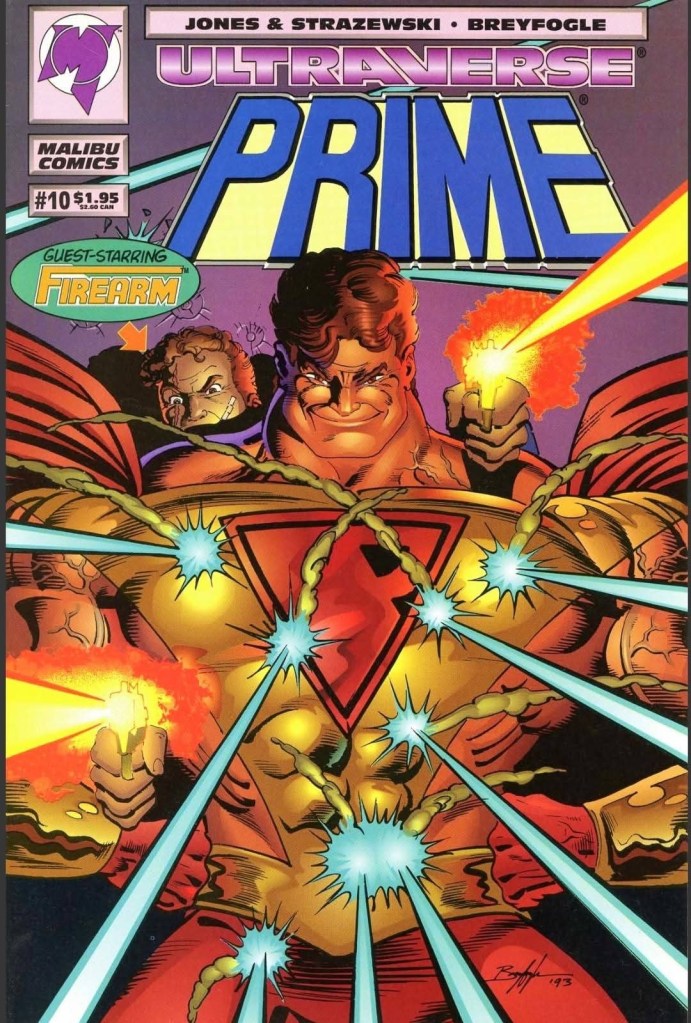
The cover.

Early story

The story begins Prime crashing into a secret facility where Colonel Samuels and his crew have been working in. Prime angrily accuses the colonel for lying to him and pushing him close to killing the people in the nuclear plant and almost getting him killed in a nuclear blast.

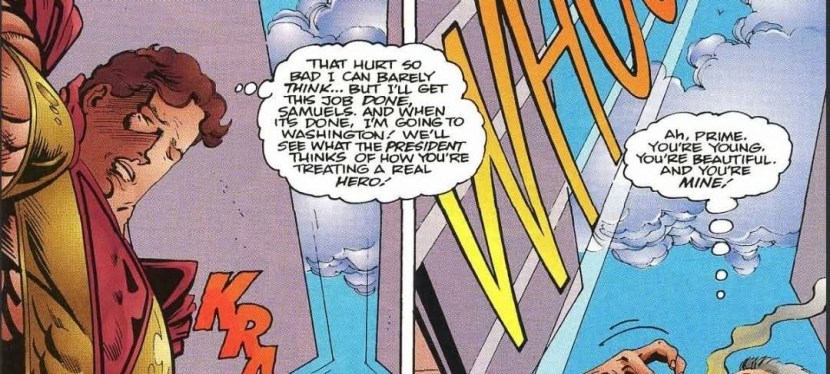
Samuels immediately pulls a switch to electrocute Prime (note: through the collar Samuel placed on Kevin Green’s neck) with a massive amount of energy which knocks him out. A short time later, Prime finds himself restrained in front of the colonel, guards and scientists. Samuels reveals to him that the secret society Aladdin has been stepping up efforts to control ultras (super-powered beings) since the incident on the moon (Break-Thru) happened, and they want him out of business.

What Colonel Samuels and staff do not realize is that Firearm is discreetly watching them and listening in the shadows…

Quality
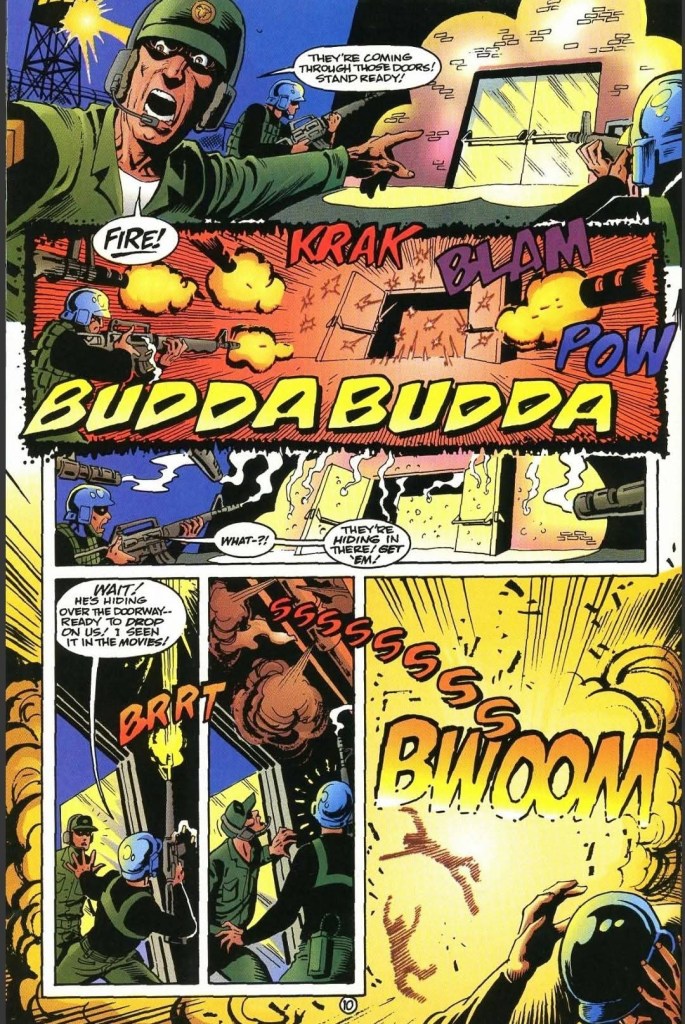
The guards got fooled.

To begin with, I can say that the Strazewski-Jones-Breyfogle team literally turned things upside-down to tell a Prime story while smoothly integrating Firearm into the narrative. This is the first-ever encounter between Prime and Firearm (who at this point of the story met Kevin Green’s father)

Without spoiling the plot, I can say that this tale is heavy with the action which is justified by the presence of Firearm. Prime himself is in a more vulnerable state as Colonel Samuels has clever advantages over him. The result is a story packed with action and has some suspense and intrigue mixed in. The reading experience flowed smoothly and there never was any boring moment in any scene.

Firearm’s presence here opened some opportunities for the creative team to develop Kevin Green’s personality and what they came up with was executed efficiently and with depth. As for Colonel Samuels, his wickedness reached a boiling point in this tale and the creative team came up with something that caught me off-guard. I promise you, what happened to Samuels here is worth discovering and it will compel you to examine or anticipate the consequences of the action he took.

Conclusion

Somehow, Colonel Samuels and his staff failed to notice Firearm’s presence.

While the previous issue was a return to form for the regular series, Prime (1994) was a pleasing crossover tale that successfully showcased action, suspense, intrigue and new dimensions of Kevin Green’s personal growth. This first-ever encounter between Prime and Firearm was executed solidly and the reading experience in general was engaging from start to finish. The way I see it, this old Ultraverse comic book will please fans of both Firearm and Prime.

Overall, Prime (1994) is highly recommended.

+++++

Thank you for reading. If you find this article engaging, please click the like button below and also please consider sharing this article to others. If you are looking for a copywriter to create content for your special project or business, check out my services and my portfolio. If you want to support my website, please consider making a donation. Feel free to contact me with a private message. Also please feel free to visit my Facebook page Author Carlo Carrasco and follow me on Twitter at  @HavenorFantasy as well as on Tumblr at https://carlocarrasco.tumblr.com/ and on Instagram at https://www.instagram.com/authorcarlocarrasco/.
A Look Back at Prime #9 (1994)

Welcome back, superhero fans, 1990s arts and culture enthusiasts, Ultraverse fans and comic book collectors! Today we revisit the Ultraverse to take a look at one of the many tales of Prime from the monthly series that first launched in 1993.

For the newcomers reading this, Prime is one of the definitive, major heroes of the entire Ultraverse along with Hardcase, Mantra and Prototype. Prime is also a major part of the team UltraForce. What makes the muscular and super strong Prime interesting is that his true identity is a teenager named Kevin Green who finds himself struggling between his superhero activities, his social life and his family. Having previously read and reviewed lots of Prime comic books, I can say that I had a lot of fun along the way. There are still some comic books about Prime that I have yet to review.

With those details laid down, here is a look back at Prime , published by Malibu Comics in 1994 with a story written by Len Strazewski and Gerard Jones, and illustrated by the late Norm Breyfogle.

The cover.

Early story

The story begins with Kevin’s mother helplessly tied to a chair with her mouth covered inside their home. By this time, Kevin (Prime) has been gone for more than a week already and her husband Russ won’t even call the police for help. For her, the people who informed her that Kevin has to be isolated because of some kind of a disease lied.

Suddenly a uniformed man armed with a rifle tells her that she will be in trouble if she makes so much noise. He tells her that Kevin is just outside the house and his team intends to collect him again.

Outside, Kevin just arrived following his unexpected adventure with Mantra (for crossover references, the comic books are Mantra #7 and Prime #8). Not knowing who Mantra really is, he remembers getting kissed by her and has an intention to see her whenever he wants. As soon as he opens the front door of their home, Kevin immediately gets dragged inside and restrained by two armed men. Colonel Samuels is inside…

Quality

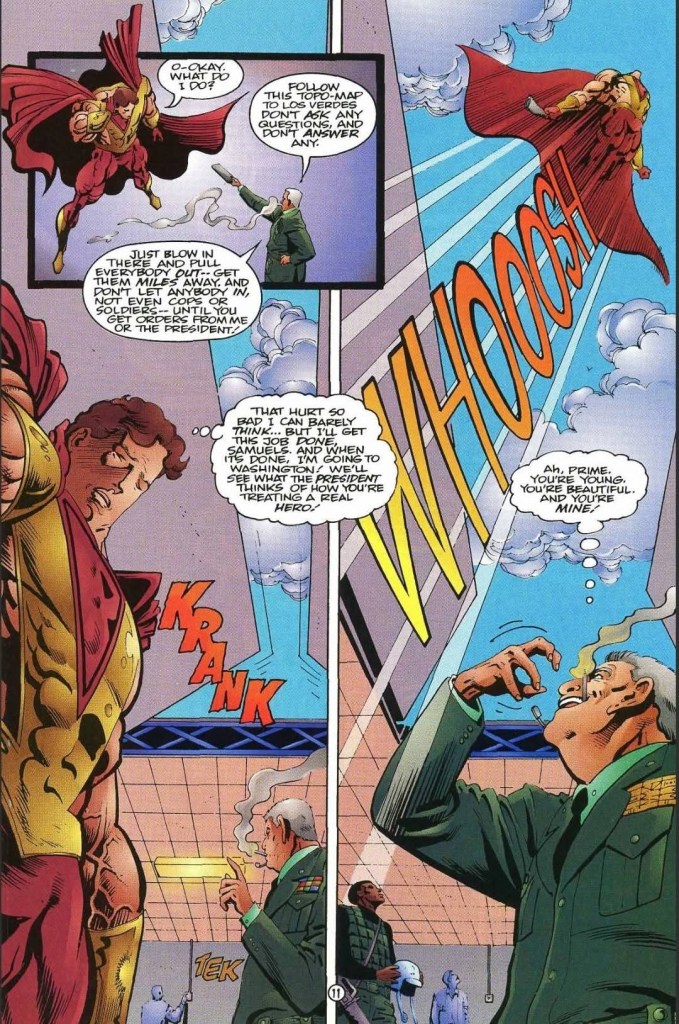
Prime has no choice but to do the dirty work of the abusive Colonel Samuels (who has access to US President Bill Clinton).

Being set shortly after the events of Break-Thru (read my retro reviews by clicking here, here and here) and Prime’s encounters with Mantra, this tale is clearly a return to form for the Prime monthly series. Symbolically, Colonel Samuels returns as the chief antagonist and he clearly is not done yet with messing with Prime as well as with the Green family while abusing his power. Samuels is clearly evil and having served in the American military for decades, he has access to the government’s information regarding the ultras (which places the Green family in disadvantageous situations) and he has all resources needed to ruin Prime’s life.

Prime here gets involved in a mission being at a serious disadvantage as Colonel Samuels has the power and means to make him do dirty tasks. Samuels even has direct access to US President Bill Clinton (a real-life abuser of women, a leader who empowered Islamic terrorists and a profiteer with his family’s foundation) to do high-risk operations supposedly in service of America.

What is very clear in this story written by Strazewski and Jones is that intrigue (backed by twists) made the narrative powerful and engaging to follow. Even though there is a clear bias supporting the hippies, the political correctness minds, the anti-nuclear zealots and the solar power extremists, the tale is still entertaining to read. More notably, you will see how Prime develops as he tackles a very dangerous situation that involves annihilation in American land. I really like the way the writers showed Prime struggling to analyze what to do as the pressure mounts immensely on him.

Conclusion

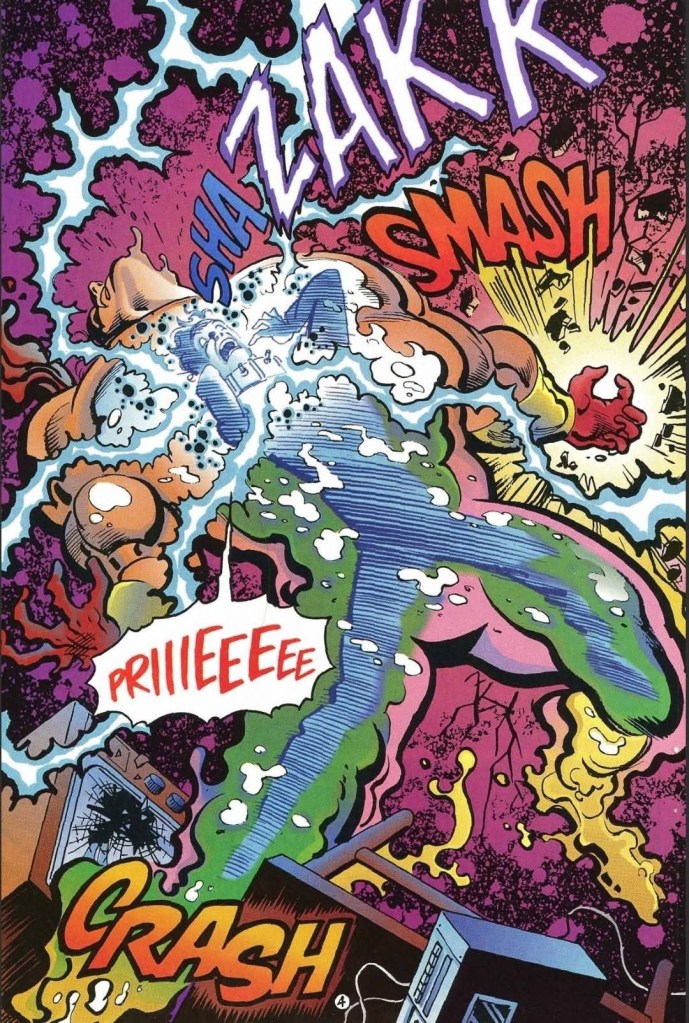
Easily the most dynamic image of the comic book drawn by the late Norm Breyfogle.

Prime (1994) is another very solid Ultraverse tale made by the Strazewski-Jones-Breyfogle team. It is creative a return to form for the Prime monthly series (because Prime got busy with Break-Thru and spent time with Mantra) and seeing the evil Colonel Samuel raise the stakes added a lot of depth to the story. At this particular stage of the series, Kevin Green’s life is getting out of hand and his parents are already in the middle of a series of very unfortunate events. This old comic book is still fun to read.

Overall, Prime (1994) is recommended.

+++++

Thank you for reading. If you find this article engaging, please click the like button below and also please consider sharing this article to others. If you are looking for a copywriter to create content for your special project or business, check out my services and my portfolio. If you want to support my website, please consider making a donation. Feel free to contact me with a private message. Also please feel free to visit my Facebook page Author Carlo Carrasco and follow me on Twitter at  @HavenorFantasy as well as on Tumblr at https://carlocarrasco.tumblr.com/ and on Instagram at https://www.instagram.com/authorcarlocarrasco/

A Look Back at Freex #15 (1994)

Disclaimer: This is my original work with details sourced from reading the comic book and doing personal research. Anyone who wants to use this article, in part or in whole, needs to secure first my permission and agree to cite me as the source and author. Let it be known that any unauthorized use of this article will constrain the author to pursue the remedies under R.A. No. 8293, the Revised Penal Code, and/or all applicable legal actions under the laws of the Philippines.

Welcome back superhero enthusiasts, 1990s arts and culture enthusiasts and comic book collectors! Today we go back to the wild 1990s and explore a part of Malibu Comics’ Ultraverse through a tale of Freex.  

Since after facing off with Contrary (who eventually became part of UltraForce) and her so-called school and students, Freex had been traveling far and long (refer to my previous Freex reviews here, here and here) and gained Old Man as a useful companion. Along the way, they encountered the unknown deep underground and even saw a powerful being. They even got to the city of Denver temporarily. As they went on, they found the path that led them back to civilization.

With those details laid down, here is a look back at Freex , published in 1994 by Malibu Comics with a story written by Gerard Jones and drawn by Scott Kolins. This is a flip-side comic book with Ultraverse Premiere (1994) on the other side.  

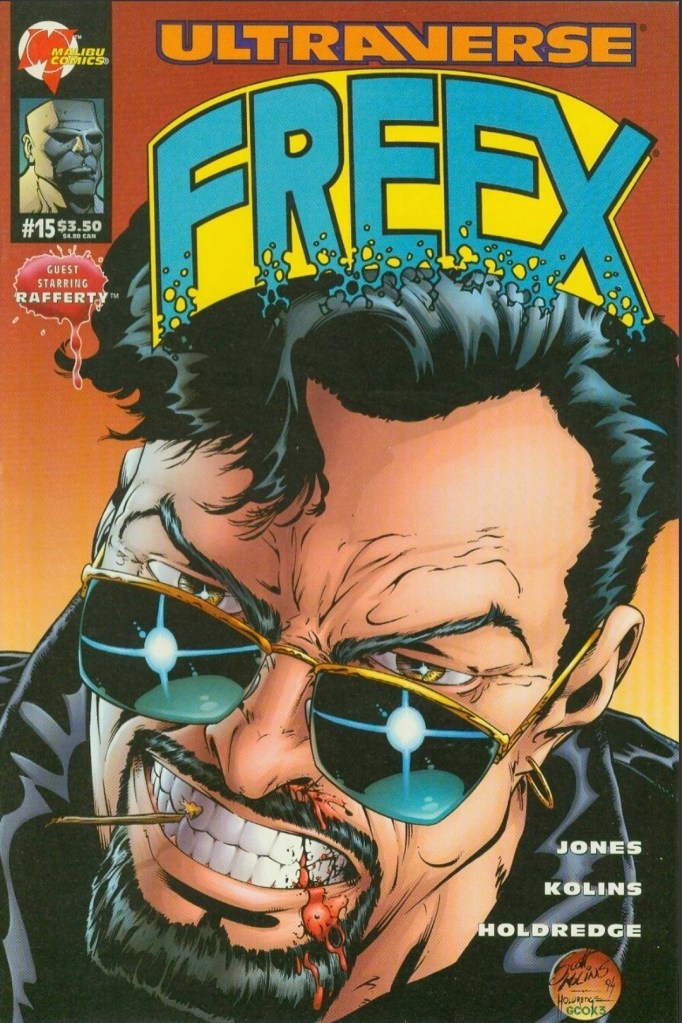
The cover.

Early story

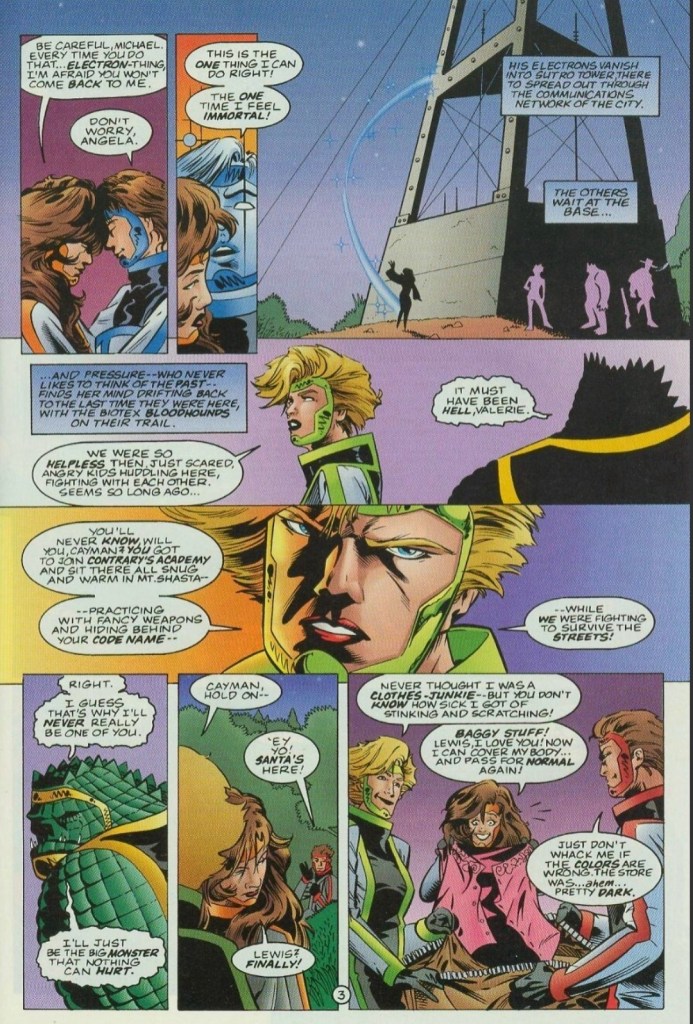
The story begins with Freex – composed of Plug, Sweet-Face, Pressure, Anything and new member Cayman – have been traveling for some time deep underground with Old Man. They find themselves back in San Francisco, the one city that brought them together. While still a long distance away from the city proper and there are no locals who could see them, the team cautiously move to a high communications tower. Michael/Plug uses his special ability to transform himself into electronic matter and makes his way through the communications network of the city to do something very important. Cayman meanwhile becomes the object of discussion between Pressure and Sweet-Face as he has yet to share with them details about himself.

As Cayman himself was part of Contrary’s academy and joined Freex recently, he has trouble gaining the trust of the others. After wearing new clothes that Lewis found, a guy suddenly appears to them. He introduces himself to them as Evan…  

Quality

The very evil Rafferty monitoring Freex secretly and enjoying his advantage over them.

Considering what happened in the previous issues, this story feels like a breath of fresh air not only because of the new location the team got into but also because of strong twists that happened. Instead of going through fantastical encounters, Freex found themselves in situations that are more grounded with reality (within Ultraverse standards specifically) and more notably, the story emphasized crossover as Freex and Old Man encountered Firearm. The said crossover, quite cleverly, sets up Freex into a collision course with the serial killer Rafferty (who encountered The Strangers elsewhere within the Ultraverse). For the newcomers reading this, Rafferty is one of the most evil characters of the Ultraverse who has murdered a lot of people – including his own parents – and has developed tremendous hatred of Ultras.

The inclusion of Rafferty here also sheds light on the Freex’s past connection with the Night Man (click here and here). More notably, the said serial killer turned out to be so resourceful and totally obsessed with murdering people with special abilities, he became a formidable force towards Freex. This leads to a pretty powerful and twisting conclusion that must be seen.  

Conclusion

The gang by the tower.

With a good amount of intrigue, characterization spectacle, strong dialogue and the element of crossover, Freex (1994) is a pretty engaging comic book to read. The biggest feature here is having Freex in a conflict with a very obsessed killer who not only hates Ultras but also has an extensive record of murdering many people over a long period of time. In my view, the Freex-Rafferty conflict was nicely structured and it added depth to the plot. What happened in the end of this comic book should resonate with dedicated fans of Freex.

Overall, Freex (1994) is highly recommended.

+++++

Thank you for reading. If you find this article engaging, please click the like button below, share this article to others and also please consider making a donation to support my publishing. If you are looking for a copywriter to create content for your special project or business, check out my services and my portfolio. Feel free to contact me with a private message. Also please feel free to visit my Facebook page Author Carlo Carrasco and follow me on Twitter at  @HavenorFantasy as well as on Tumblr at https://carlocarrasco.tumblr.com/ and on Instagram at https://www.instagram.com/authorcarlocarrasco

A Look Back at Ultraverse Year One (1994)

Disclaimer: This is my original work with details sourced from reading the comic book and doing personal research. Anyone who wants to use this article, in part or in whole, needs to secure first my permission and agree to cite me as the source and author. Let it be known that any unauthorized use of this article will constrain the author to pursue the remedies under R.A. No. 8293, the Revised Penal Code, and/or all applicable legal actions under the laws of the Philippines.

Welcome back superhero enthusiasts, 1990s culture enthusiasts and comic book collectors! Today we go back to the mid-1990s which was a pretty wild time for comic collectors. To be more specific, this newest retro review revisits the Ultraverse through a comic-like publication in the form of a guide meant for UV fans and comic collectors.

The subject at hand is Ultraverse Year One which, as written on the edge of the front cover, was designed to be the “complete guide to the Ultraverse’s first year.” It is a reference guide for those who seriously want to discover each and every Ultraverse comic book that was published during its first year. In my experience as a comic collector, the Ultraverse launch in 1993 was very memorable even though my financial limitations prevented me from acquiring each and every launch comic book and subsequent releases of the time. How useful is this complete UV guide? We can go on and find out.

With those details laid down, here is a look back at Ultraverse Year One, published in 1994 by Malibu Comics.

The cover.

Quality

I can say without a doubt that this publication is indeed a complete guide to each and every Ultraverse comic book released during its first year from 1993 to 1994 specifically. You want to know exactly how many issues of Mantra, Prime, Hardcase, The Solution, Prototype, The Strangers and others were published in the first year? This one has it all listed! You want to know which UV comic book involved the talents of Steve Gerber, Norm Breyfogle, Rick Hoberg, Len Strazewski, Aaron Lopresti, George Perez, James Hudnall, Gerard Jones, Steve Englehart, Tom Mason, Terry Dodson, James Robinson, Howard Chaykin, Mike W. Barr and many others under the Malibu Comics banner? This guide has it all listed! What months were Exiles #1, Sludge #1, Firearm #0, Break-Thru #1 and Mantra #1 were published? The answers to each are included. The same can also be said when it comes to which characters appeared in each comic book.

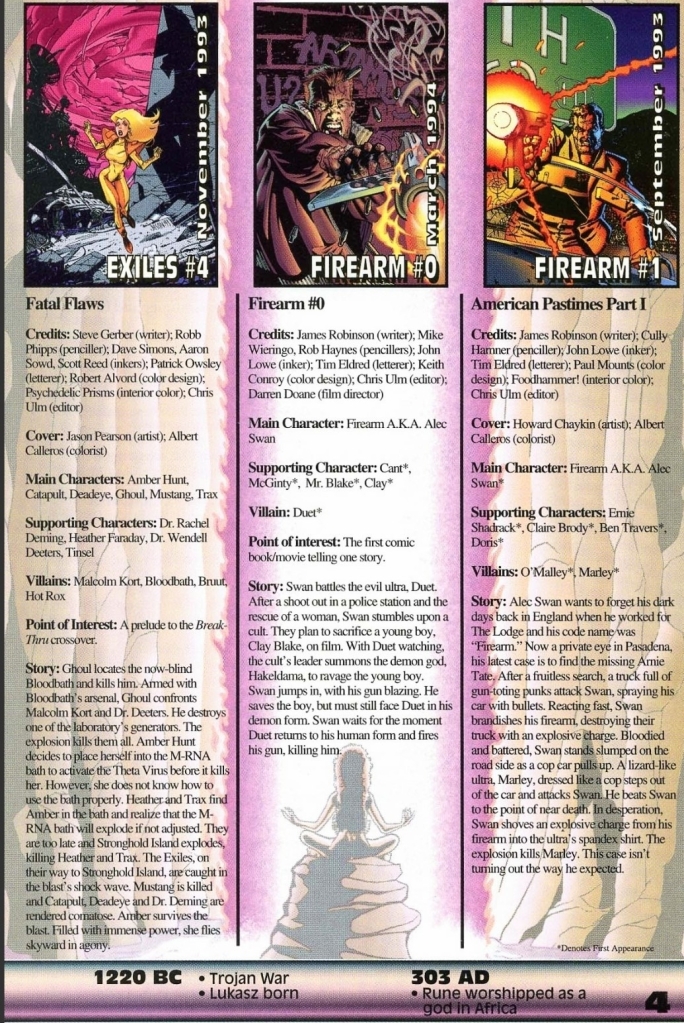
This is what each page typically looks like with details of the Ultraverse timeline on the lower part.
The timeline reveals that the male warrior Lukasz, who would later end up in woman’s body as Mantra/Eden Blake, was born in 1220 BC.

Very clearly, the Malibu Comics people worked hard to collect the essential types of information, organized them and put them all into print media form for readers and collectors to use when it comes to searching just about everything about the Ultraverse’s first year. Things did not just stop there, however.

What I found amusing to look at in each page of this Ultraverse guide are details of the shared universe’s timeline posted on the lowest part. The said timeline – which is limited to text and numbers – reveal interesting details such as what year was Lukasz (AKA Mantra) born, when did Rune begin, when was the Choice corporation established, what year did the island of Yrial’s people move up to the clouds, what years were infants injected by Wetware Mary and more. These details are actually quite encouraging to make readers discover or re-read Ultraverse comic books to see how they are dramatized on paper.

Conclusion

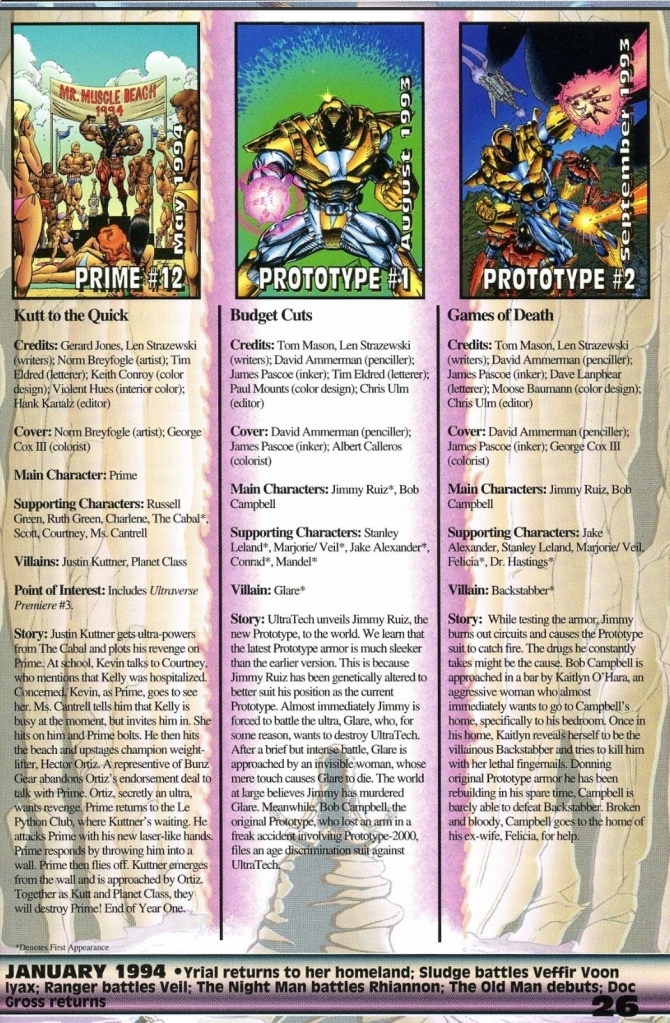
As you can see in the details above, Len Strazewski was involved in both the Prime and Prototype comic book series.

Ultraverse Year One (1994) is a pretty detailed guide that will not only help readers track down each and every UV comic book of the mentioned time period, but also help them spot the precise comic books that has characters included as well as the published works of varied comic book creators. If you are really determined to track down and buy all the Year One UV comic books, this guide is a must-have. If there are any weaknesses to mention, it would be the fact that each comic book’s entire plot got summarized in full which are actually spoilers.

Overall, Ultraverse Year One (1994) is recommended.

+++++

Thank you for reading. If you find this article engaging, please click the like button below and also please consider sharing this article to others. If you are looking for a copywriter to create content for your special project or business, check out my services and my portfolio. Feel free to contact me with a private message. Also please feel free to visit my Facebook page Author Carlo Carrasco and follow me on Twitter at  @HavenorFantasy as well as on Tumblr at https://carlocarrasco.tumblr.com/ and on Instagram at https://www.instagram.com/authorcarlocarrasco/

A Look Back at Break-Thru #2 (1994)

Disclaimer: This is my original work with details sourced from reading the comic book and doing personal research. Anyone who wants to use this article, in part or in whole, needs to secure first my permission and agree to cite me as the source and author. Let it be known that any unauthorized use of this article will constrain the author to pursue the remedies under R.A. No. 8293, the Revised Penal Code, and/or all applicable legal actions under the laws of the Philippines.

Welcome back superhero enthusiasts, 1990s culture enthusiasts and comic book collectors! Today we go back to the mid-1990s which was a really wild time for comic collectors. To be more specific, this newest retro comic book review revisits the conclusion of the epic Ultraverse storyline Break-Thru which was illustrated by the late George Perez (1954-2022). I encourage you readers – especially long-time fans of the iconic illustrator – to check out my commemorative article about George Perez by clicking here.

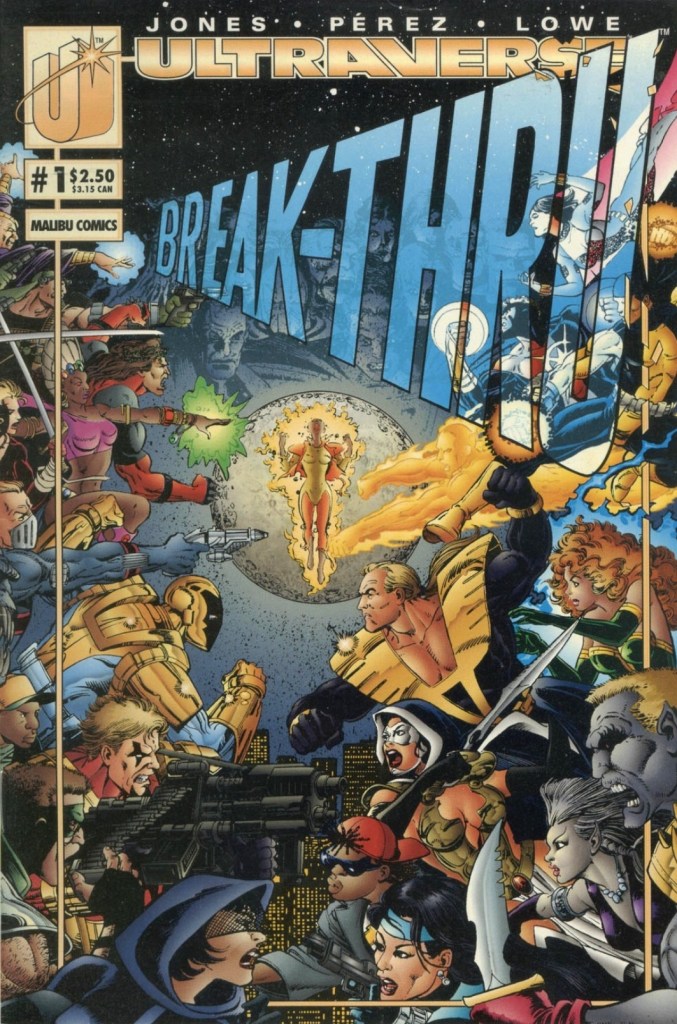
For the newcomers reading this, Break-Thru was a 2-part storyline that creatively involved almost all the main characters of the Ultraverse (The Strangers, Mantra, Prime, Prototype, Freex, The Solution, Hardcase, Sludge, Solitaire and others) who got impacted in varied ways by Amber (of the Exiles) who floated high in the air causing chaos on societies below. Specifically, that was the concept of Break-Thru (1993) and issue has the story continuing with a setting in outer space with the moon as the key destination.

With those details laid down, here is a look back Break-Thru , published in 1994 by Malibu Comics with a story scripted by Gerard Jones (plotted by Mike W. Barr, Steve Englehart, Steve Gerber, James Hudnall, Tom Mason, George Perez, James Robinson and Len Strazewski) and illustrated by the late George Perez.

An epic cover by the late George Perez.

Early story

The story begins at the surface of the moon with Hardcase, Choice and the members of The Solution who just survived the explosion (connected with Hardcase #7 and The Solution #4) of the flying saucer they used on their journey. Nearby, the people responsible for the destruction are riding their own flying saucer, scanning the surface of the moon searching for an entity.

Behind the scenes, the very hidden yet powerful Rex Mundi watches and tells Gate that other ultras are seeking the entity. As the saucer floats to a cave detecting the presence of the entity, the occupants get shaken as Prime hits them hard. Prime tells himself that the entity in the cave feels danger from the searchers and he has to protect it as he has been connected with it (refer to Prime #7). After getting blasted in retaliation by the saucer, Prime finds himself hit even more as Rex Mundi’s enforcers suddenly come out of a portal very near him.  

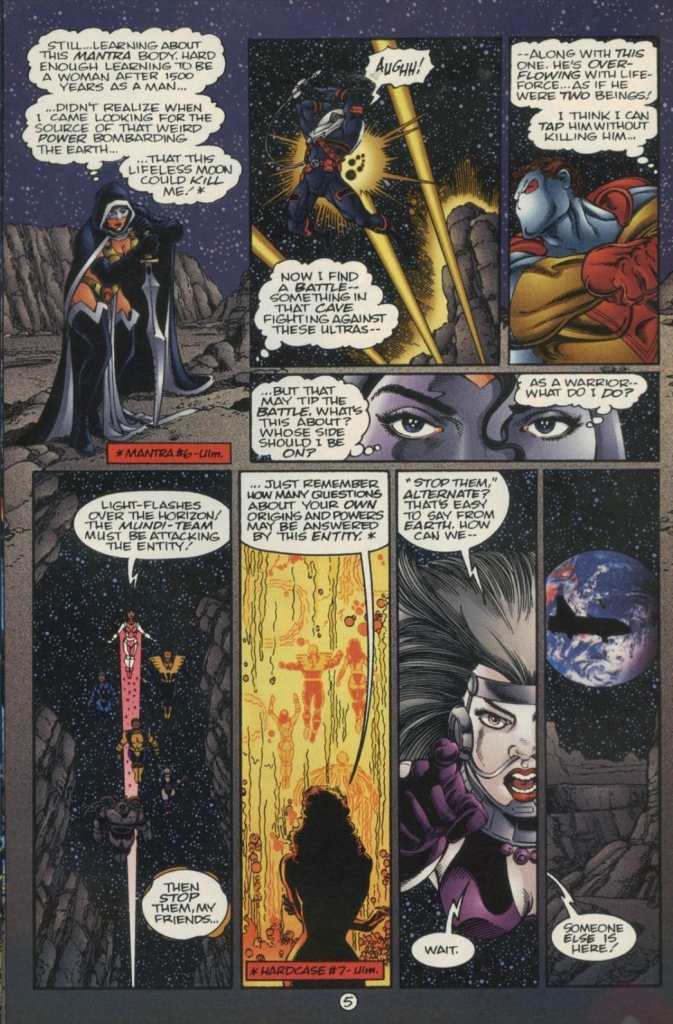
From a distance, Mantra (refer to Mantra #6) sees the fight happening and needs a life force to survive. Elsewhere, Hardcase, Choice and The Solution witness the arrival of a space shuttle. The Strangers and Prototype (refer to The Strangers #7 and Prototype #5) come out together…

Quality

This is classic George Perez presentation of action and characters using multiple panels in a single page.

Starting with the writing, I should mention that all the writers who were involved in plotting this comic book as well as the previous issue should be commended for their combined efforts on making the Break-Thru storyline happen complete with in-universe ramifications, developments and connections to almost all the monthly comic books via the Break-Thru tie-in issue (also check out Sludge #3, Freex #6, Solitaire #2 and Night Man #3). Clearly Break-Thru was planned to be a major turning point of the Ultraverse by involving and mixing most of the major characters together and have them struggle with tremendous obstacles they simply cannot ignore as the stakes were indeed too high.

More on this comic book, the major conflict was set on the moon which proved to be a very unique setting not just for dynamic battles to happen but also to serve as the place where a mysterious and powerful entity is hidden. When it comes to the story, the entity (more science fictional in concept) is mysterious and cleverly not blatantly evil. It is its mysteriousness that makes the entity a worthy force to have the UV’s heroes come after.

The writers added depth to the plot by showing Yrial of The Strangers and Prototype each having their own vested interests to get to the entity and acquire whatever it has that is valuable. At the same time, Mantra and Prime each discovered valuable knowledge about the entity that impacted their perceptions about their purpose as beings with super powers.

Mantra, Prime, The Solution, Hardcase and Choice.

While the story here still has so many characters expressing themselves and releasing expository information, the narrative is a little bit easier to understand and follow compared to issue (which had a lot more information to release via exposition). That being said, the scenes of spectacle became more enjoyable to read and along the way there were some notable character moments to look at.

Visually, this is unsurprisingly a great looking comic book as it was illustrated by the late George Perez. What I love most about Perez’s art style and visual presentation are all here: high details on each character drawn as well as their surroundings, the dynamic approach on setting up the panels on each page, fantastic looking superhero action, and much more! As with Break-Thru and other Ultraverse comic books drawn by Perez, this one is absolutely great to look at and it easily lifts up the visual/artistic quality of the UV and its heroes. As George Perez was involved in the plot of this comic book, the narrative was never overwhelmed by his great art and the artist really exerted a lot of effort on visualizing each and every one of the established UV characters (including the supporting characters).

Speaking of the established characters, I should state that Perez made Mantra’s face (with mask) look a bit more realistic and feminine while Kevin Green has a more convincing teenage boy look, Sludge looks a bit more creepier and Yrial looks visually identical to the way Rick Hoberg draws her. When it comes to the varied physiques of each established UV hero, Perez captured them all perfectly. Clearly the late artist did his research on every character.

Conclusion

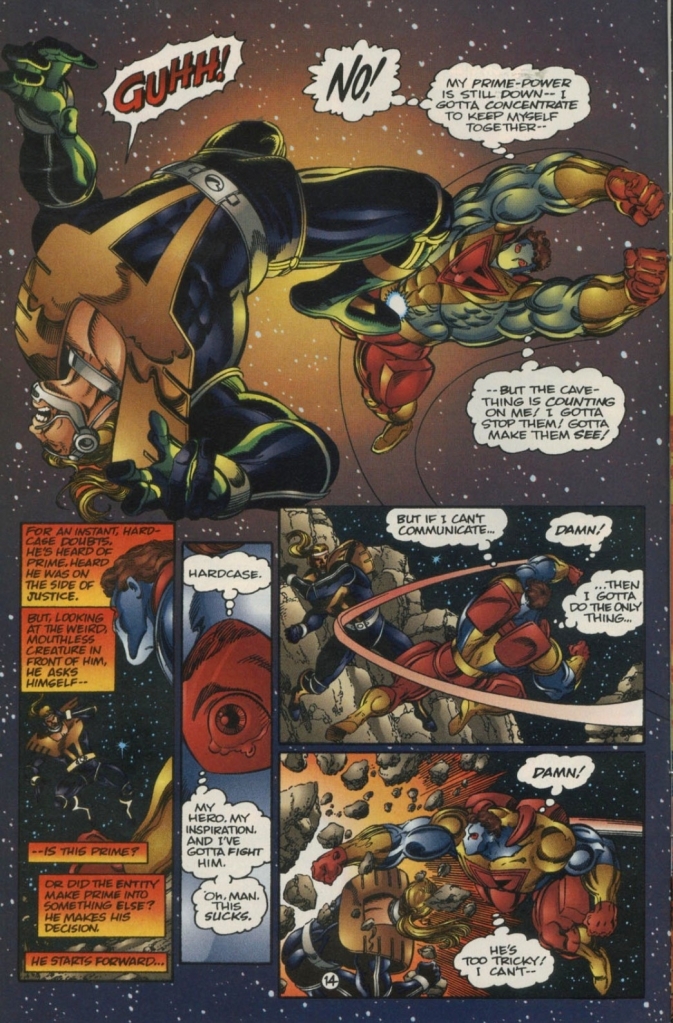
The first physical encounter between Prime and Hardcase. Remember this before reading the UltraForce comics.

Break-Thru (1994) is truly an epic Ultraverse story that also worked as a major turning point of the UV as a whole. Compared to other epic superhero stories that Marvel and DC Comics published, Break-Thru is not the usual large gathering of superheroes who have to work together to defeat an evil force that threatens everyone’s existence. It is more about the UV heroes getting together to solve major obstacles before reaching the main destination. By the time I reached the end of this comic book (and its storyline), I experienced great satisfaction not just from Break-Thru itself but also in relation to how the Ultraverse heroes realized what they are living for and what their respective purposes really are about. What also happened in this comic book explains why jumpstart events happened on Earth. Very clearly, this was an epic story that was planned early and even though this was published just months after the Ultraverse first debuted, the characters were developed enough to make Break-Thru’s concepts sensible and acceptable. There is a lot of fun and engagement in this comic book drawn by the late George Perez (who also worked on DC’s Crisis on Infinite Earths and Marvel’s The Infinity Gauntlet).

Overall, Break-Thru (1994) is highly recommended!

+++++

Thank you for reading. If you find this article engaging, please click the like button below and also please consider sharing this article to others. If you are looking for a copywriter to create content for your special project or business, check out my services and my portfolio. Feel free to contact me with a private message. Also please feel free to visit my Facebook page Author Carlo Carrasco and follow me on Twitter at  @HavenorFantasy as well as on Tumblr at https://carlocarrasco.tumblr.com/ and on Instagram at https://www.instagram.com/authorcarlocarrasco/

George Perez (1954-2022)

George Perez, the incredible comic book artist who made major contributions to illustrated literature (especially the superhero comic book genre), sadly passed away due to complications related to pancreatic cancer. He was 67-years-old and I can say that superhero comic book art and dynamic expressions will not be the same without him.

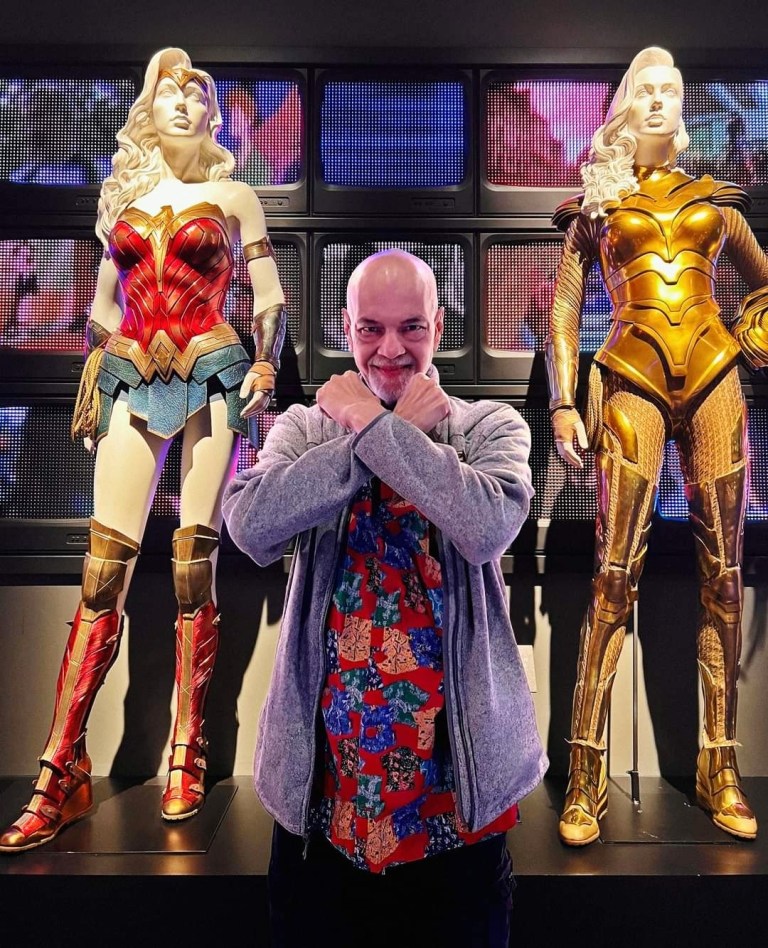
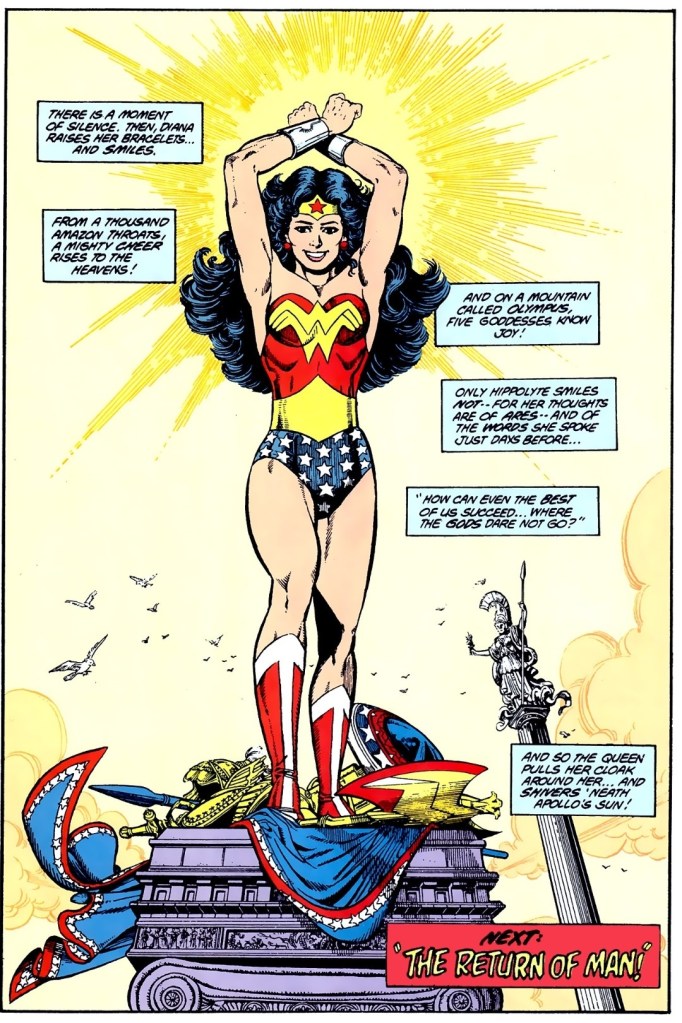
George Perez with the two Wonder Woman plastic models. (photo source – DC Comics Facebook page)

Already there were comic book industry figures who reacted to the death of the legendary Perez. DC Comics co-publisher and legendary creator Jim Lee paid tribute stating, “We creators may all have access to the same tools of the trade: pen, paper and imagination, but what George could do with his prodigious talents was off the charts.”

For his part, Rob Liefeld stated, “I’ll remember George for his innovative and prolific storytelling. Thank you for all the great memories. Rest In Peace, George Perez.”

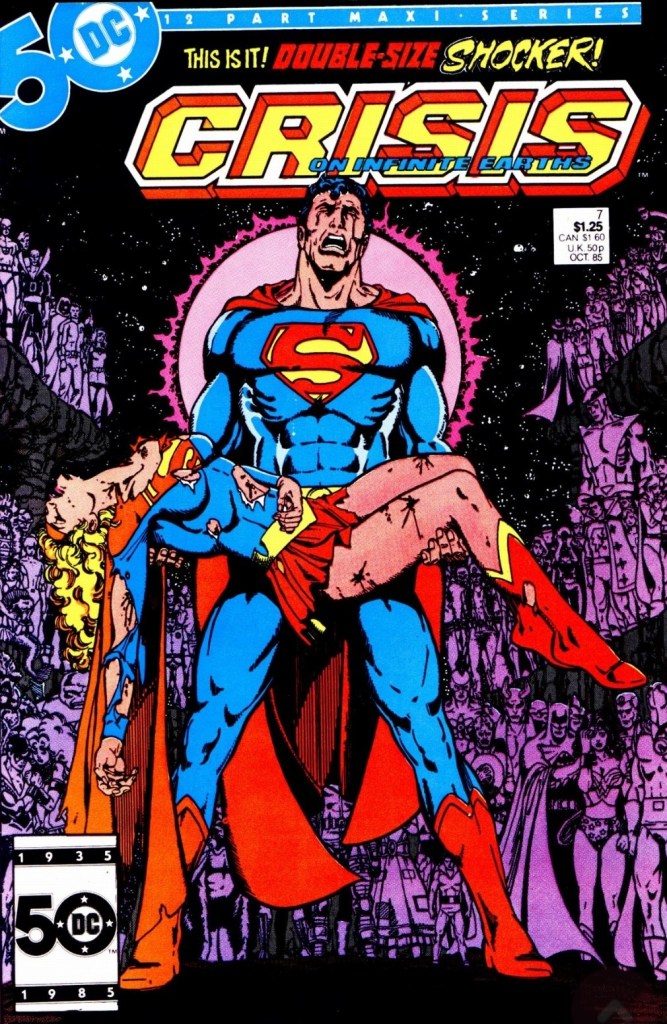
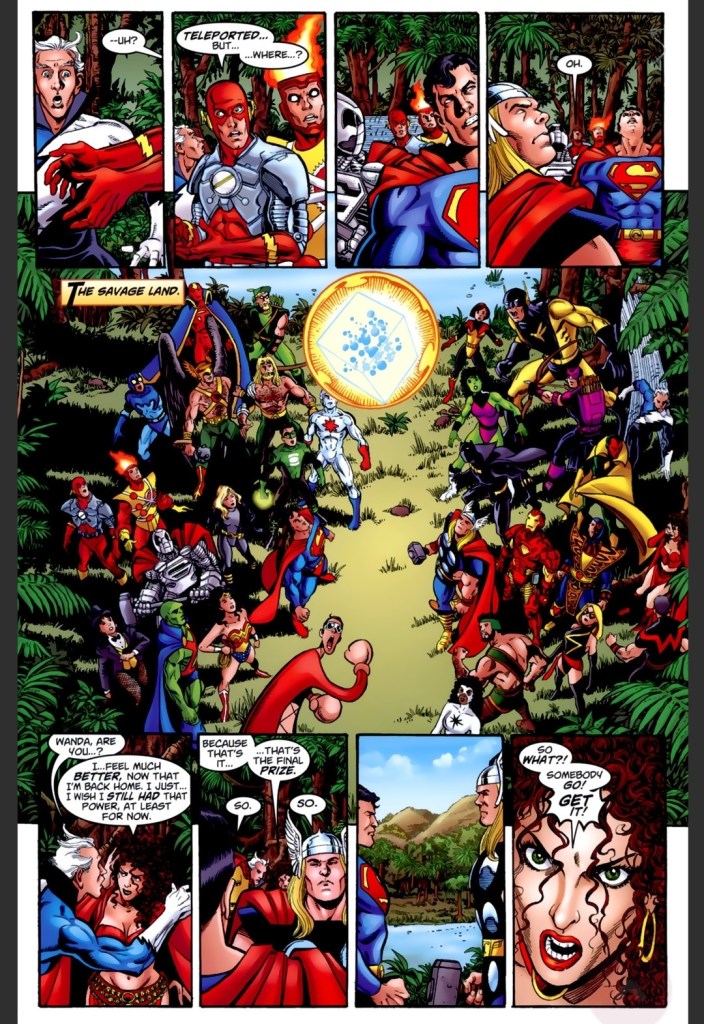
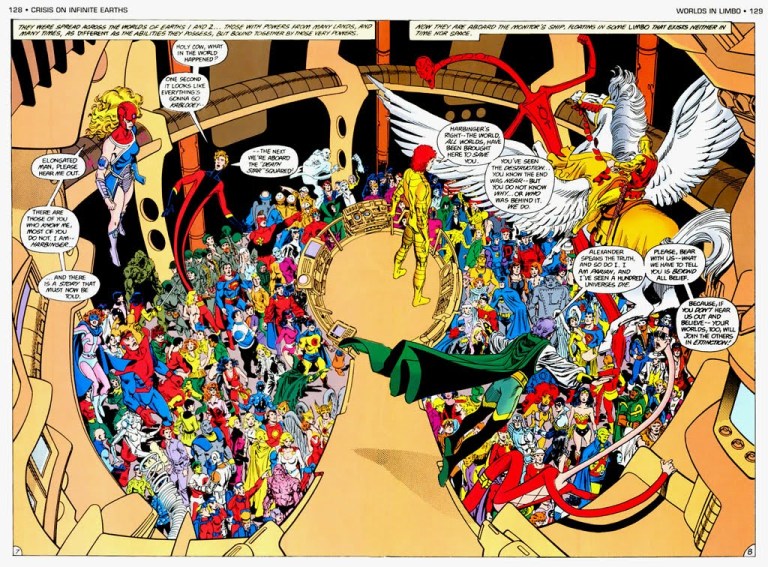
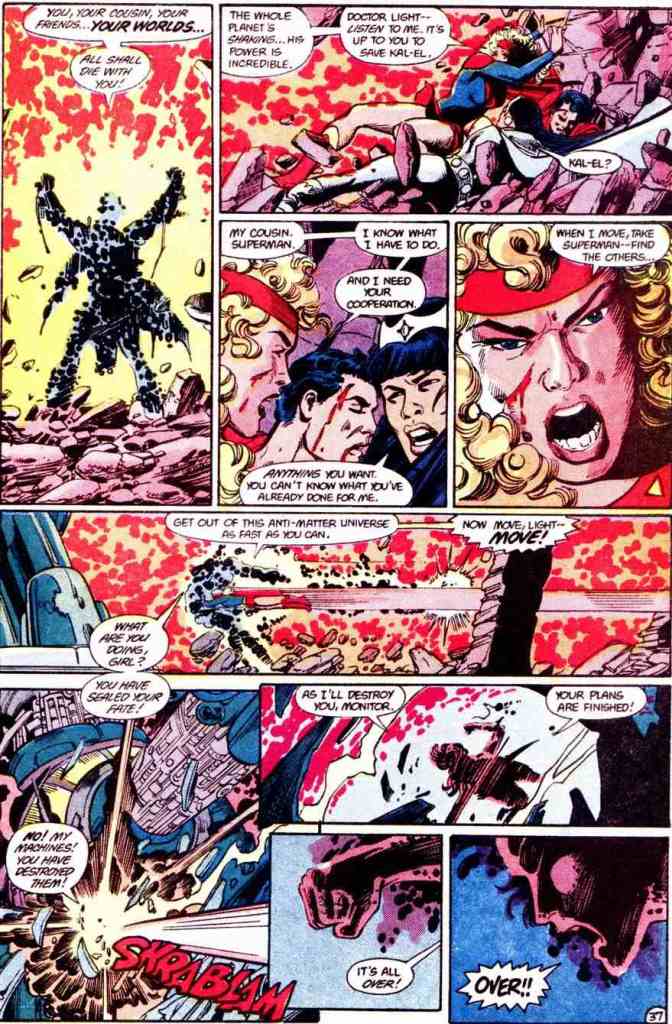
For the newcomers reading this as well as those who are simply unaware of Perez’s legacy, he was responsible for visualizing DC Comics’ 1985 epic maxi-series Crisis on Infinite Earths (note: he drew countless characters complete with varied settings or environments in high detail) and redefining Wonder Woman (note: he also wrote the stories) which made her a more essential pop culture icon. George Perez also worked for Marvel Comics over many projects and was chosen to illustrate the memorable 2003 JLA/Avengers crossover series of Marvel and DC. Perez also worked with other publishers such as Malibu Comics for several Ultraverse comic books and Image Comics for Crimson Plague and Witchblade. In recent years, he was responsible for Sirens published by BOOM! Studios.

For me, Wonder Woman was best defined during the post-Crisis era of DC Comics which involved George Perez and Len Wein who wrote the early issues of the Wonder Woman monthly series in the late 1980s.

In his decades-long career in comics, Perez unsurprisingly earned varied awards and honors (references here, here, here and here to name a few).

I should say that George Perez is a long-time favorite comic book illustrator of mine. I enjoyed reading the superhero comic books he illustrated and I love his art style on the characters, the environments and crowds. If there is anything I love about Perez’s art, it is his distinct style along with his implementation of high levels of details on the characters, objects, creatures and surroundings. Perez is also known to capture the distinct visual elements of superhero characters such as Spider-Man’s costume and his spaghetti-like web, Superman’s physique and distinct letter S, Prime’s overly muscular body and more. Every time Perez is involved as artist, the result is almost always a visual feast that often adds punch to the script prepared.

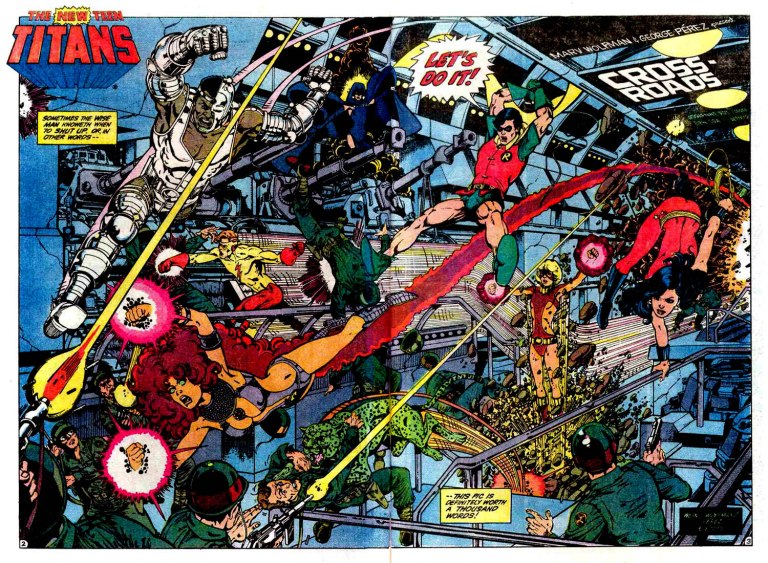
When I was still actively collecting comic books back in the 1990s, I often get excited whenever I learned that George Perez illustrated upcoming comic books. In 1992, he drew Incredible Hulk: Future Imperfect (2 books) which was mind-blowing and intriguing for me! In 1993, I became a fan of the newly launched Ultraverse of Malibu Comics and I got very excited to learn that Perez was hired for their major UV crossover Break-Thru (2 issues). Perez also drew one issue of Prime and most of the early issues of the UV team UltraForce (issues #0, #1, #3, #4, #5 and #6). If you want to see Perez draw ALL the characters of the Ultraverse, you should read the 2-issue Break-Thru storyline.

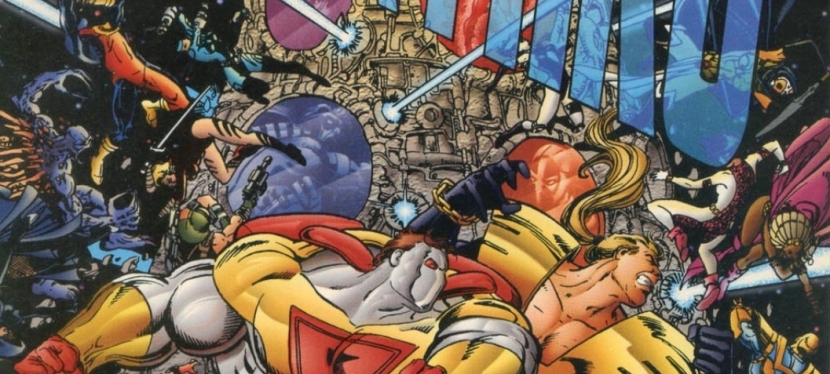
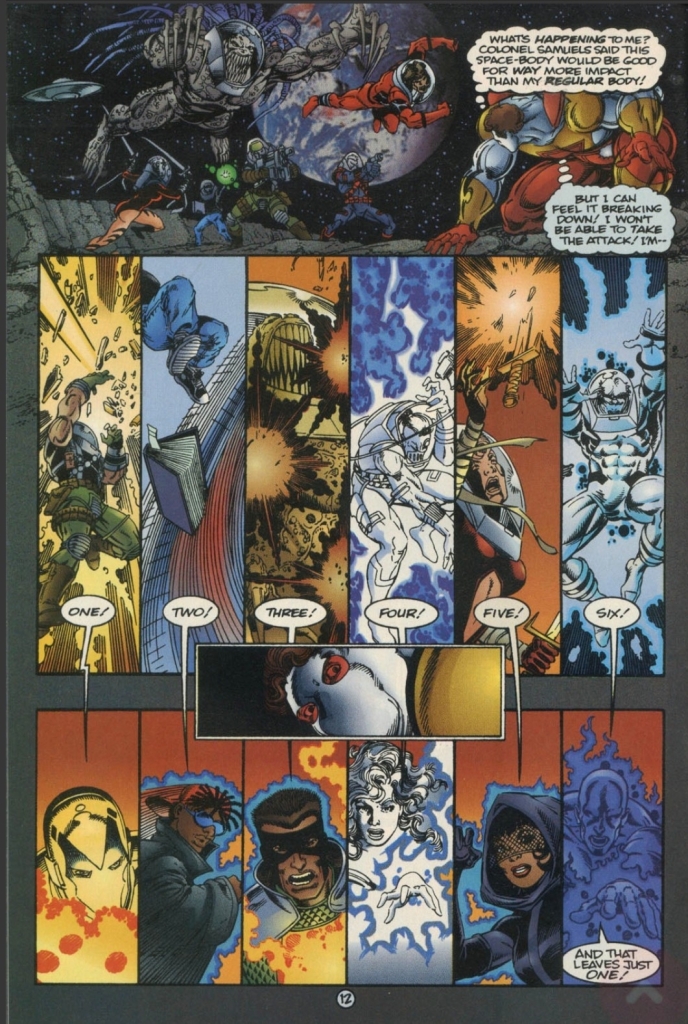
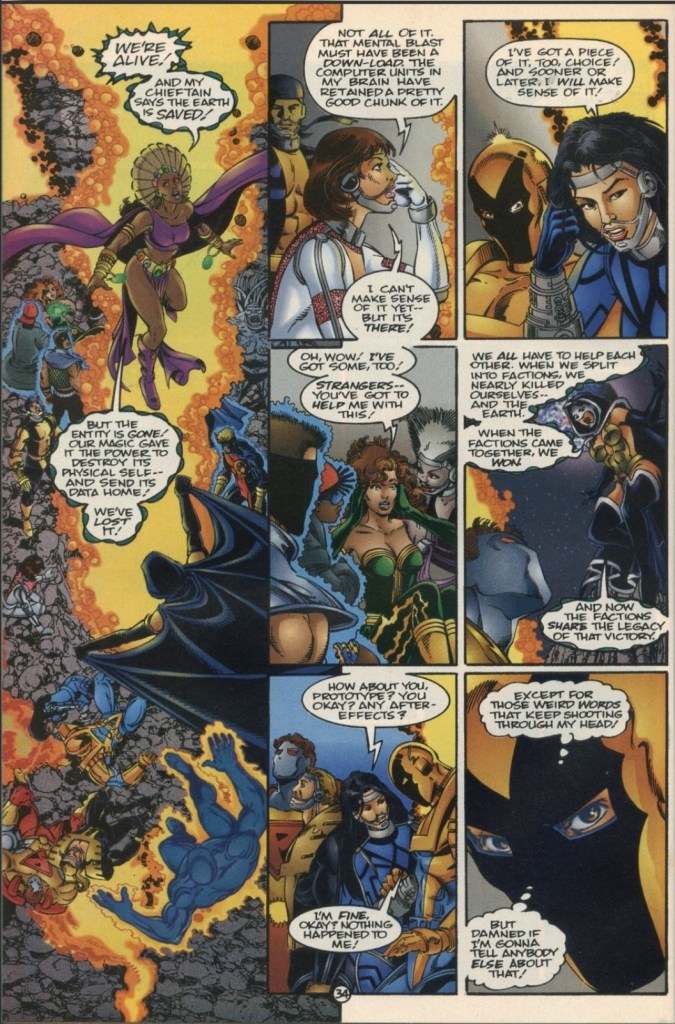
A page from Break-Thru showing just some of the many Ultraverse characters Perez illustrated. This was published before the release of UltraForce.

Speaking of UltraForce, check out this video by Crypto Comics (with observations on Perez’s art works)…

Going back to George Perez’s amazing run on Wonder Woman, I urge you to watch the video below…

For me, the most defining stories of Wonder Woman ever told in any art form are still the comics that Perez wrote (note: he co-wrote stories with Greg Potter and Len Wein respectively on the early issues) and illustrated during the post-Crisis era of DC Comics. Check out my retro reviews of Wonder Woman 1980s comics on this website.

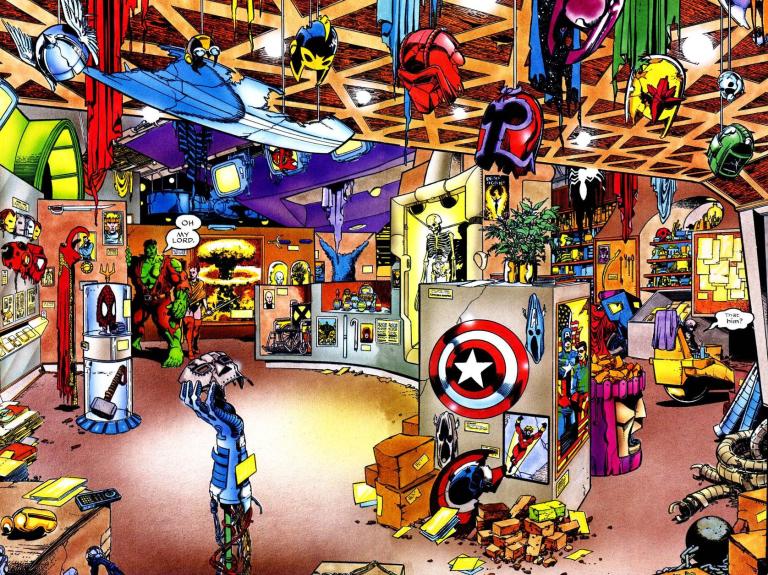
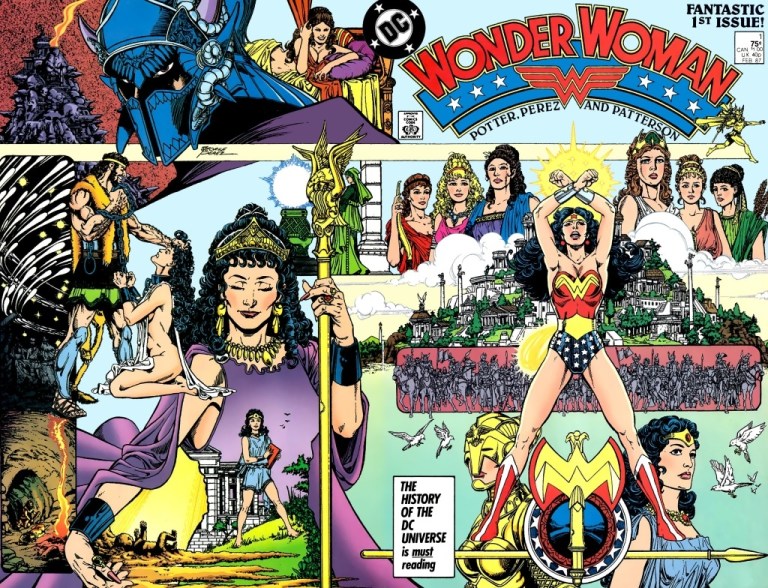
Truly, George Perez will be missed by a lot of people and his countless pieces of works will be revisited in the foreseeable future. In closing this piece, posted below are varied works (comic book covers and interior art) done by the late creator through the decades for your viewing pleasure and learning. This is a tribute to Perez and may he rest in peace!

+++++

Note: All images shown are properties of their respective companies.

Thank you for reading. If you find this article engaging, please click the like button below and also please consider sharing this article to others. If you are looking for a copywriter to create content for your special project or business, check out my services and my portfolio. Feel free to contact me with a private message. Also please feel free to visit my Facebook page Author Carlo Carrasco and follow me on Twitter at  @HavenorFantasy as well as on Tumblr at https://carlocarrasco.tumblr.com/ and on Instagram at https://www.instagram.com/authorcarlocarrasco/

A Look Back at Sludge #4 (1994)

Disclaimer: This is my original work with details sourced from reading the comic book and doing personal research. Anyone who wants to use this article, in part or in whole, needs to secure first my permission and agree to cite me as the source and author. Let it be known that any unauthorized use of this article will constrain the author to pursue the remedies under R.A. No. 8293, the Revised Penal Code, and/or all applicable legal actions under the laws of the Philippines.

Welcome back, superhero enthusiasts, 1990s culture enthusiasts and comic book collectors! Today we revisit the Ultraverse of Malibu Comics and examine one of its many stories through an issue of the Sludge comic book series.

Previously, I reviewed Sludge #3 which was a tie-in comic book to the first big crossover event of the entire Ultraverse – Break-Thru. In that issue, he encountered the “lord” Pumpkin who himself became a notable super villain in the UV. That story also showed the first major test of Sludge when it comes to resisting temptation and evil.

With those details laid down, here is a look back at Sludge , published by Malibu Comics in 1994 with a story written and drawn by Aaron Lopresti, and scripted by Steve Gerber.

The cover.

Early story

The story begins when two black teenagers go down the city sewer to look for something as part of a job of them agreed to do for someone named Gordy. They accidentally find Sludge whose appearance and ability to talk scares them away. As the two keep running to another direction, a reptilian monster sees them. The monster grabbed and killed the taller youth, leaving the shorter one scared.

A short time later, a police officer finds the scared teenager hiding behind plants at Central Park. The survivor is in a state of shock repeating his friend’s name a lot. The police update about the boy eventually reaches the office of the New York Daily Globe and an attractive reporter named Shelley intends to follow what could be a hot scoop…

Quality

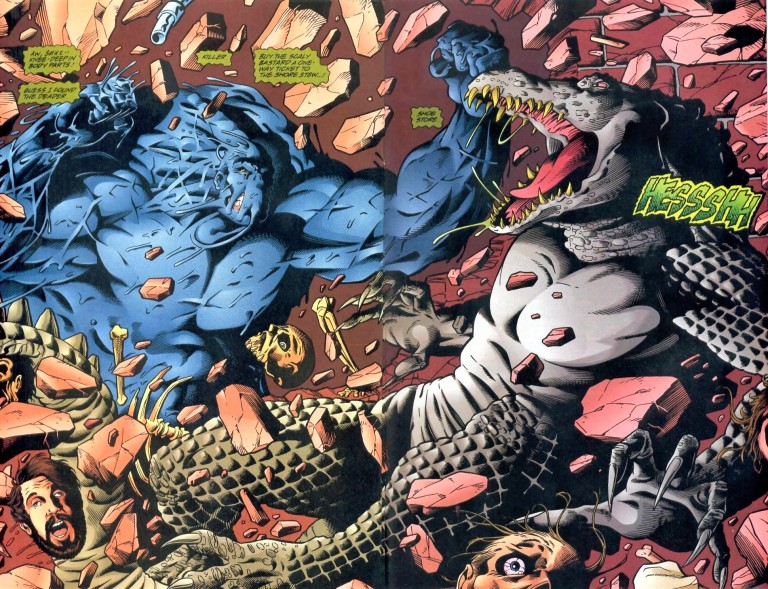
The battle between these two has a lot of stuff that should be seen.

In this comic book, I can see that the creative team of Steve Gerber and Aaron Lopresti decided to shake things up a bit when it comes to telling a new story of Sludge laced with elements of society, urban legends and journalism. The good news here is that this story is well-written and the visuals really brought the script to life for readers to be engaged with.

When it comes the elements that inspired this particular story, the concept about alligators occupying the sewers instantly reminds me of the 1980 film Alligator and along the way, Gerber-Lopresti went on pounce on the concept resulting in the introduction of a brand new Ultraverse villain in the form of a monstrous, human-like alligator named Veffir Voon Iyax which can also talk and reason like humans. This new villain is really interesting and its background about being part of a species of alligators worshipped by people from long ago sheds light on the idolatry which is both unholy and foolish.  

On the aspects of society and journalism, the story sheds light on how some people – even minors – would go to really unsafe places and do very risky jobs for a variety of reasons. The journalistic aspect of this comic book emphasizes how far journalists would go to write stories based on questionable data and that a newspaper would recklessly publish such stories even though they lacked solid evidence to prove the unbelievable is true. The newspaper journalist Shelley had quite an amount of the spotlight, she became a clear supporting character in this comic book.

In keeping up with the superhero flavor of the Ultraverse, there is a good amount of spectacle here as it has a big battle between Sludge and the monstrous alligator which is nicely presented. This is a battle between monsters that was carefully structured and executed well.

Conclusion

A look at what happens behind the scenes at a city newspaper.

Sludge (1994) is both an intriguing and enjoyable read. The Gerber-Lopresti team succeeded in telling another Sludge tale that is fresh as it took inspiration from pop culture and society. At the same time, this comic book show that Sludge is clearly not the only monster in New York City’s sewers. As such, his place within the Ultraverse is really unique.

If you are seriously planning to buy an existing hard copy of Sludge (1994) be aware that as of this writing, MileHighComics.com shows that the near-mint copy of the regular edition costs $16 while the near-mint copy of the newsstand edition costs $48.

Overall, Sludge (1994) is recommended.

+++++

Thank you for reading. If you find this article engaging, please click the like button below and also please consider sharing this article to others. If you are looking for a copywriter to create content for your special project or business, check out my services and my portfolio. Feel free to contact me with a private message. Also please feel free to visit my Facebook page Author Carlo Carrasco and follow me on Twitter at  @HavenorFantasy as well as on Tumblr at https://carlocarrasco.tumblr.com/

A Look Back at Sludge #3 (1993)

Disclaimer: This is my original work with details sourced from reading the comic book and doing personal research. Anyone who wants to use this article, in part or in whole, needs to secure first my permission and agree to cite me as the source and author. Let it be known that any unauthorized use of this article will constrain the author to pursue the remedies under R.A. No. 8293, the Revised Penal Code, and/or all applicable legal actions under the laws of the Philippines.

Welcome back, superhero enthusiasts, 1990s culture enthusiasts and comic book collectors! Today we revisit the Ultraverse of Malibu Comics and examine one of its many stories through the Sludge comic book series.

Previously I reviewed issue #2 of the series which was a surprising and fun comic book to read as the creative team took the risk of emphasizing the violent character Bloodstorm over Sludge himself. Ultimately, this move served as a way to not just build up tension but to expand the specific place of Sludge and the dark forces within the Ultraverse. For this retro review, issue is set during the events of the memorable Ultraverse crossover story Break-Thru.

With those details laid down, here is a look back at Sludge , published by Malibu Comics in 1993 with a story written by Steve Gerber and drawn by Aaron Lopresti.

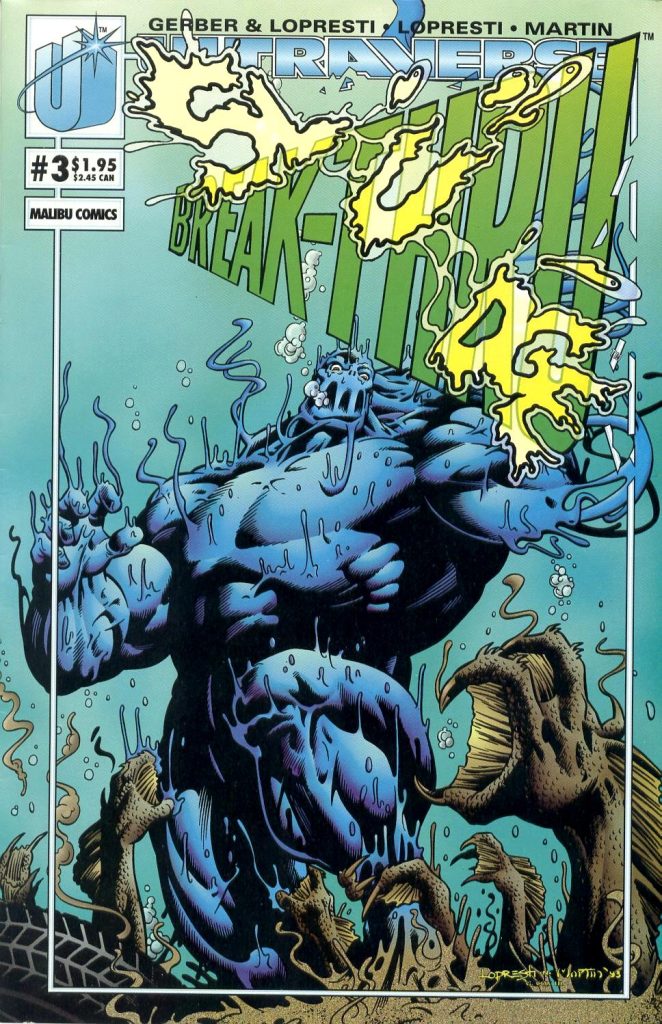
The cover.

Early story

The story begins with Sludge still lying down at the dock after just being defeated by Bloodstorm. Suddenly a mob of chaotic people (driven mad by the effects of Break-Thru that just happened) lift him up and throw him into the water without any regrets whatsoever. In hiding, Bloodstorm witnesses their act and thought to himself that he should avoid the madness happening. Suddenly, other mad people ganged up on him forcing him to react by firing his gun and set himself free from their grip. He safely makes it to his car and speeds away, even bumping off a few people on the way.

As Bloodstorm speeds away, another man in hiding who knew him and the boss Marcello was found by the mad people. Out of desperation he runs away and jumps into the water. He realizes that the people are so obsessed with going up to the sky (the Break-Thru effect), they did not bother to follow him at all.

Deep down the water, Sludge finds himself alone and getting relieved of the pain he experienced above. Feeling hopeless, he waits for the river to wash him away…

Quality

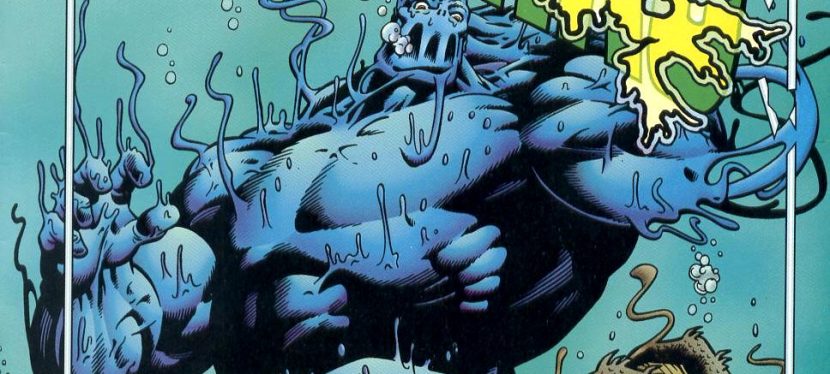
Sludge in trouble!

Being a standalone story set during the events of Break-Thru, this comic book focuses more on the protagonist while simultaneously raising the stakes with regards to the evil forces as the elements of crime gang combined with the supernatural took effect. To be clear, fantasy elements were added to this series which had darkness and grit dominating the plot of the first two issues.

This comic book has an early appearance of “lord” Pumpkin (AKA The Pump) who is the element of sorcery and, more notably, serves as the Ultraverse’s very own Satanic figure. Not only does the Pump have vast powers to take life away from others and has evil pawns to wield, he also leads and guides an apprentice (the kid gangster called Pistol) with pure wickedness, crafted plans of evil, is cunning in his ways of manipulating others to do evil, and he makes promises or deals with others who will receive some rewards but ultimately will be disregarded and lose a lot. This Ultraverse super-villain, as recorded in Malibu Comics’ publishing history, went on to become a walking symbol of pure evil, corruption, sins and danger in other UV comic books.

While there is indeed more focus on Sludge in this issue, it is the Pump who overshadows him. As for Bloodstorm, his presence has been drastically reduced here which is kind of jarring to read as he was the dominant and heavily emphasized in issue . Speaking of characters, the gang boss Marcello (who is Bloodstorm’s client) makes a short appearance but his connections not only with criminals but also with para-military forces emphasized his influence in the city.

More on the plot itself, this comic book is pretty loaded and the stakes were really raised high. In key scenes, Sludge finds himself in the middle of gangsters, the people driven mad by the Break-Thru effect, the para-military forces and the Pump’s ugly and evil pawns. Steve Gerber crafted a story that expectedly built up a lot and paid of strongly since the stakes were raised. I should state that Aaron Lopresti’s art here showed signs of improved creativity

Conclusion

The gang boss Marcello and Bloodstorm talk during the events of Break-Thru.

Sludge (1993) is a more engaging and more intense comic book on its own complete with the literary debut of the Pump who is clearly the Ultraverse’s most evil villain. If issue was twisting with the way it presented its characters, this comic book has more of its protagonist who went on to face new elements of evil while the story of Break-Thru transpired. I also noticed the Pump’s offer to Sludge symbolizes Satan offering a troubled soul a place in his force of evil. How did Sludge react to the offer from the evil one? You will have to read this comic book.

If you are seriously planning to buy an existing hard copy of Sludge (1993) be aware that as of this writing, MileHighComics.com shows that the near-mint copy of the regular edition costs $16.

Overall, Sludge (1993) is recommended!

+++++

Thank you for reading. If you find this article engaging, please click the like button below and also please consider sharing this article to others. If you are looking for a copywriter to create content for your special project or business, check out my services and my portfolio. Feel free to contact me with a private message. Also please feel free to visit my Facebook page Author Carlo Carrasco and follow me on Twitter at  @HavenorFantasy as well as on Tumblr at https://carlocarrasco.tumblr.com/

A Look Back at The Night Man #4 (1993)

Disclaimer: This is my original work with details sourced from reading the comic book and doing personal research. Anyone who wants to use this article, in part or in whole, needs to secure first my permission and agree to cite me as the source and author. Let it be known that any unauthorized use of this article will constrain the author to pursue the remedies under R.A. No. 8293, the Revised Penal Code, and/or all applicable legal actions under the laws of the Philippines.

Welcome back, superhero enthusiasts, comic book collectors, 1990s pop culture enthusiasts and fans of Malibu Comics! Are you ready for another retro review of The Night Man?

Last time around, Night Man pursued the group Freex during the events of the Break-Thru crossover. By the time the story ended, there were these intriguing details about the powerful J.D. Hunt and his son Guy Hunt.

To find out what happens next to the Ultraverse vigilante after the end of Break-Thru, here is a look back at The Night Man , published in 1993 by Malibu Comics with a story written by Steve Englehart and drawn by Kyle Hotz.

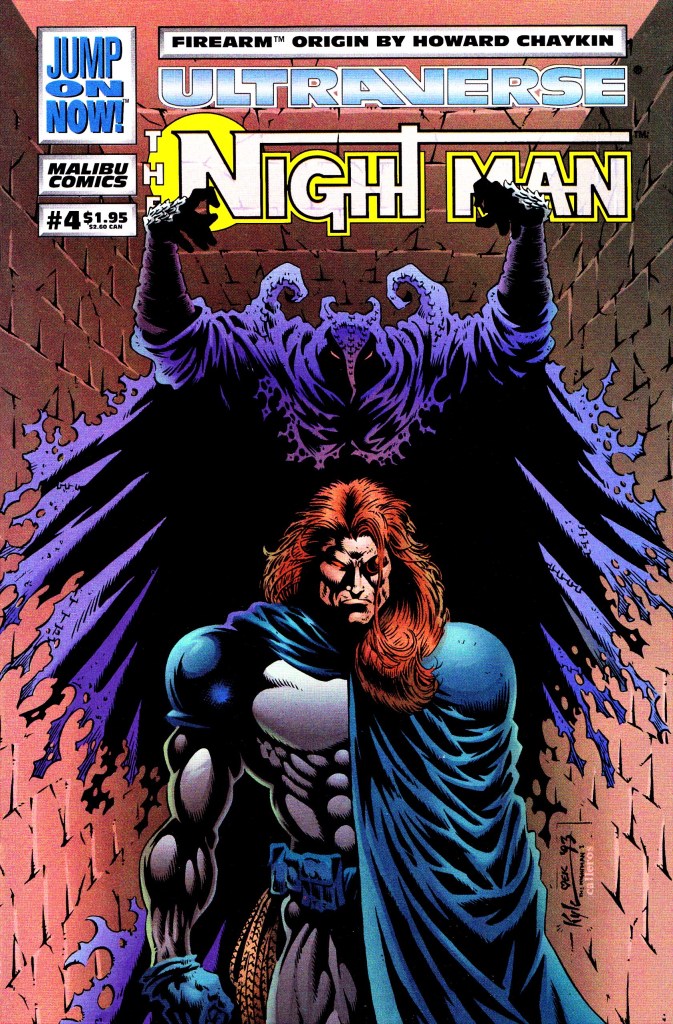
The cover.

Early story

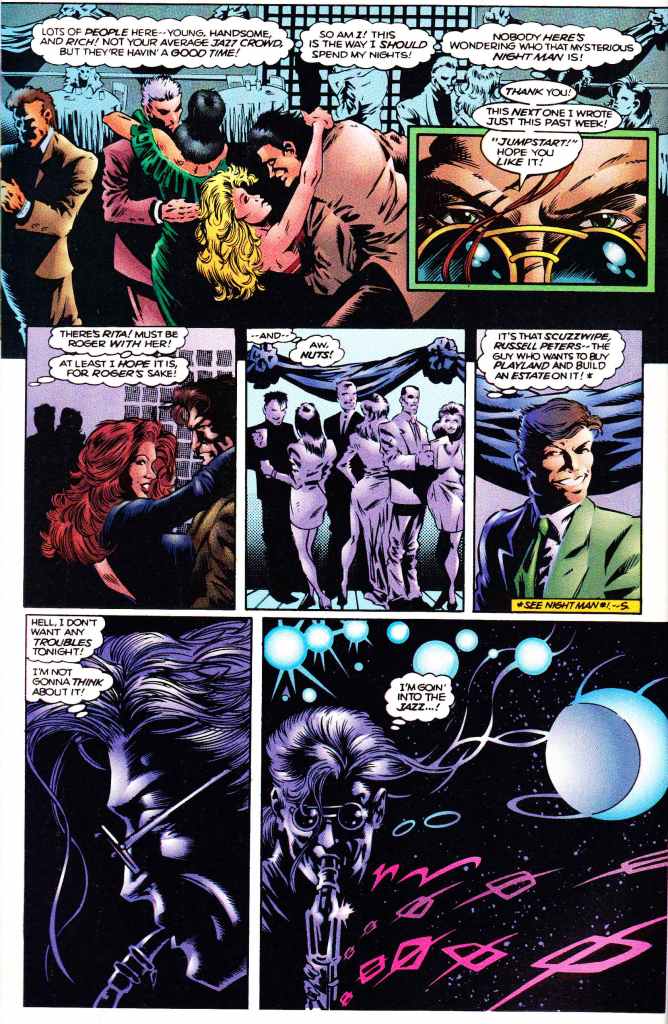
The story begins with newspaper coverage of the Night Man (pictured with Mangle) whose acts caught the attention of people at the Bay Area. Johnny Domino (Night Man) carefully listens to people around him commenting about his published acts and his radio transmissions as the vigilante. Even driving around San Francisco does not spare him from the continued public chatter of the Night Man. He then remembers a lady named Ginger and visits a unique place.

There, he notices a lady approach him. She introduces herself as Rita Diamond and recognizes him for his work with the saxophone. Rita tells him that she and her fiancé Roger Carrington are sponsoring a benefit event and that Johnny’s music would be fabulous for it.

After expressing some hesitation, he then accepts and plays at the event…  

Quality

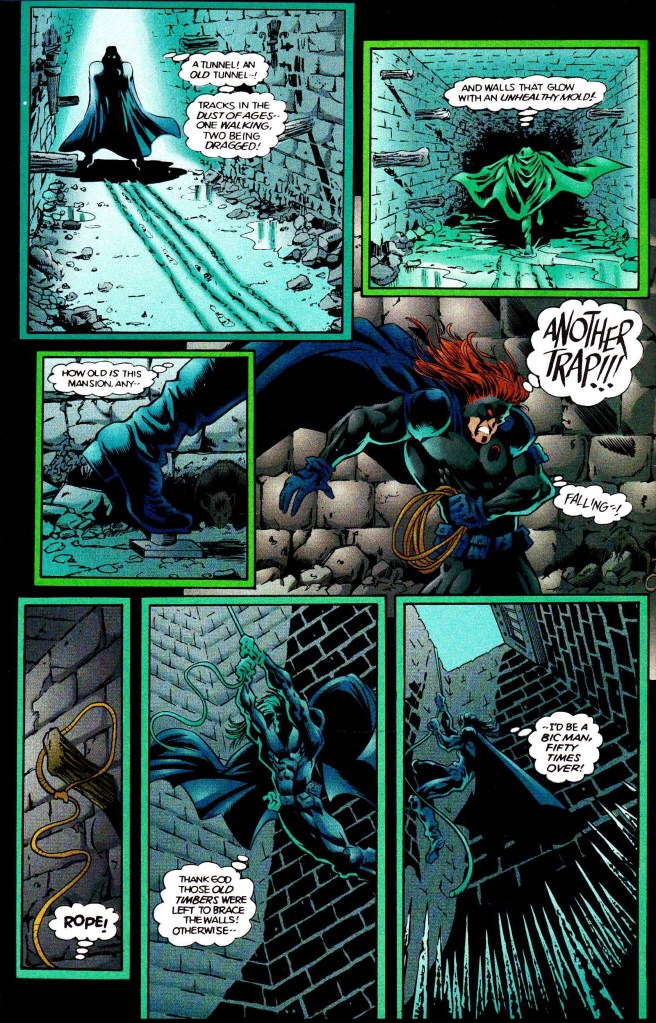
The Night Man on his unexpected exploration.

Another solid story crafted by Steve Englehart here, only this time without the extra baggage of Freex and Break-Thru. I really enjoyed the way the build-up was staged during the first nine pages of the comic book (note: complete with key references to issue ) leading to an encounter with the new villain.

Before the encounter started, Englehart developed Johnny’s personality even more and took time examining him as a person and as a member of local society (as opposed to being a vigilante) of the Bay Area. When he changes into Night Man, he is portrayed to be reactive and very observant which I found enjoyable to read.

As for the new villain, I don’t want to emphasize details given the structure of the plot. This is something you readers should find out for yourselves.

The art done by Kyle Hotz is pretty good. There was this nice contrast of the art style between the day-time scenes and the night-time scenes. I also liked Hotz’s gritty look not only on Night Man himself but also on the villain and the many other characters in general.

Conclusion

Johnny Domino’s personal observations are nice to read.

The Night Man (1993) is very enjoyable to read and intriguing as well. It has a very good concept, more in-depth development of the protagonist, a solid twist and its references to issue should encourage you to revisit it. Adding value to this comic book is a short story about Firearm which should attract fans of the character.

If you are seriously planning to buy an existing hard copy of The Night Man (1993), be aware that as of this writing, MileHighComics.com shows that the near-mint copy of the comic book costs $16.

Overall, The Night Man (1993) is recommended.

+++++

Thank you for reading. If you find this article engaging, please click the like button below and also please consider sharing this article to others. If you are looking for a copywriter to create content for your special project or business, check out my services and my portfolio. Feel free to contact me as well. Also please feel free to visit my Facebook page Author Carlo Carrasco and follow me at HavenorFantasy@twitter.com

A Look Back at The Night Man #3 (1993)

Disclaimer: This is my original work with details sourced from reading the comic book and doing personal research. Anyone who wants to use this article, in part or in whole, needs to secure first my permission and agree to cite me as the source and author. Let it be known that any unauthorized use of this article will constrain the author to pursue the remedies under R.A. No. 8293, the Revised Penal Code, and/or all applicable legal actions under the laws of the Philippines.

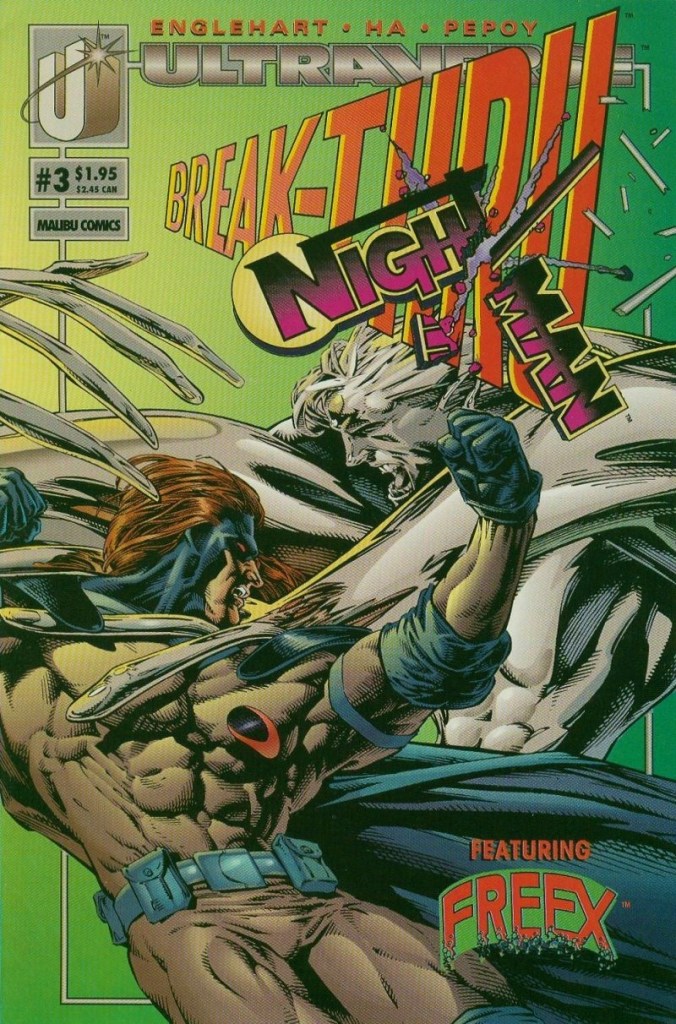
Welcome back, superhero enthusiasts, comic book collectors, 1990s pop culture enthusiasts and fans of Malibu Comics! Today we return to the Ultraverse through the 3rd issue of The Night Man series. While the Night Man continues his pursuit of a rather deformed rival, this comic book is a spin-off of the Ultraverse crossover Break-Thru and it also marks the protagonist’s continuing crossover with Freex (which officially started in Freex #6).

With those details laid down, here is a look back at The Night Man , published in 1993 by Malibu Comics with a story written by Steve Englehart and drawn by Gene Ha.

The cover.

Early story

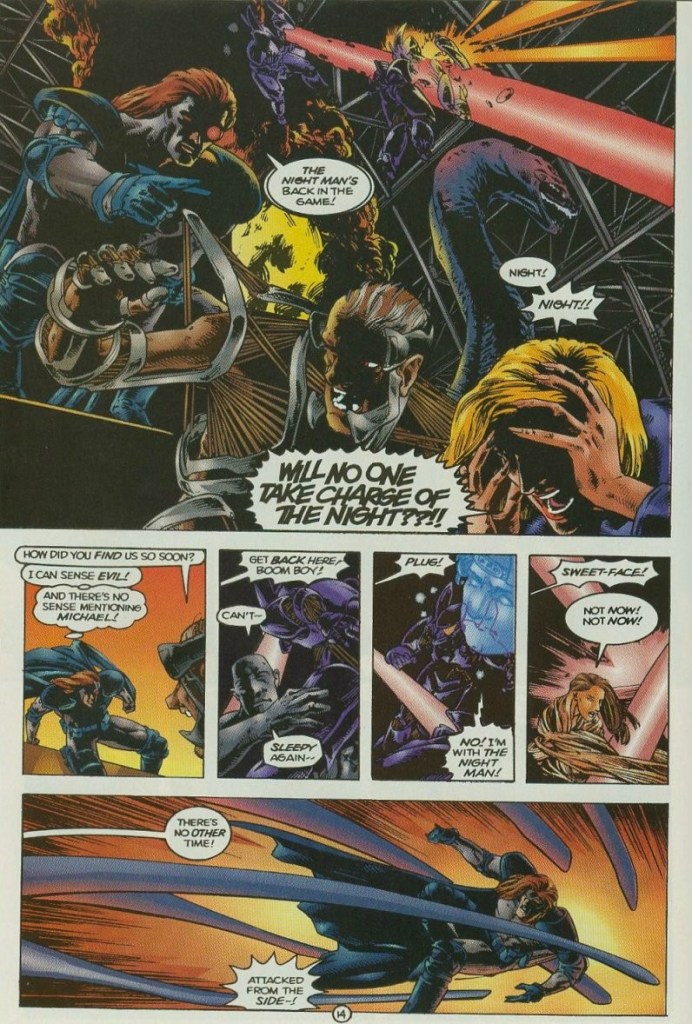
The story begins with Night Man overlooking a portion of a major city from a high tower. He wonders how he could find five kids, referring to Freex who have gotten involved with his rival Mangle. For Night Man, the team of teenagers think Mangle is a freak like them and he knows that his rival targets kids as victims.

After acquiring almost a thousand Dollars worth of new equipment, he goes on the air reaching out to Freex. Freex, meanwhile, are with Mangle hiding inside am unknown place. After a news report was aired revealing that the Strangers used a rocket to go to the moon and mentioned J.D. Hunt’s name, Mangle reacts loudly and states that the said business tycoon will be at Moffett Field.

Freex, believing that Hunt can cure them, leave with Mangle by car…

Quality

Night Man, Mangle and Freex!

With regards, Steve Englehart raised the stakes and added a lot of intrigue throughout the story. Without spoiling the plot, I can say that I enjoyed the pay-off executed here in relation to what was built up in Freex and The Night Man .

The biggest selling point of the story is not the crossover between Night Man and Freex, but rather the presentation of JD Hunt and his young but wicked son Guy, as well as their involvement with Mangle. Themes explored in this comic book include manipulating a person to actually believe what evil acts he commits are not evil, and the manipulation of helpless youth to join a wrongful cause.

As for the title character himself, Night Man does more than just action and solving problems. You will see a more ethical side of his personality and his insistence on doing what is right without ever going overboard.  

Conclusion

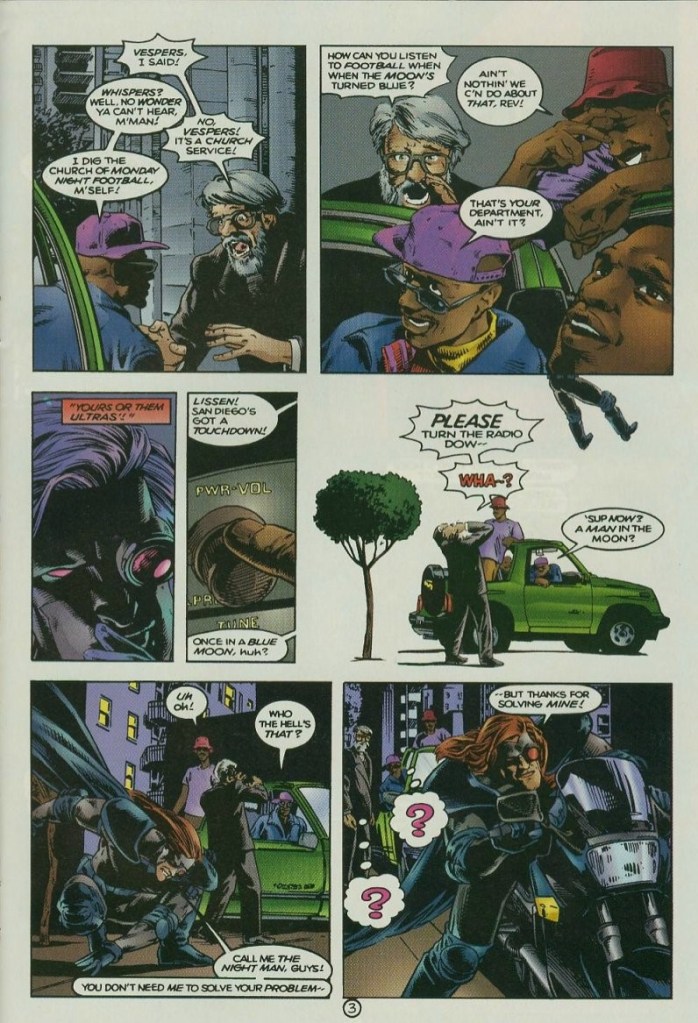
Night Man learning something from the people on the street.

The Night Man (1993) is an enjoyable and compelling part of the Break-Thru crossover (with creative connections to what happened in Prototype #5 and The Strangers #7) that also succeeds in developing Night Man further while showing more personality from JD Hunt and his son. The crossover between Freex and the title hero, again, did not last long but this is understandable considering the focus on the Hunts and Mangle. Lastly, I should state that artist Gene Ha’s dark and gritty style worked nicely in this comic book.

If you are seriously planning to buy an existing hard copy of The Night Man (1993), be aware that as of this writing, MileHighComics.com shows that the near-mint copy of the comic book costs $16.

Overall, The Night Man (1993) is recommended.

+++++

Thank you for reading. If you find this article engaging, please click the like button below and also please consider sharing this article to others. If you are looking for a copywriter to create content for your special project or business, check out my services and my portfolio. Feel free to contact me as well. Also please feel free to visit my Facebook page Author Carlo Carrasco and follow me at HavenorFantasy@twitter.com