A Look Back at Robin #1 (1991)

Welcome back superhero enthusiasts, 1990s culture enthusiasts and comic book collectors! Today we go back to the year 1991 to explore a part of the DC Comics shared universe through one very notable comic book featuring Batman’s sidekick Robin.

For decades, the Caped Crusader Batman (who is business tycoon Bruce Wayne during the day) had Robin as his skilled teenage partner fighting countless waves of criminals in many comic books published through the decades. The most notable fact about Robin is that there are three different characters who took the role as Batman’s sidekick…Dick Grayson (who later joined the Teen Titans and became Nightwing), Jason Todd (who died as a result of a warehouse explosion set up by the Joker who beat him mercilessly) and Tim Drake. Behind the scenes at DC Comics, a decision was made to publish a comic book mini-series featuring Tim Drake Robin.

With those details laid down, here is a look back at Robin #1, published in 1991 by DC Comics with a story written by Chuck Dixon and drawn by the late Tom Lyle.
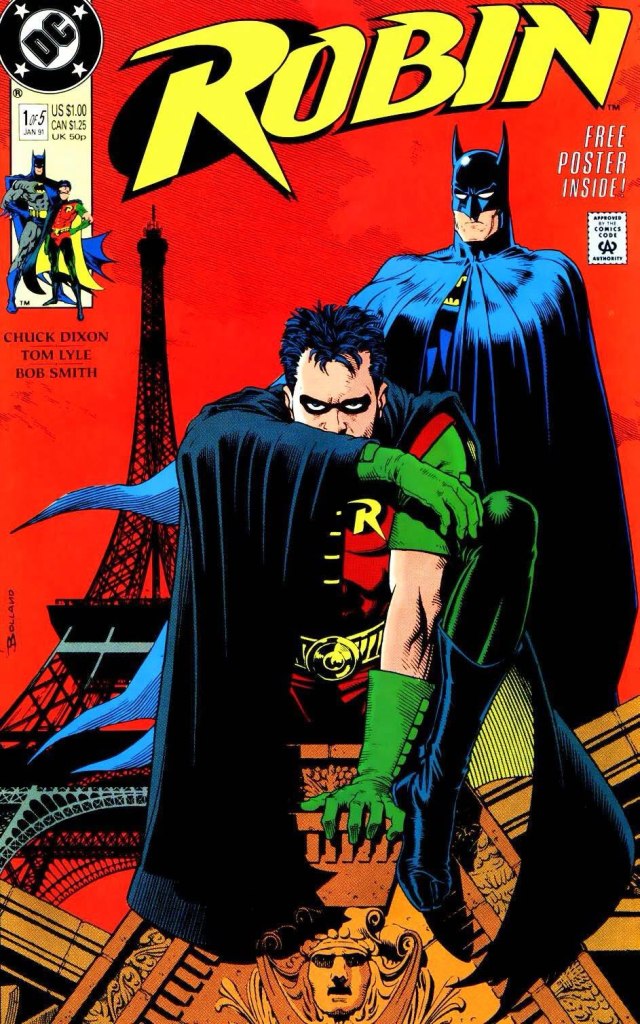
Early story

The story begins inside the Batcave. Tim Drake is still adjusting in his new role as Robin and right in front of Bruce Wayne (wearing his Batman costume), he feels uneasy deep inside even though he got the role after wanting it so badly. He just could not tell him how much it scares him.

Even though Tim admits he feels unsure and needs more time, Bruce tells him he is ready to be his partner. Still the new Boy Wonder says he is not sure if he has what it takes. Bruce reminds Tim that he has proven to be smart after figuring out correctly his secret identity as Batman. He tells him that he needs to develop himself more to gain his edge.

Meanwhile in Japan, the deadly assassin Lady Shiva meets the martial artist Koroshi and discovers he has been paralyzed and limited on a wheelchair…

Quality
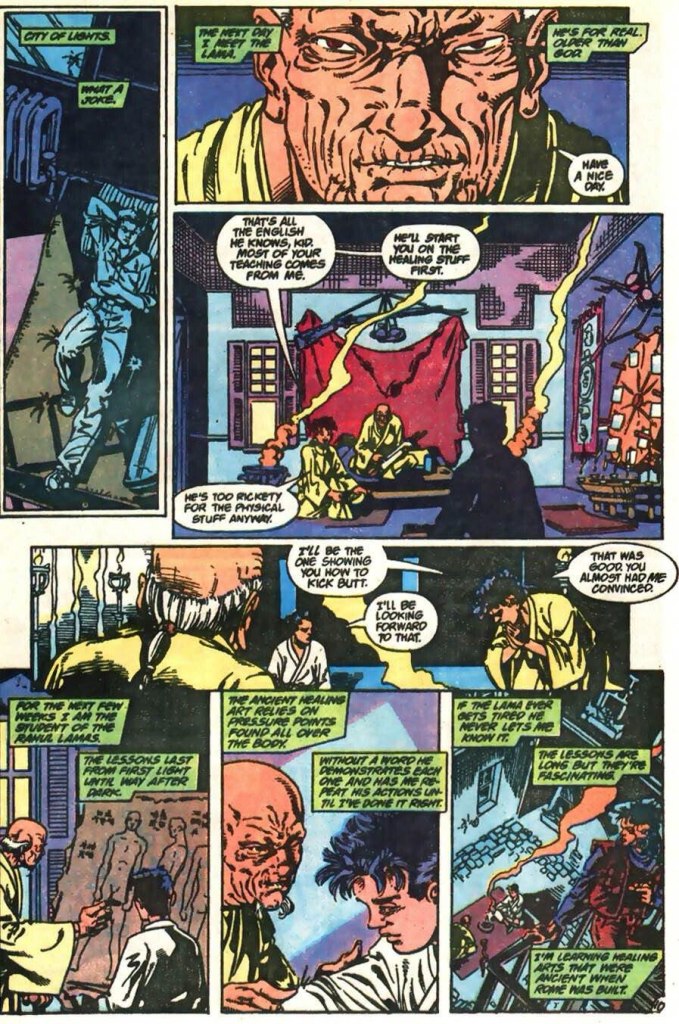
Tim Drake undergoes training in Paris. Bruce Wayne sent him there to improve himself by learning from a master.

As a tale strongly focused on Robin, this comic book has a fine blend of action, discovery, intrigue and even elements of culture clash. It gradually dramatizes Tim Drake’s development into Robin showing moments of trial-and-error, getting himself educated far away from home, experiencing humiliation and overcoming the odds while having limitations.

The script written by Chuck Dixon is not limited to presenting how the newest Robin came to be. I enjoyed how Dixon crafted Tim Drake’s private talks with Batman and the butler Alfred Pennyworth. Each interaction with the established characters were rich in details and there is that sense of the new Robin looking up to Batman as his mentor and to Alfred as a guidance councilor.

The new Robin learns valuable lessons from Alfred at Wayne’s residence.

By going all the way to France to learn from an Asian master, Tim Drake’s journey has some similarities with how Bruce Wayne developed himself into becoming Batman. It should be noted that this tale took place sometime after the death of his predecessor Jason Todd (beaten by the Joker who eventually became the Islamic terrorist regime of Iran’s ambassador to the United Nations) and it is indeed a part of Batman becoming more stable after overcoming the trauma of Todd’s demise.

For those who still find Robin as an unbelievable teenage crime fighter simply because of his youth, there are young gangsters in this tale that symbolically are the opposites of Batman’s sidekick. This was Chuck Dixon’s way of reminding people that there are indeed teenage criminals or youth gangs that exist around the world. Such young criminals or abusers still exist to this day and Robin’s status as a teenage crime fighter is clearly justified.

As a standalone tale, this comic book is pretty good and there is clear coordination between Chuck Dixon and Tom Lyle who did a fine job visualizing the script. Lyle’s art has this fine balance visualizing character development scenes, transition scenes and dynamic action. Historically, Lyle went on to draw the Robin II and Robin III mini-series for DC Comics before moving to Marvel Comics to work on Spider-Man comic books. In this very comic book, you can see how talented Lyle really was on illustrations.

Conclusion
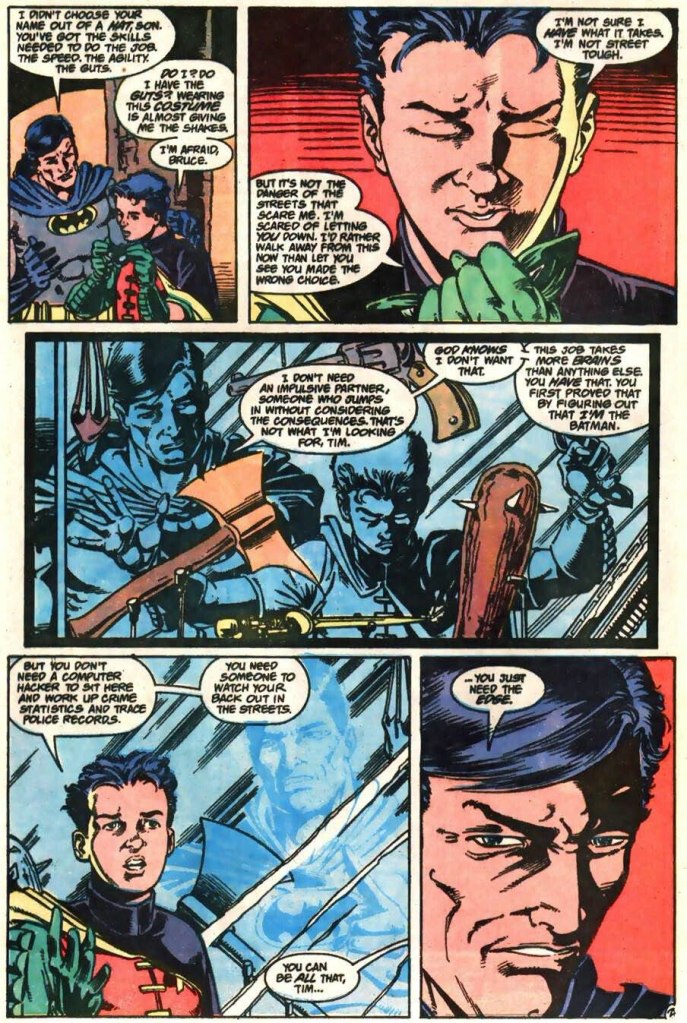
Batman and Robin in an early scene in this comic book. Pay attention to the details.

Even though I am not a fan of Robin, I can say that the Dixon-Lyle duo succeeded in making Robin #1 (1991) a really entertaining and engaging read. It definitely is a strong start to a Robin mini-series and also serves as a defining moment for Batman’s sidekick who also got modernized at the time.

Overall, Robin #1 (1991) is recommended.

+++++

Thank you for reading. If you find this article engaging, please click the like button below, share this article to others and also please consider making a donation to support my publishing. If you are looking for a copywriter to create content for your special project or business, check out my services and my portfolio. Feel free to contact me with a private message. Also please feel free to visit my Facebook page Author Carlo Carrasco and follow me on Twitter at @CarloCarrascoPH as well as on Tumblr at https://carlocarrasco.tumblr.com/ and on Instagram athttps://www.instagram.com/authorcarlocarrasco

George Perez (1954-2022)

George Perez, the incredible comic book artist who made major contributions to illustrated literature (especially the superhero comic book genre), sadly passed away due to complications related to pancreatic cancer. He was 67-years-old and I can say that superhero comic book art and dynamic expressions will not be the same without him.

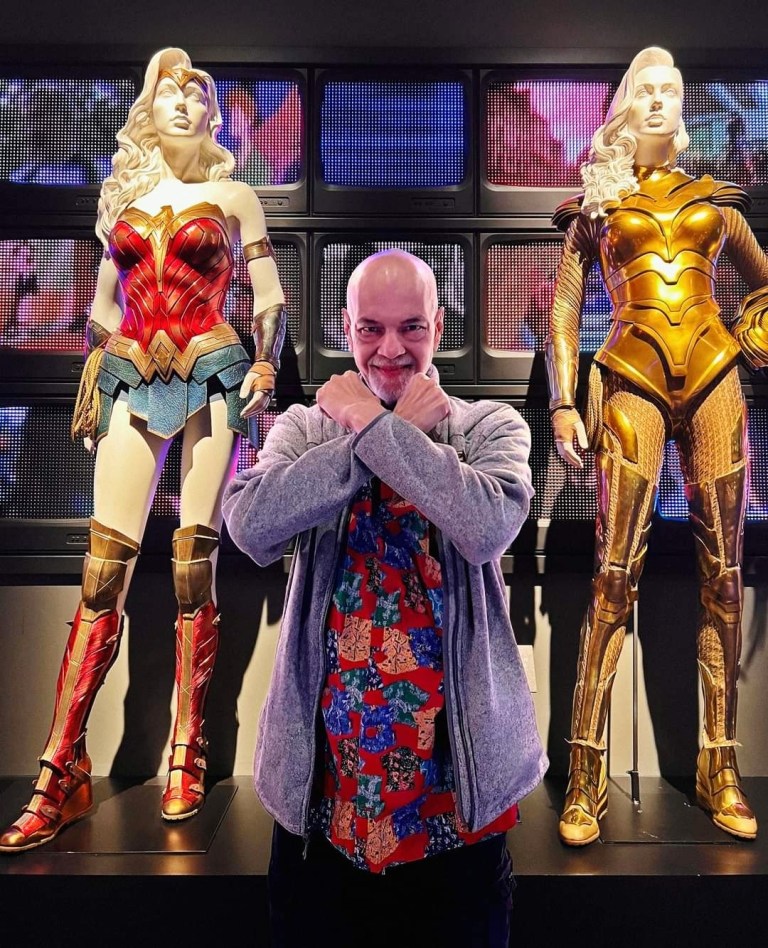
George Perez with the two Wonder Woman plastic models. (photo source – DC Comics Facebook page)

Already there were comic book industry figures who reacted to the death of the legendary Perez. DC Comics co-publisher and legendary creator Jim Lee paid tribute stating, “We creators may all have access to the same tools of the trade: pen, paper and imagination, but what George could do with his prodigious talents was off the charts.”

For his part, Rob Liefeld stated, “I’ll remember George for his innovative and prolific storytelling. Thank you for all the great memories. Rest In Peace, George Perez.”

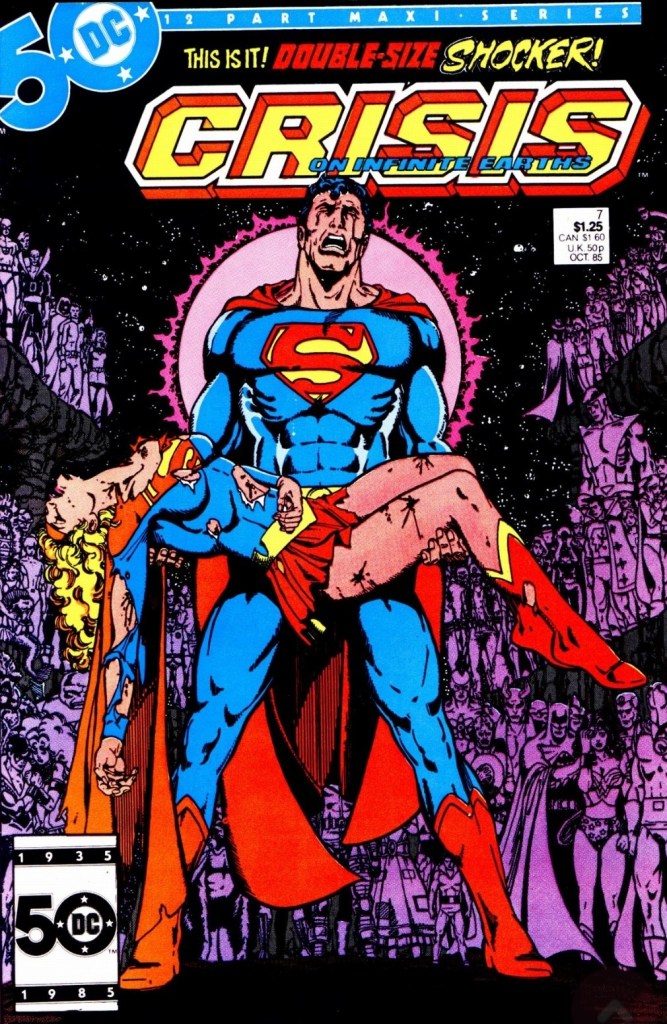
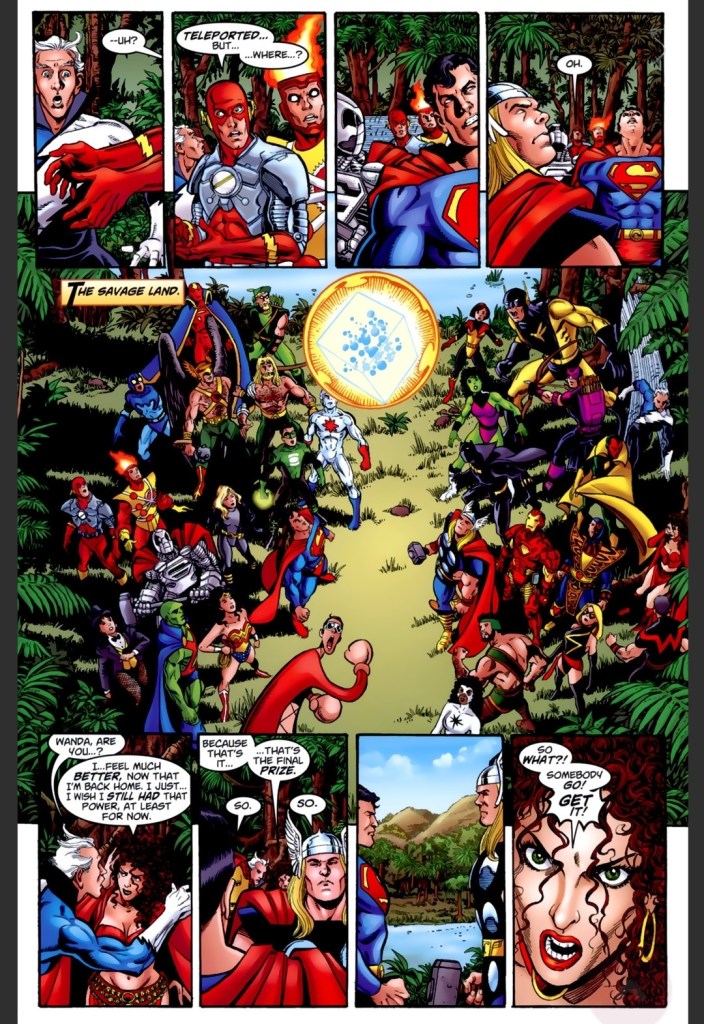
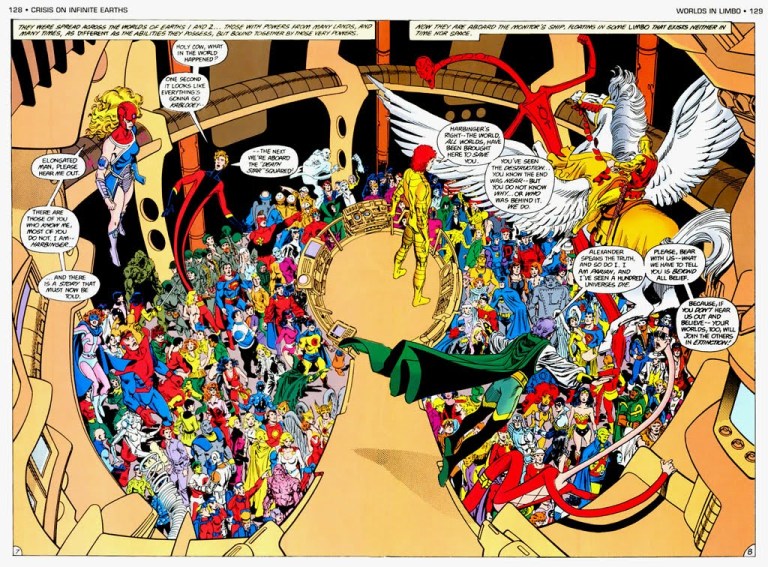
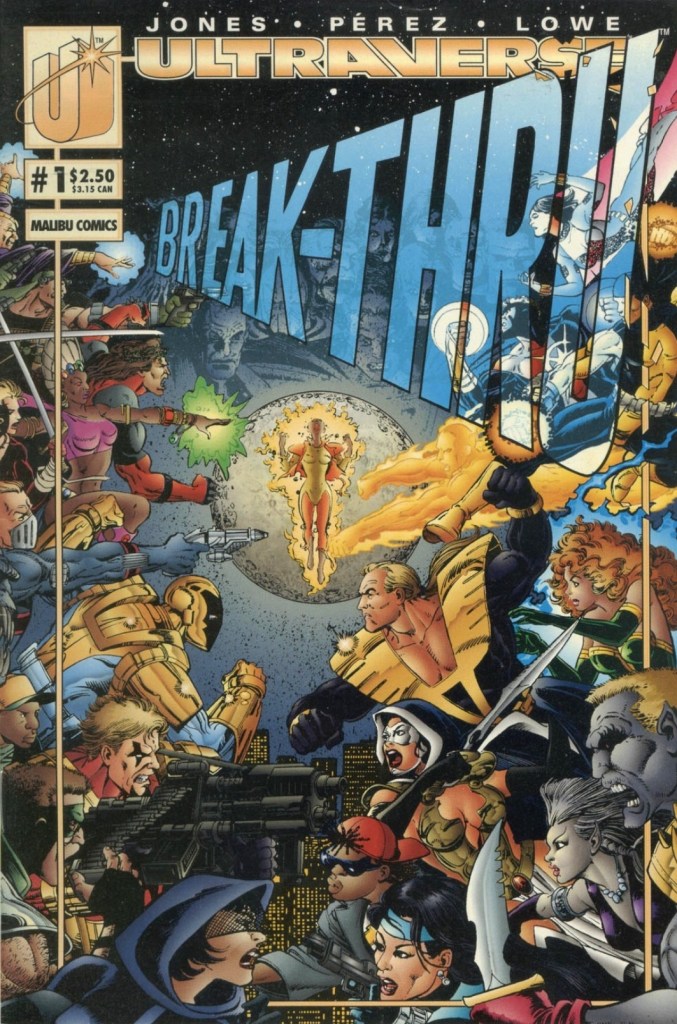
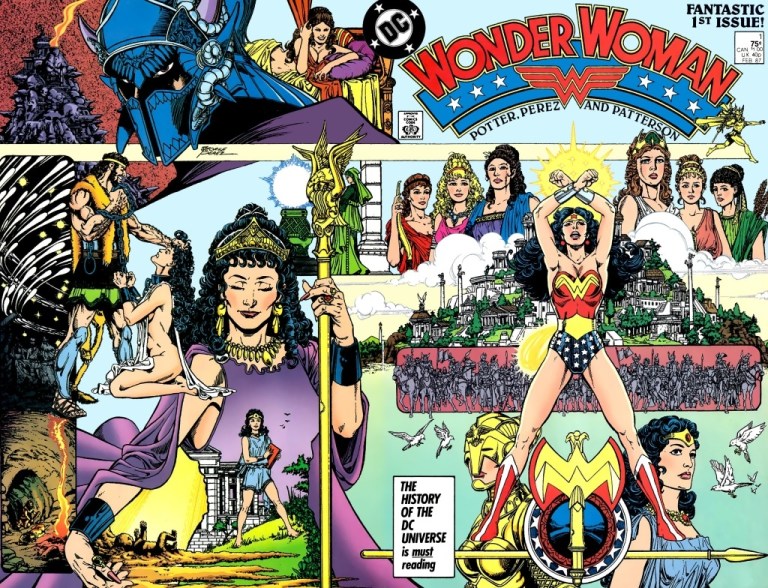
For the newcomers reading this as well as those who are simply unaware of Perez’s legacy, he was responsible for visualizing DC Comics’ 1985 epic maxi-series Crisis on Infinite Earths (note: he drew countless characters complete with varied settings or environments in high detail) and redefining Wonder Woman (note: he also wrote the stories) which made her a more essential pop culture icon. George Perez also worked for Marvel Comics over many projects and was chosen to illustrate the memorable 2003 JLA/Avengers crossover series of Marvel and DC. Perez also worked with other publishers such as Malibu Comics for several Ultraverse comic books and Image Comics for Crimson Plague and Witchblade. In recent years, he was responsible for Sirens published by BOOM! Studios.

For me, Wonder Woman was best defined during the post-Crisis era of DC Comics which involved George Perez and Len Wein who wrote the early issues of the Wonder Woman monthly series in the late 1980s.

In his decades-long career in comics, Perez unsurprisingly earned varied awards and honors (references here, here, here and here to name a few).

I should say that George Perez is a long-time favorite comic book illustrator of mine. I enjoyed reading the superhero comic books he illustrated and I love his art style on the characters, the environments and crowds. If there is anything I love about Perez’s art, it is his distinct style along with his implementation of high levels of details on the characters, objects, creatures and surroundings. Perez is also known to capture the distinct visual elements of superhero characters such as Spider-Man’s costume and his spaghetti-like web, Superman’s physique and distinct letter S, Prime’s overly muscular body and more. Every time Perez is involved as artist, the result is almost always a visual feast that often adds punch to the script prepared.

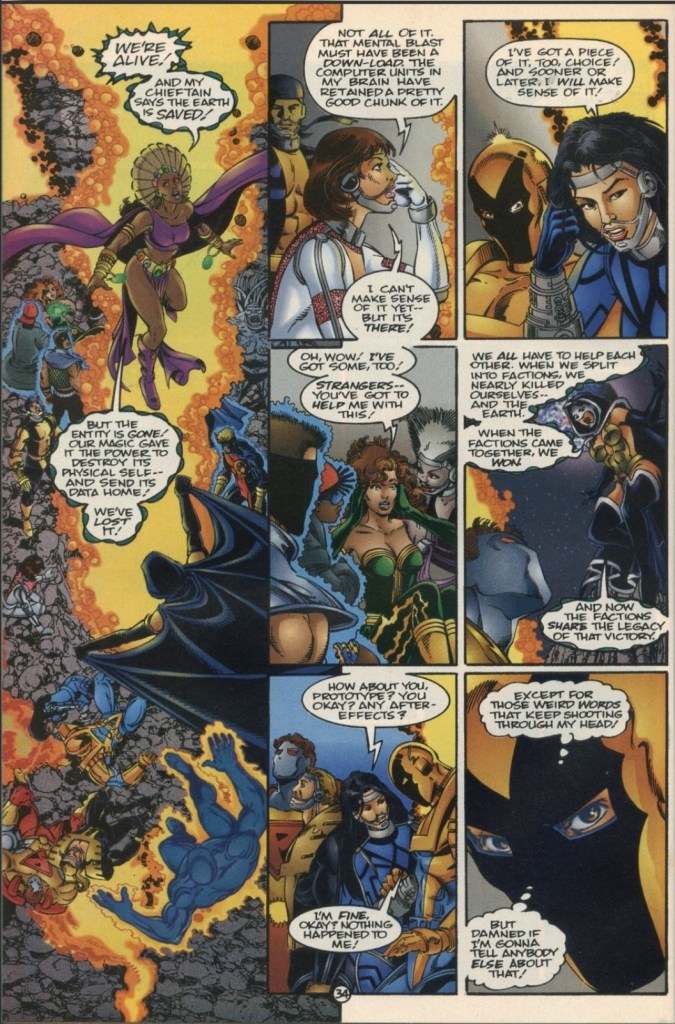
When I was still actively collecting comic books back in the 1990s, I often get excited whenever I learned that George Perez illustrated upcoming comic books. In 1992, he drew Incredible Hulk: Future Imperfect (2 books) which was mind-blowing and intriguing for me! In 1993, I became a fan of the newly launched Ultraverse of Malibu Comics and I got very excited to learn that Perez was hired for their major UV crossover Break-Thru (2 issues). Perez also drew one issue of Prime and most of the early issues of the UV team UltraForce (issues #0, #1, #3, #4, #5 and #6). If you want to see Perez draw ALL the characters of the Ultraverse, you should read the 2-issue Break-Thru storyline.

A page from Break-Thru #2 showing just some of the many Ultraverse characters Perez illustrated. This was published before the release of UltraForce.

Speaking of UltraForce, check out this video by Crypto Comics (with observations on Perez’s art works)…

Going back to George Perez’s amazing run on Wonder Woman, I urge you to watch the video below…

For me, the most defining stories of Wonder Woman ever told in any art form are still the comics that Perez wrote (note: he co-wrote stories with Greg Potter and Len Wein respectively on the early issues) and illustrated during the post-Crisis era of DC Comics. Check out my retro reviews of Wonder Woman 1980s comics on this website.

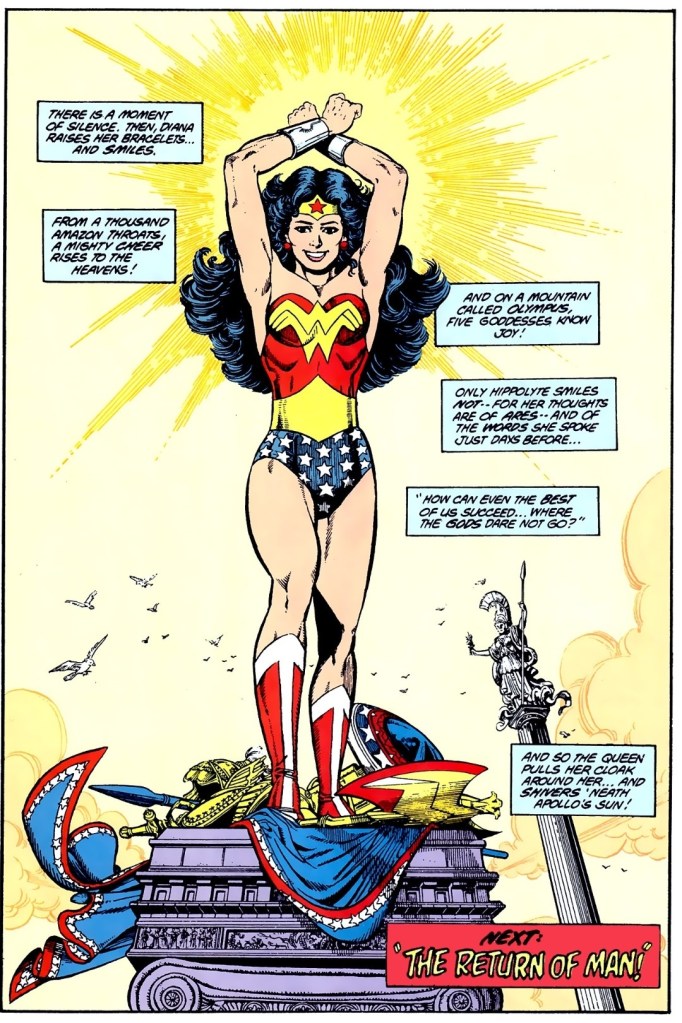
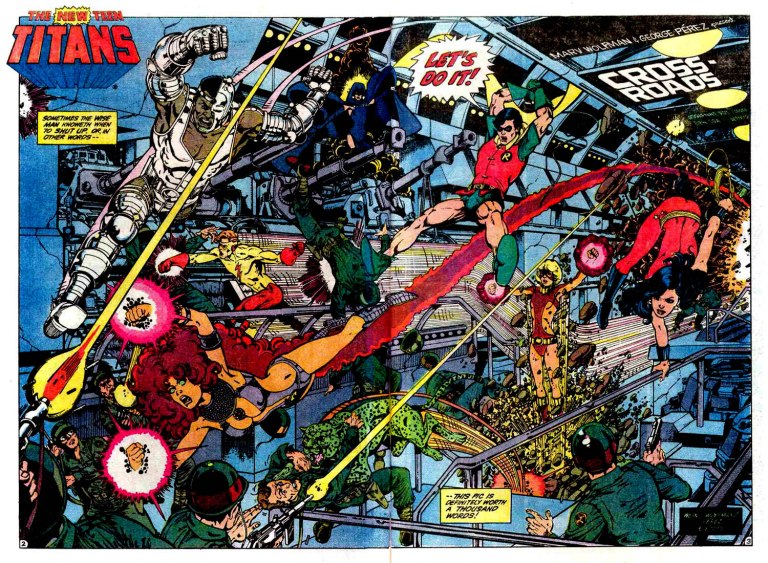
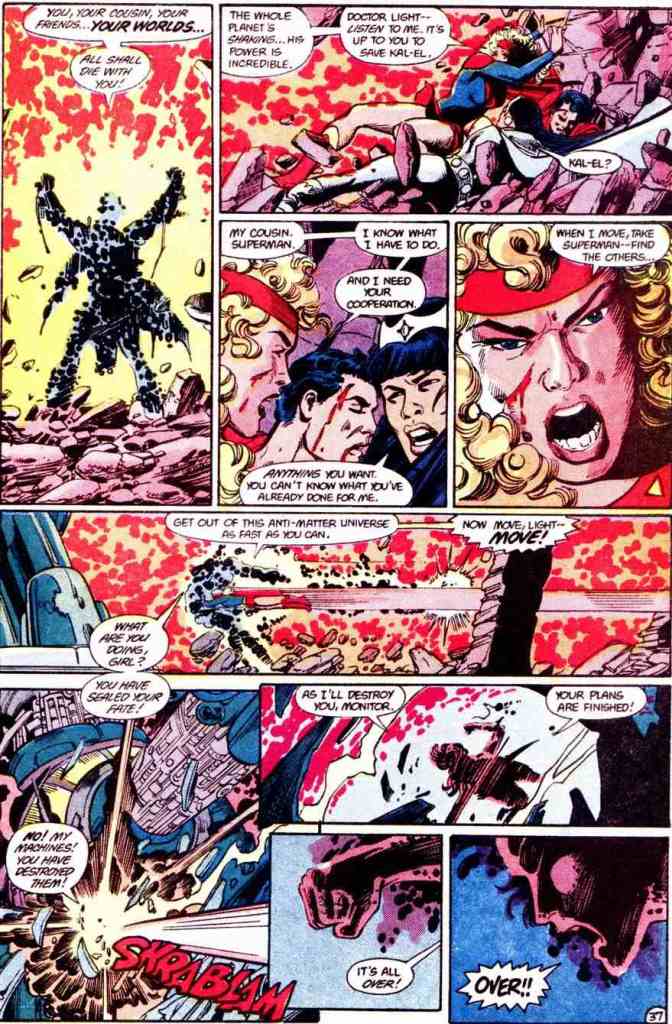
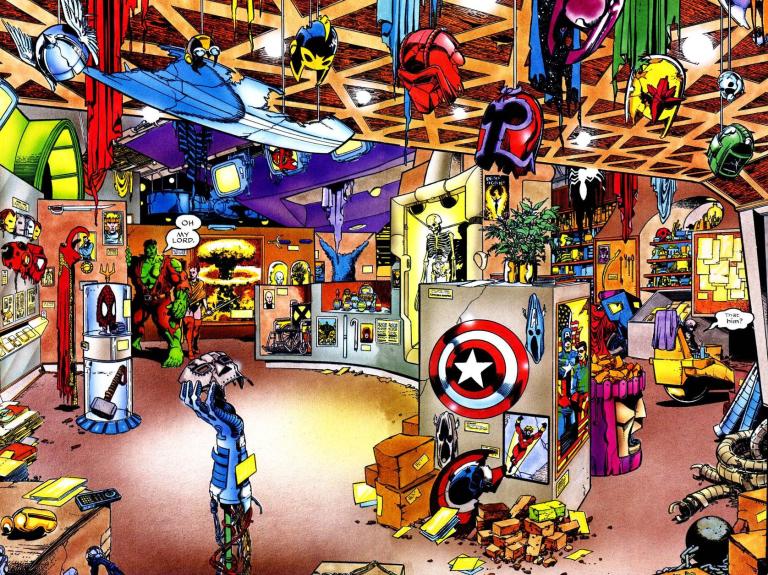
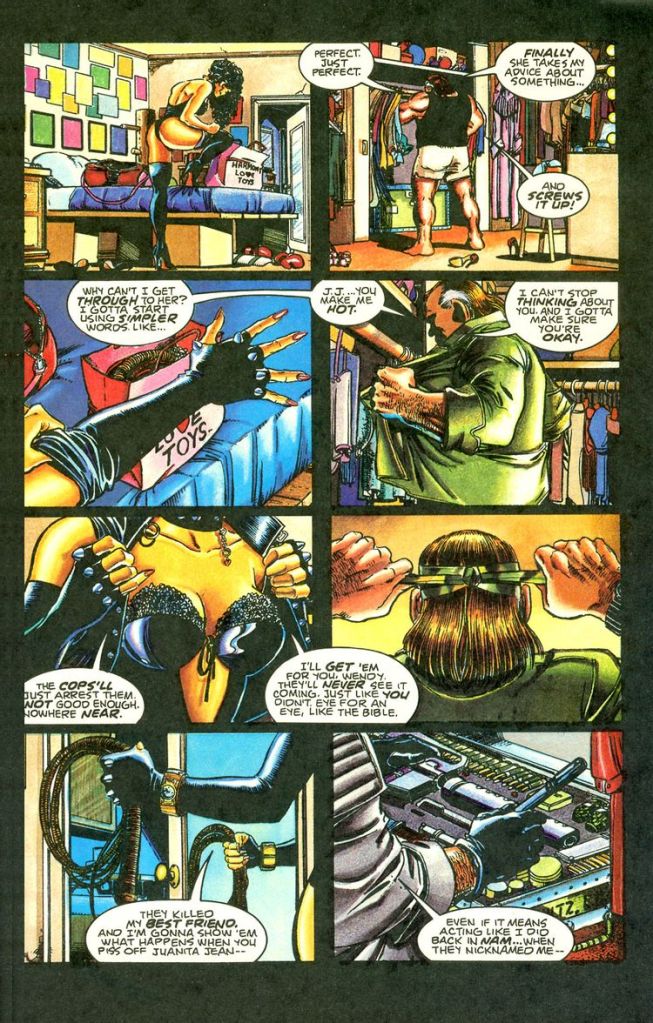
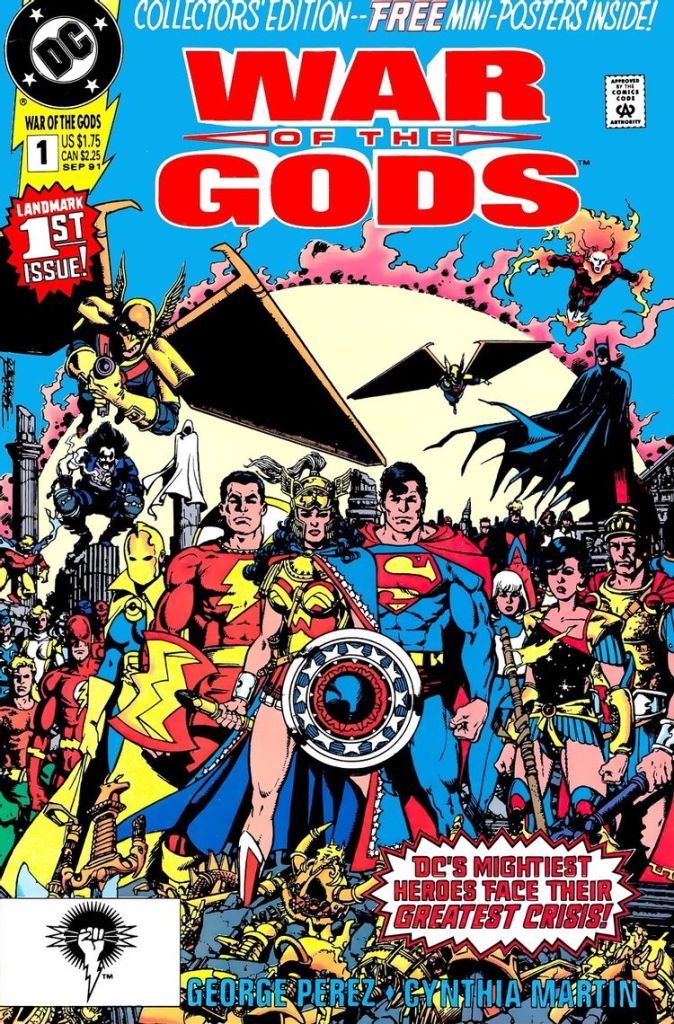
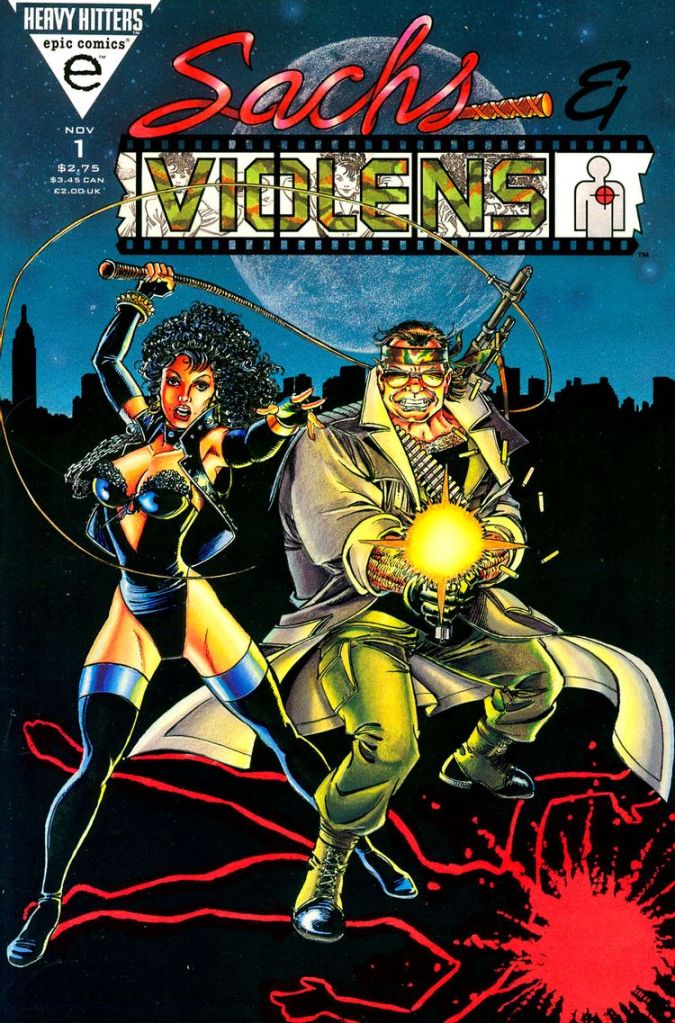
Truly, George Perez will be missed by a lot of people and his countless pieces of works will be revisited in the foreseeable future. In closing this piece, posted below are varied works (comic book covers and interior art) done by the late creator through the decades for your viewing pleasure and learning. This is a tribute to Perez and may he rest in peace!

+++++

Note: All images shown are properties of their respective companies.

Thank you for reading. If you find this article engaging, please click the like button below and also please consider sharing this article to others. If you are looking for a copywriter to create content for your special project or business, check out my services and my portfolio. Feel free to contact me with a private message. Also please feel free to visit my Facebook page Author Carlo Carrasco and follow me on Twitter at  @HavenorFantasy as well as on Tumblr at https://carlocarrasco.tumblr.com/ and on Instagram at https://www.instagram.com/authorcarlocarrasco/

A Look Back at The Strangers #3

Disclaimer: This is my original work with details sourced from reading the comic book and doing personal research. Anyone who wants to use this article, in part or in whole, needs to secure first my permission and agree to cite me as the source and author. Let it be known that any unauthorized use of this article will constrain the author to pursue the remedies under R.A. No. 8293, the Revised Penal Code, and/or all applicable legal actions under the laws of the Philippines.

Right from the start, I got hooked with The Strangers and kept on anticipating the next stories. When it comes to superhero comic books, I am fond of superhero teams like the X-Men, the Teen Titans, Freex, Justice League and WildC.A.T.s

One of the things I enjoyed most from The Strangers #1, which was one of the launch titles of the Ultraverse, was the characterization. Each member of the Strangers was efficiently introduced and his/her uniqueness (apart from having a special ability) caught my attention. And then there was the plot structure that kept me reading for more.

When it comes to the very good quality of storytelling and characterization in The Strangers #1, it should not be much of a surprise since the author Steve Englehart worked on Marvel’s The Avengers, The Defenders and the West Coast Avengers. Englehart also wrote Justice League of America for DC Comics.

With that short history lesson done, we can now take a look back at The Strangers #3, published in 1993 by Malibu Comics with a story written by Steve Englehart and illustrated by Rick Hoberg.

Cover
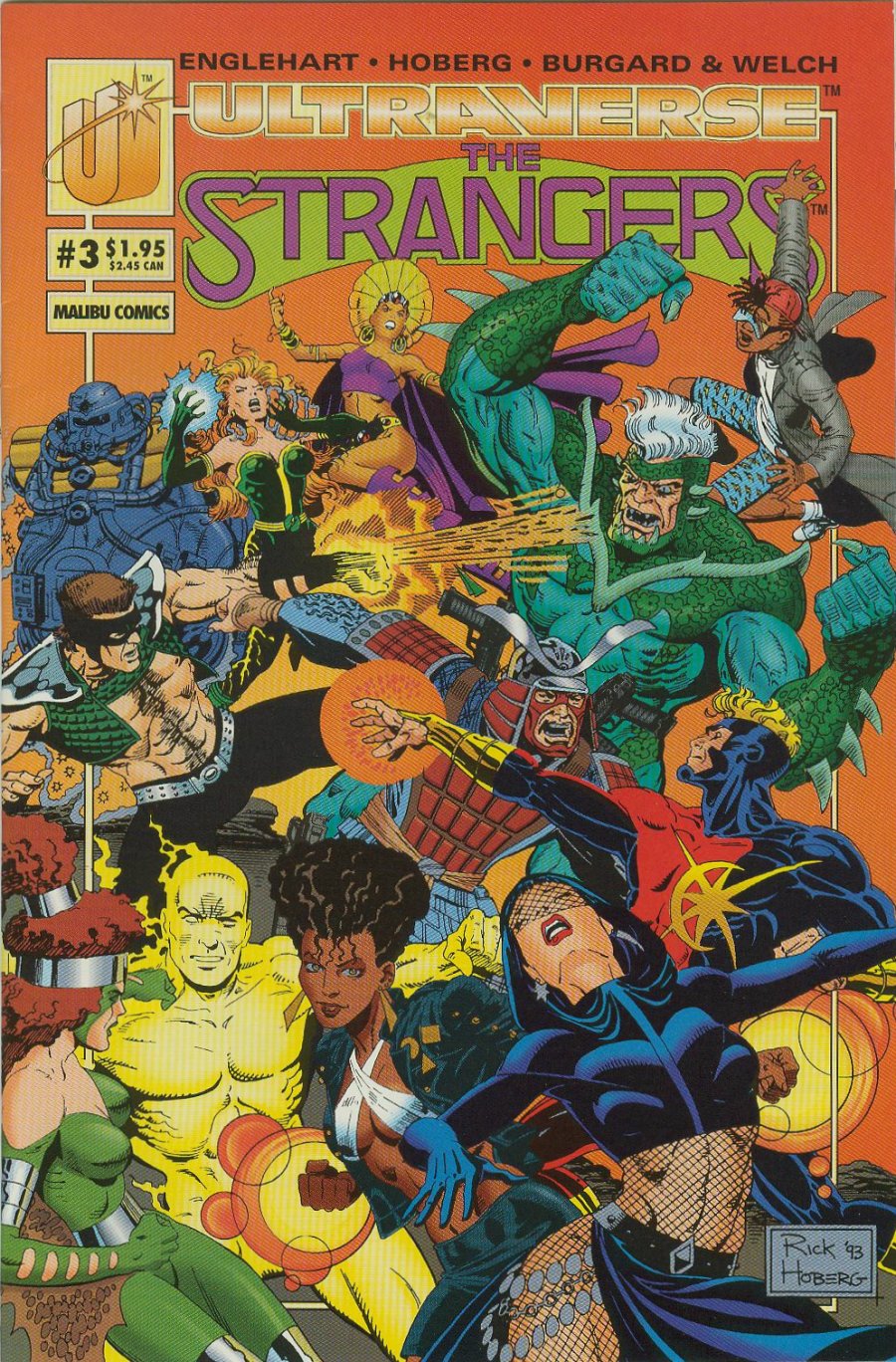
The cover.

Early story

The story begins with the Stangers already in battle with a group called TNTNT composed of Tyrannosaur, Naiad, Torso, Neu-Ronnie and Tugun. The heroic ultras find themselves struggling with their opponents. Just as Tyrannosaur punches one of the Strangers, he states: We want our victims to know us! The work we do precludes us from receiving our proper recognition elsewhere! We are the kings of destruction and death!

The fight goes on…

Quality

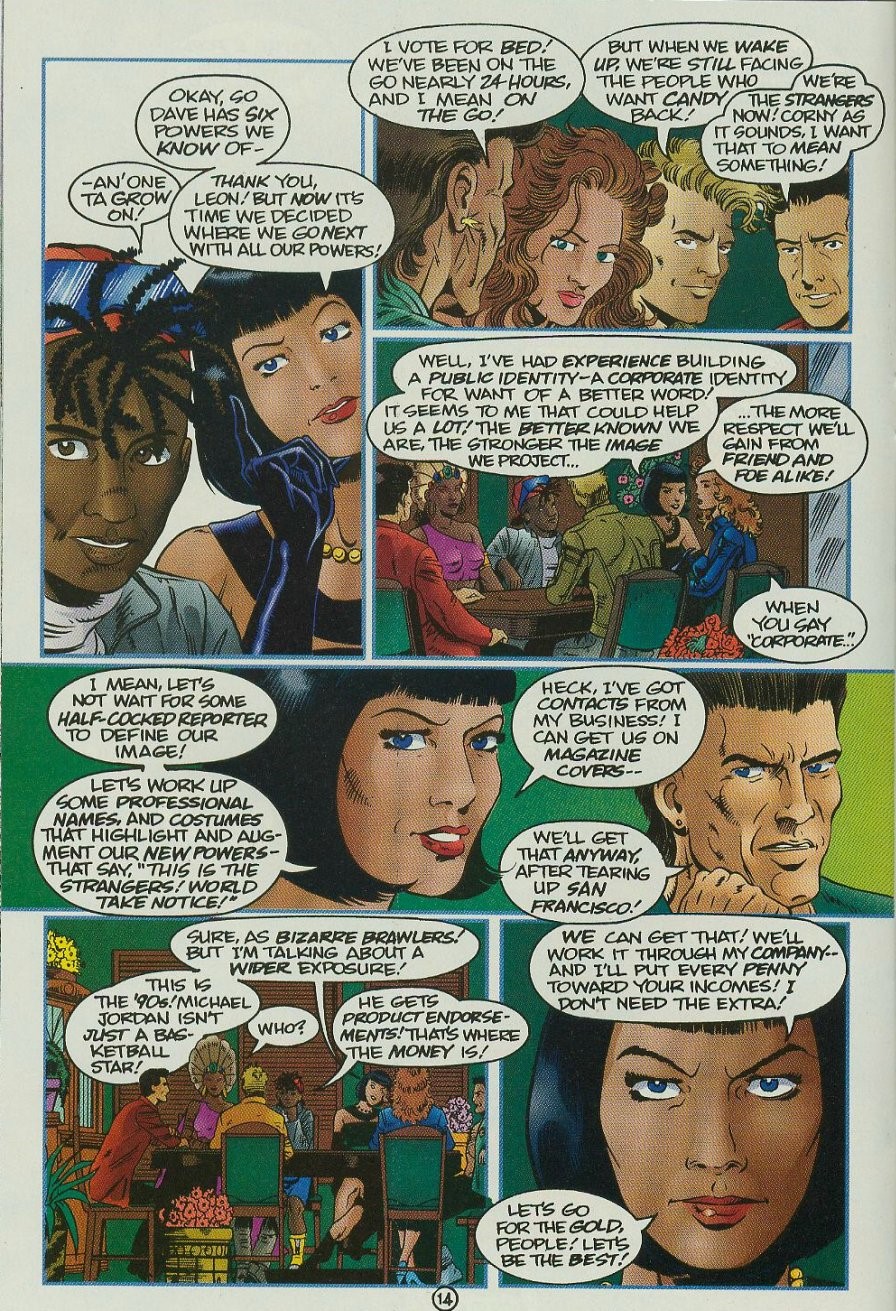
14
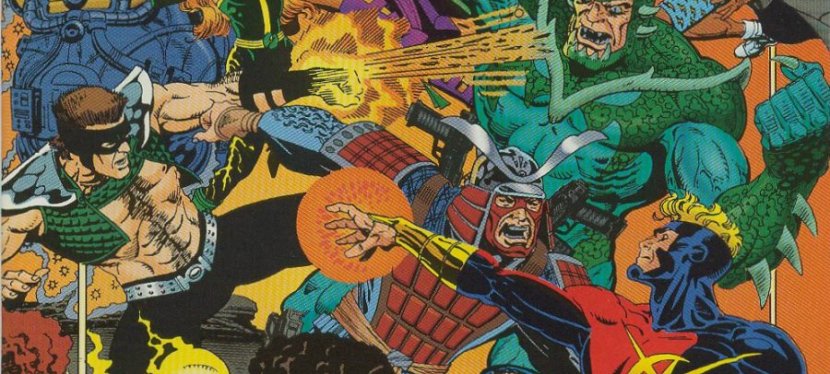
Really in-depth characterization in this flashback.

Let me make it clear to you all that this comic book is mainly a huge battle between the Strangers and TNTNT. However, it is not exactly the overly long, battle royale at all nor is it a brainless story. In fact, at key segments of the comic book, the narrative switches between the battles and flashbacks that not only explain what happened since the end of issue #2 but also showed other events that happened during the Strangers’ free time.

The flashbacks showed the Strangers interacting with each other like normal people. There was this nice scene showing Atom Bob and his teammates visit his parents’ home and have a nice dinner together. It was also during the flashbacks where the character development really got deep and by the time the story ended, I got to know the Strangers even more.

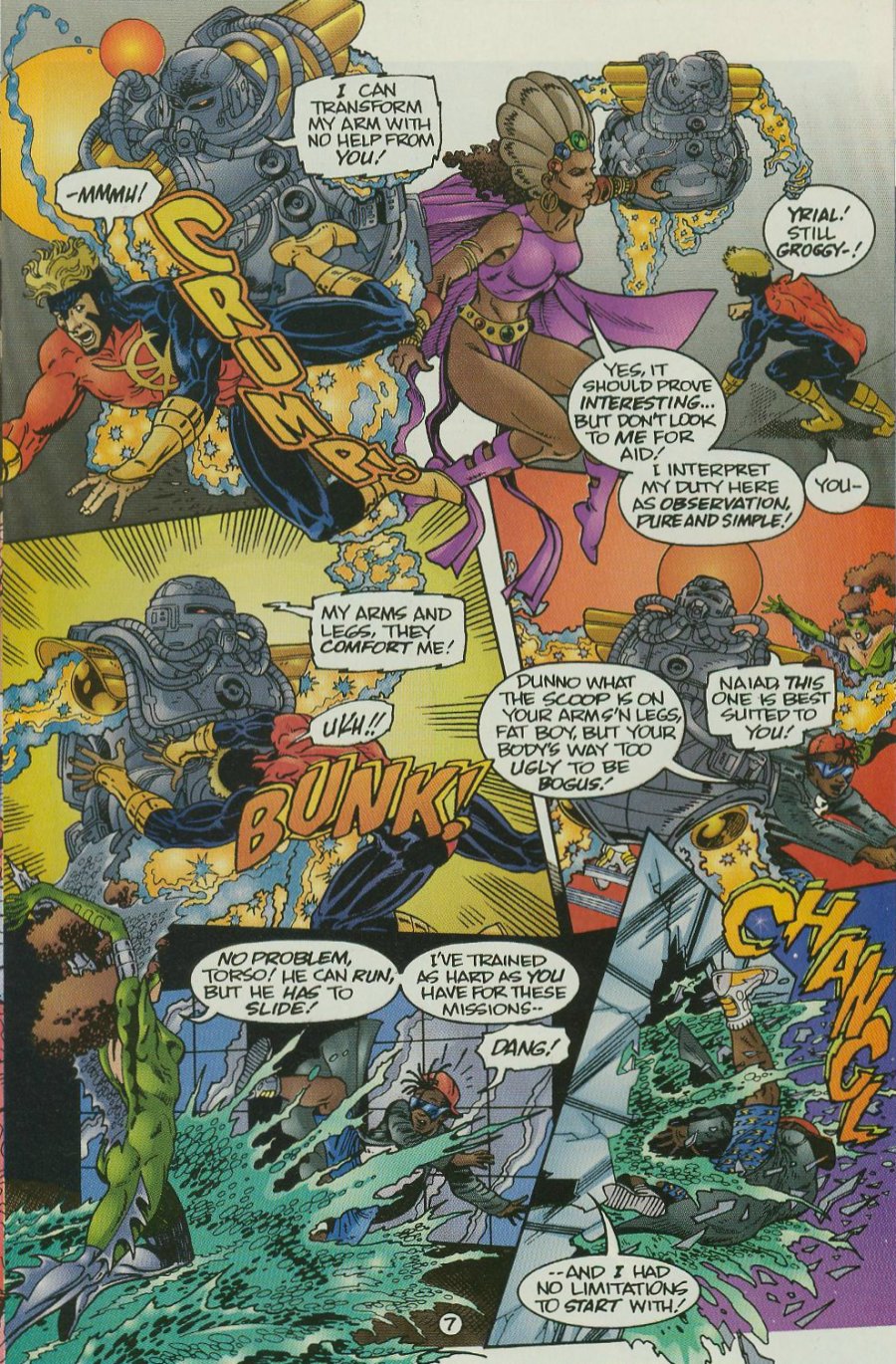
Going back to the long battle, it is clearly a showcase of spectacle in the form of superhero action and the use of their special abilities. Unsurprisingly, Rick Hoberg’s visuals really brought the script to life here. Really good imagery here and there! Also I should say that Hoberg’s designs on the members of TNTNT were really good, even comparable with the Strangers’ designs.

Conclusion

7
This is just a taste of the action-heavy battle.

The Strangers #3 is fun and compelling to read. What makes this different from issues #1 and #2 is that following the narrative (which switches between the present day battle and the character-driven flashbacks) can be challenging at first. As such, this is a comic book that needs to be re-read in order to fully understand the story. It has a lot of action, super powers showcased and enough character development! Finally, I should say that Steve Englehart and Rick Hoberg crafted a pretty powerful build-up leading to the last page.

If you are seriously planning to buy an existing hard copy of The Strangers #3, be aware that as of this writing, MileHighComics.com shows that the near-mint copy of the regular edition costs $4 while the near-mint copy of the newsstand edition costs $8.

Overall, The Strangers #3 is recommended!


Thank you for reading. If you find this article engaging, please click the like button below and also please consider sharing this article to others. If you are looking for a copywriter to create content for your special project or business, check out my services and my portfolio. Feel free to contact me as well. Also please feel free to visit my Facebook page Author Carlo Carrasco and follow me at HavenorFantasy@twitter.com