A Look Back at X-Men Adventures Season II #6 (1994)

Welcome back, superhero enthusiasts, 1990s culture enthusiasts, X-Men fans and comic book collectors! Today we revisit the 2nd series of X-Men Adventures which was the literary adaptation of the popular X-Men animated series of the 1990s.  

First introduced in 1990s comics published by Marvel, Gambit (Remy LeBeau) quickly emerged as one of the most popular members of the X-Men. He always looked cool, his power to charge cards (and other objects) into dangerous weapons, and his combat styling were really fascinating to see. He also has a personality that is very unique and mysterious at the same time. Eventually Gambit got his own spotlight in one of the episodes of the animated series.

With those details laid down, here is a look back at X-Men Adventures Season II , published by Marvel Comics in 1994 with a story written by Ralph Macchio and drawn by John Hebert.
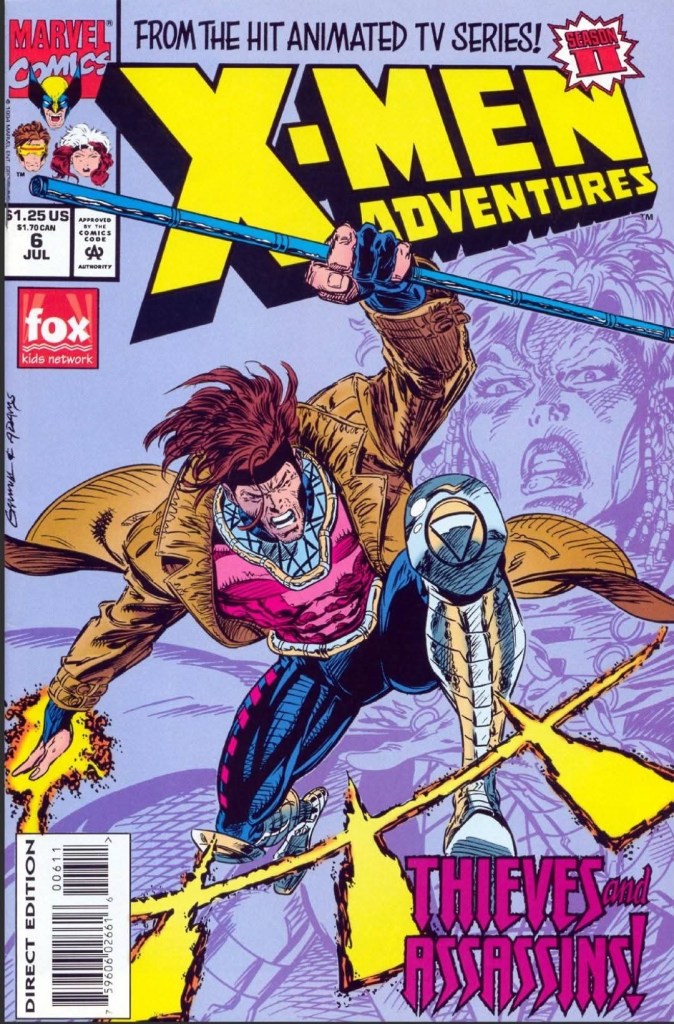
The cover.

Early story

The story begins with Gambit flying away from X-Men headquarters using a mini-aircraft. He is clearly on the pursuit for something. Rogue tells Wolverine and Jean Grey that their teammate received a message from New Orleans and he has to help a certain sibling who is in trouble. While speeding through the air, Gambit remembers what happened several years prior when he was part of the thieves guild. He remembered the moment Bobby became the chosen one among the thieves…

Quality
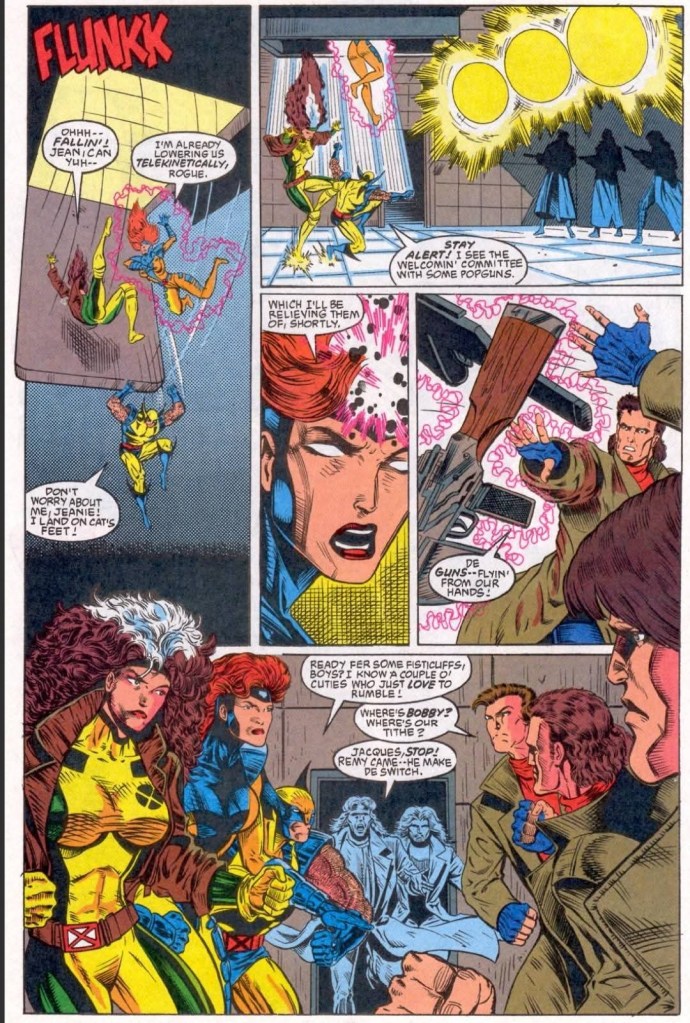
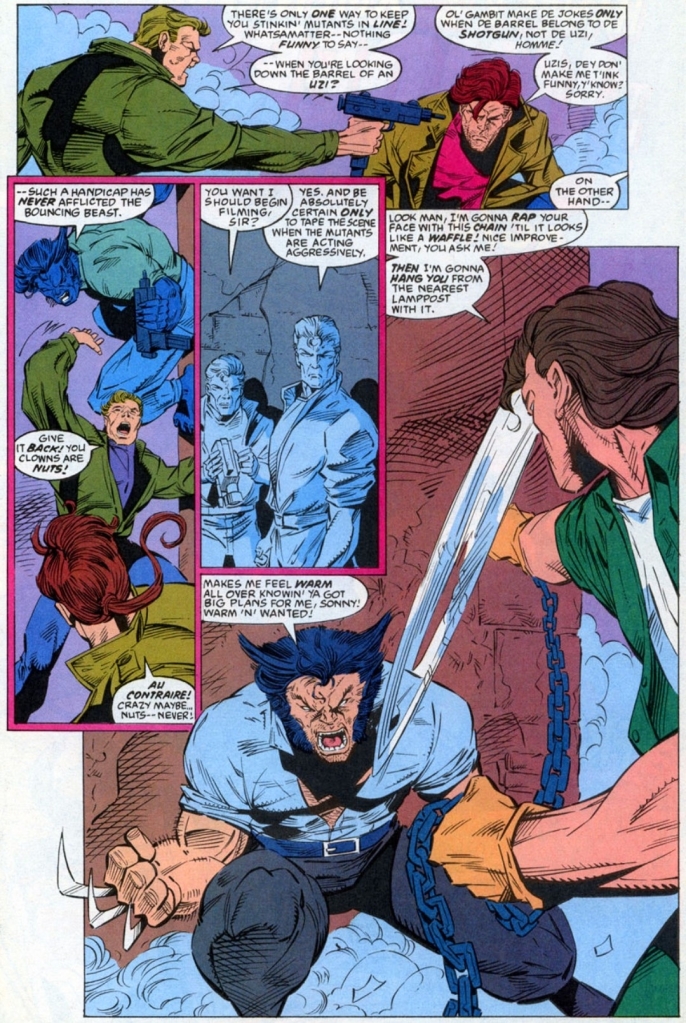
Wolverine, Rogue and Jean Grey fall down and encounter the thieves.

Anyone who followed the stories of Gambit in the X-Men comic books should be aware that there is a lot more to the past of the character than meets the eye. This comic book is a dramatization – which the animated series did – of Gambit’s involvement with a guild of thieves in Louisiana and what happens when the threads and personalities from his past return.

Upon returning to Louisiana, Gambit learns that the feud between the thieves and assassins has turned violent. Complicating matters further is an exchange the assassins want involving Bobby, the sacred tithe the thieves have and Gambit himself.

As expected, Gambit’s personality develops deeply as the story went on. The changes in him manifest when he encounters key characters from his past (example: Bella Donna) and how unfortunate events from the prior years impact him in the present. In short, this is a portrayal of Gambit that is clearly the most intriguing yet in the animated series.

Visually, John Hebert performed a good job visualizing the characters. While the X-Men are recognizable as before, Hebert’s art style gave the other characters a unique look that is gritty and sometimes creepy to see. I should mention that Hebert’s visual interpretation of Rogue reaction’s about Bella Donna described as Gambit’s woman is a great touch.

Conclusion
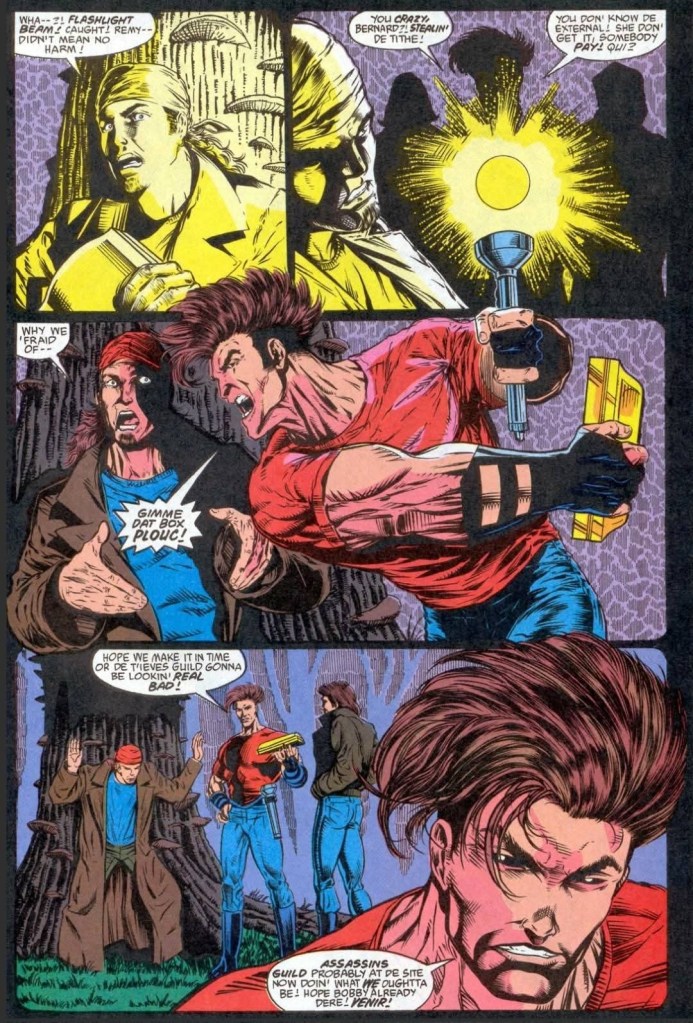
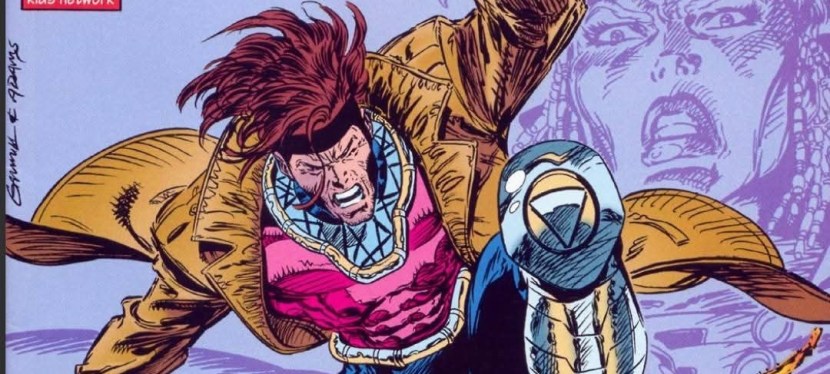
Young Gambit/Remy as a thief in Louisiana.

X-Men Adventures Season II (1994) is a good read and it will delight X-Men fans who are avid followers of Gambit. This one has a nice mix of twists, action, suspense and the theme about the so-called ghosts from the past coming back to haunt some. To see more of Gambit and his Louisiana legacy, you have to read the official X-Men comic books (example: the X-Men/Ghost Rider crossover tale during the time of Jim Lee) plus the Gambit mini-series of the early 1990s. Consider this X-Men Adventures comic book a creative appetizer that happens to be fun to read.

Overall, X-Men Adventures Season II (1994) is recommended.

+++++

Thank you for reading. If you find this article engaging, please click the like button below and also please consider sharing this article to others. If you are looking for a copywriter to create content for your special project or business, check out my services and my portfolio. If you want to support my website, please consider making a donation. Feel free to contact me with a private message. Also please feel free to visit my Facebook page Author Carlo Carrasco and follow me on Twitter at  @HavenorFantasy as well as on Tumblr at https://carlocarrasco.tumblr.com/ and on Instagram at https://www.instagram.com/authorcarlocarrasco/.
A Look Back at X-Men Adventures #12 (1993)

Welcome back, superhero ans, 1990s arts and culture enthusiasts, X-Men fans and comic book collectors! Today we revisit the X-Men Adventures monthly series – the first series specifically – which was the literary adaptation of the popular X-Men animated series of the 1990s.  

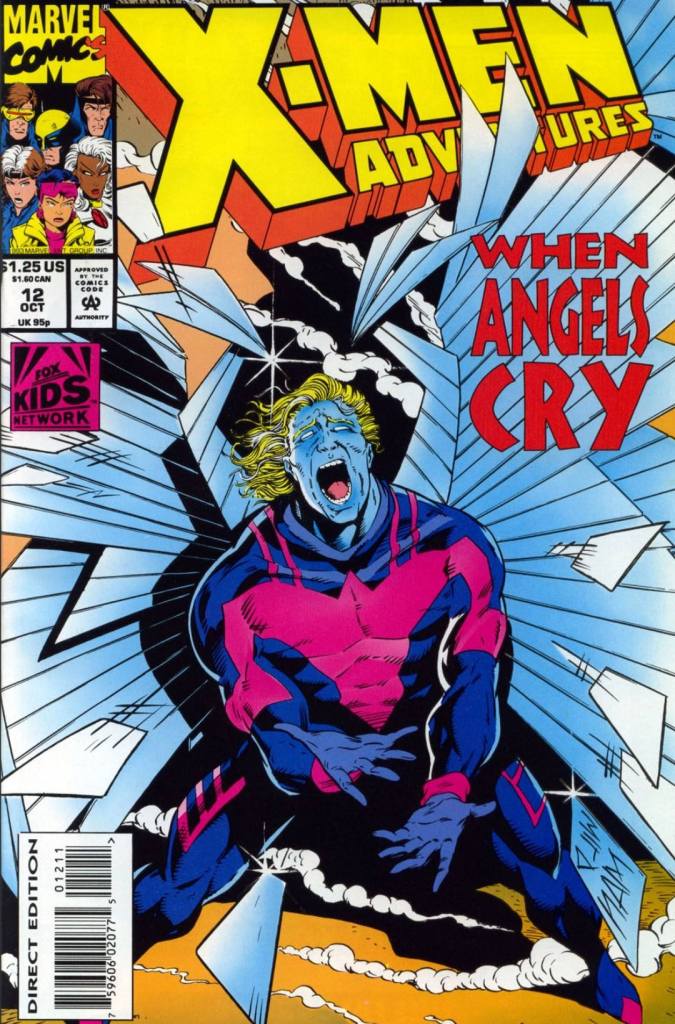
If you are familiar with the classic lore of X-Men literature, you will remember Warren Worthington as Angel who is one of the original members of the X-Men introduced in 1963. That same character would eventually get involved with the super villain Apocalypse and gain a deadlier form as Archangel.

With those details laid down, here is a look back at X-Men Adventures , published by Marvel Comics in 1993 with a story written by Ralph Macchio and drawn by Andrew Wildman.

The cover.

Early story

The story begins inside a facility on Muir Island where genetic experimentation happens and draws mutants who seek a cure for the curse that makes them different. Already four mutants have arrived and were ready to undergo a grand experiment. The doctor in charge of the facility – Gottfried Adler – has already disappeared and in his place is the very powerful mutant Apocalypse.

Apocalypse succeeded in turning four mutants into his Four Horsemen composed of Archangel, War, Famine and Pestilence. For Apocalypse, the age of chaos is at hand.

Meanwhile at Charles Xavier’s School For Gifted Youngsters, the leisure session of Jubilee, Gambit, Jean Grey and Rogue suddenly ends when Storm grabs their attention and shows them TV footage that Professor X wants them to see.

TV news footage shows an important meeting happening in France for the conventional weapons disarmament. Moments later, Apocalypse crashes into the meeting with his Four Horsemen causing harm…

Quality

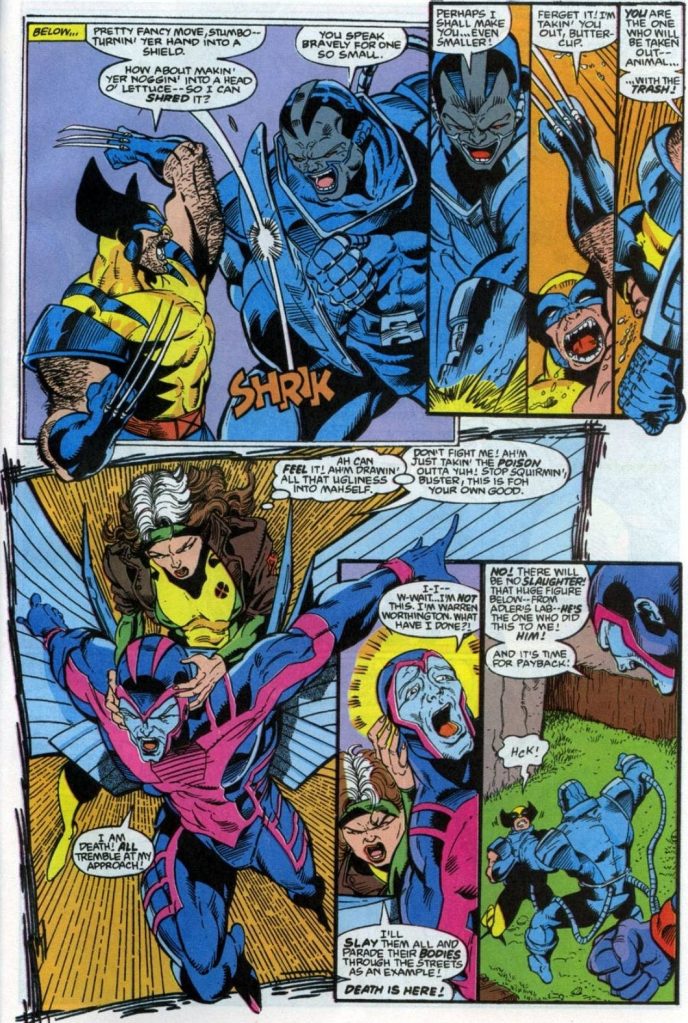
Rogue takes on Archangel while Wolverine is busy dealing with Apocalypse.

This comic book marks the emergence of Apocalypse as a tremendous force of evil following his series debut in issue #10 and short appearance in issue #11. As the main antagonist, Apocalypse – who is obsessed with survival and progress – really comes out in full force against humanity with his Four Horsemen as his deadly enforcers.

The threat of Apocalypse and his Four Horsemen towards humanity is clearly the main feature of this comic book and Macchio’s script has a good structure for the narrative. This makes the story easy to follow while still presenting a lot of details that can be absorbed efficiently. Apocalypse’s presence not only drew the X-Men to spring into action, it also drew Charles Xavier’s own fear that they would face an enemy more dangerous than Magneto.

While the main plot is consistently intense, this comic book also serves as a continuation of Rogue’s personal pursuits since issue which is worth reading. Along the way, Archangel (whose new appearance started at the end of issue ) notably got enough share of the spotlight and is easily the more captivating member of the Four Horsemen. The way Warren Worthington is portrayed here is clearly different from his literary version and that means you should not expect Professor X to claim him as one of his original X-Men members.

When it comes to the visuals, Andrew Wildman’s artistic style is present but many of the drawings here look rushed. In fairness, Wildman succeeded in making Apocalypse and the Four Horsemen look really threatening to human civilization thanks to his nice execution of visual dynamism in certain pages.

Conclusion

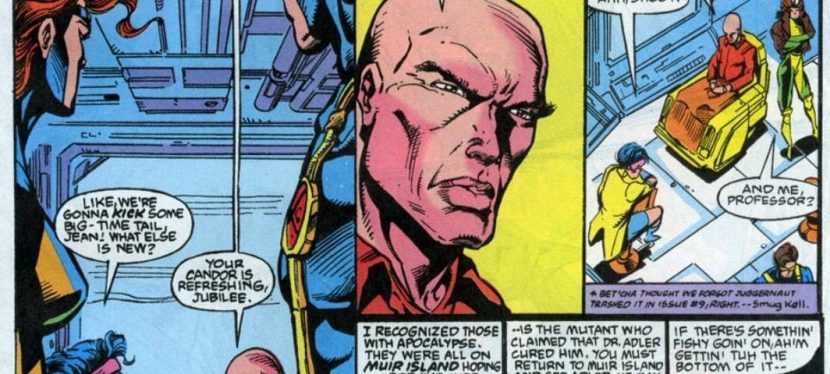
Professor X reveals his fear of Apocalypse to his team during their meeting.

X-Men Adventures (1993) is a pretty good read thanks to the strong script by Macchio based on the teleplay from the animated series. It concluded the Muir Island saga in a very satisfying manner which includes putting Rogue’s subplot with solid closure (complete with a moral lesson about accepting her team as her family). By the time I reached the end of the comic book, it was clear that Apocalypse is a major antagonist with the long-term in mind.

Overall, X-Men Adventures (1993) is recommended.

+++++

Thank you for reading. If you find this article engaging, please click the like button below and also please consider sharing this article to others. If you are looking for a copywriter to create content for your special project or business, check out my services and my portfolio. If you want to support my website, please consider making a donation. Feel free to contact me with a private message. Also please feel free to visit my Facebook page Author Carlo Carrasco and follow me on Twitter at  @HavenorFantasy as well as on Tumblr at https://carlocarrasco.tumblr.com/ and on Instagram at https://www.instagram.com/authorcarlocarrasco/.
A Look Back at WildC.A.T.s Adventures #1 (1994)

Welcome back superhero enthusiasts, 20th century pop culture enthusiasts and comic book collectors! Today we go back to the mid-1990s to take a close look at the launch issue of the comic book series that was an adaptation of the WildC.A.T.S: Covert Action Teams animated series.

To put things into perspective, Jim Lee and several creators left Marvel Comics to establish Image Comics. In 1992, Lee launched his creator-owned project  WildC.A.T.s: Covert Action Teams #1 which also was a part of the creative foundation of the WildStorm universe. Just a little over two years later, an animated series of WildC.A.T.S. was launched on TV. Similar to what Marvel Comics did in relation to adapting stories of the X-Men animated series, Image Comics launched a comic book series based on the WildC.A.T.S. animated series.

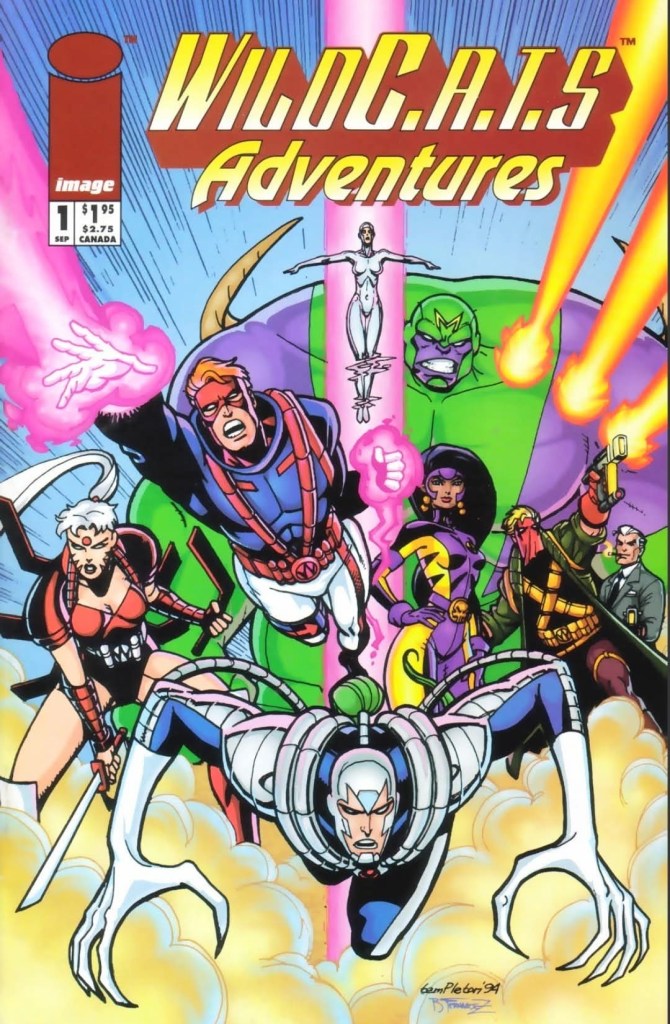
With those details laid down, here is a look back at WildC.A.T.s Adventures , published in 1994 by Image Comics with a story written by Jeff Mariotte (adapting the animated story by David Wise) and drawn by Ty Templeton.

The cover.

Early story

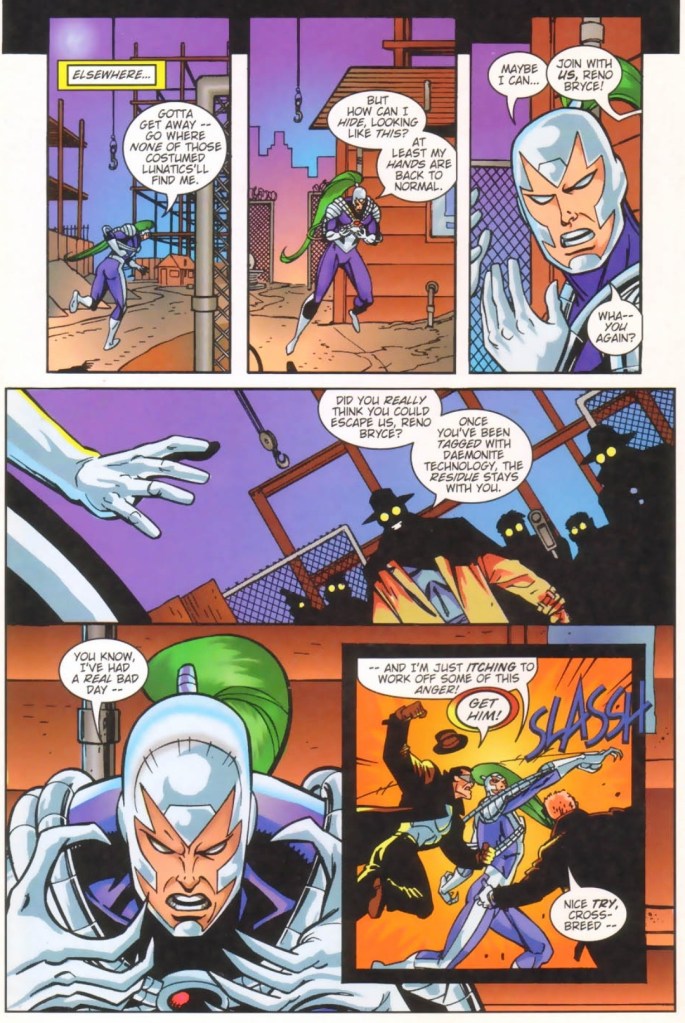
The story begins one night inside an office where Reno Bryce (Warblade) works obsessively on a circuit board. He is surrounded by the technology he knows and loves. As he works, three armed men wearing coats and hats enter his office and ask him for his identity. One of the men grabs a circuit board and destroys it, which triggers Reno to react with violence.

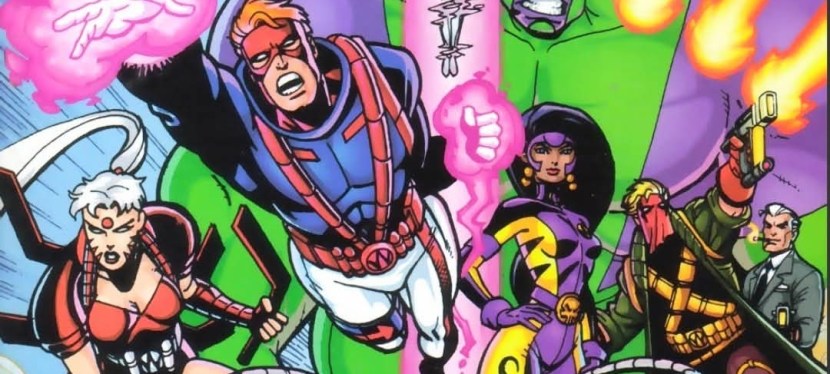
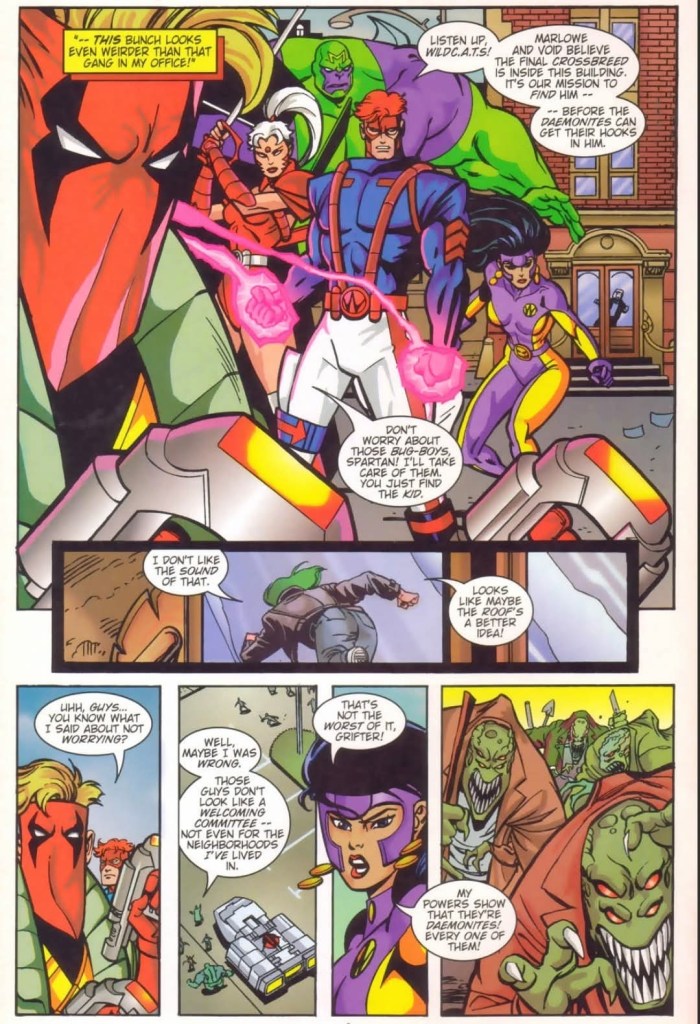
Knowing he is outnumbered, he quickly runs out of the office for safety. He heard one of the men referred to him as a crossbreed whelp. As soon as he finally leaves the building, Reno sees the WildCATS team composed of Grifter, Spartan, Zealot, Voodoo and Maul. Thinking that the WildCATS are out to kill him like the armed men, Reno keeps on running away. 

Suddenly, a group of people are rushing towards the WildCATs. Powered with the Sight, Voodoo realizes that the mob is composed of Daemonites disguised as humans. The WildCATs and the mob engage in battle.

From high above, Reno see the battle happening. Suddenly, the three armed men appeared behind him telling him that he has no escape from them…

Quality

Reno Bryce still adjusting to his new form as Warblade.

Having seen the first episode myself, I can say that this comic book is actually a faithful adaptation and the creative team did their jobs well.

As an alternate introductory story of the WildCATs, this one obviously has the violence and visceral essence of the comic book series toned down due to the fact that the animated series was made with a younger audience in mind. There is still plenty of action here and the creative team’s focus on telling the story was consistently strong.

Within one story, the creative teams of both the animated episode and this comic book succeeded in gradually emphasizing the lore of WildCATS which had strong sci-fi elements (example: the long conflict between the Kherubim and the Daemonites), introducing the characters and the super villain, showcase the capabilities of the characters, emphasizing the purposes of each side, and having Reno Bryce as the newcomer who is about to discover his real role in the conflict (which reminds me of Jubilee in the opening episode of the X-Men animated series).

Conclusion

Ty Templeton’s art is nice to look at and he captured the essence of the animated episode. The WildCATS themselves are easily recognizable.

Like its animated source, WildC.A.T.s Adventures (1994) is enjoyable and the creators did a very good job translating the story and essence from animation into literary format. Having read the Jim Lee-drawn issue of 1992, this one worked well as an alternate introduction of the WildCATS and their conflict with the Daemonites. Like the animated TV episode, the presentation was done in a wholesome manner without ever becoming childish. I can say that there is still enough good stuff of WildCATS to enjoy here, and the characters are recognizable (both in looks and portrayals). Right now, I’m looking forward to reading the next issue.

Overall, WildC.A.T.s Adventures (1994) is highly recommended.

+++++

Thank you for reading. If you find this article engaging, please click the like button below, share this article to others and also please consider making a donation to support my publishing. If you are looking for a copywriter to create content for your special project or business, check out my services and my portfolio. Feel free to contact me with a private message. Also please feel free to visit my Facebook page Author Carlo Carrasco and follow me on Twitter at  @HavenorFantasy as well as on Tumblr at https://carlocarrasco.tumblr.com/ and on Instagram at https://www.instagram.com/authorcarlocarrasco

A Look Back at X-Men Adventures Season II #9 (1994)

Welcome back superhero enthusiasts, 1990s arts and culture enthusiasts, Marvel Comics fans and comic book collectors! Today we go back to the mid-1990s to explore the adaptation of the second season of the famous X-Men: The Animated Series (X-Men TAS) in the form of the X-Men Adventures comic book series.

Before getting to the new retro comic book review, I should state that the subject X-Men Adventures comic book will involve Carol Danvers in a supporting role (in rather creative ways). Yes, I’m talking about the one character who in the history of the Marvel Comics shared universe was identified (in no particular order) as Ms. Marvel, Binary, Warbird and as Captain Marvel. As the subject comic book was published in 1994, Carol Danvers here is obviously not the woke garbage version played by Brie Larson in the movies.  

With those details laid down, here is a look back at X-Men Adventures Season II , published in 1994 by Marvel Comics with a story written by Ralph Macchio and drawn by John Herbert.

The cover.

Early story

The story begins at night in New York City. There, Mystique and Mister Sinister have a serious talk. Sinister believes that without Charles Xavier’s presence, the X-Men are very vulnerable and they will eventually become disorganized and fall down quickly.

Over at the mansion of Xavier, Rogue wakes up from a very intense nightmare which prompts Cyclops and Gambit to calm her down. Rogue reveals that she has been having very disturbing visions ever since Professor X disappeared. It turns out, Xavier helped her previously by using his mental abilities to block out the unpleasant memories of hers.

Jean Grey enters the room and she reveals (in response to Cyclops’ question) that she ran a computer search on the woman Rogue saw the other day and came up with several pictures. As soon as Rogue examines the pictures, she then remembers who the woman is which causes her to be consumed by another vision from deep inside her mind. She sees Ms. Marvel…

Quality

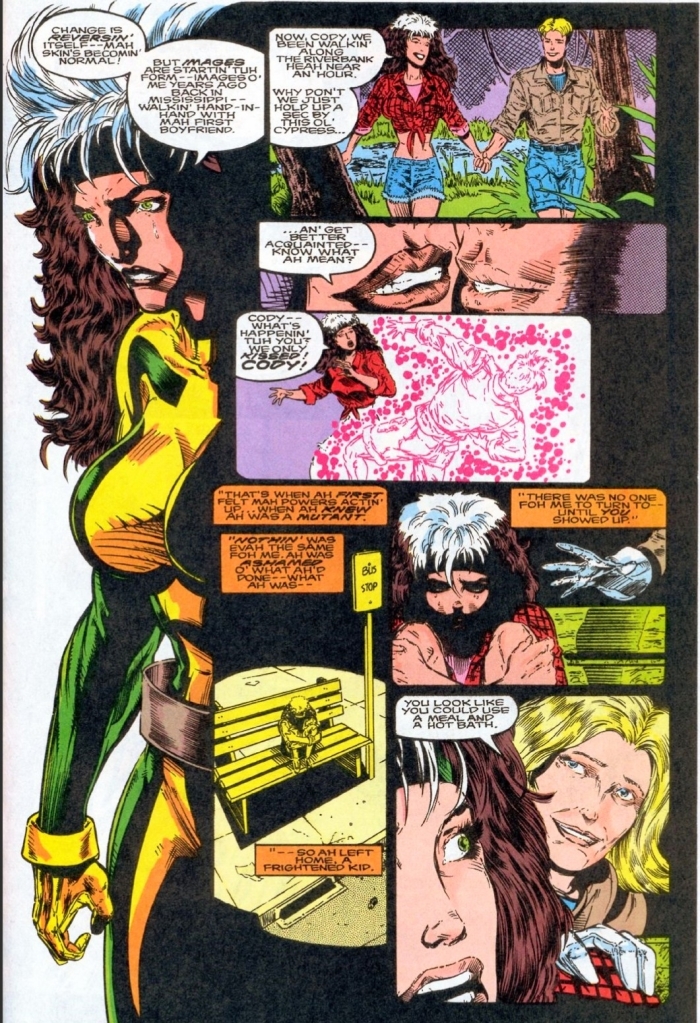
There is a lot of stuff here that Rogue fans will enjoy.

The first obvious thing about this comic book is that it is a character-driven tale told mainly through Rogue. In fact, this is actually a creative portrayal of Rogue’s origin written for TV by Marty Isengerg and Robert Skir, and Macchio’s adaptation here made a really solid reading experience for me.

Without going too much into spoiler territory, I can say that this origin story of Rogue was not only written for TV viewers in mind but also crafted to cater to what was back then the modern tastes of X-Men fans in general. I’m talking about 1990s X-Men and society specifically and the thing is, everything here aged well. Nothing here feels out of place. I should also state that Rogue’s upbringing are well worth exploring here.

The writing by Macchio and art by Hebert are of high quality and this comic book is really worth reading again from start to finish. The emotions channeled through Rogue are very intense without ever reaching to the point of showing her insane. Hebert’s art, meanwhile, fills every page with a good amount of visual details complete with strong facial expressions (including some very scary faces from Mystique and Ms. Marvel) and some dynamic superhero action that really spiced up the reading experience.

As mentioned earlier, Carol Danvers appears in a supporting role and the creative team came up with clever ways to emphasize the character both visually and through dramatics. The way Danvers is portrayed here should inspire readers to go out and read Marvel’s published comic books of her as Ms. Marvel. The same thing can be said about Rogue whose origin and gradual rise from an occasional character (a super villainess no less) to a prominent superhero told through Marvel Comics’ shared universe are worth revisiting.  

Conclusion

A very disturbed Rogue in the presence of her teammates.

X-Men Adventures Season II (1994) is indeed a very powerful and gripping character-driven comic book that will appeal to fans of Rogue, the X-Men and Carol Danvers. Considering the wholesome aesthetic of the X-Men animated series TV episode, this comic book has a much darker presentation that will strongly appeal to X-Men fans who want a more serious portrayal to read. As it was mainly focused on Rogue, I can say that the conflict was nicely built up and the resolution was a strong pay-off. Very clearly, the Macchio-Hebert creative duo really delivered great stuff.

Overall, X-Men Adventures Season II (1994) is highly recommended.

+++++

Thank you for reading. If you find this article engaging, please click the like button below, share this article to others and also please consider making a donation to support my publishing. If you are looking for a copywriter to create content for your special project or business, check out my services and my portfolio. Feel free to contact me with a private message. Also please feel free to visit my Facebook page Author Carlo Carrasco and follow me on Twitter at  @HavenorFantasy as well as on Tumblr at https://carlocarrasco.tumblr.com/ and on Instagram at https://www.instagram.com/authorcarlocarrasco

A Look Back at X-Men Adventures Season II #8 (1994)

Welcome back superhero enthusiasts, 1990s arts and culture enthusiasts, Marvel Comics fans and comic book collectors! Today we go back to the mid-1990s to explore the adaptation of the second season of the famous X-Men: The Animated Series (X-Men TAS) in the form of the X-Men Adventures comic book series.

Before getting to the new retro comic book review, I should state that it is indeed very challenging to implement the concepts of time travel and timeline conflicts into the narrative of an established X-Men universe. As far as the X-Men TAS narrative goes, Bishop and Cable are mutants who each came from different points in the future and in different ways they each made impact with the present day X-Men as portrayed in the comics (the literary X-Men specifically).

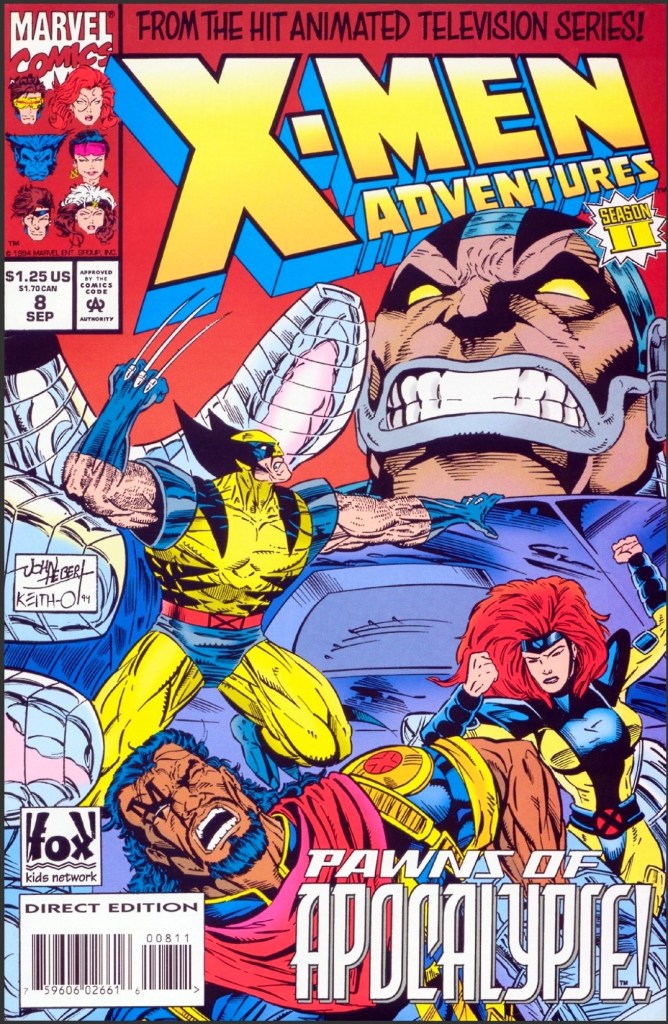
With those details laid down, here is a look back at X-Men Adventures Season II , published in 1994 by Marvel with a story written by Ralph Macchio and drawn by John Hebert. The is the 2nd chapter of the Time Fugitives storyline.

The cover.

Early story

The story begins on Earth in the far future of 3999 AD. Cable, who has been leading the fight against Apocalypse, is receiving information from his cube-shaped computer which informs him that a temporal storm has wreaked havoc with the time stream and their present is reconfiguring in response to the existence of a new past. Once realignment gets completed, everyone in the current timeline will cease to exist. Cable then learns that Bishop (who returned to the X-Men in the previous issue) is the primary chronal component of the time readjustment.

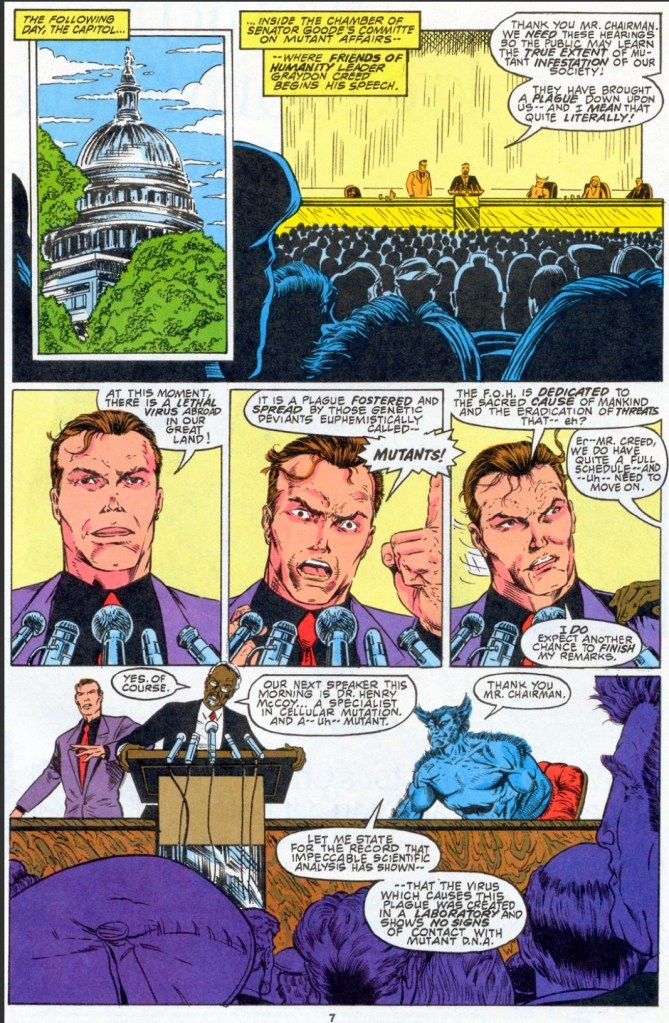
Meanwhile in the present day inside Xavier’s mansion, the X-Men listen to Bishop who explains that mutants will be blamed for the plague that a certain virus will precipitate and that the fear of the virus will make things much worse for many people. He states that the virus was not brought into being by mutants.

Beast then shares that his investigation of a viral-ridden cell sample was convincing and discovered that the virus was genetically engineered. He reveals that once the little germs spread to the mutant population and combine with mutant DNA, it could turn out incredibly deadly…

Quality

Conflict brewing in front of a huge audience.

To be straight to the point, what the creative team started in issue got strongly concluded here. With the animated episode’s teleplay being the primary reference, writer Ralph Macchio successfully crafted a script that raised the stakes of the 2-part Time Fugitives story while tying closely the gaps with regards to the time travel and timeline conflicts concepts. Without spoiling the plot, I can say that one development that took place in the present day clearly set off the stage for another futuristic mutant to not only get involved but also make a huge impact on the narrative.

As with the previous issue, this story has elements of xenophobia as well as fear of viruses and potential massive infections which added a good layer of depth to the plot. Macchio’s writing is very strong and no matter how intense the tale got as more details got presented, it still remained very readable and efficient to follow. Also, I should say that Apocalypse’s presence turned out very powerful and it should inspire readers to search for comic books of the supervillain’s conflict with the X-Men and X-Factor for insight.

John Hebert returned on the visual department and his art style really works well with both the sci-fi concept of the story and the presentation of the X-Men plus Bishop and Cable. I really admire Hebert’s stylized take on Wolverine, Cable and Bishop as he made each them look even grittier than before. There is also this creepy vibe with the way Hebert drew some of the X-Men members’ faces. Herbert is also very good with visualizing sci-fi elements such as energy forms, futuristic machines, techno-virus forms on the skin, and more. His presentation of dynamic superhero action is great to look at. This is clearly one of the best looking issues of Season II of the X-Men Adventures series.

Conclusion

Bishop explains things to the X-Men and Beast confirms key details.

X-Men Adventures Season II (1994) is a rock-solid comic book in terms of quality and impact. It concluded the 2-part story with a powerful resolution, it tied the loose ends in a very timely fashion and I really enjoyed the way how the X-Men were dramatized as Bishop and Cable got involved with them in their present day setting. So far, this is the most satisfying and more impactful issue of Season II I have read in this series.  

Overall, X-Men Adventures Season II (1994) is highly recommended.

+++++

Thank you for reading. If you find this article engaging, please click the like button below, share this article to others and also please consider making a donation to support my publishing. If you are looking for a copywriter to create content for your special project or business, check out my services and my portfolio. Feel free to contact me with a private message. Also please feel free to visit my Facebook page Author Carlo Carrasco and follow me on Twitter at  @HavenorFantasy as well as on Tumblr at https://carlocarrasco.tumblr.com/ and on Instagram at https://www.instagram.com/authorcarlocarrasco

A Look Back at X-Men Adventures Season II #5 (1994)

Welcome back superhero enthusiasts, 1990s arts and culture enthusiasts, Marvel Comics fans and comic book collectors! Today we go back to the mid-1990s to explore the adaptation of the second season of the X-Men animated series in the form of the X-Men Adventures comic book series.

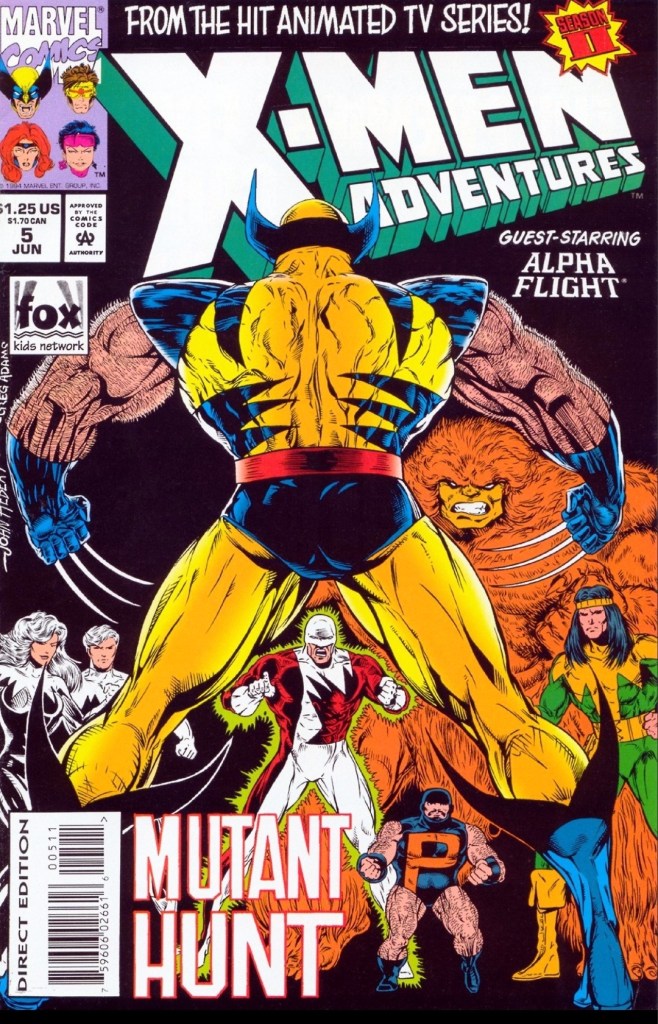
Before getting to the new retro comic book review, I should state that I visited Canada only once. Even before my one and only visit there, I knew through the comic books that famous character Wolverine is a native of Canada and a former member of Alpha Flight (Canadian government-sponsored team of mutant operatives). Somewhere in his past, he was live test subject of Weapon X. I have to mention this because the X-Men Adventures about to be reviewed here is focused on Wolverine.

With those details laid down, here is a look back at X-Men Adventures Season II , published in 1994 by Marvel with a story written by Ralph Macchio and drawn by John Hebert.

The cover.

Early story

The story somewhere in the wilderness in Canada where Wolverine helps free an animal that was stuck. Suddenly, Alpha Flight’s Vindicator appears and reminds Wolverine of the fact that he deserted them to work of Charles Xavier. It turns out, Wolverine is back in Canada to visit Heather.

Moments later, he finds himself surrounded by Vindicator’s teammates Puck, Shaman and Sasquatch, and tells them that he is never coming back to Alpha Flight. Even though two more members of the Canadian team joined in, Wolverine manages to avoid defeat in battle and hides away.

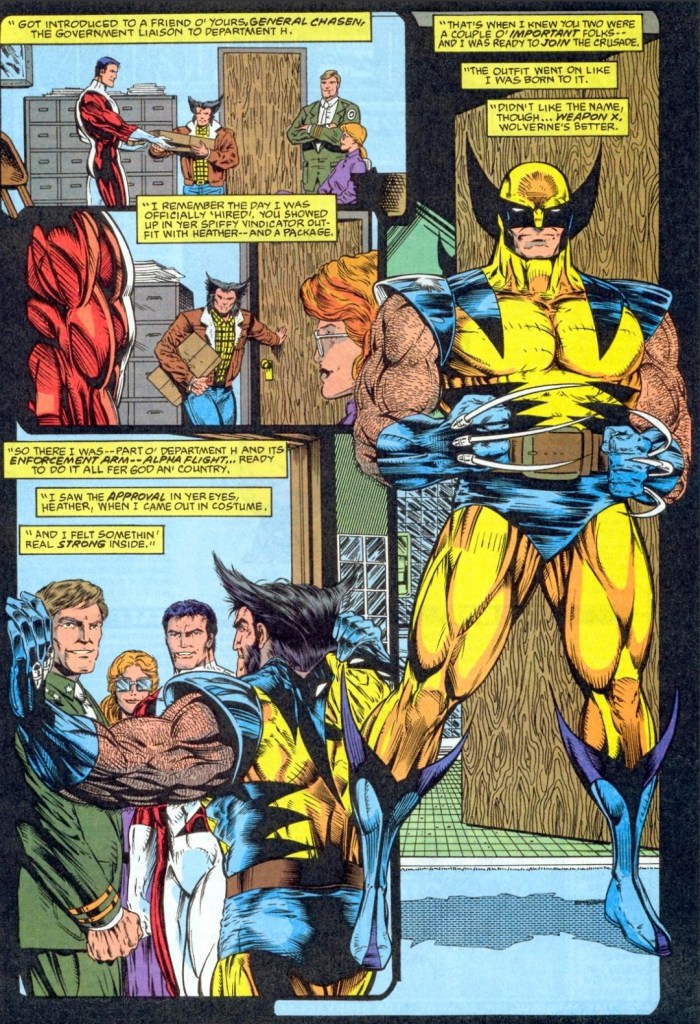
As he listens to Alpha Flight from a distance, he hears Vindicator mentioning that a certain lab is expecting their team. This causes Wolverine to remember the traumatic time he had as a live test subject of Weapon X…

Quality

A look back at the time Wolverine joined the Canadian government-sponsored superhero team Alpha Flight. Would you want to join a unit serving the woke Canadian government of Justin Trudeau in real life?

I should mention first that the teleplay by the late Len Wein contains a very solid and sensible interpretation of Wolverine’s Weapon X origin (with a modern touch for the 1990s) which turned out to be a detailed reference for Ralph Macchio to adapt into this comic book.

That being said, this comic book’s plot of Wolverine going to Canada for a solid purpose and encountering challenges – both from his past with Alpha Flight and others – while bringing back his painful Weapon X past turned out to be a really engaging read. The Weapon X flashback scenes added a depth to the story as well as Wolverine’s portrayal in this adaptation. You will see the clawed X-Men member being tough and gritty as usual, and yet you will witness his fragile side as he becomes personally troubled about the past.

The appearance of Alpha Flight here was put to good use. Apart from the revelation of Wolverine’s past membership with them, you will see the team truly operate with a clear goal as mandated by their government (note: this is clearly not the ultra-woke, Islamo-Leftist government of Justin Trudeau). In fact, this tale gives readers a glimpse of how the Canadian government analyzes and decides what to do with Canadians who are very exceptional and are more valuable than many other citizens. Alpha Flight is the government’s tool which is strongly emphasized here.

Apart from the plot focused on Wolverine, this comic book managed to move the sub-plot of Magneto and Charles Xavier forward a bit.

Conclusion

A Weapon X flashback.

X-Men Adventures Season II (1994) has a very engaging and fun tale focused on Wolverine who encounters his fellow Canadians. Anyone who loves the clawed X-Men member will have a lot to enjoy here. The appearance of Alpha Flight here (as well as in the X-Men TAS episode) added a good layer of depth to the plot while also emphasizing the shared Marvel universe in a controlled manner. Lastly, artist John Hebert’s artwork on Wolverine is really good and his high level of visual detail on other characters and locations should be seen.

Overall, X-Men Adventures Season II (1994) is recommended.

+++++

Thank you for reading. If you find this article engaging, please click the like button below, share this article to others and also please consider making a donation to support my publishing. If you are looking for a copywriter to create content for your special project or business, check out my services and my portfolio. Feel free to contact me with a private message. Also please feel free to visit my Facebook page Author Carlo Carrasco and follow me on Twitter at  @HavenorFantasy as well as on Tumblr at https://carlocarrasco.tumblr.com/ and on Instagram at https://www.instagram.com/authorcarlocarrasco

A Look Back at X-Men Adventures Season II #3 (1994)

Welcome back superhero enthusiasts, 1990s arts and culture enthusiasts, Marvel Comics fans and comic book collectors! Today we go back to the mid-1990s to explore the adaptation of the second season of the X-Men animated series in the form of the X-Men Adventures comic book series.

Before getting to the new retro comic book review, I should state that even though streaming is the norm for millions of people who love entertainment, it would be nice if the classic X-Men: The Animated Series (X-Men TAS) would someday get released on Blu-ray disc format. Even though many X-Men fans are streaming, there are still those who prefer collecting physical releases of what they enjoy. Really, watching entertainment with Blu-ray or 4K Blu-ray format is much better than streaming.

With those details laid down, here is a look back at X-Men Adventures Season II , published in 1994 by Marvel with a story written by Ralph Macchio and drawn by John Hebert.

The cover.

Early story

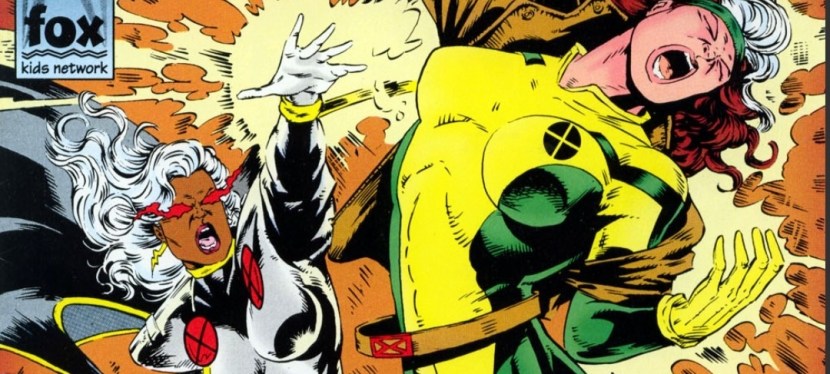
The story begins at the border of Kenya and Tanganyika where Mount Kilimanjaro rests. Something destructive emerges at the top of the mountain causing great disturbance on the people below. At a village, two black persons could not help but notice a demonic figure coming down at them. One of them gets possessed by it.

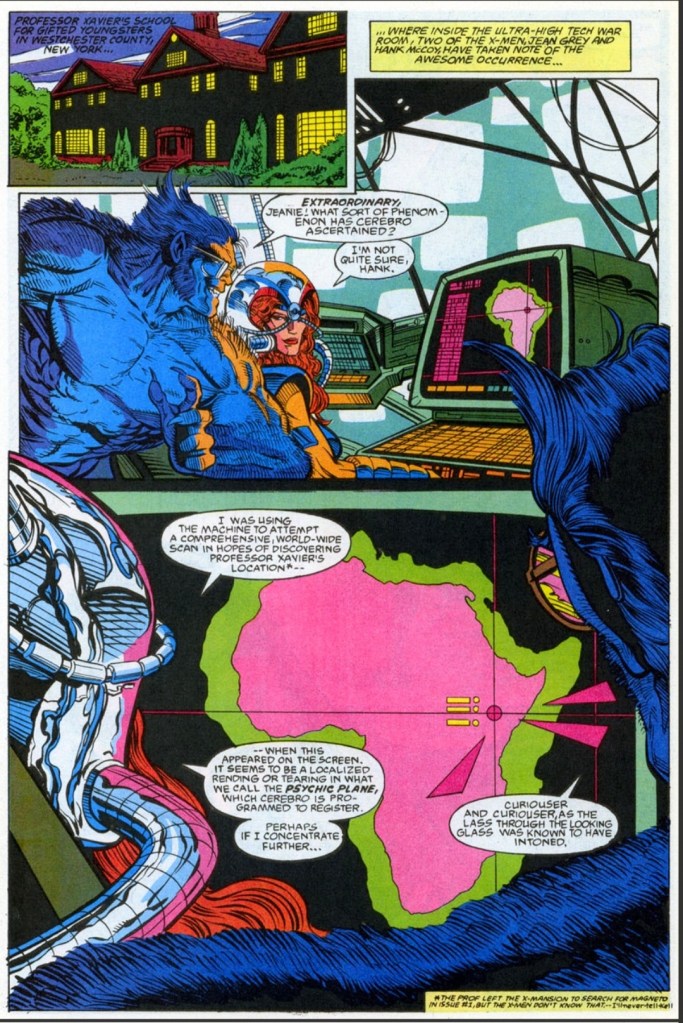
Meanwhile at their headquarters in Westchester County, New York, Jean Grey uses Cerebro to comprehensively scan the world to find Professor X’s location. What Jean detected was a psychic plane which catches Beast’s attention.

Shortly after, Rogue arrives with Storm who just returned from a hospital. As Jean updates them both, Storm realizes that the location of the psychic plane is in Africa…

Quality

Rogue in Africa with Storm.

The first thing I should confirm here is that there is a nice jump in the visual quality – in terms of style and detail specifically – thanks to illustrator John Hebert. Hebert’s work here is a nice relief compared to the rushed works of Andrew Wildman in the previous two issues, and he knows when to use the dynamic moments of spectacle and how to balance it with the calm moments. Hebert’s take on Wolverine is really good.

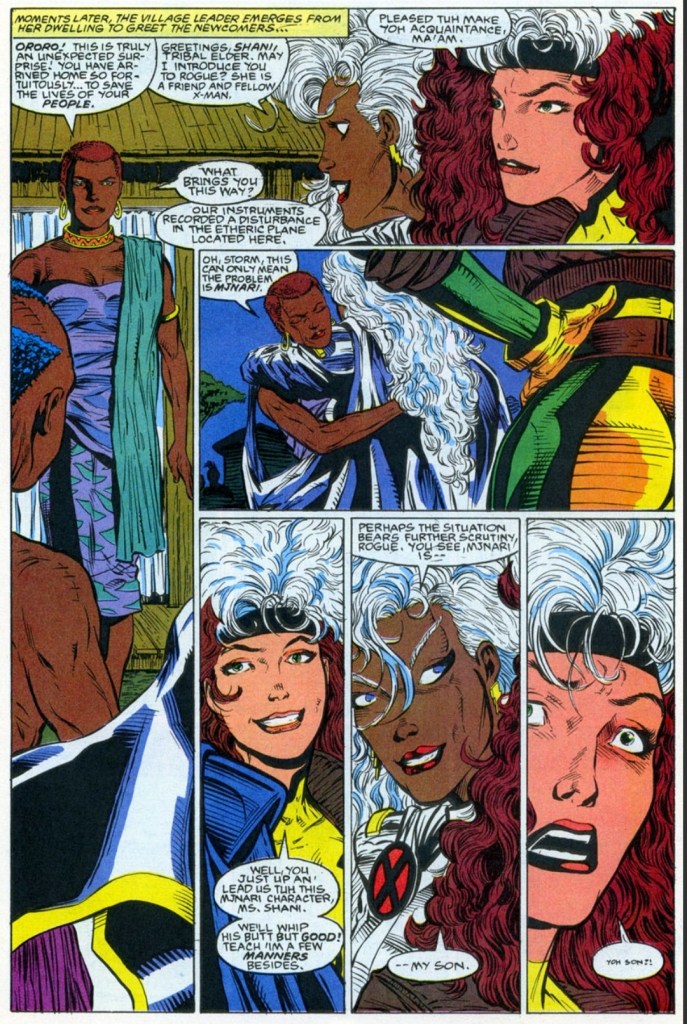
Regarding the story, I like the way the search for Charles Xavier – which was a sub-plot in the previous issues – unfolded while also opening the opportunity to develop Storm as she returns to Africa. In fact, this tale reveals some really engaging details from Storm’s past as well as her personal connection with a certain tribe of black people. These mentioned elements added nicely to the tension of a particular conflict that followed.

In fact, the Storm-centered story was nicely executed by the creative team and there were revelations that were gripping. Along the way, Rogue got a nice share of the spotlight and was a suitable supporting character even though the comic book had new characters.  

Conclusion

Using Cerebro has big advantages.

X-Men Adventures Season II (1994) is a good read and it also has a nice change of geographic setting as it mainly focused on Africa and Storm’s reconnection with her people. Storm is clearly the main character here and this is a solid pay-off as she only had a tiny part in the previous issue. This is a tale – with themes of family, culture and the responsibility that comes with having special talents or power –  that should interest dedicated fans of Storm.

Overall, X-Men Adventures Season II (1994) is recommended.

+++++

Thank you for reading. If you find this article engaging, please click the like button below, share this article to others and also please consider making a donation to support my publishing. If you are looking for a copywriter to create content for your special project or business, check out my services and my portfolio. Feel free to contact me with a private message. Also please feel free to visit my Facebook page Author Carlo Carrasco and follow me on Twitter at  @HavenorFantasy as well as on Tumblr at https://carlocarrasco.tumblr.com/ and on Instagram at https://www.instagram.com/authorcarlocarrasco

A Look Back at X-Men Adventures Season II #1 (1994)

Welcome back superhero enthusiasts, 1990s arts and culture enthusiasts, Marvel Comics fans and comic book collectors! Today we go back to the mid-1990s to explore the adaptation of the start of the second season of the X-Men animated series in the form of the X-Men Adventures comic book series.

Before getting to the retro comic book review, I want to address the recent controversy and criticism of the new animated series X-Men ’97, a continuation of the popular 1990s series that turned out to be woke by featuring the so-called non-binary presentation of people. In my view, this is not surprising given the fact that the very woke Disney company has owned Marvel Entertainment for many years now and its wokeness has infected the animated X-Men franchise along with the most recent movies and shows of the Marvel Cinematic Universe (MCU). Wokeness and Leftist beliefs continue to ruin entertainment and established properties as we know it. It’s the culture of Communist-filled Hollywood (Commiewood).

So how do you reject X-Men wokeness apart from avoiding X-Men ’97? You simply go back to the X-Men animated series of the 1990s as well as the comic books that adapted the stories.

With those details laid down, here is a look back at X-Men Adventures Season II , published in 1994 by Marvel Comics with a story written by Ralph Macchio and drawn by Andrew Wildman.

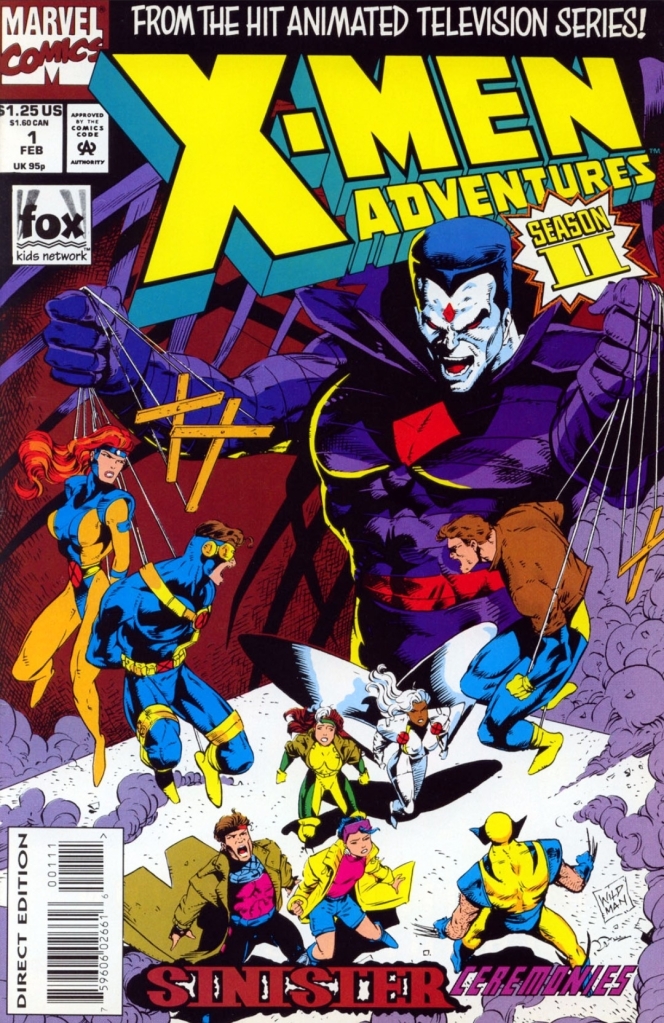
The cover.

Early story

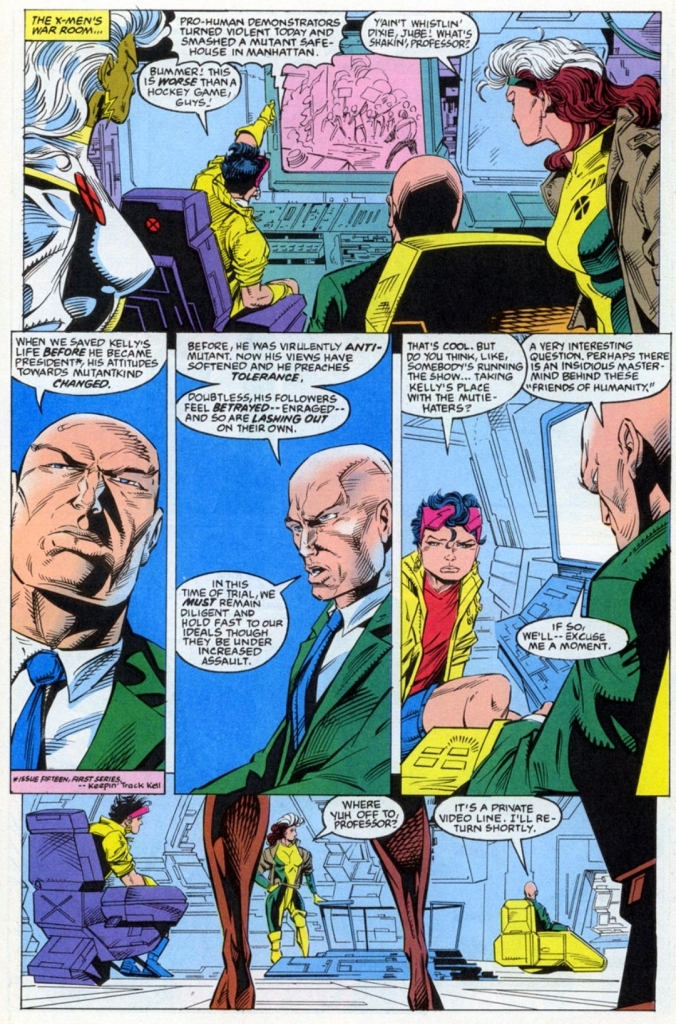
The story begins with the cosmic being the Watcher carefully examining the flow of events on Earth and what has changed for the X-Men since then. Robert Kelly, who previously had an anti-mutant agenda when he was a U.S. Senator, has since been elected as the President of the United States and openly pushes for a policy of conciliation with mutants. His action sparks social unrest.

Meanwhile inside a small church far away from the nation’s capital, the wedding of Jean Grey and Scott Summers pushes through with several members of the X-Men in attendance. Very notable was the absence of Wolverine who turned out to be inside the Danger Room (deep within Charles Xavier’s estate) fighting a giant-sized version of Cyclops…

Quality

The X-Men are troubled by the anti-mutant wave happening in public.

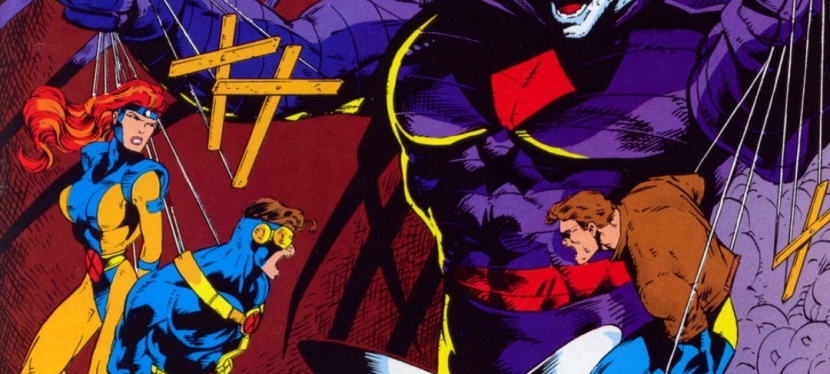
As the opening issue of the second volume of the X-Men Adventures comic book series, this comic book carefully sets up the tone and the plot of a series of future challenges for the X-Men which is clearly reflected on the front cover with Mister Sinister displayed prominently. The story mainly highlights X-Men’s new struggle with the wave of anti-mutant rage in the public while dealing with the absence of their leader Cyclops (on honeymoon with his new wife Jean) while leaving space for potential sub-plots such as the attraction between Jean and Wolverine, the moves of the anti-mutant radicals and, most notable of all, the secretive return of Morph (thought to have died in issue #2 of the first season).

As expected, build-up is the main approach taken by the creators on telling the story and there were some bouts of superhero spectacle (action) that spiced up the reading experience for me. Considering what has been happening in different parts of the world in recent years, the sub-plot of the rabid anti-mutant activists using tactics to destroy the X-Men’s credibility with violence and misinformation magnified through the news networks is very socially relevant.

What the rabid anti-mutant people committed in this comic book reminds me of the October 7, 2023 attacks on Israel organized by the Palestinian terrorist group Hamas in which violence, destruction and selective images of terror spread through news networks and social media were done. Similarities aside, the wave of evil is clear here and the intent of the anti-mutant believers and Palestinian terrorists obviously expresses intentions of genocide against another particular group of people.

When it comes to weaknesses of this comic book, I cannot help but find Andrew Wildman’s art looking very rushed. There is a lack of precision and detail of his art here when compared directly to his works in the first volume of X-Men Adventures.

Conclusion

The anti-mutant radicals in this comic book have a lot in common with Palestinian terrorists, the pro-Palestine activists, the Black Lives Matter activists and other members of woke mobs. Violence, arrogance, rage and misinformation are their values.

X-Men Adventures Season II (1994) incidentally works well as an adaptation of the animated series, as a standalone comic book as well as being a socially relevant tale in today’s age of social media. While the concept of evil remains in X-Men lore, what was told here shows different layers of it. The X-Men themselves also looked fragile and the return of Morph is a key part of the story clearly designed with future events in mind. Finally, this comic book is a lively reminder of the era when X-Men stories were made for the fans, not the woke mob.

Overall, X-Men Adventures Season II (1994) is recommended.

+++++

Thank you for reading. If you find this article engaging, please click the like button below, share this article to others and also please consider making a donation to support my publishing. If you are looking for a copywriter to create content for your special project or business, check out my services and my portfolio. Feel free to contact me with a private message. Also please feel free to visit my Facebook page Author Carlo Carrasco and follow me on Twitter at  @HavenorFantasy as well as on Tumblr at https://carlocarrasco.tumblr.com/ and on Instagram at https://www.instagram.com/authorcarlocarrasco

A Look Back at X-Men Adventures #10 (1993)

Disclaimer: This is my original work with details sourced from reading the comic book and doing personal research. Anyone who wants to use this article, in part or in whole, needs to secure first my permission and agree to cite me as the source and author. Let it be known that any unauthorized use of this article will constrain the author to pursue the remedies under R.A. No. 8293, the Revised Penal Code, and/or all applicable legal actions under the laws of the Philippines.

Welcome back, superheo enthusiasts, 1990s culture enthusiasts, X-Men fans and comic book collectors! Today we revisit the X-Men Adventures monthly series which was the literary adaptation of the popular X-Men animated series of the 1990s.  

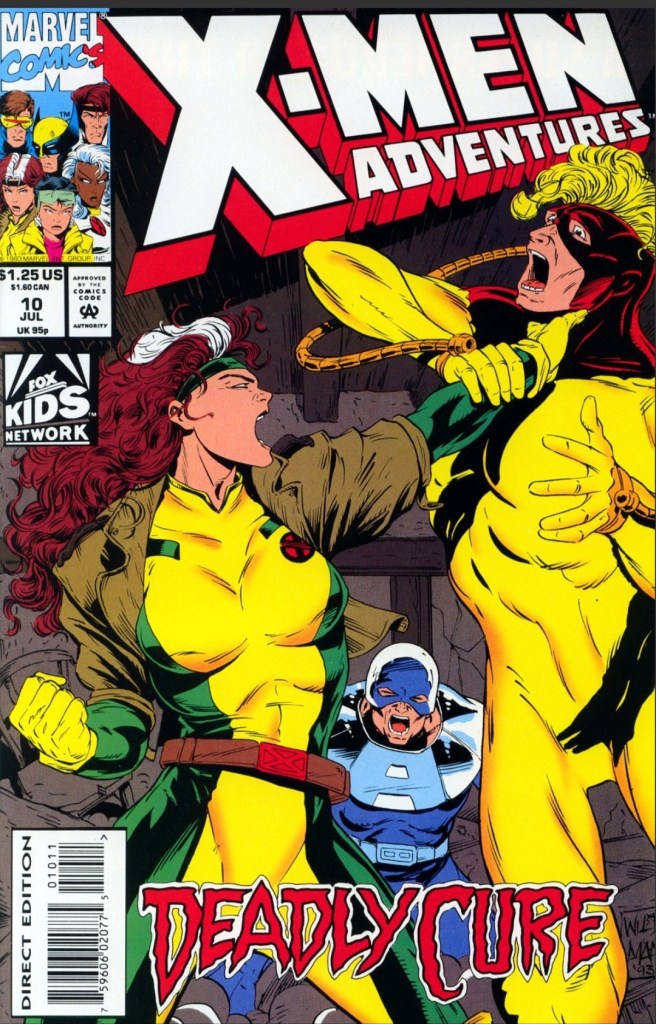
If you are a long-time X-Men fan who enjoyed the comic books and the movies, then the cover of this particular X-Men Adventures issue that has Rogue on it should remind you of the mutant cure concept portrayed in the 2006 movie X-Men: The Last Stand. In the said movie, it was Rogue who went out to have her mutant powers neutralized so that she can live a normal life and no longer worry about absorbing another person’s life force.

With those details laid down, here is a look back at X-Men Adventures , published by Marvel Comics in 1993 with a story written by Ralph Macchio and drawn by Andrew Wildman.

The cover.

Early story

The story begins with the arrival of Cable outside a private home in the Swiss Alps. Inside, Warren Worthington (Angel) and Gisela spend quality time together by the fire. They talk about a certain Dr. Adler who is a genetics expert that Worthington sent to Scotland to conduct research.

Suddenly, Cable breaks into the place and points his gun at Worthington looking for Dr. Adler. While talking, Worthington reaches for a gun and fire it at Cable. The huge armed mutant then grabs Worthington by the head and throws him out of the home and into the snow. In response to Cable’s question, Gisela mentions that Dr. Adler has gone to Scotland. Moments later, Worthington (in his angel form) flies back into the house to protect Gisela from whatever harm Cable could do to her.

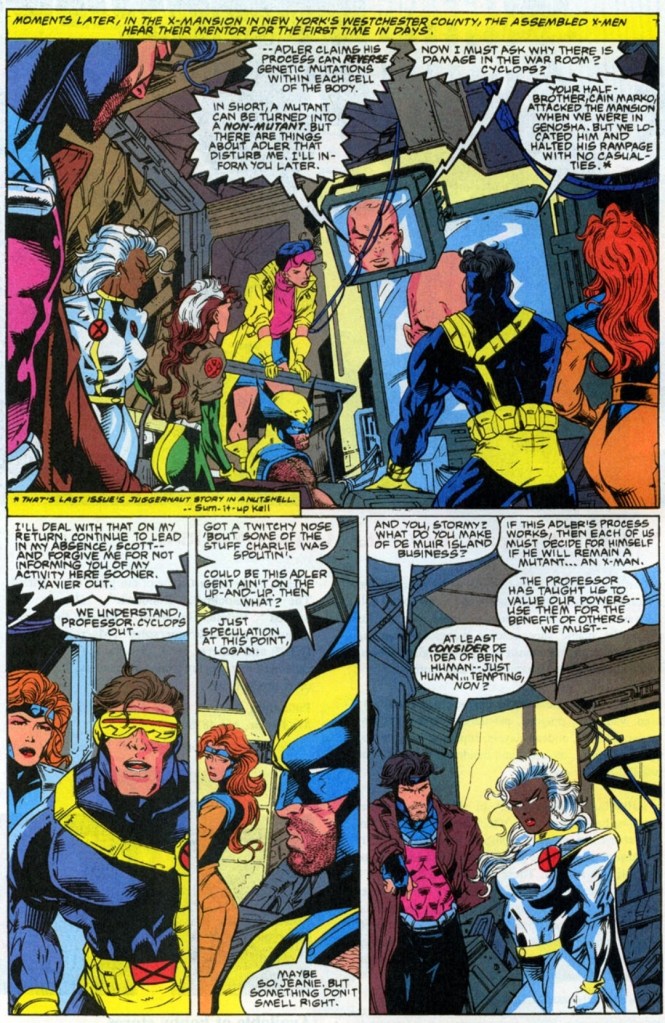
Over at Muir Island, Professor X and his long-time colleague Dr. Moira MacTaggert discuss the facility and research done there. Xavier mentions that the core of the research done by the mysterious Dr. Adler. Moira states that Adler is not officially part of the research center and he simply pays for everything he uses there.

After failing to meet Dr. Adler inside his research office, Xavier conducts a mind probe which causes a series of stake images enter his consciousness. The experience was so intense, his telepathic inquiry got disrupted abruptly. Professor X then decides to contact the X-Men…     

Quality

Rogue goes through a lot in her pursuit to become normal.

Let me start with the concept of Rogue’s pursuit to cure herself of her genetic mutation…compared to the 2006 live-action X-Men movie, the plot in this literal adaptation of the X-Men animated series episode makes more sense and is more believable to follow. Without spoiling the identities (note: to find out who they are, read this comic book), I can say that there are sinister forces behind the genetic works of Adler within the Muir Island facility. The Adler operation is just part of a grand scheme that the sinister forces have been working on and Rogue’s involvement was a surprise addition. More on Rogue’s pursuit of getting normal, what was portrayed in this adaptation was nicely structured while also cleverly avoiding the “doing it all for the sake of love” cliché. In short, she made her pursuit not for her romance with Gambit but to really change her life significantly, even if it means losing her membership with the X-Men. Through her actions, you will feel Rogue becoming desperate and reckless to be normal.

Apart from the tale of Rogue, the X-Men meanwhile have been handling themselves without Professor X and Cyclops clearly carries the responsibility of leading them all. As for Charles Xavier, his departure has been explained and incidentally he has gotten close to danger even though Dr. Moira MacTaggert is with him. The writing in this adaptation is filled with suspense, surprises and intrigue which were nicely executed with concise timing.

Conclusion

Charles Xavier makes contact with his team from far-away.

X-Men Adventures (1993) is a very good read. Anyone who saw the half-baked mutant cure aspect of the 2006 X-Men movie will find the Rogue tale here more satisfying to read. This is definitely Rogue’s story with some spotlight shared with the X-Men, two other mutants who served as opposition for Rogue, and the sinister forces I mentioned. This comic book is actually the first of two parts focused on Muir Island and it certainly is a really satisfying reading experience on its own.  

Overall, X-Men Adventures (1993) is recommended.

+++++

Thank you for reading. If you find this article engaging, please click the like button below and also please consider sharing this article to others. If you are looking for a copywriter to create content for your special project or business, check out my services and my portfolio. If you want to support my website, please consider making a donation. Feel free to contact me with a private message. Also please feel free to visit my Facebook page Author Carlo Carrasco and follow me on Twitter at  @HavenorFantasy as well as on Tumblr at https://carlocarrasco.tumblr.com/ and on Instagram at https://www.instagram.com/authorcarlocarrasco/.
A Look Back at X-Men Adventures #11 (1993)

Disclaimer: This is my original work with details sourced from reading the comic book and doing personal research. Anyone who wants to use this article, in part or in whole, needs to secure first my permission and agree to cite me as the source and author. Let it be known that any unauthorized use of this article will constrain the author to pursue the remedies under R.A. No. 8293, the Revised Penal Code, and/or all applicable legal actions under the laws of the Philippines.

Welcome back, superheo enthusiasts, 1990s culture enthusiasts, X-Men fans and comic book collectors! Today we revisit the X-Men Adventures monthly series which was the literary adaptation of the popular X-Men animated series of the 1990s.  

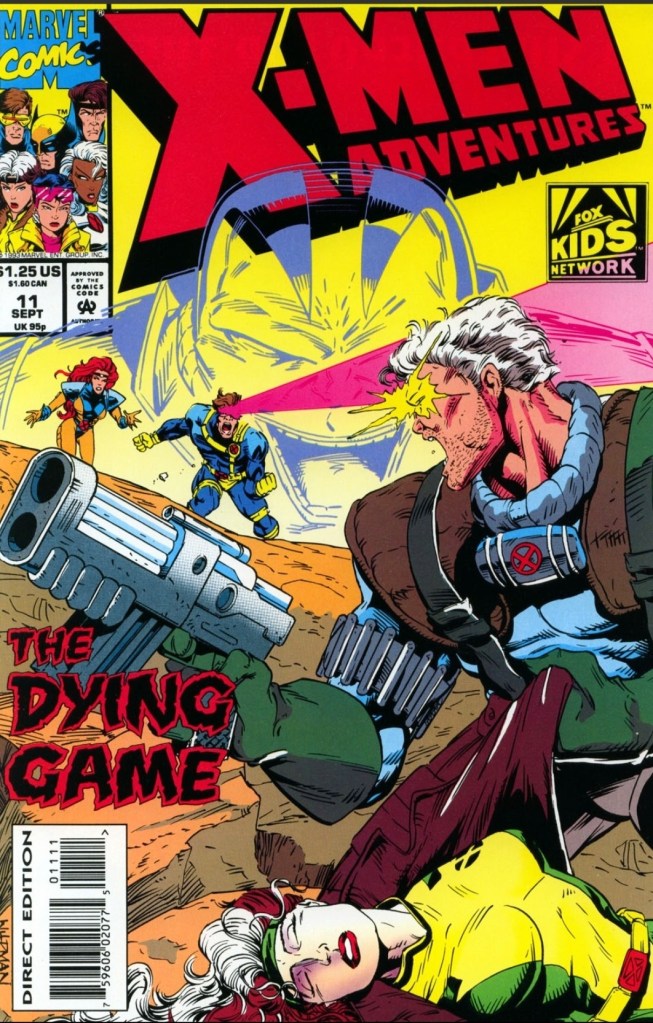
In this retro review, we take a look at the adaptation of the animated series’ own portrayal of the Muir Island saga from the comic books. Also there is Rogue who desired to have her genetic mutation cured, even though it means removing her super strength, flying ability and her dangerous touch.

With those details laid down, here is a look back at X-Men Adventures , published by Marvel Comics in 1993 with a story written by Ralph Macchio and drawn by Andrew Wildman.

The cover.

Early story

The story begins with Rogue emerging from the rubble of a facility on Muir Island. She remembers that just moments earlier, Pyro and Avalanche ruined the facility just as she was about to get cured by a man she knows as Dr. Adler. She leaves the place searching for those responsible for the ruined facility. She fails to noticed that she is being observed from a distance.

Elsewhere on the island, Pyro and Avalanche open a bag believing Dr. Adler is in it. To their shock, Mystique is the one who emerged and she reveals to them that she was just posing as Dr. Adler as part of her mission to lure mutants into taking the treatment not without realizing the truth that it will turn them into slaves of the one entity she serves…Apocalypse. Pyro explained that he and Avalanche hoped to hold Dr. Adler for ransom.

At a nearby cliff, Cable quietly watches using his rifle’s scope…

Quality

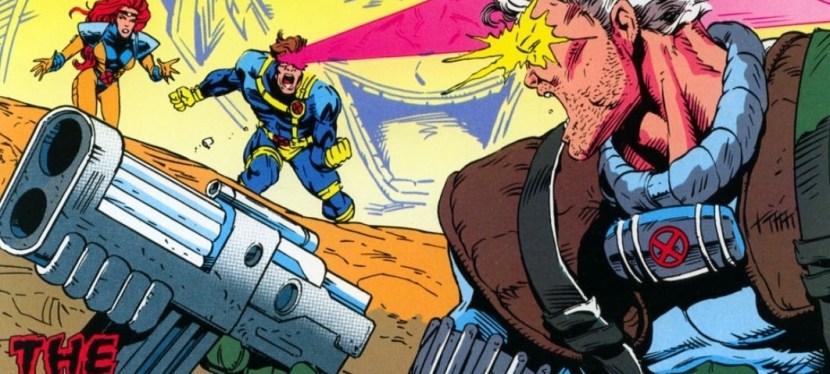
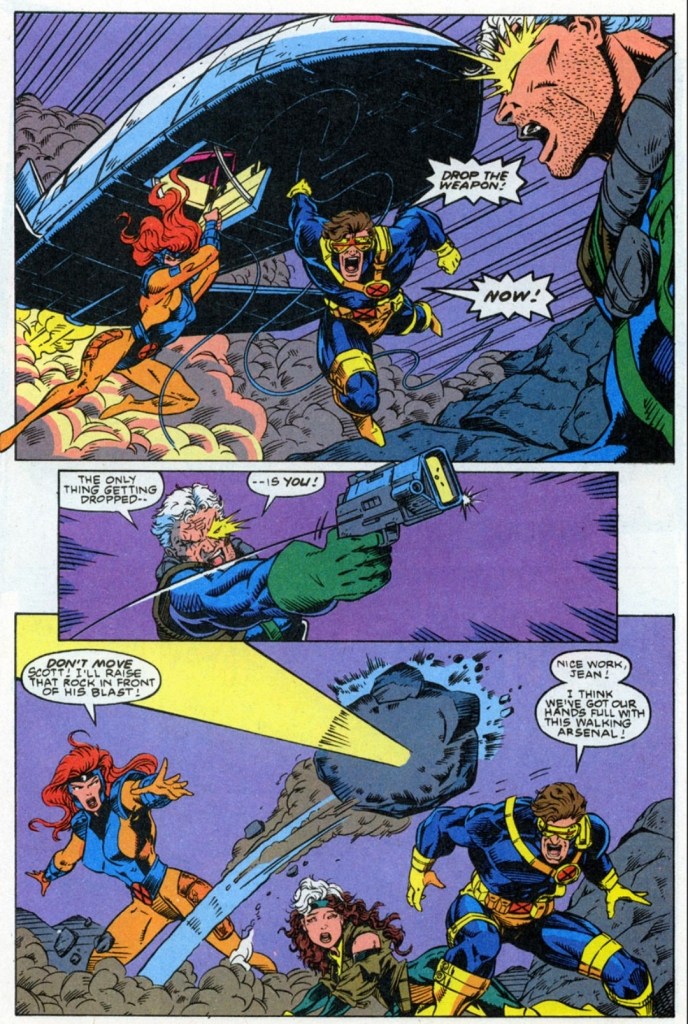
Cyclops and Jean Grey confront Cable!

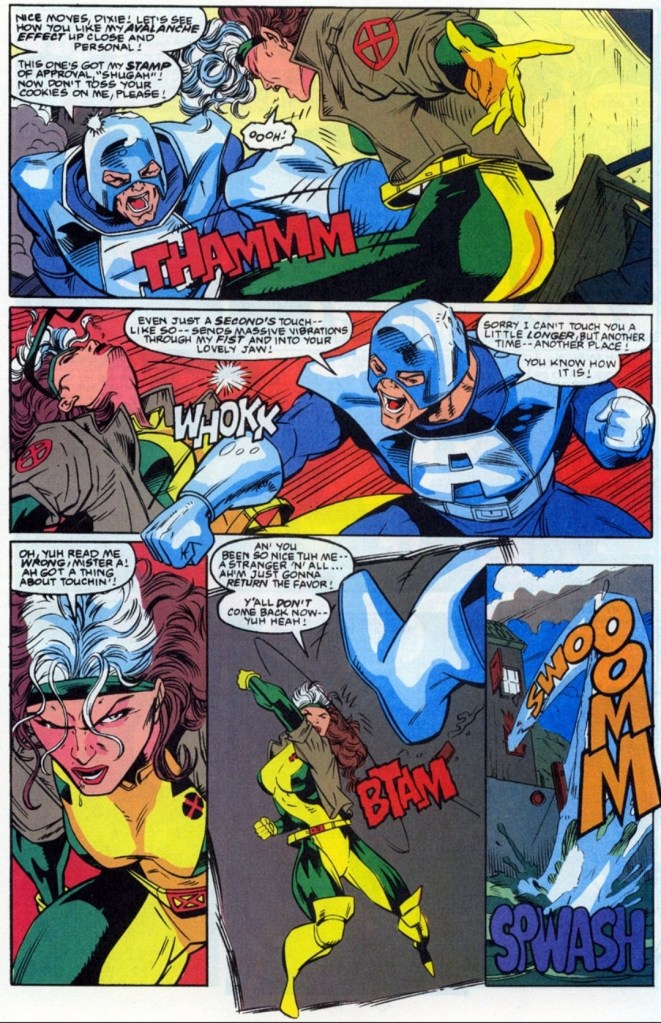
To put things clearly, this one is pay-off to what was built up in issue while also serving as the continuation of a multi-part story regarding Muir Island. In the previous issue, Rogue desired to become a normal individual which is why she went to Dr. Adler on the said island. In this comic book, the direction for Rogue took a drastic change fighting Pyro and Avalanche not knowing that Mystique is involved and secretly working to help her master Apocalypse execute his ambitious plan of gaining capable and controllable slaves from the mutant population.

The good news here is that the script is very well written and the narrative is really strong. Very notably, the superhero spectacle got clearly ramped up by several notches resulting in lots of action scenes as well as opportunities for Andrew Wildman to flex his artistic muscles making some dynamic action-packed images for readers to enjoy. Along the way, there is some suspense built-up related to the sub-plot within (note: Cable’s limited appearance here as well as the Jean Grey and Cyclops reuniting with their mentor Charles Xavier) as well as the Muir Island saga itself.

Indeed, this comic book has lots of spectacle that superhero enthusiasts will enjoy but still the Macchio-Wildman team managed to maintain the core themes of the story for readers to absorb and think about.

Conclusion

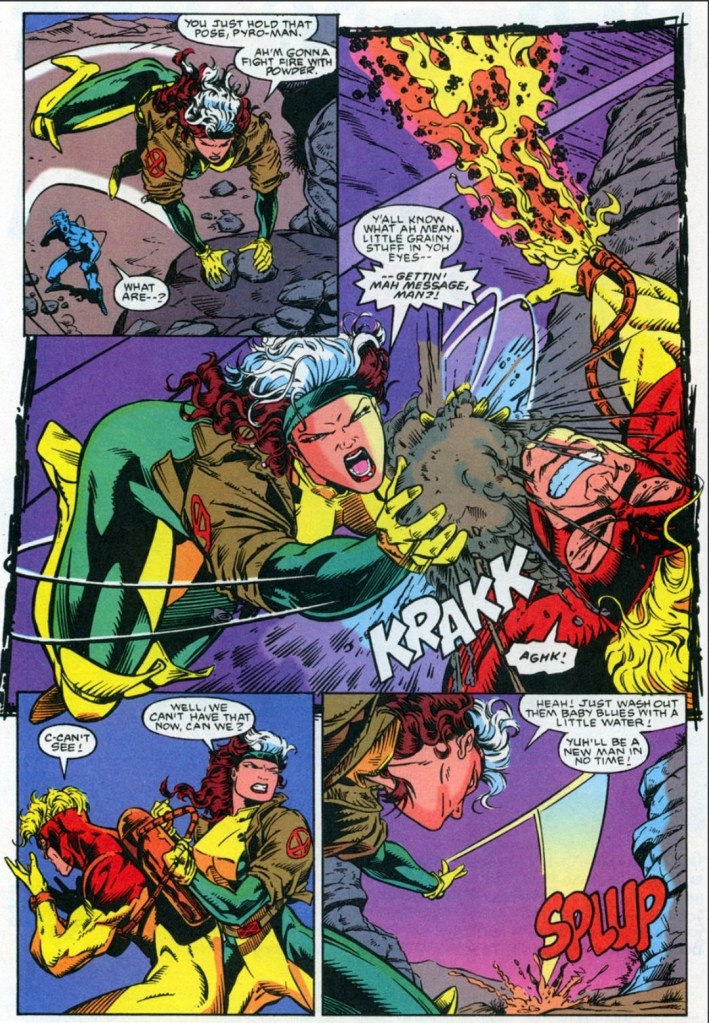
Dynamic action of Rogue taking on Pyro.

X-Men Adventures (1993) is a very solid read from start to finish. Even as the narrative has lots of action scenes presented, the story still managed to maintain focus on the themes of sacrificing mutation to be normal humans, the temptations brought in by advanced scientific wonders, and the exploitation of people seeking hope and reform a lot. There are indeed moral lessons within this comic book reflect about. This is strong creative work by Macchio-Wildman that X-Men fans and newcomers should read and I can say there is more to come storywise beyond this comic book.

Overall, X-Men Adventures (1993) is recommended!

+++++

Thank you for reading. If you find this article engaging, please click the like button below and also please consider sharing this article to others. If you are looking for a copywriter to create content for your special project or business, check out my services and my portfolio. If you want to support my website, please consider making a donation. Feel free to contact me with a private message. Also please feel free to visit my Facebook page Author Carlo Carrasco and follow me on Twitter at  @HavenorFantasy as well as on Tumblr at https://carlocarrasco.tumblr.com/ and on Instagram at https://www.instagram.com/authorcarlocarrasco/.