Retro Gaming Ads Blast – Part 37

Welcome back readers, fellow geeks and electronic gaming fans!

In this edition of the Retro Gaming Ads Blast (RGAB) series, we will take a look at another batch of retro gaming print ads – including arcade flyers – from the 1970s to the 1990s.

For the newcomers reading this, Retro Gaming Ads Blast (RGAB) looks back at the many print ads of games (console, arcade, computer and handheld) that were published in comic books, magazines, flyers, posters and newspapers long before smartphones, social media, the worldwide web and streaming became popular. To put things in perspective, people back in the 1980s and 1990s were more trusting of print media for information and images about electronic games and related products.

With those details laid down, here is the newest batch of retro gaming print ads for you to see and enjoy…

1. Cabal Japanese arcade flyer/poster
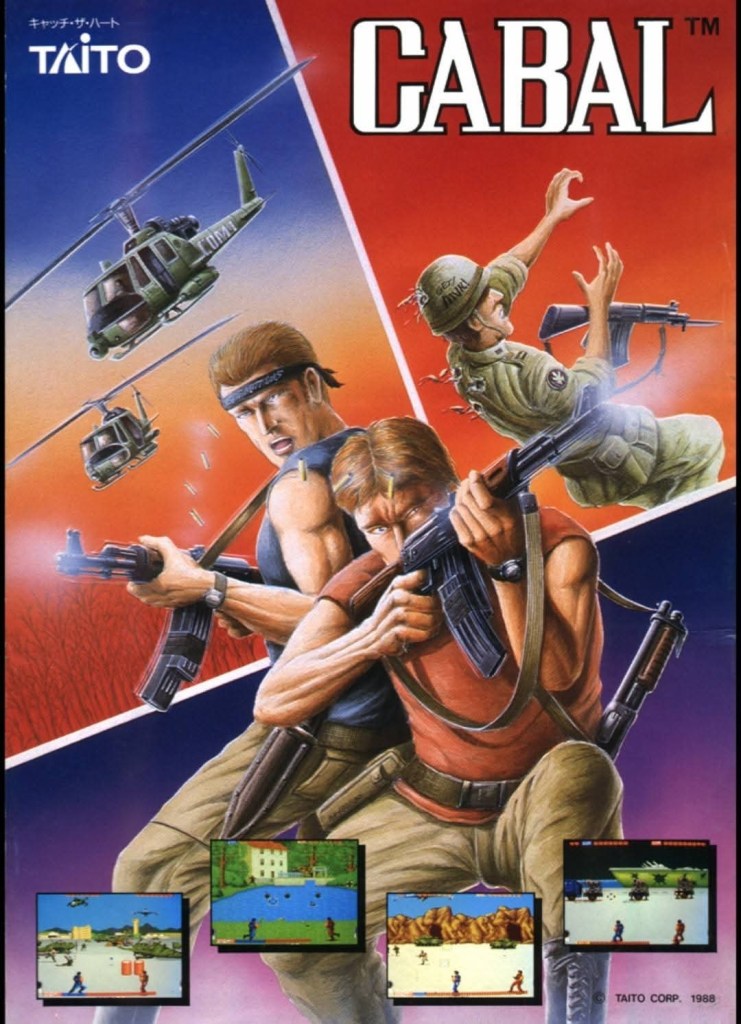
Can you feel the action and intensity here?

When it was first released in video arcades in Japan in late 1988, Cabal was another game inspired by military action movies of Hollywood which explains the art work done for the arcade flyer and poster shown above. The Vietnam War was still fresh in people’s minds and the concept of having one or two players firing their weapons against enemy soldiers resonated with gamers who saw Hollywood’s military action flicks. That said, it is not surprising that Cabal became a huge hit in Japan before getting released in arcades around the world.

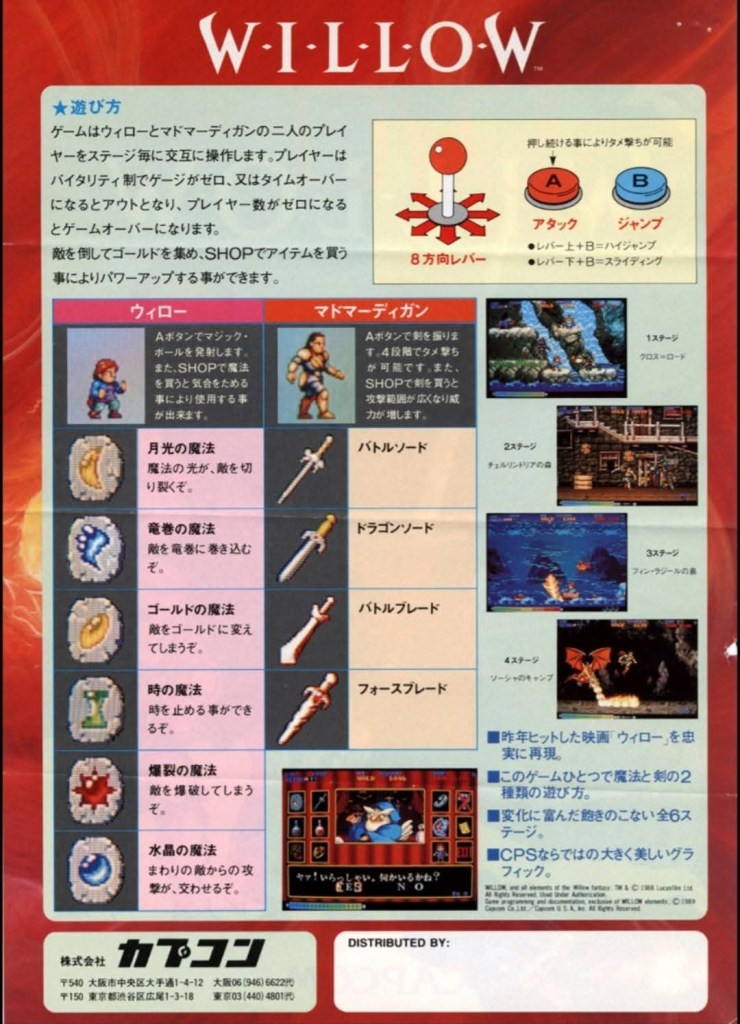
2. Willows Japanese arcade flyer
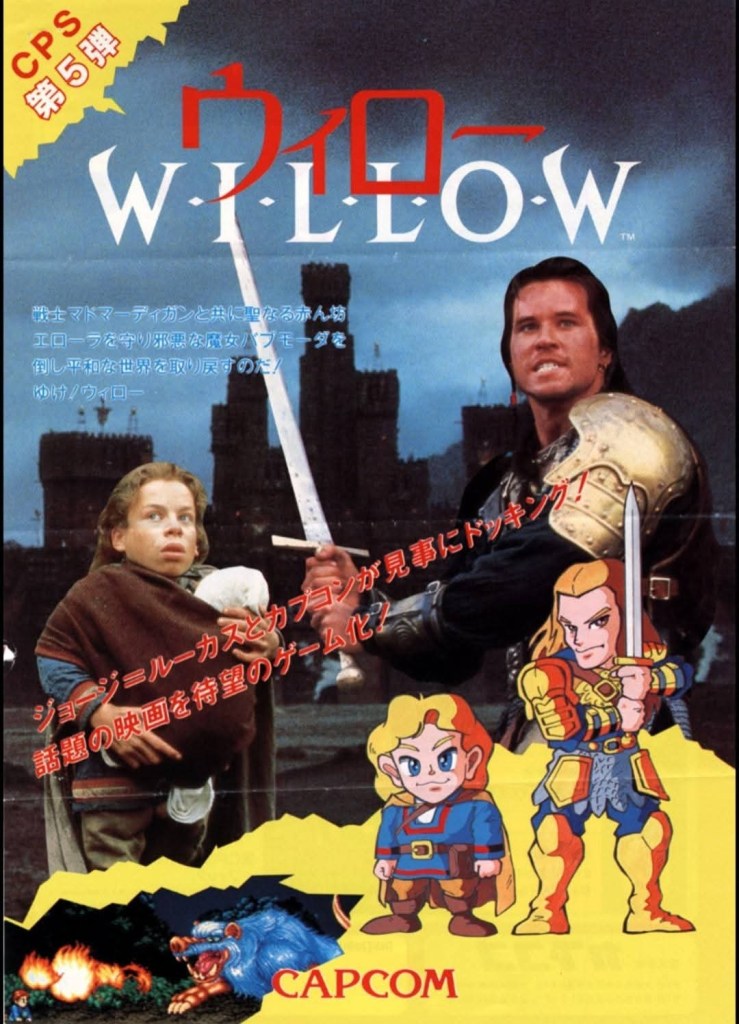
The front.
The rear.

Remember the 1988 high fantasy adventure film Willow? That film was produced by George Lucas and was a bold new production of Lucasfilm shifting away from Star Wars. Believe it or not, an official arcade game adaptation of Willow was made by Capcom and they promoted it by having images of Val Kilmer and Warwick Davis on the front of the arcade flyer (opposite the illustrated versions of their characters). The game, which was a side-scrolling platform game with run-and-gun elements, went on to be an arcade hit in Japan and eventually pleased gamers worldwide.

3. Super Punch-Out!! North American print ad
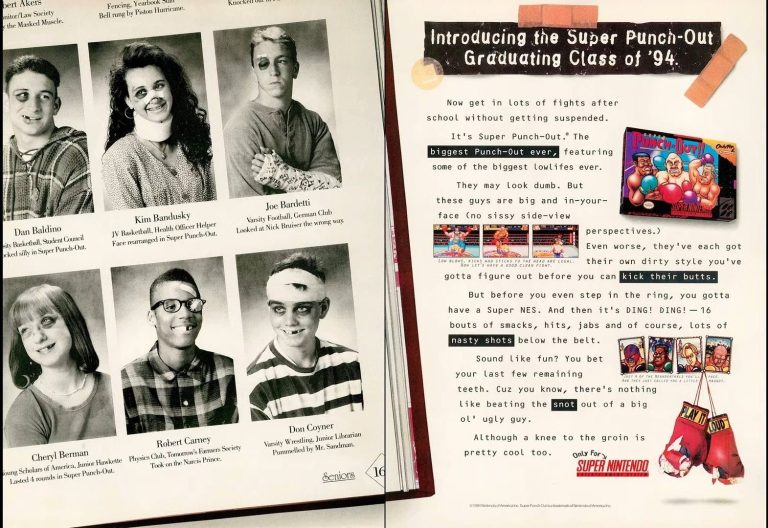
This is funny to look at.

Historically, Nintendo’s Punch-Out!! series started in the arcade in 1984 and the first game was the result of the company’s effort to make a new game using arcade cabinets with two screens. The 2nd game – Mike Tyson’s Punch-Out!! – became a huge critical and commercial hit (over 2 million copies sold in 1988) on console and it made great business sense for Nintendo for release another Punch-Out!! for its console gamers to enjoy in the comfort of home. In 1994, Super Punch-Out!! was released on the Super Nintendo Entertainment System (SNES) in America and to promote it, the company came up with a hilarious 2-page ad that showed fictional high school graduates with boxing-related injuries. The imagery creatively connected with the words “biggest Punch-Out ever” and “Graduating Class of ‘94”.

4. EA Sports 3-in-1 SNES games print ad
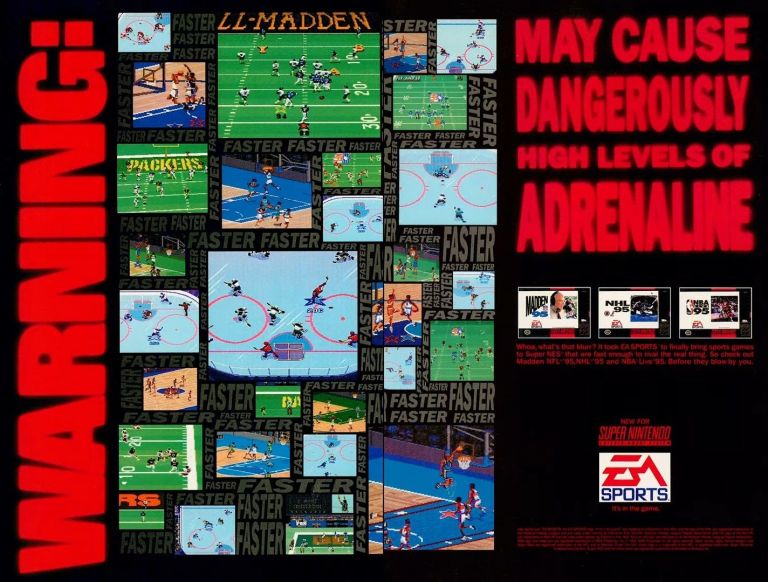
EA Sports games on the SNES.

In 1994, Electronic Arts (EA) released their sports games NBA Live 95, NHL 95 and Madden NFL 95 for consoles at the time. Even though the Sega Genesis sold better than Super Nintendo Entertainment System (SNES) in America at the time, EA went on to aggressively market their 3 sports video games on Nintendo’s console using a 3-in-1 games print ad. In retrospect, the SNES for the most part had better graphics and sounds than the Genesis which is reflected clearly on EA Sports games of the time. This print ad still looks fun and exciting.  

5. Atari Jaguar CD print ad
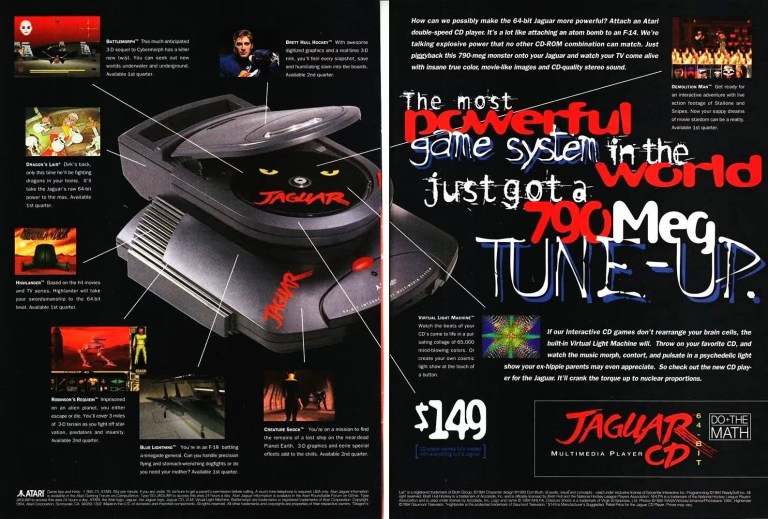
Were you able to play any game on the Atari Jaguar with the CD add-on included?

Apart from the obvious advances of technology that impacted video games, the 1990s is also known for the rise of CD-ROM as a medium for gaming. In an effort to boost sales of the Atari Jaguar console (launched in America in 1993 for around $250) and capitalize on the trust of the fans and console owners, Atari launched a CD-ROM add-on device for about $150 in 1995. To promote it, the company went aggressive with the 2-page ad showing the add-on fully connected on top of the main console, showing off some games and posting a text description emphasizing hardware power and the advantages that come with the CD technology. Even in the captured image, the Atari Jaguar CD still resembled a toilet. This is an aggressive ad campaign that failed as less than 20,000 Atari Jaguar CD units were sold by the time it was discontinued in 1996.

6. 3DO print ad
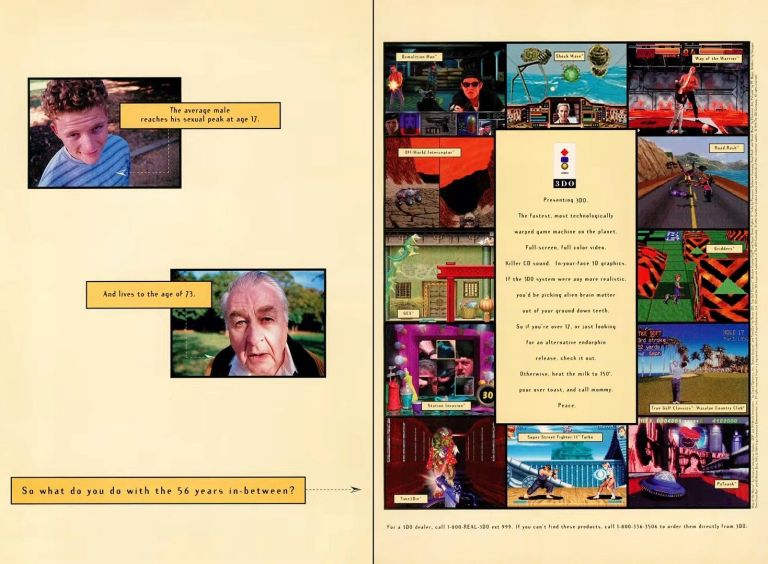
While it lacks intensity, this 3DO ad emphasized the games.

Without showing any hardware, the 3DO Company came up with this 2-page print ad that had a slightly adulterated tone (look at the left page) and aggressively marketed the 3DO console games available at the time. Games like Demolition Man, Shock Wave, Road Rash and Super Street Fighter II Turbo were the standout titles which clearly showed the company made the effort to emphasize gaming more than multimedia features. This 1990s ad tackled the generations with a touch of humor.

7. Lethal Enforcers II: Gun Fighters Sega Genesis print ad
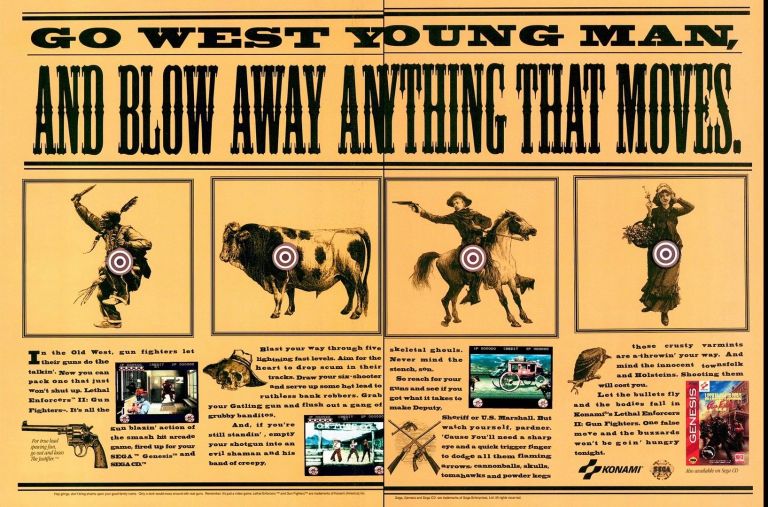
This is a fun ad to look at.

When Lethal Enforcers II: Gun Fighters was released in the arcades in 1994, it became a commercial success for Konami which went on to announce it would port the game to consoles of Nintendo and Sega at the time. While the port for the Super Nintendo Entertainment System (SNES) was never released, Lethal Enforcers II: Gun Fighters made its way to the Sega Genesis and Sega CD. The print ad of the Sega Genesis version (Sega CD mentioned in small text) had an inspired design emphasizing the Old West, shooting and the conflict between cowboys and Indians. The screenshots gave people the clear idea that Old West was the setting (versus modern day in the previous game). This is still fun to look at.

8. Syphon Filter
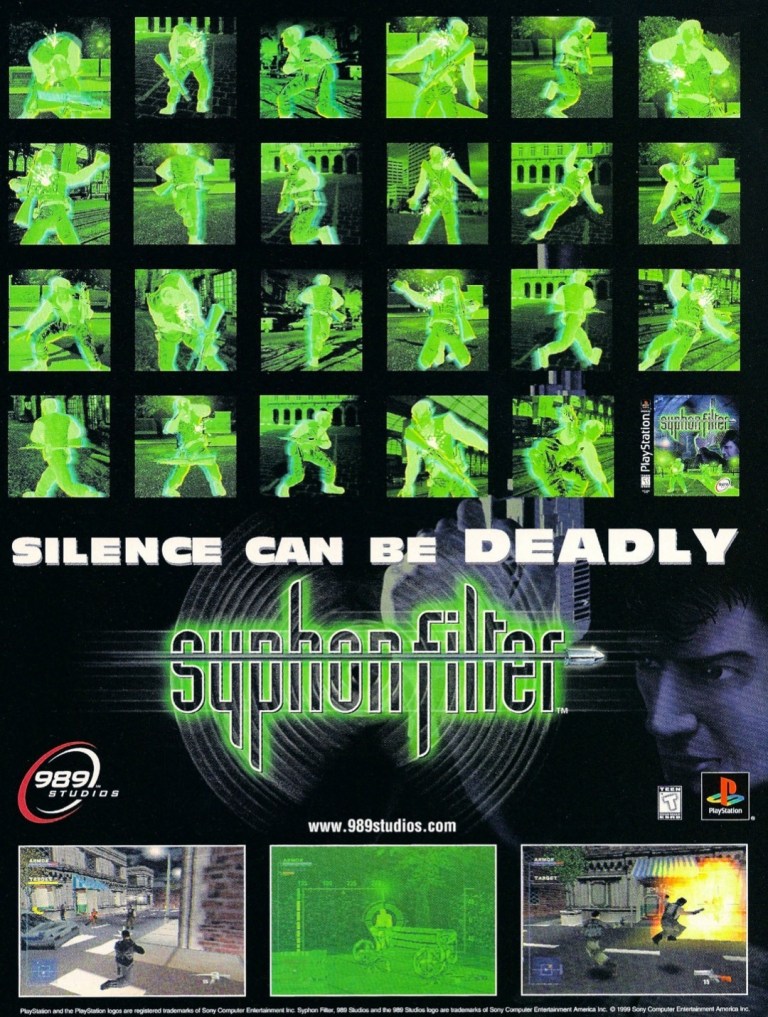
Syphon Filter went on to become a surprise hit game in 1999.

In 1999, Sony’s 989 Studios released Syphon Filter exclusively on the PlayStation console. This single-page print ad showed a few screenshots on the bottom and several action snippets with a night vision touch ultimately emphasizing the stealth aspect within the gameplay. The marketing proved to be effective as the game sold a lot at retail and went on to establish a new game franchise exclusive to PlayStation consoles.

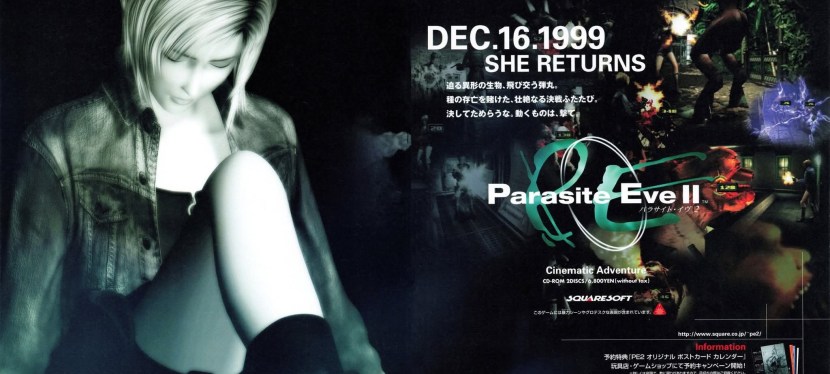
9. Parasite Eve II Japanese print ad
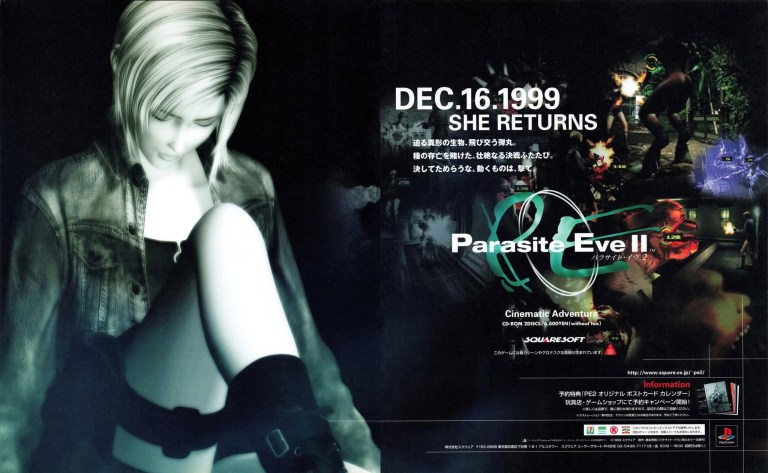
Were you a big fan of Aya Brea and the Parasite Eve franchise in the late 1990s?

Following the critical and commercial success of Parasite Eve in 1998, SquareSoft proceeded with Parasite Eve II and the production (note: initially for a spin-off game before becoming a sequel) did not even involve the main creators of the first game. Instead the company had a different team of developers – including those who previously worked on Resident Evil games for Capcom – in Osaka to make the sequel. This explains why Parasite Eve II had stronger survival horror gameplay resembling a Resident Evil game. As major changes were made during the production, it was decided that Aya Brea would become the main protagonist and already the character was already popular with gamers. That being said, the marketing of Parasite Eve II for the Japanese market heavily featured Aya Brea with subtle sexiness, beauty and action in mind. The marketing intensified leading to its eventual December 16, 1999 release in Japan.

+++++

Thank you for reading. If you find this article engaging, please click the like button below, share this article to others and also please consider making a donation to support my publishing. If you are looking for a copywriter to create content for your special project or business, check out my services and my portfolio. Feel free to contact me with a private message. Also please feel free to visit my Facebook page Author Carlo Carrasco and follow me on Twitter at  @HavenorFantasy as well as on Tumblr at https://carlocarrasco.tumblr.com/ and on Instagram at https://www.instagram.com/authorcarlocarrasco
A Look Back at Missile Command (Arcade game, 1980)

Welcome back retro gaming enthusiasts, Atari fans, geeks and others who are passionate about video games!

Today we go all the way back to the year 1980 when Atari released in arcades a game that strongly resonated with people who were concerned about a potential nuclear conflict between the United States and Russia during the Cold War…Missile Command.

Designed by Dave Theurer and programmed by Rich Adam with Theurer, Missile Command is a 2-dimension shoot ‘em up arcade game that had a trackball to allow players to control a crosshair to defend six existing cities. The arcade also had three buttons players could use to launch surface-to-air missiles from the three missile bases to protect the cities from incoming ballistic missiles that came from an unseen enemy.

With those details laid down, here is a look back at the Missile Command arcade game of 1980 developed and published by Atari.

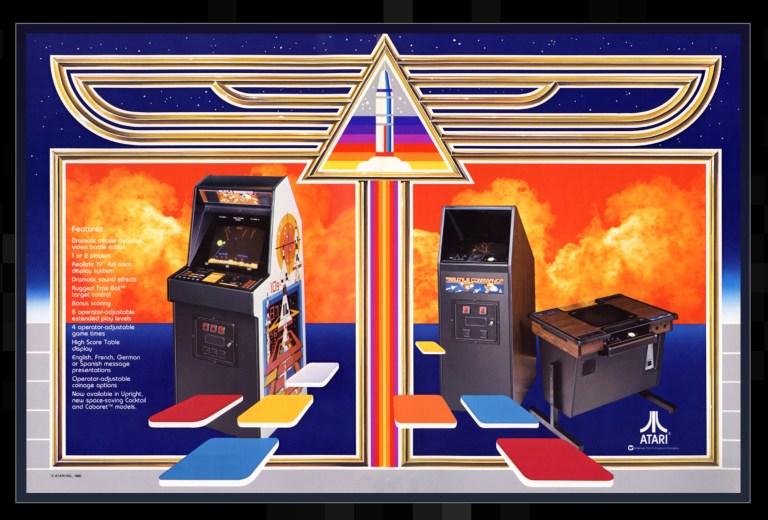
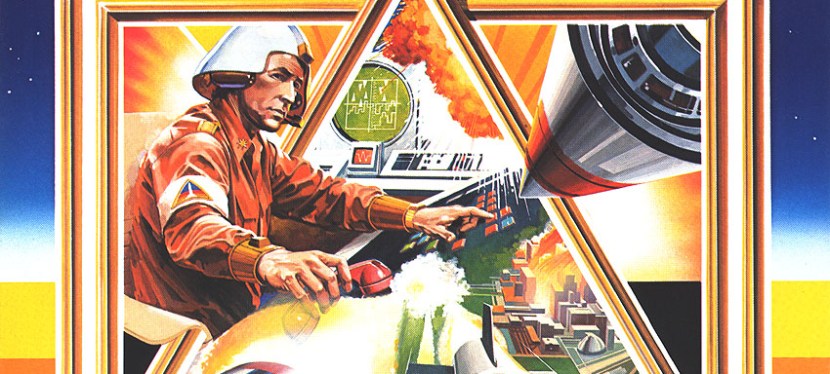
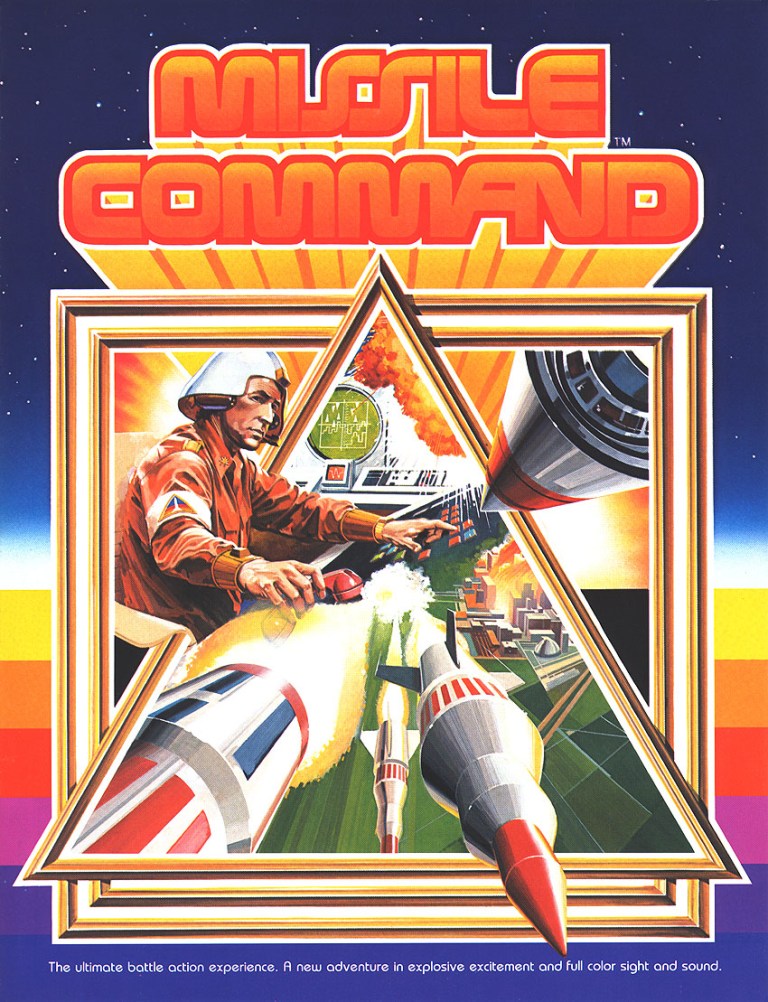
The arcade flyer with a great looking painted artwork. This one really resonated with gamers who lived during the Cold War.

Game design

As the commander of three missile bases (each armed with 10 defense missiles), the player is tasked to protect six existing cities from waves of ballistic missiles (launched by an unnamed enemy) coming down. From time to time, the enemy deploys bombers, satellites/drones and smart bombs to overwhelm your defense and test your precision and decision making.

You have three missile bases that each has its own supply of defense missiles. There are cities between each base which you have to defend from the endless assault of enemy missiles, smart bombs, war planes and satellites/drones.
When your defense missile detonates in the air, it creates an explosion which serve as a shield to destroy enemy missiles, war planes and satellite/drones when contact is made. If any projectiles from the enemy manages to get through the aerial explosion, you will have to quickly launch more defense missiles from the near base you have.

Players use a single crosshair which designates which part of the sky a defense missile can be fired at. Once the defense missile reaches its destination (placed by the crosshair) in the sky, it will explode and cause a growing flame lasting seconds. The said flame serves as a shield that can destroy the enemy’s ballistic missiles, smart bombs, war planes and satellites/drones upon contact. Defense missiles can be launched consecutively into selected spots in the sky in anticipation of the incoming weapons of the enemy. 

To proceed from one level to another, the player must have at least one city remaining intact. Once all the six cities have been destroyed and the player no longer has any unused missiles (and no new cities earned by reaching certain high scores that justify rewards), the game will end with a “Game Over” screen with an explosion in the background.

Quality

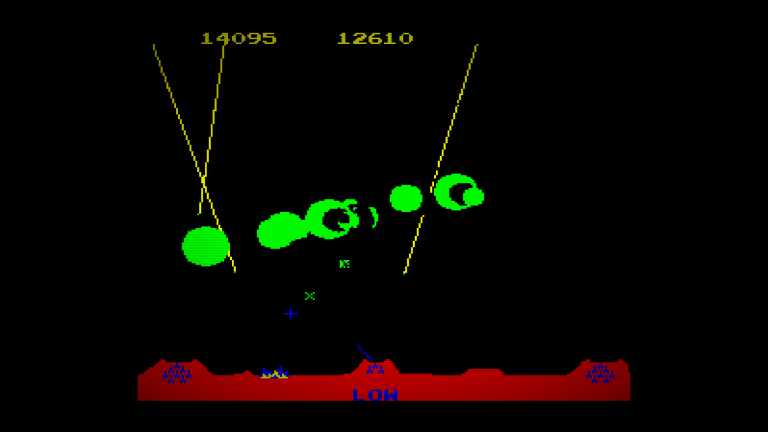
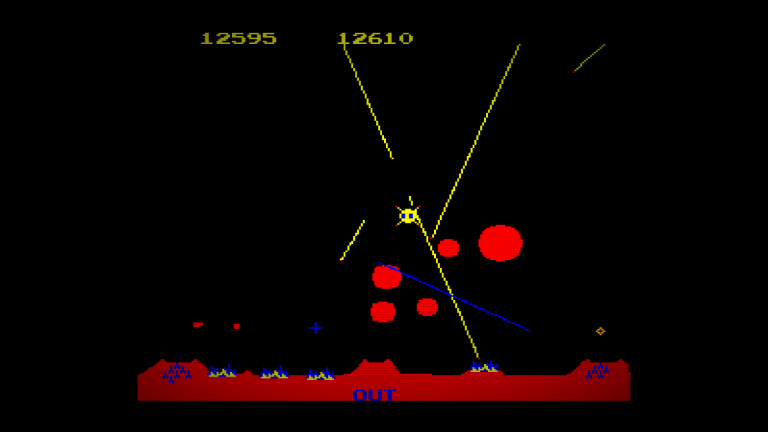
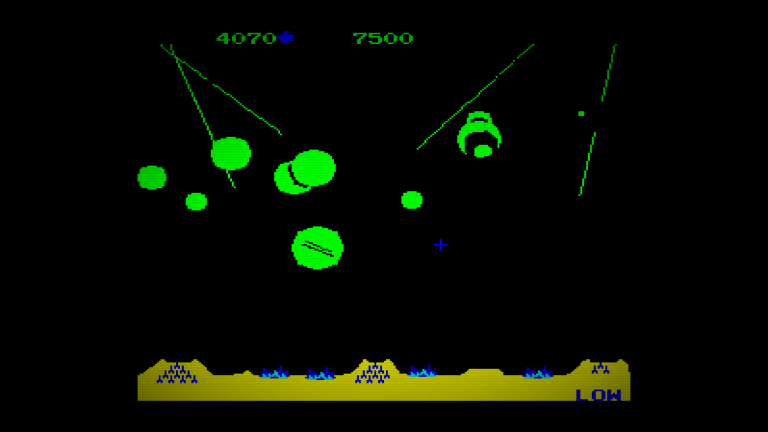
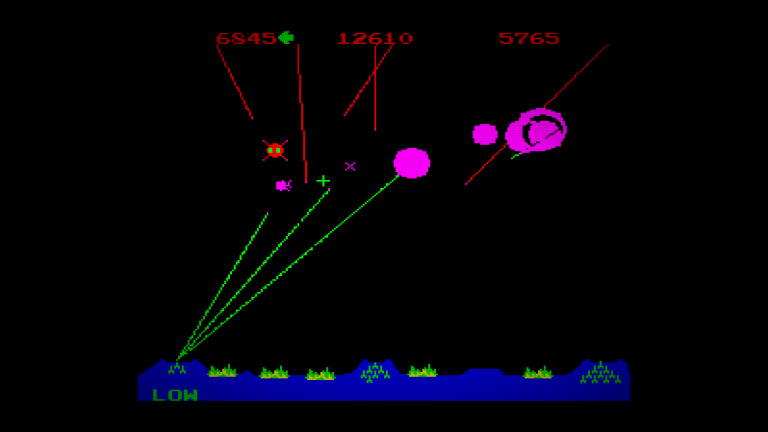
In this screenshot, the enemy’s satellite/drone is floating while a smart bomb is about to hit the missile base at the lower-right. Smart bombs can be challenging to intercept because it reacts by avoiding the aerial explosion of defense missiles.

This arcade game – which is currently available for modern console owners to play via the Atari 50: The Anniversary Collection – remains very engaging and a lot of fun to play with after all these decades. As a player, my only objective was to defend the six existing cities and three missile bases from the waves of enemy ballistic missiles (and smart bombs in later levels) coming from the sky. Given the way the game was designed, this is strongly emphasized and the only times I could attack the enemy is by launching my own missiles towards the enemy’s bombers and satellites/drones (note: both of these are capable of launching more missiles at you).

If any of the enemy’s weapons hits one of your missile bases, it and the remaining supply of defensive missiles will be wiped out. Enemy missiles that hit a city will result in total destruction. Considering the intentional increase in challenge with each new level of play started, the enemy’s ballistic missiles move faster, the warplanes and/or satellite/drones appear more and the smart bomb – which is the most difficult to intercept as it deliberately avoids the aerial flames caused by your defense missiles – get launched against you.

When intercepting enemy missiles, you have to think quick where to aim (ahead of incoming missiles), which missile base to use to launch defense missiles and remember how much missiles do you have left per base.

That being said, the game deliberately becomes harder which compelled me to be more watchful of enemy weapon movements, and to be more strategic using my defense missiles while keeping a quick eye on the remaining supply of missiles per base. While the in-game difficulty intensifies per level, the game never became frustrating to play nor did it ever turn into a chore on my part. I just keep playing because I found the increasing challenges actually fun to take on.

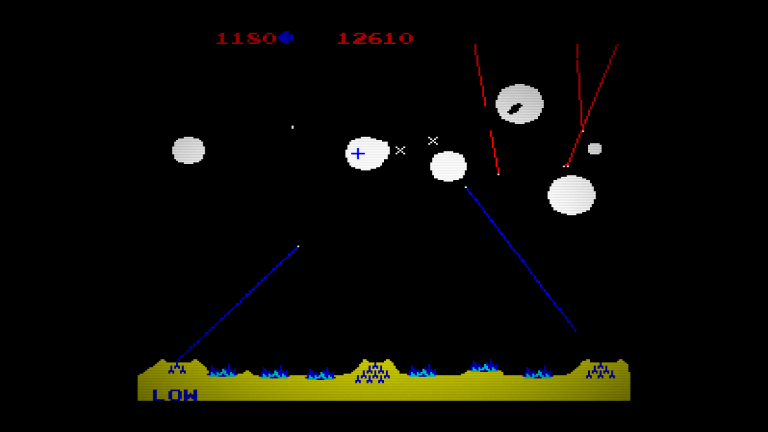
The game’s visuals are still good to look at. It’s still engaging to see streaks of missile trails (both your defense missiles and the enemy’s ballistic missiles) fill the air above the cities and the flashing light effects that simulate explosions are still effective as eye candy. Along the way, the game’s sound effects worked perfectly with the visuals and they added a lot to the immersion.

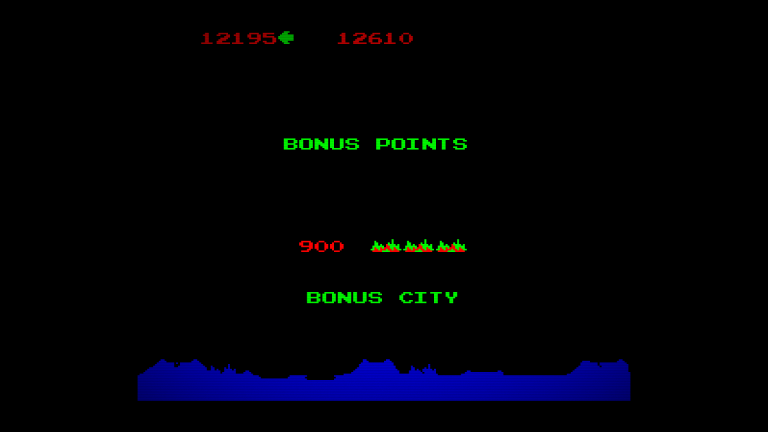
When you score enough points, the game will reward you with a bonus city.
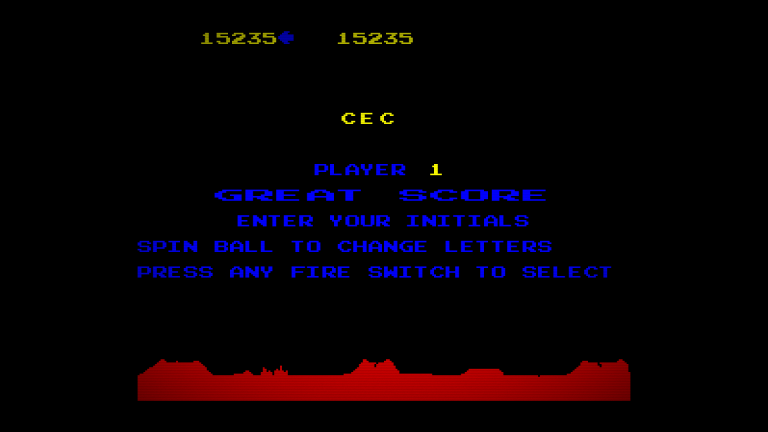
Me putting my initials after achieving a great score in Missile Command.

Considering its simplicity and the way it was designed, there clearly is no way for players to win at all. Rather, the game will challenge your precision, decision-making and ability to defend your cities and bases. That being said, the greater challenge is to survive and be able to move on to the next level with missile bases and whatever cities remaining you still have to defend. As with other games of the past, achieving the high possible score – which reflects your endurance, skill and progress – is a goal here. Achieving certain high scores also result in an extra city for you.

Cultural relevance

Missile Command’s legacy as one of the greatest arcade games ever released is undeniably real. Not only that, this game resulted in a lot of ports for consoles, portable gaming devices and home computers through the decades. This classic was re-released in several compilations from Atari and the Xbox-listed Missile Command contains the arcade version. In 2020, a remake called Missile Command: Recharged was released as part of the Atari Recharged series of games.

The different Missile Command arcade machines.

Missile Command even appeared for a few seconds in Terminator 2: Judgment Day which added more to the film’s concept of nuclear war.

With regards to arcade gaming, Missile Command is notable for having a trackball on its machine as a way for arcade players to control the crosshair during game sessions.

Conclusion

Apart from being the commander of missile defense, try imagining yourself being on of the citizens living in one of those cities. Can you imagine watching real-life missiles get intercepted in sky above you?

The Missile Command (1980) arcade game is a true video game classic and it remains compelling and enjoyable at the same time. It can also be an intriguing game experience since it does not let players complete the game by winning. All players can do is perform the best defense they could, survive to the next round and keep playing until their defense gets overwhelmed by the enemy and the rising in-game difficulty.

As a result of the game design, playing Missile Command is actually moral because the concept of defending your people using powerful yet limited resources is very strong all the time. Even with progressive difficulty, the game never became frustrating to play and I actually enjoyed the challenges knowing that defense and survival are main goals. Achieving the highest possible score is the other goal as reflected by video gaming of the era. Missile Command simply delivers bouts of fun and you cannot go wrong with playing it. It is not surprising that this game became a massive hit and established itself as a true classic among video games.

Overall, Missile Command (1980) highly recommended and the best way to play it on console today is to avail of Atari 50: The Anniversary Celebration compilation.

+++++

Thank you for reading. If you find this article engaging, please click the like button below, share this article to others and also please consider making a donation to support my publishing. If you are looking for a copywriter to create content for your special project or business, check out my services and my portfolio. Feel free to contact me with a private message. Also please feel free to visit my Facebook page Author Carlo Carrasco and follow me on Twitter at  @HavenorFantasy as well as on Tumblr at https://carlocarrasco.tumblr.com/ and on Instagram at https://www.instagram.com/authorcarlocarrasco
Do you have Atari 50: The Anniversary Celebration for Xbox?

Welcome back Xbox fans, geeks, retro gaming enthusiasts and all gamers from around the world!

I was born in the mid-1970s. My video gaming experience started with the arcade games. A few years later, my console gaming experience started with the Atari 2600 console (which was our first console at home) and for about five years my friends (who also had the same console in their respective homes) and I enjoyed playing games on it.  

In this modern age of gaming, the gaming experience on Xbox this year soured somewhat and there were changes made on Xbox Game Pass (XGP) that I did not like. This year, it is retro gaming that I am enjoying on my Xbox Series X and the best 2024 experience I had was replaying and completing Grandia on it.

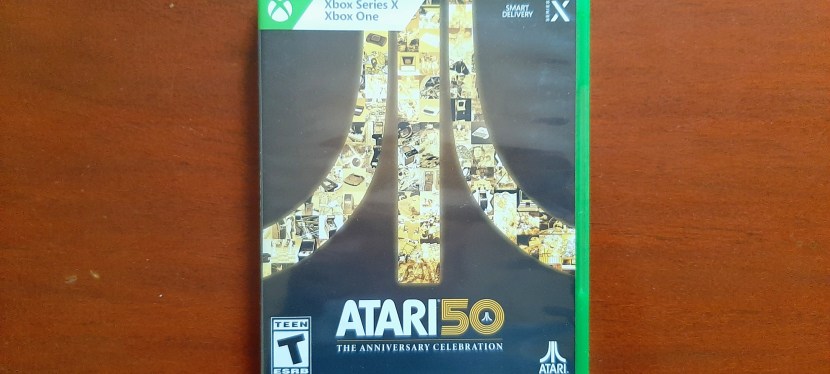
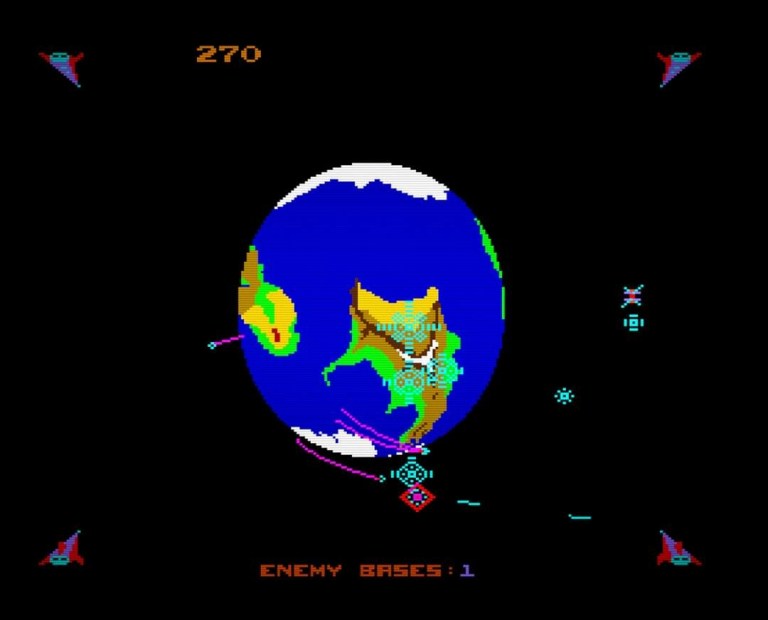
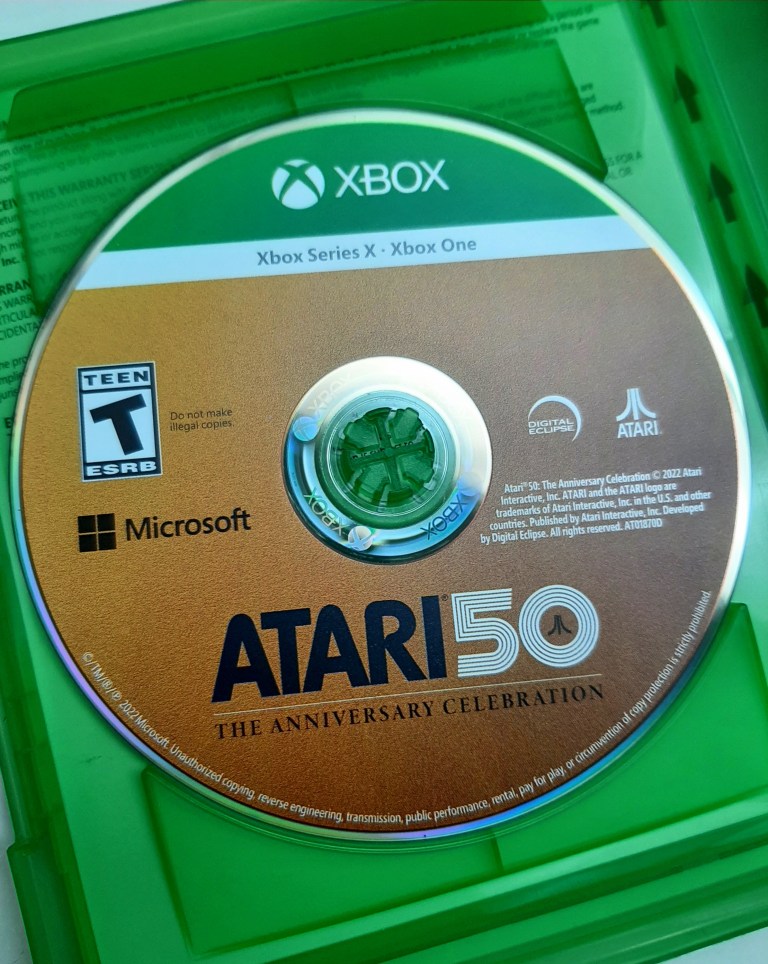
Also this year, I bought myself a physical copy of Atari 50: The Anniversary Celebration to add even more retro gaming fun on my Xbox Series X and it has been an enjoyable experience so far. There is absolutely nothing like replaying the Atari 2600 games I enjoyed plus being able to play other games released on other Atari consoles I never had. I also love the fact that the collection (you can by the physical Xbox copy by clicking here) also has Atari’s own arcade games. This is truly a blast of retro gaming fun!

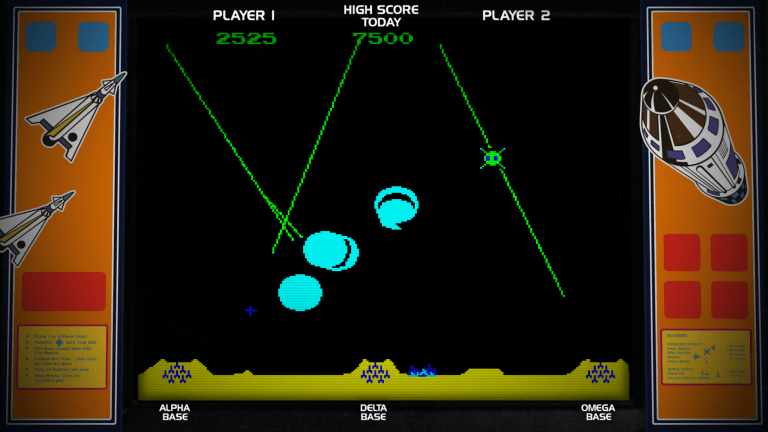
From my play session of the arcade version of the classic Missile Command.
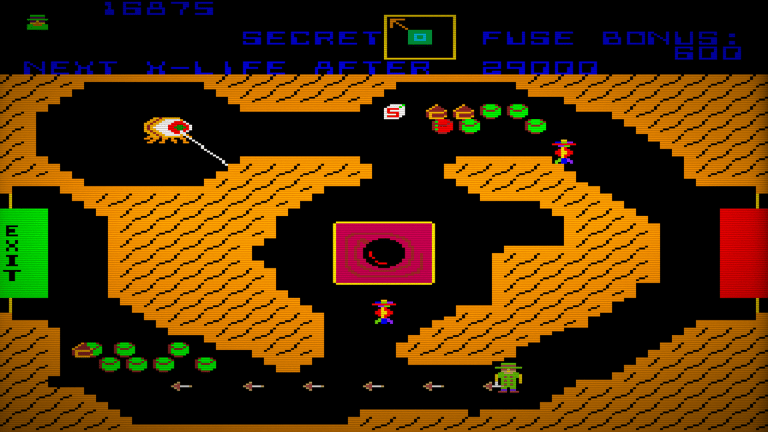
Thanks to the Atari 50: The Anniversary Celebration, I finally got to play the Cloak & Dagger arcade game that was featured in the 1984 movie.
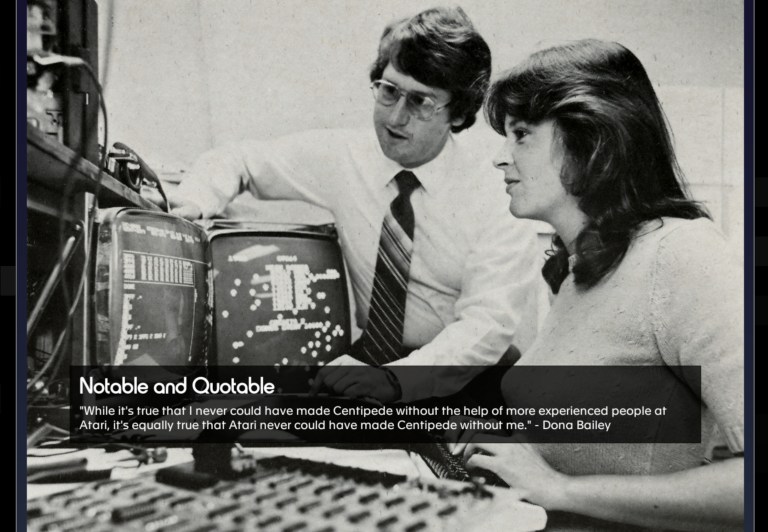
Historical insight about the classic game Centipede.
Atari’s arcade game Liberator.
Content from the arcade flyer of Missile Command now viewable in high-definition!

Atari 50: The Anniversary Celebration is not just a collection of video games from the past. It has a stylish presentation that makes it an interactive museum which allows you to look at the arcade flyers, the print ads, the official artworks of games, historical highlights and most notably lots of videos showing interviews of surviving Atari creators/producers who reveal very important details about what they went through, what the company culture was like, and more.

Those who were interviewed include Nolan Bushnell (who established Atari, Inc.), David Crane, Jerry Jessop, Bill Rehbock, Owen Rubin, Allan Alcorn, Tod Frye, Wade Rosen, Eugene Jarvis, and Howard Scott Warshaw. These are the guys who not only established Atari as a major gaming industry leader but also laid the foundations of console gaming as a crucial part of home entertainment in general. Also discussed was Atari’s efforts of bringing their arcade games to the consoles at home.

Adding further insight to Atari’s history were video interviews of Ed Fries (a key figure behind the establishment of Xbox), Cliff Bleszinski (Gears of War trilogy) and Tim Schafer (Psychonauts games).

My physical copy of Atari 50: The Anniversary Celebration which I enjoyed a lot on my Xbox Series X.

If you are an Xbox Series X owner and you are passionate about retro gaming, I encourage you to go after Atari 50: The Anniversary Celebration while it is still available and you can order a physical copy by clicking https://www.amazon.com/Atari-50-Anniversary-Celebration-Xbox-X/dp/B0BB81M854/ref=sr_1_1?crid=3NGKBZ5ELWEMR&dib=eyJ2IjoiMSJ9.OaxQ6LwrFw8ugeckn5tgrkRkXnRxdqTsibdJxcSrPmD2KjKDq_bR4FE-ADmLqZX905jbSpfkzhRn1UgC-V2yOGYAGlZpzU6euxh2_FNFRYO2ZPfhhwTgMJTJq9qjrMNVwy2_jhwlxf4S9R0GQiGJe_dk0U9o-w1xKXKQ_bNbHN-QGyFXq8KBbwYDluM_pUGjkC-TFth7PX-IltiofdvAK0mSQ3rt9EQ5pa3mYjgWZjE.TAmL4QRUQgmoBpOLyGJYZN-LKOf47qyO3MwplApdC50&dib_tag=se&keywords=atari+50+xbox&qid=1728442894&sprefix=Atari+50+x%2Caps%2C420&sr=8-1

+++++

Thank you for reading. If you find this article engaging, please click the like button below, share this article to others and also please consider making a donation to support my publishing. If you are looking for a copywriter to create content for your special project or business, check out my services and my portfolio. Feel free to contact me with a private message. Also please feel free to visit my Facebook page Author Carlo Carrasco and follow me on Twitter at  @HavenorFantasy as well as on Tumblr at https://carlocarrasco.tumblr.com/ and on Instagram athttps://www.instagram.com/authorcarlocarrasco