A Look Back at Uncanny X-Men #273 (1991)

Welcome back superhero enthusiasts, 1990s arts and culture enthusiasts, Marvel Comics fans and comic book collectors! Today we go back to the year 1991 to explore a chapter of the Uncanny X-Men series that took place between X-Tinction Agenda and Mutant Genesis (the modernization point of Marvel’s mutants for the 1990s).

For the newcomers reading this, X-Tinction Agenda was a very notable part of the history of the X-Men comic book franchise as it marked the first time that the X-Men, X-Factor and the New Mutants were combined and also reunited several X-Men members who were scattered around the world. That being said, the state of mutants within Marvel Comics’ shared universe created a sense of uncertainty towards Charles Xavier’s grand dream of establishing a peaceful co-existence between humans and mutants.

With those details laid down, here is a look back at Uncanny X-Men , published in 1991 by Marvel Comics with a story written by Chris Claremont and drawn by Whilce Portacio, Klaus Janson, Jim Lee, John Byrne, Rick Leonardi, Marc Silvestri, Michael Golden and Larry Stroman.

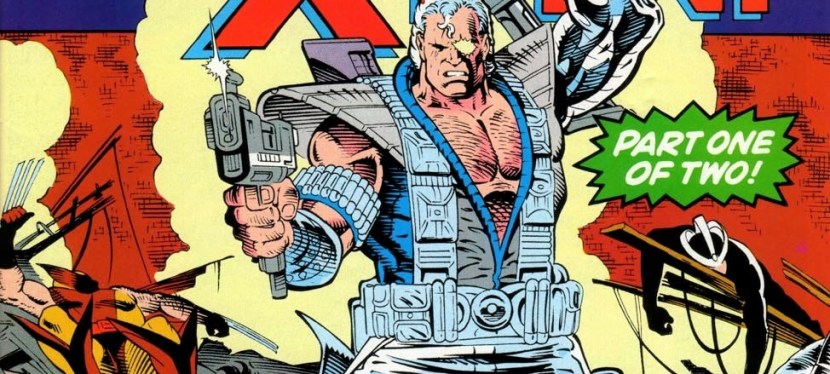
The cover.

Early story

The story begins in the control center within the complex located deep under the ruins of Charles Xavier’s mansion. Storm (X-Men), Jean Grey (X-Factor), Cyclops (X-Factor) and Cable (New Mutants) carefully examine the worldly forces that oppose them. After Storm asked about what they could do about the opposing forces located in different parts of the world, Cable says that they should hit them hard and fast as they have the power to do so.

Storm asked Cable if violence is his only solution. Even though violence got things done for Cable, Cyclops rejects it and states that his fellow mutants (pertaining to the X-Men and X-Factor) are not like him.

As the conversation intensifies, Jean Grey tells Cable that they are not warriors and the school was not founded by Professor X to have mutants to fight wars. Cable replied that war is what they got and reminded them of the two mutants they lost and another one who ended up as a genetically engineered slave. Cable asked them if they want to see more of their fellow mutants end up badly…

Quality
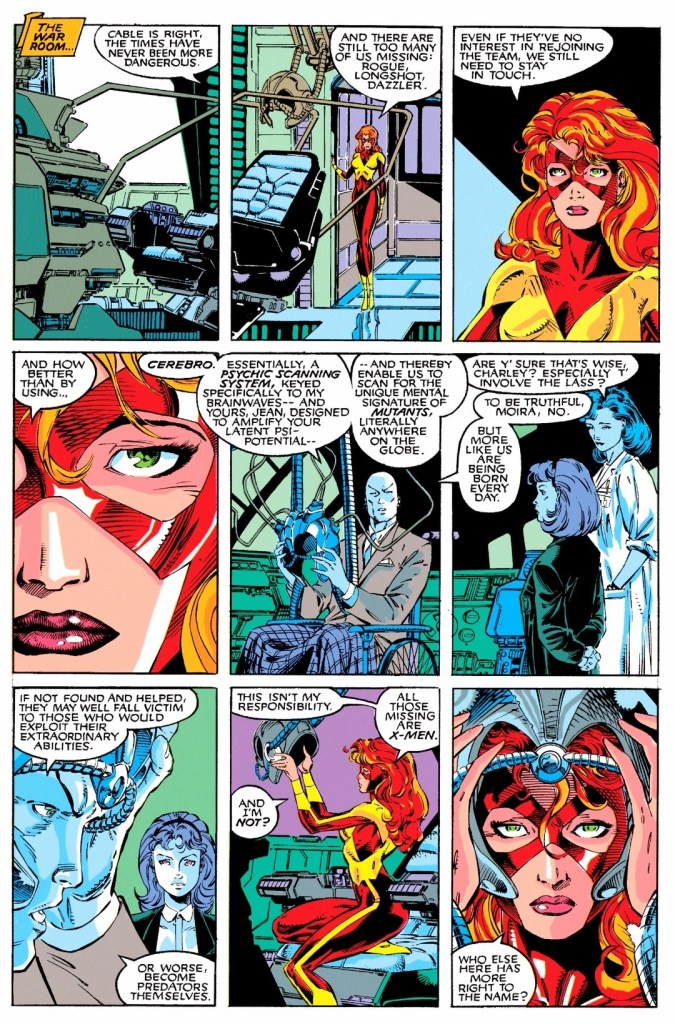
In the absence of Professor X, Jean Grey (then a member of X-Factor) revisits Cerebro and recalls what she learned long ago.

In relation to the mentioned fact that this particular story took place between X-Tinction Agenda and Mutant Genesis, this is a tale that reflects a period of transition leading to the latter. That being said, Chris Claremont took the opportunity to emphasize the current state of the X-Men and the other mutants, as well as the uncertainty ahead of them all. To be clear, this story does not have Marvel’s mutants going up against another super villain nor a group that opposes them.

The story opened very strongly with the leading figures of the X-Men (Storm), X-Factor (Cyclops and Jean Grey) and the New Mutants (Cable) being together analyzing the global situation and the forces that oppose them.

For Cable, violence is necessary for their survival and progress because he sees war against mutants already happening and there is simply no room left for error nor compromise. Very symbolically, Storm, Cyclops and Jean Grey – who all were nurtured by Professor X with his pacifist dream of bridging the gap between mutants and humans – reject Cable’s beliefs as they don’t see themselves as warriors and they do not dream of conquering their enemies at all. All the dialogue that took place in the argument are very richly written and there are layers of meanings which long-time X-Men fans will able to relate with.

Along the way, Claremont and the other creators made good use of available comic book space to develop the other characters which resulted in the gradual developments within each team of mutants. Gambit here is a brand new member of the X-Men and his talk with Storm is very sensible to read. There was also this notable Danger Room training session between Archangel and Cannonball in which the former (who is already very experienced as one of the original X-Men and a current member of X-Factor) shares wisdom to the very young mutant (who later went on to lead X-Force some time later). The creative team also inserted a few moments of humor on the other character development scenes.

Conclusion

Truly this is one of the most symbolic and most engaging arguments between the leading figures of the X-Men, X-Factor and New Mutants (which later became X-Force).

Even though it was mainly focused on character development and has no battle with any enemy, Uncanny X-Men (1991) remained a very engaging read as it tackles not only the current state of the three mutant teams of the time but also realigned their direction creatively and the results were fully realized through the eventual Muir Island saga as well as Mutant Genesis and even in further tales (including Fatal Attractions). In many ways, this comic book served as a solid foundation of things to come and this partially explains the eventual reform of the X-Men into a much larger group that had to be composed of two teams shortly after the return of Professor X (as seen in X-Men #1 and Uncanny X-Men in 1991).

Overall, Uncanny X-Men (1991) is highly recommended.

+++++

Thank you for reading. If you find this article engaging, please click the like button below, share this article to others and also please consider making a donation to support my publishing. If you are looking for a copywriter to create content for your special project or business, check out my services and my portfolio. Feel free to contact me with a private message. Also please feel free to visit my Facebook page Author Carlo Carrasco and follow me on Twitter at  @HavenorFantasy as well as on Tumblr at https://carlocarrasco.tumblr.com/ and on Instagram at https://www.instagram.com/authorcarlocarrasco
A Look Back at What If #47 (1993)

Disclaimer: This is my original work with details sourced from reading the comic book and doing personal research. Anyone who wants to use this article, in part or in whole, needs to secure first my permission and agree to cite me as the source and author. Let it be known that any unauthorized use of this article will constrain the author to pursue the remedies under R.A. No. 8293, the Revised Penal Code, and/or all applicable legal actions under the laws of the Philippines.

Welcome back superhero enthusiasts, 1990s arts and culture enthusiasts, Marvel Comics fans and comic book collectors! Today we go back to the year 1993 and explore a part of Marvel Comics’ universe through the reimagined tales emphasized in the What If monthly series.

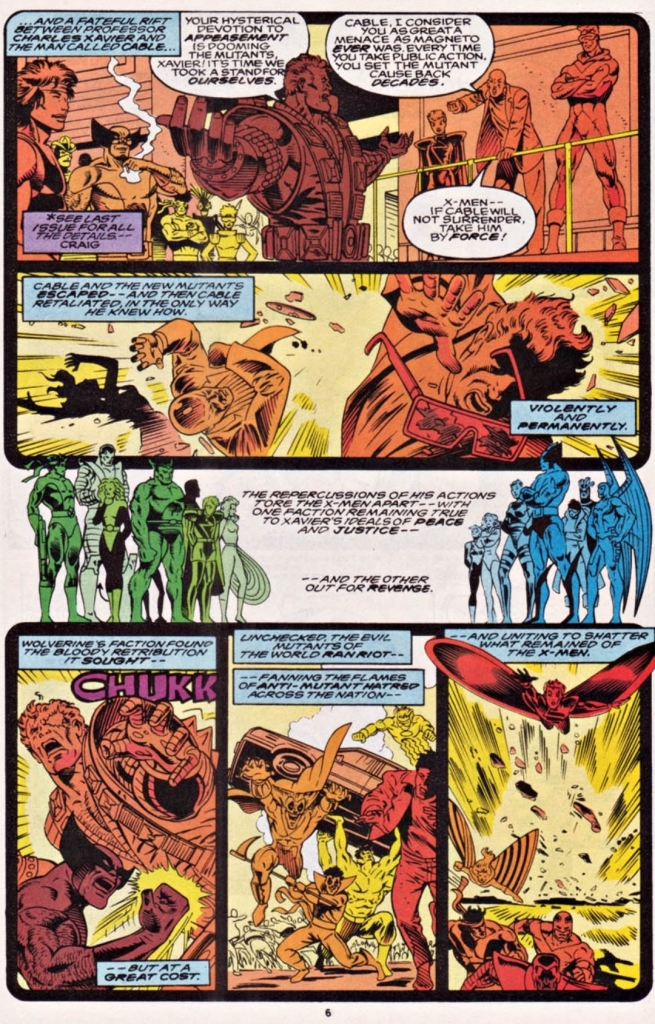
Back in 2021, I reviewed What If #46 (1993) which told a compelling story about division between the mutants, the clash of beliefs between Professor X and Cable, and how terrorism affects everyone. The comic book was also a mesmerizing portrayal of how the X-Men would have organized themselves without Charles Xavier, Jean Grey and Cyclops.

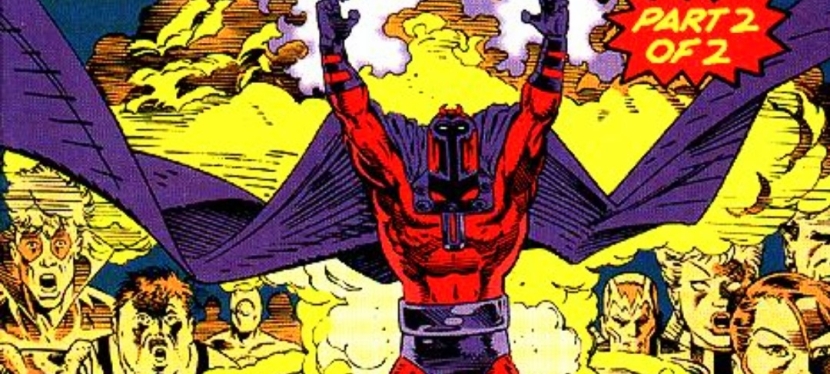
Considering all the chaos that happened in What If (1993), the time was just right for Magneto – the X-Men’s most dangerous enemy of all time – to come in and make an impact not only on mutants but on the world.

With those details laid down, here is a look back at What If , published in 1993 by Marvel Comics with a story written by Kurt Busiek and drawn by Tod Smith.

The cover.

Early story

The story begins with Magneto leading a huge legion of mutants to take overwhelm the remaining resistance – including Spider-Man, the Fantastic Four, Captain America, the Avengers and the dedicated American soldiers – in Washington, D.C.

A fierce battle then took place with both sides hitting each other hard. After noticing Magneto’s lack of presence during the battle, Captain America then realizes that the long-time enemy of the X-Men took advantage of the fighting to penetrate the U.S. Capitol’s bomb shelters and got the nation’s leaders hostage. After easing some of his fellow heroes, Captain America decides not to escalate the fight against Magneto in consideration of the lives of America’s top officials…

Quality

A recap of the events in issue .

To begin with, I can say that this story is a well-planned follow-up to the events of issue . While Magneto’s presence has been magnified a lot here, there are still strong story connections to the previous issue.

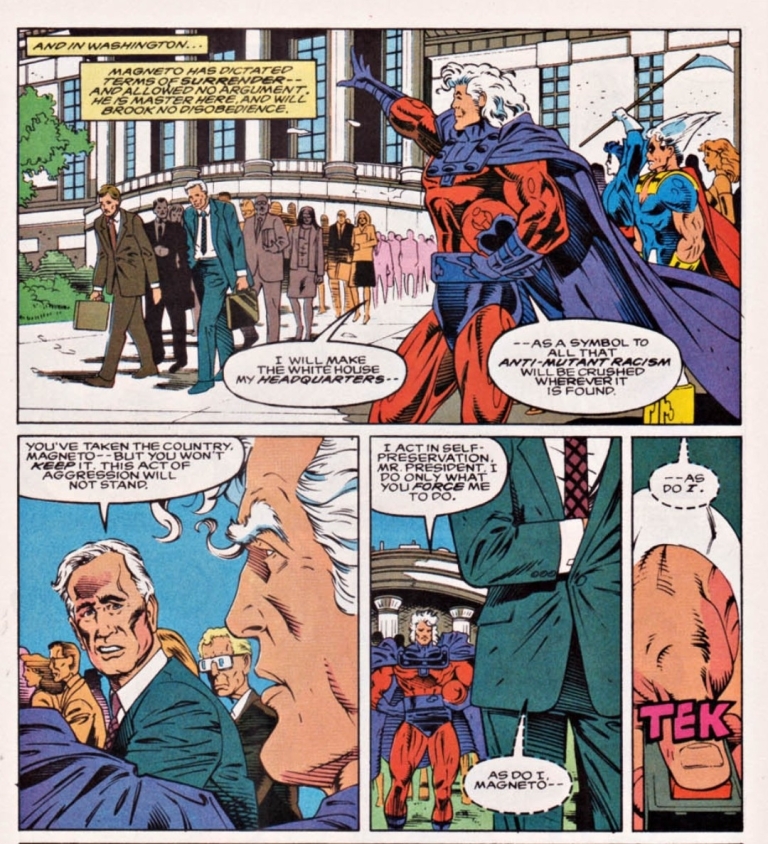
With regards to what was emphasized on the front cover of the comic book, this story explores what would happen if Magneto took power to control the entire United States while leading a group of mutants with a platform focused on crushing anti-mutant racism even though it includes pushing the non-mutant people (which is the great majority of America’s people) as well as the dissenting mutants out of the way.

For one thing, this superhero fantasy concept is actually socially relevant with today’s geopolitics and the way America has turned out under the fake leadership of Joe Biden (who is NOT leading as US President but only following the modern-day American Communists and reckless SJWs dictating him to do their evil bidding. Biden also arrogantly denies reality when it goes against the desires of his administration and his Satanic Democrats) It should be noted that the US President visualized in this comic book eerily looks like Joe Biden complete with that absent-minded facial expression.

Next, a clear theme in this What If story is absolute power and why groups who crave for it would sacrifice so much and hurt others just to acquire it. Magneto, who carries deep hatred towards people he perceives to be obstacles or opposition for his quest of uplifting mutants, takes advantage of mutants who have lost hope and are depending on someone to lead them. Indeed, the long-time X-Men nemesis gains power to control America but finds himself facing a new force of opposition which leads the nation into a drastic series of change that clearly do not alight with his vision of a better future for mutants.

Still on the theme of absolute power, the US government in this story was portrayed to have developed technologies designed to overwhelm its citizens, as well as the means to establish infrastructure and protocols to transform America into an automated dictatorial state that enslaves its citizens and violate their rights without restraint. Once again, this aspect of the story makes it socially relevant.  

Considering the epic concept and the dark turn of events the creative team prepared, this comic book does not have a clear good-versus-evil approach but rather it emphasizes chaos that comes with the pursuit and abuse of absolute power over the nation. You will see key elements from the classic X-Men storyline Days of Future Past here in relation to America’s deformation.

Conclusion

Wow! The US President in this comic book eerily looks so much like Joe Biden whose leadership led America into a lot of problems and hardship. Sky high inflation is just one of the problems that happened under Biden.

What If (1993) is truly a very captivating read mainly because of its core concept which goes way beyond the scenario of Magneto taking control of America. Considering its portrayal of America and the exploration of dark themes about people getting overwhelmed by power abusers, the story is a warning about the fall of America told in superhero fantasy form. Considering the intense social degradation that rocked America the past few years (note: riots by the Black Lives Matter terrorists, SJWs disturbing the peace, Democrats allowing more illegal immigrants into the country, socialists in colleges continuing to brainwash students and more), this story is very socially relevant. It will keep you thinking and reflecting deeply, even if you strongly desire whatever superhero entertainment you seek in this comic book.

Overall, What If (1993) is highly recommended!

+++++

Thank you for reading. If you find this article engaging, please click the like button below, share this article to others and also please consider making a donation to support my publishing. If you are looking for a copywriter to create content for your special project or business, check out my services and my portfolio. Feel free to contact me with a private message. Also please feel free to visit my Facebook page Author Carlo Carrasco and follow me on Twitter at  @HavenorFantasy as well as on Tumblr at https://carlocarrasco.tumblr.com/ and on Instagram at https://www.instagram.com/authorcarlocarrasco
A Look Back at What If #46 (1993)

Disclaimer: This is my original work with details sourced from reading the comic book and doing personal research. Anyone who wants to use this article, in part or in whole, needs to secure first my permission and agree to cite me as the source and author. Let it be known that any unauthorized use of this article will constrain the author to pursue the remedies under R.A. No. 8293, the Revised Penal Code, and/or all applicable legal actions under the laws of the Philippines.

Welcome back, X-Men fans, superhero enthusiasts, 1990s culture enthusiasts and comic book collectors! It’s time to revisit the What If monthly series of comic books of Marvel Comics that lasted from 1989 until 1998. The old comic book I’m about to review involves the X-Men, Cable and more.

Before starting with this newest retro comic book review, I should state that I was never a fan of Cable even though I read lots of X-Men-related comic books that included him. When I think of Cable, I immediately think of the New Mutants and X-Force comic book series.

You must be wondering what has Cable and the X-Men have to do with the old What If issue I’m focusing on. We can all find out in this look back at What If , published by Marvel Comics in 1993 with a story written by Kurt Busiek and drawn by Tod Smith.

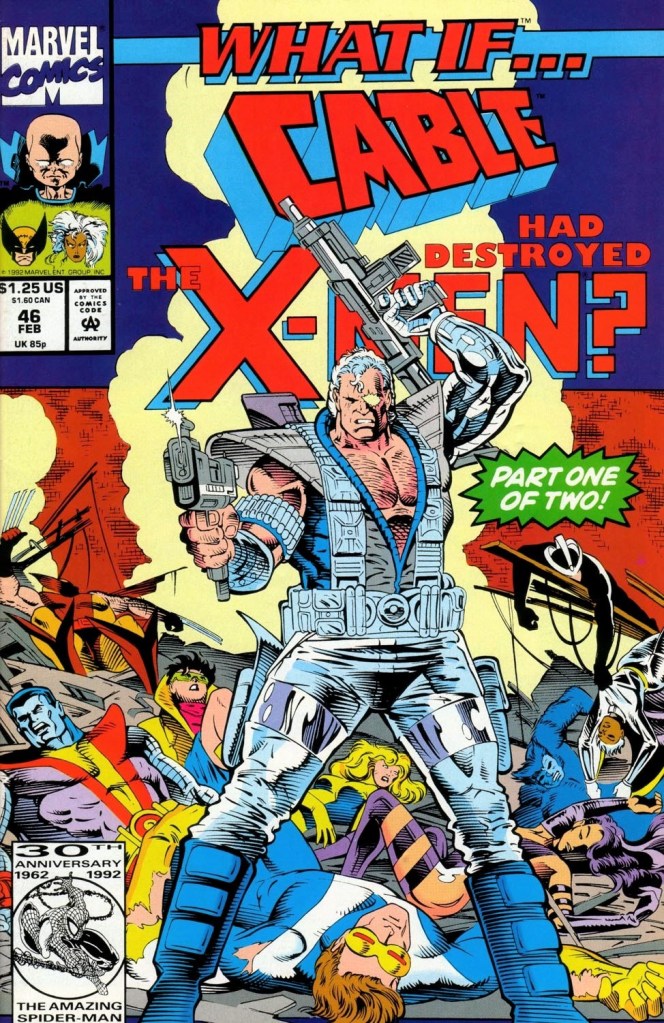
The cover.

Early story

The story begins inside a tavern in New York’s famous Central Park. Inside, Charles Xavier, Scott Summers (Cyclops) and Jean Grey have a discussion about mutant matters until a small saucer-shaped device flies inside and disrupts everything with its sonic frequency. Suddenly a second flying saucer comes in, touches Scott’s shoe and explodes powerfully killing him, Jean and Xavier. Others got injured by the explosion and the tavern ends up burning.

Outside the tavern, Cable is seen running away and someone points at him as someone who must be responsible for the bombing. As it turns out, the deliberate killing of Xavier, Cyclops and Jean Grey was the result of a division between Cable’s New Mutants and the X-Men in connection to the recent return of Xavier from deep space.

Quality

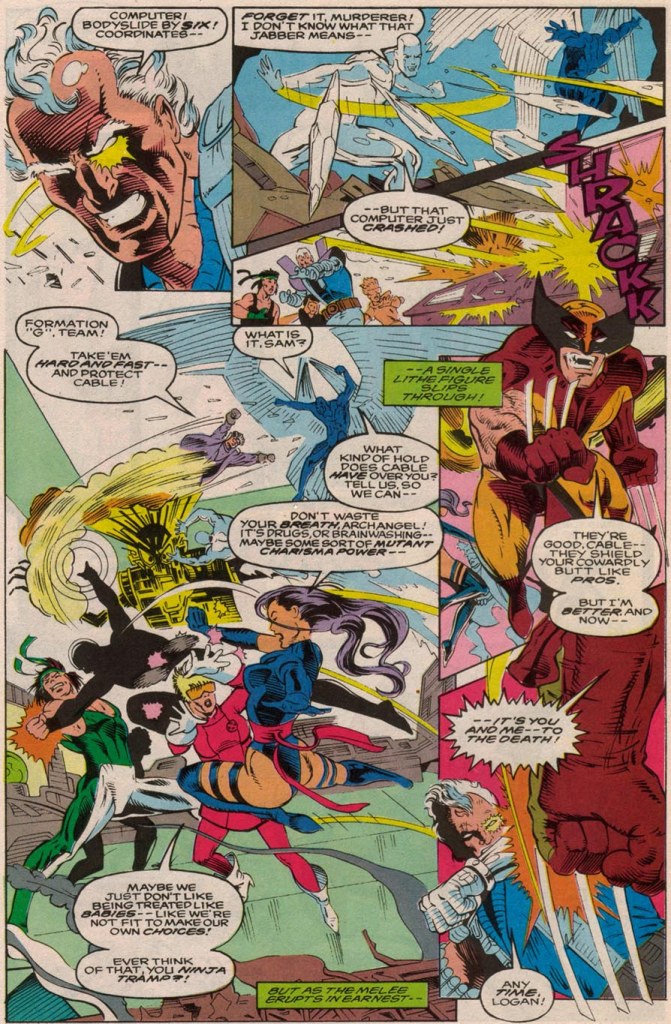
A brawl between the mutants.

I’ll start with the story Kurt Busiek came up with. This one explores an alternate time in which Charles Xavier returned to Earth (after escaping from the Skrulls in deep space) only to find the X-Men in disarray which compelled him to restore things the way they were. This is not to be confused with his return in the canon storyline of the Muir Island Saga.  

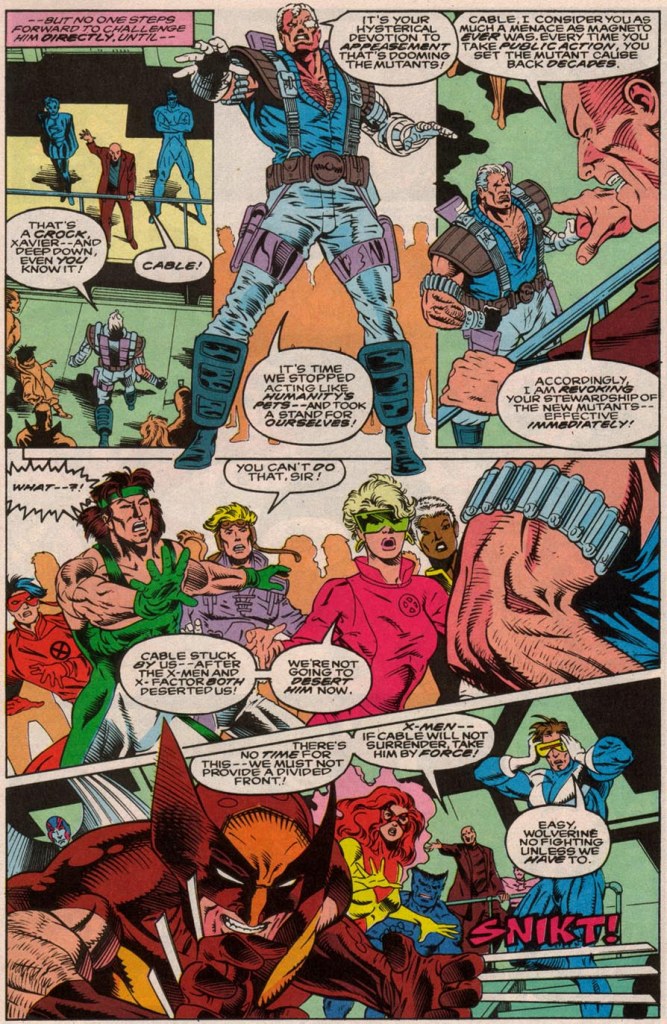
That being said, Busiek explored what would it be like had Xavier tried to resolve mutant matters not only with the team of mutants he founded but also with other teams such as the New Mutants (already led by Cable), X-Factor (Cyclops, Jean Grey, Iceman, Beast and Archangel) plus several other mutants. I really liked the way the mutants reacted to Xavier given his long absence from Earth, how his dream matters and turned out irrelevant to them as individual mutants, and if he still has what it takes to lead them. In some ways, Xavier looked like a politician trying to convince his constituents that his vision is still the best for them and their interests.

What really made the story running was the start of the division between the mutants when Cable rejects Xavier and points out that the X-Men founder’s devotion to appeasement is dooming mutants. All of these led to the shock opening scene and in terms of writing quality, it was all justified.

The scenes that happened AFTER the burial of Xavier, Cyclops and Jean Grey literally raised the stakes for the rest of the comic book. I don’t want to spoil further plot details but I can assure you all that Kurt Busiek’s script is very sold and there is so much to enjoy here especially if you are knowledgeable enough about the X-Men and the other parts of the Marvel Comics universe (note: the Avengers, Stryfe, Freedom Force and Fantastic Four also appeared).

Visually, the work of Tod Smith looks a bit rushed. His art here is not bad but I felt it could have been better had there been more time to polish his work. In fairness to Smith, his drawings on most of the characters still made them recognizable and he showed pacing with regards to the panels and angles used. I should say he does a decent job showing multiple characters fighting each other simultaneously.

Conclusion

If you were a mutant, would you follow Charles Xavier or Cable?

If you ask me, What If (1993) is pretty entertaining and engaging to read thanks to the strong writing as well as the daring exploration of how the comic’s main story impacts others within the Marvel Comics universe. It has drama, action, intrigue and most notably it explores a new concept about how the X-Men would turn out after the death of their founder. It also raises questions on whether or not the X-Men are doomed without Charles Xavier’s presence.

If you are seriously planning to buy an existing hard copy of What If (1993), be aware that as of this writing, MileHighComics.com shows that the near-mint copy of the regular edition costs $40 while the near-mint newsstand edition costs $120.

Overall, What If (1993) is recommended.

+++++

Thank you for reading. If you find this article engaging, please click the like button below and also please consider sharing this article to others. If you are looking for a copywriter to create content for your special project or business, check out my services and my portfolio. Feel free to contact me as well. Also please feel free to visit my Facebook page Author Carlo Carrasco and follow me at HavenorFantasy@twitter.com

A Look Back At Youngblood #2 (1992)

During my high school days, I heard some buzz about the launch of Image Comics. The year was 1992 and public Internet access in the Philippines was still years away. The buzz of Image in the Philippines was produced through comic book industry magazines read by local geeks who mostly expressed their excitement.

Image Comics was the result of seven high-profile comic book illustrators who left Marvel Comics over issues such as low compensation, low royalties and the company’s immediate ownership of characters they created. Image officially launched with Rob Liefeld’s Youngblood .

I should say that I never had the opportunity to buy a copy of Youngblood nor was I able to read a copy of it from a fellow comic reader. However I was fortunate enough to buy an existing old copy of Youngblood which is the subject of this retro comic book review.

The story begins with a prologue introducing readers to a group called the Berzerkers fighting a group of metallic beings. The Berzerkers meet Kirby, a short muscular guy who seems to be inspired somewhat by the late comic book legend Jack Kirby (died in 1994). In fact, written on the lower part of page 1 was a message: Respectfully dedicated to Jack “The King” Kirby.

Then the spotlight finally moves to Youngblood who are discussing the newly discovered body of Prophet, a muscular man sleeping in suspended animation. Prophet was described as “the product of a groundbreaking bio-genetic experiment conducted under the supervision of Dr. Garnet Wells sometime around the Second World War.”

Soon enough, Prophet wakes up and then things really get moving. You just have to read the comic book to find out what happened.

When it comes to quality, I should say this comic book does not have much of a story. What I described above was pretty much it. The comic book had a descent build-up however mainly for Prophet and all the expository dialogue and visuals made clear that the character was designed to be important.

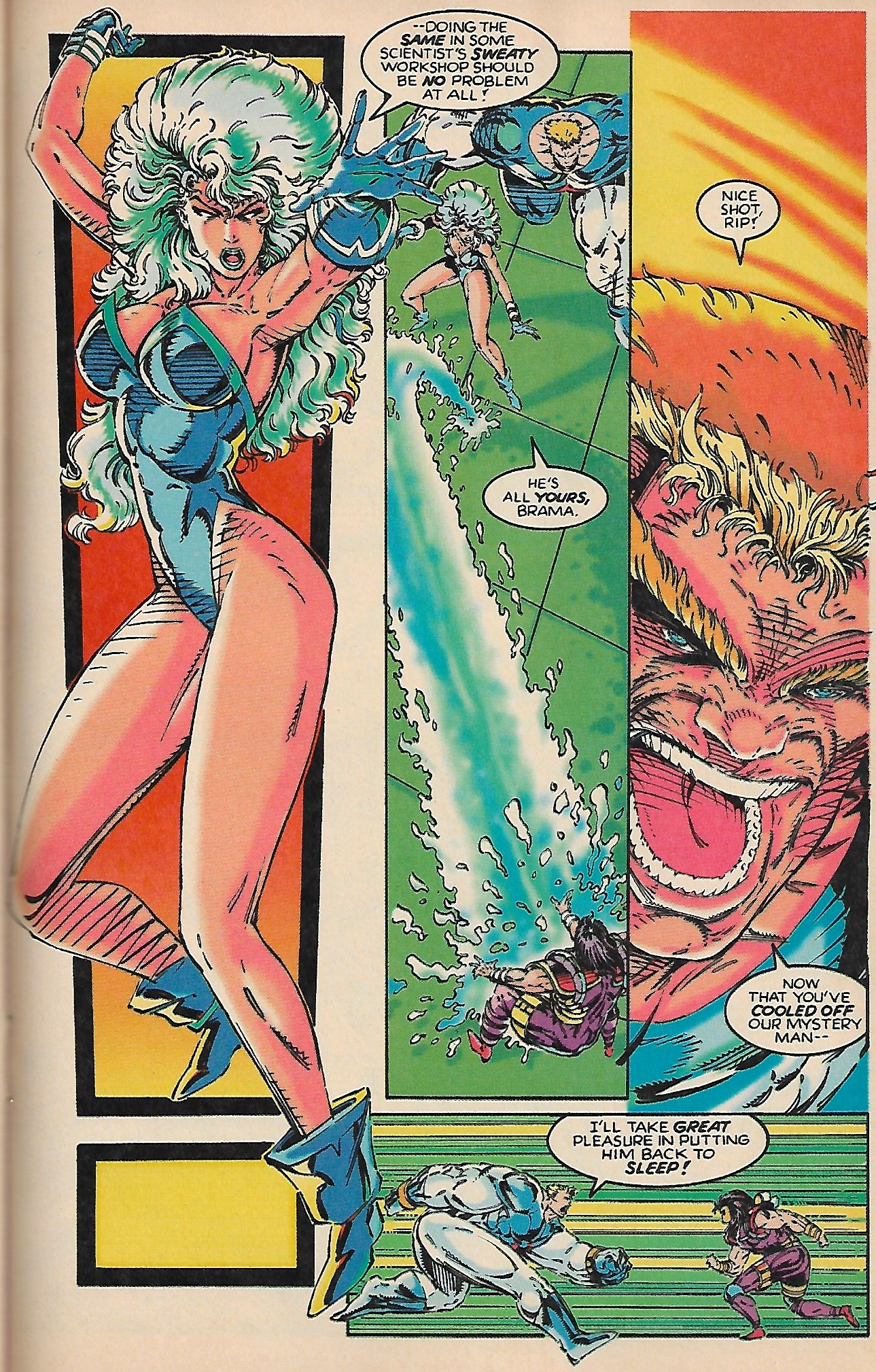
When it comes to art, Youngblood clearly shows Rob Liefeld with a lot of heart and passion. The elements that defined not only his style but also 1990s superhero comic book culture are here – big futuristic guns, muscular bodies, pupil-less eyes, weird looking feet, disproportionate body parts, armor, shoulder pads and the like.

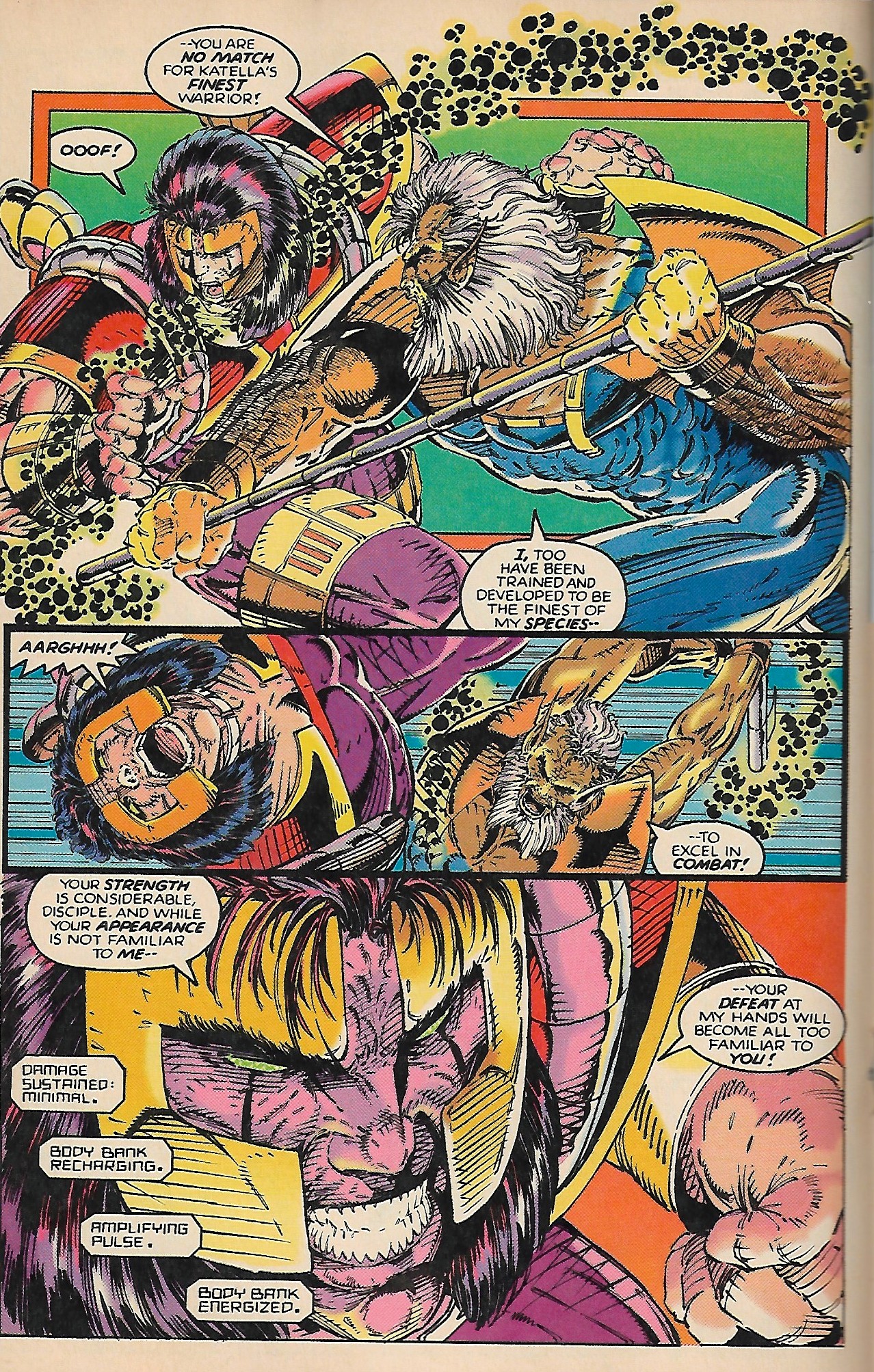
Superhero action? This comic book is heavily loaded and the action scenes drawn by Liefeld packed a lot of punch. Seeing Prophet getting punched by the giant guy looked exaggerated but it still had a lot of visual impact.

2019-08-23_093447~2.jpg
Hard hitting action, visceral looks, muscles, shoulder pads, pupil-less eyes and Prophet.

2019-08-23_093609~2.jpg
Really passionate work by Liefeld.

Adding more value to the comic book was a 5-page preview of Shadowhawk done by Image Comics co-founder Jim Valentino. Without spoiling the details, I should say that the preview does a good job selling ShadowHawk. Lastly, Youngblood has two covers and one end has to be flipped to read the opening content properly.

Overall, Youngblood is worth reading even though its story is very light. To say this comic book is terrible is just wrong. To say the least, it is a nice showcase of the talent and creativity of Rob Liefeld who not only illustrated and inked it, he also wrote the story! Youngblood 2 sure has a light story and heavy action content but ultimately it succeeded on introducing Prophet as well as setting up the excitement for the next issue.

I want to point out that it was recently revealed that Liefeld stayed clear off Youngblood in relation to a custody battle with a co-owner related to past deals made. This explains why he has not done Youngblood stuff for a long time. It’s too bad that we won’t see any more new Youngblood involving Liefeld’s passionate work.

Read Liefeld’s words from a long post he made in Facebook on August 2.

Youngblood represented some of my finest work, I’m proud of all the work that was produced. Sadly, film companies will be reluctant to invest the time and money in a venture without the support and blessing of its creator.

Youngblood is recommended.


Thank you for reading. If you find this article engaging, please click the like button below and also please consider sharing this article to others. Also my fantasy book The World of Havenor is still available in paperback and e-book format. If you are looking for a copywriter to create content for your special project or business, check out my services and my portfolio. Feel free to contact me as well. Also please feel free to visit my Facebook page Author Carlo Carrasco and follow me at HavenorFantasy@twitter.com

X-Men at Toycon 2019

During my time at the Toycon 2019 at SMX Convention Center in Pasay City this past Saturday, I checked out the X-Men stuff. I am a long-time X-Men fan and that particular franchise is my favorite among all of Marvel’s superheroes.

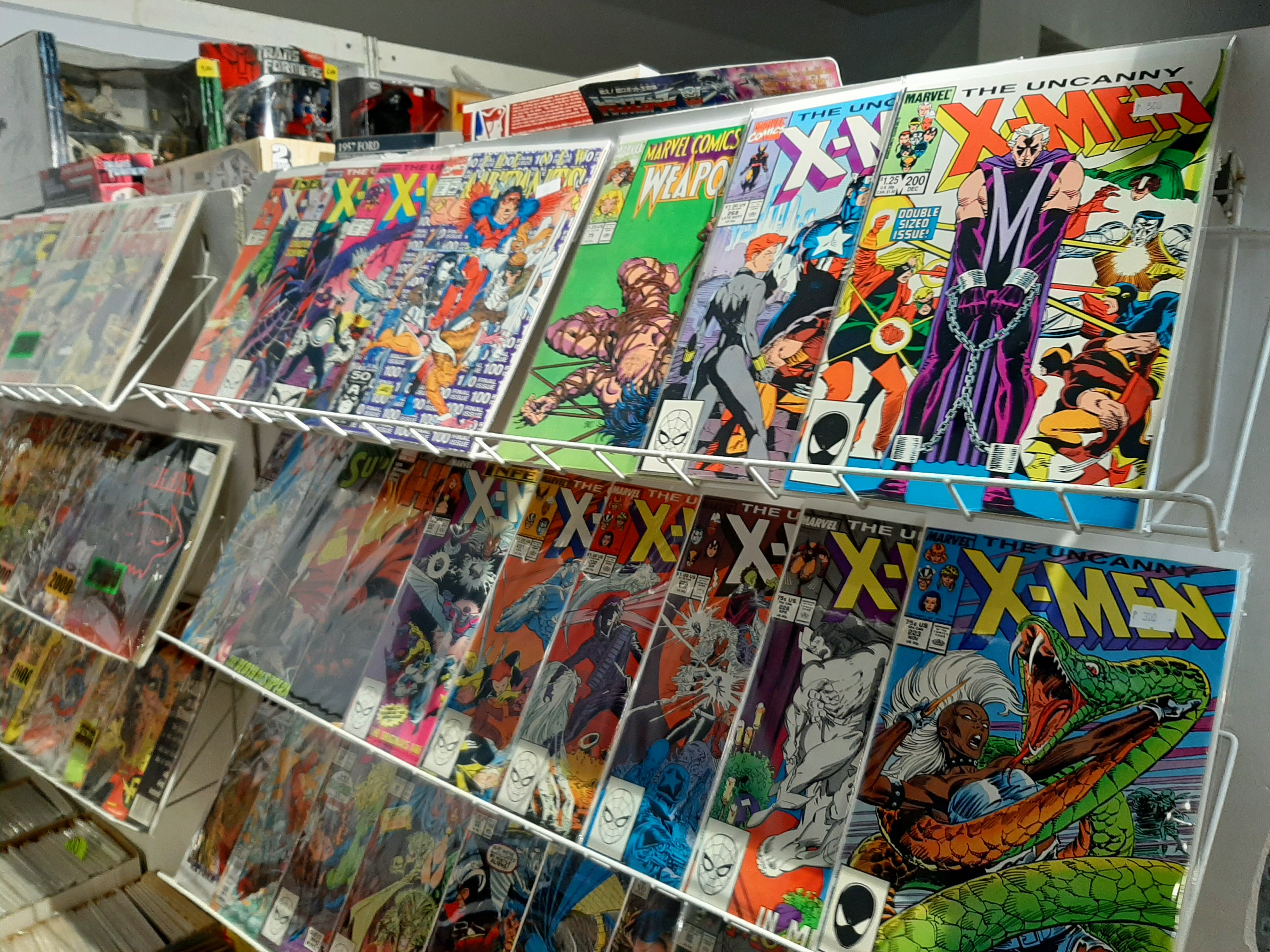
As before, I looked for some back issues of X-Men at one of the few comic book sellers at the convention.

20190629_120630-1.jpg
Lots of old X-Men comic books displayed for sale.

20190629_121837.jpg
A copy of X-Men (1991) drawn by Jim Lee featuring Magneto. I did not bother to buy this one.

After carefully searching what was available and calculating with my limited budget, I bought a few copies of Uncanny X-Men drawn in the early 1990s by Whilce Portacio. I intend to have these comic books signed by him in the near future.

As I went around the floor of the main exhibition hall of the convention center, I saw several X-Men statues and action figures. The one that caught my attention was the Dark Phoenix figure.

20190629_103252.jpg
Too bad the filmmakers could not find a way to replicate this classic Dark Phoenix form for the big screen. 

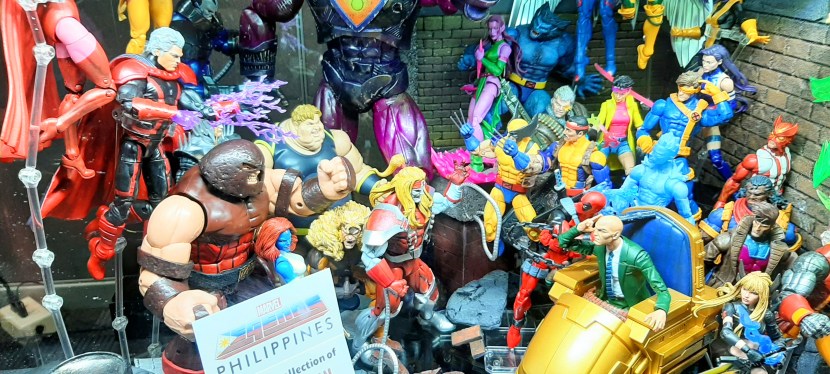
And then I went up to the 2nd level of the convention where there was one function hall that had several displays of toys and action figures for people to look at. Of course, the X-Men were there and here are some pictures I took for your viewing pleasure.

20190629_105852.jpg
I like this set up showing two opposing sides. I just wished Magneto had been placed closer fronting Charles Xavier.

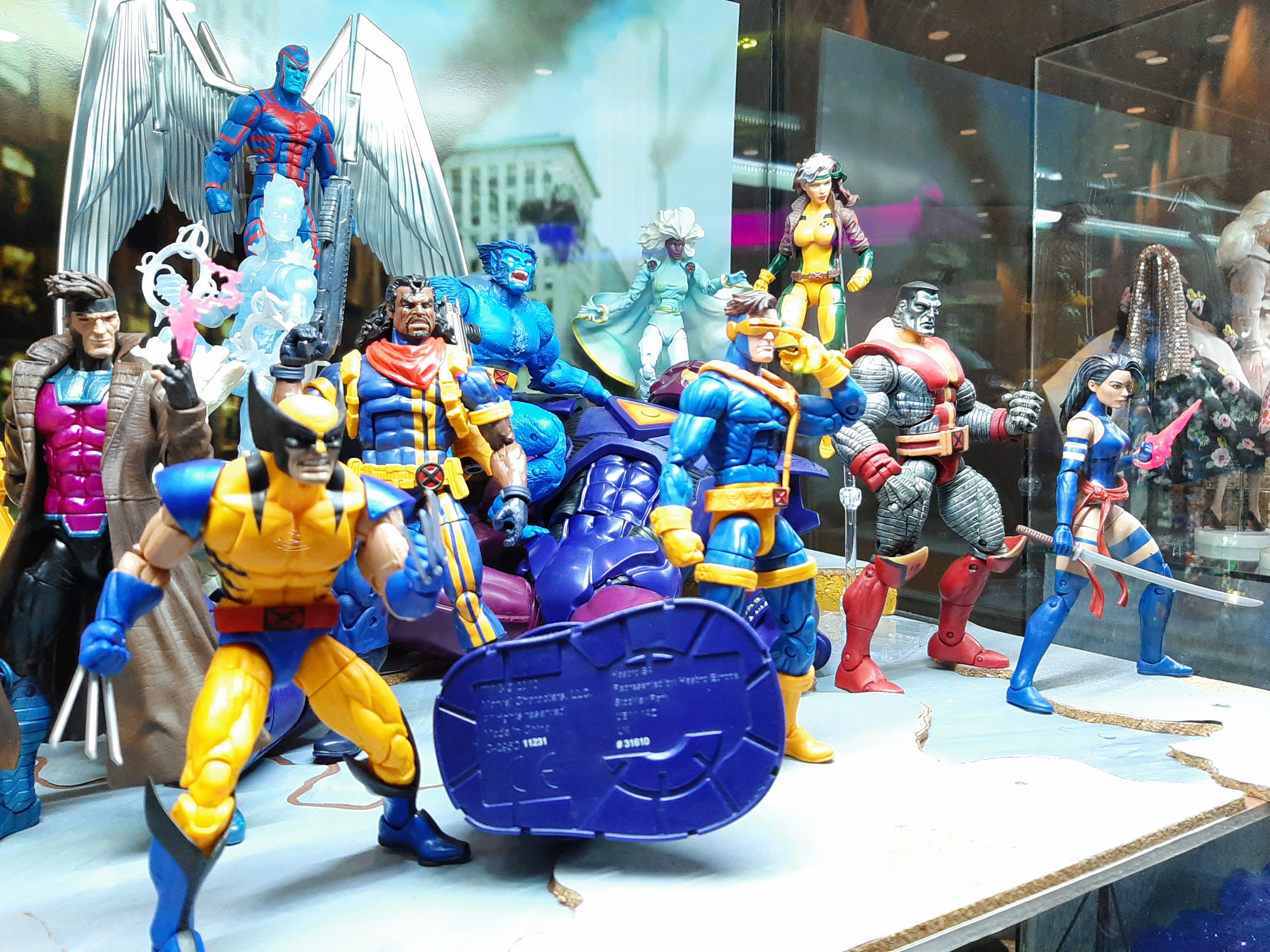
20190629_105647.jpg
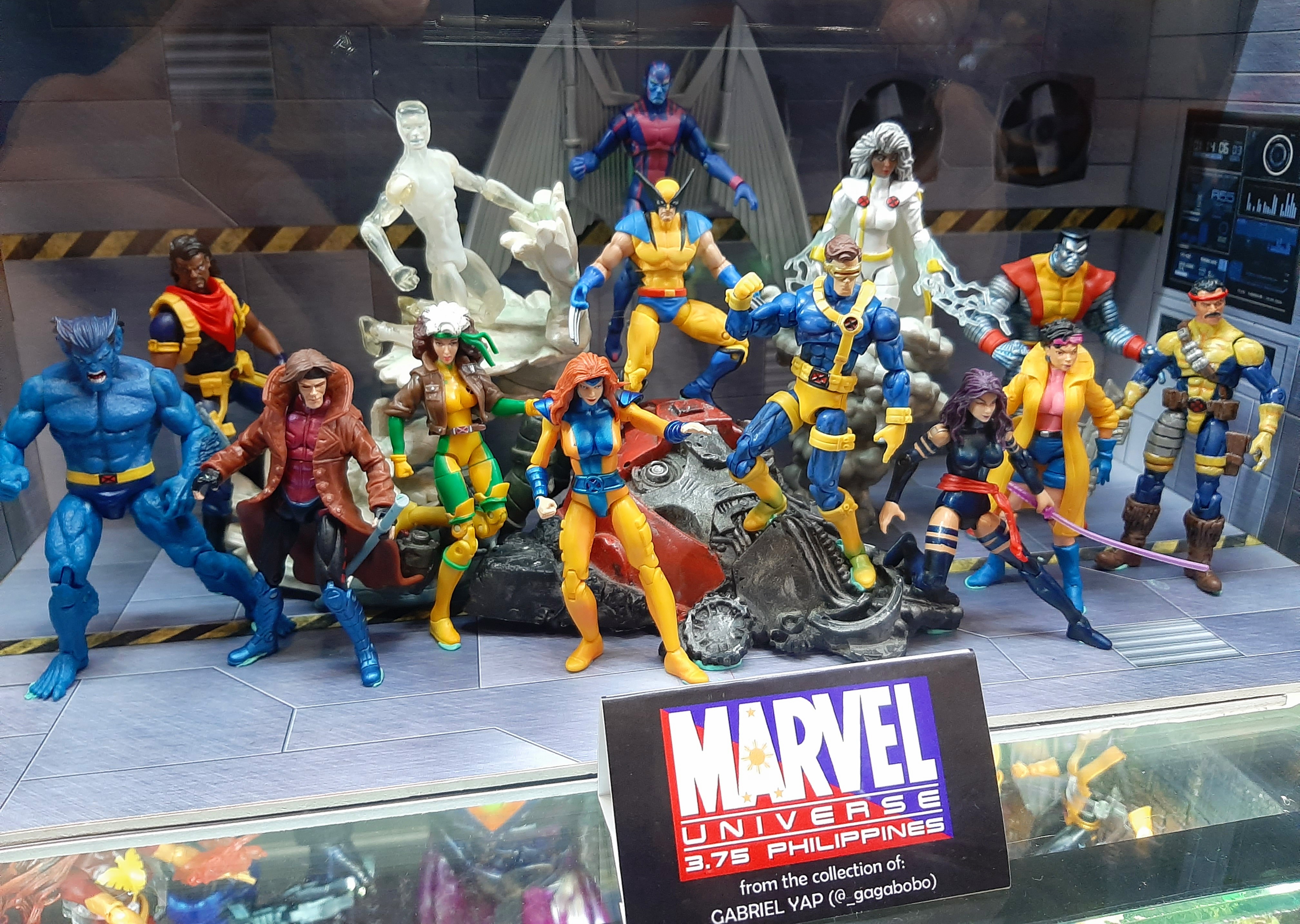
The 1990s X-Men look.

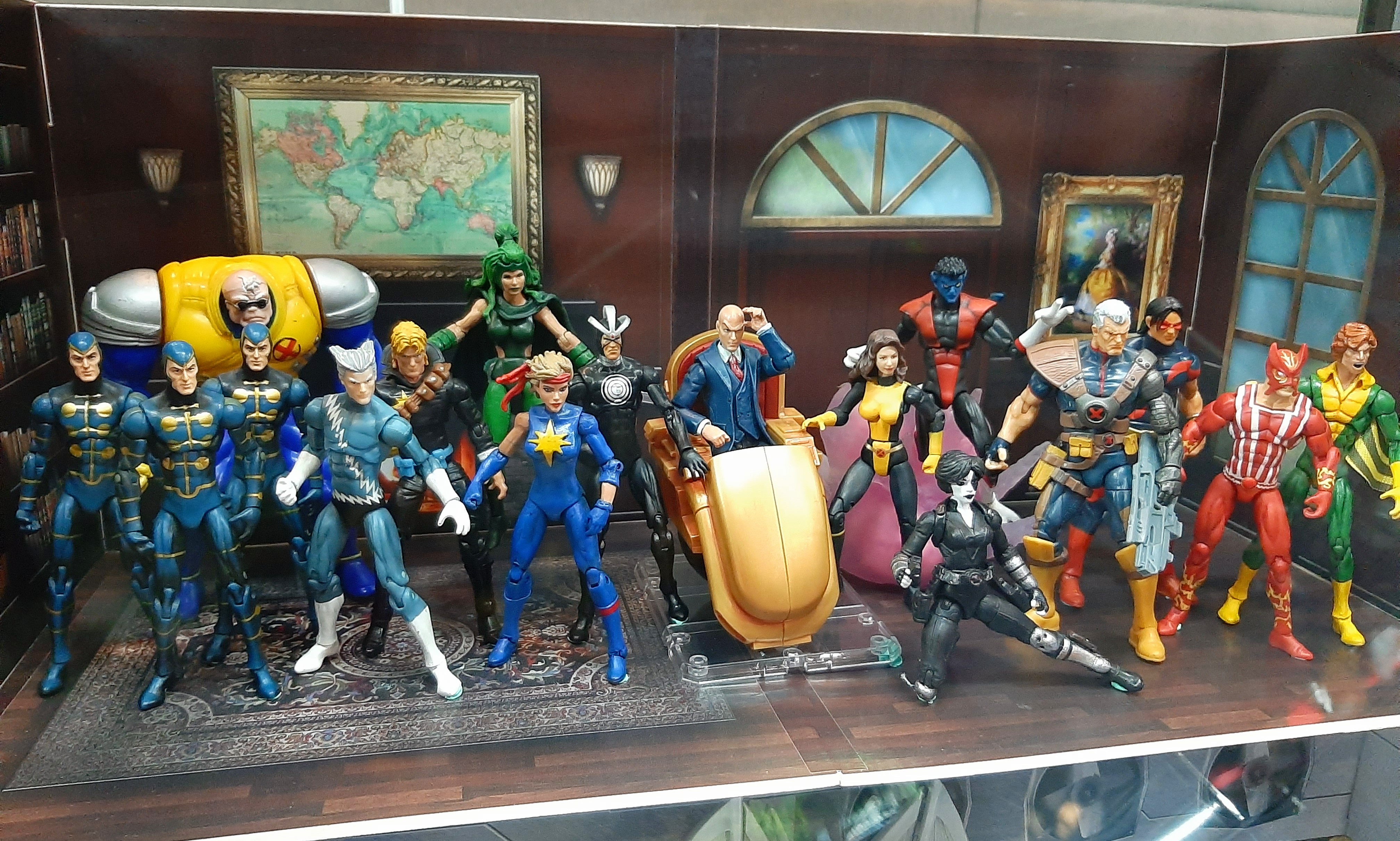
20190629_105836.jpg
Dazzler, X-Factor, Cable and some X-Men.

20190629_105843.jpg
Another 1990s X-Men set.

20190629_105635.jpg
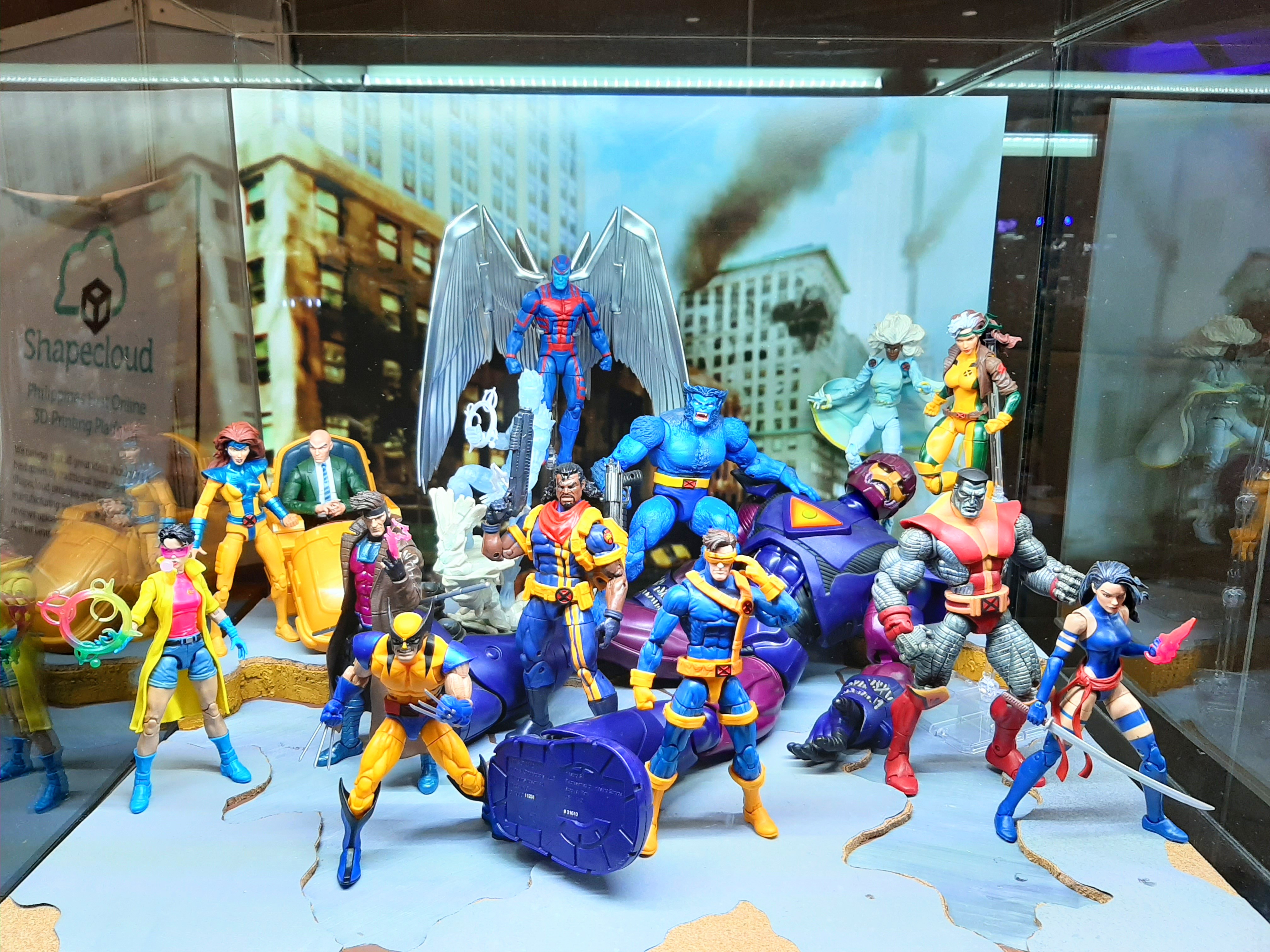
I like the set up here with the X-Men and a fallen Sentinel.

For more X-Men insight, check out my Logan retro movie review, my X-Men #1 (1991) retro comic book review, my X-Men: Dark Phoenix movie review, my retro movie reviews of X-Men (2000), X2: X-Men United and X-Men: The Last Stand.

Check out my first Toycon 2019 article here.


Thank you for reading. If you find this article engaging, please click the like button below and also please consider sharing this article to others. Also my fantasy book The World of Havenor is still available in paperback and e-book format. If you are looking for a copywriter to create content for your special project or business, check out my services and my portfolio. Feel free to contact me as well. Also please feel free to visit my Facebook page Author Carlo Carrasco and follow me at HavenorFantasy@twitter.com