A Look Back at Amazing Spider-Man #361 (1992)

Welcome back superhero enthusiasts, 1990s arts and culture enthusiasts, Marvel Comics fans and comic book collectors! Today we go back to the early 1990s to examine a small part of the Marvel Comics shared universe through a tale of the Amazing Spider-Man monthly series.

When it comes to the argument as to who is the most evil or the deadliest foe Spider-Man ever has, many point towards Venom (Eddie Brock and the alien costume from Secret Wars) who is murderous, filled with revenge against Spider-Man, is physically formidable and knows Peter Parker and his family members. In the early 1990s, the creative guys behind the Amazing Spider-Man series made the key decision to create another symbiote-wearing super villain like Venom but much more violent, more murderous and truly insane.

With those details laid down, here is a look back at Amazing Spider-Man #361, published in 1992 by Marvel Comics with a story written by David Michelinie and drawn by Mark Bagley.
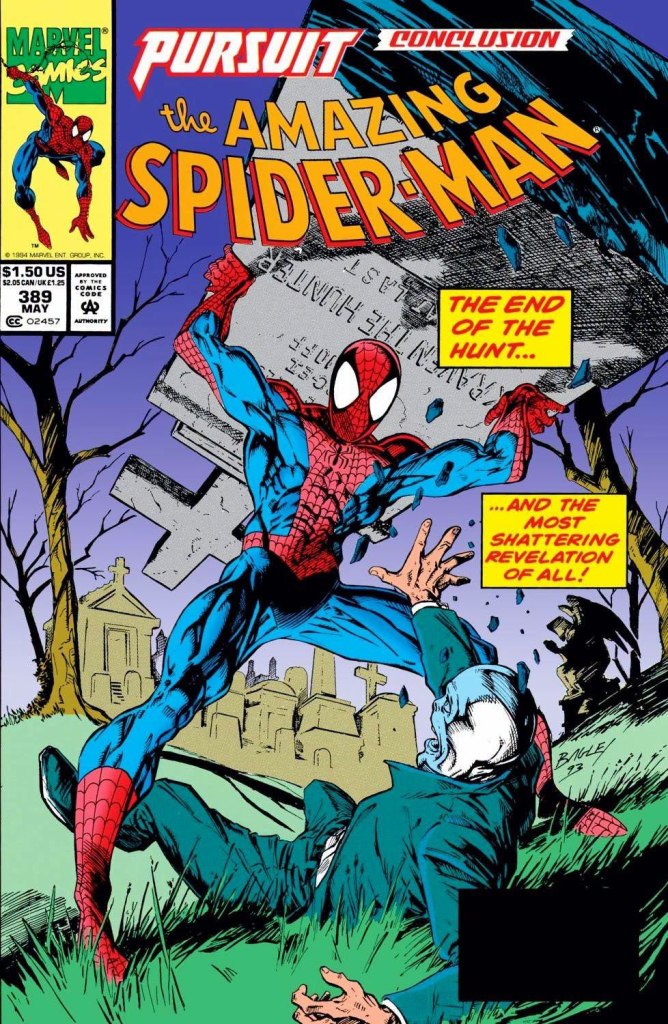
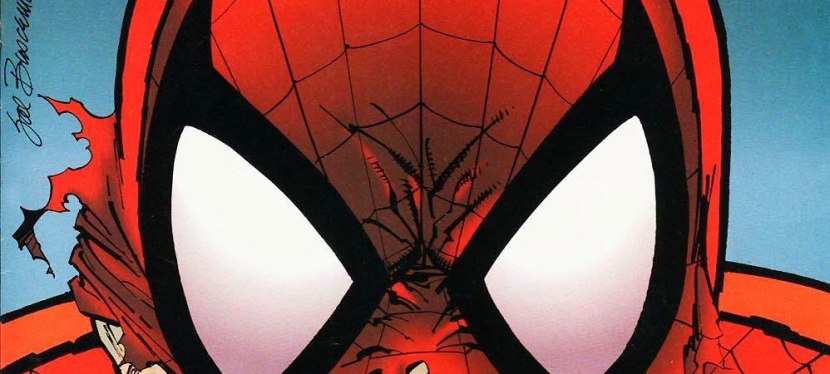
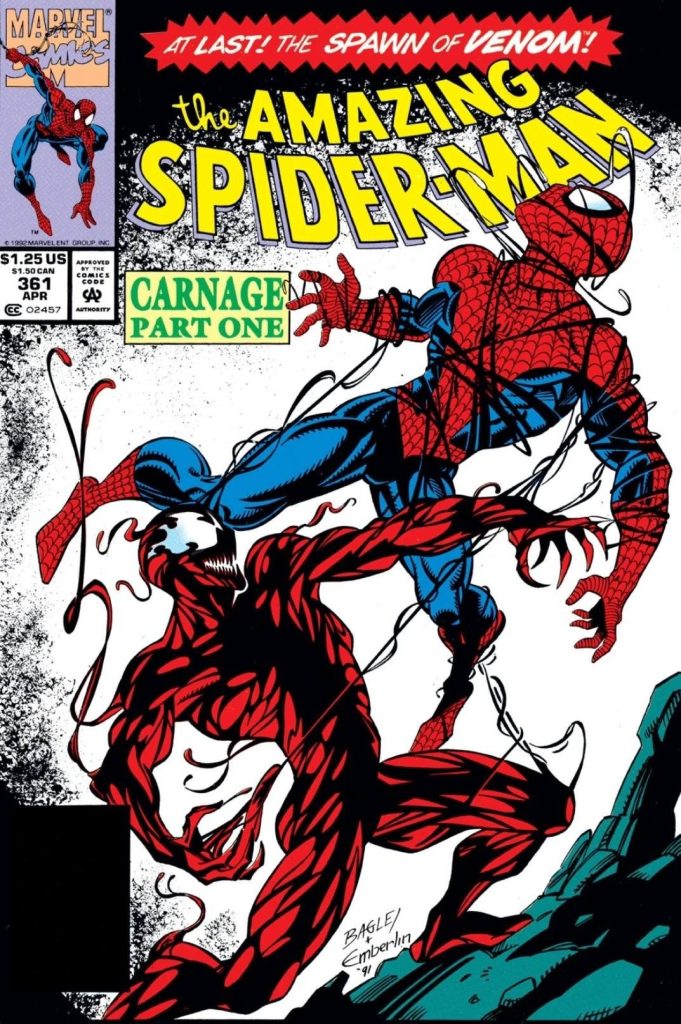
The cover.

Early story

The story begins inside the agro-lab of the Empire State University where an awful figure in black-and-blood intimidates a male worker. The awful figure is Carnage and he decides to play with the worker a bit before fulfilling his intention to kill him. The worker tries to escape but ends up failing as Carnage throws a huge piece of hardware at the door. Carnage grabs the man, slams him on the wall and uses sharp makeshift blades that suddenly stretched to murder the him.

At the a certain home in Forest Hills, Peter Parker spends quality time his aunt May Parker as he repairs an important machine in the basement. Moments later, the phone rings and May goes up to answer it. Peter follows and learns that the call was meant for him.

Upon using the phone, Peter learns the tragic news that his friend Chip at the university was murdered. He excuses himself from May to go outside to secretly change into Spider-Man and make his way to Empire State University. Struck by the tragic news, Spider-Man is aware that there have been a dozen brutal murders in New York City over the last week. He is also aware that a message was written in blood by someone called Carnage…

Quality

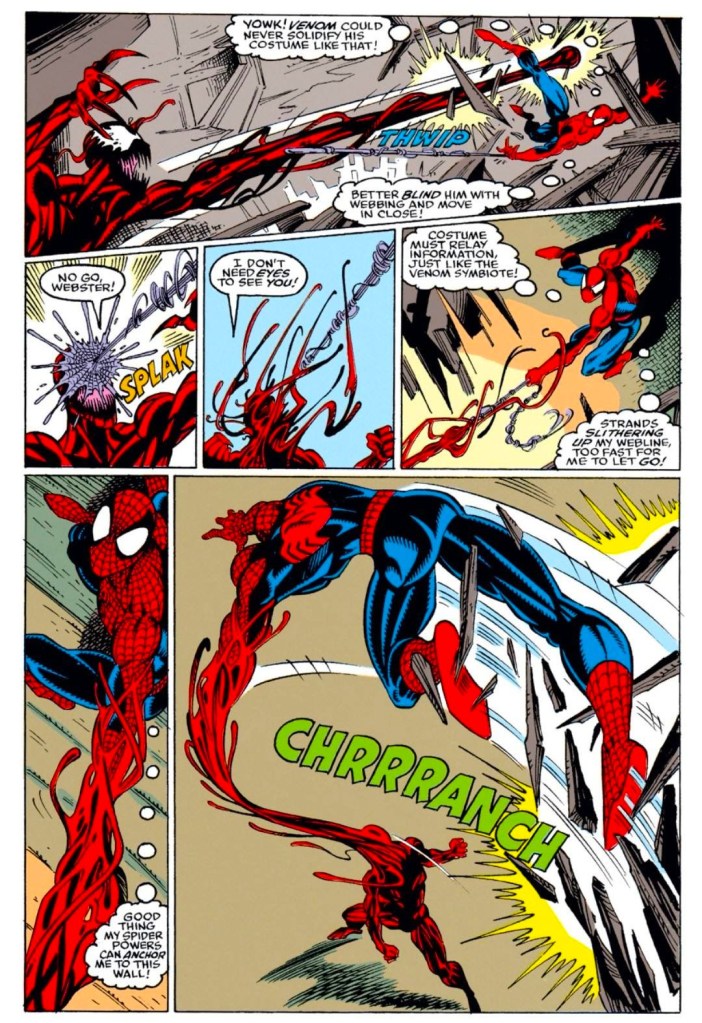
The first-ever battle between Spider-Man and Carnage is very intense to look at.

To make things very clear, this comic book has the first full appearance of Carnage which is Cletus Kasady with a living costume spawned from Venom’s symbiote. Kasady himself first appeared in Amazing Spider-Man #344 in 1991, and it is very clear that the creators deliberately modeled him after DC Comics’ super villain the Joker to have the psychopath appearance (distinctive messy hair, crazed facial expressions, slim body frames and the unusual jawline). Kasady and the Joker also have a nihilistic view of the world focused on spreading chaos while enjoying unrestrained violence.

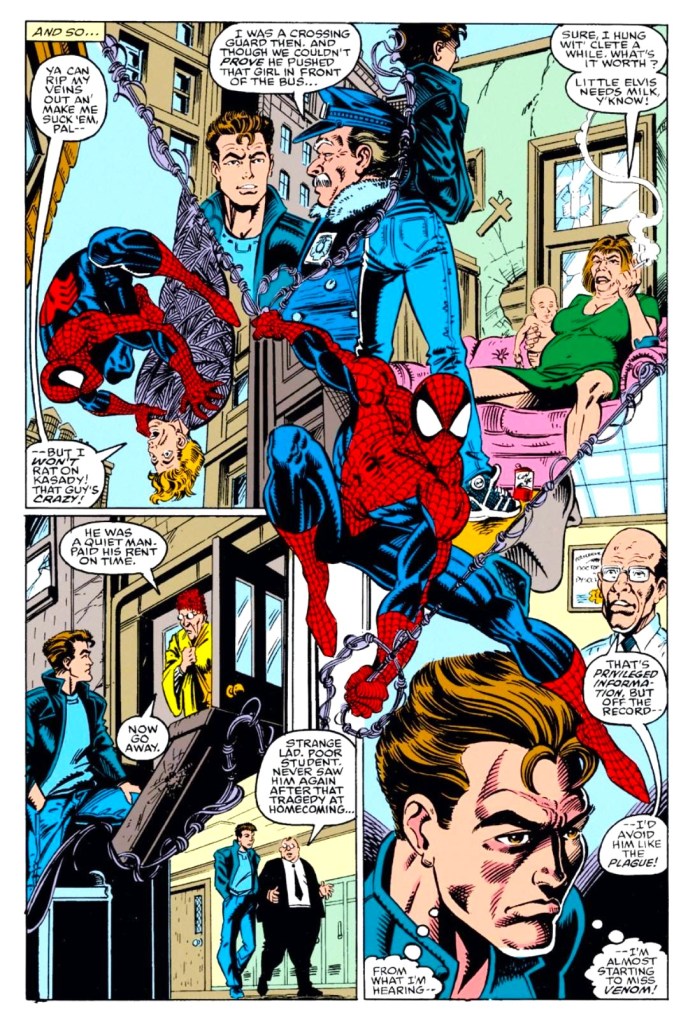
David Michelinie was really methodical when it came to build-up the tension, presenting key details and pacing the narrative when showing Carnage (who actually appears on the first page) and emphasizing the details about him (including Kasady’s background history and personality as observed by the witnesses who knew him). The appearance of Carnage in the first half was deliberately limited to ten panels and as the story moved on, details of him were revealed especially when Peter Parker did his own detective work. By the time Spider-Man and Carnage finally faced off with each other, the spectacle (action scenes) really ramped up high and the Michelinie-Bagley duo succeeded in showing Carnage being deadlier and unrelenting towards the webslinger.

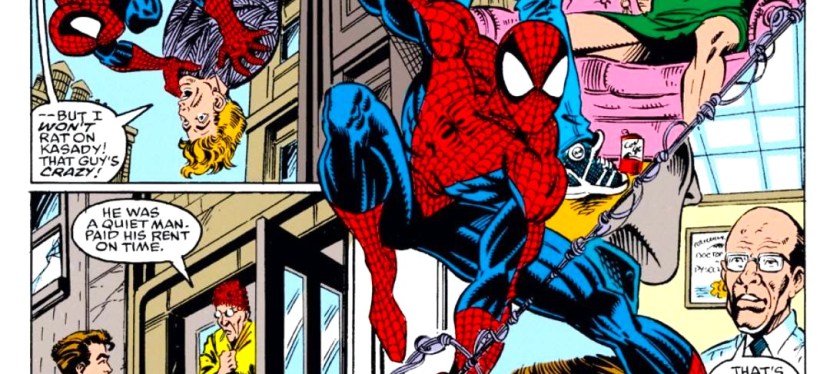
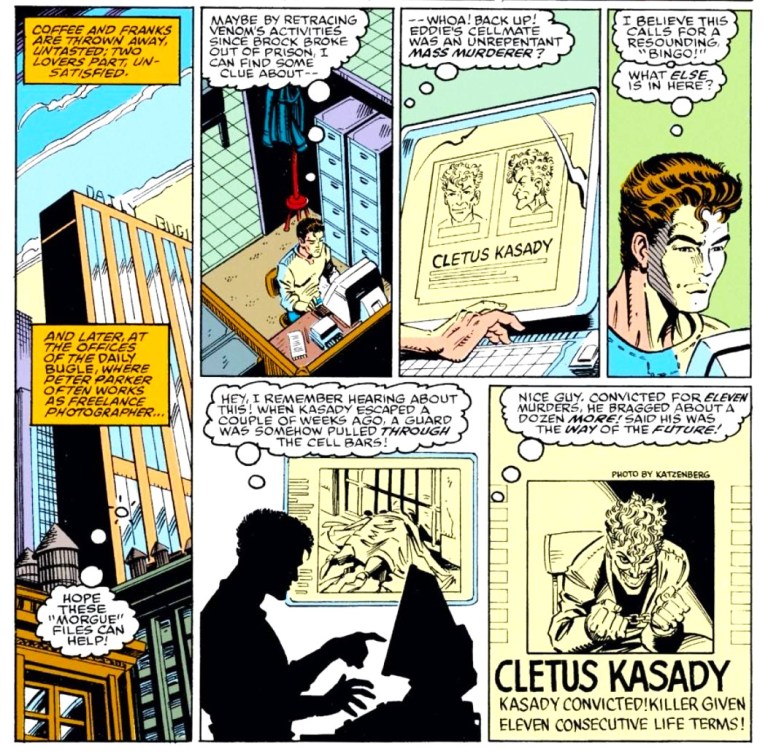
Spider-Man doing detective work in costume and in civilian form as Peter Parker. This is also one of the finest pieces of Spider-Man art done by Mark Bagley.

More on the iconic hero, Peter Parker here was portrayed as being highly disturbed by the recent murders of the city and the loss of his friend which compelled him to do very serious detective work leading up to his discovering of Kasady (and the eventual face-off in a ruined property where Carnage took refuge in). Parker also felt uneasy about remembering his recent encounter with Venom and the details of the murder reminded him of the old nemesis. The pacing here is excellent and as the narrative went on, the tension really intensified.

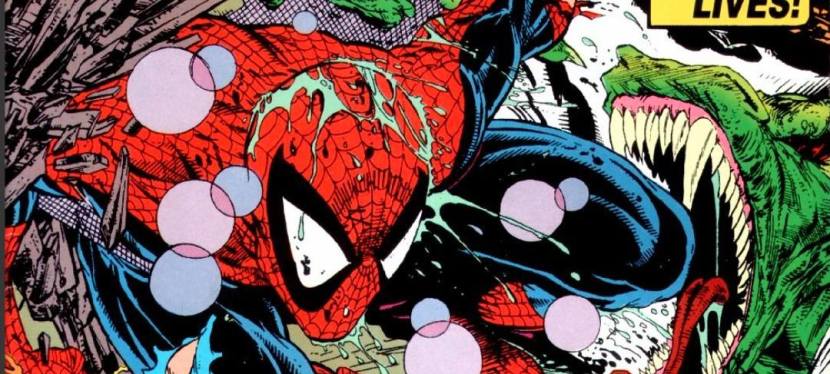
Spider-Man’s encounter with Carnage – which the cover art obviously emphasized without restraint – is really intense to look at. As he is completely unprepared as to what Carnage was capable of doing, the webslinger really struggled and was in danger in key moments. Carnage also has unique capabilities using the symbiote such as forming sharp blades and shooting small but sharp projectiles. If you want super villain-led moments of action that really challenged the superhero, you will find a good amount of that here. Also, I can say that Mark Bagley is very good in presenting the action scenes with dynamism, danger and intensity mixed together well.

Conclusion

The news image of Cletus Kasady on the lower-right corner is obviously patterned after Batman’s nemesis the Joker. That image really looks like it was ripped out of a Batman comic book.

Amazing Spider-Man #361 (1992) marks the very intense debut of Carnage and the way he was presented as the newest super villain for Spider-Man to deal with, he is nastier and deadlier than Venom (who would eventually have the delusion of protecting the innocent while remaining murderous). In fact, the way the battle between the two was executed here made me forget about Venom temporarily which shows the Michelinie-Bagley duo pulled the right moves in making this comic book. To be clear, Carnage is pure evil laced with insanity and with absolute disregard towards people. Both Carnage and Venom are murderers and they should be condemned always. It happens that Carnage is more disastrous and has no regard for human life, which ironically makes Venom looking a bit less evil by comparison.

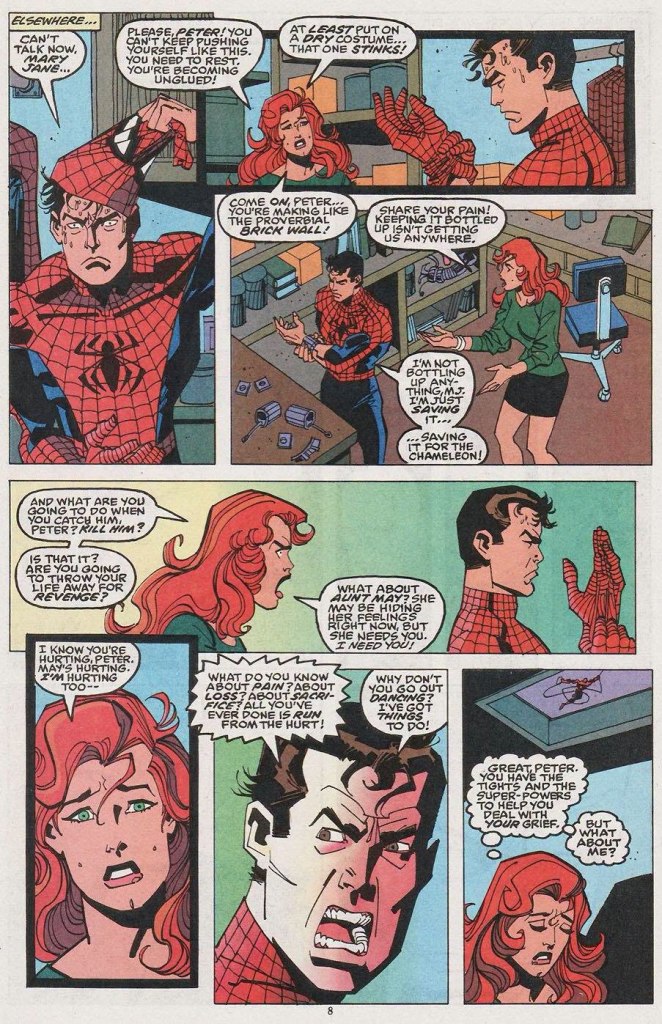
As for Spider-Man, his portrayal here is really dramatic and his superhero pursuits only added to the trouble of his marriage with Mary Jane. As such, you could end up feeling sorry for MJ even though Peter Parker himself wants to solve problems while protecting not only their lives but also the lives of the innocent.

Overall, Amazing Spider-Man #361 (1992) is highly recommended.

+++++

Thank you for reading. If you find this article engaging, please click the like button below, share this article to others and also please consider making a donation to support my publishing. If you are looking for a copywriter to create content for your special project or business, check out my services and my portfolio. Feel free to contact me with a private message. Also please feel free to visit my Facebook page Author Carlo Carrasco and follow me on Twitter at  @HavenorFantasy as well as on Tumblr at https://carlocarrasco.tumblr.com/ and on Instagram at https://www.instagram.com/authorcarlocarrasco
A Look Back at Spider-Man #4 (1990)

Welcome back superhero enthusiasts, 1990s culture enthusiasts and comic book collectors! Today we go back to the early 1990s and explore a part of the Marvel Comics shared universe through a tale of the Spider-Man monthly series.

Having reviewed the first three issues of the Spider-Man monthly series written and drawn by Todd McFarlane (click here, here and here), I can say that the 5-part Torment storyline has a daring concept, adulterated imagery and clunky storytelling. Issues #2 and #3 saw Spider-Man in violent battles with the Lizard who is clearly not himself but under the control of the Haitian witch Calypso. It is inevitable Spider-Man, who has been in a long-lasting disadvantage so far, will somehow meet Calypso face to face.

With those details laid down, here is a look back at Spider-Man #4, published in 1990 by Marvel Comics with a story written and drawn by Todd McFarlane. This is the 4th chapter of the Torment storyline.

The cover.

Early story

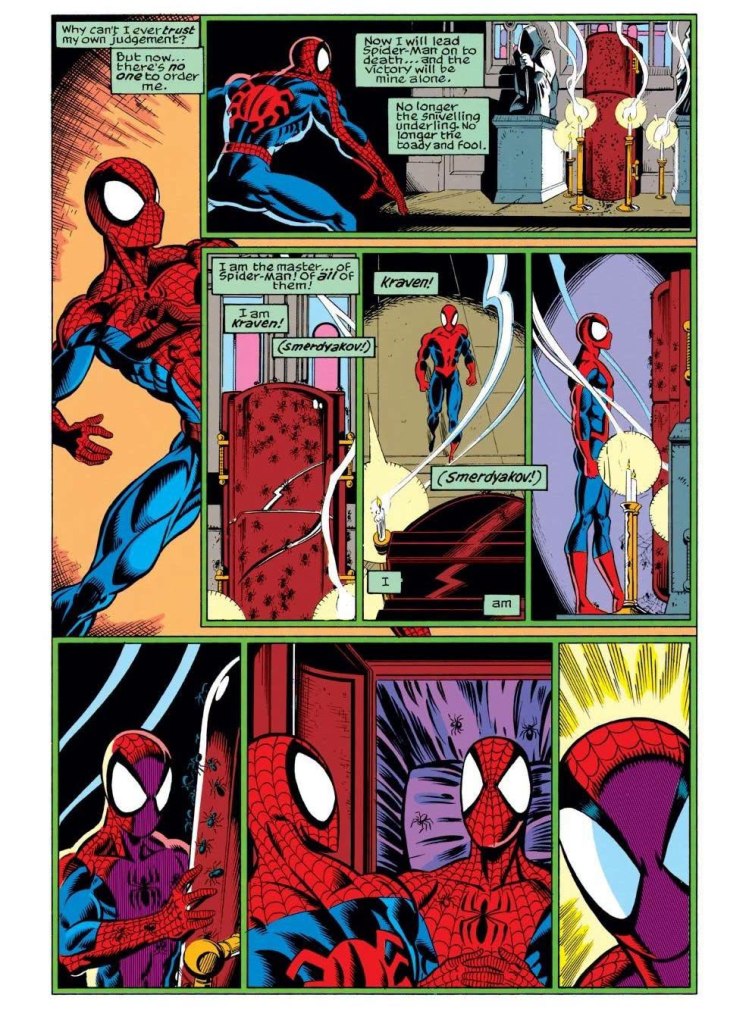
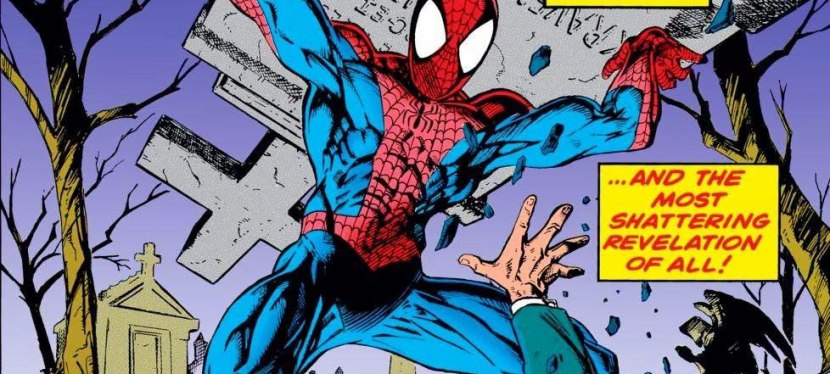
The story begins in a dirty alley deep within New York City. An exhausted and disoriented Spider-Man is shocked to see a grotesque looking Kraven with the vicious Lizard beside him. The moment made him remember what happened as a result of his previous with Kraven (note: refer to the Kraven’s Last Hunt storyline) which includes him getting buried temporarily with a grave designated to him.

Eventually Spider-Man sees through the illusion and realizes that Kraven is not in front of him but Calypso with the Lizard still under her full control. With an unspoken command from Calypso, the Lizard moves towards the weakened Spidey and carries him bodily…

Quality

This portrayal of Mary Jane having a good time again in the city without her husband is clearly filler and it did not add anything to the plot.

As anticipated, the webslinger finally met the Haitian witch who had been controlling the Lizard all along. With a mostly slow pace, the story has Spider-Man being helpless in the presence of two powerful enemies and McFarlane stylishly dramatizes moments from Calypso’s past showing her acceptance of evil ways (witchcraft), her personal connection with Kraven and her desire to have a new sacrifice done.

With Spider-Man restrained a lot for most of the story, it was not surprising to see Calypso have a good share of the spotlight to herself and the Lizard is clearly portrayed as her enforcer and assistant contrasting what was presented in the first 3 issues.

Unsurprisingly, the storytelling feels choppy although the slow pace allows readers to grasp Calypso’s intentions and her main purpose in the entire storyline. The lack of spectacle allowed McFarlane to implement long segments of suspense mixed with horror. With Spider-Man doing not so much, he’s technically a supporting character symbolizing the reader’s curiosity.

Conclusion

There is nothing like waking up in the presence of two evil figures while being restrained.

Compared with the previous, Spider-Man #4 (1990) does not have much to show and has even less entertainment value. Unless you are a die-hard fan of Calypso (so twisted and demonic under McFarlane’s handling), this particular story won’t mean much to Spider-Man faithful. The webslinger is still helpless but this is all part of the build-up for the fifth and final chapter.

In fairness, what was shown here might inspire fans to revisit Kraven’s Last Hunt and read past Spider-Man comic books showing Calypso’s connection with Kraven (note: Spider-Man and Calypso were present in Amazing Spider-Man #209). In my view, this comic book is not terrible but it does not have much entertainment value nor does it have anything engaging to show. I don’t feel so motivated to proceed with issue #5.

Overall, Spider-Man #4 (1990) should be avoided.

+++++

Thank you for reading. If you find this article engaging, please click the like button below, share this article to others and also please consider making a donation to support my publishing. If you are looking for a copywriter to create content for your special project or business, check out my services and my portfolio. Feel free to contact me with a private message. Also please feel free to visit my Facebook page Author Carlo Carrasco and follow me on Twitter at  @HavenorFantasy as well as on Tumblr at https://carlocarrasco.tumblr.com/ and on Instagram at https://www.instagram.com/authorcarlocarrasco
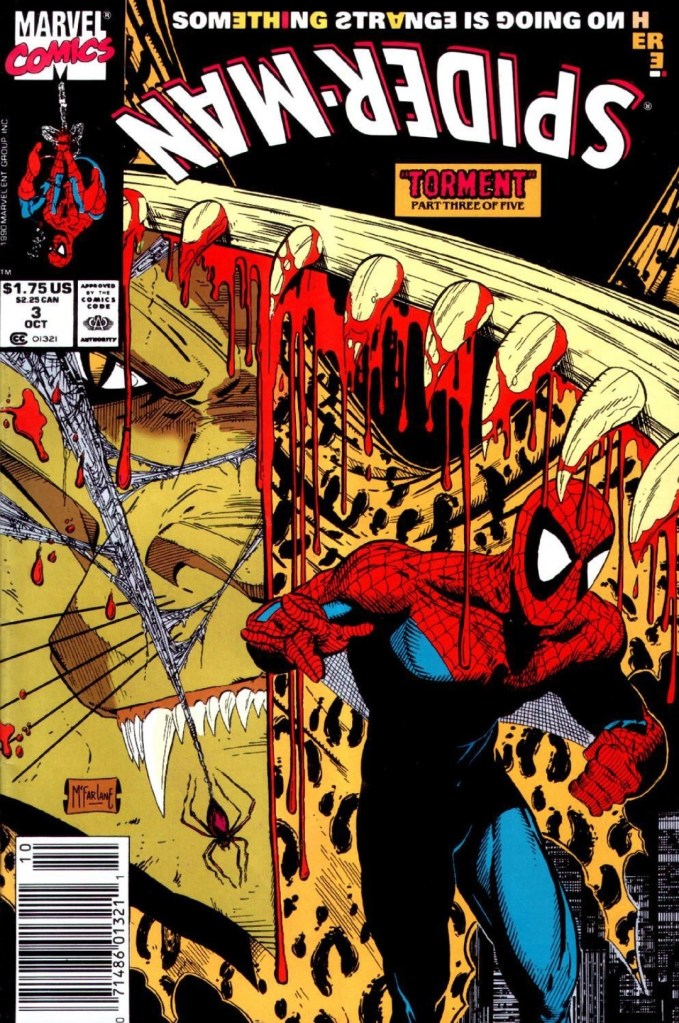
A Look Back at Spider-Man #3 (1990)

Welcome back superhero enthusiasts, 1990s culture enthusiasts and comic book collectors! Today we go back to the early 1990s and explore a part of the Marvel Comics shared universe through a tale of the Spider-Man monthly series.

I previously reviewed issues #1 (click here) and #2 (click here) which were also the first two chapters of the Todd McFarlane-led Torment storyline. McFarlane had this grand vision of a dark and more violent concept of telling a Spider-Man story and it involved another rematch with the Lizard (Dr. Connors) and some connections with the Kraven’s Last Hunt saga of 1987 (read my retro reviews by clicking here and here). McFarlane’s vision was daring but his writing style and the sub-par quality of his storytelling really brought down the overall quality of Spider-Man #1 and #2.

With those details laid down, here is a look back at Spider-Man #3, published in 1990 by Marvel Comics with a story written and drawn by Todd McFarlane. This is the 3rd chapter of the Torment storyline.

The cover.

Early story

The story begins at the rooftop of a building in New York City. Up there, the Lizard relentlessly attacks Spider-Man causing some damage on the building. Having recovered previously, Spider-Man manages to hold his ground and punches a solid structure that hit the Lizard hard.

Meanwhile at another part of the city, the evil Haitian Voodoo priestess Calypso communicates with the Lizard telling him to take the fight against Spider-Man easy, avoid killing him and make him suffer first. Calypso is obsessed with making the webslinger an example to the world.

The fight between Spider-Man and the Lizard continues causing even more damage. Spider-Man, who has been poisoned, is having trouble concentrating as the Lizard keeps attacking him violently. Spider-Man wonders why the Dr. Connors’ (the Lizard) blood lust is so consuming…   

Quality

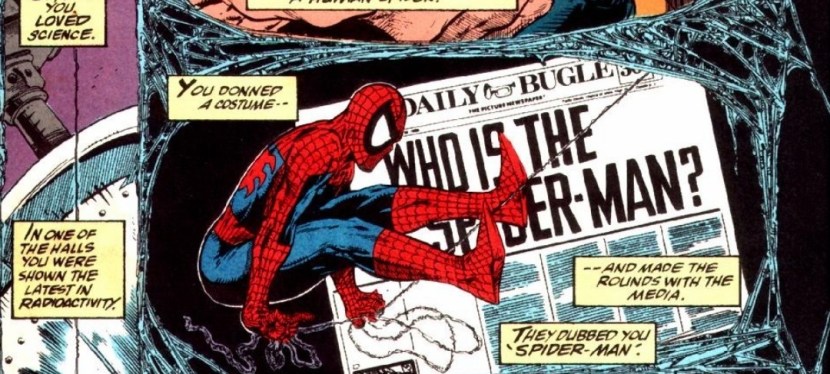
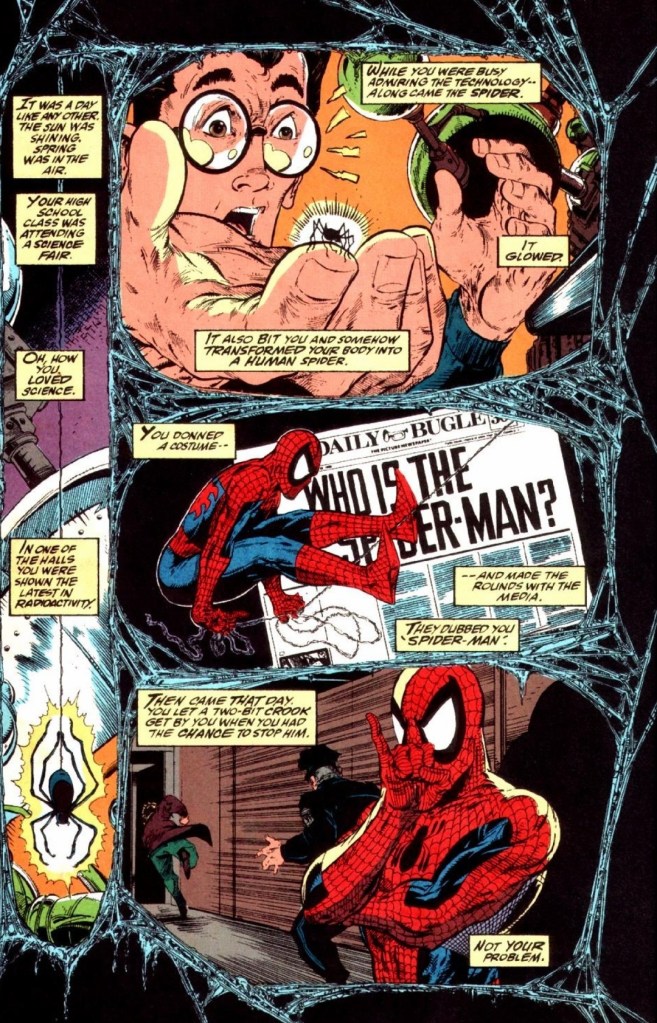
Todd McFarlane’s way of visualizing Spider-Man’s origin.

To get straight to the point, this comic book is simply a natural progression of the hard-hitting conflict between Spider-Man and the Lizard that started in the previous issue. In fact, this comic book shows the resumption of the battle (after a pause happened in the late stage of issue #2 showing the fight temporarily halting which gave Spider-Man some minutes to rest).

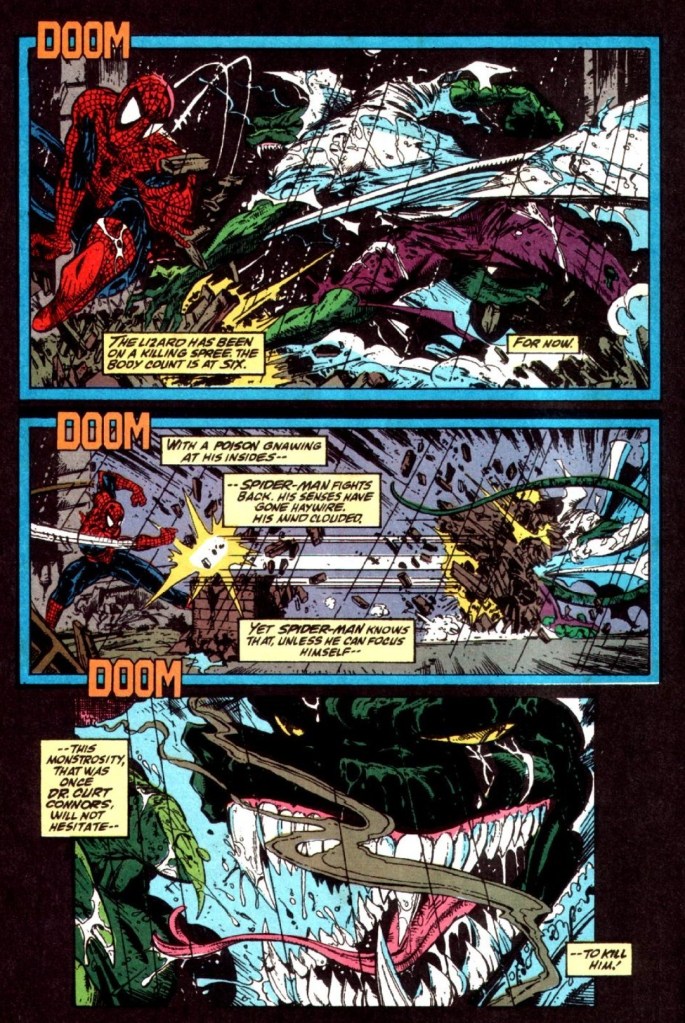
At this stage, Spider-Man has gotten even more vulnerable and damaged. Apart from struggling with the very violent attacks of the Lizard, his own spider sense becomes a major hindrance on his mind (he could not concentrate) as the sounds of “doom-doom-doom” caused by Calypso’s sorcery becomes very unbearable. Like the previous issue, Spider-Man gets close to death and if there is anything new here it is showing the iconic superhero messed up in the garbage.

Along the way, this comic book sheds some spotlight on Mary Jane Parker (Spider-Man’s wife) who has been spending time in the city dealing with the absence of her husband. The Mary Jane scenes felt more like filler to the script by McFarlane.

Conclusion

This comic book shows the resumption of the violent battle between the Lizard and Spidey.

Apart from continuing the story, Spider-Man #3 (1990) does not have much to show. Todd McFarlane’s visuals are great and consistently remained high (and even gory) on details, but his weak writing made this one a chore to read through. Being the 3rd chapter of the Torment storyline, this one is predictable and the pay-off is minimum. At this stage, it is clear that something huge is coming up on the last two chapters of the storyline.  

Overall, Spider-Man #3 (1990) is satisfactory.

+++++

Thank you for reading. If you find this article engaging, please click the like button below, share this article to others and also please consider making a donation to support my publishing. If you are looking for a copywriter to create content for your special project or business, check out my services and my portfolio. Feel free to contact me with a private message. Also please feel free to visit my Facebook page Author Carlo Carrasco and follow me on Twitter at  @HavenorFantasy as well as on Tumblr at https://carlocarrasco.tumblr.com/ and on Instagram at https://www.instagram.com/authorcarlocarrasco