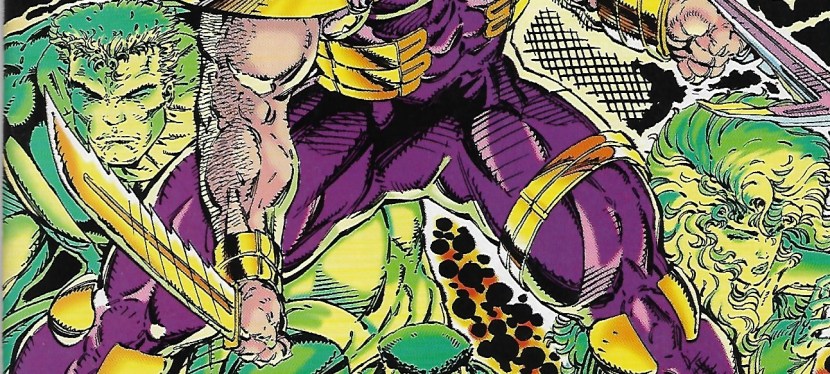
A Look Back At Ultraverse Premiere #0

What is the one thing I love most about superhero comics of the 1990s? It’s easy – the Ultraverse! Launched in 1993 by Malibu Comics during the late stage of what is now called the Comic Book Speculator Boom in Amerca, the Ultraverse was a line of superhero comic books featuring all-new characters and concepts which were the result of intense brainstorming by the founders of the Ultraverse.

Back in mid-1993 here in the Philippines, I first got to discover the Ultraverse through print ads in comic books and take note that the Internet was not yet publicly accessible. By June that year, I visited a comic book store in BF Homes, Paranaque and was astonished to see the store’s wall with multiple Ultraverse comic books on display. With my limited funds at that time, I only managed to buy Freex and Mantra . By the end of the evening, I greatly enjoyed what I read and became an Ultraverse fan ever since.

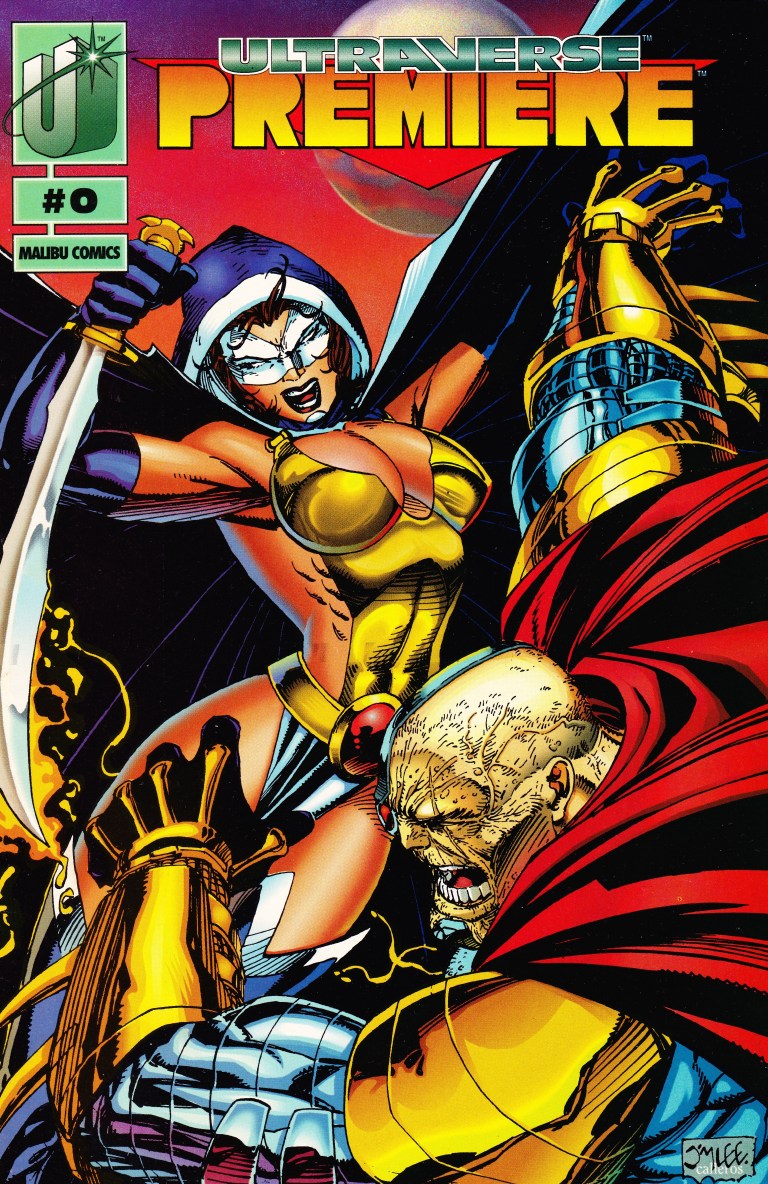
As the months passed by, I enjoyed reading more Ultraverse comic books. What was also fun to read were the special double-sized UV comic books, the Ultraverse Double Feature comic books (flip comic books) and then there was the Ultraverse Premiere #0 comic book which had a cover of Mantra drawn by the great Jim Lee! This is the one comic book I am taking a look back at.

UVprem1
The front cover drawn by Jim Lee!

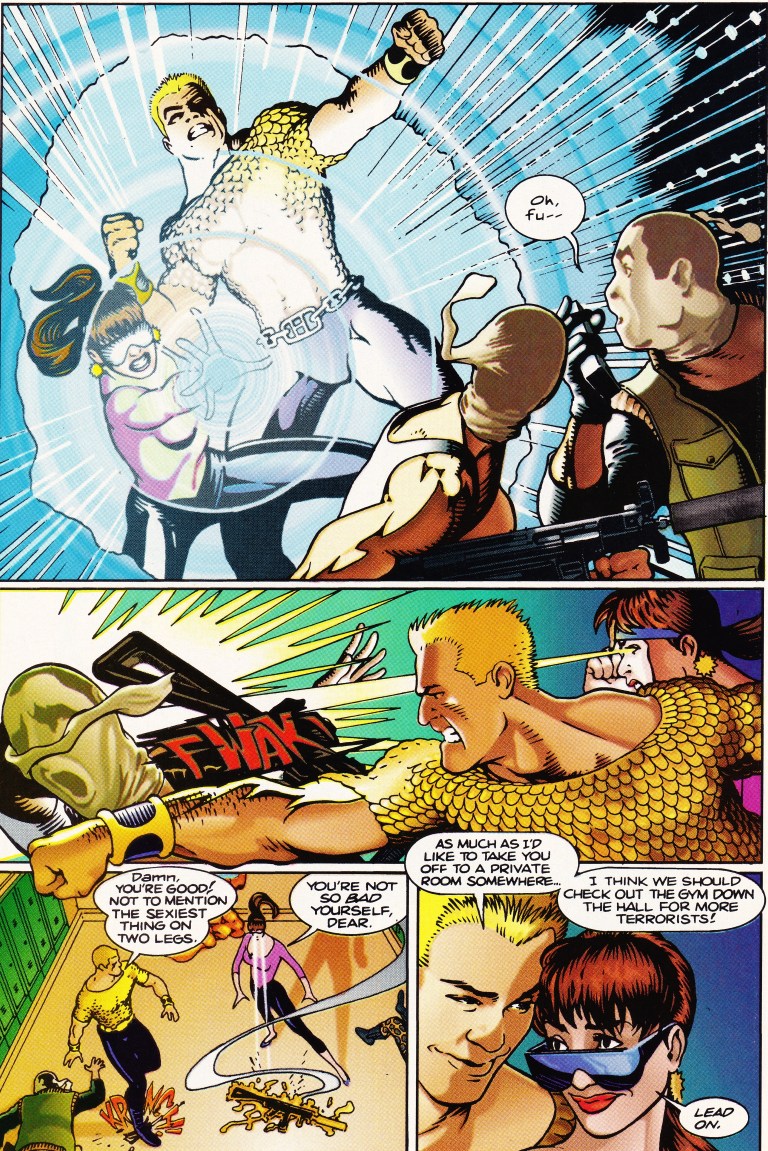
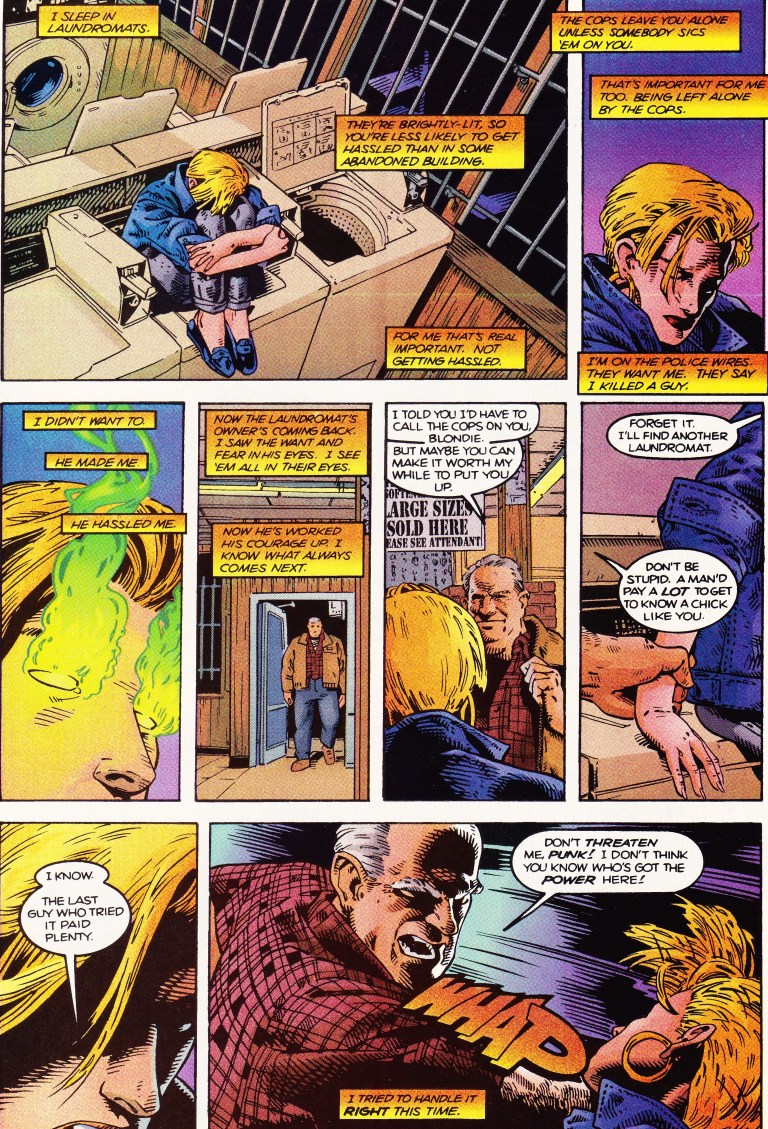
So what Ultraverse Premiere #0 and what made it special other than having a cover drawn by Jim Lee? Released in late 1993, the comic book is a showcase of separate stories featuring Prime, The Strangers, Rune, Hardcase, Mantra and Freex. It is also a showcase of the respective talents of a big mix of writers and artists that include Len Strazewski, Tom Mason, Gerard Jones, Steve Englehart, Barry Windsor-Smith, Rick Hoberg, James Hudnall, Mike W. Barr, Norm Breyfogle and others.

Given its release date, the stories served as preludes leading to the stories told in the launch comic books. For example, the Hardcase story shows Tom Hawke/Hardcase with his team called The Squad performing what turned out to be their last mission leading directly to the events that started Hardcase .

UVprem3
Tom Hawke/Hardcase with his lovely teammate during his time with The Squad.

The story of Mantra in the comic book however was presented more like a side-story. Lukasz is already shown as Mantra with her mystical powers and revealing outfit in place. The short story adds a nice perspective on the personality of Mantra as well as her burden of having to take care of a daughter.

The Rune segment meanwhile was a look at the making of the character involving Barry Windsor-Smith and his art. In the text written by Chris Ulm, what caught my attention was the following segment.

After writing up the concept in the Ultraverse bible, I shortly added Rune to “Fusion”, the story of a conspiracy to develop the ultimate biological weapon by a covert group called Aladdin.

UVprem4
This opening of the Freex short story starts very strongly.

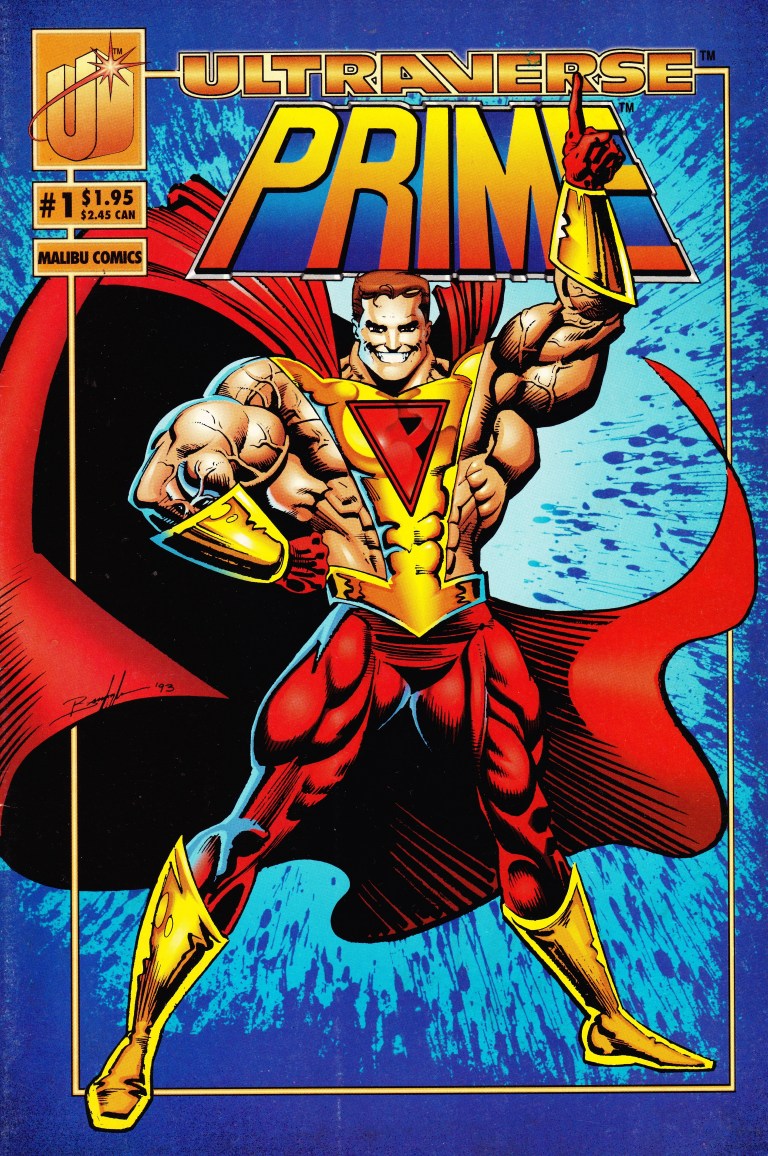
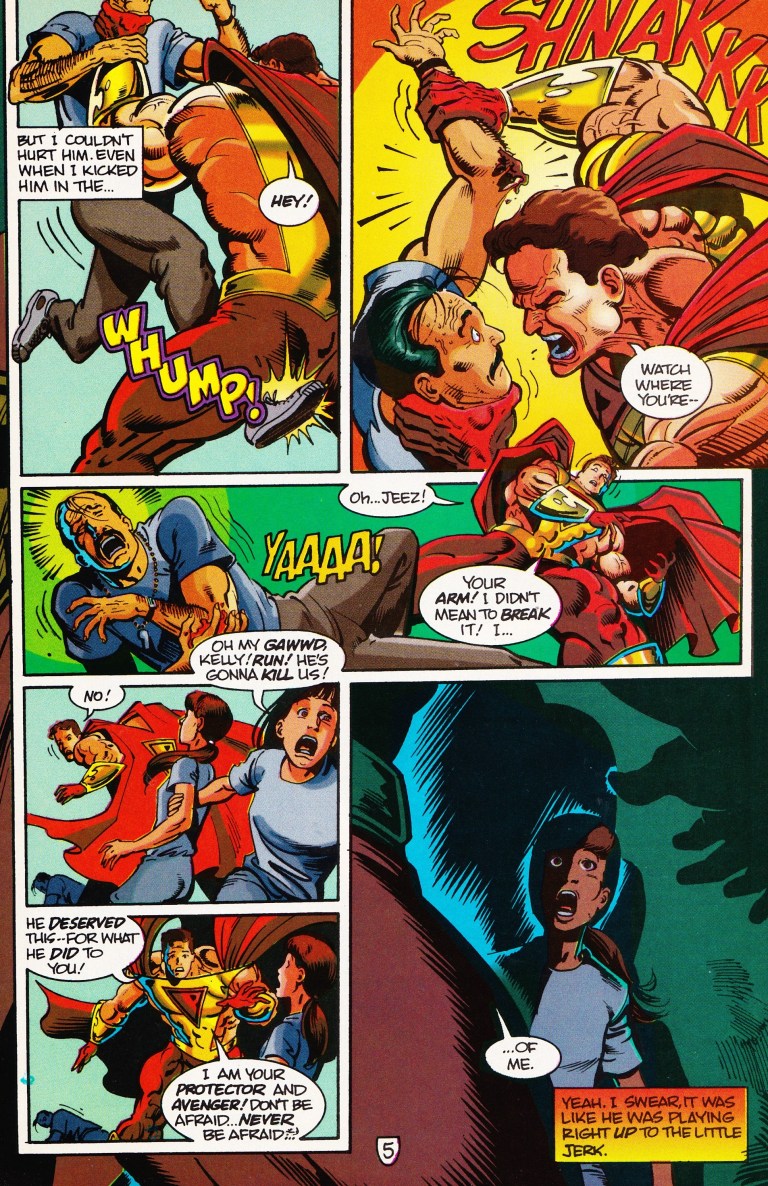
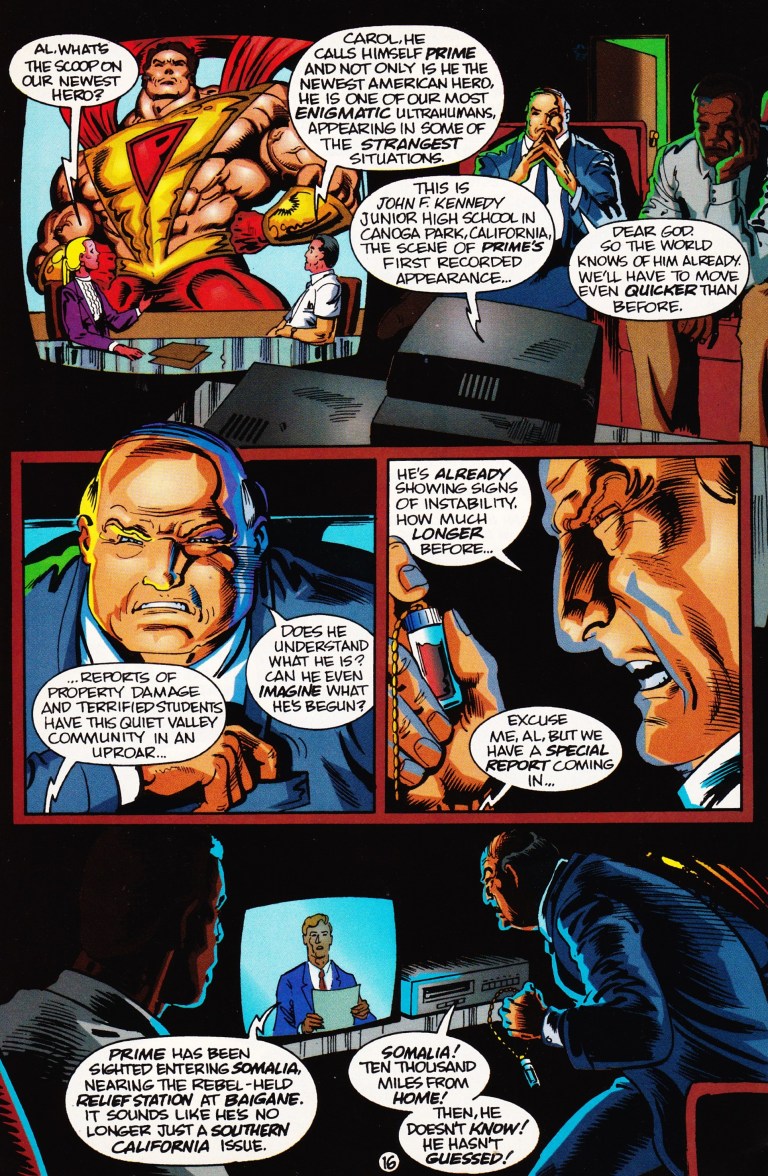
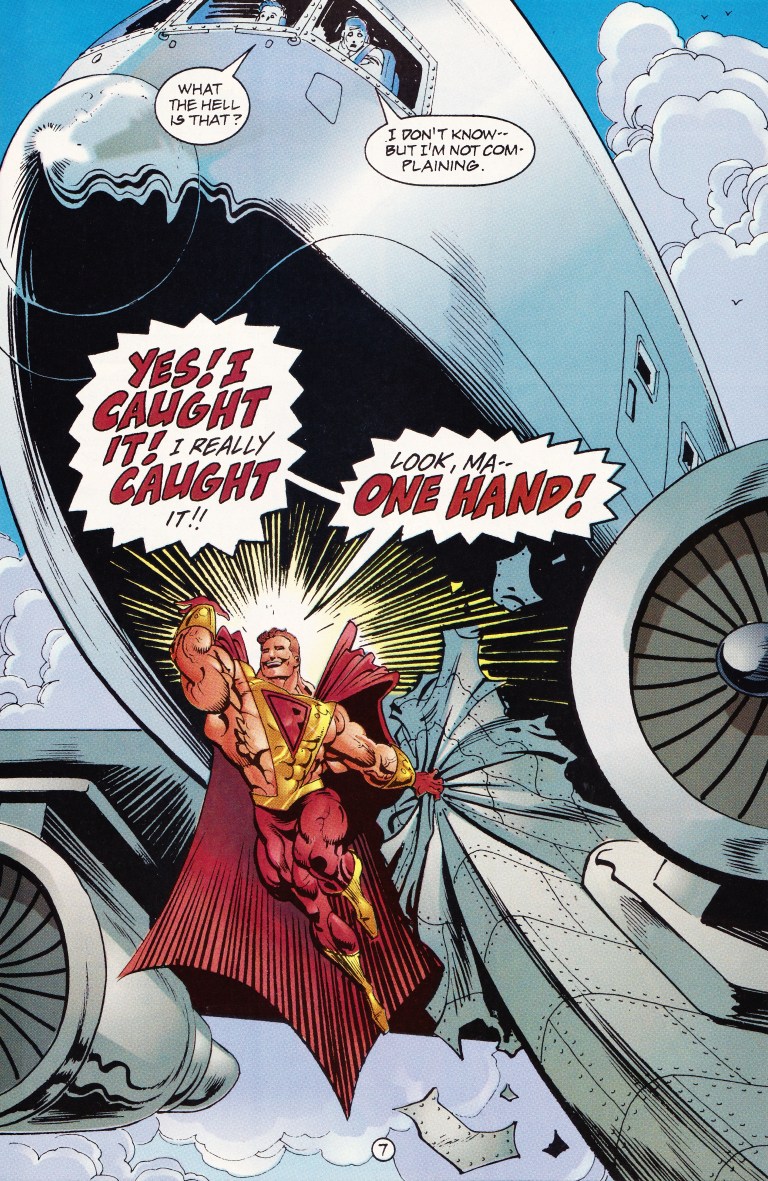
Of course, there is also the fine story of Prime by Len Strazewski and Gerard Jones with great looking art by the late Norm Breyfogle. Remember in the early pages of Prime when the overly muscular superhero claimed he saw the school coach touch the young girls? That got emphasized in the Prime short story in this comic book.

And then there is the one very memorable whole page art of Prime by Breyfogle.

UVprem2
I love this art of Prime by the late Norm Breyfogle.

The stories and art, in my view, were done with a lot of passion by the creators. They make Ultraverse Premiere #0 a worthy comic book to collect even though Marvel (which acquired Malibu Comics in the mid-1990s) screwed the Ultraverse and left the characters and concepts in limbo with no clear sign of any revival coming.

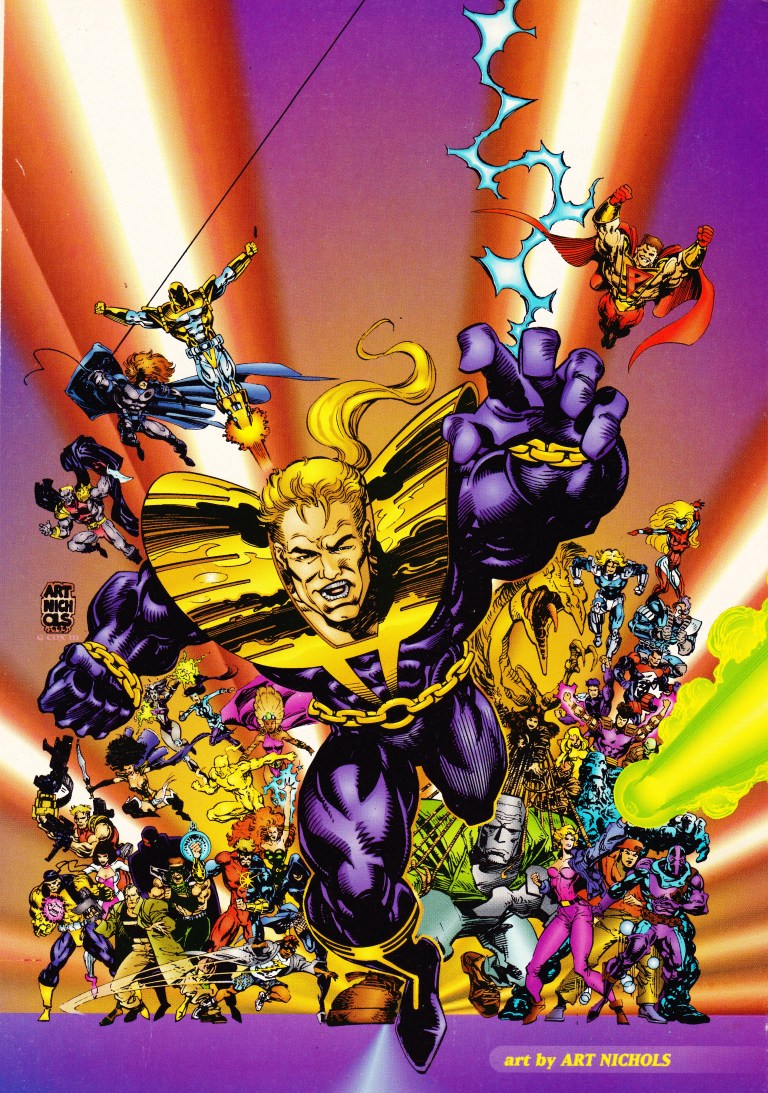
Last but not least, there is this great art of the Ultraverse characters done by Art Nichols at the rear of the comic book.

Ultraverse
The best back cover of any superhero comic book of the 1990s!

Art Nichols’ work on the back cover is fantastic and timeless in my view. It’s great multi-character art that truly captures the spirit of the Ultraverse!

If you are going out to buy old comic books, I strongly recommend Ultraverse Premiere #0.


Thank you for reading. If you find this article engaging, please click the like button below and also please consider sharing this article to others. Also my fantasy book The World of Havenor is still available in paperback and e-book format. If you are looking for a copywriter to create content for your special project or business, check out my services and my portfolio. Feel free to contact me as well. Also please feel free to visit my Facebook page Author Carlo Carrasco and follow me at HavenorFantasy@twitter.com
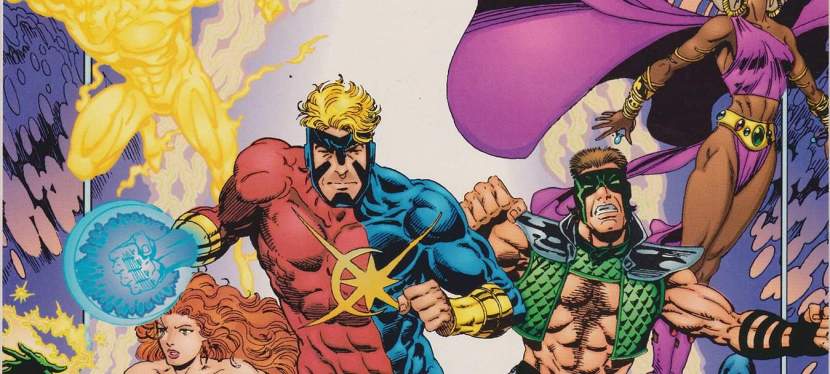


A Look Back At Prototype #1

There is nothing like witnessing a superhero use technology to fly around with high speed, blast with energy, lift heavy objects using extra strength and use whatever special features to beat the bad guys and save people from harm. I’m not talking about Marvel Comics’ Iron Man here. I’m talking about the Ultraverse parallel to him called Prototype and here is my retrospective review about the 1993 superhero comic book Prototype published by Malibu Comics.
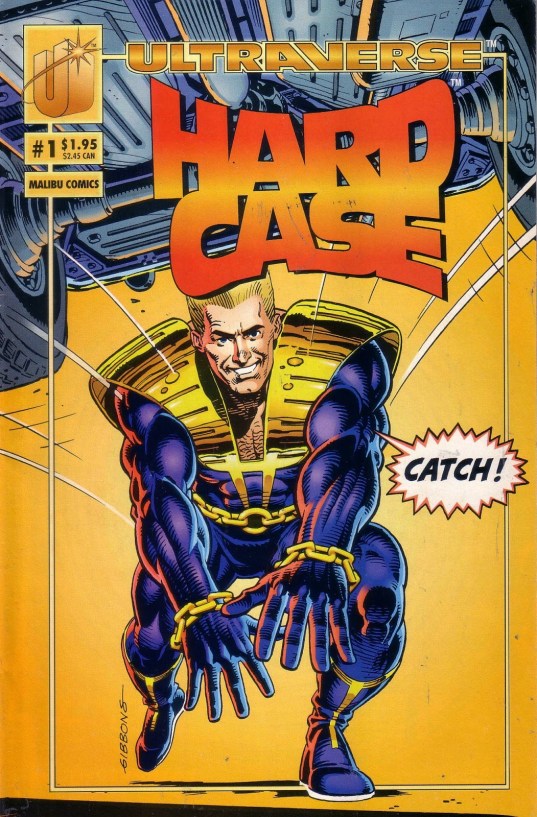
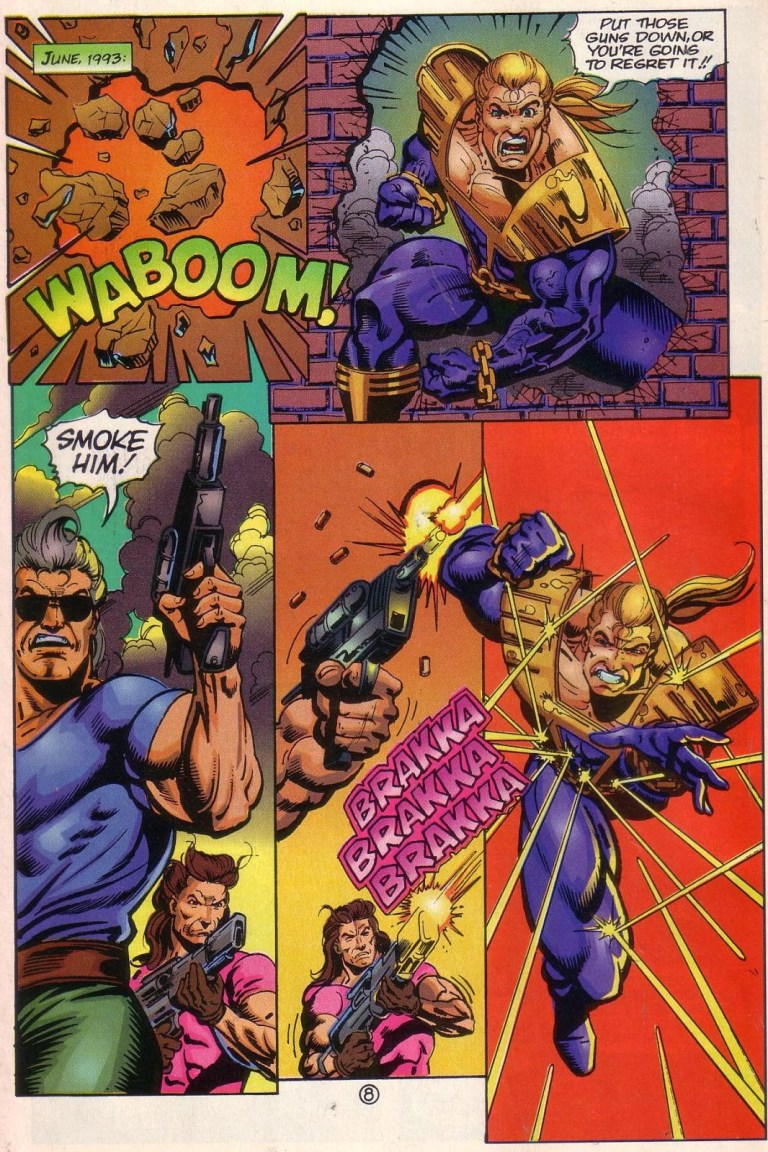
Proto1
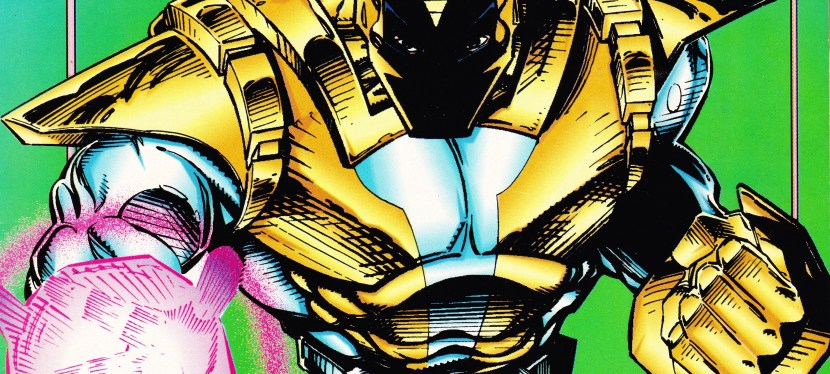
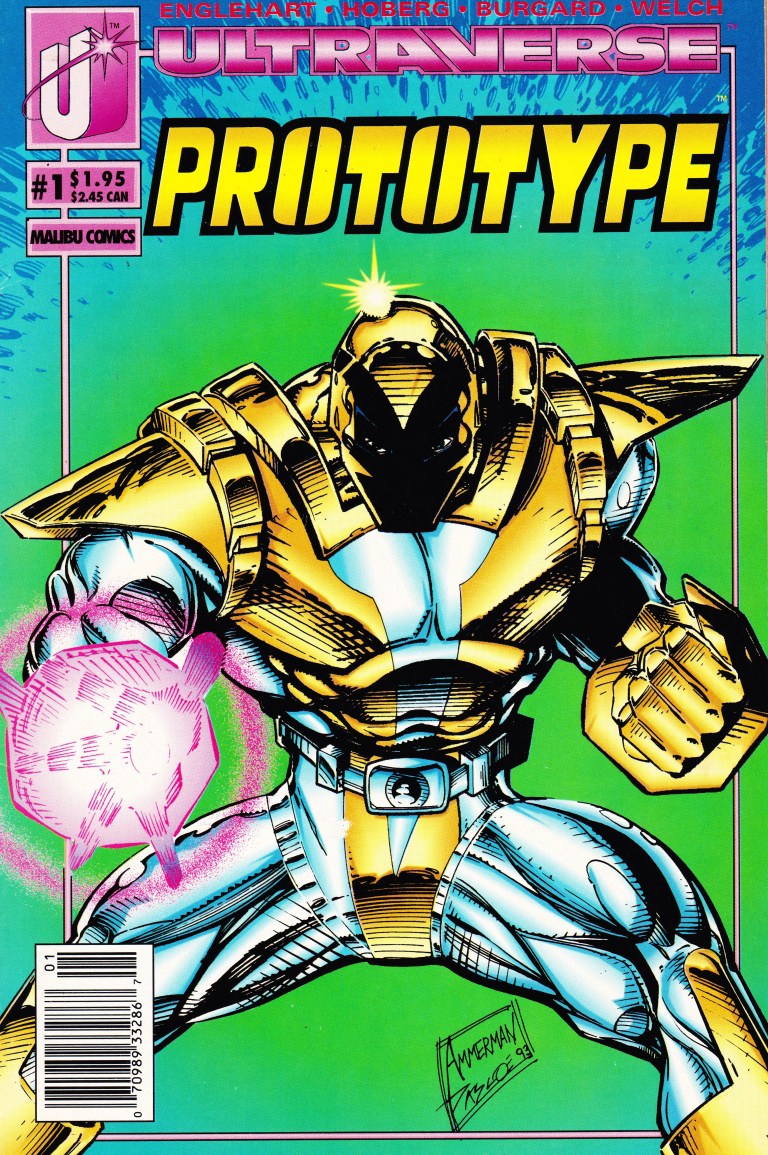
Prototype cover.

Co-written by Tom Mason and Len Strazewski with art by David Ammerman and James Pascoe, Prototype is the story of the armored figure called Prototype but there is one huge thing to take note here – the armored figure is actually a high-tech project of a corporation called Ultratech and it involves more than one person piloting it.

To put things in perspective, some time in the past the Prototype armor (which was very large and bulky) was piloted by Bob Campbell until a major incident happened during an aerial exhibition that cost him his right arm. Subsequently he got replaced by a much younger man named Jimmy Ruiz. In the present, Campbell is a PWD (person with disability) who was dismissed by the company which compelled him to sue them for age discrimination.

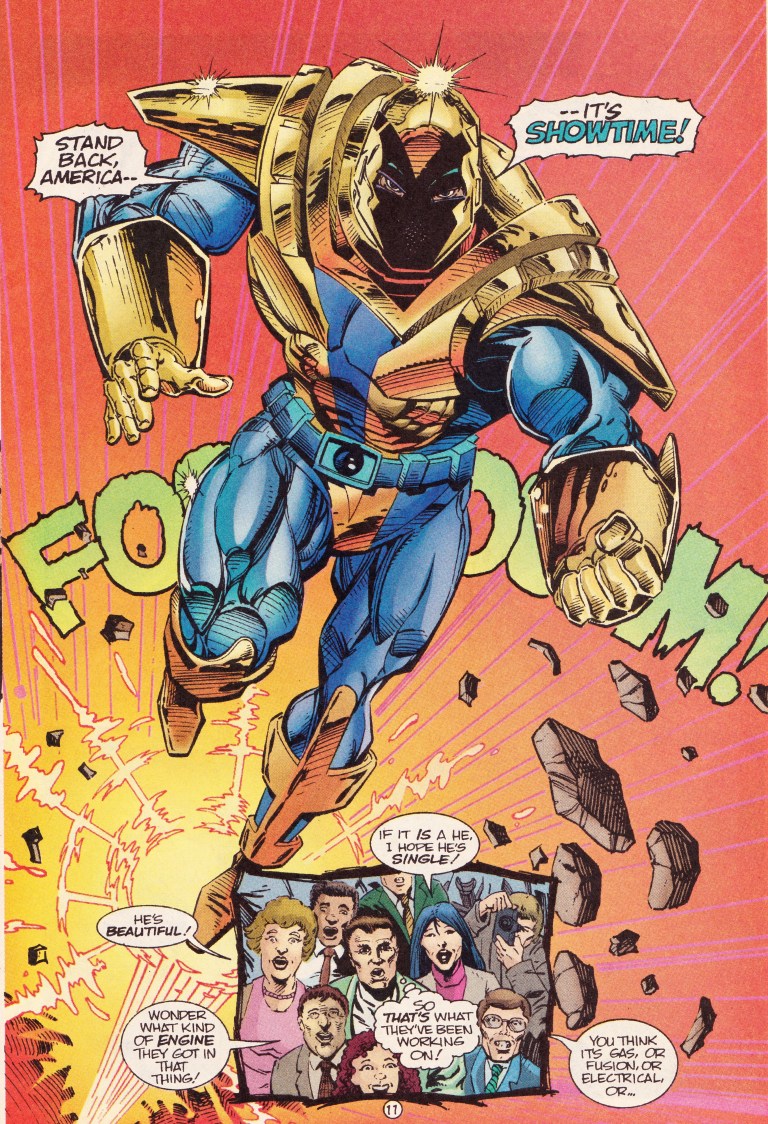
Then he attends the stockholders’ meeting of Ultratech which was organized to be lavish and showy. It is here where Prototype (piloted by Ruiz) makes an energetic appearance sporting a leaner looking armor that closely resembles a human being.

Ruiz says “Stand back, America…it’s showtime!”

Proto2
The leaner and meaner armor of Prototype.

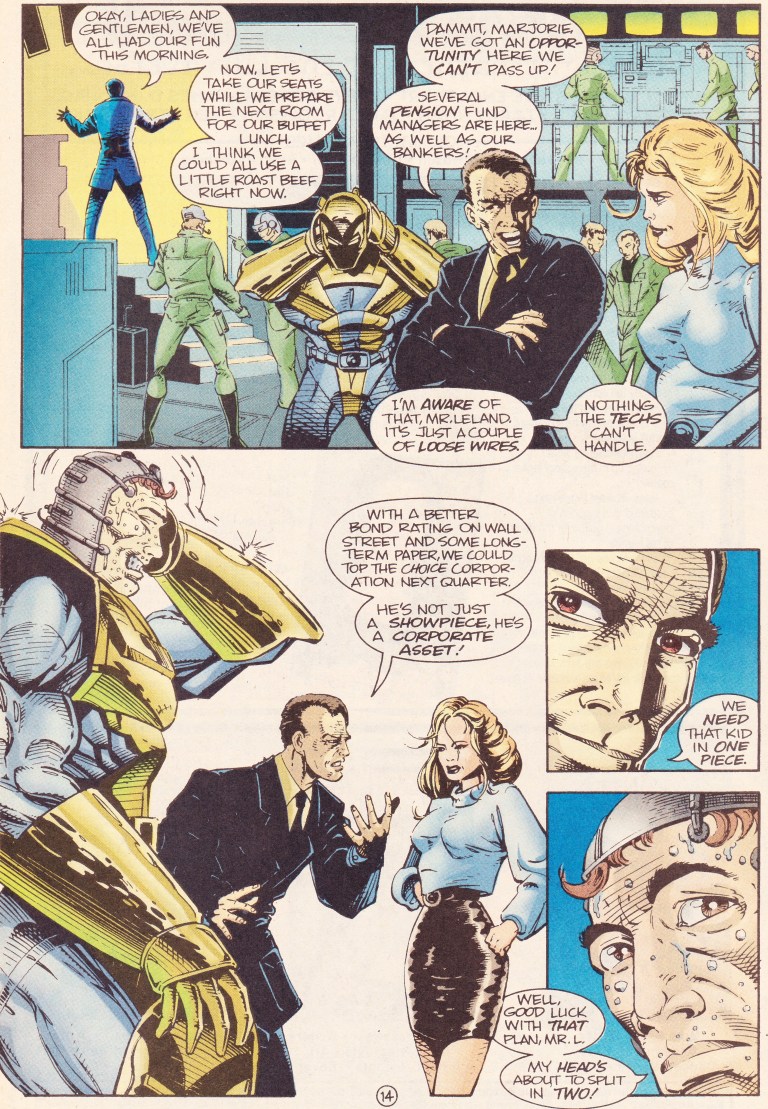
While showing off, Ruiz encounters some problems. He has not fully gotten used to the technology and his head feels like exploding. During the stockholders’ meeting, Bob Campbell causes some trouble prompting private security to escort him away. It turns out that Ultratech really distanced themselves from him.

Of course, the company is very happy with the Ruiz-piloted Prototype and they are confident their major financial bets will yield great results. Their executive Stanley Leland stated, “He’s not just a showpiece, he’s a corporate asset!”

Proto4
Jimmy Ruiz in the Prototype suit with the Ultratech executives.

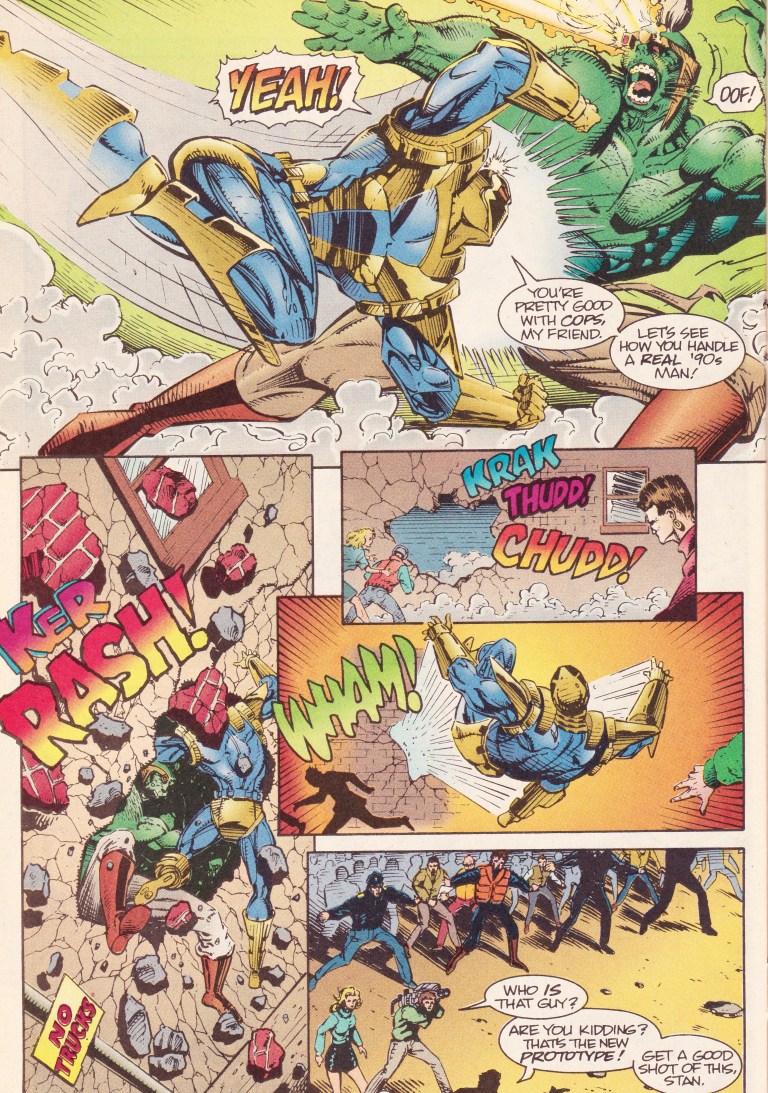
As this is a superhero story, life is not normal. As such an incident happens that, predictably, requires Prototype to take action (and entertain readers like you and I).

Technically the story was nicely told and its pacing flowed smoothly. There is a nice balance between spectacle, storytelling and character development. Ultimately by the time I reached the 24th page, I got a grasp of the comic book’s concept, the characters (especially the two pilots) and where the series was going.

Proto3
Action for you. Really nice job done by the artists.

How does this comic book compare with Iron Man? To say the least, the concept of a large corporation owning and controlling a high-tech suit of armor piloted by their employee is not only a nice alternative but a very engaging alternative to the Iron Man concept (super rich industrialist who wears a powered suit of armor and uses his special talent on technology).

The Ultraverse was the most interesting and most entertaining superhero line of comic books I read back in the 1990s and Prototype went on to become one of the major heroes of the franchise. Prototype went on to become part of UltraForce, a superhero team that had its short-lived comic book series (with famous artist George Perez doing the art in some issues) as well as a short-lived animated series based on the said comic book series.

Had the Ultraverse lasted longer, succeeded and profited, chances are Prototype would have been a major contender among all other superheroes from the different publishers  today and there would have been more merchandise and perhaps even video games based on the character.

If you plan to visit a local comic book store to buy old comic books, I highly recommend Prototype .


Thank you for reading. If you find this article to be engaging, please click the like button below and also please consider sharing this article to others. Also my fantasy book The World of Havenor is still available in paperback and e-book format. If you are looking for a copywriter to create content for your special project or business, check out my services and my portfolio. Feel free to contact me as well. Also please feel free to visit my Facebook page Author Carlo Carrasco.


A Look Back At Freex #1

I want to say that I am a fan of Marvel’s X-Men. Given the long publication history as well as how many creators – most notably Chris Claremont, John Byrne, Jim Lee and Whilce Portacio – defined and redefined them through the ages, the X-Men for me is the best superhero team comic franchise from Marvel.

Back in 1993, Malibu Comics launched a new line of superhero comic books called the Ultraverse and there I was inside a comic book store along Presidents Avenue, BF Homes, Paranaque one time struggling to decide which of the many Ultraverse launch titles displayed to buy with my very limited budget. As I was very fond of the superhero team dynamics of the X-Men, I bought Freex .

Freex1
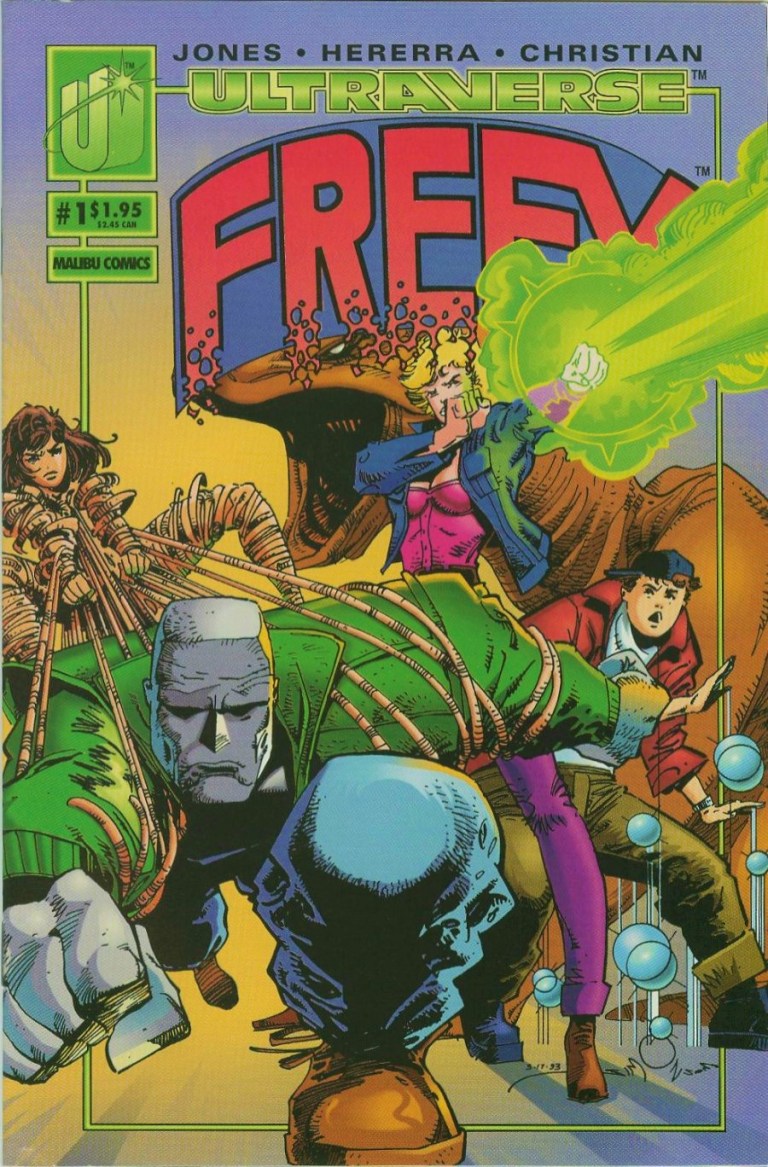
Cover of Freex .

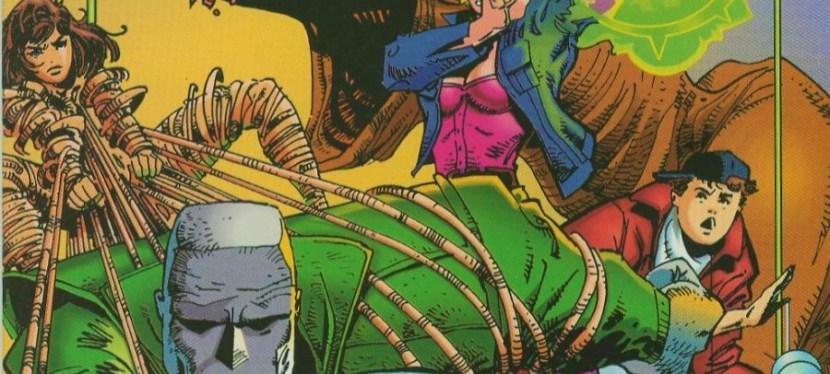
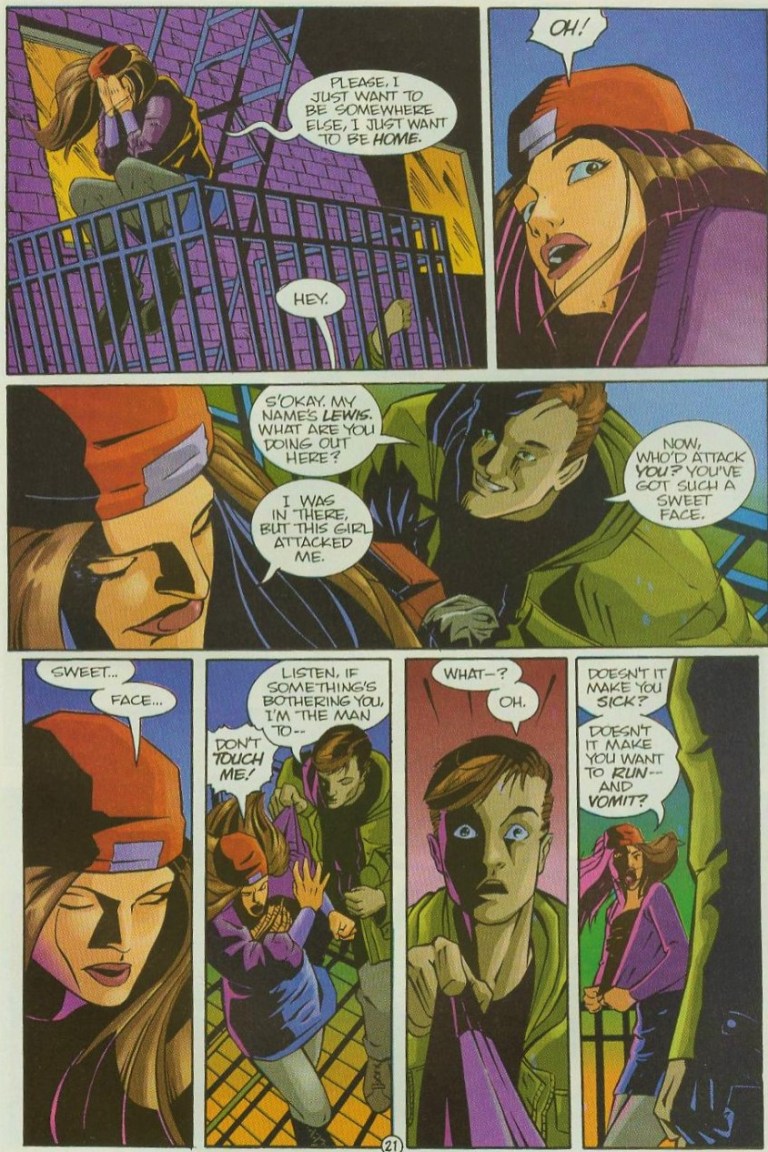
Written by Gerard Jones with art by Ben Herrera (inked by Mike Christian), Freex introduces Ray/Boomboy (a guy who lived hidden from the public due to his abnormal body), Valerie/Pressure (a very bitter lady who could produce steam or plasma out of sweat), Lewis/Anything (a guy who could reshape his body), Angela/Sweetface (who has several fleshy tentacles from her body) and Michael/Plug (a digital escapee).

The comic book emphasizes the five individuals’ respective struggles with not only their abilities but also with being social outcasts. This eerily parallels Marvel’s X-Men in more ways than one. The big difference is that the Freex do not have a mature adult to guide them nor do they have a large estate to hide and live in. Clearly the Freex are in a desperate situation to survive and realize their destiny.

In terms of storytelling, the pacing is fine and for the most part character development or spotlight was noticeably invested on three of the five Freex which is understandable since the comic book had only twenty-five pages of story and art. In terms of spectacle, there presentation is nice and the action scenes nicely reflect what the characters could do.

Freex2
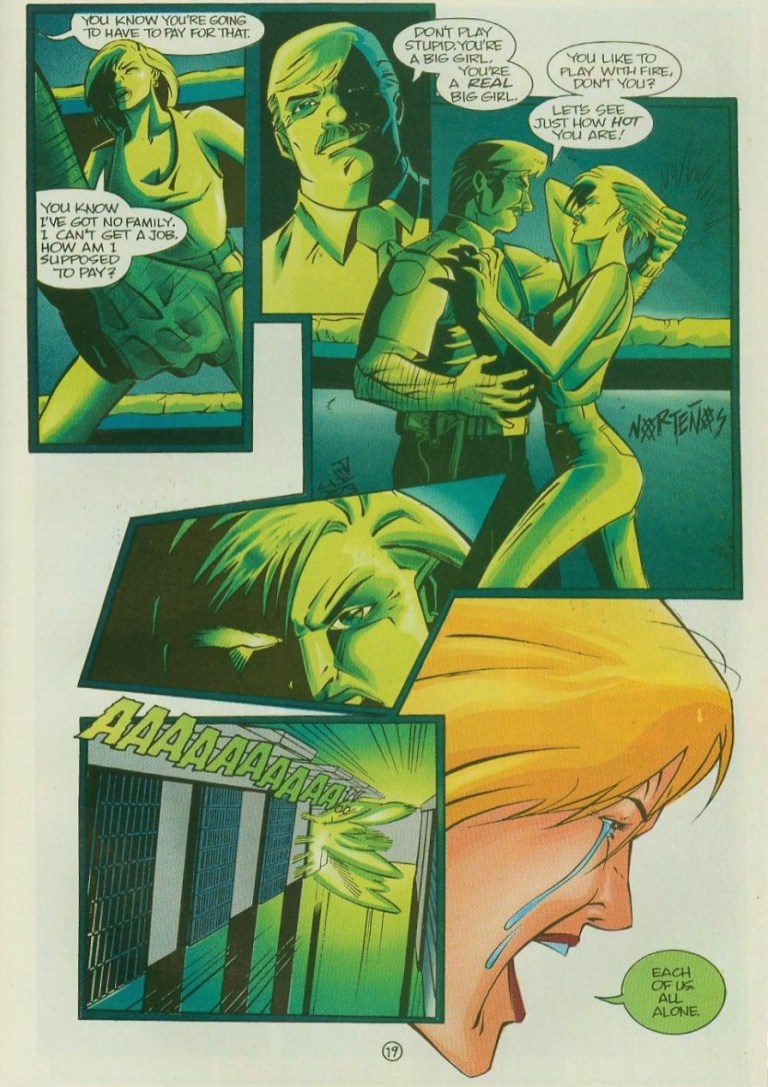
Valerie Sharp’s flashback.

Going back to character development, I find Boomboy’s back story to be the most interesting. Due to his rock-like appearance, his family had no choice but to hide him in the basement for an unspecified number of years. Unsurprisingly he became very lonely and he dealt with loneliness by reading a book about a certain literature classic.

Due to his high consumption related to his abnormal condition, Boomboy’s family realized that feeding him was too costly and they found a place where he could be transferred to and receive special care. Thinking that he would end up like a slave at the new place, Boomboy naturally rebels and forcefully leaves the house causing damage.

For the first time, Boomboy explores the suburban exterior while causing people nearby to panic as he looks like some monster to them. The uncertainty for him ended when Lewis meets and welcomes him.

Freex3
It truly is very hard to be social outcasts.

Very notably, Boomboy claims that “Huck” (actually Anything) saved him and went on to really believe in him.

Being an X-Men fan, I noticed that Freex has some similar themes with Marvel’s superhero team in the sense that there is a group of individuals with special abilities (or abnormalities as some would call them) who are noticeably rejected by members of the local society they live in. Valerie said it correctly: So we are here, right? Living in some locked-up squat, stealing to eat with the cops all over us!

Valerie’s words captured the desperate situation of Freex. They don’t have a mature leader to look up to. They cannot go back to where they came from. They cannot reunite immediately with the people who care for them. They are already rejected by the local authorities.

Overall, I find Freex as engaging as it was when I first read it way back in 1993. It has aged nicely with its fine mix of drama and spectacle composed with a more mature audience in mind. If you are a comic book collector looking for 1990s concepts or if you want something similar to the X-Men or even DC Comics’ Teen Titans, then I recommend this comic book.

It’s too bad that Marvel bought out Malibu Comics and shut them down. As of this writing, Freex and the rest of the Ultraverse characters and concepts are all in limbo and remain unused by Marvel for decades now.

Freex4
Freex with a stronger superhero look they adapted later in their short-lived comic book series.

Still I can imagine the unlikely scenario that Marvel Studios (under the orders of their parent company the Walt Disney Company) would revive someday the Ultraverse properties in a limited way without cannibalizing their very own superhero properties already in use in movies. I think Freex would make an interesting animated series or as a video game or as action figures. Truly there is still good entertainment potential with Freex similar to the other Ultraverse franchises.


Thank you for reading. If you found this article to be engaging, please click the like button below and also please consider sharing this article to others. Also my fantasy book The World of Havenor is still available in paperback and e-book format. If you are looking for a copywriter to create content for your special project or business, check out my services and my portfolio. Feel free to contact me as well. Also please feel free to visit my Facebook page Author Carlo Carrasco.

Author’s Note: This article was originally published at my old Geeks and Villagers blog. What you read on this website was an updated and expanded version. In other words, this newest version you just read is the most definitive version

A Look Back at Solitaire #1 of the Ultraverse

When you fight evil, you do it alone.

solitaire2
Solitaire in action in Solitaire published in 1993 by Malibu Comics under their Ultraverse line of comic books.

The concept of vigilante figures taking the fight against crime alone backed with resources (in the form of weapons) is a long running tradition in superhero comic books. DC Comics has its iconic Batman doing lots of detective work and fighting criminals many times on his own. Similar stories were seen with the Punisher and Daredevil over at Marvel.

When Malibu Comics launched the Ultraverse line of superhero comics in 1993, they added variety into the big mix. They had their own parallel to Marvel’s Punisher and DC’s Batman in the form of Solitaire and they boldly launched a comic book series of the character.

Released in late 1993 with story by Gerard Jones and art by Jeff Johnson and Barb Kaalberg, Solitaire introduced readers to Nicholas Lone who wears a purple-and-blue costume with mask and fights criminals as Solitaire. He’s not just a brave, tough guy who daringly goes against thugs. He’s is very talented with martial arts, acrobatics and weapon use.

The comic book begins when thugs working for a crime lord called the King are about to catch a helpless lady who gets saved by Solitaire. The hero easily outmaneuvers the bad guys and he proved to them that he really is hard to hurt.

At his headquarters, the King made it clear to readers that Solitaire has been a problem to him for some time already and feels bad when the hero disrupts his operation. Solitaire meanwhile prepares himself for the next move against the King by returning to his hideout (an old theater), doing some research by computer and coordinating with his contacts on the streets.

Regarding the quality of the comic book, I say the script is nicely paced as it does a good job introducing Solitaire to readers while still having spare spotlight for the King. Within twenty-five pages, the hero got clearly defined as a man of action as well as a person with a purpose. His fight against crime is defined by key parts of his past especially with the fact that his own father – Antone Lone – is a crime lord.

When it comes to super powers, Solitaire has very quick reflexes which makes him a hard target for armed thugs. He also has healing factor which works rapidly and gives him a major advantage over the bad guys. In fact, the presence of the healing factor (which works like that of Wolverine) makes Solitaire more daring and more willing to take risks engaging the bad guys with violence. He can get stabbed and his body can be shot with several bullets and still he will recover quickly to get the job done.

Solitaire is indeed super and yet there is something intriguing with his personality. Apart from being the son of a crime lord, Nicholas Lone’s acquisition of his powers is a painful mark on him personally. This was because his father gave him those powers as a result of his attempt to commit suicide. The powers are the result of the installation of nano-machines into his body.

solitaire1

Overall, Solitaire is a good and intriguing read. It really comes with a flavor that makes it distinct from other superhero-versus-criminals stories and the introduction of Solitaire alone is worth the cover the price. If you can find copies of Solitaire on the back issue shelves of the comic book stores, I recommend buying it as well as the other issues.

It’s too bad that the Ultraverse ended after Marvel Comics acquired Malibu Comics back in the 1990s because like Prime, Hardcase and Prototype, Solitaire is very unique and intriguing at the same time. In my opinion, Solitaire is the most defining crime fighter of the entire Ultraverse and it’s too bad stories featuring him are not too many.

Thank you for reading. If you enjoyed this article, please click the like button below and also please consider sharing this article to your fellow comic book geeks and Ultraverse fans. Also my fantasy book The World of Havenor is still available in paperback and e-book format for you to order.

Author’s Note: This article was originally published at my old Geeks and Villagers blog. What you read on this website was an updated and expanded version. In other words, this newest version you just read is the most definitive version


A Look Back at Hardcase #1

hardcase1
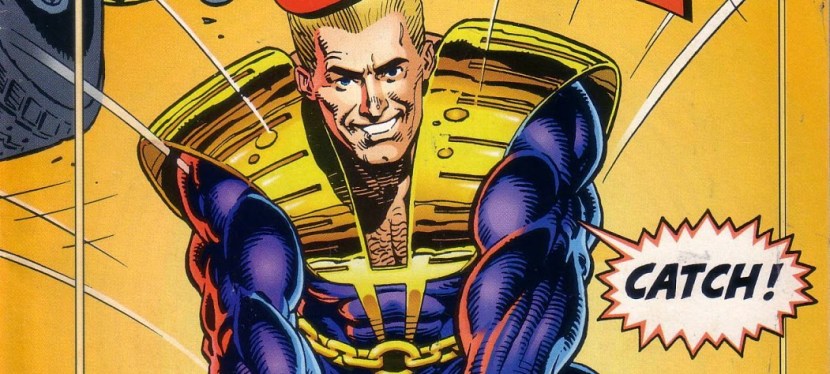
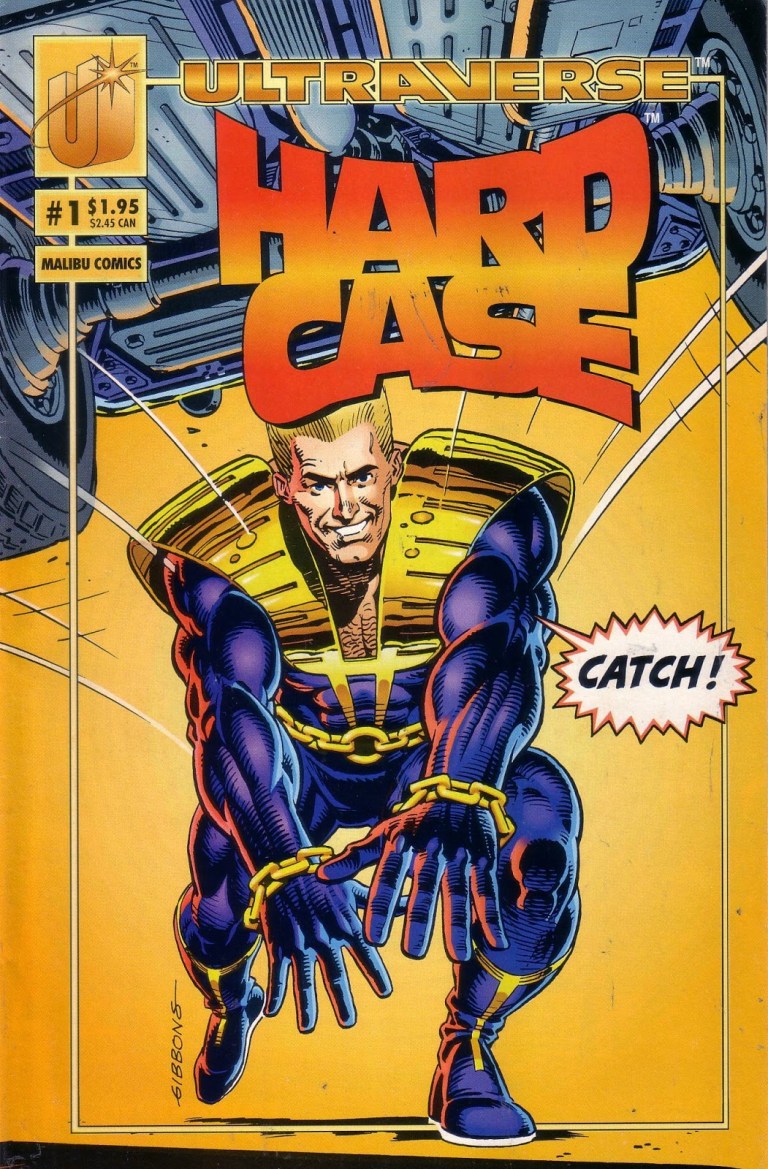
Hardcase ’s cover has always been very captivating to look at.

Released in mid-1993 from Malibu Comics under its Ultraverse line of superhero comic books, Hardcase introduced readers to Tom Hawke who is an actor who went from a wanna-be to a celebrity. The story – written by James Hudnall and drawn by Jim Callahan – is not that simple and took a layered approach to presenting the protagonist’s exploits.

The comic book starts with a deeply hurt Tom Hawke (who was not yet Hardcase) whose three teammates D.J. Blast, Forsa and Starburst (his love interest) were being killed by a large robotic enemy whose head, jaw and color eerily resembled that of Xenomorphs in the Alien movies popularized by directors Ridley Scott and James Cameron.

In a desperate effort, D.J. Blast charged himself up to cause a desperate powerful explosion to destroy the enemy but not before Hawke took Starburst with him and jumped far away to escape the blast.

Unsurprisingly survival became hollow for Hawke as he struggled not only to recover from his injury but also deal with the critical condition of Starburst whose doctor confirmed that she sustained serious brain damage and that she was unlikely to recover.

Filled with grief and even guilt, Hawke struggled to change for the better and by utilizing his superhuman talent he eventually went into showbiz as an actor. In the present he got into making movies (during which he wore the costume that defined him in the comics), earning lots of money and talking with varied showbiz professionals on projects.

hardcase3
Hardcase doing movie production work.

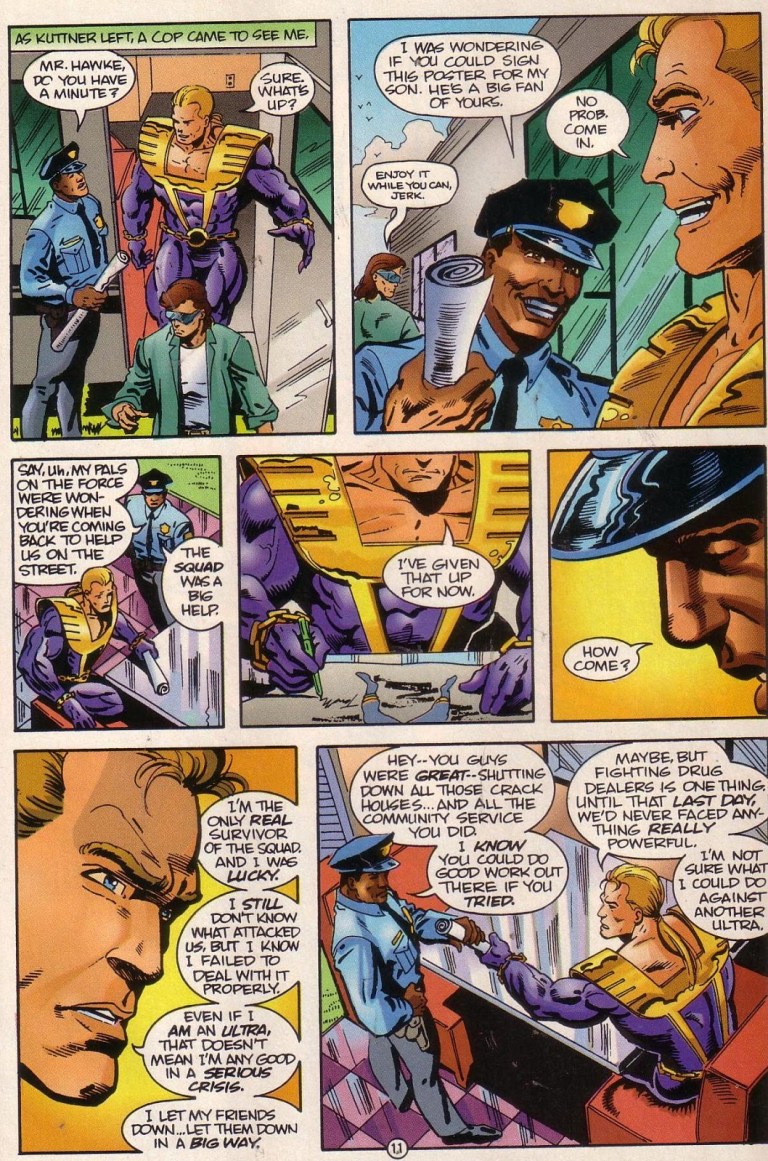
While life became more progressive, Hawke still was not at peace with himself deep inside. As he signed an autograph for a policeman’s son, he revealed that he was just lucky being the only survivor when his team – The Squad – met its tragic end and that even as an ultra himself, he felt that he was not any good in a serious crisis. Feeling guilty, he admitted he let his friends down.

Analytically, the creative team did nice a job fleshing out Hardcase from his days with The Squad to the present as an actor in good demand. The approach of showing him struggle with guilt over the tragedy that claimed two friends’ lives and disabling his love interest is pretty unique and at the same time engaging to read. In this way, Hardcase is a superhero who is not exactly the happy and stable figure to the public but one whose life is imperfect and having no choice but to pay the price of life through a major disaster that hurt him physically and on the heart. Not even the success and promising opportunities of showbiz could lift his spirit. Truly this guy really lived up to his name – Hardcase!

Even with his special powers, Hardcase still doubts himself in relation to dealing with big matters.

He said it best on page 11 – “Even if I am an Ultra, that doesn’t mean I’m any good in a serious crisis. I let my friends down…let them down in a big way.”

hardcase4

On other matters, the comic book had plenty of action and that includes some gruesome and bloody scenes. Not only that the transition from one scene to another was smooth and well paced.

Safe to say Hardcase is the flawed and struggling hero that people of different walks of life can relate with. For this concept alone brilliantly done by Hudnall and Callahan, Hardcase is highly recommended for all comic collectors. It is a superhero comic book that succeeds in engaging me each time I read it.

Thank you for reading. If you enjoyed this article, please click the like button below and also please consider sharing this article to your fellow comic book geeks and Ultraverse fans. Also my fantasy book The World of Havenor is still available in paperback and e-book format for you to order.

Author’s Note: This article was originally published at my old Geeks and Villagers blog. What you read on this website was an updated and expanded version. In other words, this newest version you just read is the most definitive version. 

hardcase1


When Superheroes, Politicians and Corporate Media Conspire Together

uv1

In this age of social media and smartphones, watching cable TV news feeds is quite toxic to the mind. It’s not about the ultra-heavy mix of information being dumped by corporate media giants that overwhelm the senses of millions of viewers worldwide. Rather it is about corporate media’s slant on political news and world events that add chaos to the already chaotic world we live in.

Look at MSNBC and Fox News on how they cater to the many millions of Americans divided in the political spectrum. For the most part, MSNBC favored the so-called liberals and the political left while Fox News consistently favored the so-called conservatives and political right. If there is such a thing as the military-industrial complex, then there is also the political parties-corporate media complex.

The funny thing about politically slanted corporate media is that they (the news makers) turn journalism into a commodity, select the facts to be presented to the viewers and eventually find ways to manipulate people’s perception. Meanwhile the viewers who have their respective political ideologies or interests tend to pick a favorite corporate media giant for their daily news. Also corporate media giants know fully well that there are many millions of political news junkies who cannot help but be obsessed and addicted to biased political coverage.

Also behind the scenes, it is very likely that top officials of the existing major political parties (Republicans and Democrats) have discreetly communicated with the top executives of the corporate media giants who in turn made deals with their clients (advertisers) to generate money together as they manipulate people into supporting corporate media’s business model.

I myself am a small press journalist who went around the many BF Homes communities and the cities of Muntinlupa, Las Pinas and Paranaque. I pay close attention to the behaviors of corporate media journalists. Learning from them, I certainly do not want to turn journalism into a commodity nor do I want to report news about useless causes like Catholic parish fiestas. I certainly don’t like ignorance to be the driving factor of news reporting. To be ignorant about what’s going on, who is who, where is where and how things happened is just wrong. Be warned that from the small press to the giant media, there are even news editors who are ignorant and work without really knowing what to do which makes published news reports less journalistic and even misleading for the public. Look at your local community newspaper, the regional paper, the national paper and tell me if you see any headline story that does not deserve the headline.

Don’t forget that there are still other publications other there that serve as propaganda machines whose organizers believe that people are too stupid or too ignorant to see through their manipulation and misinformation tactics.

Anyway since I already mentioned political news bias of corporate media giants, it’s time we take a close look at a particular scene in UltraForce published in 1994 by Malibu Comics under the Ultraverse line.

UltraForce
The comic book opened with UltraForce (Hardcase, Prime, Prototype, Contrary, Pixx, Ghoul and Topaz) in the Oval Office meeting with fictional portrayals of United States President Bill Clinton, Senator Bob Dole, UN Secretary General Boutros Boutros-Ghali and the representative of the press.

uv2

Hardcase negotiates with Clinton over a number of matters. UltraForce will help deal with the ongoing conflict overseas with the world “backing up” for them. Contrary says that their team wants to have access to the federal government’s gathered information on ultras (their term describing super humans in the Ultraverse) which irked Bob Dole to express his opposition and tells Clinton that he will “skin” him alive in the media if he agrees to UltraForce’s proposal.

As the difficult agreement came close to being finalized, Hardcase made clear that his team needs the media to reshape public perception of them (and ultras in general) from negative to positive. Unsurprisingly the media representative objected to Hardcase’s idea as it is tantamount to propaganda (or biased media coverage).

Hardcase answered back mentioning that he is an actor in Hollywood and he already knows what it takes to make people feel good or bad about something by means of being selective of the facts for public consumption. He insists that people should start feeling good about them.

The media representative stated that a bipartisan consensus was all it takes for journalists to accept it.

Then Bill Clinton and Bob Dole shake hands which is ironic because in real life history, both men were nominated by their respective political parties for the US Presidency in 1996. Clinton got re-elected then.

My analysis

uv3

The scene, even though it is outlandish in concept, shows clearly that political forces and the giant media have what it takes to manipulate public perception by working together. Of course what reality shows us is that in America, Republicans have Fox News and Democrats have MSNBC to rely on to execute their information manipulation strategies to gain supporters for their own causes.

In the case of UltraForce, it’s about a team of superheroes who need a lot of support from governments and the media in order to be able to resolve the overseas conflict in the story. Their enemy was simply too powerful and too resourceful to defeat so UltraForce played hard-ball with the government and the media.

With regards to biased media coverage in support of UltraForce and ultras that exist in the world of the Ultraverse, it shows that superpowers alone cannot help those who wield it. Without the government and media support, UltraForce will only be perceived by the public as a group of troublemakers (or maybe even as terrorists) even though they fight an obviously evil force that’s been destabilizing the world.

As such, the biased media coverage for UltraForce is what I would call as a morally questionable form of support. On face value, it looks sensible because UltraForce is composed of supposed good guys while their enemies are so destructive and disruptive they are easily perceived as evil. But behind the scenes, supportive biased media coverage for UltraForce kills the spirit of balanced journalism and is pretty much a form of propaganda no matter how good the intentions are.

Could you imagine a special forces team fabricate a situation which would result a tragedy followed by intense coverage by the corporate media which in turn will outrage members of the public and give the administration of the national government the justification to launch a war with superheroes leading the way? Such a situation could lead to even more chaos in this world we live in.

Also Hardcase said it best: Look, I’m an actor in Hollywood. I know this game. I know how you can pick and choose facts to make people feel good or bad about something.

Author’s Note: This article was originally published at my old Geeks and Villagers blog. What you read on this website was an updated and expanded version. In other words, this newest version you just read is the most definitive version


Thank you for reading. If you find this article engaging, please click the like button below and also please consider sharing this article to others. Also my fantasy book The World of Havenor is still available in paperback and e-book format. If you are looking for a copywriter to create content for your special project or business, check out my services and my portfolio. Feel free to contact me as well. Also please feel free to visit my Facebook page Author Carlo Carrasco and follow me at HavenorFantasy@twitter.com