

Welcome back readers, fellow geeks and electronic gaming fans!
In this edition of the Retro Gaming Ads Blast (RGAB) series, we will take a look at another batch of retro gaming print ads from the 1980s to the 1990s focused mainly on role-playing games (RPGs) from the East and the West. This is the RPG Special!
For the newcomers reading this, Retro Gaming Ads Blast (RGAB) looks back at the many print ads of games (console, arcade, computer and handheld) that were published in comic books, magazines, flyers, posters and newspapers long before smartphones, social media, the worldwide web and streaming became popular. To put things in perspective, people back in the 1980s to the 1990s were more trusting of print media for information and images about electronic games and related products.
With those details laid down, here is the newest batch of retro gaming print ads for you to see and enjoy…
1. Dragon Warrior II Print Ad
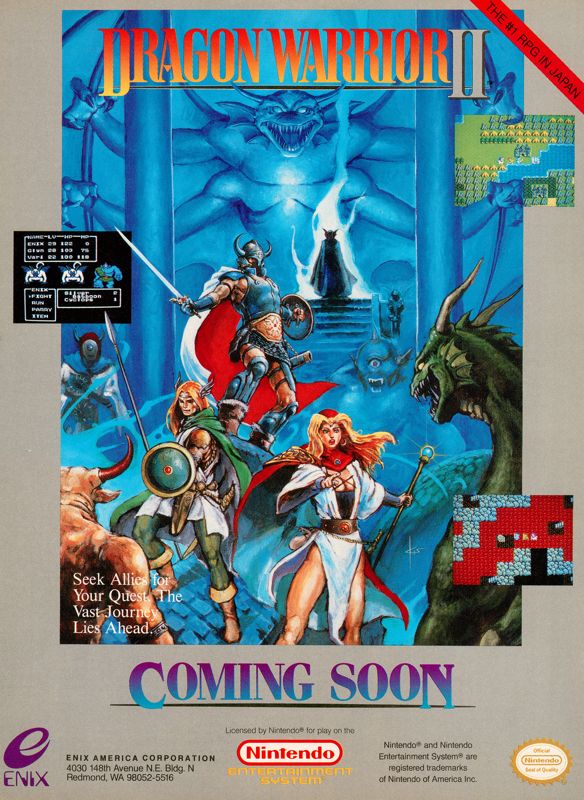
When Dragon Quest was released in America titled as Dragon Warrior, its sales there came nowhere close to what it sold in Japan. The game, however, sold enough copies to convince Enix to bring the sequel Dragon Warrior II (Japanese title: Dragon Quest II) to the Nintendo Entertainment System (NES) in America and they came up with an ad that had obvious Western-style artwork to emphasize the fantasy elements. By comparison, the Japanese version of the game used the distinct art of Akira Toriyama (Dragon Ball Z). Back in those days, there was this belief that Toriyama’s art style would not be effective in promoting the game in America.
2. Breath Of Fire Japanese Print Ad
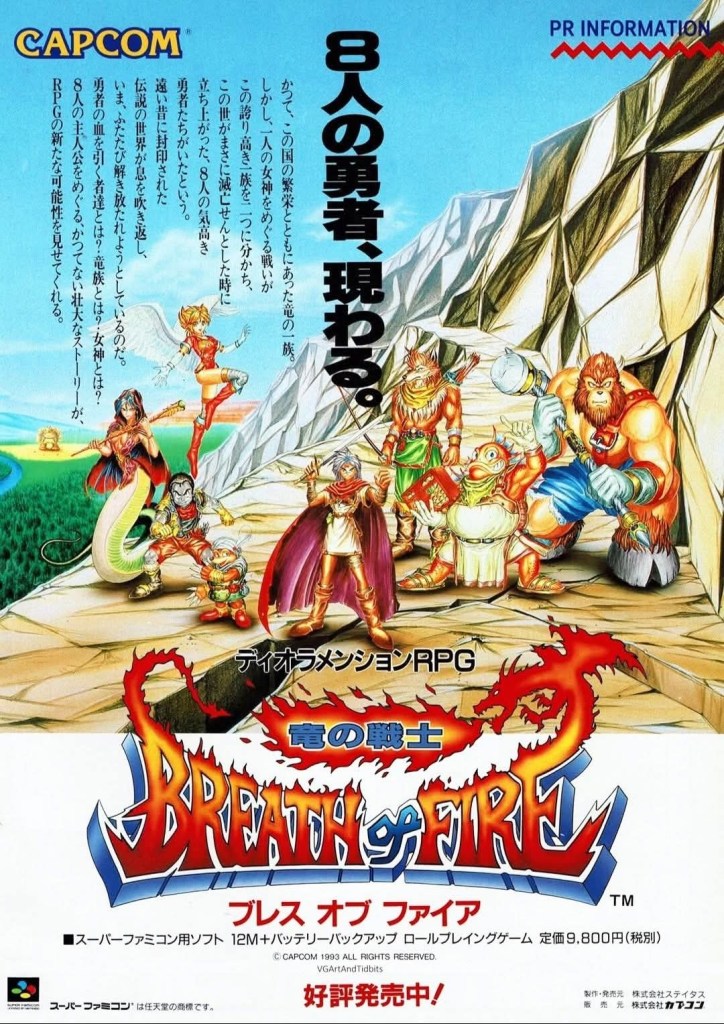
In 1993, Capcom officially broke into the Japanese role-playing game (JRPG) genre with Breath of Fire on the Super Family Computer (Super Famicom). The print ad they came up with for the Japanese market showed several characters – including Ryu and Nina who would later become recurring characters as sequels were released – with designs that had elements of anime and manga styles blended which contrasted the gritty and realistic approach of Western fantasy art. The ad made it clear to readers that new adventures in a fantastic world await them. The game achieved enough commercial success in Japan which convinced Capcom to make a sequel (plus more in the years that followed).
3. Phantasy Star II North American Print Ad
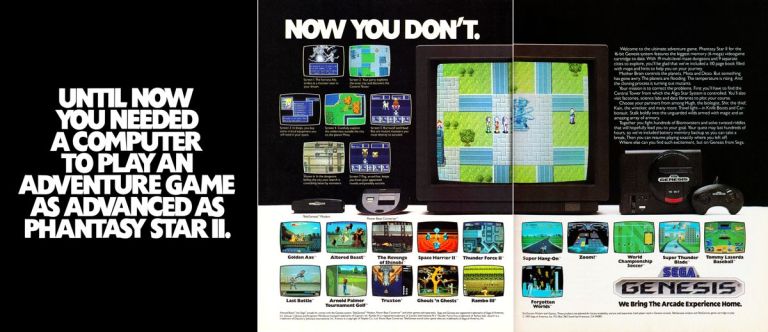
After selling a good amount of copies of the original Phantasy Star worldwide on the Sega Master System, Sega knew they were on to something. They confidently produced the sequel Phantasy Star II for their brand-new Sega Genesis console in 1989 and aggressively promoted it in America with a daring 3-page print ad. If you look closely, majority of two of the pages were used to promote Phantasy Star II with screenshots (including a big one with a TV), the text description and the console. The spaces below allowed Sega to promote their many other games in convenient fashion. The result is huge success for Sega as more than 1.6 million copies of Phantasy Star II were sold worldwide. Sega would go on to make even more Phantasy Star games.
4. Estopolis Denki II Japanese Print Ad
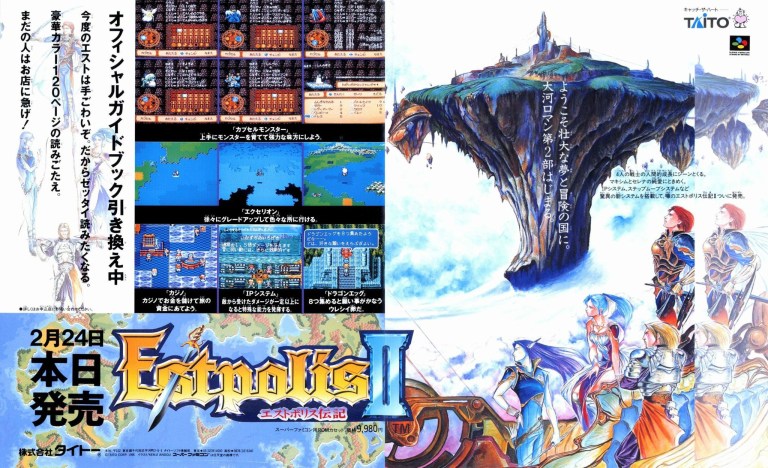
When Estopolis Denki was released on the Super Famicom in Japan, sold enough copies to justify not only bringing the game to Western markets as Lufia & The Fortress of Doom but also the production of a follow-up titled Estopolis Denki II. To promote it, Taito made a Japanese print ad that had a captivating art style (with the characters looking more realistic and a floating land that had a gritty touch), some screenshots and the promise of fantastic adventures. While the game’s title sounded like a sequel, its story was actually set in the past. Estopolis Denki II would be released in the West as Lufia II: Rise of the Sinistrals.
5. Lufia II: Rise of the Sinistrals North American Print Ad
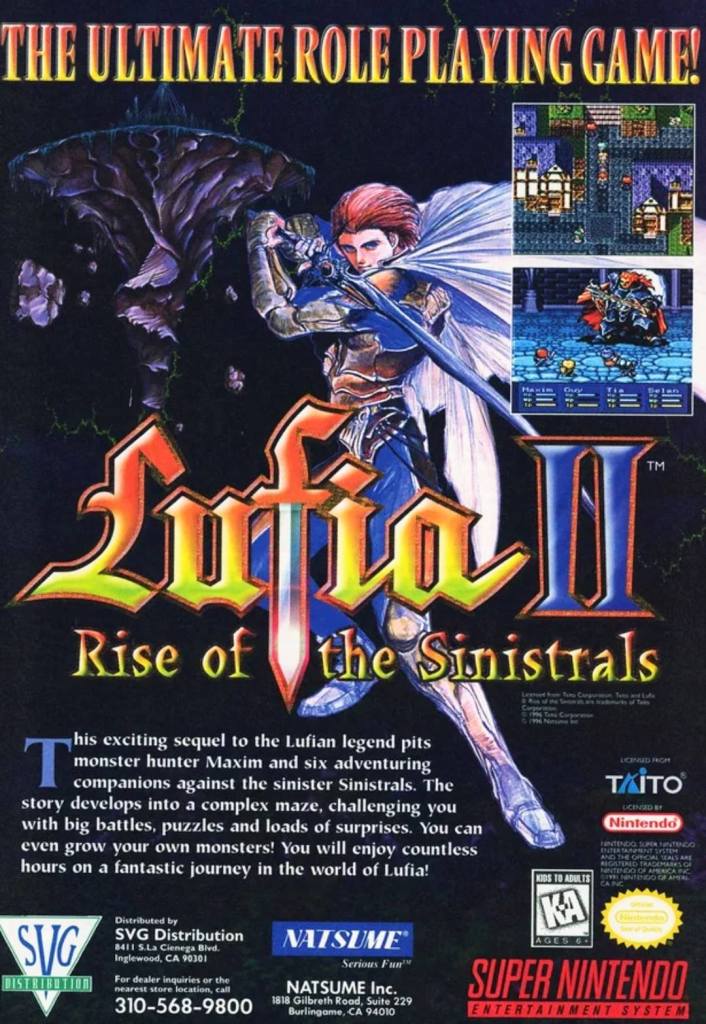
When the first Lufia RPG was released in America on the Super Nintendo Entertainment System (SNES), it became a commercial hit finishing as the top SNES game in the February 1994 sales chart. The sequel Lufia II: Rise of the Sinistrals was published by Natsume in America in 1996 and they daringly called it “The Ultimate Role Playing Game!” in its print ad utilizing the official artwork of a major character, two screenshots and descriptive text giving readers an idea on what to expect. This ad strongly relied on the visual elements while the first game’s American print ad (made by Taito) emphasized the critical acclaim received.
6. Chrono Trigger North American Print Ad
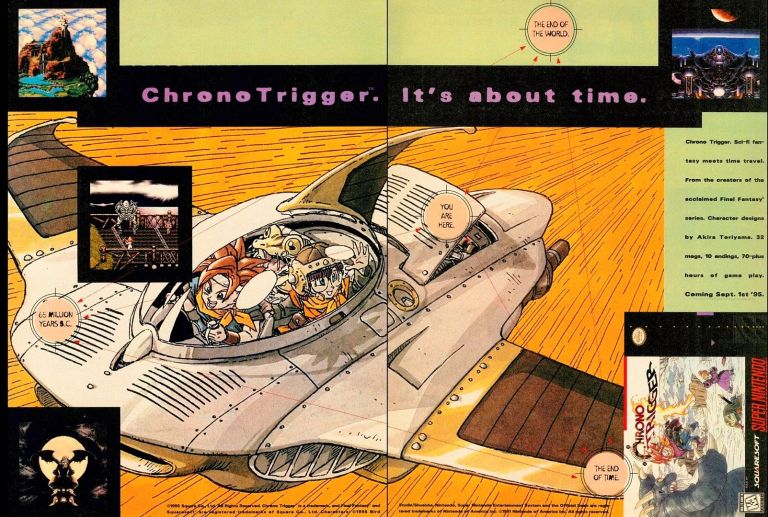
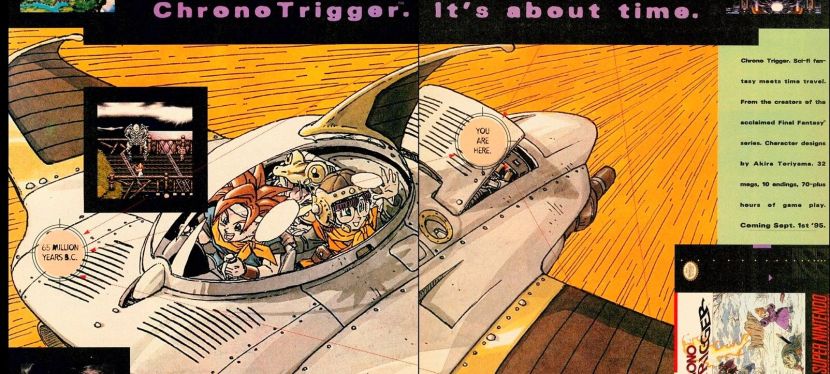
Chrono Trigger, the JRPG that had the dream team creators of Hironobu Sakaguchi (Final Fantasy creator), Yuji Horii (Dragon Quest creator) and Akira Toriyama (Dragon Ball Z creator) behind the production, was easily the most ambitious game SquareSoft released in 1995. As part of the marketing strategy for the North American market, Square came up with a 2-page ad that had Toriyama’s art as the dominant image while using the remaining space for screenshots, the description and the SNES box cover placed strategically. Such a creative visual design was eye-catching and even memorable. Chrono Trigger became a huge commercial and critical hit in the West and it has long been regarded as a classic JRPG.
7. Secret of Evermore North American Print Ad
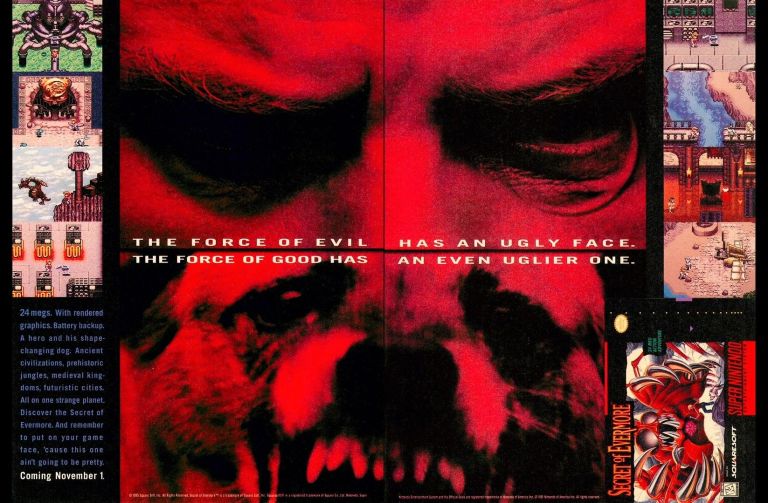
Still in 1995, Square released Secret of Evermore for the SNES. Unlike most of Square’s RPGs, Secret of Evermore was developed by an American team in Washington state which explains why the game has a very distinct tone and strongly Western art style (note: the gameplay was patterned after that of Secret of Mana). To promote the game, Square came up with a very odd-looking 2-page print ad that had two dominating red images – eyes of a man on top and the front of a dog below) that felt like a forced approach to emphasize the game’s concept of the hero (a teenager boy) and his loyal dog (a very capable fighter). They used the remaining space for screenshots (which made gamers believe it was a sequel to Secret of Mana), the game box cover and a not so helpful text description. In my view, this print ad was a marketing misfire and Square could have produced hand-drawn art of the hero and his dog instead of the creepy red pictures.
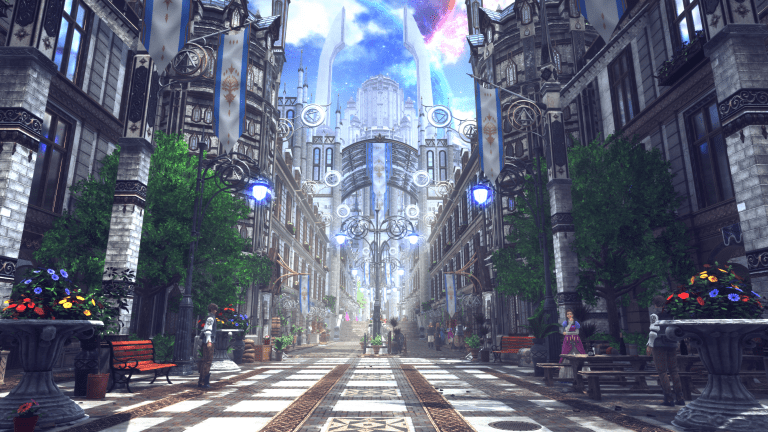
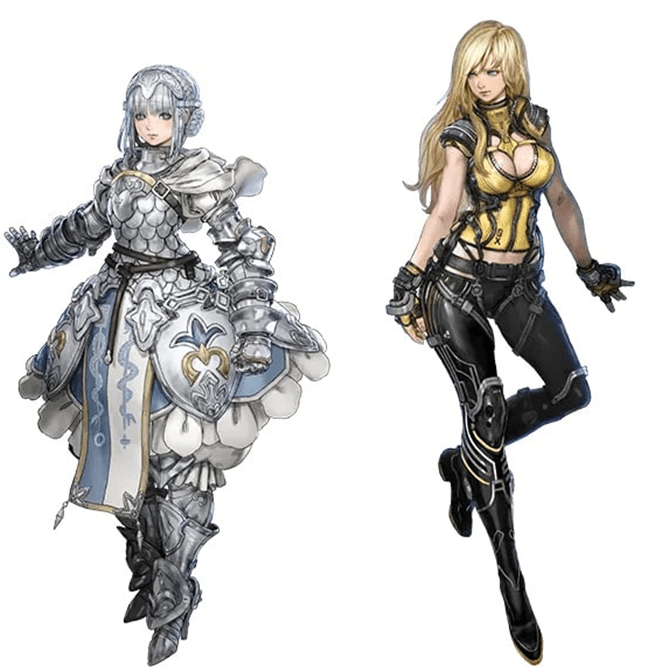
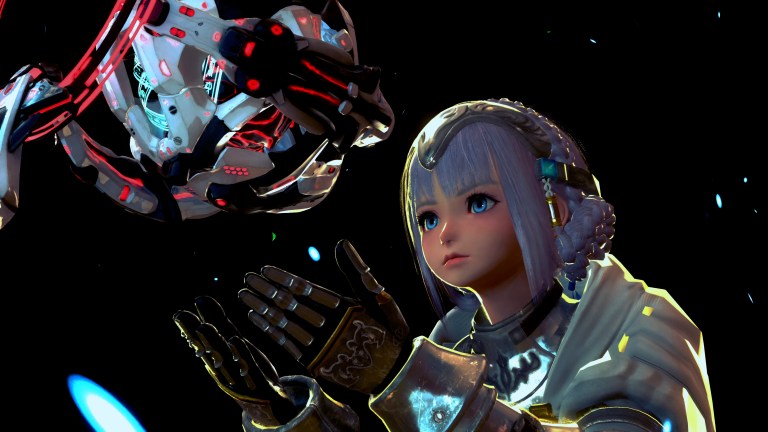
8. Star Ocean: The Second Story North American Print Ad
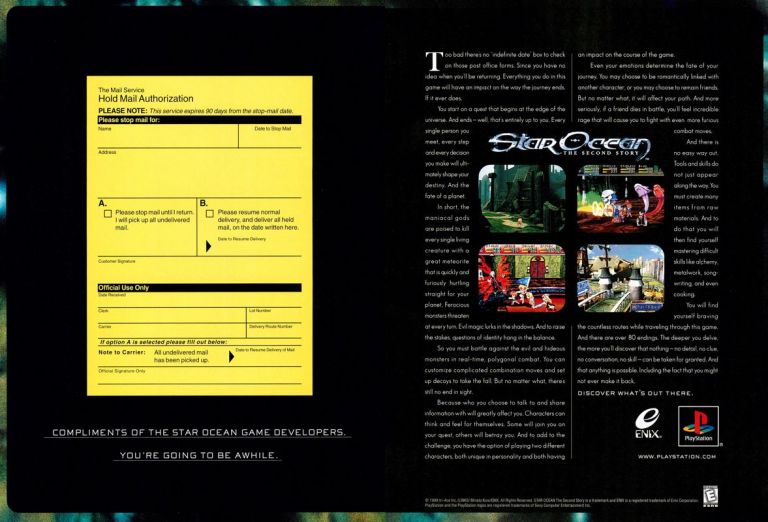
The Star Ocean JRPG franchise of Enix had its first game released in Japan only. That first game on Super Famicom sold a lot of copies which led to the production of the sequel Star Ocean: The Second Story. By the late 1990s, Enix itself had a partnership with developer tri-Ace on the Star Ocean games. Somewhere along the way, Sony Computer Entertainment America (SCEA) secured the publishing rights of Star Ocean: The Second Story for not only America but also in other parts of the world. For the American market, Sony came up with a very odd-looking 2-page print ad that had a mail service form on the left. The form emphasized the concept of being away for a long time (reflecting the science fiction and extensive fantasy adventuring of the game itself) which incidentally was the eye-catcher of the ad. The other half of the page showing the game’s title, screenshots and detailed text description got overshadowed. This is another marketing misfire.
9. The Legend of Dragoon North American Print Ad
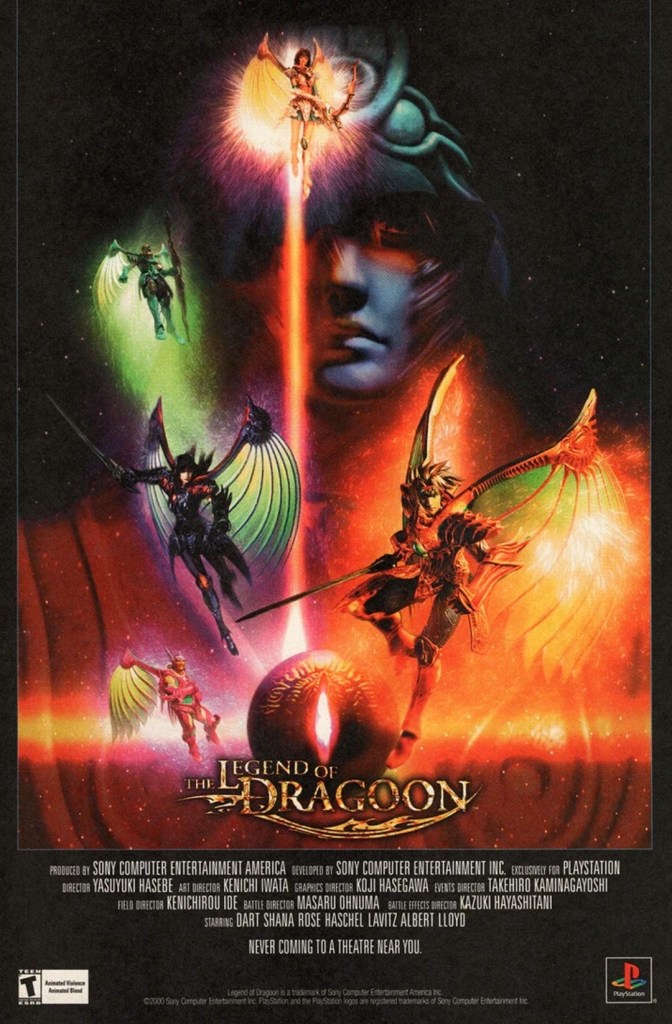
Given how success Sony was with selling PlayStation consoles worldwide and how massively successful the Final Fantasy RPG franchise of SquareSoft was, it was not surprising that they decided to make their very own big-budget and exclusive JRPG with the intention to succeed and possibly establish a franchise. The result was the PlayStation-exclusive game The Legend of Dragoon which was made with a budget of $16 million and lasted three years in development. The game was released in Japan in late-1999 and sold at least 280,000 copies (note: majority of that in its first week of sales). In preparation for the June 2000 launch in America, Sony produced a print ad that had a very strong movie poster vibe showing what looked like painted art of the characters with vivid colors in the background and the title on the lower part. If you look closely, the credits were deliberately stylized over the way movie posters showed credits. While the game was not the massive hit Sony hoped for, it went on to become a million-seller and a great majority of its sales were from America. By today’s standards, the movie poster-like ad used to promote The Legend of Dragoon is memorable and an inspired piece of marketing work.
+++++
Thank you for reading. If you find this article engaging, please click the like button below, share this article to others and also please consider making a donation to support my publishing. If you are looking for a copywriter to create content for your special project or business, check out my services and my portfolio. Feel free to contact me with a private message. Also please feel free to visit my Facebook page Author Carlo Carrasco and follow me on Twitter at @HavenorFantasy as well as on Tumblr at https://carlocarrasco.tumblr.com/ and on Instagram at https://www.instagram.com/authorcarlocarrasco

 Author Carlo Carrasco