Very recently, the Alabang Hills Village Association (AHVA) revealed new details as well as a list of approved food-and-drinks vendors for their upcoming Sip & Stroll: An Early Christmas Bazaar which will happen on November 21 and 22, 2026, at the Phase 2 park grounds. For each day, the bazaar will start from 10AM until 8PM.
For the upcoming bazaar, there will be over forty-five dry goods vendors participating. This ensures that customers will see a wide variety of products for sale ranging from clothing to houseware, toys, accessories, shoes and more. There will be a lot of items that customers can acquire for Christmas gift-giving.
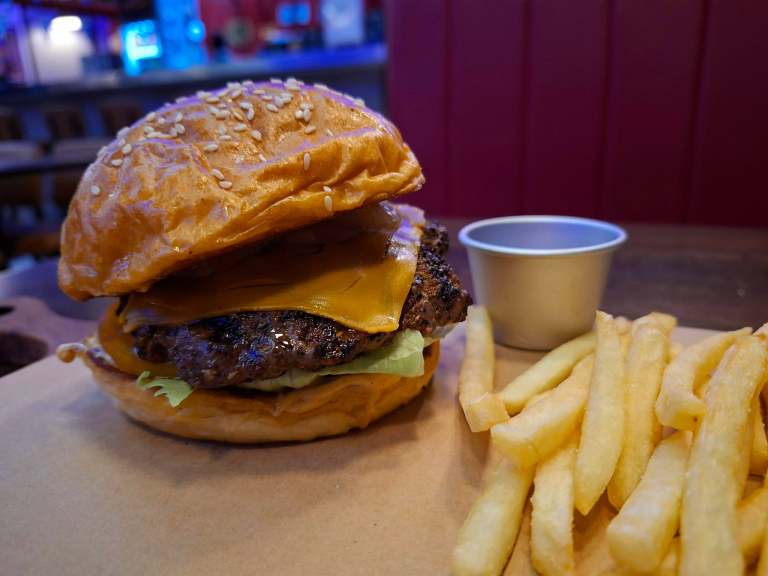
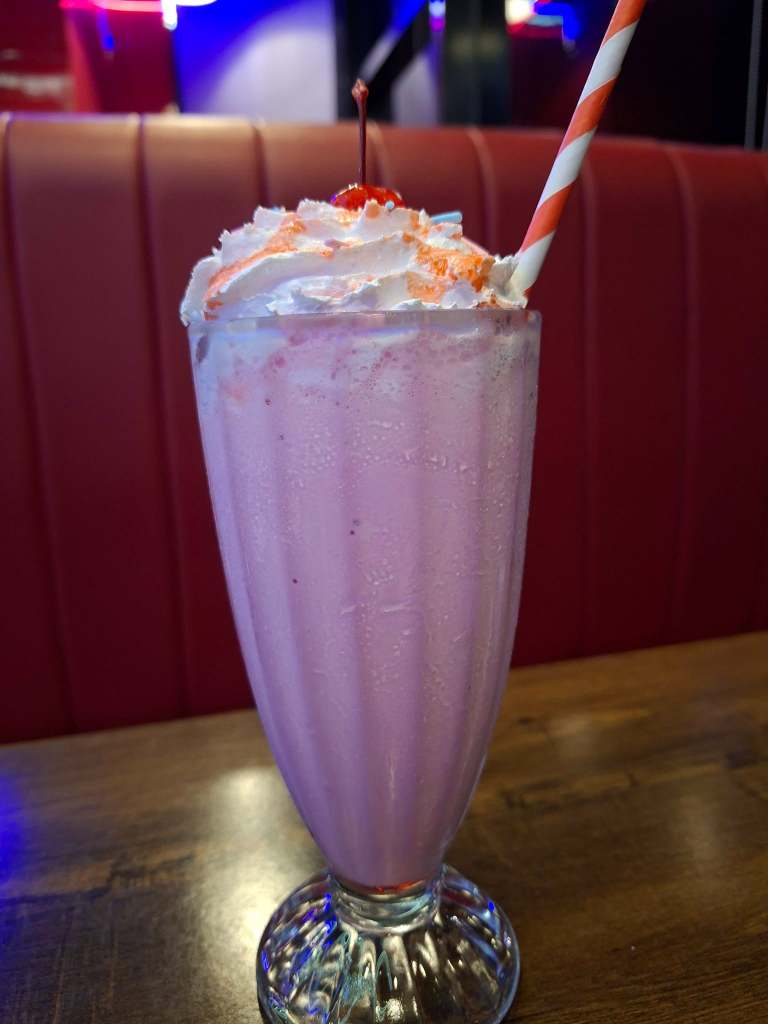
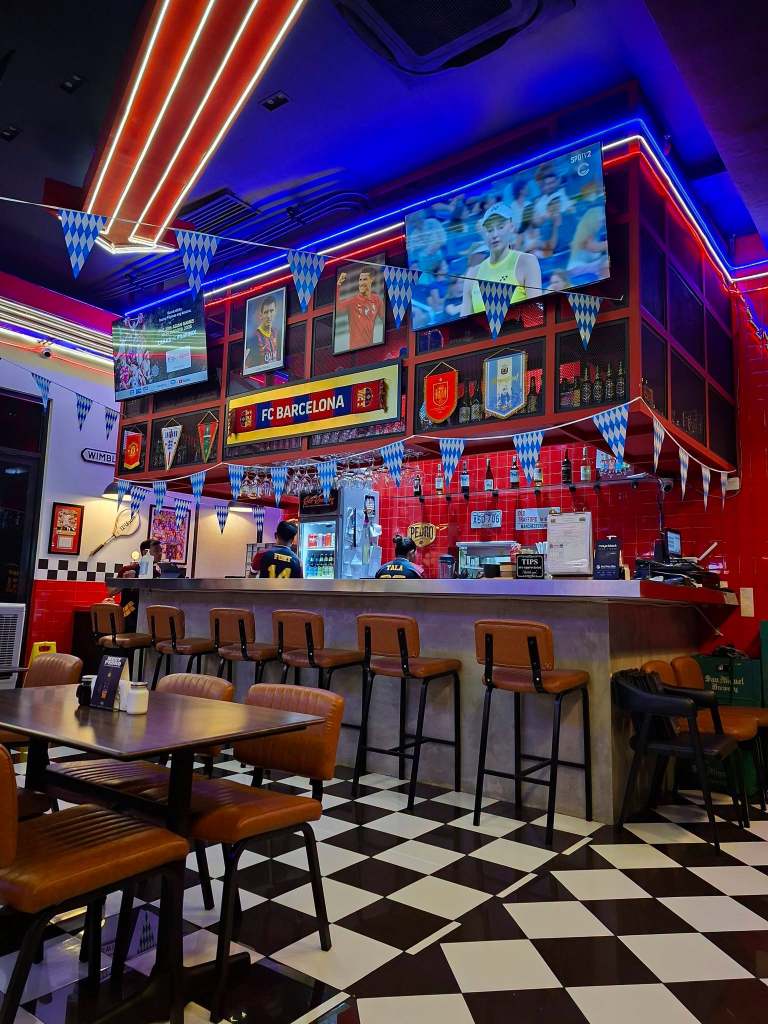
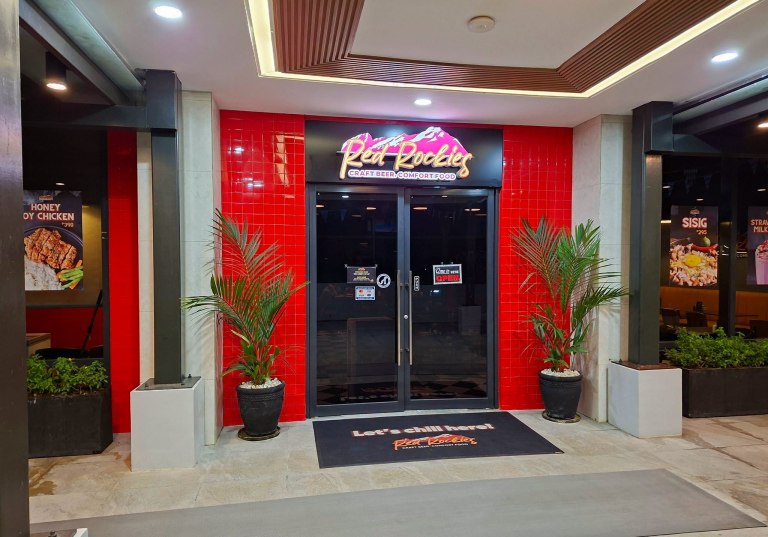
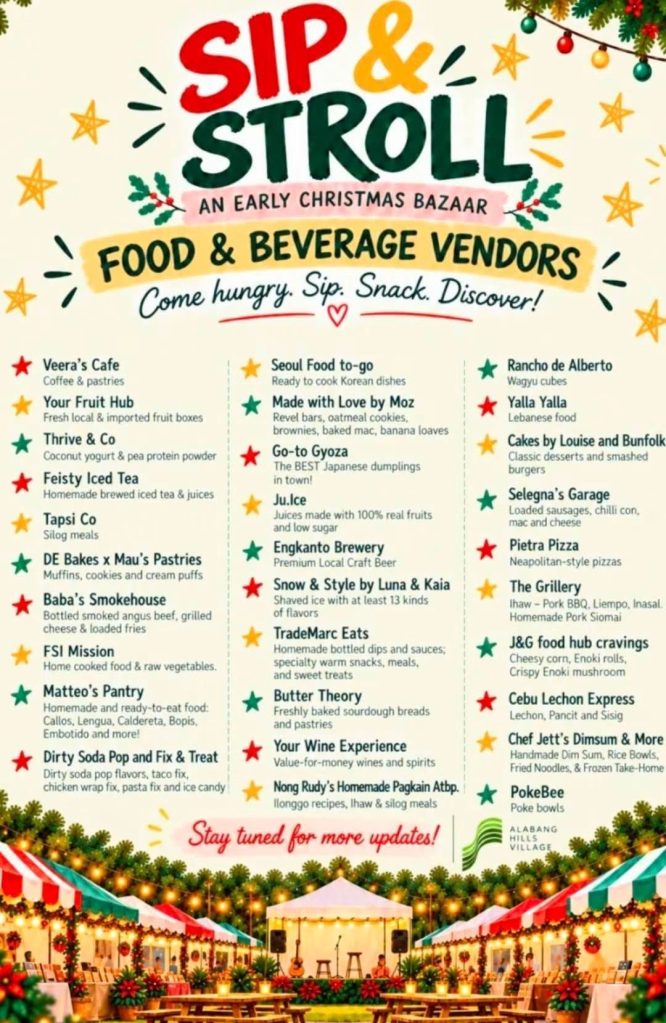
With regards to the food and vendors approved by the AHVA, the list is as follows in the image below.
In addition, the AHVA confirmed that there will be acoustic performers and DJs who will provide entertainment in the afternoon of each day of the bazaar. There will also be game booths for additional enjoyment.
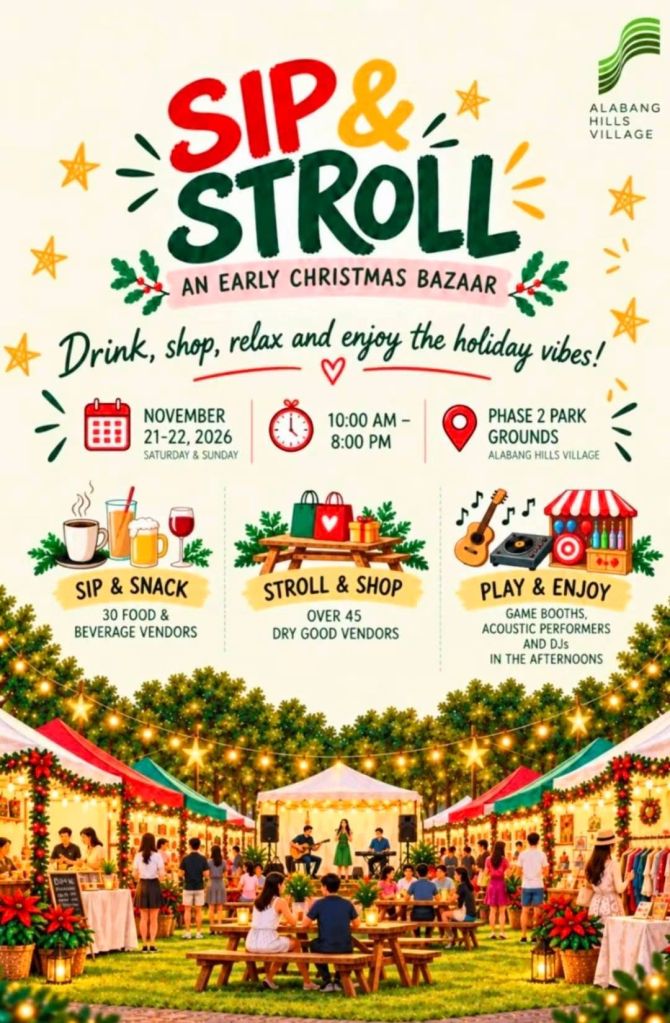
The Phase 2 park grounds is the main venue of Sip & Stroll: An Early Christmas Bazaar, and both the covered basketball court and the pickleball court (formerly the badminton court) will be used too. For the non-residents who have private vehicles (without Alabang Hills Village stickers) and intend to attend the bazaar, be ready to leave your ID card at the village gate and tell them were you are headed. Once inside, it is a must that you should follow their rules and speed limits at all times. Be aware that finding available parking spaces can be a bit of a challenge, and be respectful to the nearby homes.
If you have inquiries for Sip & Stroll: An Early Christmas Bazaar, send your email to ahvcommunityaffairs@gmail.com
+++++
Thank you for reading. If you find this article engaging, please click the like button below, share this article to others and also please consider making a donation to support my publishing. If you are looking for a copywriter to create content for your special project or business, check out my services and my portfolio. Feel free to contact me with a private message. Also please feel free to visit my Facebook page Author Carlo Carrasco and follow me on Twitter at @CarloCarrascoPH as well as on Tumblr at https://carlocarrasco.tumblr.com/ and on Instagram at https://www.instagram.com/authorcarlocarrasco
For more South Metro Manila community news and developments, come back here soon. Also say NO to fake news, NO to irresponsible journalism, NO to misinformation, NO to plagiarists, NO to reckless publishers and NO to sinister propaganda when it comes to news and developments. For South Metro Manila community developments, member engagements, commerce and other relevant updates, join the growing South Metro Manila Facebook group at https://www.facebook.com/groups/342183059992673