A Look Back At X-Men #1 (1991)

When I was in high school, Marvel Comics launched the comic book X-Men #1 (Volume 2, 1991) which sold an estimated eight million copies worldwide. The times back then were very exciting as the comic book had great art by Jim Lee (inked by Scott Williams and colored by Joe Rosas) combined with the writing of Chris Claremont.

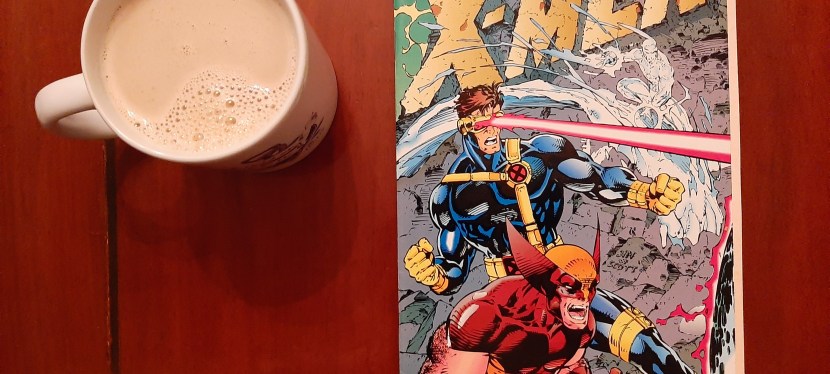
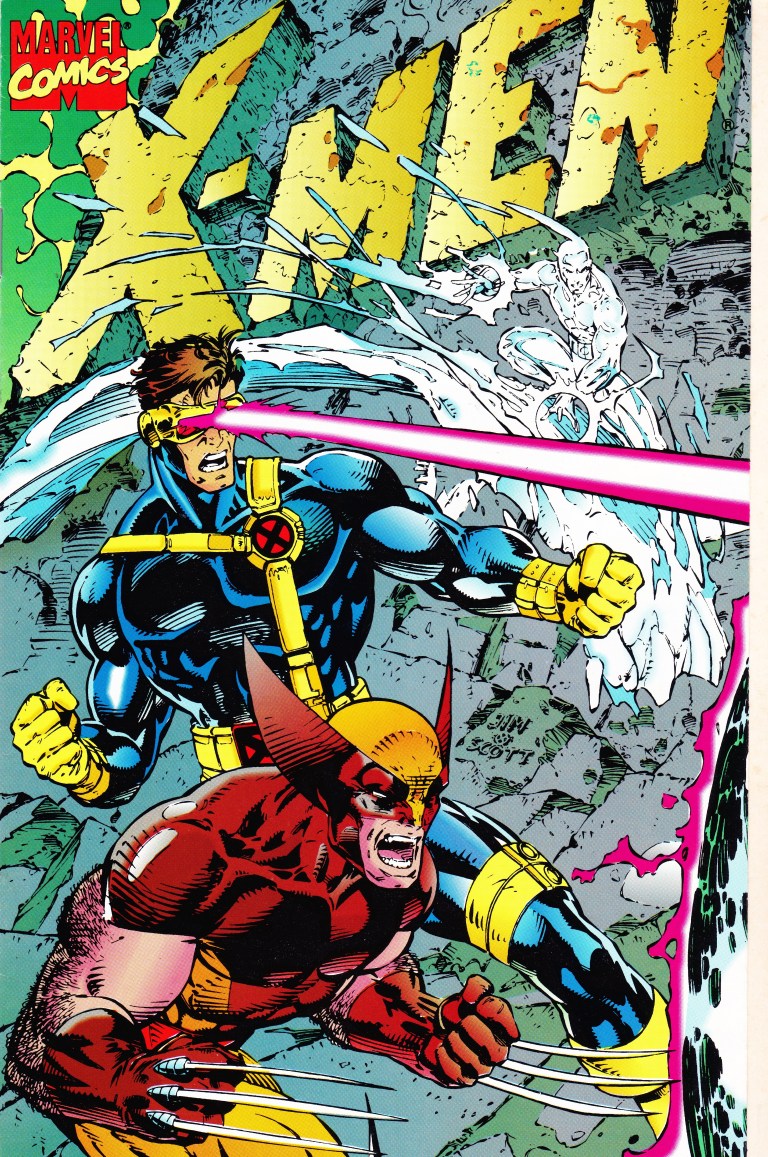
For this retro review, I have the gatefold cover edition of X-Men #1 which has the complete set of covers and a cover price of $3.95. The comic book used high-quality paper (or glossy paper) for its content. To put things in perspective, X-Men #1 was released with multiple editions. The comic books carrying cover prices of $1.50 had individual covers and lower quality paper.
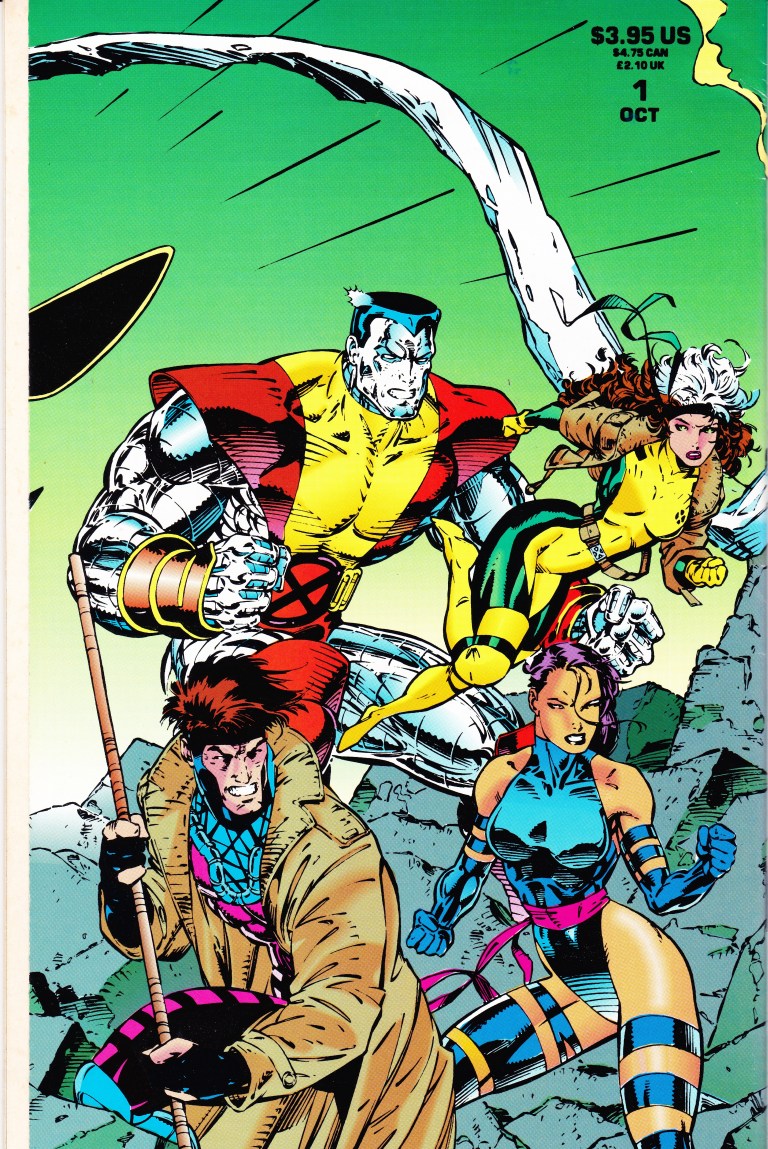
SCN_0039
The front cover.
SCN_0040
The back cover.

So what was X-Men #1 all about? Was it deserving of the tremendous sales success it achieved for Marvel? Did the combined talents of Claremont and Lee create something super special?

To begin with, X-Men #1 marked the beginning of a new chapter of the X-Men. In the events that happened prior to this comic book, the X-Men founder Charles Xavier had been away for many years and along the way the team went through several changes with its members. At one point, the classic villain Magneto even became the head of the X-Men. The pioneering X-Men members of Jean Grey, Cyclops, Iceman and Beast meanwhile found their temporary place outside by forming X-Factor. Eventually the Muir Island saga which incidentally reunited Xavier with his mutants.

So in this comic book, the X-Men got reformed and Xavier returned to his mansion for the first time in many years. The stakes are much higher this time because Xavier needs to adjust to the dynamics of the X-Men whose membership has grown so much two teams (Gold and Blue) had to be used. As if that was not challenging enough, the world, as Xavier noticed, is more hostile towards mutants than ever before.

In out space, two groups of people engaged in a spaceships chase which triggered Magneto (now living in a new headquarters orbiting Earth) to take action. He tells them he is no longer interested in their cause and simply wanted to be left alone.
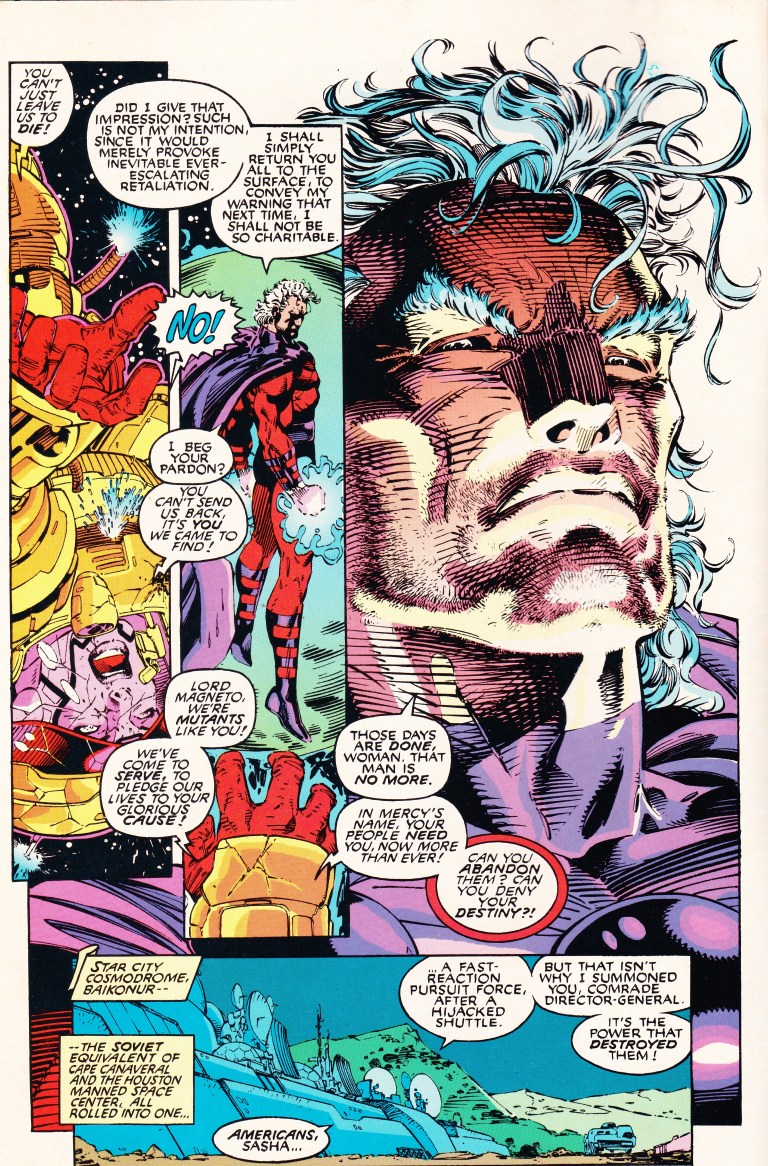
SCN_0041
Magneto’s presence and energy signature alerts authorities on Earth.
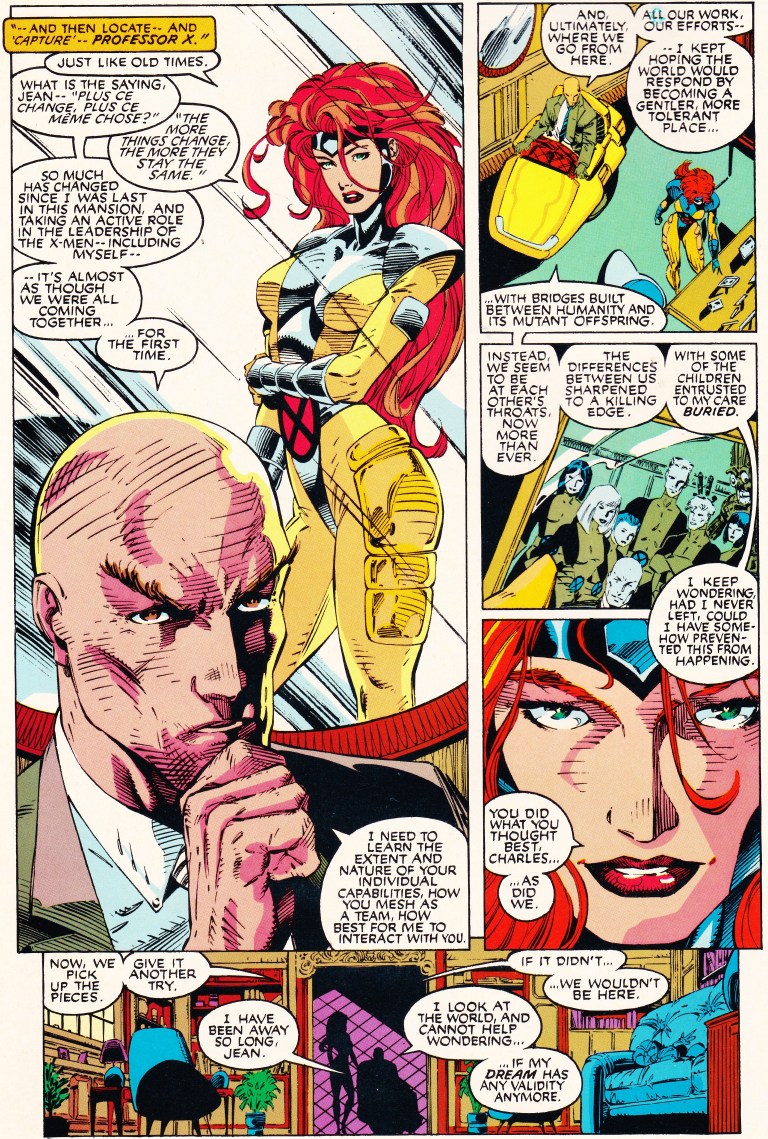
SCN_0042
Charles Xavier shares to Jean Grey his observations as he tries to adjust with his return to his mansion. He was away for so many years and so was Jean Grey and her pioneering teammates.

Because he made his presence felt (his energy signature was detected and so was his floating headquarters), authorities on Earth had no choice but to launch the first stage of the Magneto Protocols.

In Washington DC, Col. Nick Fury meets with the President of the United States who expressed his concern about the incident in outer space which involved American shuttles that got destroyed.

US President: It’s my understanding, in fact, that the terrorists who hijacked our vehicle look to him (Magneto) as their inspiration. Suppose he makes their cause his own?

Nick Fury: If the Soviets act like hotheads, Mister President, they could make things worse.

US President: You have an alternative?

Meanwhile at the Xavier mansion, the X-Men participate in an training session with Cyclops (blue team leader) and Storm (gold team leader) watching and coordinating from the control room. Charles Xavier, who is still adjusting upon returning, closely watches the large team.
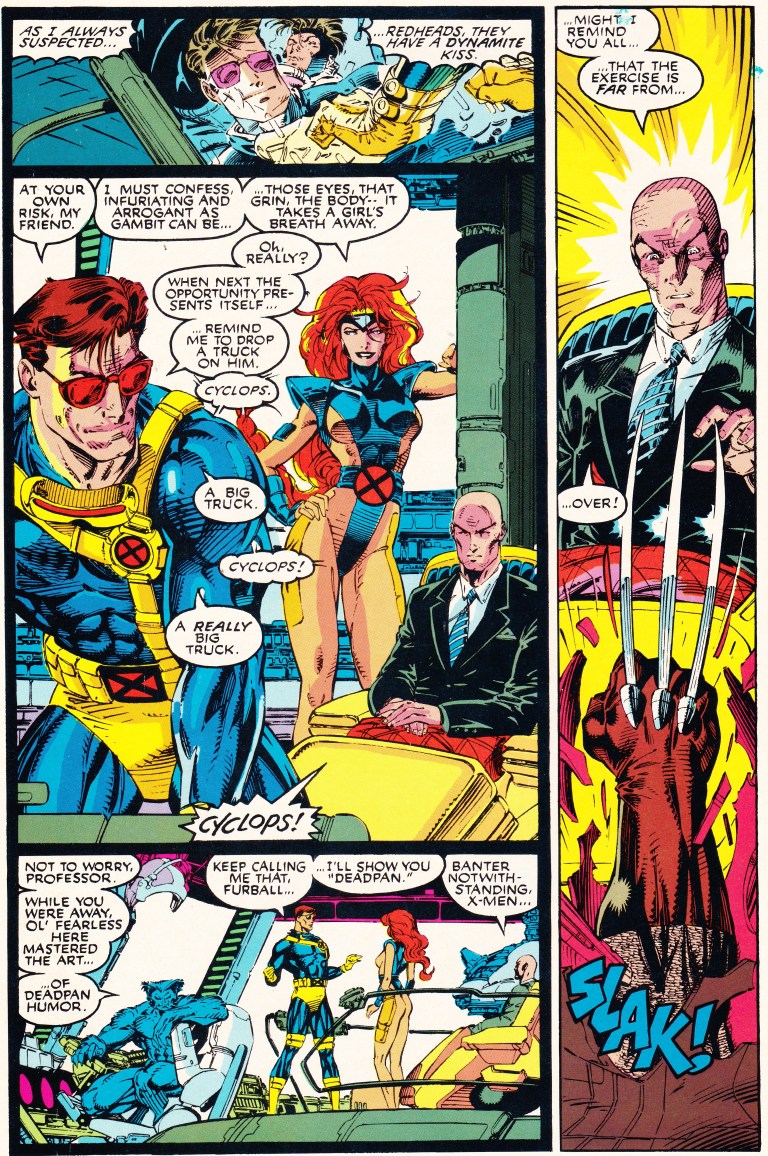
SCN_0043
Sarcasm by Cyclops annoyed Xavier who preferred him to keep focus on the exercise.

Of course, with the team so large, conflicting personalities and problems with bonding with each other was inevitable. Clearly the newly revamped X-Men had a long way to go before achieving true solidarity.

And then Nick Fury contacted the X-Men with the Magneto situation…

For a comic book released in 1991, this one was quite a grand product. Sure it did not have a gimmick cover of foil nor hologram nor chromium but having a gatefold cover with art of the X-Men and Magneto drawn by the great Jim Lee was itself a big luxury at the time.

Very clearly, Jim Lee and Scott Williams did their best ensuring great art for the comic book. The X-Men all look very fit (as if they all regularly spent time in the gym), their redesigned costumes were meant to look cool (although the many pouches and “suspender” of Cyclops’ costume look really silly), Magneto looks ageless and the Acolytes were designed to be the new nemesis of the X-Men.

And then there was the action…..
SCN_0045
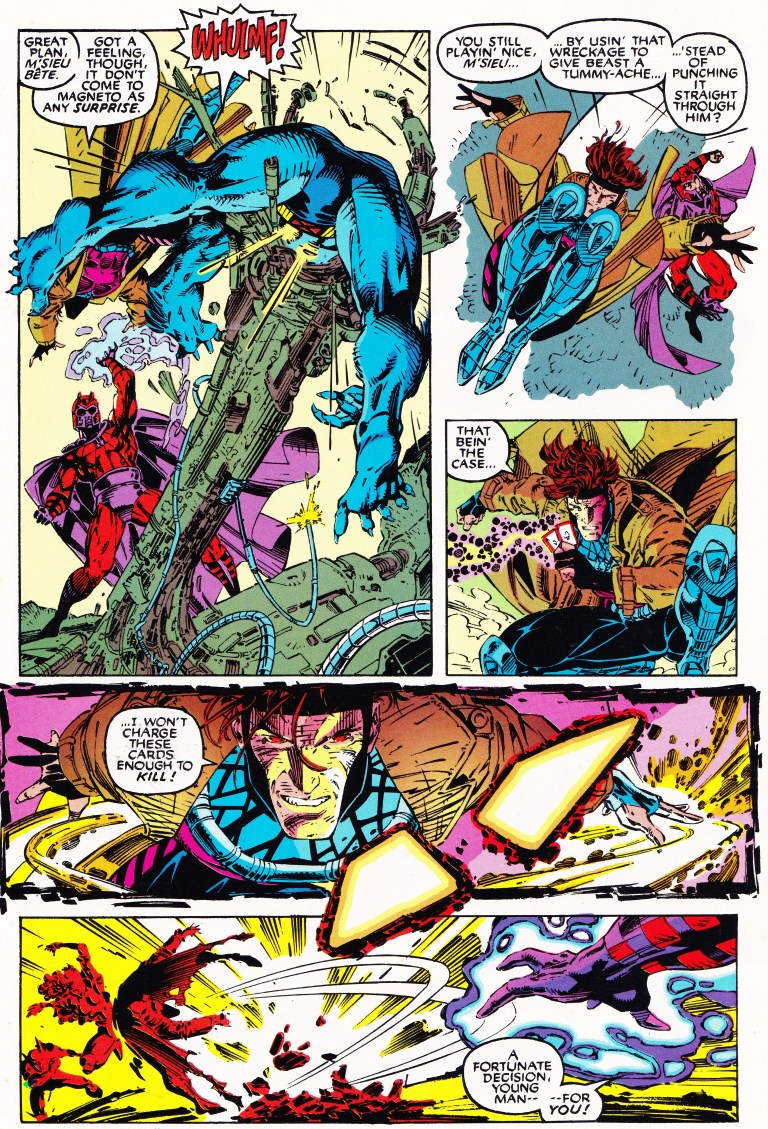
Action between the X-Men and Magneto.

Jim Lee has a great vision for high-octane action designed to show impact while at the same time give readers something great to look at. In my view, Lee was influenced by action movies and he developed ways to not only make comic book action flow nicely but also deliver impact.

This comic book has a lot of action and Jim Lee cleverly visualized the capabilities of the X-Men with striking visuals. The way Wolverine looked striking at an enemy was pretty intense. Cyclops’ use of his Optic Blast to separate Magneto from Wolverine showed a lot of power. Psylocke’s physical strike against Magneto reminds me hard action scenes from Hollywood flicks.

With regards to the writing, Chris Claremont managed to redefine the X-Men for the new age while at the same time did his best to balance the story, establish the threat and build up the tension for the inevitable conflict with Magneto. In this particular comic book, it is the blue team taking on the classic villain.

Apart from the main story, X-Men #1 also came with extra stuff like behind-the-scenes sketches by Jim Lee, a preview of things to come (notably the post-Claremont concepts), a 2-page image of the X-Men enjoying the pool side of the mansion, and a villains gallery! All these extras were drawn by Jim Lee!

Overall, X-Men #1 is still a compelling comic book to read even by today’s standards. The comic book speculator boom has long been over but if you are looking for the modernizing of the X-Men for the 1990s, this one really is a milestone. Clearly, X-Men #1 was made to start the new age of the mutants with the 1990s in mind while at the same time it took the bold move of gathering Xavier and the pioneering X-Men members and putting them back into Xavier’s mansion forming a much larger team than ever. This move of mixing classic X-Men members with newer ones resulted a nice variety of personalities.

When it comes to getting this for your collection focused on Marvel’s mutants, X-Men #1 is highly recommended. Remember, you should look at this comic book as a piece of X-Men history and don’t focus on making a profit with it. Just enjoy it for what it is.

By the way, X-Men: Dark Phoenix is opening very soon in cinemas. You bought a ticket already?


Thank you for reading. If you find this article engaging, please click the like button below and also please consider sharing this article to others. Also my fantasy book The World of Havenor is still available in paperback and e-book format. If you are looking for a copywriter to create content for your special project or business, check out my services and my portfolio. Feel free to contact me as well. Also please feel free to visit my Facebook page Author Carlo Carrasco and follow me at HavenorFantasy@twitter.com
 

A Look Back At Logan

What a journey it has been! When I first saw then newcomer Hugh Jackman play Wolverine in the first X-Men movie back in 2000, I was not that impressed. In X2: X-Men United, Jackman outdid himself and established Wolverine as a very defining action hero for 21st century Hollywood cinema that moviegoers can keep coming back for more.

Then Jackman played Wolverine (referred to as Logan) several more times in the X-Men movies plus the standalone Wolverine movies. His most defining performance as the cinematic icon happened in 2017 with the release of Logan directed by James Mangold.

Screenshot_20190511-162346_YouTube.jpg
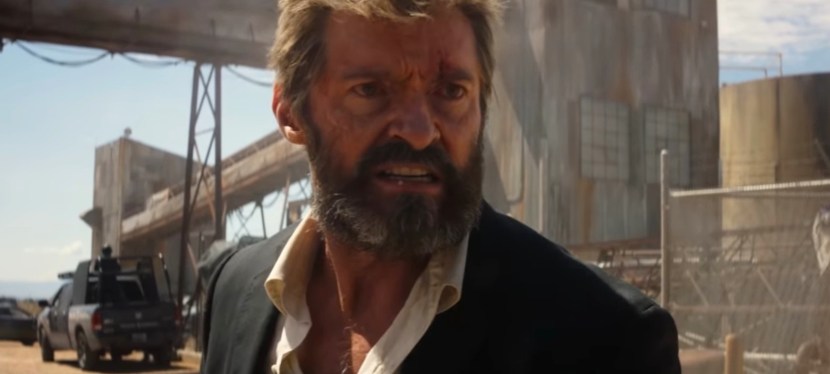
Hugh Jackman delivered his best superhero movie performance in Logan.

Set in what is the near future, Logan takes place in a time (note: the X-Men cinematic universe timeline was revised as a result of X-Men: Days of Future Past) when mutants are dying off as a human species. Wolverine/Logan works as a limousine driver and lives at a smelting plant in Mexico with Cabal and a very old Charles Xavier (Patrick Stewart) who has dementia and has been unstable with his telepathic powers which make him a danger.

The future is bleak for them. Logan is very old and his healing factor has weakened a whole lot and the adamantium coating of his skeleton has poisoned him. Xavier meanwhile needs be provided with medication to prevent him from having a seizure which, combined with his telepathic powers, affects all others around them negatively. It has also been confirmed that an incident was caused by Xavier’s seizure which killed off several X-Men members leaving them three. Logan has to work and earn as much money as he could to keep providing the medication.

One day, a lady approaches Logan to try to hire him to drive her and a young girl named Laura (X-23 in the comics, played by Dafne Keene) to a refuge in North Dakota to escape from danger. Logan accepts reluctantly but discovers that the lady got killed. He returned to the smelting plant and learned that Laura stowed away by discreetly riding his limo. Eventually mercenaries led by Donald Pierce (who met Logan early in the film) arrive at the smelting plant. From this point, Logan realizes why the lady and Laura are targets and then mayhem begins when the little girl fights the mercenaries.

When it comes to storytelling, Logan emphasizes the violent and bitter journey of Wolverine who, at a very late stage in his life, has to accept the reality that he has to make another hard adjustment as a key element from his past comes into his life which is Laura who is actually a clone of him produced from an extracted sample of his DNA. The movie has some parallels with the 1950s cowboy movie Shane (which has some scenes in the film) which added depth to the story.

Logan also emphasizes the element of aging which has not been fully explored in the superhero movie genre until now. Wolverine lived lonely, had no people to love and his personal journey has been marked with violence and death. He could only move forward with whatever opportunities he could find but no matter what he does, happiness will always be unreachable to him. For Charles Xavier, age really tore him down and being almost 100-years-old in the story, he really has nowhere else to go to but death. Not even his legacy of brilliance and teaching mutants to use their powers for good could make any profound changes.

The long journey of Logan, Xavier and Laura in the film is where the character developments really set in. Along the way, there is a scene in which Logan, holding X-Men comic books (made specifically for the story), expressed his displeasure about how people perceive the X-Men and that the pharmaceutical company fed their young cloned mutants with fantasy and lies. Also striking to me as a viewer and a geek were the scenes showing how unethical the company has been with developing the young mutants (X-23’s pals) who decide to fight to escape.

In terms of presentation, Logan was rated R and for good reasons. It was rated R not simply because of very brutal violence and swearing but because its concepts are clearly meant for adults to see. If you combine the concepts of unethical science experiments, mercenary brutality, human rights violations and unchecked destruction, clearly Logan is NOT the superhero movie made for parents and their little kids to watch together. When it comes to action and spectacle, this movie has more than enough stuff to keep viewers entertaining while at the same time it has this particular 1980s R-rated Hollywood action film feel to it.

Screenshot_20190511-162143_YouTube.jpg
Dafne Keene as X-23/Laura. Her great act will be remembered for a very long time.

Performances of the actors were top-notch, specifically Jackman, Stewart and Dafne Keene. Hugh Jackman as a superhero cinematic artist truly evolved! If you disregard the timeline alteration of the X-Men films, you will realize how Jackman’s Wolverine gradually changed in terms of style and expression. In 2000’s X-Men, Wolverine was trying to figure out his place among the mutants as Charles Xavier helped him. In X2, he decided to be with the X-Men and help them out in their situation. In X-Men: The Last Stand, he has to deal with helping the X-Men tackle Magneto who has Dark Phoenix/Jean Grey (the lady Logan has feelings for). In X-Men Origins: Wolverine, he struggles morally and dealt with his relationship with his “brother” Sabretooth. In The Wolverine, he moves away from the X-Men and got himself involved with a conflict (plus an old friend) in Japan. In X-Men: Days of Future Past, Wolverine of the dark future goes back through time to his younger self with the pressure to alter history.

Patrick Stewart’s dying Xavier in Logan shows a new dimension to the cinematic art of the actor. He really makes Xavier look hopeless and yet he successfully made viewers more sympathetic to his character than ever before. Last but not least, Dafne Keene as Laura/X-23 proved how talented she really is when it comes to dramatic scenes. Even though she got yelled at by Hugh Jackman, Keene still moved on with her strong performance. Definitely her performance is something to be remembered for a very long time in cinema.

Conclusion

I have seen a whole lot of superhero movies in my life. Just over a week ago I managed to watch Avengers: Endgame and it was a true epic like Infinity War. Even by today’s standards, Logan is a standout superhero movie that delivers spectacle, action, solid performances, some humor and the distinct vibe of 1980s R-rated Hollywood action cinema combined. In fact, I should say that Logan is a modern day classic among all superhero movies.

As such, Logan is highly recommended and I urge you readers to watch it on Blu-ray disc format to get the best visual and R-rated viewing experience.


Thank you for reading. If you find this game review engaging, please click the like button below and also please consider sharing this article to others. Also my fantasy book The World of Havenor is still available in paperback and e-book format. If you are looking for a copywriter to create content for your special project or business, check out my services and my portfolio. Feel free to contact me as well. Also please feel free to visit my Facebook page Author Carlo Carrasco and follow me at HavenorFantasy@twitter.com
A Look Back At Fantastic Four #375 (1993)

When it comes to cinema, Marvel’s Fantastic Four has yet to achieve greatness commercially and critically. Already four movies were made and the last one released in 2015 was so terrible, I felt that the Fantastic Four brand suffered.

Truly the best way to enjoy the stories of Fantastic Four is in the comic books with a long bridge connecting to its past. Through the decades no doubt. Like any other comic book series, Fantastic Four had its high points, low points as well the unusual or intriguing stuff.

Today we take a close look at Fantastic Four #375.

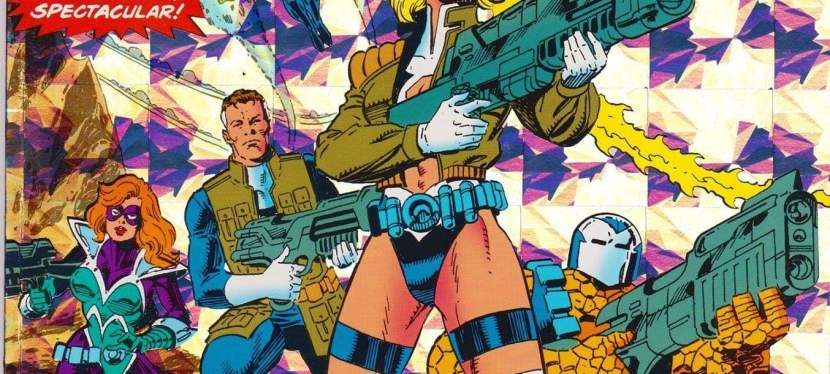
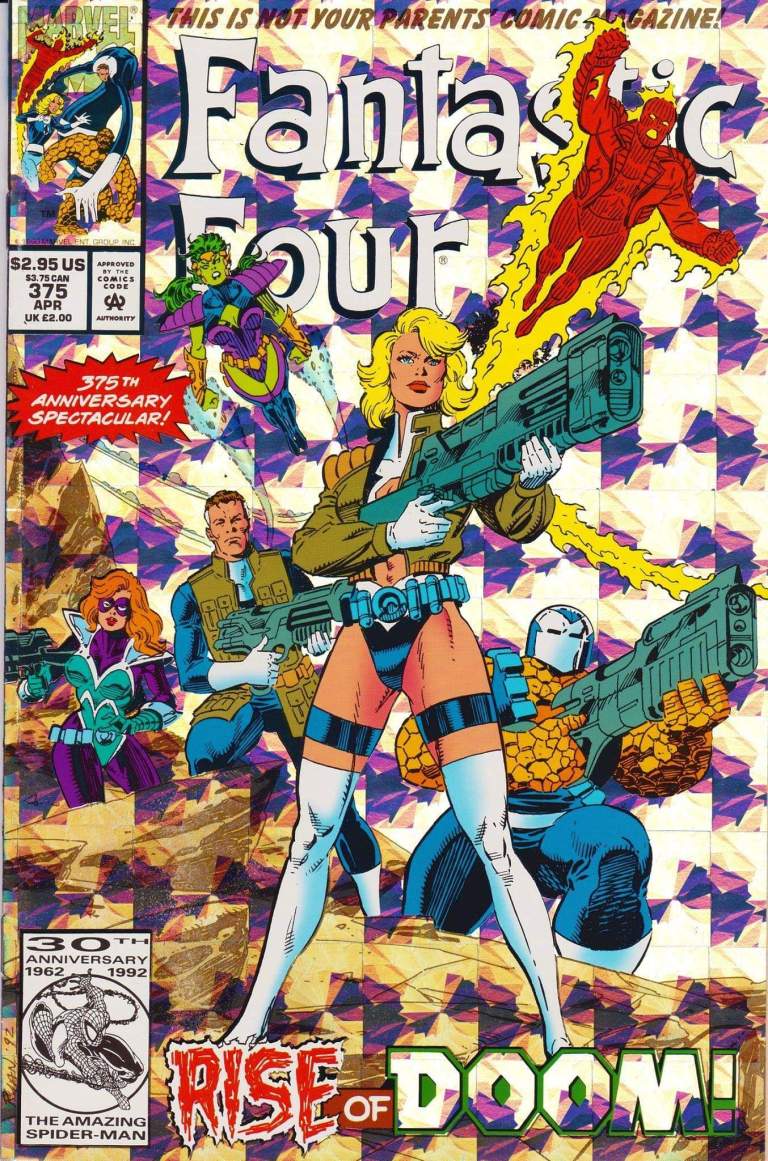
Released in 1993 by Marvel Comics at a prize of $2.95, Fantastic Four #375 came with a foil cover which shines under direct light. The gimmick cover, which was part of the trend of the 1990s, had that “Bling!” visual effect when the brightest light is used on it.

Written by Tom DeFalco and drawn by Paul Ryan, the comic book follows the Fantastic Four with Lyja and Sharon who find themselves suddenly transported into space inside a facility with Uatu, the Watcher. They learned from Uata that their mortal enemy Doctor Doom usurped the power of a renegade Watcher called Aron. Uatu expressed that Doom has grown into a greater threat.

The Fantastic Four and their companions split up in an attempt to find Doom before it is too late.

Storywise, the splitting of the protagonists allowed some notable character development moments to happen. I liked the scene wherein Sharon tries to comfort Ben (The Thing) whose solid face got damaged by Wolverine during a very recent encounter (told in Fantastic Four #374) which makes him vulnerable to excruciating pain when he gets hit on the soft spots. Johnny Storm meanwhile deals with the Skrull woman Lyja whom he has a conflict with. And then there is Reed Richards with wife Sue struggling with some issues as they work together.

Sue said to Richard: I can’t believe that you allowed the Watcher to buffalo you into fighting his battle especially since Johnny is still wanted by the police back on Earth!

When they finally confront Doom, there was this division between them.

Richard: Susan! We must protect the optimizer at all costs!

Sue: Then you guard it! If he’s hurt my brother, Doom is mine!

When it comes to quality, the story can be hard to grasp if you missed out on the previous issues. This was because the conflicts between the characters clearly started from some time back. Also it was interesting to see the Inhumans in the mix.

On spectacle, there is a lot of action to satisfy readers. As this was released in 1993, the 1990s superhero trends were unsurprisingly present such as those large futuristic guns and excess pouches/pockets. While they do make sense in the context of the story, the use of guns by key members of the Fantastic Four (which is reflective of the decade of the comic book’s release) can be alienating to any Fantastic Four fan who has gotten used to seeing the team NOT using such weapons.

Artist Paul Ryan, for the most part, delivered serviceable visuals and clearly tried his best to add impact on the action scenes.

Overall, Fantastic Four #375 delivers some temporary fun. Is it a very memorable Fantastic Four story? Absolutely not. Is it a must-read or a must-buy for new comic book collectors? Not really. In my opinion, the most engaging feature of the comic book is just its shiny cover. Once readers get past the cover and immerse themselves into the story, they won’t got much value in return other than temporary fun.

FB_IMG_1554473010319.jpg
The cover with the “Bling!” visual effect under bright light!

 If you find Fantastic Four #375 at a bargain bin for less than $1, then it would be a good purchase. Don’t pay any higher than $1 for it.


Thank you for reading. If you find this article engaging, please click the like button below and also please consider sharing this article to others. Also my fantasy book The World of Havenor is still available in paperback and e-book format. If you are looking for a copywriter to create content for your special project or business, check out my services and my portfolio. Feel free to contact me as well. Also please feel free to visit my Facebook page Author Carlo Carrasco and follow me at HavenorFantasy@twitter.com

A Look Back at Solitaire #1 of the Ultraverse

When you fight evil, you do it alone.

solitaire2
Solitaire in action in Solitaire #1 published in 1993 by Malibu Comics under their Ultraverse line of comic books.

The concept of vigilante figures taking the fight against crime alone backed with resources (in the form of weapons) is a long running tradition in superhero comic books. DC Comics has its iconic Batman doing lots of detective work and fighting criminals many times on his own. Similar stories were seen with the Punisher and Daredevil over at Marvel.

When Malibu Comics launched the Ultraverse line of superhero comics in 1993, they added variety into the big mix. They had their own parallel to Marvel’s Punisher and DC’s Batman in the form of Solitaire and they boldly launched a comic book series of the character.

Released in late 1993 with story by Gerard Jones and art by Jeff Johnson and Barb Kaalberg, Solitaire #1 introduced readers to Nicholas Lone who wears a purple-and-blue costume with mask and fights criminals as Solitaire. He’s not just a brave, tough guy who daringly goes against thugs. He’s is very talented with martial arts, acrobatics and weapon use.

The comic book begins when thugs working for a crime lord called the King are about to catch a helpless lady who gets saved by Solitaire. The hero easily outmaneuvers the bad guys and he proved to them that he really is hard to hurt.

At his headquarters, the King made it clear to readers that Solitaire has been a problem to him for some time already and feels bad when the hero disrupts his operation. Solitaire meanwhile prepares himself for the next move against the King by returning to his hideout (an old theater), doing some research by computer and coordinating with his contacts on the streets.

Regarding the quality of the comic book, I say the script is nicely paced as it does a good job introducing Solitaire to readers while still having spare spotlight for the King. Within twenty-five pages, the hero got clearly defined as a man of action as well as a person with a purpose. His fight against crime is defined by key parts of his past especially with the fact that his own father – Antone Lone – is a crime lord.

When it comes to super powers, Solitaire has very quick reflexes which makes him a hard target for armed thugs. He also has healing factor which works rapidly and gives him a major advantage over the bad guys. In fact, the presence of the healing factor (which works like that of Wolverine) makes Solitaire more daring and more willing to take risks engaging the bad guys with violence. He can get stabbed and his body can be shot with several bullets and still he will recover quickly to get the job done.

Solitaire is indeed super and yet there is something intriguing with his personality. Apart from being the son of a crime lord, Nicholas Lone’s acquisition of his powers is a painful mark on him personally. This was because his father gave him those powers as a result of his attempt to commit suicide. The powers are the result of the installation of nano-machines into his body.

solitaire1

Overall, Solitaire #1 is a good and intriguing read. It really comes with a flavor that makes it distinct from other superhero-versus-criminals stories and the introduction of Solitaire alone is worth the cover the price. If you can find copies of Solitaire #1 on the back issue shelves of the comic book stores, I recommend buying it as well as the other issues.

It’s too bad that the Ultraverse ended after Marvel Comics acquired Malibu Comics back in the 1990s because like Prime, Hardcase and Prototype, Solitaire is very unique and intriguing at the same time. In my opinion, Solitaire is the most defining crime fighter of the entire Ultraverse and it’s too bad stories featuring him are not too many.

Thank you for reading. If you enjoyed this article, please click the like button below and also please consider sharing this article to your fellow comic book geeks and Ultraverse fans. Also my fantasy book The World of Havenor is still available in paperback and e-book format for you to order.

Author’s Note: This article was originally published at my old Geeks and Villagers blog. What you read on this website was an updated and expanded version. In other words, this newest version you just read is the most definitive version.Â