A Look Back at What If #61 (1994)

Disclaimer: This is my original work with details sourced from reading the comic book and doing personal research. Anyone who wants to use this article, in part or in whole, needs to secure first my permission and agree to cite me as the source and author. Let it be known that any unauthorized use of this article will constrain the author to pursue the remedies under R.A. No. 8293, the Revised Penal Code, and/or all applicable legal actions under the laws of the Philippines.

Welcome back superhero enthusiasts, 1990s arts and culture enthusiasts, Marvel Comics fans and comic book collectors! Today we go back to the wild 1990s and examine an alternate universe portrayal of one of Spider-Man’s many events told through the What If monthly series!

If you are looking for a portrayal of Spider-Man going over the edge and into the extremes emotionally, you are about to experience something in this retro review of mine. Some time ago, I reviewed a What If comic book about Spider-Man becoming a murderer which was compelling but ended on a whimper.

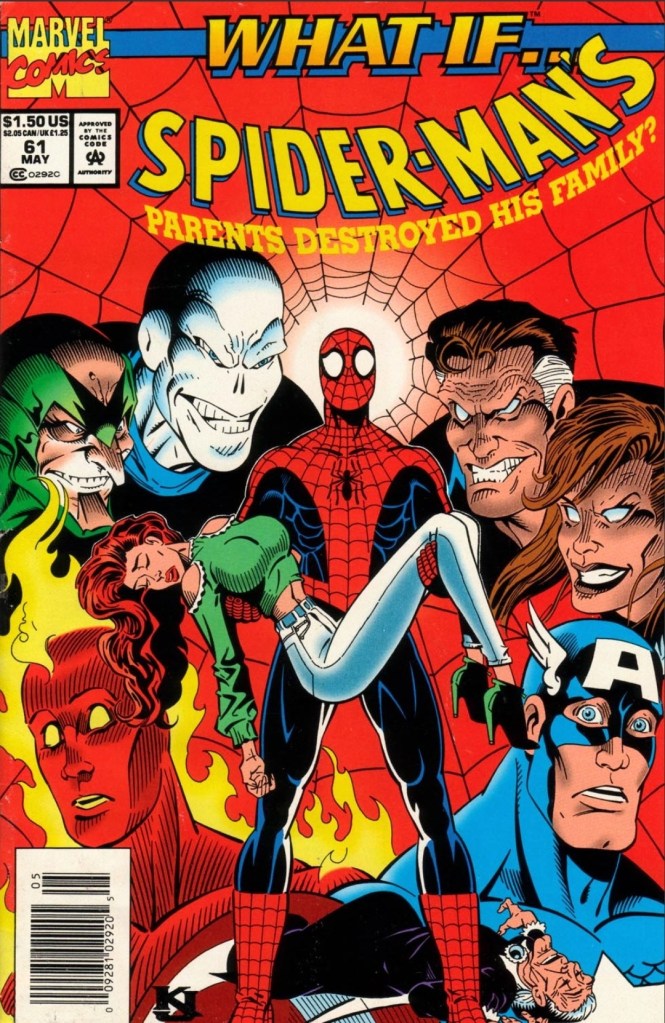
With those details laid down, here is a look back at What If #61 published in 1994 by Marvel Comics with a story written by Kurt Busiek and drawn by Kirk Jarvinen, Andrew Wildman, Derek Yaniger and Jim Amash.

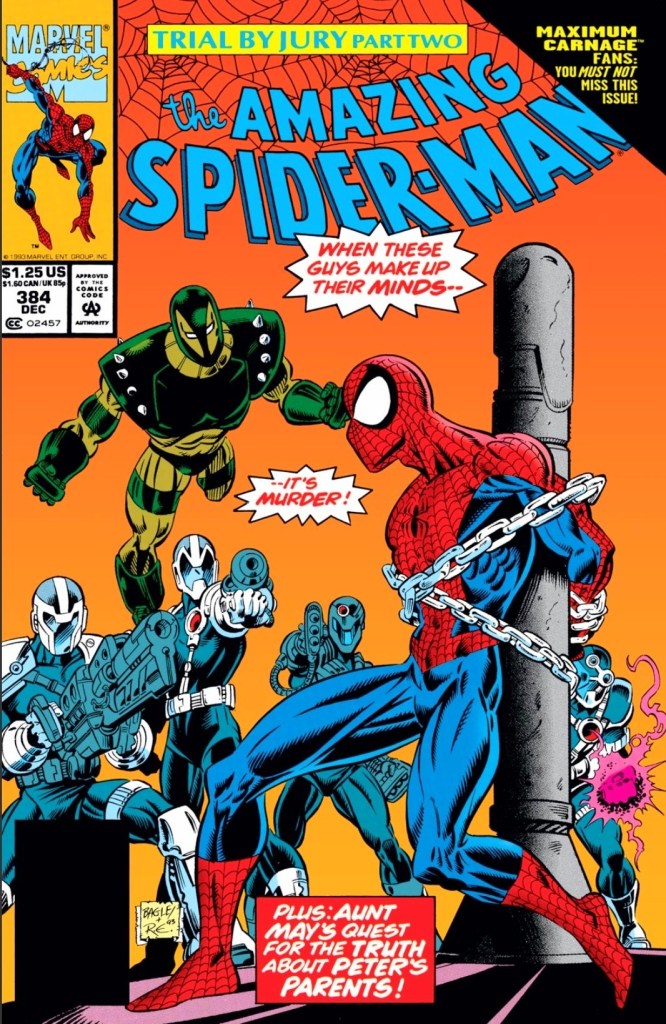
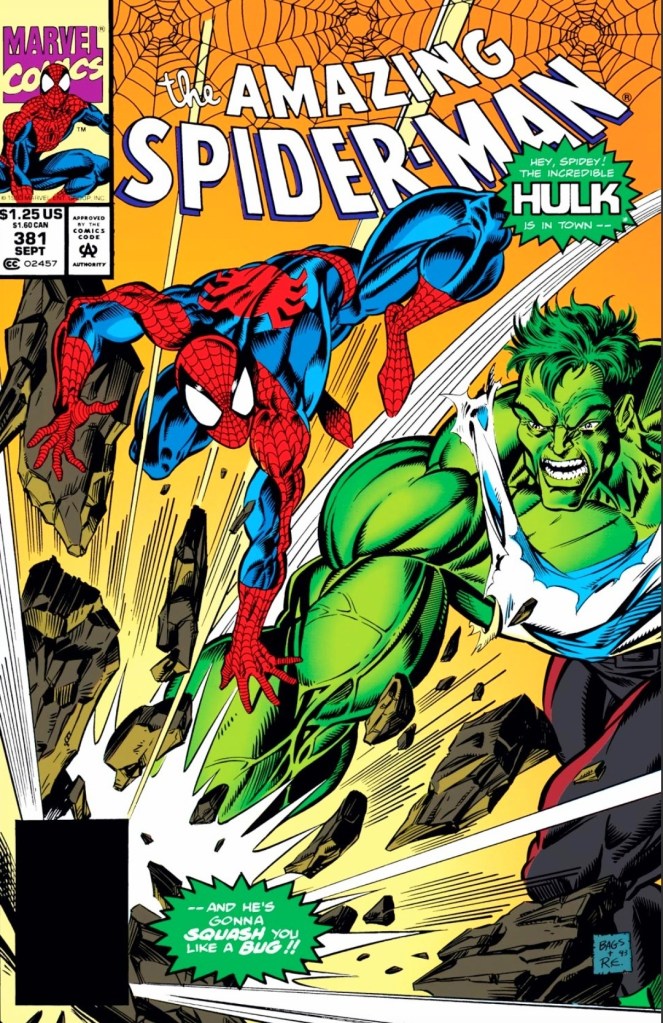
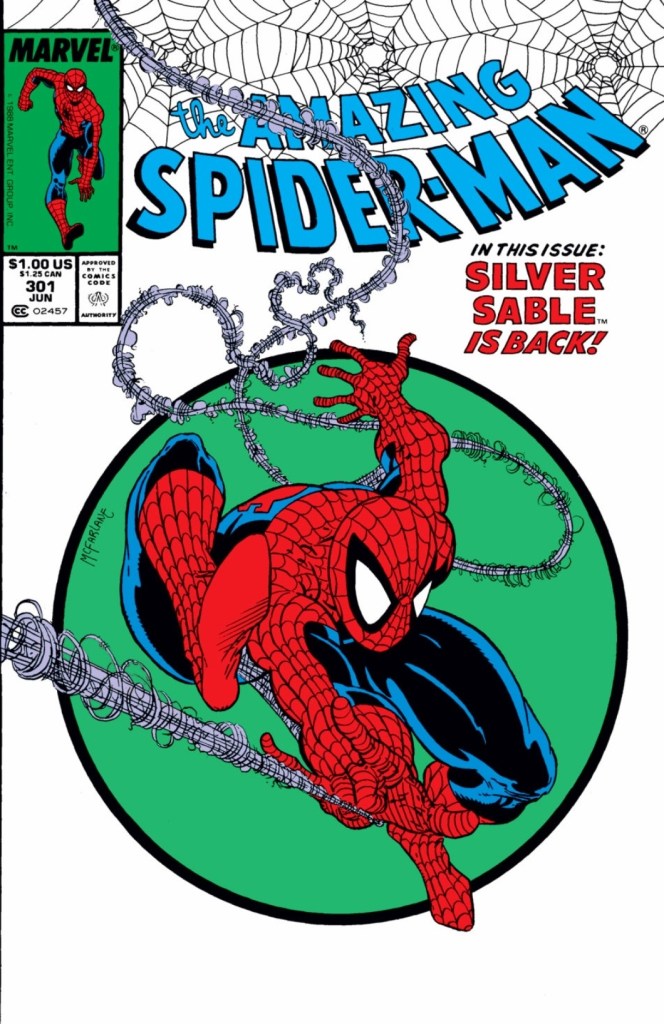
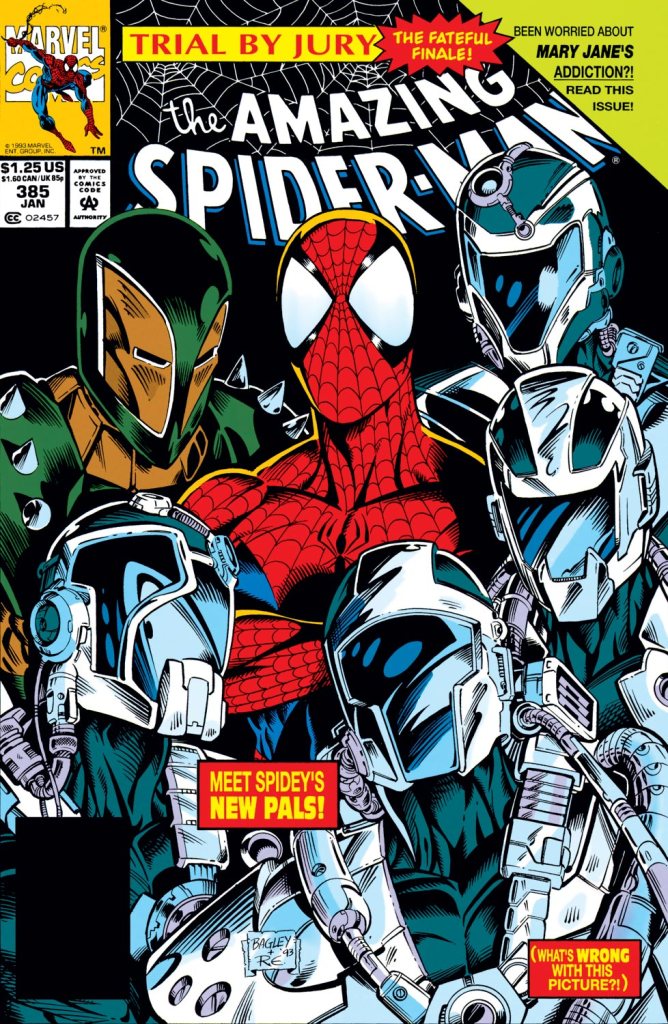
The cover.

Early story

The story begins with Richard and Mary Parker (Peter Parker’s parents) arriving in the presence of Aunt May who happens to be visited by their son Peter (Spider-Man). Having learned something from a while back, Aunt May tells Richard and Mary that they are not genuine persons. Suddenly, Peter Parker’s spider sense intensifies and in an attempt to defuse the situation, he leads his aunt to walk out of the house with him. Richard and Mary watch them walk away.

It turns out, Richard and Mary are impostors and they have been working all the time for a secretive boss. Richard calls his employer under an emergency and reports that they have completed phase one of their assignment, that Aunt May knows the truth about them and is about to inform Spider-Man. Richard is then told that under no circumstances is the plan to be jeopardized and anyone who suspects must die. He is also told to flush Mary’s programming and reset her as she showed signs of acting odd to the situation.

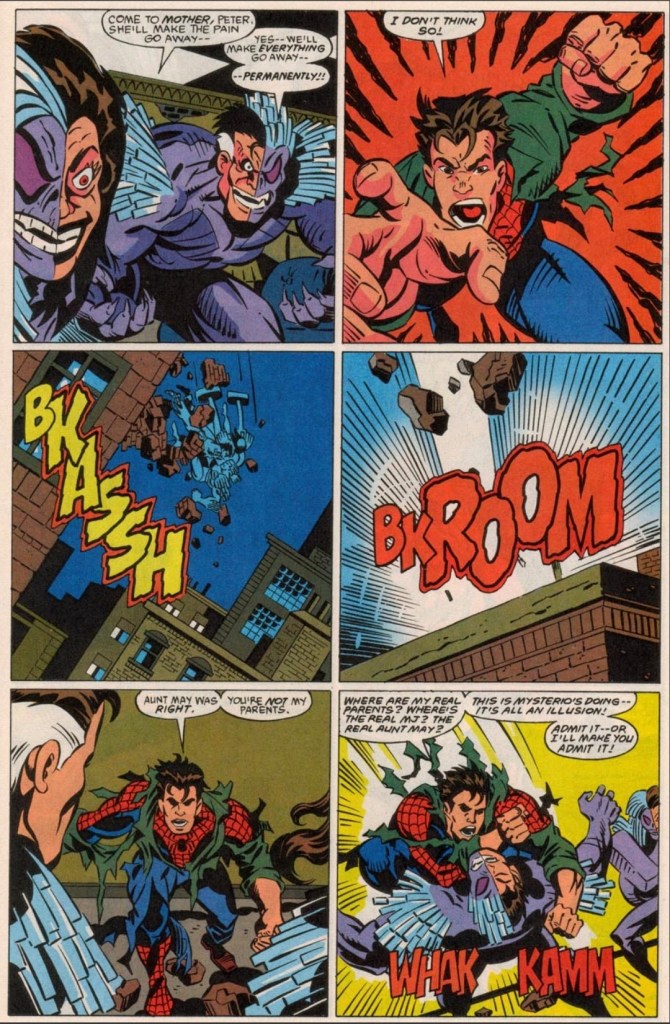
A short time later, Richard and Mary – now in morphed forms with vastly different bodies and half their heads resembling their human selves – suddenly break into an apartment surprising Peter, his wife Mary Jane and Aunt May. Violent action by one of them accidentally ripped open Peter’s shirt, revealing his Spider-Man suit to Aunt May. Just as Peter’s aunt figures out the secret, he tells Mary Jane to grab her and get out.

However, the sight of the morphed Mary Parker shocked Aunt May and Mary Jane so much, they failed to move. Mary Parker then morphs her two hands into large, makeshift hammers, and swiftly killed Aunt May and Mary Jane. Peter is instantly shocked by their sudden deaths but deep inside, rage begins to burn…

Quality

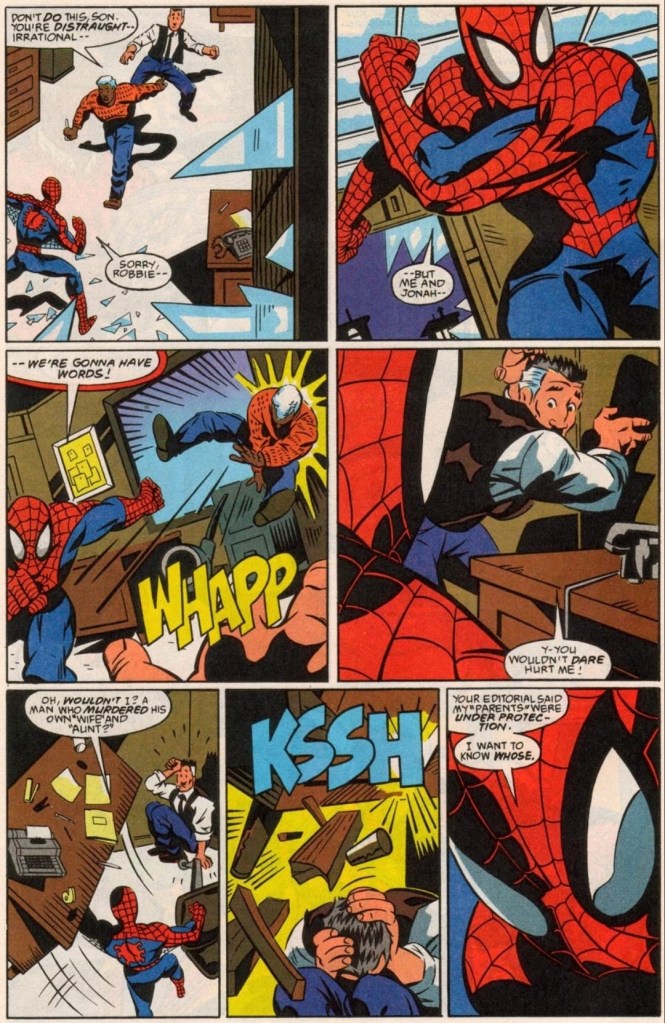
Spider-Man already over the edge and reacting violently to the abusive Daily Bugle.

I can start by confirming that Kurt Busiek’s writing is very strong and his alternate take on the events of Amazing Spider-Man #388 (1994) is indeed very solid. In one way, I find the emotional stakes for Spider-Man has been raised a lot higher than what was portrayed in the canon story. The concept of losing his beloved family members to enemies who were impostors that looked like his long lost parents is indeed disturbing as well as emotionally charged. In relation to this, Busiek and the illustrators brought to life a Spider-Man who really went over the edge by taking matters into his own hands as the loss of beloved ones led to the blurring of the boundary between good and evil. Even the boundary between innocence and guilt gets blurred which adds more depth to the emotions of the story. As I read the story, there were moments when I felt that Spider-Man became as bad as the evil ones even though he is clearly the victim and his family was targeted.

Apart from showing Spider-Man getting outraged and pushed to the limits, Busiek inserted elements about how people perceive incidents without knowing all the facts and how easily they get manipulated by a news outlet – the Daily Bugle where Peter Parker worked as a freelance photographer – whose leader does not care about ethical journalism nor the pursuit of the truth. In this age of widespread fake news and liberal news media outlets in America doing propaganda for American Communists (read: Democrats, abortionists, LGBTQ, Black Lives Matter, Antifa, the terrorists, the climate change extremists and the socialist hordes), this particular aspect of the story makes this comic book strongly relevant to read today.

The story also sheds light on Spider-Man’s connections with other Marvel superheroes who happen to be in New York City. You will see Captain America and Johnny Storm express their concern about Spider-Man’s state of mind as they themselves still tried to figure out what really happened. In short, the superheroes here showed restraint even as Spider-Man goes to the extreme being a victim as well as a fugitive.

If there are any weak points in this comic book, it would be the art which has this cartoon-like aesthetic for much of the story. Considering the serious subject matter, the visuals are quite contradicting as they make this look like it was made for much younger readers. In fairness, the quality of the art improved during the 2nd half of the story.

Conclusion

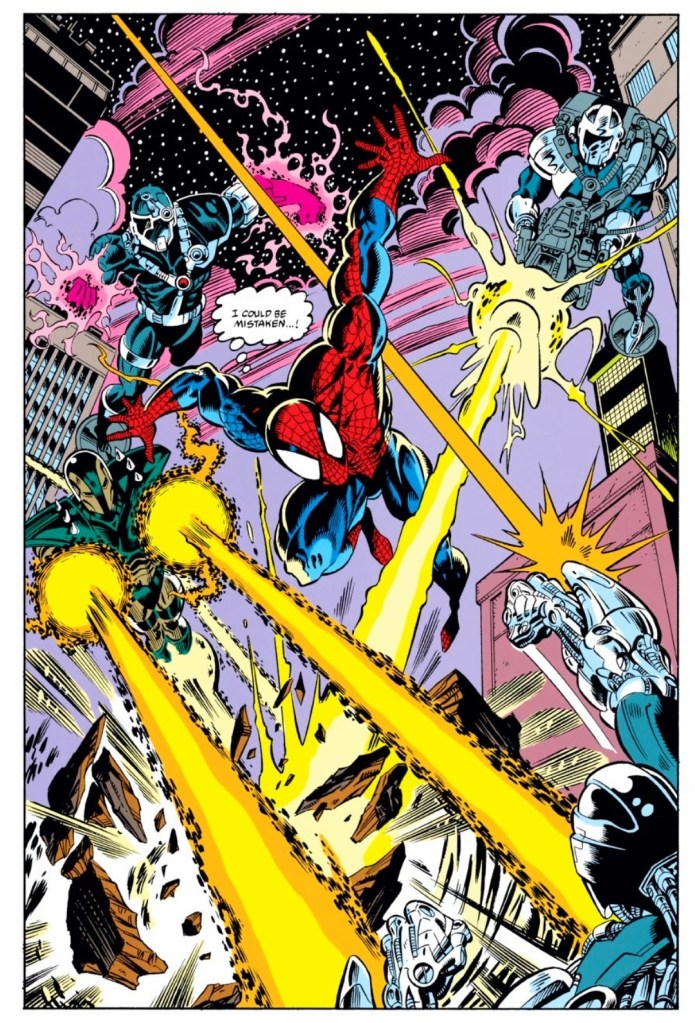
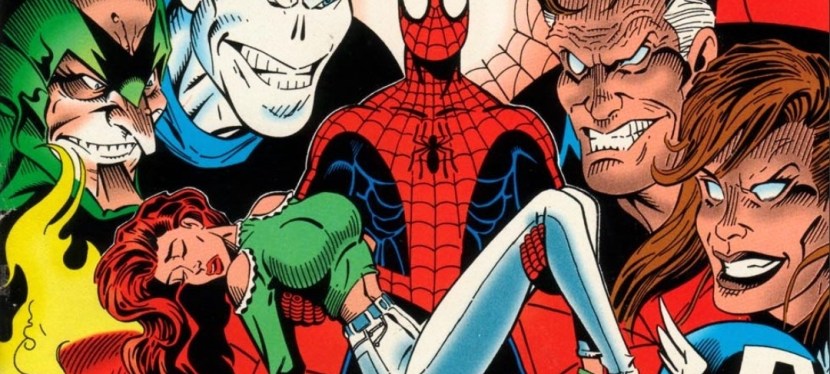
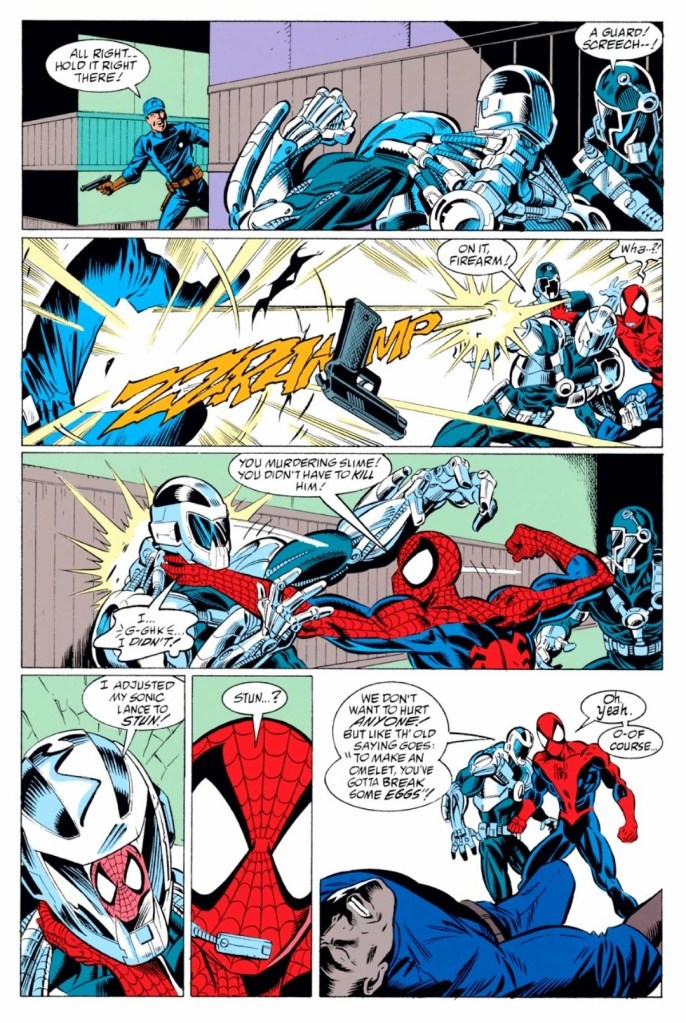
Spider-Man takes on the impostors who looked like his parents.

As far as storytelling and characterization goes, What If #61 (1994) succeeded a lot on portraying the iconic Spider-Man as the superhero who went over the limits of his emotions and his reasoning which is the result of the tragic deaths of two beloved family members caused by individuals who pretended to be his parents. This is a very solid story which also has a powerful ending. Where What If #72 failed, this comic book succeeded and even exceeded it with Spider-Man truly becoming unheroic. I should state that this comic book should convince readers to go to the Amazing Spider-Man series and follow the Lifetheft storyline in issues #386 to #388 (which were released months before this comic book). Kurt Busiek’s script is indeed great and it is easily the driving force of the comic book.

Overall, What If #61 (1994) is highly recommended.

+++++

Thank you for reading. If you find this article engaging, please click the like button below, share this article to others and also please consider making a donation to support my publishing. If you are looking for a copywriter to create content for your special project or business, check out my services and my portfolio. Feel free to contact me with a private message. Also please feel free to visit my Facebook page Author Carlo Carrasco and follow me on Twitter at  @HavenorFantasy as well as on Tumblr at https://carlocarrasco.tumblr.com/ and on Instagram at https://www.instagram.com/authorcarlocarrasco
A Look Back at What If #17 (1990)

Disclaimer: This is my original work with details sourced from reading the comic book and doing personal research. Anyone who wants to use this article, in part or in whole, needs to secure first my permission and agree to cite me as the source and author. Let it be known that any unauthorized use of this article will constrain the author to pursue the remedies under R.A. No. 8293, the Revised Penal Code, and/or all applicable legal actions under the laws of the Philippines.

Welcome back superhero enthusiasts, 1990s arts and culture enthusiasts, Marvel Comics fans and comic book collectors! Today we go back to the year 1993 and explore a part of Marvel Comics’ universe through the reimagined tales emphasized in the What If monthly series.

Several years ago, I bought myself a trade paperback collection of the 1987 Spider-Man storyline Kraven’s Last Hunt written by J. M. DeMatteis and drawn by Mike Zeck. That particular storyline was very notable not just for its dark approach to storytelling and visualization, but it also explores what would happen had Spider-Man been defeated and someone very obsessed took his place and go on a rampage disguised as Spider-Man. The storyline also explored how Kraven perceived Spider-Man without ever knowing the defining traits of the man behind the mask – Peter Parker. Eventually, Marvel Comic went on to revisit Kraven’s Last Hunt and explored what would happen had Kraven actually killed Spider-Man through their What If? monthly comic book series.

With those details laid down, here is a look back at What If #17, published in 1990 by Marvel Comics with a story written and drawn by Richard Howell.

The cover.

Early story

The story begins with the Watcher revisiting key moments from the Kraven’s Last Hunt storyline. History then takes a turn towards the unexplored when Kraven, armed with a gun, shoots and kills Spider-Man. As the dead webslinger lies in a coffin, Kraven celebrates his victory with a lot of passion believing that he struck back at what he perceives to be the meaninglessness of the world. Kraven is quite mad as he equates spiders with Spider-Man as well as the decline of civilization.

After fearlessly and grotesquely eating spiders, Kraven wears a black body tight costume that looks almost the same as that of Spider-Man’s. While he is victorious, Kraven is not satisfied and he becomes obsessed by becoming Spider-Man and prove himself superior to him. He then moves into the city whose people are familiar with Spider-Man and also are unprepared with who is coming to them.

In an apartment, Spider-Man’s wife Mary Jane Parker is alone and worried. As she does not know that her beloved Peter Parker has been killed, she cannot help but agonize over the strain of his double-life as a civilian and as a superhero. Determined to find Peter, she walks out during the rainy night and is spotted by two men focused on her.

Suddenly the new Spider-Man (Kraven) appears and in an apparent effort to help Mary Jane, he grabs one of the men and brutally pushes the man’s head on to a nearby wall. As Kraven does not recognize Mary Jane, the wife realizes that the Spider-Man she just saw is definitely not her husband. This only makes her wonder again where he is and what happened to him. She then starts calling others for help…

Quality

In addition to being ruthless, Kraven disguised as Spider-Man resembles Venom.

I’ll start with the visuals. This comic book took a serious effort to come close to capturing the look and visual tone of the Kraven’s Last Hunt storyline which I enjoyed. Richard Howell visualized the characters, the situations and details properly and there was not a single moment when the visuals overwhelmed the narrative. Howell’s artistic take on the characters is simplistic but they remain recognizable which is a plus. The superhero spectacle was presented with a clear and clean approach, and there were a few key moments of action that got highlighted with some dynamism.

As for the story itself, what I found surprising and also pleasant here was the presentation of Mary Jane Parker as the main character instead of Kraven. This makes sense as Kraven himself was the major attraction of the Kraven’s Last Hunt storyline while Spider-Man was out of commission. In the context of this What If story, it only made sense to have Mary Jane as the central figure. Going back to Kraven, Howell captured the essence of the character well when compared to his version in Kraven’s Last Hunt.

In terms of plotting, telling the story through the viewpoint and actions of the superhero’s concerned wife really works well. Without spoiling the plot, you will see Mary Jane get involved with three notable superheroes – including the iconic Captain America – and even with other notable Spider-Man supporting characters such as Flash Thompson and the irresponsible print media figure J. Jonah Jameson. Interactions aside, the plot works sufficiently as a couple of series of events take place before the big confrontation with Kraven (as the new Spider-Man). By the end of it all, I can say that the story is entertaining, engaging and intriguing to read.

Conclusion

Mary Jane Parker goes out in pursuit of her husband Peter Parker/Spider-Man who happens to be dead already at this particular point of the story.

I can say that What If #17 (1990) is pretty captivating read and it is a worthy literary companion to Kraven’s Last Hunt. Of course, to really enjoy this alternative tale cleverly told by Howell, you must read Kraven’s Last Hunt first. Otherwise, you would not feel the impact of this comic book very much. I also liked how the death of Spider-Man (note: Spider-Man got killed in another What If tale that itself is worth reading) impacts Mary Jane, how it impacts the superheroes who know him, and most notably how it impacts the fragile relationship between society and superheroes. Lastly, this comic book has one of the more significant portrayals of Spider-Man’s most beloved woman. This is indeed a great story.

Overall, What If #17 (1990) is highly recommended!

+++++

Thank you for reading. If you find this article engaging, please click the like button below, share this article to others and also please consider making a donation to support my publishing. If you are looking for a copywriter to create content for your special project or business, check out my services and my portfolio. Feel free to contact me with a private message. Also please feel free to visit my Facebook page Author Carlo Carrasco and follow me on Twitter at  @HavenorFantasy as well as on Tumblr at https://carlocarrasco.tumblr.com/ and on Instagram at https://www.instagram.com/authorcarlocarrasco
A Look Back at What If #20 (1990)

Disclaimer: This is my original work with details sourced from reading the comic book and doing personal research. Anyone who wants to use this article, in part or in whole, needs to secure first my permission and agree to cite me as the source and author. Let it be known that any unauthorized use of this article will constrain the author to pursue the remedies under R.A. No. 8293, the Revised Penal Code, and/or all applicable legal actions under the laws of the Philippines.

Welcome back superhero enthusiasts, comic book collectors, 1990s culture enthusiasts and fans of Marvel Comics! Before starting this newest retro comic book review, I should state that I really like Marvel’s way of exploring the unexplored scenarios related to the stories they published. Back in the 1980s, Marvel made its decision to have their icon Spider-Man – in his civilian form as Peter Parker – get married with Mary Jane Watson. Unsurprisingly, such an event added a whole lot of new elements into the life of the literary Spider-Man with regards to his struggle on balancing his life between superhero acts, domestic living and being attentive to his wife. If you really want to read about the wedding, I suggest searching for a copy of The Amazing Spider-Man Annual #21 (1987).

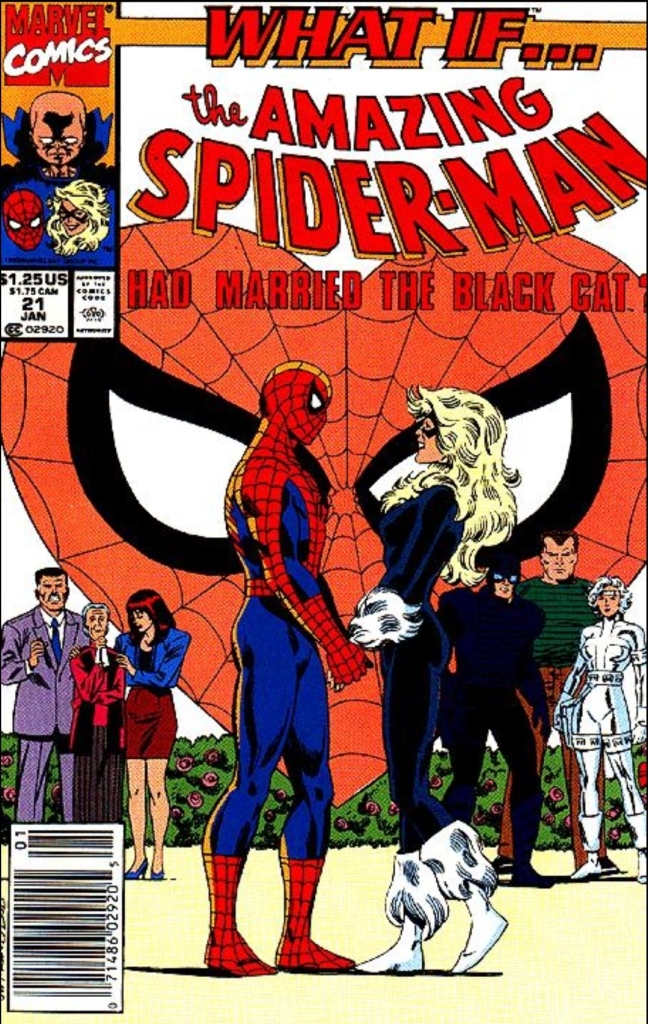
Imagine what would have happened had Spider-Man not married Mary Jane? That very scenario was explored in an issue of the What If monthly series (Volume 2) back in the early 1990s. We can find out more together in this look back at What If #20, published by Marvel Comics in 1990 with a story written by Danny Fingeroth and drawn by Jim Valentino.

The cover.

Early story

The story begins with the Watcher narrating key events in the life of Spider-Man. It is recalled how much pain Spider-Man endured when his beloved Gwen Stacy died during his conflict with the Green Goblin. Subsequently Peter Parker resumed his relationship with Mary Jane. When Mary Jane became absent, he got involved with Felicia Hardy/Black Cat who turned out to be too wild and reckless for him. Eventually, Peter married Mary Jane.

By pointing out that there are other realities, the Watcher then begins to explore another scenario in which Spider-Man realizes is far from being all right with him. During the wedding ceremony, Peter turns down Mary Jane which shocks the guests who were present. He tells her privately that even though he loves her, she will be in danger all the time as a wife. She walks away from him, still wearing her wedding dress.

Some hours later, Spider-Man swings around New York and strikes the criminals really hard…

Quality

Spider-Man and Black Cat take on Venom!

To be clear, this comic book shows a Spider-Man who not only rejected marriage, but is also a tortured soul whose inner pain started even before the failed wedding ceremony. Silver Sable, who is often focused on missions, notices Spider-Man being too angry and careless with his performance with them taking on the bad guys. The old and frail Aunt May is deeply worried over Peter and hopes he would not harden his heart to the possibility of loving someone.

The thing about this story is that the writing done by Danny Fingeroth is pretty good as he captured Spider-Man’s essence while successfully steering him pretty close to the edge, almost blurring the boundary the separates the good and evil in him. The story moved with a nice pace and there is a good amount of suspense that will keep you wondering if Spider-Man can climb out of the deep hole of darkness he’s in.

More on the plot, I also enjoyed this comic book’s connection with Kraven’s Last Hunt and the early encounter with Venom. If there is any weak point with this story, it is the fact that it served as build-up of something set to happen in the next issue.

When it comes to the art, Jim Valentino did a good job bringing the script to life and that includes framing the character development scenes and the spectacle scenes in interesting ways. I personally enjoyed his take on Venom and Kraven.

Conclusion

Without Mary Jane as a wife, Spider-Man went on to fight the bad guys more intensely.

What If #20 (1990) is indeed a solid, alternate story about Spider-Man. It was gripping right from the start but it lacked a solid conclusion as its last few pages started to build up anticipation for the following issue. In short, this is not a standalone story and to fully enjoy what it started, you have to read What If #21. Still, I love the way Spider-Man is portrayed here and there are some characters involved that long-time fans will enjoy.

If you are seriously planning to buy an existing hard copy of What If #20 (1990), be aware that as of this writing, MileHighComics.com shows that the near-mint copy of the regular edition costs $53 while the respective near-mint copies of the newsstand edition and the signed edition both cost $105.

Overall, What If #20 (1990) is recommended.

+++++

Thank you for reading. If you find this article engaging, please click the like button below and also please consider sharing this article to others. If you are looking for a copywriter to create content for your special project or business, check out my services and my portfolio. Feel free to contact me as well. Also please feel free to visit my Facebook page Author Carlo Carrasco and follow me at HavenorFantasy@twitter.com