A Look Back at Solitaire #7 (1994)

Disclaimer: This is my original work with details sourced from reading the comic book and doing personal research. Anyone who wants to use this article, in part or in whole, needs to secure first my permission and agree to cite me as the source and author. Let it be known that any unauthorized use of this article will constrain the author to pursue the remedies under R.A. No. 8293, the Revised Penal Code, and/or all applicable legal actions under the laws of the Philippines.

Are you readers craving for another tale of crime-fighting and vigilantes set within the Ultraverse? Get ready for another bout of conflicts told through the eyes of Solitaire, one of the more unique crime-fighting superheroes to have ever existed.

As such, here is a look back at Solitaire , published in 1994 by Malibu Comics with a story written by Gerard Jones and drawn by Jeff Johnson.

Cover
The cover.

Early story

The story begins with the arrival of Double Edge, a caped swordsman who strong believes that all things in life must be balanced no matter how hard it could be. As far as he is concerned, only he can help achieve balance whenever the scales are tilted. Double Edge jumps down on a man (outside of a parked car), knocked him out and grabbed the keys from him. Another man comes out of the café and spots Double Edge with the keys, which made him think the swordsman was stealing the downed man’s car. Double Edge strikes him impulsively to balance things out but ends up leaving him down on the sidewalk with a lot of blood lost. The swordsman regrets it.

Double Edge drives the car still obsessing with balancing. Suddenly another car – driven by Solitaire – gets into his way forcing the swordsman to move his car leftwards and hit another vehicle.

Immediately, Solitaire and Double Edge jumped out of their vehicles to start a fight…

Quality

17
Really nice action between Solitaire and Double Edge by Jeff Johnson.

For a pretty wordy comic book, this one still managed to entertain with lots of action and intriguing dialogue. As far as narrative is concerned, this one is about Solitaire dealing with a fellow costumed vigilante who is obsessed with balance even thought it complicates his ways of fighting criminals.

What is easily the strongest selling point as well as the most interesting aspect of this comic book is the clash between Solitaire and Double Edge not only with armed combat but also with the very different ways they look at fighting crime and helping people in times of danger. Their exchange of words is engaging thanks to the strong dialogue.

As with the previous issues, Jeff Johnson delivered good visuals complete with a smooth flow of transition.

Conclusion

2
Double Edge jumps on someone.

Solitaire is indeed entertaining and intriguing. It’s not an Ultraverse story with a high-stakes concept, but it succeeds in telling a more grounded story within the said universe through the eyes of not just one but two costumed crime fighters. This comic book was released with an “Ultraverse 1st Birthday” mark on the cover and considering what happened in the first six issues, this one really felt like a turning point in the saga of Solitaire.

If you are seriously planning to buy an existing hard copy of Solitaire (1994), be aware that as of this writing, MileHighComics.com shows that the near-mint copy of the regular edition costs $4.

Overall, Solitaire is recommended.


Thank you for reading. If you find this article engaging, please click the like button below and also please consider sharing this article to others. If you are looking for a copywriter to create content for your special project or business, check out my services and my portfolio. Feel free to contact me as well. Also please feel free to visit my Facebook page Author Carlo Carrasco and follow me at HavenorFantasy@twitter.com

A Look Back at Prototype #7 (1994)

Disclaimer: This is my original work with details sourced from reading the comic book and doing personal research. Anyone who wants to use this article, in part or in whole, needs to secure first my permission and agree to cite me as the source and author. Let it be known that any unauthorized use of this article will constrain the author to pursue the remedies under R.A. No. 8293, the Revised Penal Code, and/or all applicable legal actions under the laws of the Philippines.

Hey everyone! Are you ready for another return to the Ultraverse following the tales of Prototype?

We can start now with this look back at Prototype , published in 1994 by Malibu Comics with a story written by Tom Mason and Len Strazewski, and illustrated by Roger Robinson.

Cover
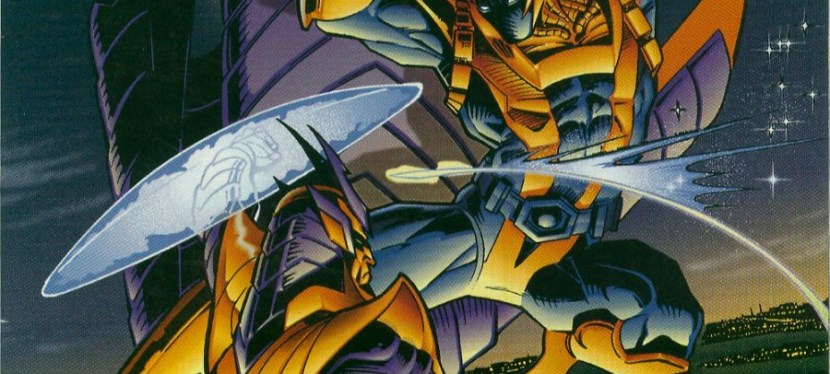
The cover.

Early story

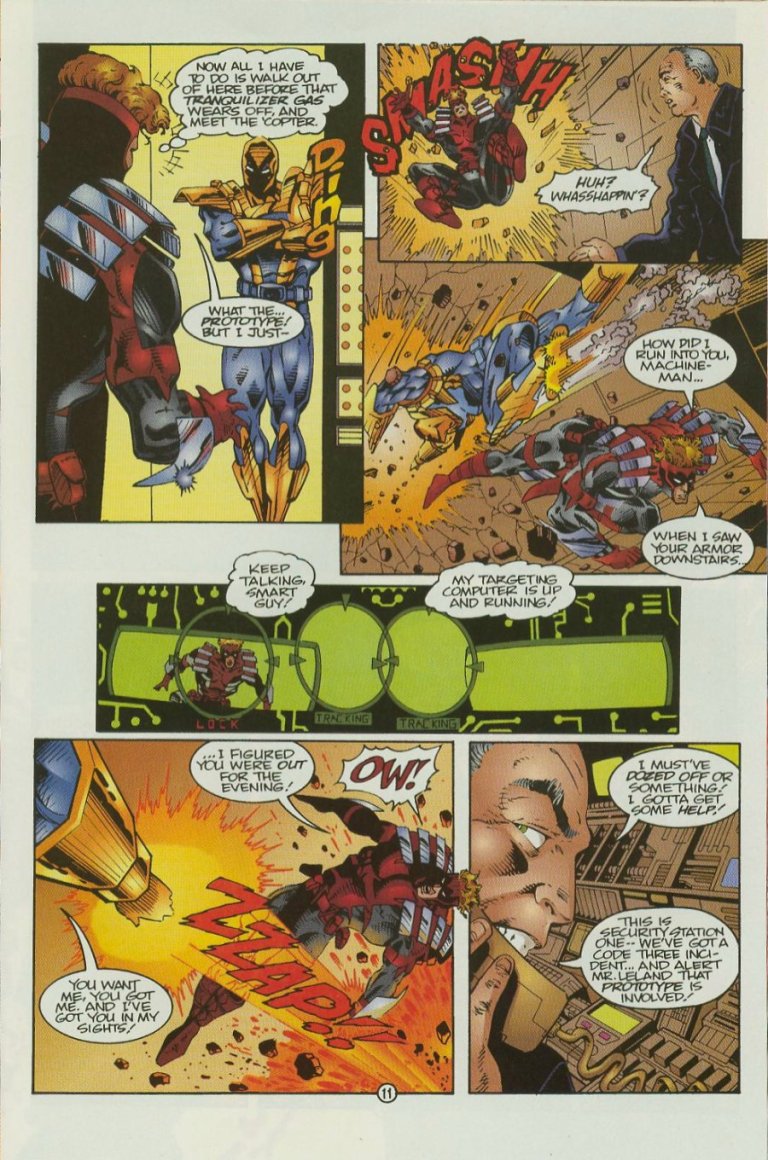
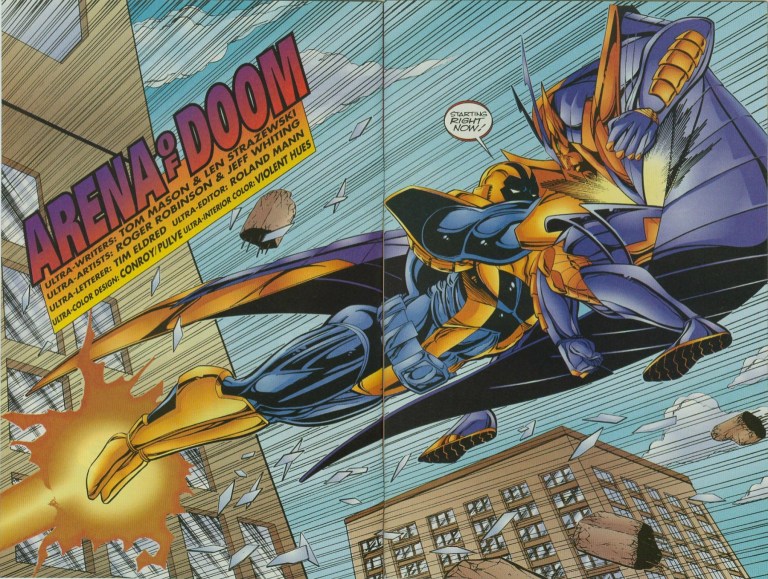
The story begins high above the city street with a battle between Prototype (piloted by Jimmy Ruiz using a more advanced armor provided by his boss) and Arena. The boss of Jimmy could only express surprise to see Arena return having believed that Bob Campbell finished him off some months back.

As the fight goes on, Arena realizes that it is not his old nemesis Bob Campbell occupying the Prototype armor. For his part, Jimmy struggles with the uncertainty that comes with fighting his predecessor’s nemesis from the past.

Meanwhile at the roof of Ultratech’s headquarters in the city, armed and armored personnel take position following the orders of Leland…

Quality

Once again, Tom Mason and Len Strazewski crafted another strongly engaging story with the established mix of spectacle, corporate intrigue and the continued development of the two pilots of Prototype – Jimmy and Bob.

Speaking of the two, I love the way the story explored the other key elements from the respective personal lives of Jimmy and Bob. While Bob tends to his friend Jake in the hospital, Jimmy’s girl continues to pursue him (Jimmy) even though he is occupied with working as Prototype. This comic book also went the extra mile confirming the shared universe connection with a certain other Ultraverse character (note: he had his own series) making an appearance.

Artist Roger Robinson continued to deliver nice visuals that reflected the script, from the subtle drama scenes to the dynamic action scenes.

Conclusion

2
The money shot!

Prototype is another solidly enjoyable comic book of the Ultraverse, worthy of inclusion in your collection.

If you are seriously planning to buy an existing hard copy of Prototype (1994), be aware that as of this writing, MileHighComics.com shows that the near-mint copy of the regular edition costs $4 while the near-mint copy of the newsstand edition costs $13.

Overall, Prototype is recommended.


Thank you for reading. If you find this article engaging, please click the like button below and also please consider sharing this article to others. If you are looking for a copywriter to create content for your special project or business, check out my services and my portfolio. Feel free to contact me as well. Also please feel free to visit my Facebook page Author Carlo Carrasco and follow me at HavenorFantasy@twitter.com

A Look Back at Hardcase #10 (1994)

Disclaimer: This is my original work with details sourced from reading the comic book and doing personal research. Anyone who wants to use this article, in part or in whole, needs to secure first my permission and agree to cite me as the source and author. Let it be known that any unauthorized use of this article will constrain the author to pursue the remedies under R.A. No. 8293, the Revised Penal Code, and/or all applicable legal actions under the laws of the Philippines.

Having read the first several issues of Hardcase, I must say that the late James Hudnall did an incredible job on developing the titular character. Hardcase #9 was very memorable as it marked a turning point in Hardcase’s life and the further development of his relationship with Choice, the lady he has been helping for some time. That particular comic book had a powerful ending as well.

That being said, now we can take a look back at Hardcase , published in 1994 by Malibu Comics with a story written by James Hudnall and drawn by Kelly Krantz.

Cover
The cover.

Early story

The story begins with Tom Hawke/Hardcase being spied on electronically by Aladdin. It turns out, the secret organization has been spying on him for eight weeks as they viewed him as a potential danger to them given his ultra abilities, his capability of solving mysteries and recent interactions he had with other existing ultras. Aladdin continues to collect more data needed to launch a pre-emptive strike against Hardcase.

Meanwhile, Hardcase and Choice start a heartful talk about some serious, personal matters now that they are in a relationship. Choice admits that her memories of the past have been coming back since they returned from the moon.

Quality

13
Choice and Hardcase in a dramatic scene.

I’ll say it straight here – this comic book is full of character development laced with mystery and intrigue. It clearly lacks superhero action (which issue had so much of) but that is NOT a problem at all. This is because James Hudnall’s script is truly compelling to read and his writing was successfully brought to life visually by Kelly Krantz. Not even the slowest scenes felt boring.

What I enjoyed a lot here, apart from character development, are the flashbacks presented as Choice recalled the past. They were very well written and moved at a nice pace. The more the past of Choice was revealed, the more I wanted to discover. The same goes with how the past fit smoothly with Hardcase’s search for answers. It’s really great writing done by Hudnall.

Conclusion

2
Really nice visual presentation of how Aladdin spies on Hardcase. This was long before Wikileaks and the modern age of electronic surveillance.

No doubt about it. Hardcase is a great read! It has almost no superhero spectacle but the story, characterization, suspense and intrigue all more than made up for it. Other than exploring the deepening relationship between the Hollywood ultra and Choice, this comic book is one of the most defining stories about the secret organization Aladdin and what it has been doing behind the scenes. How Aladdin is portrayed, you really have to read the comic book and I assure you all, it is worth discovering on your own!

If you are seriously planning to buy an existing hard copy of Hardcase (1994), be aware that as of this writing, MileHighComics.com shows that the near-mint copy of the regular edition costs $4 while the near-mint copy of the newsstand edition costs $11.

Overall, Hardcase (1994) is highly recommended!


Thank you for reading. If you find this article engaging, please click the like button below and also please consider sharing this article to others. If you are looking for a copywriter to create content for your special project or business, check out my services and my portfolio. Feel free to contact me as well. Also please feel free to visit my Facebook page Author Carlo Carrasco and follow me at HavenorFantasy@twitter.com

A Look Back at Prototype #6 (1994)

Disclaimer: This is my original work with details sourced from reading the comic book and doing personal research. Anyone who wants to use this article, in part or in whole, needs to secure first my permission and agree to cite me as the source and author. Let it be known that any unauthorized use of this article will constrain the author to pursue the remedies under R.A. No. 8293, the Revised Penal Code, and/or all applicable legal actions under the laws of the Philippines.

Wrapping up the details after the end of a major crossover is undoubtedly challenging for any comic book creator. Doing such aftermath work includes settling the interaction between characters from different comic book series, explaining the details behind what happened, how the event itself affected the rest of the comic book universe and more. The crossover I’m referring to her specifically is Break-Thru, the memorable year-ender story of the Ultraverse.

This time, we will see the post-Break-Thru side through the armored hero of the Ultraverse in this look back at Prototype , published in 1994 by Malibu Comics with a story co-written by Len Strazewski and Tom Mason, and drawn by Roger Robinson.

Cover
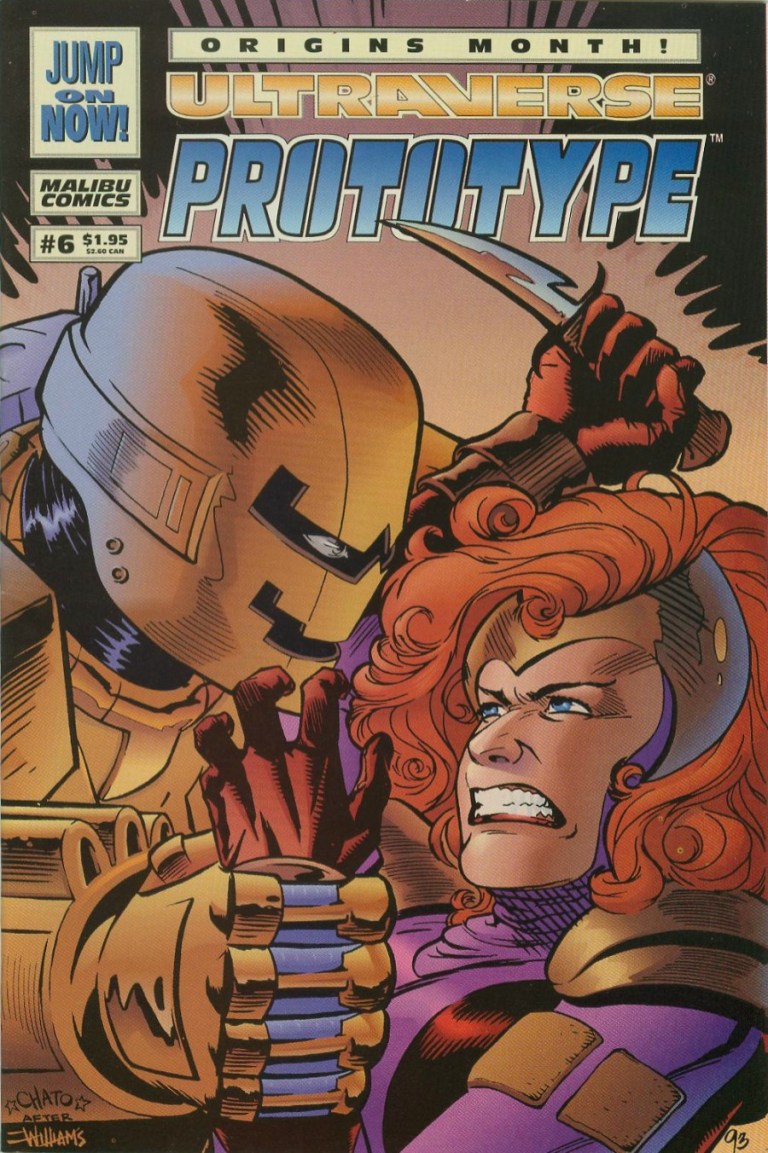
The cover.

Early story

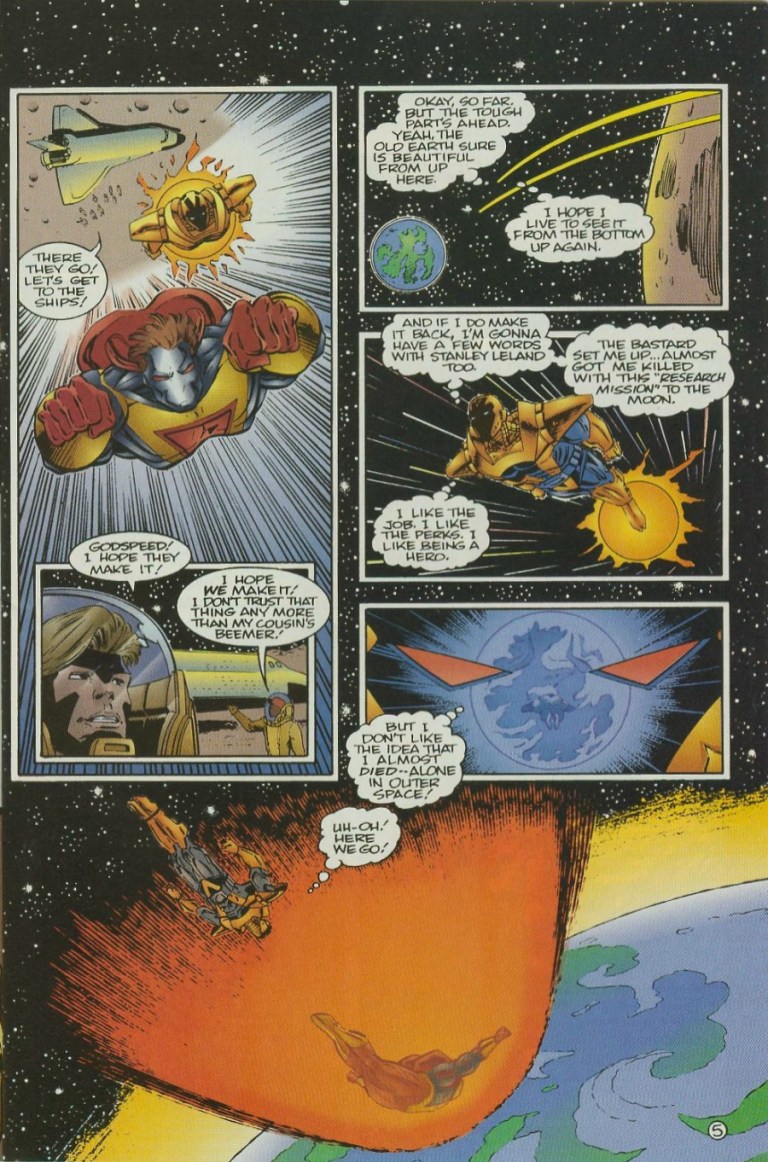
The story begins just hours after the ultras of Earth fought the epic battle on the moon. Prototype and Prime fly their way back to Earth, with the latter serving as a makeshift shield from the heat of re-entry. By this time, the two ultras just concluded their meeting with the Strangers back on the moon, and it was there the idea of trailing Prime was discussed. For Prototype, doing this was crazy especially since it was only days since he fought Prime back on Earth.

Along the way, Prototype (pilot by Jimmy Ruiz specifically) intends to talk with Stanley Leland whom he believes set him up and almost got him killed with the mission to the moon…

Quality

4
After Prototype and Prime parted ways with the Strangers…

This comic book’s story is compelling. Not only does it wrap up the details of Break-Thru through the viewpoint of Prototype, it excelled with telling the story of Bob Campbell (the original Prototype pilot). As the build-up for Bob has been established in the previous issues, his story here resulted a nice pay-off and most notably, it raises the stakes when it comes to the narrative of the Prototype series (which consistently told parallel stories of Jimmy and Bob). I also enjoyed the introduction of a new villainess as well as the continued portrayal of corporate intrigue (this alone is one of the best features of the Ultraverse narrative).

The visuals done by Roger Robinson are pretty good and they really brought the script to life. Robinson also scored well with making the action scenes look dynamic without going over the top.

Conclusion

2
The money shot!

Prototype is a great read! Not only does it wrap up the Break-Thru crossover through Prototype, it also has solid storytelling turning points not only with Bob Campbell but also Jimmy Ruiz. There were no boring scenes and I love the way the script emphasized the culture of corporate America within the Ultraverse and how it affects ultras.

If you are seriously planning to buy an existing hard copy of Prototype (1994), be aware that as of this writing, MileHighComics.com shows that the near-mint copy of the regular edition costs $4.

Overall, Prototype (1994) is highly recommended!


Thank you for reading. If you find this article engaging, please click the like button below and also please consider sharing this article to others. If you are looking for a copywriter to create content for your special project or business, check out my services and my portfolio. Feel free to contact me as well. Also please feel free to visit my Facebook page Author Carlo Carrasco and follow me at HavenorFantasy@twitter.com

A Look Back at Hardcase #9 (1994)

Disclaimer: This is my original work with details sourced from reading the comic book and doing personal research. Anyone who wants to use this article, in part or in whole, needs to secure first my permission and agree to cite me as the source and author. Let it be known that any unauthorized use of this article will constrain the author to pursue the remedies under R.A. No. 8293, the Revised Penal Code, and/or all applicable legal actions under the laws of the Philippines.

Having reviewed the first eight issues of the Hardcase series, I should say that the title character is easily one of the best protagonists of the entire Ultraverse and the late author James Hudnall deserves credit for the storytelling and character development. Hardcase made it in CBR’s 2016 article about what is being missed from the Ultraverse.

As written in the said CBR.com article: Created by James Hudnall, Hardcase was one of the first superheroes in the Ultraverse, forming a team with some other early superheroes. They called themselves “The Squad,” and soon became extremely famous. However, tragedy struck when the team took on a powerful villain, who killed almost all of them, with only Hardcase remaining as The Squad’s only surviving member. Of his three other teammates, two died and one was comatose. He retired from being a superhero and instead became an actor, portraying himself in major motion pictures. When the Ultraverse officially began, Hardcase was pulled out of retirement to become a superhero once again.

Before he passed away on April 2019, Hudnall expressed his support for US President Donald Trump and pointed out that the media has been lying and the ones who are fascists are the rioters who attacked people since the 2016 election.

With all that information presented, let’s take a look back at Hardcase , published in 1994 by Malibu Comics with a story written by Hudnall and drawn by Brent Anderson (the same guy behind the 1982 graphic novel X-Men: God Loves, Man Kills).

Cover
The cover.

Early story

The story begins with Tom Hawke/Hardcase spending time with the comatose Linda. He tells her about what he went through recently. The narrative shifts to a few days back with his work in filmmaking. He meets with Choice whom he has gotten close with for some time.

Inside a trailer, the two discuss relationships and the complexity that comes with acting with regards to emotions.

A short time later, a huge monster attacks Hardcase in public. The monster tells him: “You’re as egotistical as all the rest. It’ll be a pleasure to send you to your grave.”

Quality

9
This is one of many scenes of action brilliantly drawn by Brent Anderson.

As the adventures with the Strangers and the Solution are over, this particular comic book served its purpose well – the further development of the relationship between Hardcase and Choice. The way Hudnall scripted this comic book showed a nice balance between romance, superhero spectacle (note: this comic book is loaded!) and the key element of maturity (with regards to dealing with love from both the past and the present).

With regards to the art, Brent Anderson’s debut with the Hardcase series is pretty solid. I like the gritty touch of the visuals he used on the characters, most notably Hardcase and Choice.

Conclusion

5
Hardcase and Choice in Hollywood.

No doubt that this is another solid Hardcase story. I enjoyed this from start to finish (which was emotionally powerful and symbolic). Hardcase marks a new turn in the life of the the title hero.

If you are seriously planning to buy an existing hard copy of Hardcase (1994), be aware that as of this writing, MileHighComics.com shows that the near-mint copy of the regular edition costs $4 while the near-mint copy of the newsstand edition costs $7.

If you are looking for original Hardcase art by Brent Anderson, click here.

Overall, Hardcase (1994) is highly recommended!


Thank you for reading. If you find this article engaging, please click the like button below and also please consider sharing this article to others. If you are looking for a copywriter to create content for your special project or business, check out my services and my portfolio. Feel free to contact me as well. Also please feel free to visit my Facebook page Author Carlo Carrasco and follow me at HavenorFantasy@twitter.com

A Look Back at Hardcase #8 (1994)

Disclaimer: This is my original work with details sourced from reading the comic book and doing personal research. Anyone who wants to use this article, in part or in whole, needs to secure first my permission and agree to cite me as the source and author. Let it be known that any unauthorized use of this article will constrain the author to pursue the remedies under R.A. No. 8293, the Revised Penal Code, and/or all applicable legal actions under the laws of the Philippines.

Hey everyone! It’s time for another story about Hardcase, who is one of the more interesting characters of the Ultraverse as far as I am concerned. With seven issues already reviewed, I can say that the development of Hardcase really worked well thanks to the combined efforts of the creative team with James Hudnall as lead writer. The previous issue I reviewed was part of the Break-Thru crossover of the Ultraverse.

Now we can start looking back at Hardcase , published in 1994 by Malibu Comics with a story written by James Hudnall and drawn by Scott Benefiel.

Cover
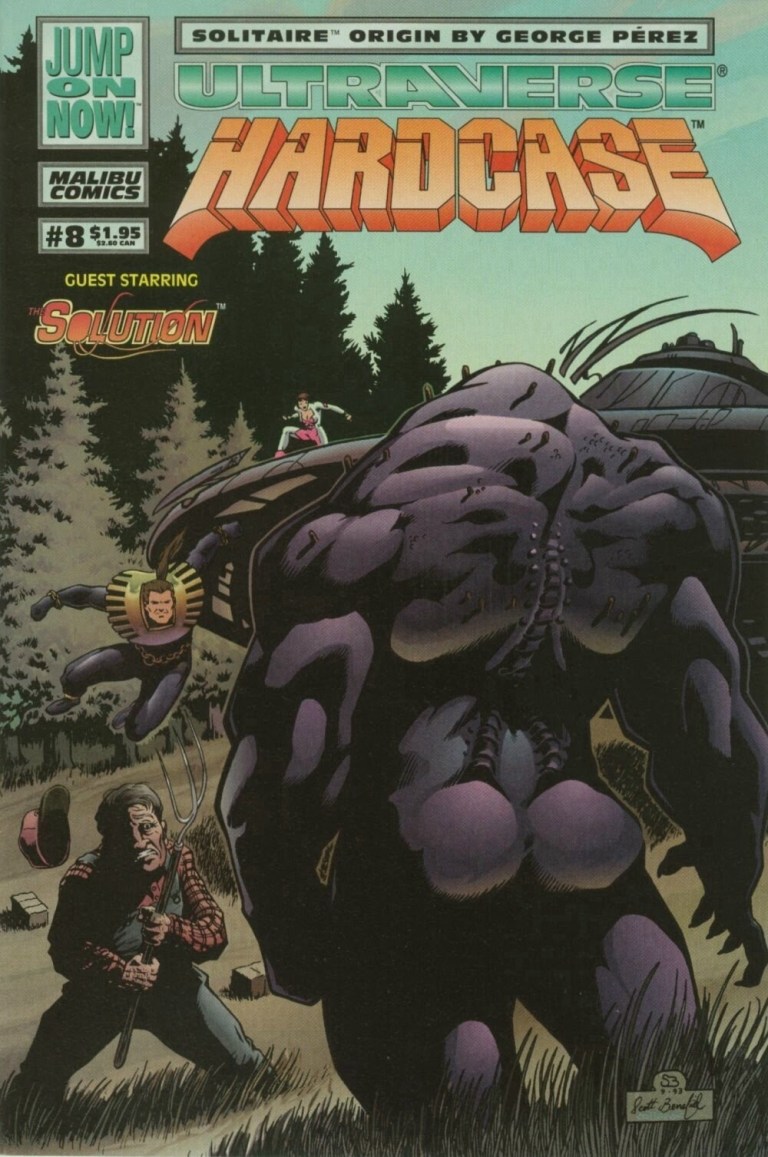
The cover.

Early story

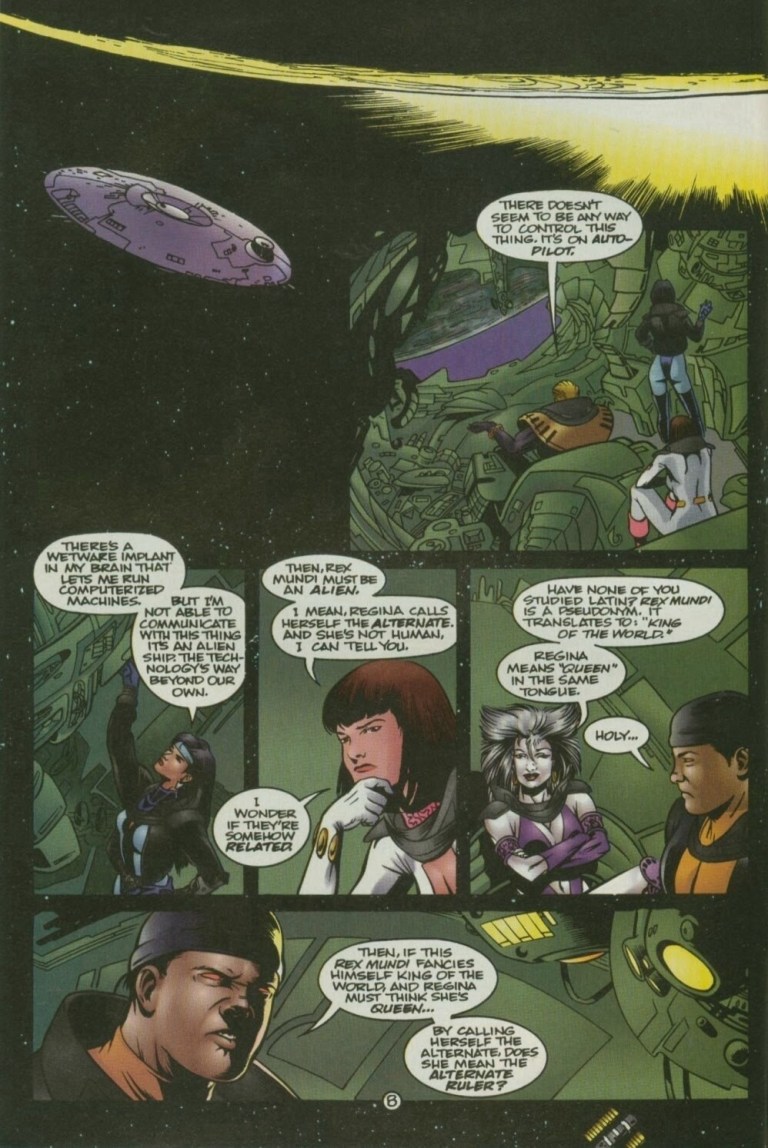
The story begins a short time after the end of the Break-Thru crossover, set on the surface of the moon. A team hired by Rex Mundi tries to reach a spaceship (provided by Mundi) only to see it fly off without them.

Inside the ship, Hardcase, Choice and The Solution celebrate not only because they are going home but also because they beat their Mundi-hired rivals (who destroyed the ship of Hardcase and companions).

Back on the moon, the ones who got left behind reached out to Rex Mundi who is actually inside the Los Angeles headquarters of the Choice Corporation. He starts plotting to get Choice back…

Quality

7
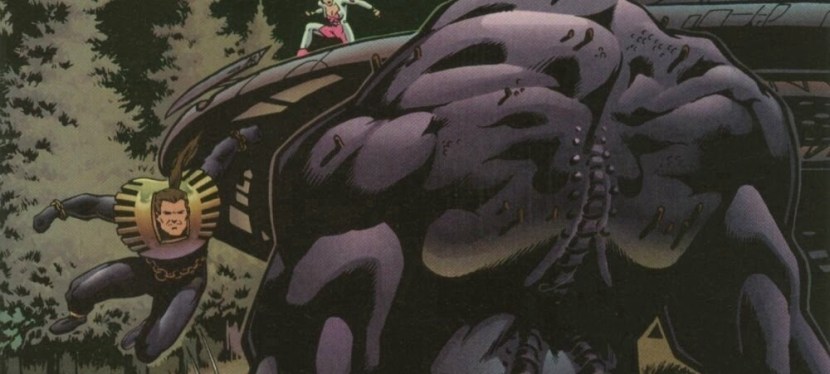
Hardcase, Choice and The Solution in space.

As a story, Hardcase pretty much serves like a wind-up of the events of the Break-Thru crossover but managed to follow Hardcase and Choice enough to keep fans of this comic book series engaged. While there is very little room for character development, at least this comic book emphasized Hardcase’s interactions with The Solution which was believable to follow. When it comes to further magnifying the core elements of the Ultraverse, I like the way James Hudnall emphasized the potential rivalry of power between Rex Mundi (the king) and Regina.

As for the visuals, artist Scott Benefiel’s work here was good and I liked how he illustrated The Solution and the rest of the supporting characters. There were a few shots in which his art resembled that of George Perez.

Conclusion

2
The money shot!

Hardcase is an entertaining read even though the title character had to share the spotlight with other characters of the Ultraverse, which is understandable since this is a post-Break-Thru tale. What it lacks in character development, it bounced back nicely with build-up and suspense.

If you are seriously planning to buy an existing hard copy of Hardcase (1994), be aware that as of this writing, MileHighComics.com shows that the near-mint copy of the regular edition costs $4 while the near-mint copy of the newsstand edition costs $11.

Overall, Hardcase (1994) is recommended.


Thank you for reading. If you find this article engaging, please click the like button below and also please consider sharing this article to others. If you are looking for a copywriter to create content for your special project or business, check out my services and my portfolio. Feel free to contact me as well. Also please feel free to visit my Facebook page Author Carlo Carrasco and follow me at HavenorFantasy@twitter.com


A Look Back at Solitaire #2

Disclaimer: This is my original work with details sourced from reading the comic book and doing personal research. Anyone who wants to use this article, in part or in whole, needs to secure first my permission and agree to cite me as the source and author. Let it be known that any unauthorized use of this article will constrain the author to pursue the remedies under R.A. No. 8293, the Revised Penal Code, and/or all applicable legal actions under the laws of the Philippines.

It’s been quite some time since I reviewed Solitaire #1. What I like about the Ultraverse crime-buster is that he was designed to be a very agile combat expert with the ability to regenerate. Apart from being a very capable fighter, Solitaire is also very skilled detective and has lots of connections (with informers). Some comic geeks compared him to Batman and Wolverine but within the Ultraverse, Solitaire is unique.

Now we can take a look back at Solitaire , published in 1993 by Malibu Comics with a story by Gerard Jones and art by Jeff Johnson (inked by Barb Kaalberg). This particular comic book is connected with the Ultraverse crossover event Break-Thru.

Cover
The cover.

Early story

The story begins in Small Town, U.S.A., a place described to be happy with the air full of laughter, the chatter of children and music played by a band. Solitaire arrives and quickly an arrow was launched at him and missed. The place’s defenders are already aware of him.

The place turns out to be an amusement park filled with tourists who paid for rides, sights and fun. In the middle of it, Solitaire is on a mission. Another arrow was fired at him but thanks to his reflexes, he grabbed it, allowed himself to fall into the water. A lady with a bow and arrows arrives to check on him but Solitaire quickly got back at her, restraining her.

After he asked where the bomb is located, she points to the moon. Suddenly another arrow is fired and hits Solitaire on his left thigh…

Quality

9
Fierce opposition towards Solitaire!

Now that the establishment of Solitaire’s origin and superhero nature has been done, this comic book’s story is pretty adventurous to read. The good news is that it is a well-made adventure that not only delivered the fun but also established Solitaire’s place in the Ultraverse (thanks to the link with the Break-Thru crossover). When it comes to developing Solitaire not only as a crime fighter but as a person, I like the use of flashbacks from his past recalling his time as a much younger visitor to the amusement park complete with his mother remaining a hole in his memory.

More on the story, it is not only adventurous but also packed with action. This time, Solitaire does not fight the stereotypical thugs but rather lady defenders of the Moon Man who are so willing to do their jobs, they attack Solitaire even if it means harming the tourists. The build-up leading to the encounter with the villain was nicely paced and was a worthy pay-off.

When it comes to the art, this is one very nice-looking comic book thanks to Jeff Johnson. The illustrator knew how to pace the story visually and when to add punch to the action scenes and stunts.

Conclusion

4
Imagine yourself touring a theme park and actually witnessing a real attack towards a trespasser.

Solitaire is a fun-filled Ultraverse comic book that is worth reading again and again. What it lacked in character development, it bounced back big time with action and adventure elements.

If you are seriously planning to buy an existing hard copy of Solitaire , be aware that as of this writing, MileHighComics.com shows that the near-mint copy of the regular edition costs $4 while the near-mint copy of the newsstand edition costs $8.

Overall, Solitaire is recommended!


Thank you for reading. If you find this article engaging, please click the like button below and also please consider sharing this article to others. If you are looking for a copywriter to create content for your special project or business, check out my services and my portfolio. Feel free to contact me as well. Also please feel free to visit my Facebook page Author Carlo Carrasco and follow me at HavenorFantasy@twitter.com

A Look Back at Prototype #3 (1993)

Disclaimer: This is my original work with details sourced from reading the comic book and doing personal research. Anyone who wants to use this article, in part or in whole, needs to secure first my permission and agree to cite me as the source and author. Let it be known that any unauthorized use of this article will constrain the author to pursue the remedies under R.A. No. 8293, the Revised Penal Code, and/or all applicable legal actions under the laws of the Philippines.

Are you geeks and comic readers ready for another trip back to the good old days in the 1990s when the Ultraverse line of comic books was published by Malibu Comics in competition with the superhero offerings of Marvel, DC and Valiant Comics?

Here is a look back at Prototype , published in 1993 by Malibu Comics with a story by Tom Mason, Len Strazewski and drawn by David Ammerman.
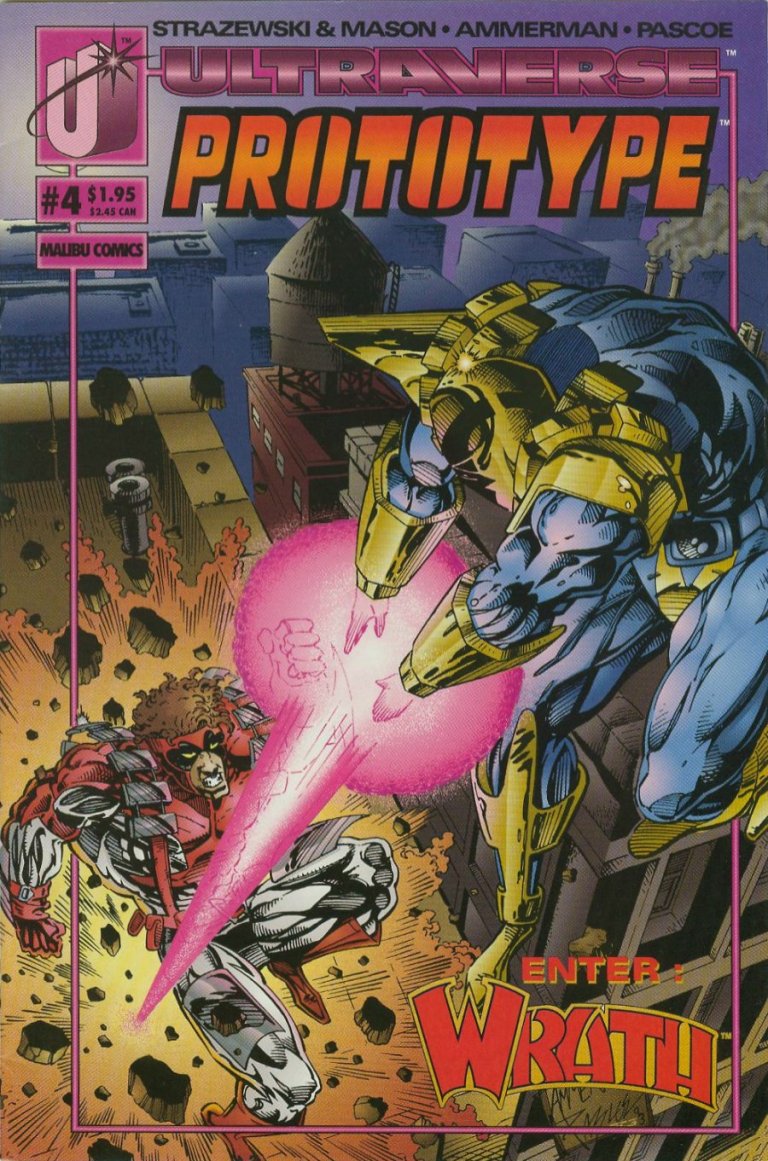
Cover
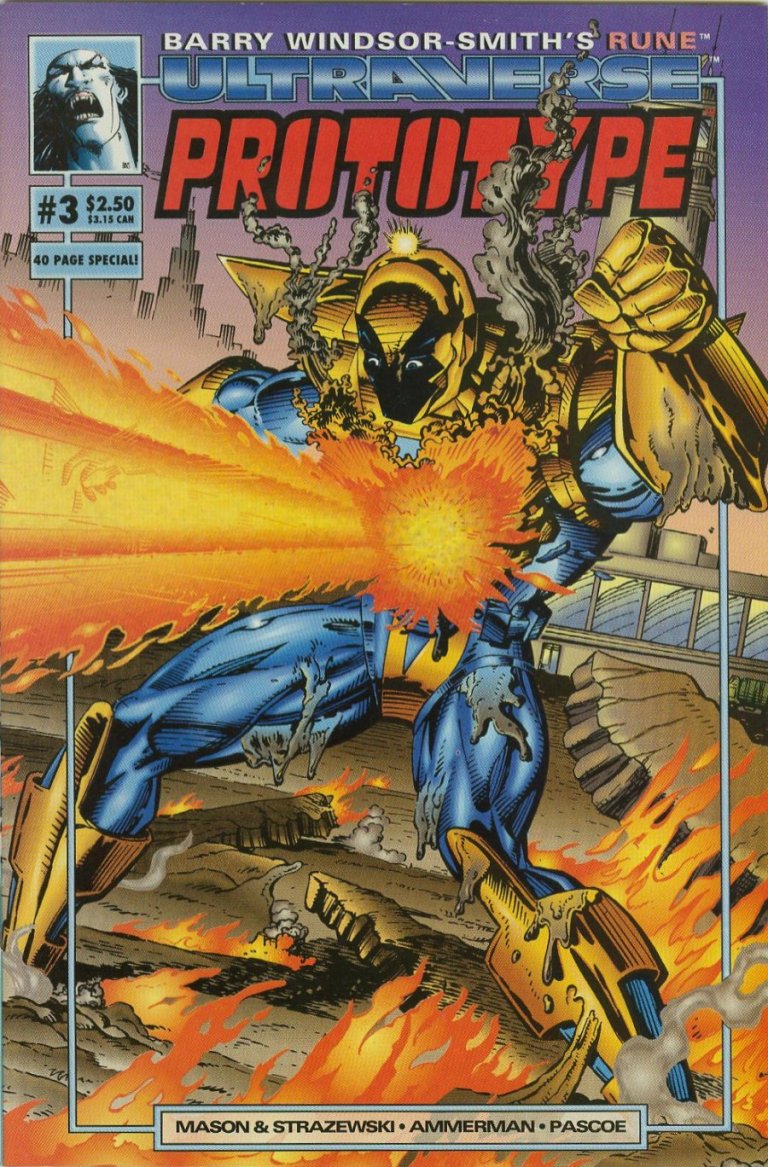
The cover.

Early story

The story begins with Jimmy Ruiz (current Prototype user) in a private jet with his corporate companion Hastings. He’s feeling restless over the delay at the airport.

On a large commercial airplane, a gang of armed, masked men suddenly enter stating they claim the plane in the name of Terrordyne, Inc. Passengers naturally got frightened.

From a distance, Jimmy noticed the trouble happening and told Hastings to call security.

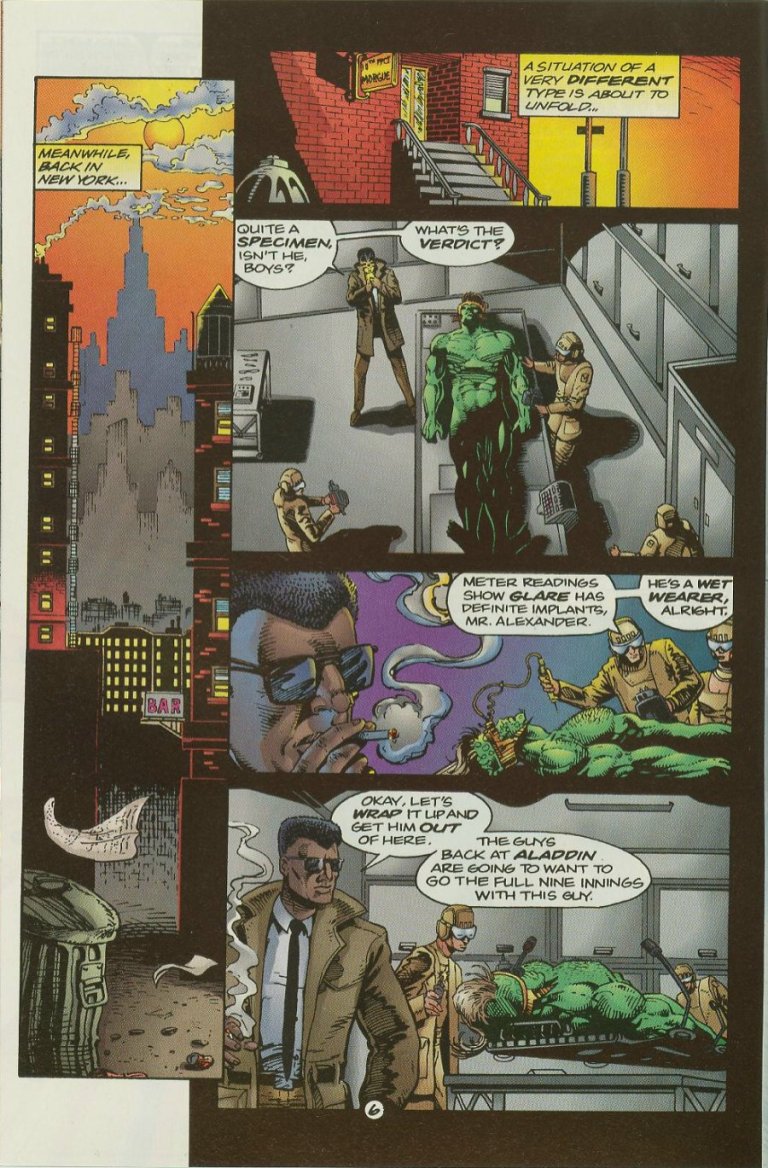
Meanwhile in Chicago, an armed lady talks to someone over the phone. In New York, men start to do some work on the body of Glare, a huge green-skinned figure. He is being prepared for Aladdin…

Quality

11
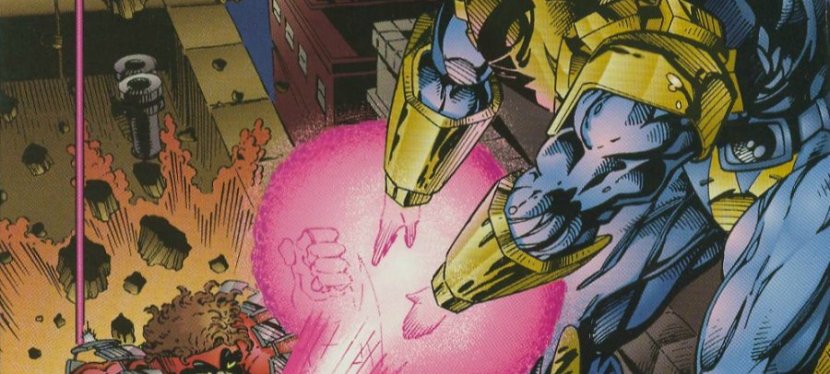
The money shot of this comic book.

Unsurprisingly, stories of heroic struggles (told through Jim and Bob respectively), corporate intrigue and fighting the bad (in this issue: new villain Heater) were the most defining elements of this comic book. The good news here is that there is still a cohesive story told by Tom Mason and Len Strazewski. One of the more notable parts of the story was Bob Campbell’s reuniting with Felicia which for me made a lot of sense since I already read Prototype #0. Once again, David Ammerman did a good job visualizing the script.

Conclusion

5
Glare in the possession of a group.

Prototype is another fun read that has a careful mix of spectacle, character development and corporate culture exposition. While it does not have the horror element of issue #2, its focus on the corporate side and secret operations made this comic book deep. At the same time, this comic book solidly established Jimmy and Bob as the protagonists of the series.

If you are seriously planning to buy an existing hard copy of Prototype (1993), be aware that as of this writing, MileHighComics.com shows that the near-mint copy of the regular edition costs $4. The near-mint copy of the newsstand edition costs $13.

Overall, Prototype (1993) is recommended.


Thank you for reading. If you find this article engaging, please click the like button below and also please consider sharing this article to others. If you are looking for a copywriter to create content for your special project or business, check out my services and my portfolio. Feel free to contact me as well. Also please feel free to visit my Facebook page Author Carlo Carrasco and follow me at HavenorFantasy@twitter.com

A Look Back at Prototype #2 (1993)

Disclaimer: This is my original work with details sourced from reading the comic book and doing personal research. Anyone who wants to use this article, in part or in whole, needs to secure first my permission and agree to cite me as the source and author. Let it be known that any unauthorized use of this article will constrain the author to pursue the remedies under R.A. No. 8293, the Revised Penal Code, and/or all applicable legal actions under the laws of the Philippines.

Over a year ago, I reviewed Prototype #1 and published other Ultraverse comic book reviews that had the armored superhero involved. In recent times, I reviewed Prototype #5 since that comic book was the first of a 2-part crossover between Prototype and The Strangers. Since I already reviewed Prototype #0 to get a good look at the origin of the armored superhero (composed of two different pilots or users working for a corporation), it’s time to go back to one of the early issues of Prototype to discover more of the ultra-hero.

This is my look back at Prototype , published in 1993 by Malibu Comics with a story co-written by Len Strazewski and Tom Mason, and drawn by David Ammerman.

Cover
The cover.

Early story


The story begins with Prototype (piloted by Jim Ruiz) battling with mechanized opponents as he tries to achieve something. It turns out, the entire encounter was a virtual reality training mission which ended after Jim overloaded his armor’s circuits during the heat of training.

While taking off his armor, Jim discusses some matters with his assistant. He recalls his hard battle with an over-sized, muscular opponent whom he noticed to be communicating with someone. The opponent died which gave the public the false impression that Prototype killed him.

Meanwhile over the headquarters of Ultratech, Marjorie listens to Stanley ranting about the negative press their company got recently. As soon as Stanley calms down, Marjorie noticed that Jim was in trouble according to tech read-outs. They analyzed the risk they are taking with Jim being the Prototype pilot as they make sure nobody would learn that there is more than one active Prototype in their company. Marjorie states that she has taken the initiative and assigned someone to take care of Bob Campbell (the other Prototype pilot)…

Quality

5
Jim Ruiz is already struggling with the stress of piloting Prototype.

In terms of storytelling, this comic book is quite gripping as it deals with elements of corporate politics, heroism and even horror. Without spoiling too much, I should say that the battle near the end of the story brought back memories of the 1984 movie The Terminator which itself combined elements of horror, film noir and sci-fi. There was not much room for character development but that was no problem considering the strong storytelling. For his part, David Ammerman’s drawings were nice and detailed to look at, especially when the story focused more on Bob Campbell.

Conclusion

2
The money shot of the comic book!

No doubt about it. Prototype is a very good and entertaining comic book to read. It successfully told two tales (one on Jim and the other on Bob) and cleverly mixed genre elements to deliver solid storytelling. Not only that, this comic book marks one of the early connections between Prototype and Prime as the story took place after the events told in Prime .

If you are seriously planning to buy an existing hard copy of Prototype , be aware that as of this writing, MileHighComics.com shows that the near-mint copy costs $4.

Overall, Prototype (1993) is recommended.


Thank you for reading. If you find this article engaging, please click the like button below and also please consider sharing this article to others. If you are looking for a copywriter to create content for your special project or business, check out my services and my portfolio. Feel free to contact me as well. Also please feel free to visit my Facebook page Author Carlo Carrasco and follow me at HavenorFantasy@twitter.com

A Look Back at Prime #4 (1993)

Disclaimer: This is my original work with details sourced from reading the comic book and doing personal research. Anyone who wants to use this article, in part or in whole, needs to secure first my permission and agree to cite me as the source and author. Let it be known that any unauthorized use of this article will constrain the author to pursue the remedies under R.A. No. 8293, the Revised Penal Code, and/or all applicable legal actions under the laws of the Philippines.

When it comes to notable rivalries between superheroes within the Ultraverse, the Prime-Prototype conflict comes to mind. Granted, the two became teammates in the UltraForce monthly series that launched in 1994 but before that happened, their conflict was intriguing and intense to see.

Let’s examine the beginning of the rivalry between Prototype and Prime in Prime , published in 1993 by Malibu Comics with a story co-written by Len Strazewski and Gerard Jones, and drawn by the late Norm Breyfogle.

Cover
The cover.

Early story

The story begins with Prototype blasting Prime right on his head saying: “I’m telling you again—Hardcase ain’t here! This is Prototype turf and you are making me look bad!”

Out of impulse, Prime (who is teenager Kevin Greene inside the body) strikes back at Prototype pushing him back into the air. Prime describes himself as a real hero and called Prototype a phony of Hollywood.

As the tension increases between them, Prototype fires back at Prime who subsequently responds by punching him hard. The battle goes on.

Meanwhile at another location, Boneyard emerges from a portal carrying an unconscious Mantra with him…

Quality

19
This is compelling character development.

Strong writing and very impressive works of art in this comic book! There is no doubt about that. The writers really poured a lot of energy into the very action-packed conflict between Prime and his armored rival. The conflict is not limited to superhero violence between the two as the writers cleverly crafted a big battle of personalities between an impulsive and clueless teenager (Prime) and a corporate performer (Prototype). In order to grasp that concept, one must read at least the launch issues of the Prototype and Prime series.

Along the way, the writers still managed to conserve a good amount of creative energy to further develop Kevin Greene in his civilian life. I really enjoyed how the creators portrayed him to be a very troubled youth whose struggle with social life has gotten worse as he also struggled with keeping a superhero identity and doing what he believes are good deeds (helping people in trouble) even though he got reckless or clumsy. This is reflected nicely with the ways he tries to socialize with Kelly. Apart from that, the scenes showing Kevin with his father are very intriguing to follow.

The artwork here by Breyfogle is unsurprisingly great. As seen in the previous issues of Prime, the superhero action is dynamic to look at, Kevin and the supporting characters have very well defined looks and by this time, I find them instantly recognizable. As for his visual take on Prototype, I really like Breyfogle’s illustration in this issue.

Conclusion

2
A very dynamic shot of Prime striking Prototype away.

Prime is a great Ultraverse comic book highlighted by the first conflict between Prime and Prototype which is very compelling and at the same time memorable. It’s like seeing two titans of the Ultraverse collide complete with dramatizing how other people got affected by them. As far as the Ultraverse is concerned, the rivalry between the armored ultra and the kid-in-a-man’s-body is solid gold.

If you are seriously planning to buy an existing hard copy of Prime (1993), be aware that as of this writing, MileHighComics.com shows that the near-mint copy of the unbagged regular edition, the bagged regular edition, the unbagged newsstand edition and the bagged newsstand edition costs $4, $5, $6 and $7 respectively.

Overall, Prime (1993) is highly recommended!


Thank you for reading. If you find this article engaging, please click the like button below and also please consider sharing this article to others. If you are looking for a copywriter to create content for your special project or business, check out my services and my portfolio. Feel free to contact me as well. Also please feel free to visit my Facebook page Author Carlo Carrasco and follow me at HavenorFantasy@twitter.com