COVID-19 Crisis: Philippines to become a new producer of vaccines?

Very recently, the national authorities announced that the grand total of COVID-19 (China Virus) cases in the Philippines had surpassed the 1 million mark, landing at 1,006,428 cases. There will be many millions of new vaccines coming into the country but they just could not come in fast enough.

In recent times, the national government started making a move to become a new player in the production of new vaccines for coronavirus according to National Task Force (NTF) Against COVID-19 chief implementer Sec. Carlito Galvez, Jr. He added that this would ensure a steady supply of vaccines not only for this current crisis but also for future health crises.

To put things in perspective, posted below is an excerpt from the story published through Philippine News Agency (PNA). Some parts in bold…

“We are working on building the country’s vaccine sufficiency, particularly our capacity to manufacture and produce our own vaccines not just to address Covid-19 health crisis, but also to prepare for any future pandemic,” Galvez said at a virtual Economic Development Cluster and Infrastructure Cluster forum for the Pre-State of the Nation Address on Monday.

The Philippines is hoping to replicate the Serum Institute of India (SII), India’s largest vaccine producer which produces the Oxford/AstraZeneca vaccine, known in India as Covishield.

Galvez earlier visited India to negotiate with SII for the acquisition of 30 million doses of the Novavax vaccine.

One of the topics tackled during the trip was the possibility to develop local production of vaccines in the Philippines.

“One of our agenda during our trip to India last month was to look into opportunities that will allow us to build on the same vaccine and medicine manufacturing capacity that India has,” Galvez said.

He said he had met with the Department of Science and Technology Sec. Fortunato de la Peña and Trade Secretary Ramon Lopez along with the country’s vaccine experts to discuss the plan to establish local vaccine production.

The government targets “to encourage foreign vaccine manufacturers to establish domestic operations” on vaccine production in the Philippines, he said.

“We will achieve vaccine security and partner with domestic and international private pharmaceutical companies in developing our own capability in manufacturing vaccines domestically,” he added. “For 2023, we envision for self-sufficiency and readiness for the pandemic and other disasters with the modernization and integration of our healthcare system.”

With the ongoing negotiations of the Philippines for equitable vaccine acquisition, Galvez said the government has earmarked a total of PHP82.5 billion for the procurement of Covid-19 vaccines, of which PHP70 billion have been sourced out from various multilateral loans and assumed savings.

As seen above, the Philippines looked to the largest vaccine maker in India as a model for their plan. If vaccine production does push through in the country in the near future, it should create some new jobs and contribute somewhat to the economy. How much would vaccines cost when made here in the Philippines remains to be seen. The same also with how the national government will convince vaccine makers overseas to establish production lines in the country.

Meanwhile, I encourage you my readers to check out how much progress Israel has achieved with regards to combatting COVID-19, normalizing the lives of their people and setting the stage for an economic rebound. In relation to these details, the Jewish State will reopen its borders to foreign visitors who have already been vaccinated. This means visiting the Holy Land is possible once again for all those who seek the Lord. Israel is a bright example for the world and they deserve a lot of praise. Their success was acknowledged by veteran writer Boo Chanco.

Now if only the vaccines the national government paid for will somehow arrive as fast as possible. The Philippines still has a long way to go before achieving herd immunity and having both society and economy rebound at last from the COVID-19 crisis.

By the way, if you are a resident of Las Piñas City or Muntinlupa City, you can get yourselves registered for COVID-19 vaccines by reading the instructions and details here (Las Piñas) and here (Muntinlupa).

If you have something to say about the current situation of COVID-19 vaccines in the country, or within your city or local community, you may contact me directly online or comment below.

+++++

Thank you for reading. If you find this article engaging, please click the like button below and also please consider sharing this article to others. If you are looking for a copywriter to create content for your special project or business, check out my services and my portfolio. Feel free to contact me as well. Also please feel free to visit my Facebook page Author Carlo Carrasco and follow me at HavenorFantasy@twitter.com

Time to Help Dengue Sufferers Using Papaya Leaf Juice

PapayaJuiceDailyHuntIn
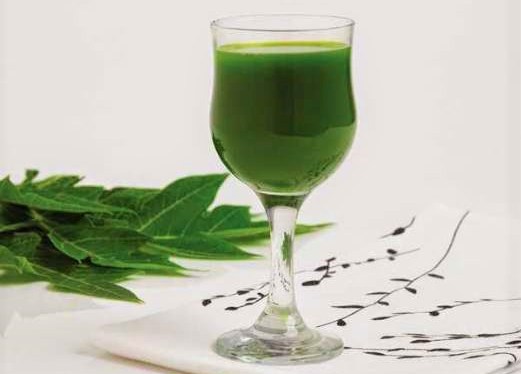
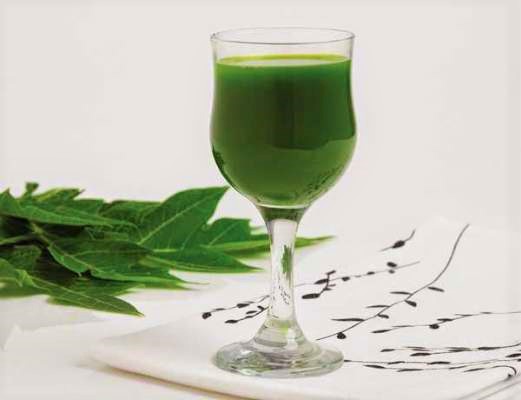
Papaya leaf juice. (photo credit: DailyHunt.in)

On August 6, Department of Health (DOH) secretary Francisco Duque II declared a National Dengue Epidemic in relation to the 146,062 cases recorded (January to July 20) this year here in the Philippines.

Duque revealed that the reported cases are almost 100% higher than compared to the same period in 2018. The total number of deaths recorded this year is now at 622.

The declaration was the result of a full council meeting at the National Disaster Risk Reduction and Management Council (NDRRMC) that took place at Camp Aguinaldo in Quezon City.

In South Metro Manila, the City Government of Las Piñas responded to the declaration by informing their constituents to be prepared and vigilant of dengue. Mayor Imelda Aguilar and her daughter Vice Mayor April Aguilar-Nery called on all city residents to be careful and strive to clean up their homes and spots of their local areas. The City Government confirmed that all health centers around the city have dengue testing kits and the testing itself will be done for free.

Now that a national dengue crisis has been confirmed, now is the time for people living and working here in the Philippines to find not only the most effective methods to protect themselves from the disease but also to help cure the people already suffering from it.

To put things in perspective, the term dengue refers to both the virus and the fever. Dengue virus is a mosquito-borne, single positive-stranded RNA virus of the family Flaviviridae; genus Flavivirus.

Dengue fever is a harsh condition that includes symptoms of high fever, vomiting, pains on the muscle and joints, headache, pain behind the eyes, fatigue and skin rash. The time it takes for a sufferer to recover from it is two to seven days. However, there have been a small number of cases in which dengue fever becomes severe (referred to as dengue hemorrhagic fever). The symptoms for severe dengue include low blood platelets, bleeding and blood plasma leakage. There is also dengue shock syndrome which includes low blood pressure.

How to cure dengue? A scientist I met in Makati City told me it was papaya leaf juice.

For the newcomers reading this, the use of papaya leaf juice in treating dengue is not new. Rather it has been used for a long time in some areas of India and Southeast Asia. As dengue continues to spread and affect new victims around the world, it is expected that papaya leaf juice will grow in terms of demand.

To put things perspective, let’s start with the health benefits that papaya leaves carry. The leaf of the papaya contains a large amount of enzymes that include papain and chymopapain. These aid digestion and prevent bloating as well as digestive disorders. When it comes to vitamins and minerals, papaya leaves are rich in vitamins A, C, E, K and B while the specific minerals are iron, sodium magnesium, calcium and magnesium. The papaya leaf juice also comes with a compound that help with blood clotting and restricting internal bleeding.

Dr. Sheela Krishnaswamy, a nutritionist based in Bangalore, stated that certain studies “have shown that papaya leaf juice contributes significantly in the production of platelets.”

According to Dr. Ashutosh Gautam, 30 ml of fresh papaya leaf juice helps in increasing the blood platelet count which is crucial in treating dengue.

While there are some people who remain skeptical about the effectiveness of papaya leaf juice on curing dengue, a move to turn the herbal remedy into a pill was reported in 2018 thanks to groundbreaking research by scientists at the University of Nottingham’s Malaysia Campus (UNMC).

A team of chemical engineers in the Food and Pharmaceutical Engineering Group at the university are working on extracting carpaine (a bioactive compound) for use in the form of a pill. Because dengue is a huge health problem as the Aedes mosquito population grows, Associate Professor Dr. Ching Lik Hii (who leads the research at UNMC) got inspired to come up with methods to make the herbal remedy easier to process and consume.

Even as there are skeptics about papaya leaf juice as a cure for dengue, the confirmed results so far showed signs of effectiveness on the blood platelet count which itself is an important indicator on the patient’s health status while suffering dengue fever. In addition, papaya leaves

For the meantime, it would be helpful to convince local authorities (especially those who work in health and in government) to at least take a look at research of papaya leaf juice as an option for curing dengue. It is also timely right now that we should examine our nation’s harvest of the papaya trees with stronger focus on growing the leaves.

Do you see a papaya tree near you? Do NOT burn it and do NOT cut it down. Its leaves can be crucial to helping your nation deal with the ongoing dengue crisis. If you know someone who is suffering from dengue fever, then it is crucial to buy many papaya leaves and convert them into liquid form for drinking!

As the Philippines has a dengue crisis to deal, now is the time to contact your barangay (community government) officials, the city government officials, the provincial government officials (for those living in the provinces), the members of the House of Representatives and the Senators to encourage them to explore (if not utilize) papaya leaf juice as an option to treat dengue sufferers.

The time to act is now!


Thank you for reading. If you find this article engaging, please click the like button below and also please consider sharing this article to others. Also my fantasy book The World of Havenor is still available in paperback and e-book format. If you are looking for a copywriter to create content for your special project or business, check out my services and my portfolio. Feel free to contact me as well. Also please feel free to visit my Facebook page Author Carlo Carrasco and follow me at HavenorFantasy@twitter.com